
Summer flowers give up early. One cool night and the petunias look tired, the annuals flop, and the garden starts to fade. 🍂
But autumn doesn’t have to be the end of the show. It can be the best part of it.
The flowers below are built for cooler days. Some bloom for weeks, right up to the first hard frost. Some come back bigger every year. And a few carry the garden through until winter with colour the summer stuff never manages. Plant them now and you get a garden that peaks while your neighbours’ beds are winding down.
We’ll run through the ten classics first, then get into the bonus flowers most lists leave out, the bulbs to sneak in now for spring, and the timing and soil tricks that make it all work. Stick with it to the end – the last few tips are the ones that save you the most money. 🌼
Quick key. Next to each plant we have flagged whether it comes back next year. “Perennial” means it returns. “Annual” means it lives for one season, but it earns its place by blooming its heart out before it goes.
1. Chrysanthemums (Mums)
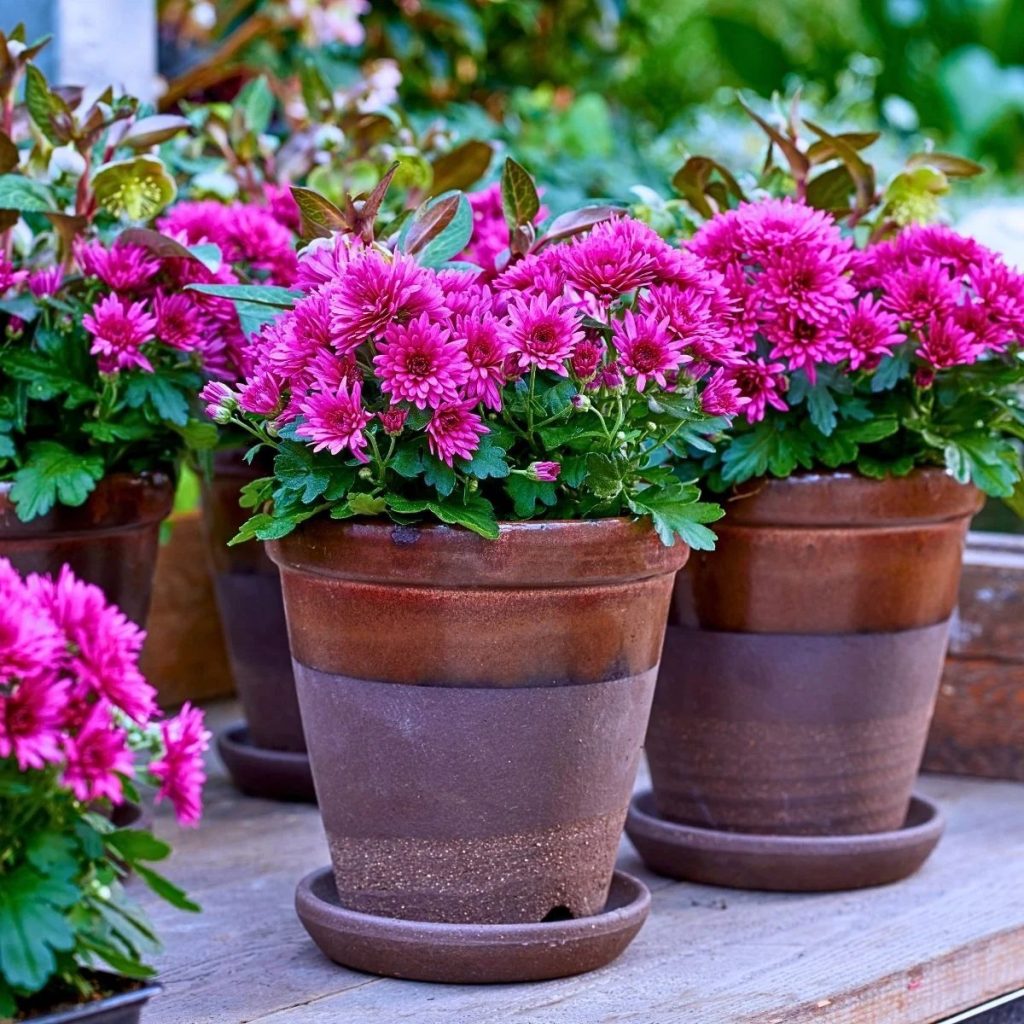
Mums are the flower everyone reaches for in fall, and for good reason. They come in red, yellow, orange, white, purple and deep burgundy, and a single plant throws out hundreds of blooms that last for weeks.
Here is the tip most people miss. The mums stacked outside every store in September are often sold as throwaway color. But if you plant them in the ground early in fall, rather than leaving them to sit in the pot, hardy garden mums have a real shot at coming back next year. Get them in the soil, water them well, and give the roots time to settle before the cold.
Comes back: Perennial in zones 5 to 9 if planted early, often grown as an annual otherwise.
2. Marigolds
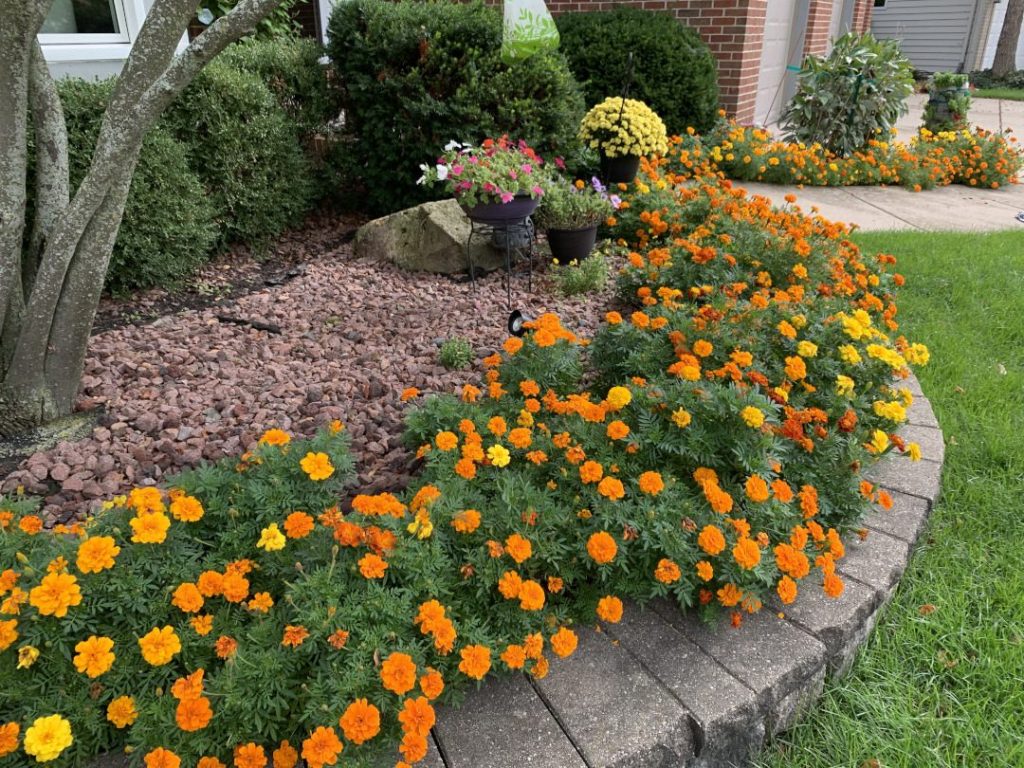
Marigolds bring that warm orange, gold and cream glow that just looks like fall. They flower right up until a hard frost, so they keep going long after the summer flowers have quit.
They have a secret weapon too. Deer and rabbits tend to leave them alone, thanks to their strong scent, which makes them a smart choice for an open yard. Gardeners also tuck them next to vegetables to help keep pests down. Cheap, cheerful and tougher than they look.
Comes back: Annual, but blooms until the first hard frost.
3. Pansies
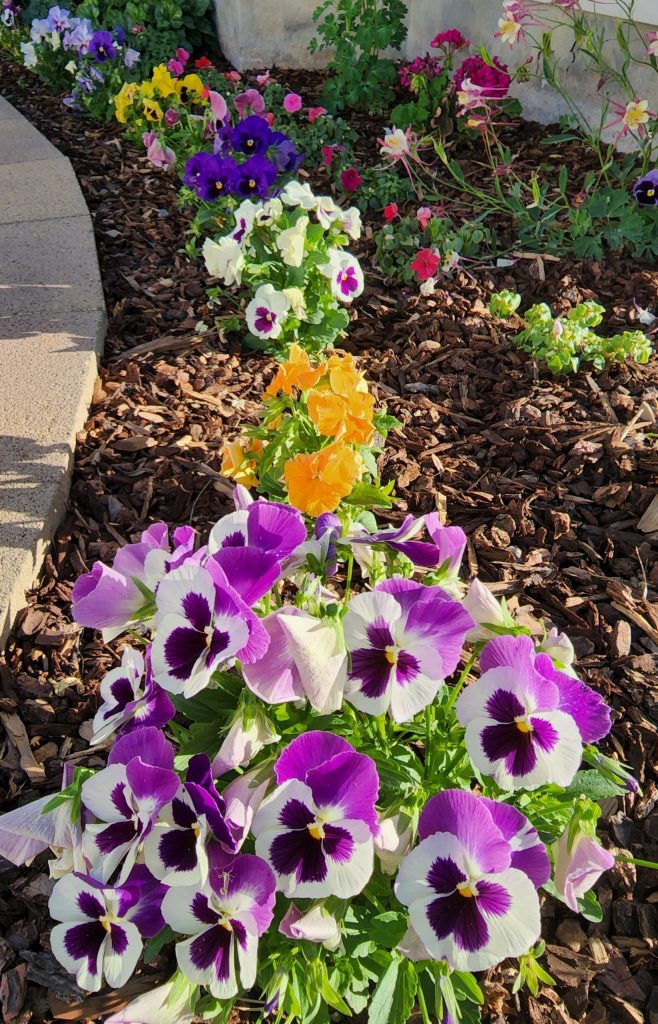
Pansies are the cool-weather champions. While most flowers wilt as the temperature drops, pansies actually prefer it. They shrug off light frost and keep those cheerful faces going in purple, yellow, orange, white and every mix in between.
In milder areas they pull off a neat trick. Plant them in fall and they will bloom, rest through the coldest weeks, then flower again in spring for a second round. Two seasons of color from one planting is hard to beat.
Comes back: Grown as a cool-season annual, often overwinters and reblooms in spring in milder zones.
4. Asters
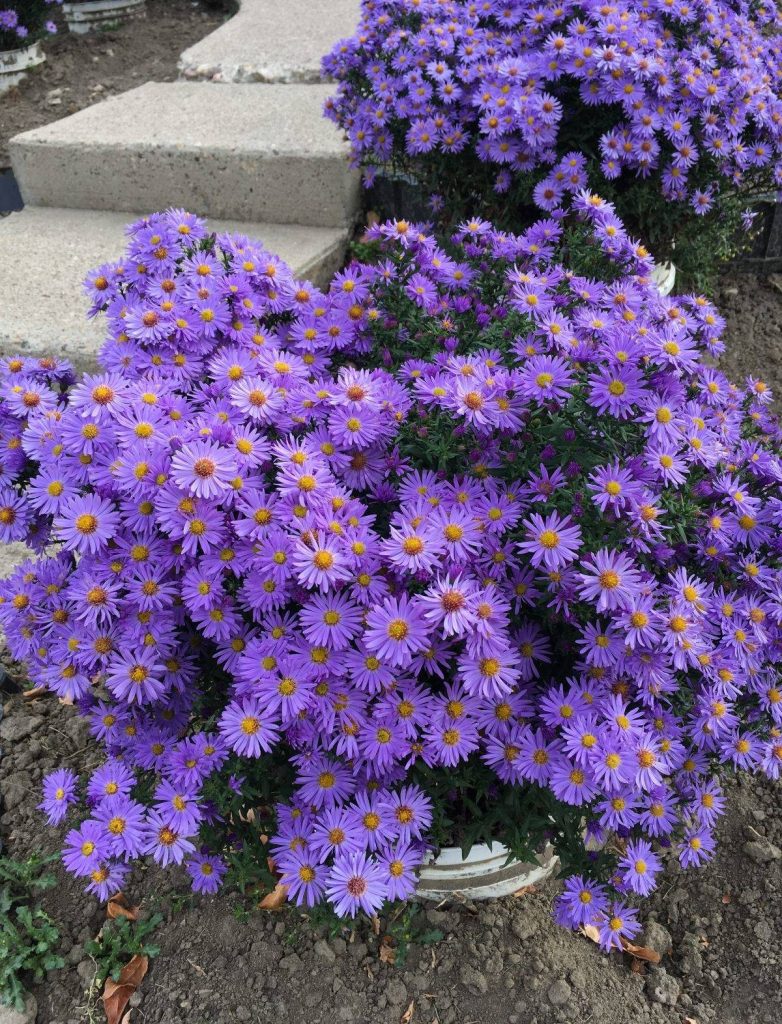
Asters are the native perennial that pollinators cannot resist. Their purple, blue, pink and white daisy-like blooms arrive just as bees and butterflies are hunting for a last meal before winter, so a patch of asters turns into a busy little diner in early fall.
Plant them once and they return year after year, spreading into a fuller clump each season. Pair them with goldenrod, further down this list, and you have the classic fall combo that native plant gardeners swear by.
Comes back: Perennial, hardy in most of the country.
5. Ornamental Kale and Cabbage
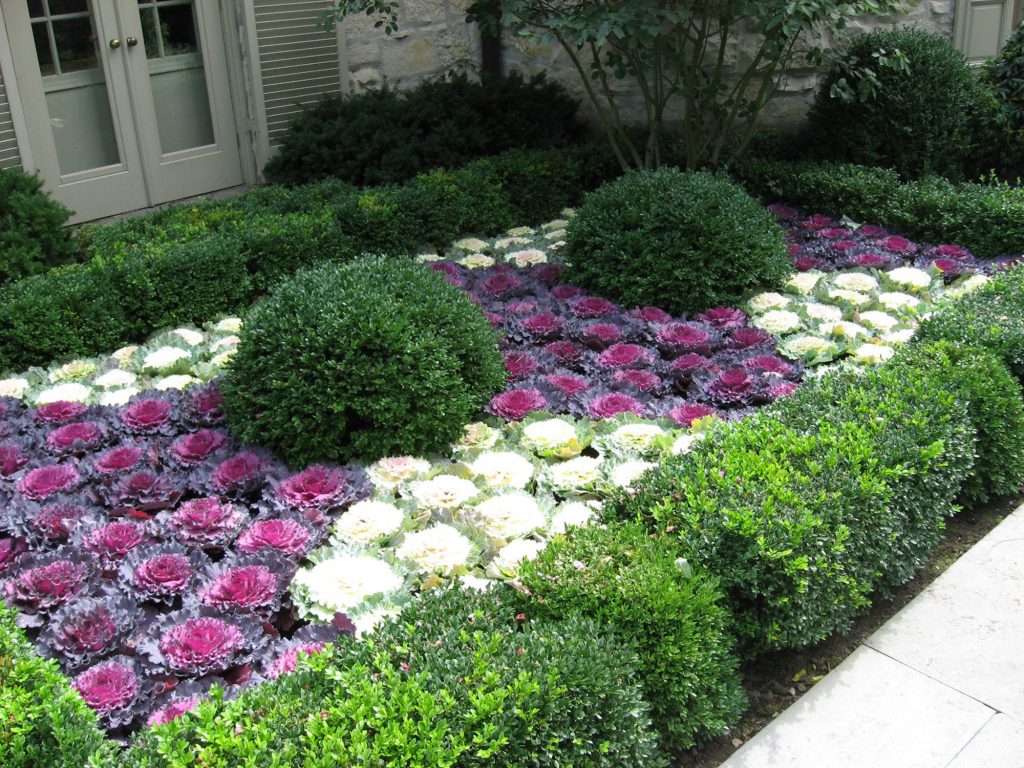
These are not flowers at all, but they steal the show anyway. Ornamental kale and cabbage form big rosettes in purple, pink, cream and white that look like giant blooms sitting low in the bed.
The best part is backwards from most plants. Cold makes them better. As the temperature drops, the colors deepen and get richer, so they actually look their best when everything else is fading. They hold that color deep into the cold, long after the first frost has taken the softer flowers.
Comes back: Grown as an annual, but the color lasts for months.
6. Coneflowers (Echinacea)
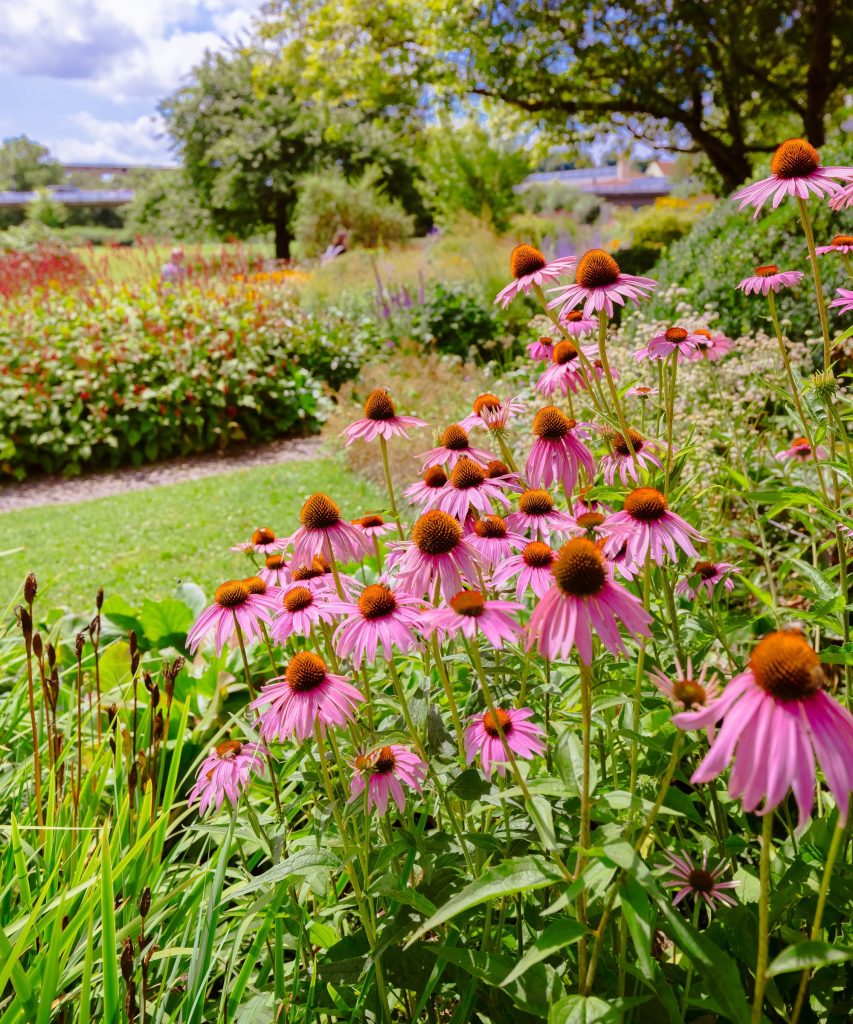
Coneflowers are a hardy perennial that keeps blooming into fall in pink, purple, white, orange and yellow. They are as tough as they are pretty, happy in average or even poor soil, and drought tolerant once they settle in.
Do yourself a favor and leave the spent seed heads standing. Hungry songbirds, especially finches, will pick at them all through late fall and winter, so the plant keeps giving long after the petals drop. It is a free bird feeder that comes back every year.
Comes back: Perennial, one of the most reliable you can plant.
7. Sedum (Autumn Joy)
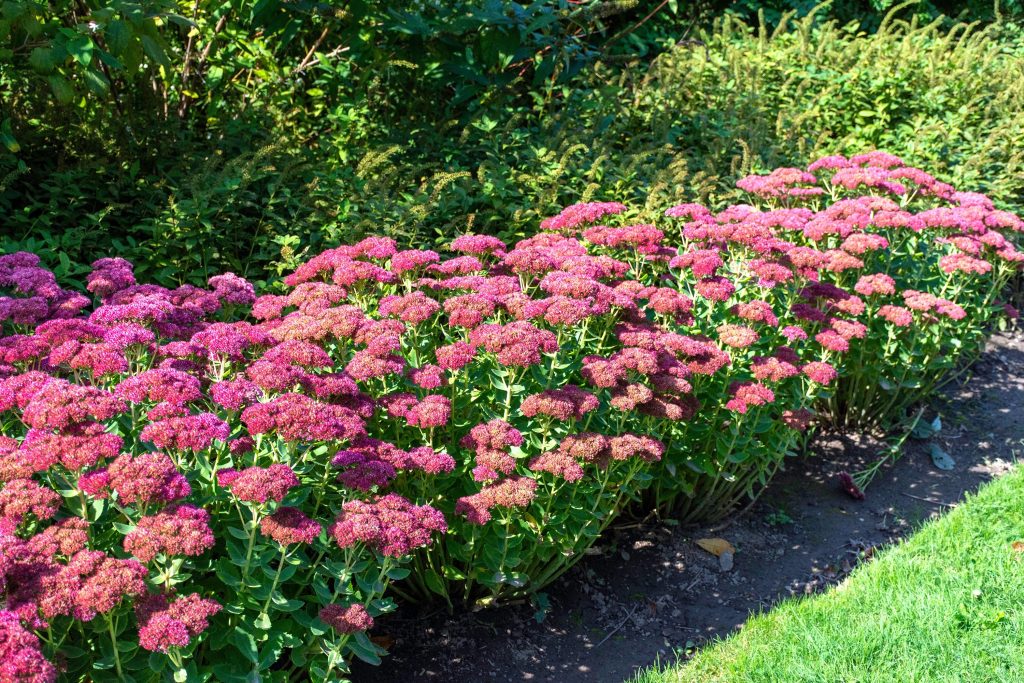
Sedum is the low-effort perennial that looks like you tried hard. Its thick succulent leaves store water, so it barely needs any care, and the flower heads shift color as the season rolls on, moving from soft pink to a deep rust red.
Bees and butterflies love those broad flower heads, and the plant stands up on its own without staking or fuss. Drought tolerant, pest resistant and stunning in a fall border. If you tend to forget to water, this is your flower.
Comes back: Perennial, and gets better with age.
8. Goldenrod
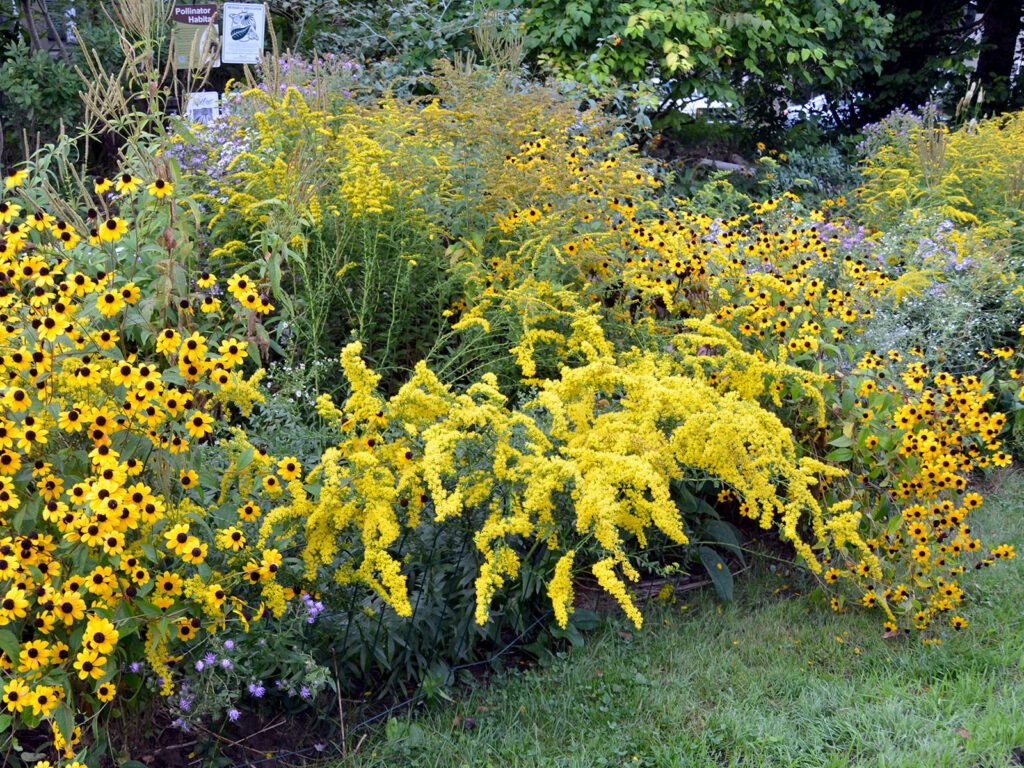
Goldenrod lights up the fall garden with bright, plumey golden yellow, and it is a magnet for pollinators heading into winter. It is a tough native wildflower that pretty much grows itself.
Now for the myth worth busting. Goldenrod gets blamed every fall for hay fever, and it is innocent. Its pollen is heavy and sticky, carried by insects, not the wind, so it never reaches your nose. The real culprit is ragweed, which blooms at the same time and spreads its pollen on the breeze. Goldenrod just happens to be the pretty one standing nearby when everyone starts sneezing.
Comes back: Perennial native, spreads happily.
9. Japanese Anemone
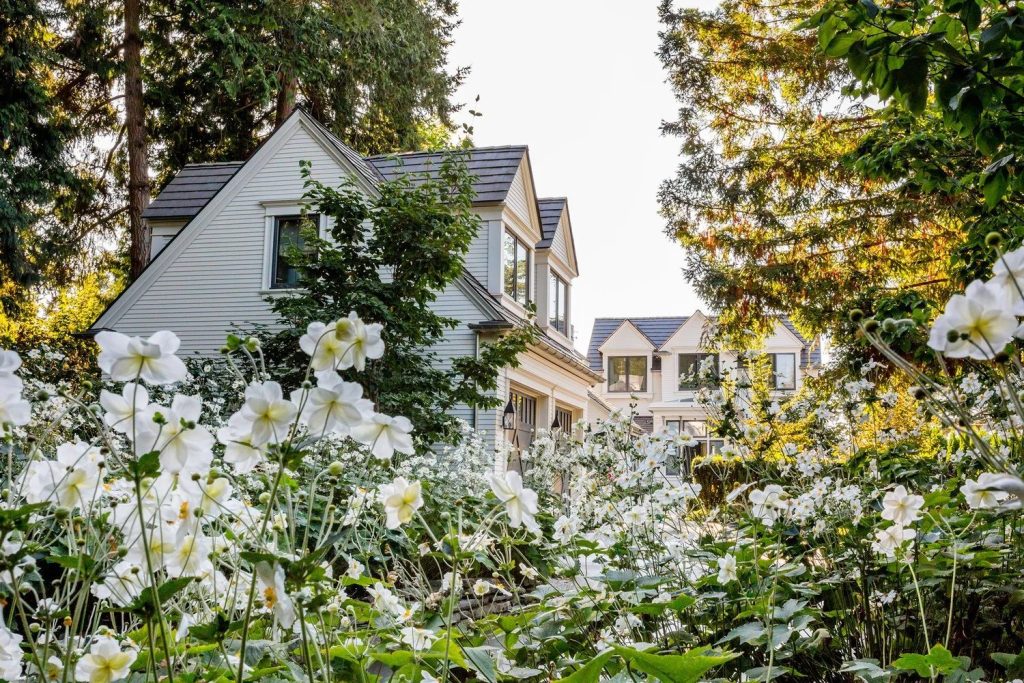
Japanese anemones bring a touch of elegance that most fall flowers do not. Their white, pink and magenta blooms sit on tall slender stems and sway in the lightest breeze, giving a bed a soft, airy feel late in the season.
They are also one of the few good fall bloomers that handle partial shade, so they will brighten a spot where sun-lovers sulk. Give them a little room and they will slowly form a graceful drift over the years.
Comes back: Perennial, and tolerates partial shade.
10. Celosia
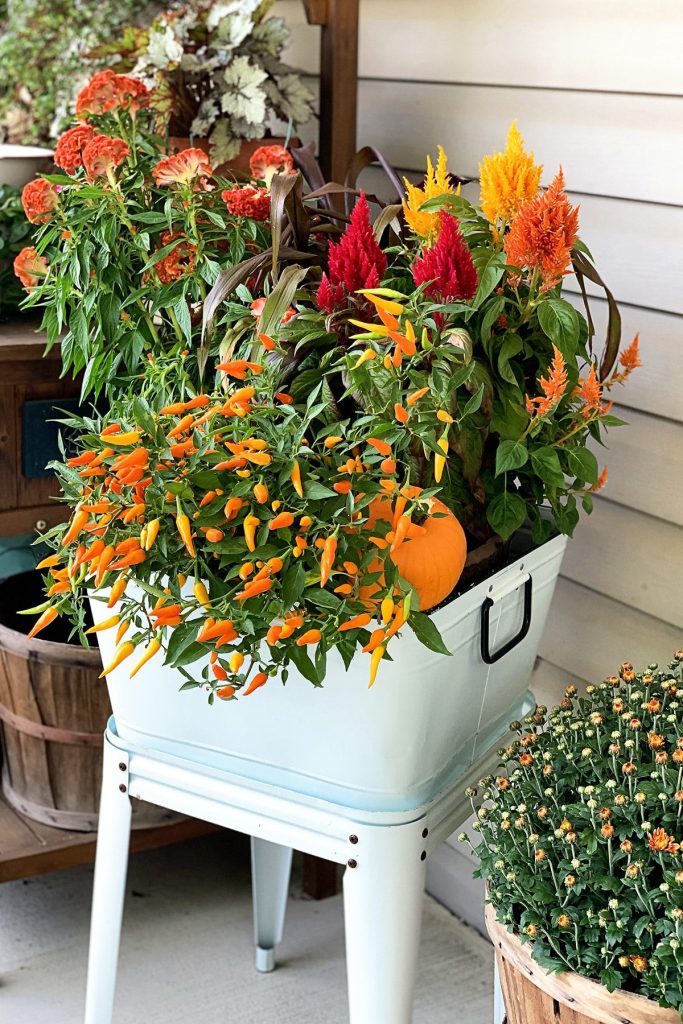
Celosia is the bold, weird, wonderful one. Its flowers come in flame-like plumes or brain-like crests in red, orange, pink, yellow and purple, with a texture unlike anything else in the garden.
Those colors are famous for holding true right up to the first frost, with no fading and no sad, washed-out phase. It is a showstopper in a container or the back of a border, and it dries beautifully for fall wreaths and arrangements too.
Comes back: Annual, bold color until frost.
More fall flowers worth planting
The ten above are the headliners, but they are not the whole story. If you want your yard to stand out, these are the ones that fill the gaps and surprise people.
Black-Eyed Susans (Rudbeckia). Golden yellow daisies with dark centers that bloom late and pair perfectly with asters and sedum. A tough native perennial that pollinators and birds both love.
Snapdragons. A cool-season favorite that perks right back up as the heat fades. They handle light frost and come in nearly every color, and in mild areas they will often overwinter for a spring encore.
Calendula. Also called pot marigold, this cheerful orange and yellow bloomer loves cool weather and keeps flowering well into fall. The petals are edible too, so it earns a spot near the kitchen.
Dahlias. If you already have them going, they will keep blooming in rich jewel tones right up until frost knocks them back. Few flowers give you more drama in the final weeks of the season.
Ornamental Grasses. Not flowers, but their feathery plumes and warm gold tones give fall borders movement and structure that lasts all the way into winter. They catch the low autumn light beautifully.
Toad Lily. A hidden gem for shady spots, with small orchid-like flowers speckled in purple. It blooms late, when most shade plants have long finished, and always gets a “what is that?” from visitors.
Violas. The tougher little cousins of pansies. Smaller blooms, but more of them, and even better at shrugging off cold. Perfect for tucking around the edges of pots and beds.
Do not forget spring: bulbs to plant this fall
Here is the move that separates good gardeners from great ones. Fall is not just for fall flowers. It is the only time to plant spring bulbs, and the ones you tuck in now will reward you months from now when you have forgotten all about them.
Get these in the ground while you are planting everything else. Tulips for bold spring color. Daffodils, which come back for years and are ignored by deer and squirrels. Crocus, the first flower to push up through the last of the snow. And alliums, those tall purple globes that pollinators adore.
Plant them in fall, walk away, and next spring your garden wakes up on its own. It feels like a gift from your past self.
When to plant fall flowers
Timing is where most fall gardens go right or wrong. The goal is to get plants in early enough to settle before the cold, but not so early that they cook in leftover summer heat.
For perennials, aim for roughly six to eight weeks before your first expected frost. That gives the roots time to dig in and anchor before winter, which is what lets them come back strong next year. For cool-season annuals like pansies and snapdragons, you have more room, since they are happy in the chill and will bloom until a hard freeze stops them.
If you are not sure of your first frost date, a quick search for your zip code will tell you. Then count back from there.
Sun and soil: the two things that matter most
Most fall flowers ask for the same two things, and getting them right does more than any fertilizer ever will.
First, give them sun. The large majority of the flowers on this list want full sun, meaning six or more hours a day. The shade-tolerant exceptions are Japanese anemone and toad lily, so save your shady corners for those.
Second, give them soil that drains. Fall means more rain, and cold, soggy roots are what kill most plants over winter, not the cold itself. If water pools in your beds, work in some compost to loosen things up, or plant in raised beds or containers where the water can escape. Do that, and your flowers will forgive almost everything else.
Common fall planting mistakes to avoid
A few small slip-ups trip up even keen gardeners every year. Dodge these and you are most of the way there.
- Leaving mums in the pot. Plant them in the ground early and hardy types may come back. Left in the nursery pot, they almost never survive.
- Planting too late. Roots need a few weeks to settle before a hard freeze. Rushed, late plantings are the ones that do not return.
- Overwatering. Cooler weather means plants drink less. Soggy soil rots roots, so water only when the top inch is dry.
- Cutting everything back. Leave coneflower and sedum seed heads standing. They feed the birds and add winter interest, and you can tidy up in spring.
- Ignoring the soil. A handful of compost at planting time beats a season of feeding later. Do the easy work up front.
Fall flower questions, answered
Which fall flowers come back every year? The perennials on this list: asters, coneflowers, sedum, goldenrod, Japanese anemone, plus black-eyed Susans. Hardy garden mums can too, if you plant them early enough to establish.
What is the longest-lasting fall flower? For sheer staying power, it is hard to beat ornamental kale and cabbage, which hold their color for months and only look better as it gets colder. Pansies are a close second in milder areas.
Can I still plant if frost is close? Yes, if you choose cool-season annuals like pansies, violas and snapdragons, which handle light frost. Hold off on frost-tender annuals like celosia and marigolds once hard freezes are in the forecast.
What should I plant for pollinators? Asters, goldenrod, sedum, coneflowers and black-eyed Susans are the big five for feeding bees and butterflies before winter. Plant a few together for the best effect.
So, Get Planting!
A fall garden can be every bit as full and colorful as a summer one, and often more interesting. Start with the classics like mums, asters and coneflowers, mix in a few surprises like toad lily or ornamental grasses, and tuck some spring bulbs in while you are at it. Get them planted early, in sun, in soil that drains, and your yard will keep glowing long after everyone else has packed theirs away for the year.
Grab a couple off this list this weekend. Future you, looking out at a garden still in full color come November, will be very glad you did.