When the frost rolls in and the ground goes hard, life gets tough for the birds. 🐦
The insects vanish, the ground freezes over, and suddenly every scrap of food is precious.
Most of us reach for a feeder, and that is lovely. But there is a better, more natural way to help, and it turns your garden into a living pantry that refills itself.
The trick is to grow the right plants, then simply leave them standing.
Those dried seed heads and bright winter berries you might be tempted to tidy away? To a hungry chickadee or a flock of waxwings, they are a lifesaver. 🌿
Here are fifteen plants that feed birds right through the cold, plus how to build a bird-friendly planter for a patio or balcony.
The one rule that matters most: put the secateurs down.
The biggest favor you can do for winter birds is to stop cutting everything back in fall.
Those “messy” seed heads on your coneflowers and grasses are packed with food, and the standing stems give insects somewhere to shelter, which birds then hunt through.
Leave it all standing through winter and tidy up in early spring instead. A slightly scruffy winter garden is a full bird feeder in disguise.
1. Coneflower (Echinacea)

If you grow one thing for the birds, make it this.
Leave the spent flower heads standing and those spiky central cones become little seed dispensers that goldfinches cling to all winter long.
They look beautiful edged in frost, too, so you are not sacrificing a thing by leaving them up.
2. Black-Eyed Susan (Rudbeckia)
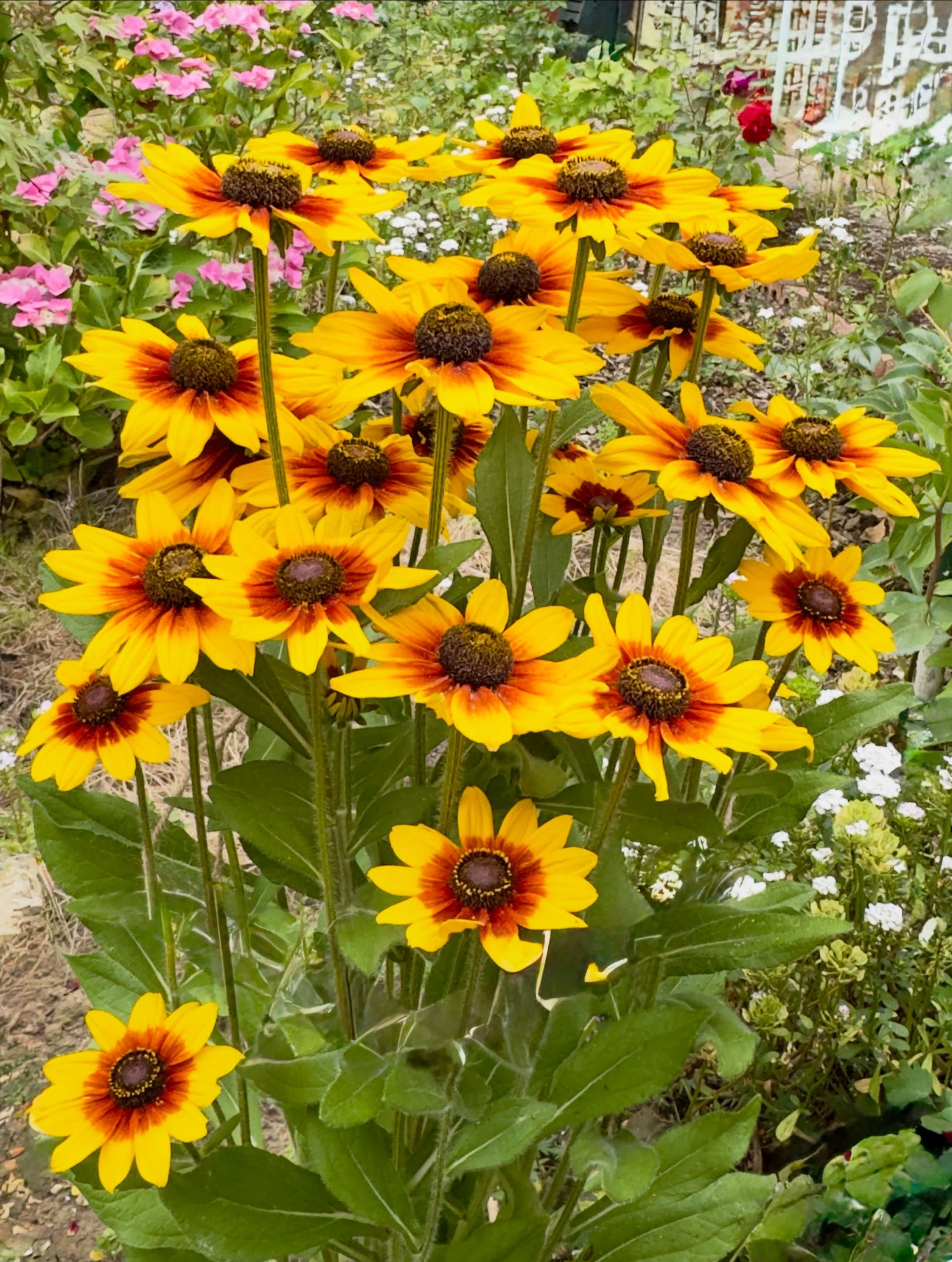
The cheerful summer daisy keeps giving long after the gold petals drop.
Its dark seed heads are a magnet for finches, sparrows and chickadees once the cold sets in.
Plant it in a sunny spot, forget about deadheading, and let the birds do the clean-up.
3. Sunflower
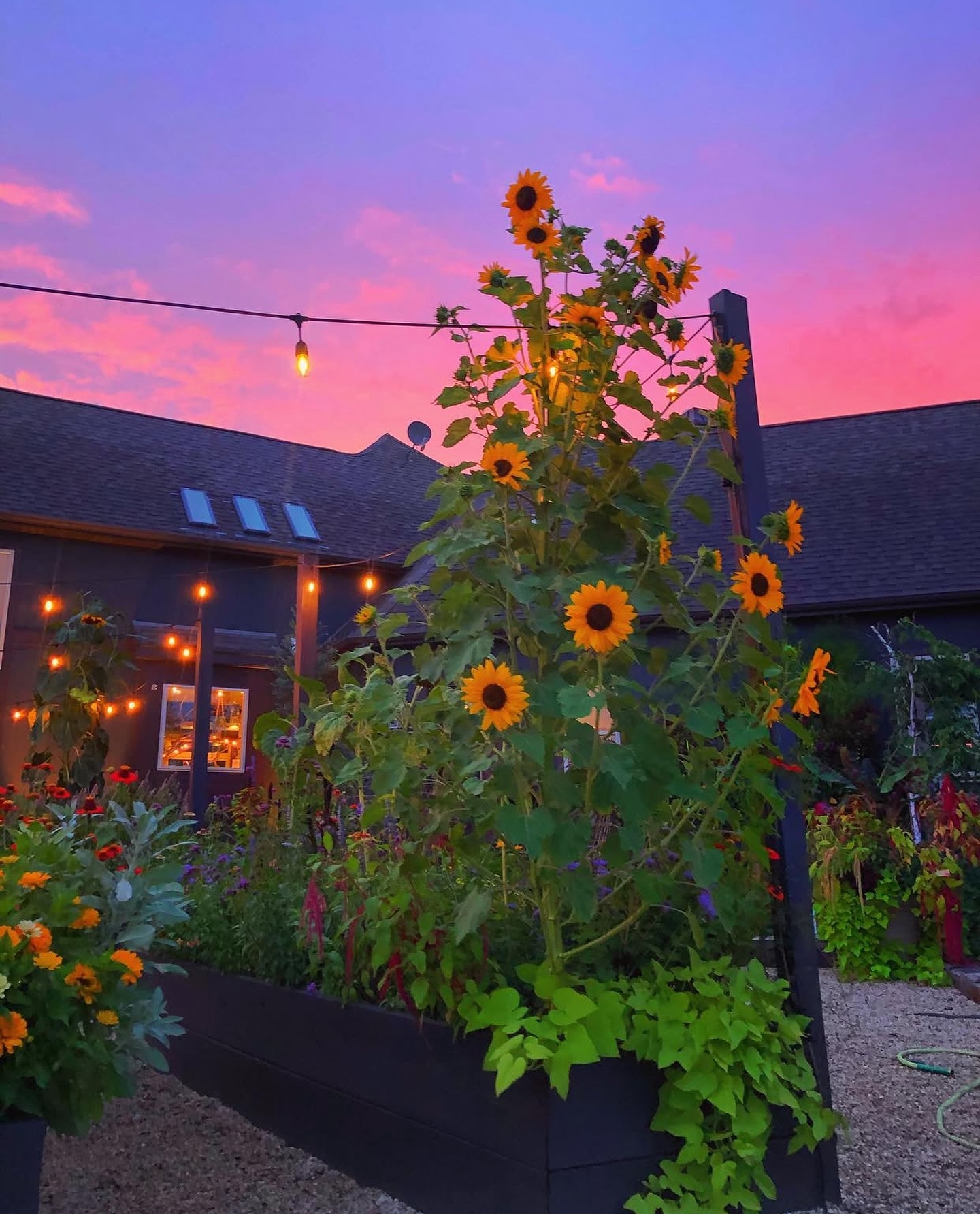
The ultimate bird plant, really a feeder you grow from a seed.
A single big sunflower head is crammed with the exact seeds you would otherwise buy by the bag, and almost every bird going will visit.
Let the heads dry right on the stalk and leave them standing for a natural, free buffet.
4. Sedum (Stonecrop)
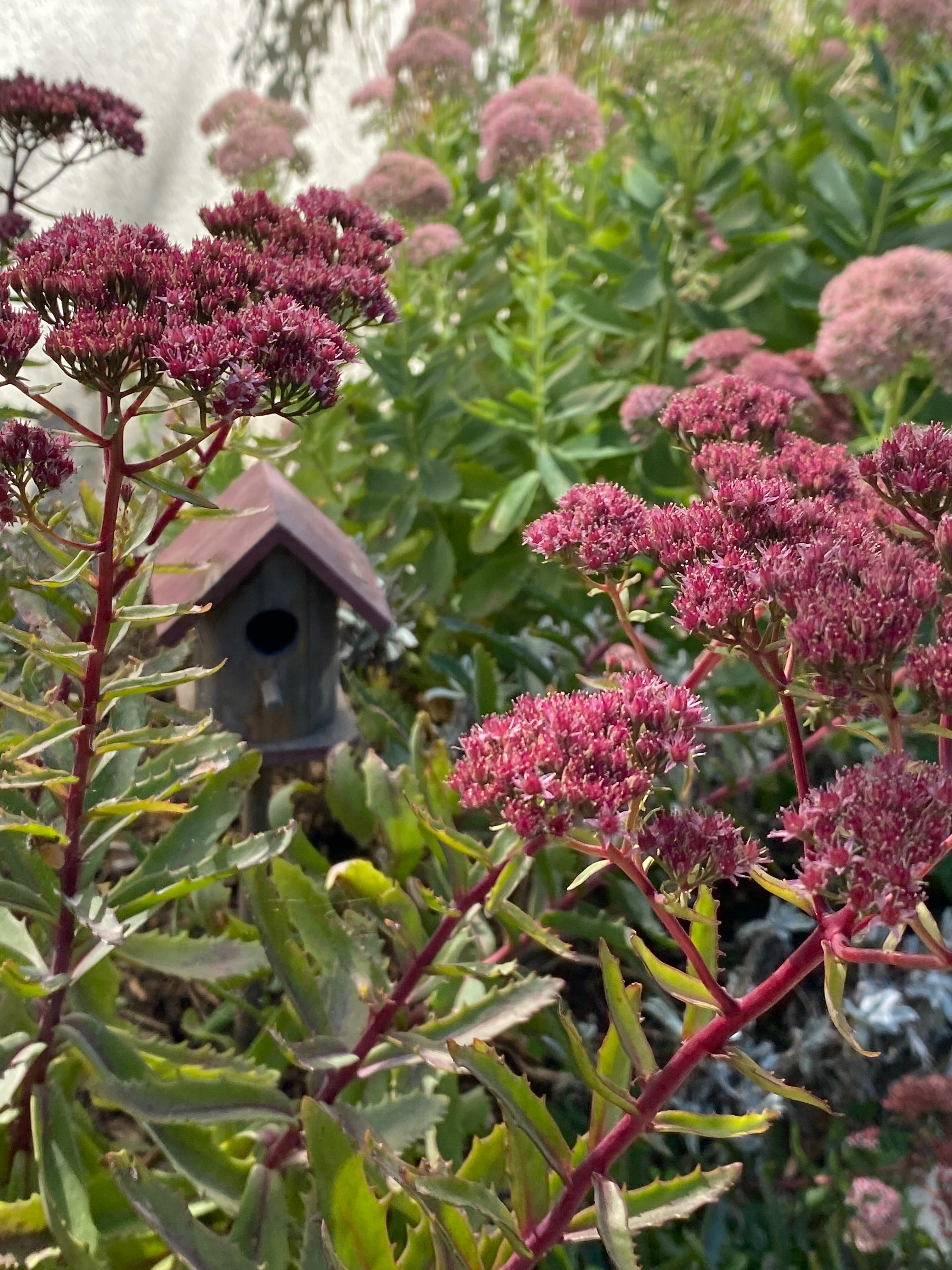
Those big flat flower heads do double duty.
Through fall they glow rose and rust, and through winter their dried, seed-filled heads stand up stiffly above the snow for birds to pick at.
Tough, drought-proof and almost impossible to kill, which makes it an easy win.
5. Asters
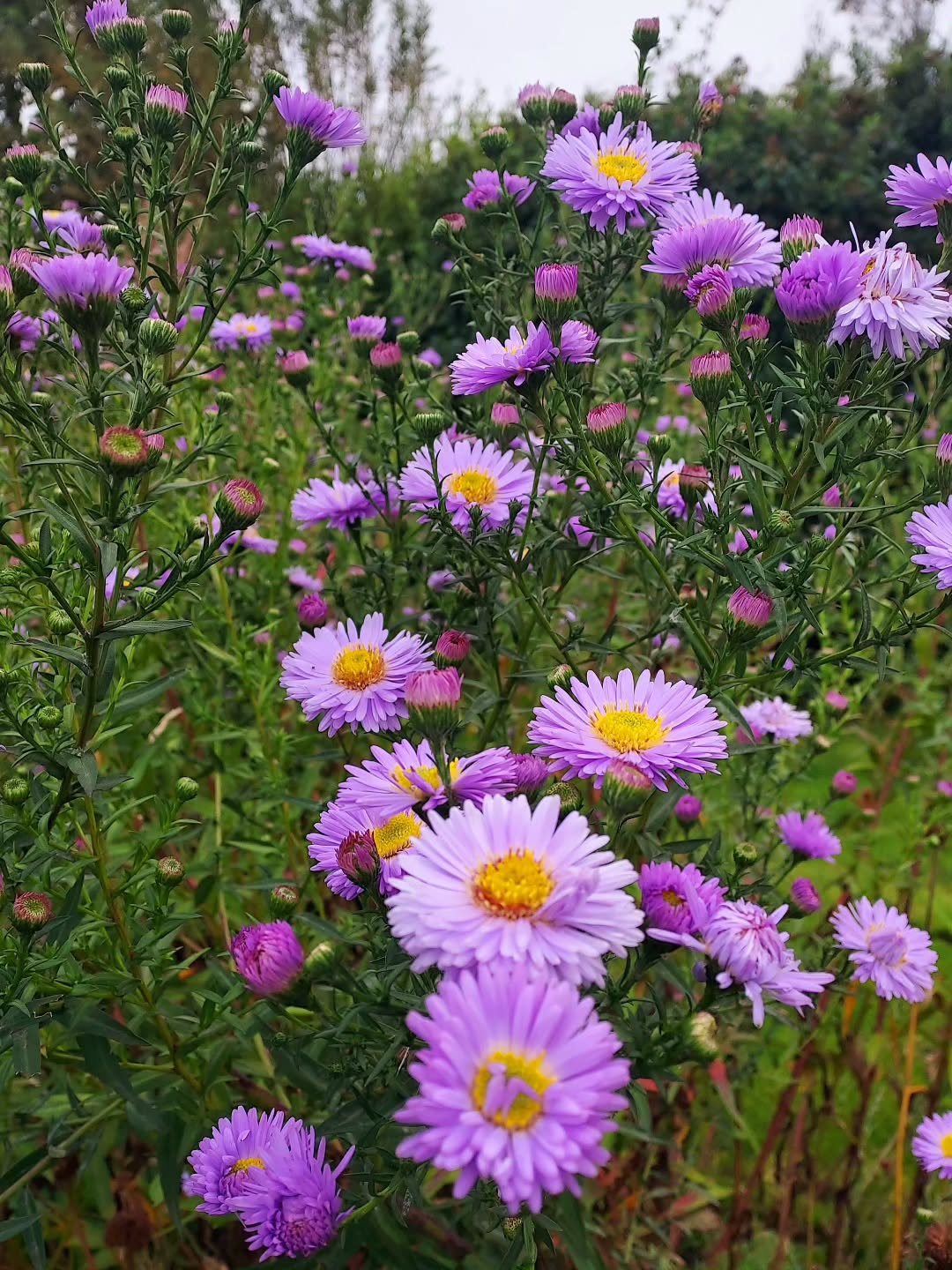
Asters pull double shifts for wildlife.
Their late flowers feed the last butterflies and bees of the year, then the fluffy seed heads that follow feed the birds right through winter.
A proper native all-rounder that keeps on giving.
6. Ornamental Grasses
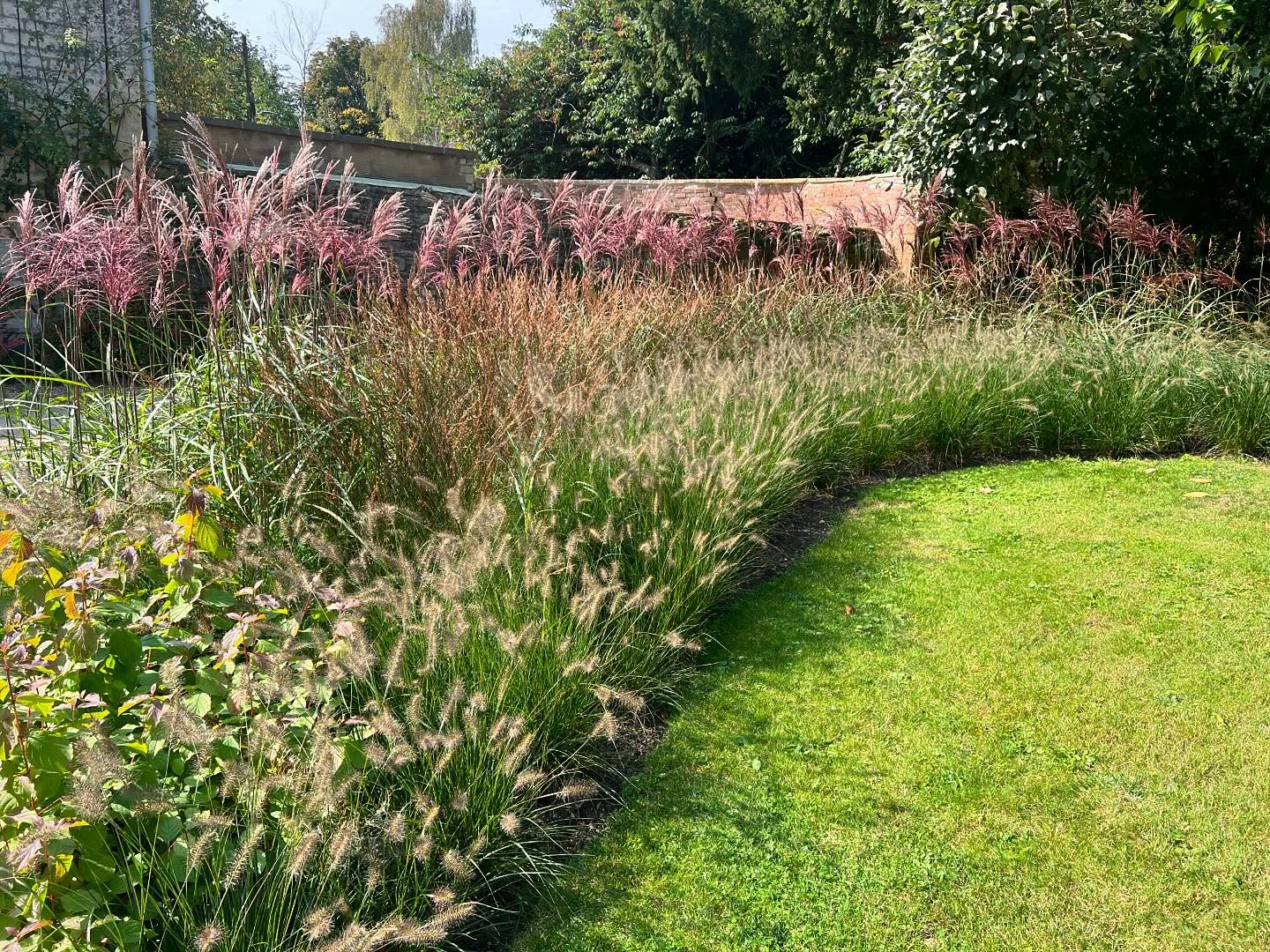
Grasses are a triple threat for birds.
The feathery seed heads are food, the dense clumps are shelter from wind and cold, and the dried blades make perfect nesting material in spring.
Leave them standing and they look gorgeous catching the low winter light, too.
7. Goldenrod
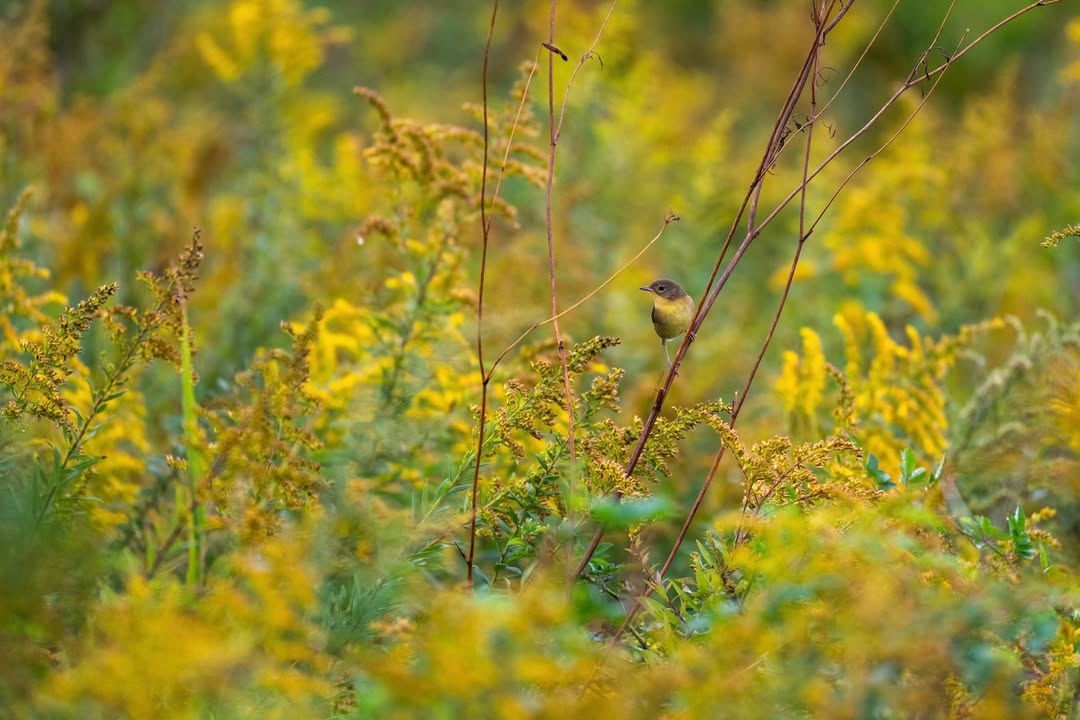
A tough native with a bonus you cannot see.
The seed heads feed birds directly, but goldenrod stems also shelter overwintering insects, which hungry birds hunt out on milder days.
And no, it does not cause hay fever. That is ragweed taking the blame. Goldenrod is innocent.
8. Winterberry Holly
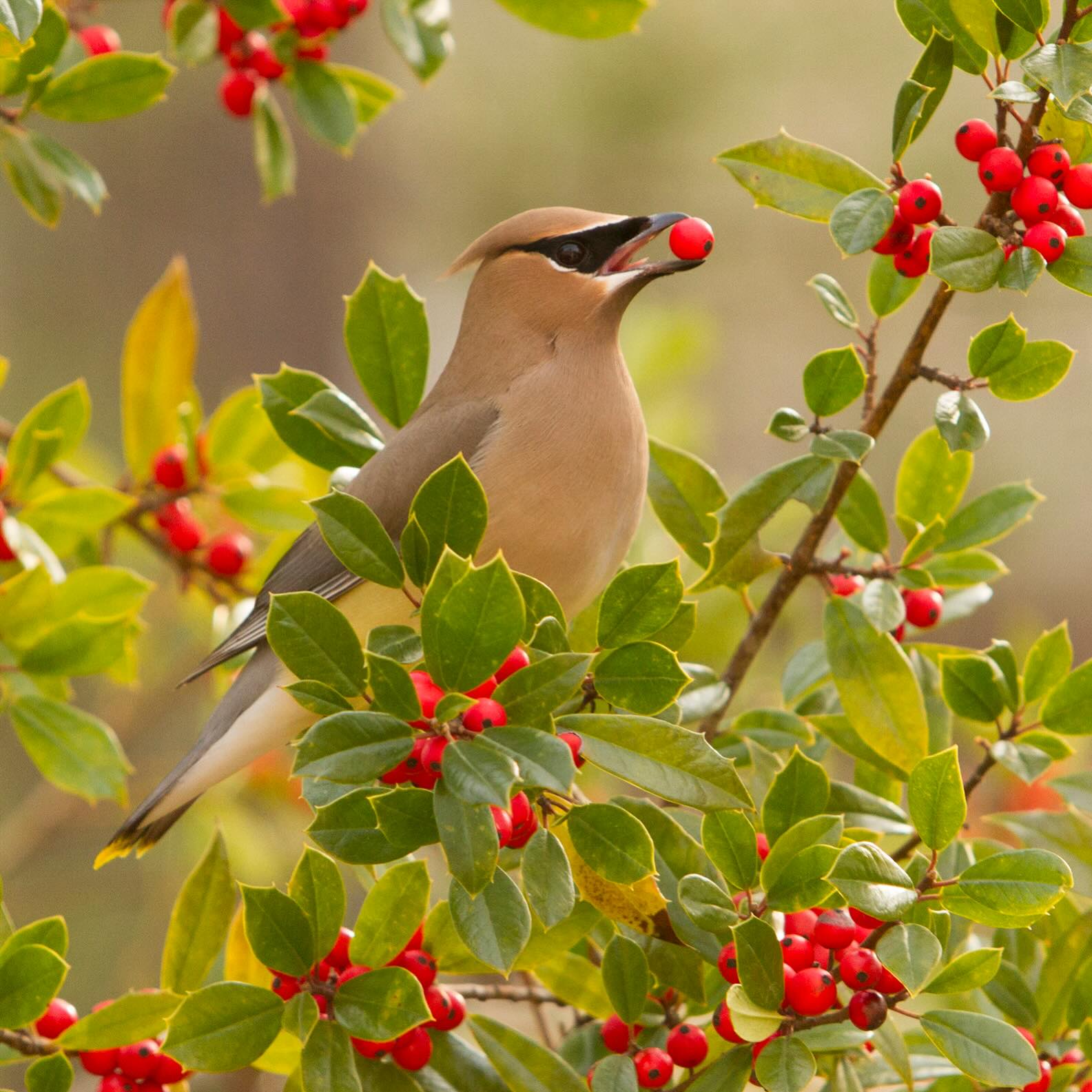
The showstopper of the winter bird garden.
This deciduous holly drops its leaves to reveal branches absolutely studded with brilliant red berries, a feast for robins and waxwings against the snow.
One thing to know: you need a male and a female plant nearby for the female to set those famous berries.
9. Crabapple
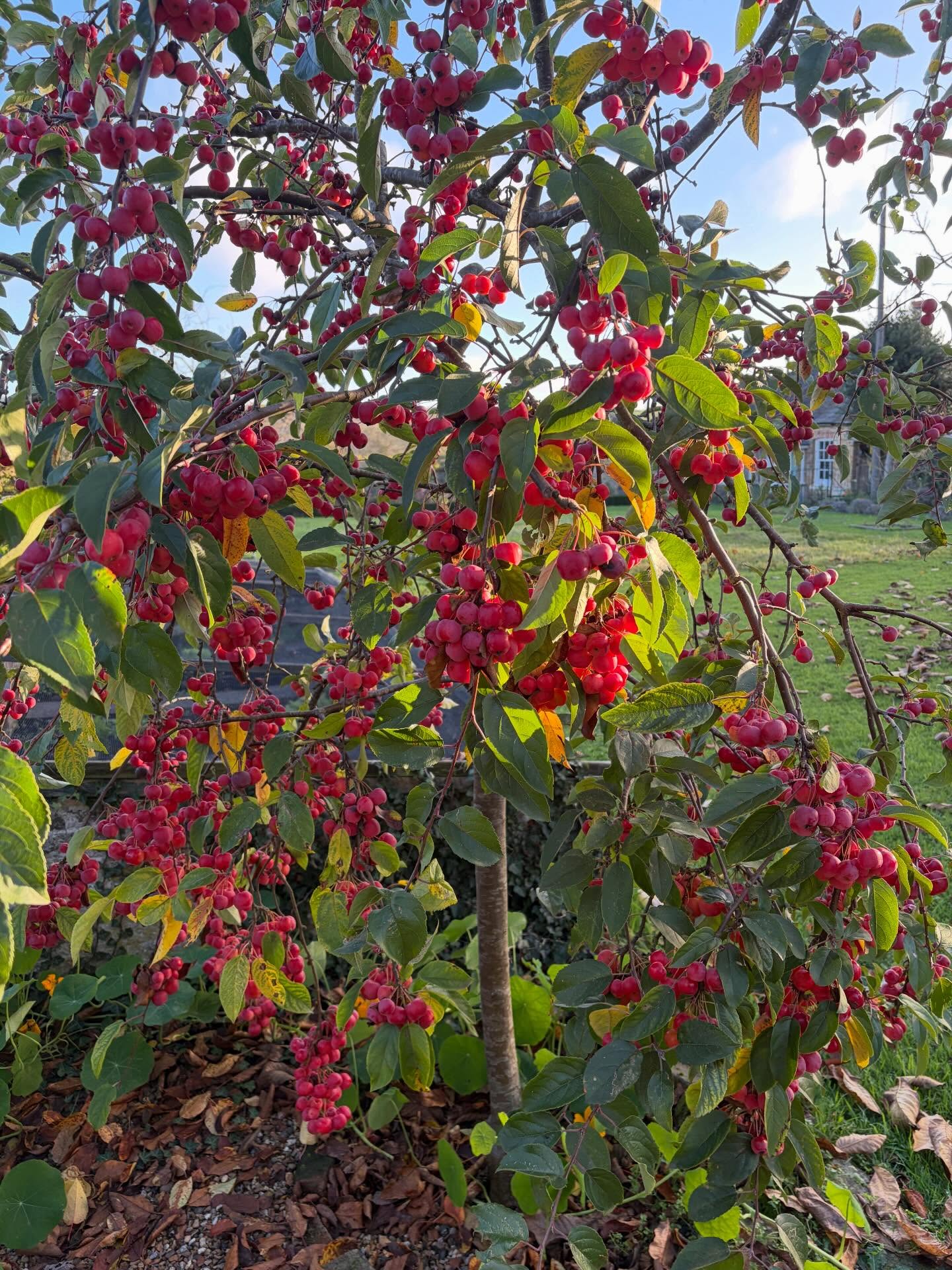
A small tree that earns its place twice over, with spring blossom and winter fruit.
Look for varieties that hold their little apples through the cold rather than dropping them, since those persistent fruits are what feed the birds in the hungry months.
The fruit even softens after a few frosts, which birds seem to love.
10. Staghorn Sumac
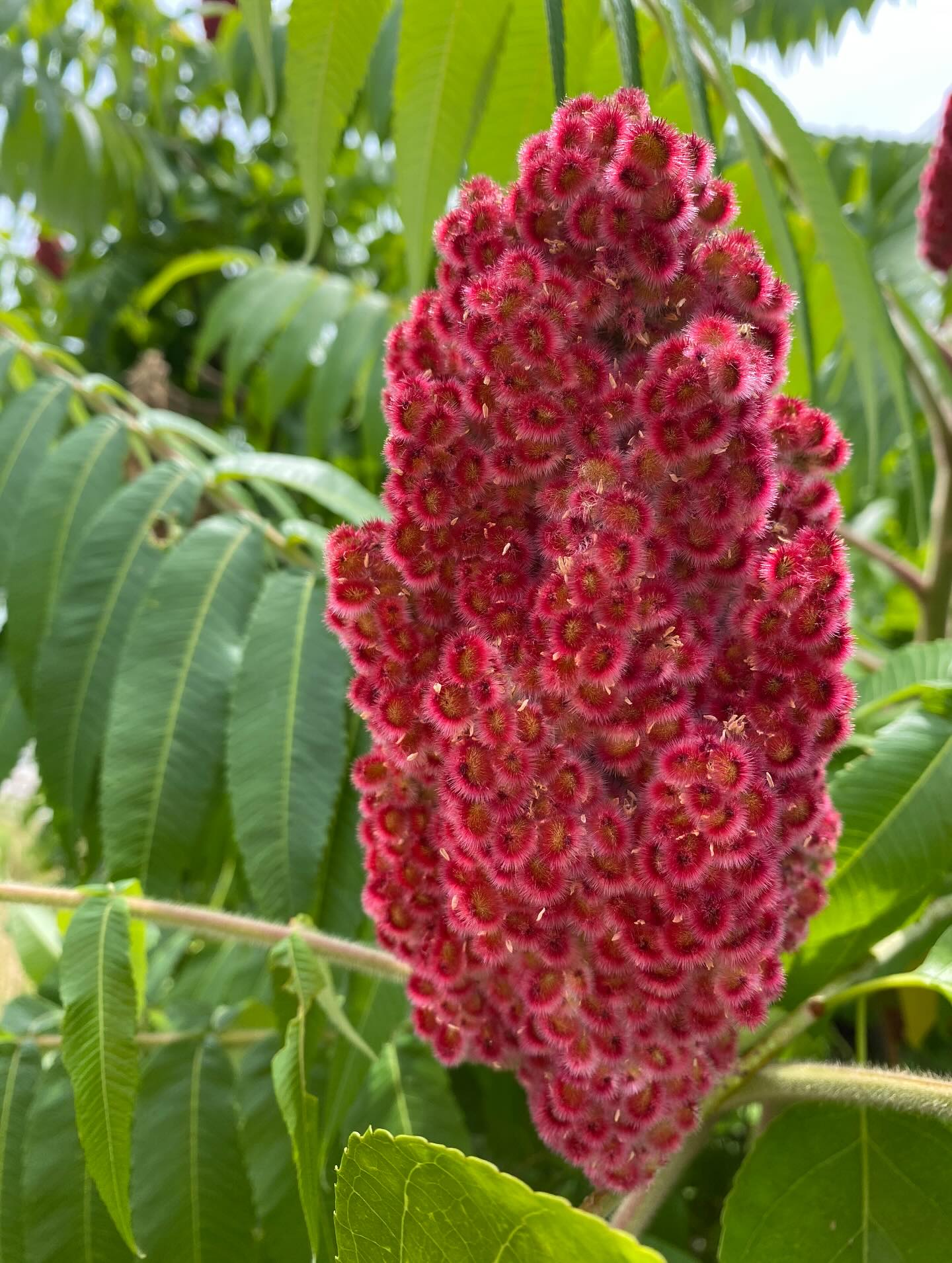
Those fuzzy, deep-red cone-shaped seed clusters are not the first thing birds eat.
They are the emergency rations, often left until late winter when everything else is gone, which is exactly when they matter most.
A tough, dramatic native with fiery fall color as a bonus.
11. Chokeberry (Aronia)
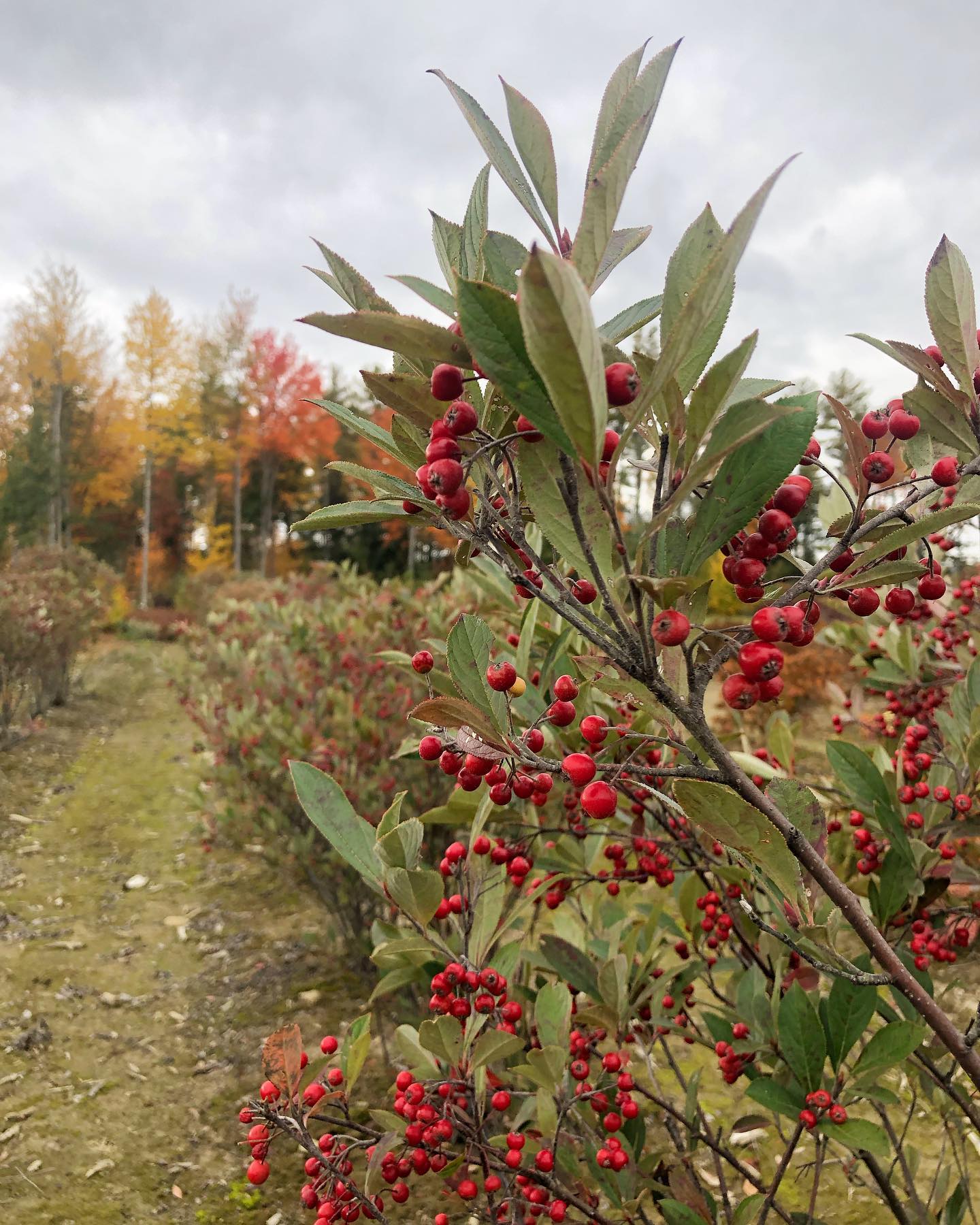
An underrated native that holds its dark berries long into winter.
The fruit is too tart for birds to bother with early on, so it hangs on the branches as a reliable late-season food source.
You get brilliant red fall foliage and spring flowers for pollinators into the bargain.
12. Juniper
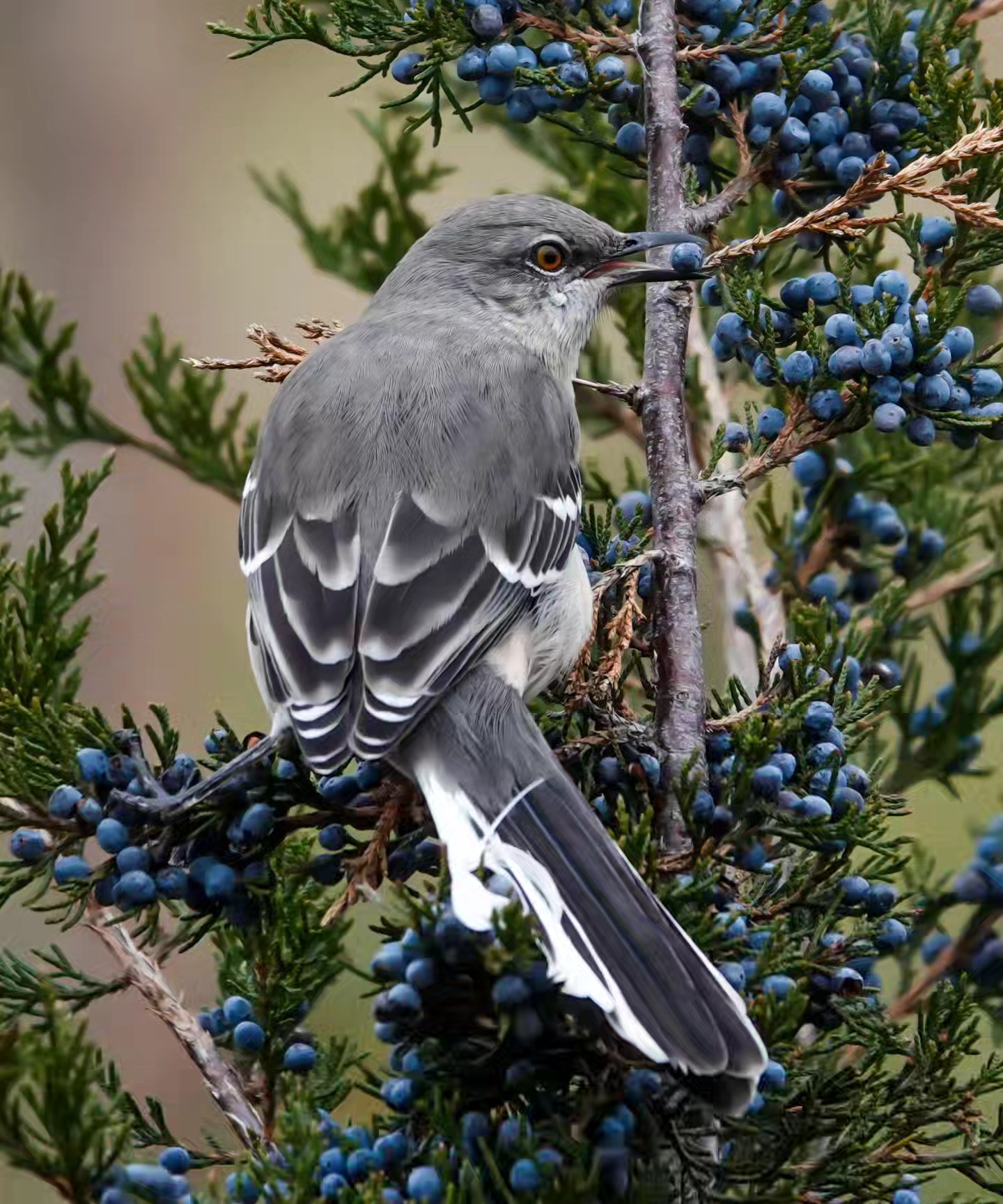
Juniper gives birds two of the things they need most in one evergreen plant.
Its dusty blue berries are a favorite of waxwings and robins, and its dense evergreen branches are a crucial windproof shelter to roost in on freezing nights.
One tip: only female junipers carry berries, so check the label for a berrying variety. Food and a warm bed, all in one.
13. American Beautyberry
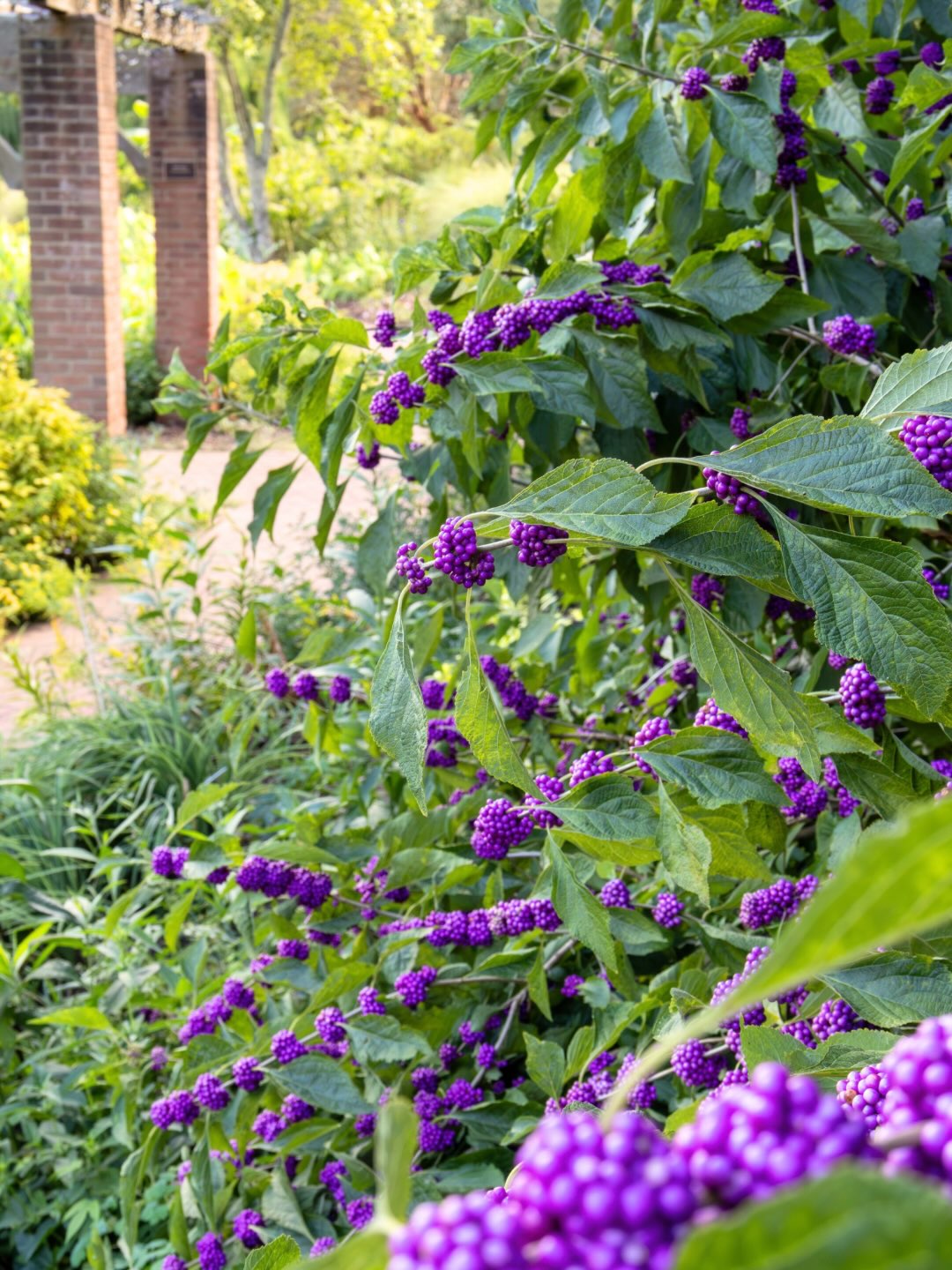
Nothing else in the garden looks quite like it.
Clusters of electric purple berries hug the bare stems well into winter, a jewel-bright surprise that birds pick at steadily once softer food runs out.
A real conversation piece as well as a bird feeder.
14. Viburnum
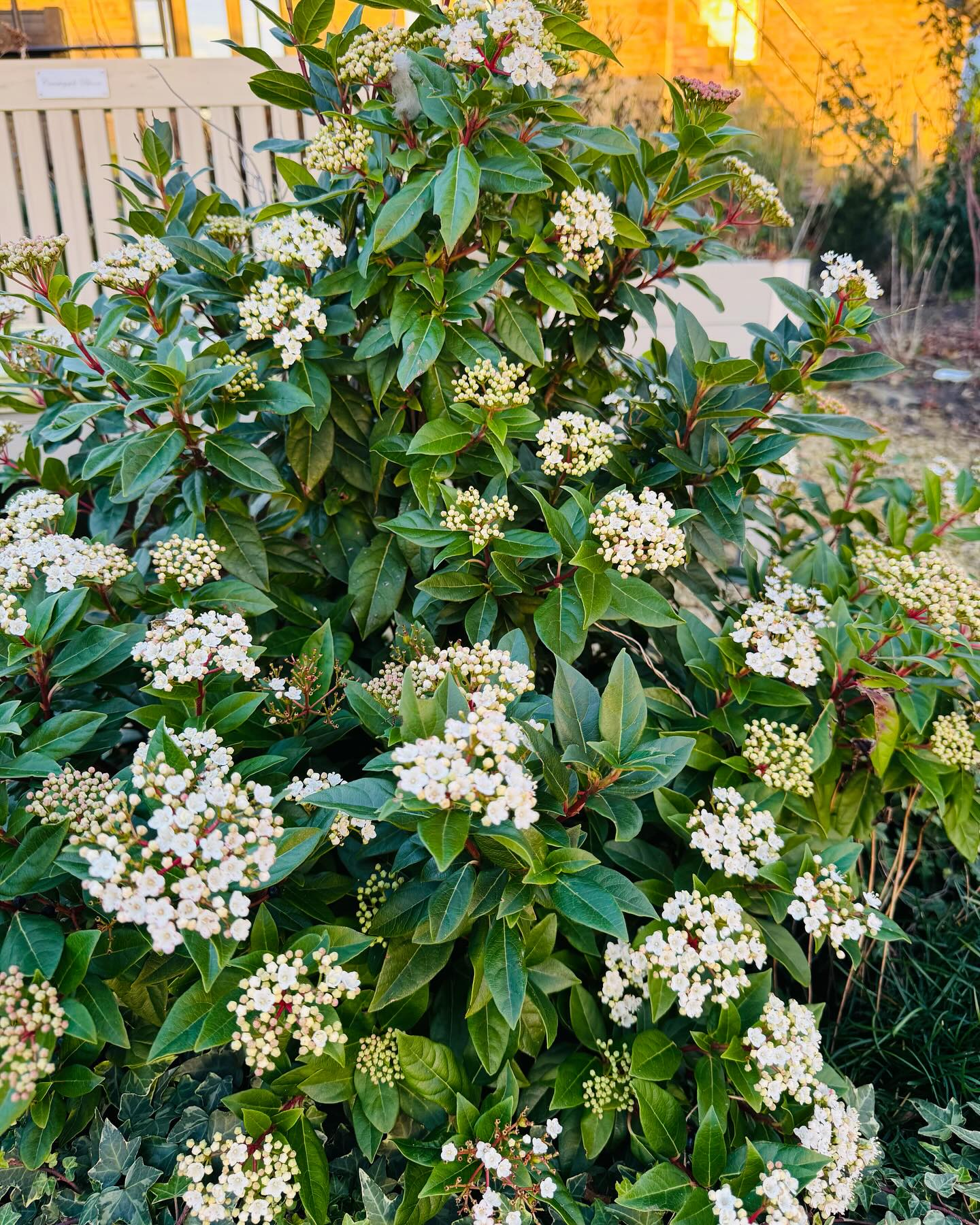
A big, generous family of shrubs, and many of them are brilliant for birds.
Choose a berrying type and you get clusters of red, blue or black fruit that hang on through the cold for thrushes and waxwings.
Many also bring flowers and fiery fall color, so they pull their weight all year.
15. Bayberry
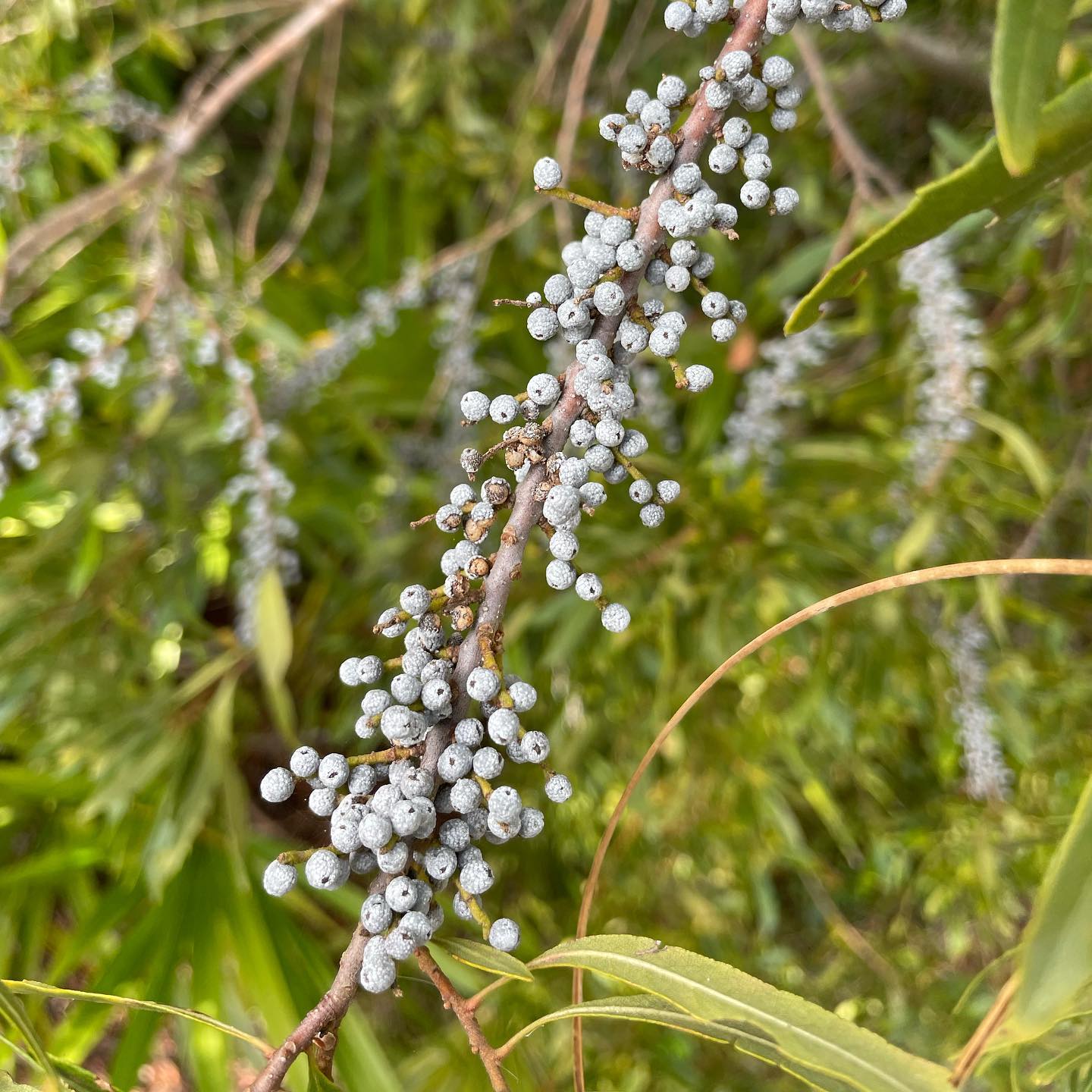
A tough, salt-tolerant native with a special trick.
Its waxy gray-blue berries are unusually high in fat, exactly the slow-burn fuel birds need to survive a freezing night, and they cling to the stems all winter.
Yellow-rumped warblers in particular depend on them.
Here is the clever part the title promised. You do not need a big garden to feed the birds. A single large pot on a patio, balcony or by the back door can do it beautifully.
Build it like any good container, using the thriller, filler, spiller idea, but choose every plant to earn its keep for the birds:
Thriller A small evergreen like a dwarf juniper, for shelter and berries
Filler An ornamental grass left to go to seed, for food and cover
Spiller A trailing sedum, for more seed heads over the rim
The bonus Push a few cut winterberry stems in among them for a pop of red and extra food
Set it somewhere you can see it from a window, keep the soil from drying out completely, and you have a self-serve bird cafe you can enjoy with your morning coffee. ☕
Three extras that turn a good bird garden into a great one.
Add fresh water. Unfrozen drinking water is often harder for birds to find than food in winter. A shallow dish you refill daily is pure gold to them.
Plant an evergreen for shelter. Berries feed them, but a dense conifer or holly keeps them alive through bitter, windy nights.
Go native where you can. Native plants feed the local insects that birds also rely on, so your whole garden works harder.
Quick dos and don’ts for a winter bird garden
- Do leave seed heads and stems standing. Save the big tidy-up for early spring, not fall.
- Do provide water. A daily dish of unfrozen water can matter even more than food.
- Don’t use pesticides. They wipe out the insects that birds hunt through the colder months.
- Don’t rake up every leaf. A leaf layer shelters insects and the ground-feeders, like robins, that forage for them.
Your winter bird questions, answered
Do I still need a bird feeder if I grow these?
A feeder is a great top-up, especially in the harshest spells, but plants give birds a natural, year-round food source that never runs empty or needs filling. The two work beautifully together.
Won’t a garden full of seed heads look messy?
Honestly, a frosted coneflower head or a seed-laden grass catching low winter sun looks wonderful. Think of it as seasonal texture rather than mess, and you will never want to cut it all back in fall again.
What is the single best plant to start with?
For seeds, a coneflower or a clump of sunflowers. For berries, winterberry holly is unbeatable for sheer impact. Plant one of each and you have covered both of the main things birds are looking for.
When should I finally cut everything back?
Wait until early spring, once the worst of the cold has passed and before the fresh new growth really gets going. By then the birds have had every last seed, and you can tidy up with a clear conscience.
Let your garden do the feeding
A winter bird garden is a wonderful thing. You plant it once, resist the urge to tidy, and in return you get a yard full of life on the greyest, quietest days of the year.
Start with a coneflower and a winterberry, leave the seed heads be, and pop a dish of water out this week.
Then settle in by the window and watch who comes to visit. Happy planting, and enjoy the company. 🐦