January gardens can be pretty depressing. Everything’s bare, the lawn’s turned to mud, and it feels like spring is a lifetime away. ❄️
But it doesn’t have to be that bleak. Some plants actually come into their own during the colder months – winter-flowering shrubs, evergreens that hold their structure, stems in brilliant reds and oranges, berries that glow against grey skies. With a bit of planning, your garden can have something worth looking at all year round.
The trick is thinking about winter now, not when you’re already stuck in the middle of it. A few well-chosen plants dotted through your borders can make the difference between a garden you avoid looking at from November to March and one that still brings you a bit of joy when you glance out the window.
We’ve rounded up some of the best plants for winter interest – flowers, foliage, berries, and bark. Most are pretty low-maintenance too, so you’re not committing to loads of extra work. 🌿
Let’s take a look at what can keep your garden going through the cold.
1. Helleborus (Lenten Rose)

Hellebores are perfect for bringing color to your garden when most plants are still sleeping. These hardy perennials bloom in late winter to early spring, right when you need them most.
You’ll love that hellebores are shade-loving plants with evergreen foliage that looks good all year. They come in tons of colors like pink, purple, white, yellow, and even apricot. Some varieties have spots or freckles that add extra interest.
Lenten roses are tough plants that can handle cold weather in zones 4-9. They don’t need much fuss once established, making them great for low-maintenance gardens.
The flowers bloom around Lent, which is how they got their common name. Your hellebores will brighten up shady spots where other plants struggle to grow.
2. Winter Jasmine (Jasminum nudiflorum)
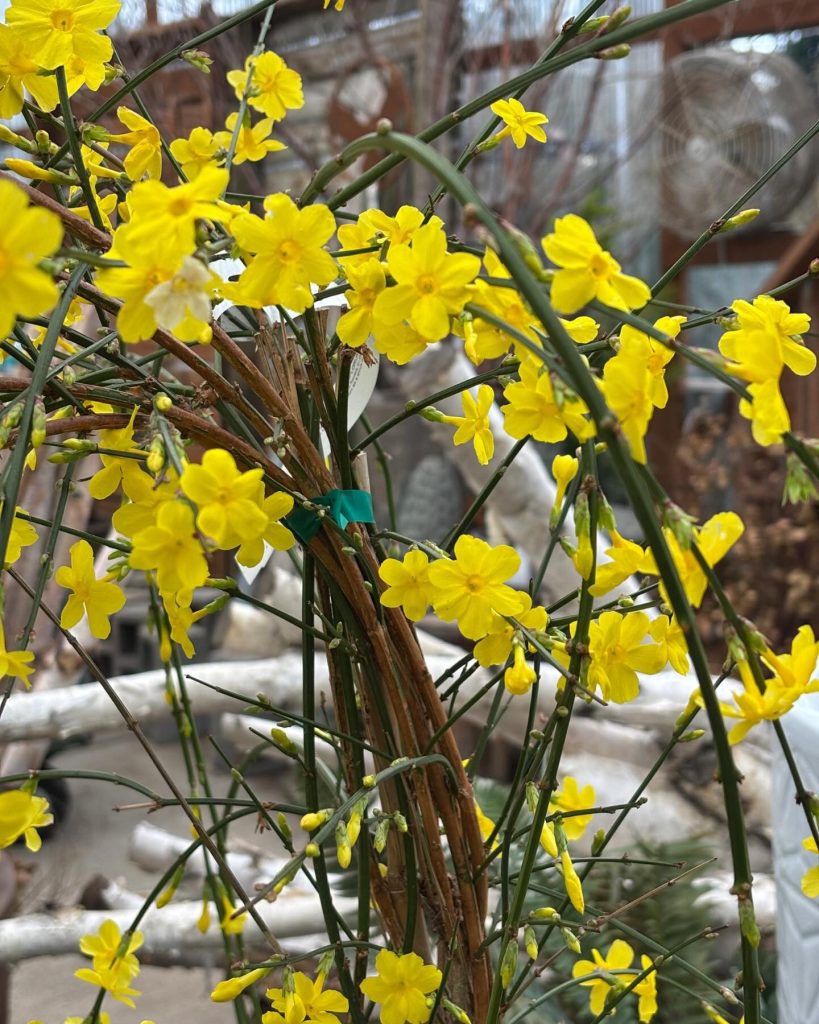
Winter jasmine brings bright yellow flowers to your garden when everything else looks dull and brown. This tough plant starts blooming as early as January, giving you color during the coldest months.
The flowers appear on bare branches before the leaves show up. That’s actually where it gets its name – “nudiflorum” means “naked flower.” While these blooms don’t have the sweet scent of summer jasmines, they make up for it with their cheerful early arrival.
This plant works great as a ground cover on slopes or trained up against a wall. It can handle poor soil and cold weather without much fuss. You’ll get the best flower show if you plant it in full sun, but it does fine in some shade too.
Winter jasmine is native to western China and is one of the hardiest jasmines you can grow.
3. Witch Hazel (Hamamelis)
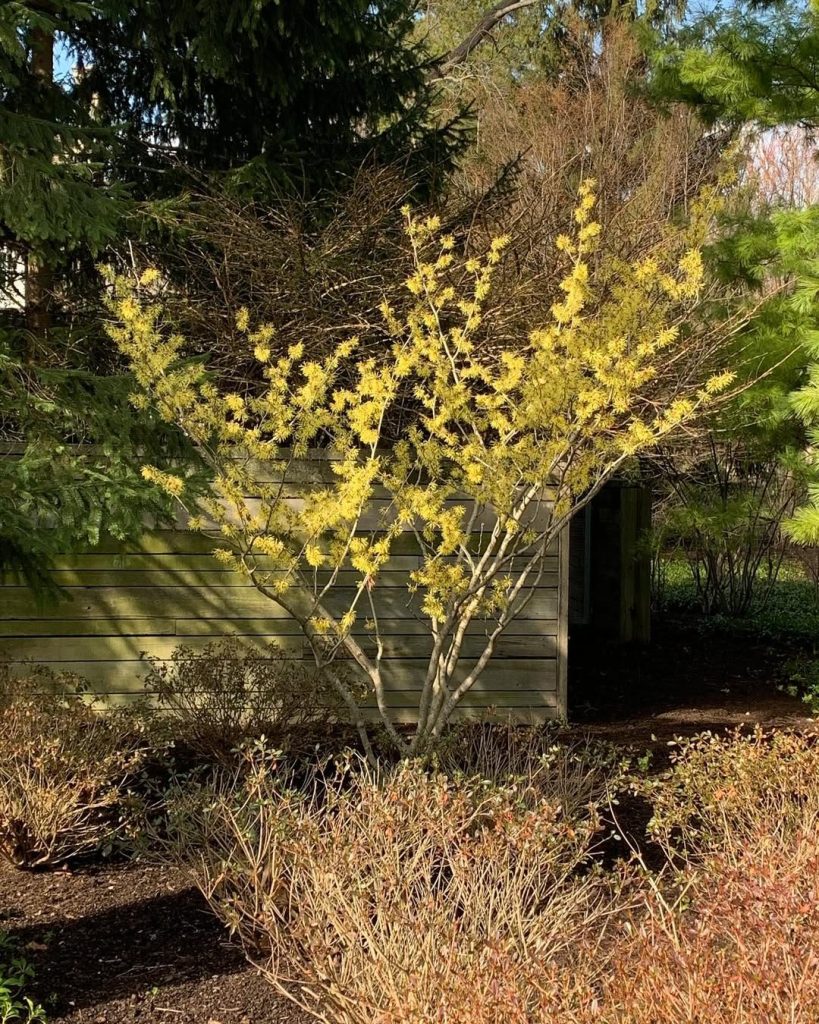
Witch hazel brings color to your garden when you need it most. This hardy shrub produces fragrant, spidery flowers in late winter or early spring, often blooming between February and March. You’ll find varieties in shades of yellow, orange, and deep red.
The shrub grows between 6 to 12 feet tall, depending on the variety you choose. Popular options include ‘Diane’ with crimson-red flowers and ‘Angelly’ with bright yellow blooms. Both types fill your garden with a pleasant, spicy scent.
You can plant witch hazel in partial shade or full sun. It needs well-drained soil to grow properly. The plant also gives you vibrant fall foliage before dropping its leaves for winter.
Consider pairing witch hazel with early spring bulbs or evergreen groundcovers. These companion plants will highlight the unique winter blooms and add extra interest to your garden beds.
4. Snowdrops (Galanthus nivalis)
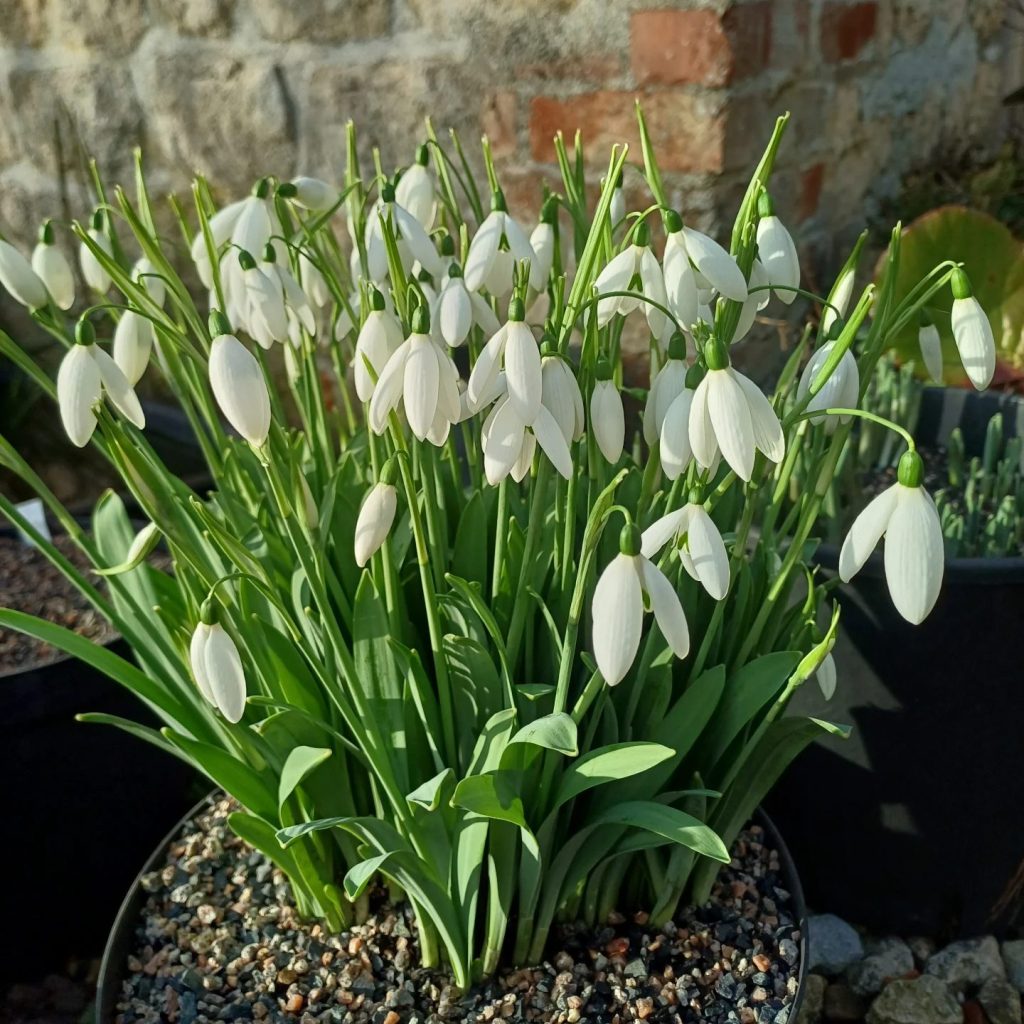
Snowdrops are one of the first flowers you’ll see pop up in late winter. These small white blooms often push through the snow, bringing life to your garden when everything else looks dead.
You can plant snowdrop bulbs in spots with partial shade, like under trees or bushes. They like soil that stays moist but drains well. The best part? They’re super hardy and can handle temperatures well below freezing.
Each flower has white petals with a small green spot. The blooms are slightly fragrant and hang down on thin stems. Your snowdrops will come back year after year and spread on their own, creating bigger patches over time.
These plants work great at the front of garden beds or along woodland edges. They also feed early pollinators when not much else is blooming.
5. Camellia japonica
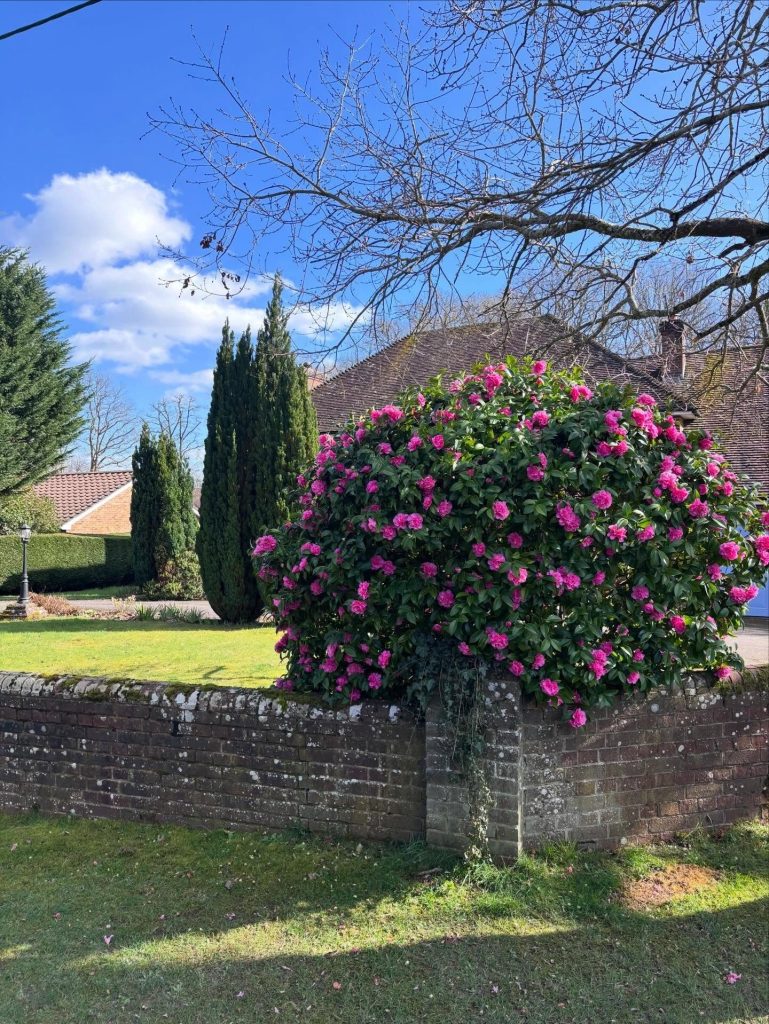
Camellia japonica brings gorgeous blooms to your winter garden when most other plants are dormant. You’ll get large, rose-like flowers in white, pink, red, or variegated patterns from late winter through early spring.
This evergreen shrub grows slowly but can live for centuries in the right conditions. You’ll want to plant it in acidic soil with a pH between 5.5 and 6.5. It does best in partial shade, so avoid spots with harsh afternoon sun.
Your camellia can eventually reach up to 25 feet tall, though it takes many years. It works great as a specimen plant, in hedges, or even in large containers. The glossy green leaves look attractive year-round, even when the plant isn’t blooming.
Make sure your soil drains well to keep the roots healthy.
6. Heather (Erica carnea)
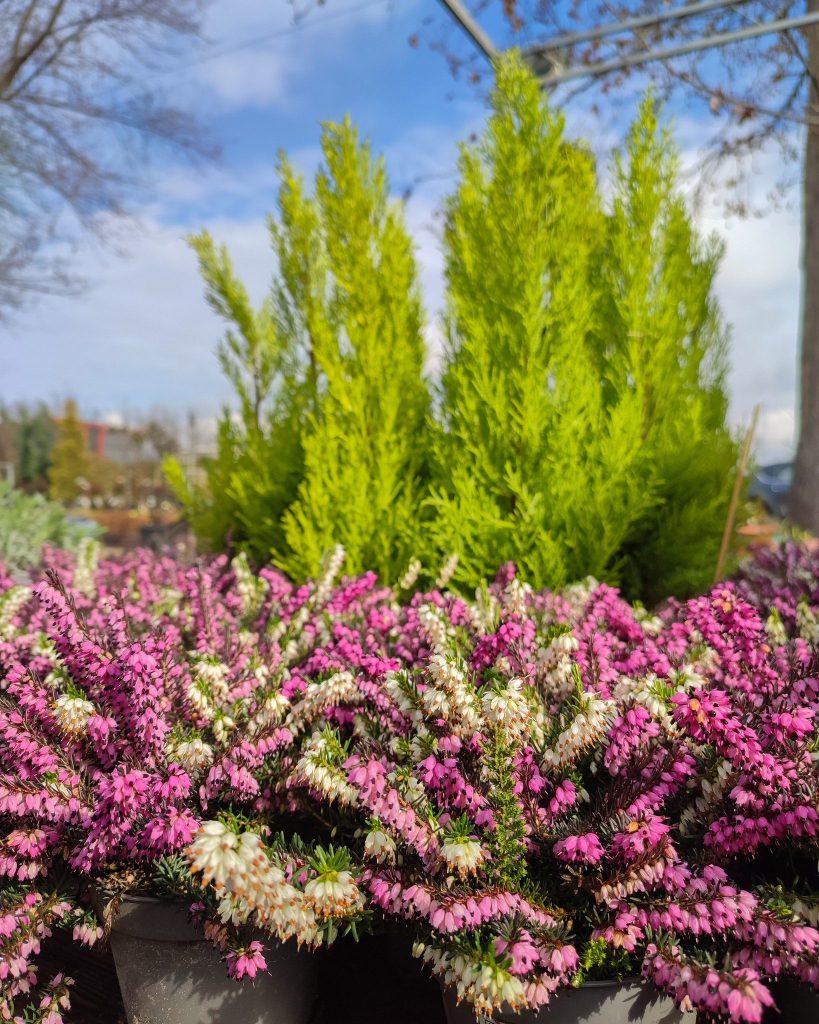
Winter heather brings serious color to your garden when everything else looks dead. This small evergreen shrub blooms with white, pink, red, purple, and gold flowers right through the coldest months.
You’ll love how easy these plants are to care for. They grow 6-10 inches tall and can spread up to 22 inches wide, making them perfect ground cover that stops weeds from taking over.
Plant your heather where it gets 6-8 hours of direct sunlight each day. It grows well in most soil types, including slightly alkaline ones, as long as you add some organic matter.
The tiny flowers might seem small on their own, but there are so many of them that your winter garden will look alive and colorful. Plus, heather stays green all year round, so you get interest even between blooming periods.
7. Winterberry (Ilex verticillata)
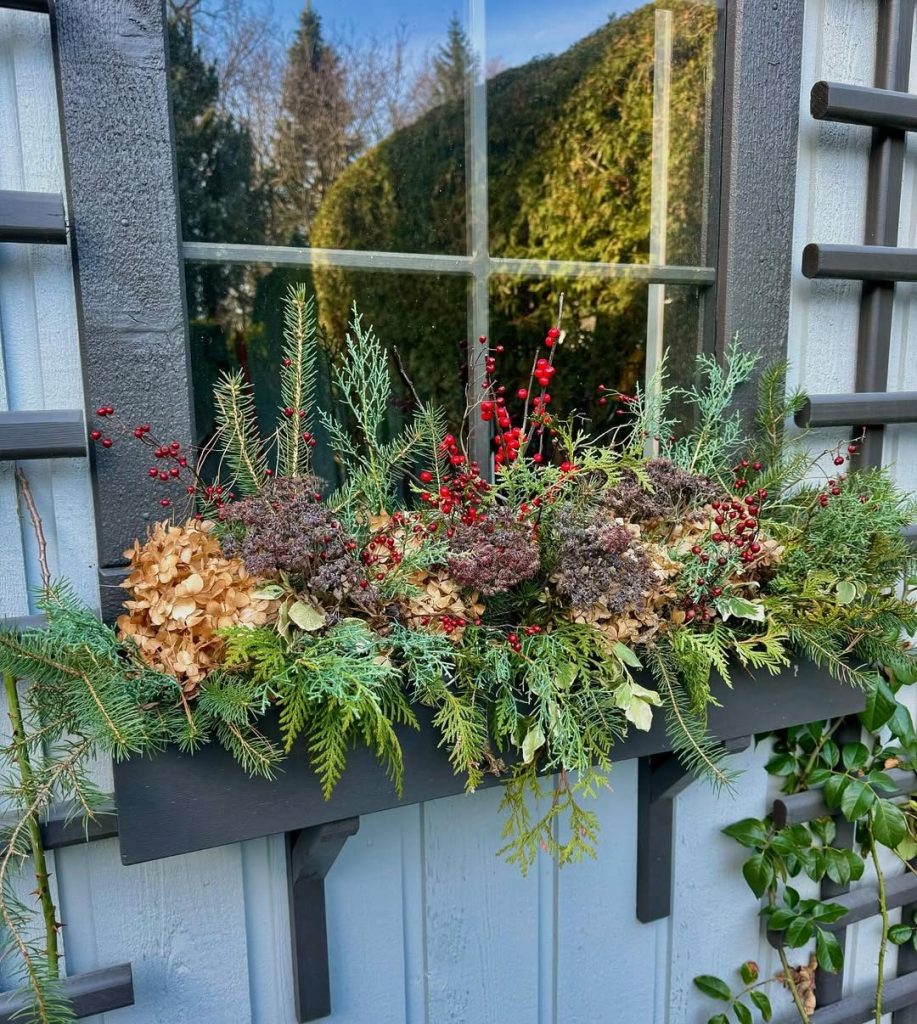
Winterberry holly brings stunning color to your winter garden when most other plants look bare and lifeless. This native North American shrub loses its leaves in fall, but that’s when the magic happens. Bright red berries cover the branches from late fall through winter, creating an eye-catching display against snow and gray skies.
You’ll love how winterberry attracts wildlife to your yard. Birds like cardinals, robins, and blue jays feast on the berries throughout the colder months.
This slow-growing shrub works well in wet areas where other plants struggle. It thrives in rain gardens and along ponds. Winterberry is hardy in zones 3-9 and typically grows 6-12 feet tall.
You’ll need both male and female plants to get berries, so plan accordingly when planting. The small greenish-white flowers that bloom in summer also attract honeybees and butterflies.
8. Pansies (Viola × wittrockiana)
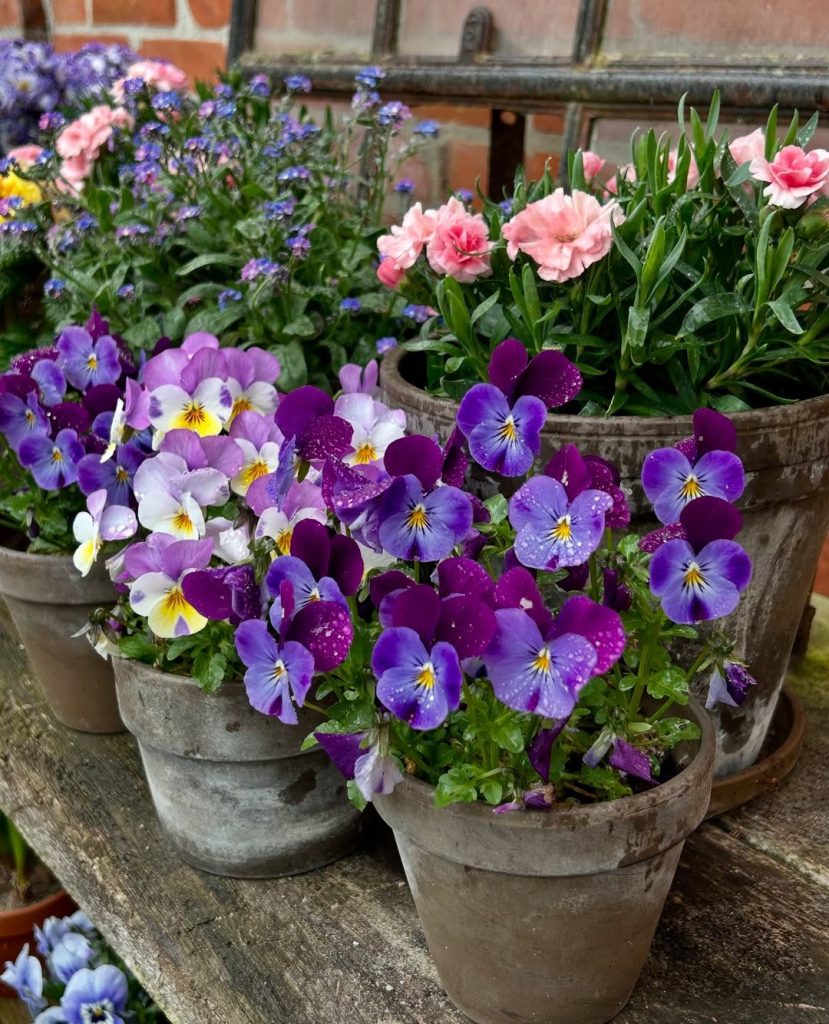
Pansies are one of the best choices for adding color to your winter garden. These cheerful flowers come in many colors like purple, yellow, white, blue, and orange. They produce blooms from early fall until late spring.
These plants grow 4 to 9 inches tall and spread into low, rounded mounds. The flowers are round and flat, reaching 1 to 2 inches across. You’ll love their distinctive face-like appearance.
Pansies handle cold weather really well. They can tolerate hard frost down to 5°F and actually prefer temperatures between 40-65°F. Plant them in fall if you’re in zones 6 or higher for blooms throughout winter.
For best results, give your pansies rich soil and steady moisture. Deadhead the flowers weekly to keep them blooming longer. They grow well in beds, containers, window boxes, and borders.
9. Cyclamen coum
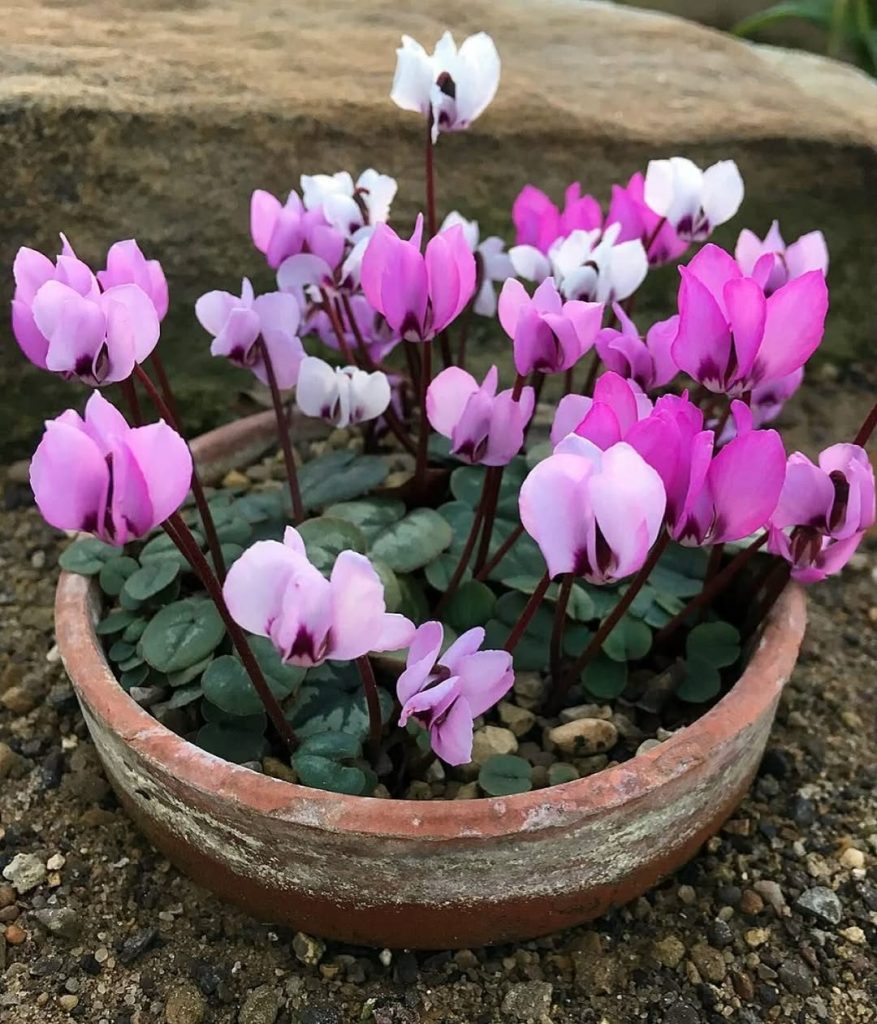
Cyclamen coum brings cheerful blooms to your winter garden when most plants are still asleep. You’ll spot these hardy perennials flowering from January through March, even in harsh weather and snow.
The plant features heart-shaped leaves in dark green with silver speckles that look great on their own. The flowers come in shades of pink, magenta, and white, adding pops of color to shaded spots in your yard.
You don’t need to fuss much with these plants. They’re hardy down to -15°C and grow about 10cm tall and 15cm wide. Plant the tubers close to the surface, no deeper than 5cm.
They work especially well in garden areas that feel bare during cold months. You can count on cyclamen coum to return each year since they’re tuberous perennials.
10. Mahonia (Oregon Grape)
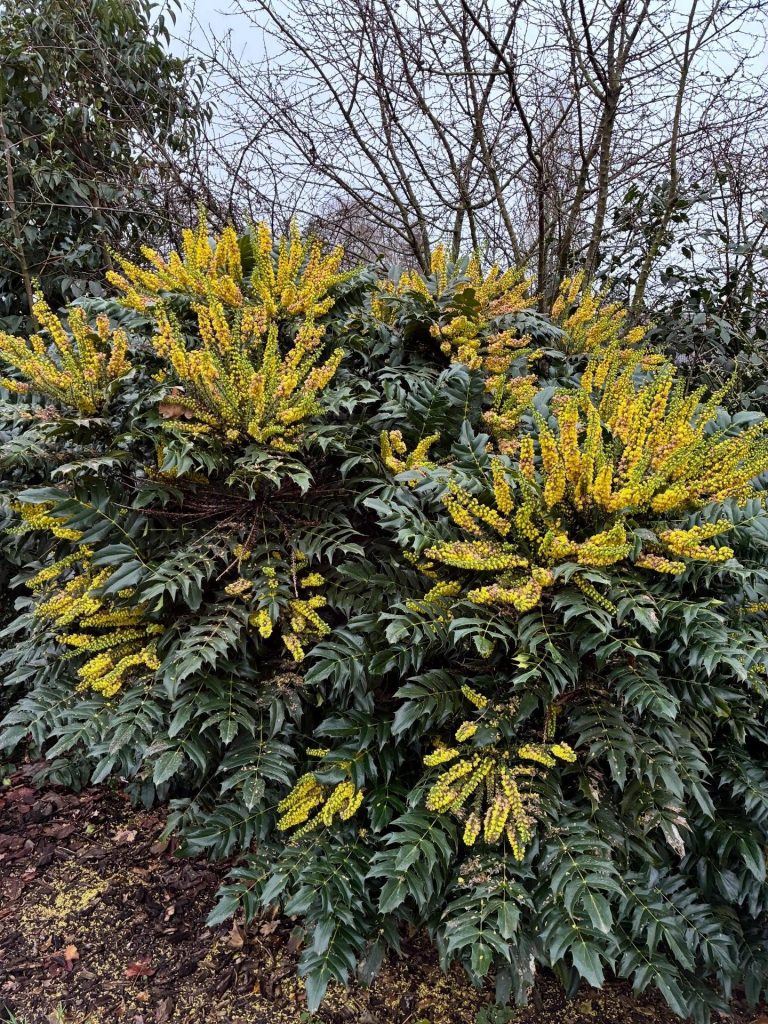
Mahonia brings cheerful yellow flowers to your garden when you need them most. These blooms appear in late fall through winter, filling your outdoor space with color and a sweet fragrance.
The glossy, holly-like leaves stay green all year. In cold weather, they often turn attractive shades of bronze or purple. After the flowers fade, you’ll get blue-black berries that wildlife enjoy.
This shrub is perfect if you don’t want to spend much time on garden maintenance. Different types grow from 1 to 6 feet tall, so you can find one that fits your space. Most varieties do well in shade, though some can handle sun.
Mahonia attracts bees and hummingbirds during winter months. Once established, it needs little water and tolerates cold temperatures well. It grows in USDA zones 5 through 9.
11. Boxwood (Buxus sempervirens)

Boxwood is a classic evergreen shrub that keeps your garden looking sharp all winter long. Its dense, dark green foliage stays vibrant even in cold weather, making it a reliable choice for year-round structure.
You can use boxwood in lots of different ways. It works great as a hedge, border plant, or even in containers. The shrub handles heavy pruning well, so you can shape it however you want.
Common boxwood grows in both full sun and partial shade. It’s pretty low-maintenance once established. The plants can be pricey at nurseries, but they’re worth it for the instant structure they add to your landscape.
There are over 100 types of boxwood available. Some stay compact at just 1-2 feet tall, while others grow much larger.
12. Cornus alba (Red-twig Dogwood)
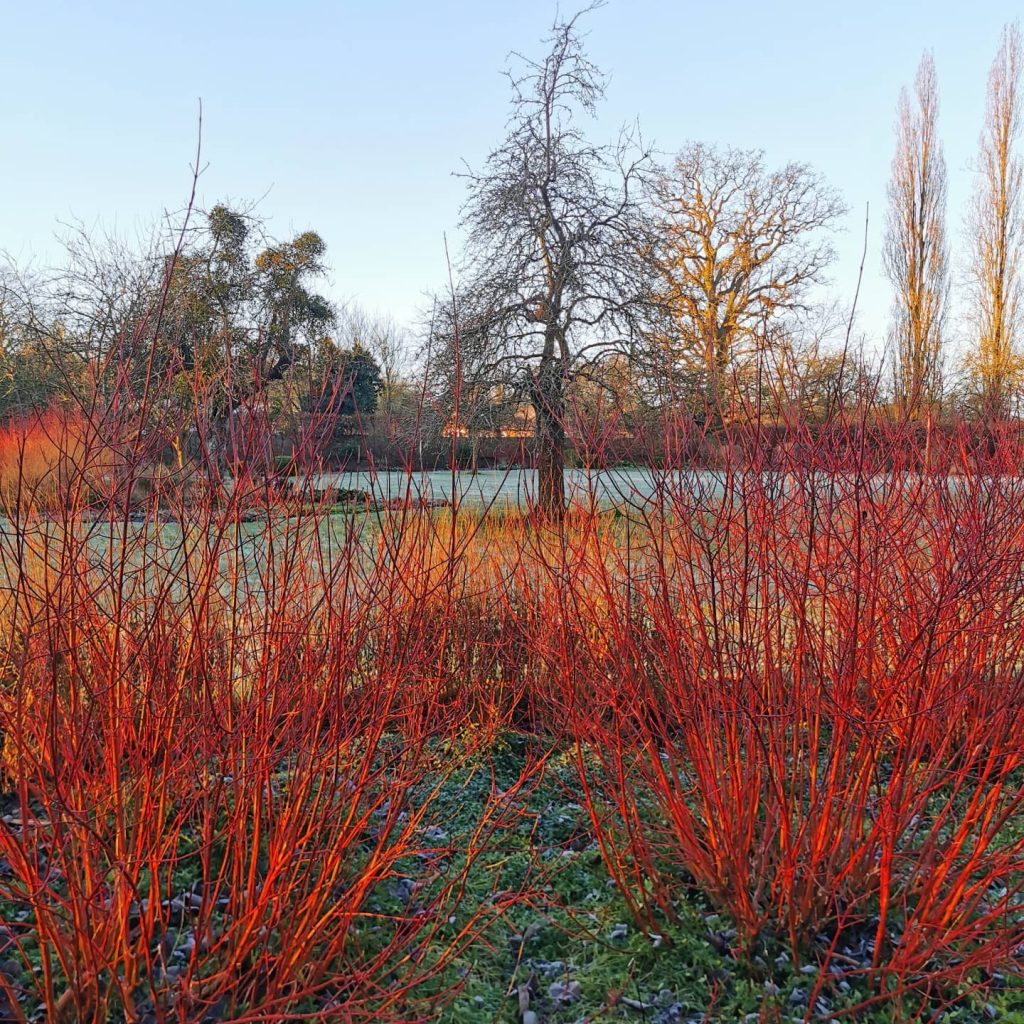
Red-twig dogwood brings serious color to your winter garden when everything else looks dull. The vibrant red stems really pop against snow and gray skies, making your yard interesting even on the coldest days.
This shrub grows pretty fast, adding about two feet each year. It can reach anywhere from 3 to 8 feet tall depending on which type you pick.
You’ll get more than just winter appeal with this plant. It produces flowers in spring that bring in pollinators and develops berries by summer. The leaves look great throughout the growing season too, with some varieties showing nice variegation.
Red-twig dogwood handles cold really well, thriving in zones 2 through 8. It likes moist soil and does best in full sun, though it can take some shade. The stems show their brightest red color when you plant it where it gets plenty of sunlight.
13. Skimmia japonica
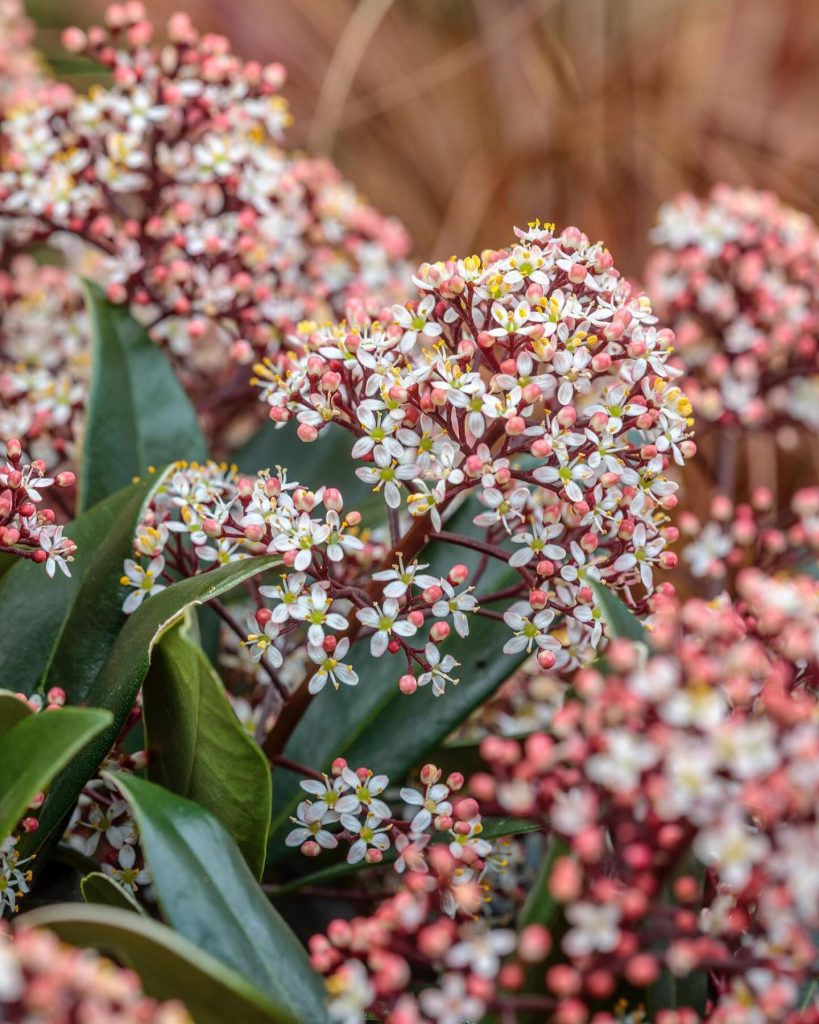
Skimmia japonica is a shade-loving evergreen shrub that brings life to your winter garden when most plants look dull. You’ll enjoy its glossy green leaves year-round, plus fragrant flowers in spring and bright red berries that last through winter.
This slow-growing plant works great in pots on your patio or balcony. It’s pretty low-maintenance too.
Keep in mind that skimmia is dioecious, which means plants are either male or female. If you want those beautiful red berries, you’ll need to plant a female with a male nearby. One male plant can pollinate about six females.
Your skimmia prefers shade and regular watering. Yellow leaves usually mean it’s getting too much sun or needs more water.
14. Sarcococca (Sweet Box)
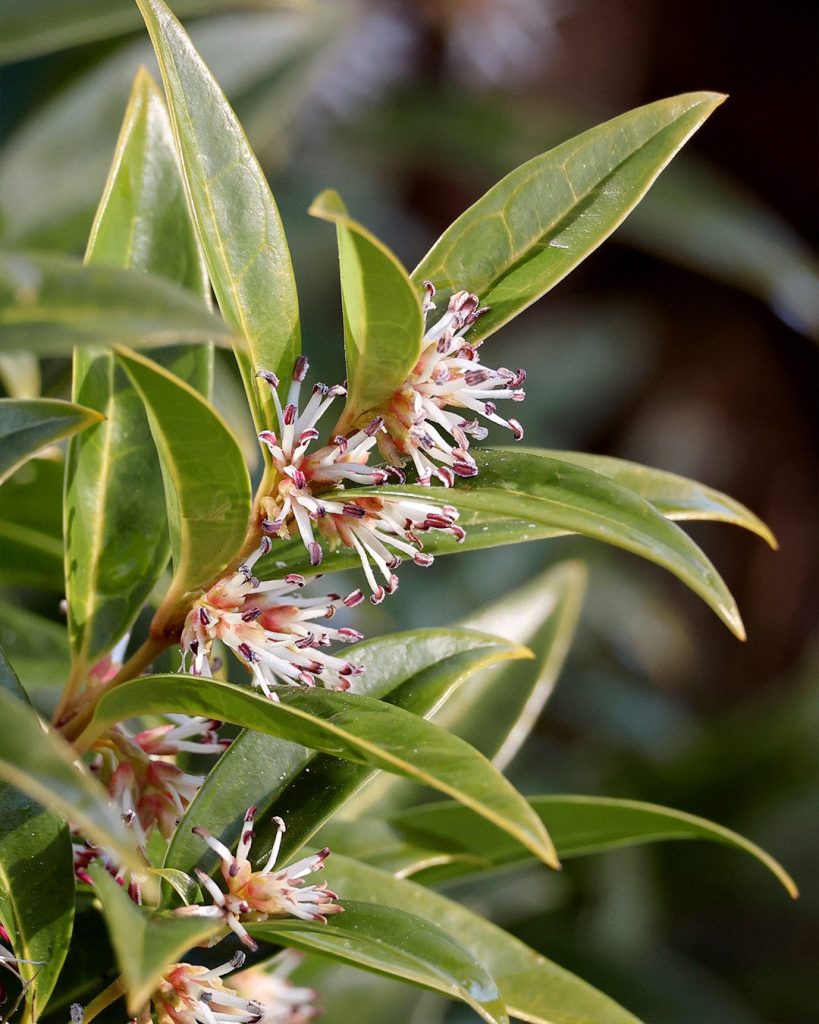
Sweet box is your go-to shrub for those tricky shaded spots in your winter garden. This evergreen puts out small white flowers that pack a serious punch of vanilla-scented fragrance, usually blooming when most other plants are taking a break.
You’ll love how low-maintenance this plant is. It handles dry shade like a champ and keeps its glossy green leaves looking good all year long.
The flowers might be tiny, but you’ll smell them before you see them. That sweet perfume can fill an entire corner of your garden during the coldest months.
Sweet box works great as a foundation plant or tucked along shady pathways. It stays compact and doesn’t need much fussing with pruning. Just plant it in a shady area and let it do its thing.
15. Hellebore × hybridus ‘Christmas Carol’
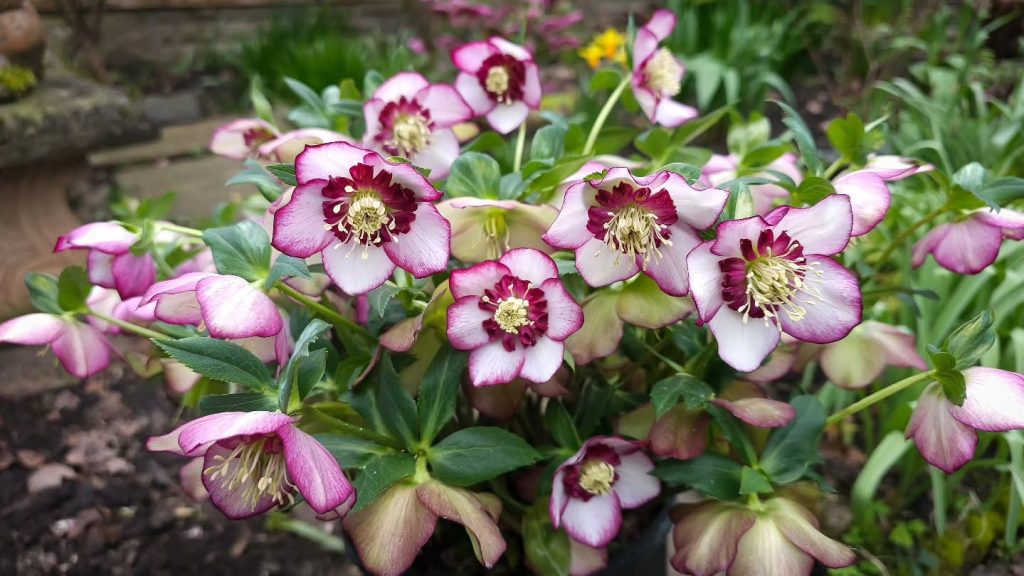
You’ll love how ‘Christmas Carol’ brightens up your winter garden when most other plants are sleeping. This hellebore variety shows off stunning white flowers that pop against its dark green leaves. It’s perfect if you want something cheerful during the coldest months.
Your ‘Christmas Carol’ will grow into a nice clump about 12 to 15 inches tall. The flowers are cup-shaped and usually measure around 2 to 3 inches across. Plus, the evergreen foliage looks good all year long, not just when it’s blooming.
This plant works great both in your garden beds and in containers near your door. You can keep it outside after the holidays since it’s pretty hardy. With basic care, your hellebore will reward you with beautiful winter flowers for years to come.
How to Create the Perfect Environment for Winter Plants
Winter plants need proper soil, enough light, and protection from harsh weather to stay healthy. These three factors work together to help your plants survive cold temperatures and shorter days.
Soil Preparation Tips
Your soil needs to drain well during winter to prevent root rot. Mix in compost or organic matter a few weeks before the first frost to improve soil structure and add nutrients. This gives your plants a strong foundation.
Add a 2-3 inch layer of mulch around your plants after the ground freezes. Wood chips, straw, or shredded leaves work great. The mulch keeps soil temperature stable and holds moisture without letting water pool around the roots.
Test your soil pH before winter arrives. Most winter plants prefer slightly acidic to neutral soil (6.0-7.0 pH). You can adjust it with lime or sulfur if needed. Healthy soil pH helps plants absorb nutrients even when it’s cold outside.
Make sure your plants get about one inch of water per week during winter. This helps roots stay insulated and protects them from temperature swings. Water in the morning on days when the temperature is above freezing.
Lighting Solutions During Shorter Days
Winter means less sunlight, so place your plants where they’ll get the most natural light available. South-facing spots get the best sun exposure during winter months. Even winter plants that tolerate shade still need some light to photosynthesize.
Consider grow lights for container plants or indoor winter gardens. LED grow lights work well and don’t create much heat. Set them on a timer for 12-14 hours daily to make up for shorter days.
Reflective mulches or white stones around plants can bounce extra light onto leaves. This simple trick maximizes the sunlight your plants receive without any special equipment.
Protection From Frost and Wind
Create windbreaks using fences, walls, or evergreen shrubs to shield your winter garden from harsh winds. Cold wind dries out plants and damages tender growth. Even hardy winter plants do better with some wind protection.
Use frost cloths, burlap, or plastic covers when temperatures drop below what your plants can handle. Remove covers during the day if temperatures rise above freezing. This prevents moisture buildup and lets plants breathe.
Plant near your house foundation or under eaves to create a microclimate. These spots stay a few degrees warmer than open areas. The extra warmth protects plants from extreme cold and gives them better survival odds.
Group container plants together in a sheltered corner. They’ll share warmth and create their own protective microclimate. Move pots against walls or under overhangs for added shelter from ice and snow.
Common Challenges in Winter Gardening
Winter gardens face two main obstacles that can make or break your cold-weather plants: unexpected pest problems that persist despite the cold, and tricky watering needs that change with freezing temperatures.
Dealing With Pests and Diseases
You might think pests disappear when temperatures drop, but that’s not always true. Aphids, spider mites, and whiteflies can survive on winter plants, especially when you’re growing cold-hardy vegetables or evergreen shrubs. These bugs often hide under leaves or in protected spots where it stays warmer.
Fungal diseases become a bigger problem in winter because of increased moisture and less air circulation. Root rot shows up when soil stays too wet and cold for too long. Powdery mildew can appear on plant leaves even in cooler weather.
Check your plants every week for signs of trouble. Look for discolored leaves, wilting stems, or visible bugs. Remove any damaged or diseased plant parts right away to stop problems from spreading.
You can prevent many issues by spacing plants properly so air moves freely between them. Avoid watering late in the day since leaves need time to dry before nighttime temperatures drop. Use organic pest control methods like neem oil or insecticidal soap when needed.
Managing Water for Cold-Season Plants
Watering in winter requires a different approach than summer care. Your plants still need water, but not nearly as much since they grow slower in cold weather. The soil also holds moisture longer because less water evaporates.
Check soil moisture by sticking your finger two inches deep before watering. Only water when the soil feels dry at that depth. Water during the warmest part of the day, typically between 10 AM and 2 PM, so plants can absorb moisture before temperatures drop at night.
Frozen soil can’t absorb water, so don’t waste time watering when the ground is solid. Wait for a thaw instead. If you live in an area with harsh freezes, mulch around your plants to help insulate roots and keep some soil workable.
Container plants dry out faster than garden beds, even in winter. Move pots close to your house or under covered areas for protection. These plants may need water once or twice a week depending on your climate.