
Well, there it is. That first proper nip in the morning air, the one that means summer has quietly packed its bags and the first frost is out there somewhere, sharpening its pencil. ❄️
Before you go mourning the tomatoes, though, take a breath, because this is secretly the coziest, most satisfying stretch of the whole gardening year.
A bit of happy pottering now, sweater on and coffee in hand, is all it takes to set your garden up to sail through winter and come roaring back in spring. 🌱 So grab a cup of something warm and settle in. Here is your friendly, do-it-this-weekend checklist. None of it is hard, and a couple of these jobs are the difference between a garden that bounces right back and one you are quietly starting over.
Frost, quickly explained. A light frost is around 32°F and often lasts just an hour before dawn. A hard freeze is a drop below 28°F, and that is the one that ends the growing season. Some plants shrug off a light frost. The tender stuff does not, so plan for the worst.

1. Find Out Your First Frost Date
You cannot beat a deadline you do not know. Your first frost date is that deadline, and everything else on this list counts back from it.
A quick search of your zip code or postcode gives you the average date for your area. Treat it as a guide, not a guarantee, since a sheltered city yard and an exposed hilltop can differ by weeks.
Once you have it, aim to get the big jobs done in the two to four weeks before, and keep an eye on the nightly forecast as it approaches.
2. Harvest the Last of Your Tender Crops
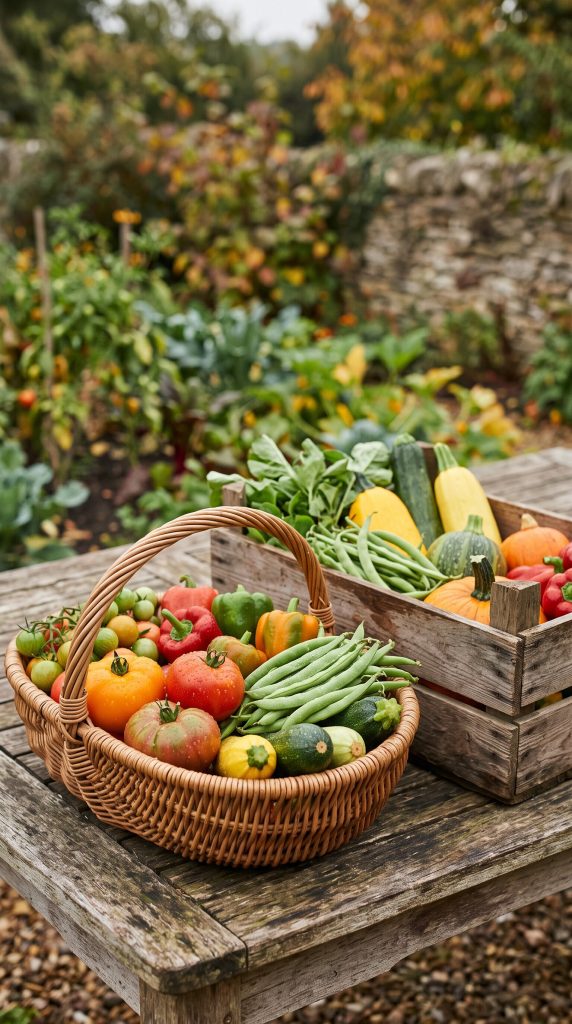
Tomatoes, peppers, squash, beans and cucumbers are all frost-tender, and a single freezing night can turn a heavy crop to mush. Get everything worth saving off the plants before the cold arrives.
Do not worry about the green tomatoes. Pick them too and ripen them indoors on a windowsill or in a paper bag with an apple, which speeds things along. It feels a shame to strip the plants early, but a picked green tomato beats a frozen red one every time.
3. Harvest and Dry Your Herbs
Tender herbs like basil are usually the first thing frost takes, so bring the flavor indoors while you can. Snip your basil, mint, oregano, sage and thyme for one last big harvest.
Hang small bunches somewhere warm and airy to dry, or chop them into an ice cube tray, cover with olive oil and freeze. Either way you get a taste of summer in the middle of winter, long after the plants outside are gone.
4. Bring Tender Pots and Houseplants Inside
Any houseplants that spent the summer outside need to come back in, and sooner than you think. Many tropicals sulk once nights drop below 50°F, so use that as your cue rather than waiting for actual frost.
One important step before they cross the threshold. Check every plant for hitchhiking pests, clip off any dead or damaged leaves, and give the pot a rinse.
Bugs that come inside for winter breed fast in a warm house, and it is far easier to catch them now than to fight an infestation in January.
5. Take Cuttings of Your Favorites
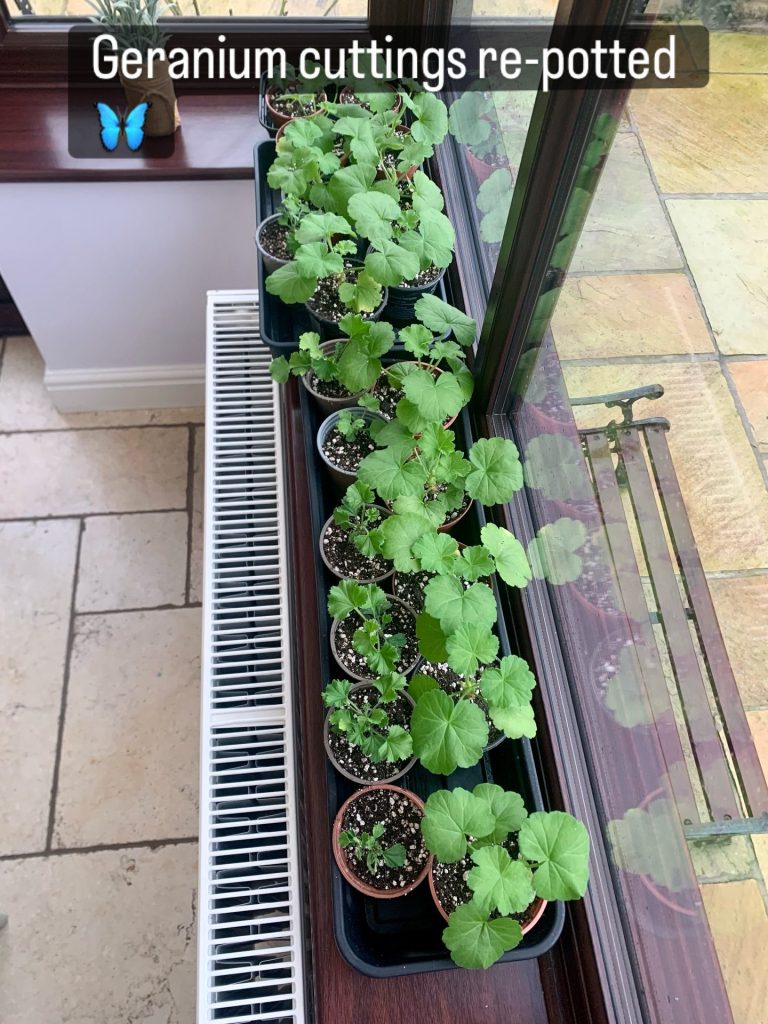
Some tender plants are treated as annuals, but you do not have to buy them fresh every year. Geraniums, coleus, begonias and fuchsias all root easily from cuttings taken now.
Snip a few healthy stems, pop them in water or damp potting mix on a bright windowsill, and you have free plants ready to go out next spring.
It is a satisfying bit of gardening for a dark evening, and it keeps a favorite going for years.
6. Dig Up and Store Tender Bulbs
Not every bulb survives a cold winter in the ground. Dahlias, cannas, gladiolus and tuberous begonias are all tender, and in colder areas a hard freeze will rot them where they sit.
After the first light frost blackens the foliage, dig the tubers up gently, brush off the soil, and let them dry for a few days. Then store them somewhere cool, dark and frost-free, like a garage or basement, packed in slightly dry compost or newspaper.
Come spring you replant them for free instead of buying new.
7. Plant Your Spring Bulbs
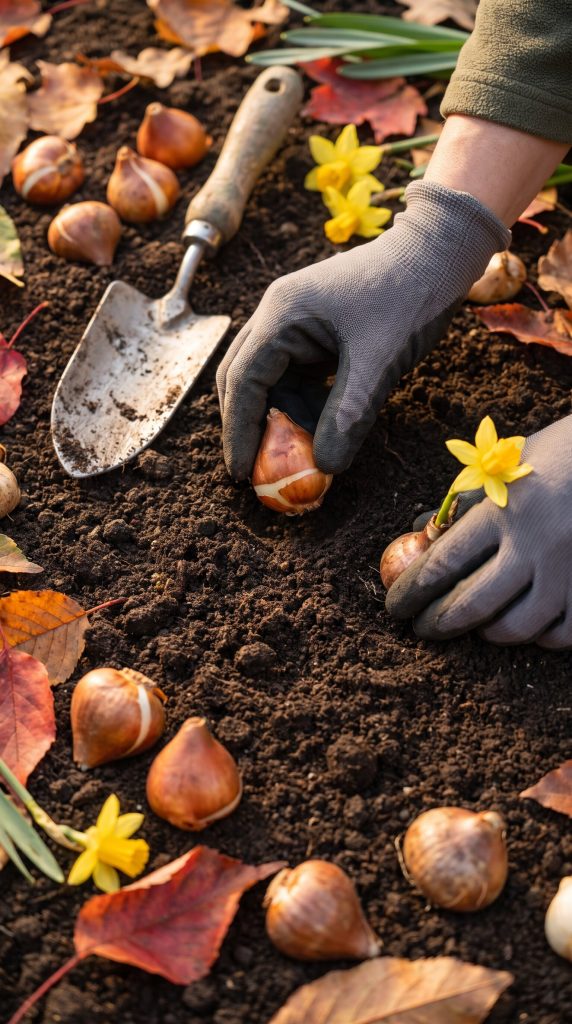
While you are lifting the tender bulbs, plant the hardy ones. Fall is the only time to get tulips, daffodils, crocuses, hyacinths and alliums in the ground for a spring display.
They actually need the cold winter underground to trigger their blooms, so this job has to happen now. Plant them pointed end up, at a depth about two to three times the height of the bulb, and forget about them.
Next spring they come up on their own like a gift from your past self.
8. Plant and Divide Hardy Perennials, Trees and Shrubs
Fall is one of the best times to plant hardy perennials, trees and shrubs. The soil is still warm from summer, which encourages roots to establish, while the cooler air means less stress on the plant above ground.
It is also the moment to divide overgrown perennials like hostas, daylilies and ornamental grasses. Dig up the clump, split it into sections, and replant. You get more plants for nothing and healthier growth next year.
Just give everything a few weeks to settle before the ground freezes.
9. Give Everything One Last Deep Drink
This one surprises people. A well-watered plant handles cold far better than a dry one, because moist soil holds heat and hydrated roots are less likely to suffer damage. Evergreens especially keep losing moisture through winter, so they need to go in well-supplied.
Give your beds, and any newly planted trees and shrubs, a good deep soak in the days before the freeze.
Keep watering perennials, trees and shrubs until the ground actually freezes and they go fully dormant. It is the last drink they get for a while.
10. Mulch Your Beds to Insulate the Roots
A layer of mulch works like a blanket over your soil, steadying the temperature and stopping the freeze-and-thaw cycles that heave plants right out of the ground.
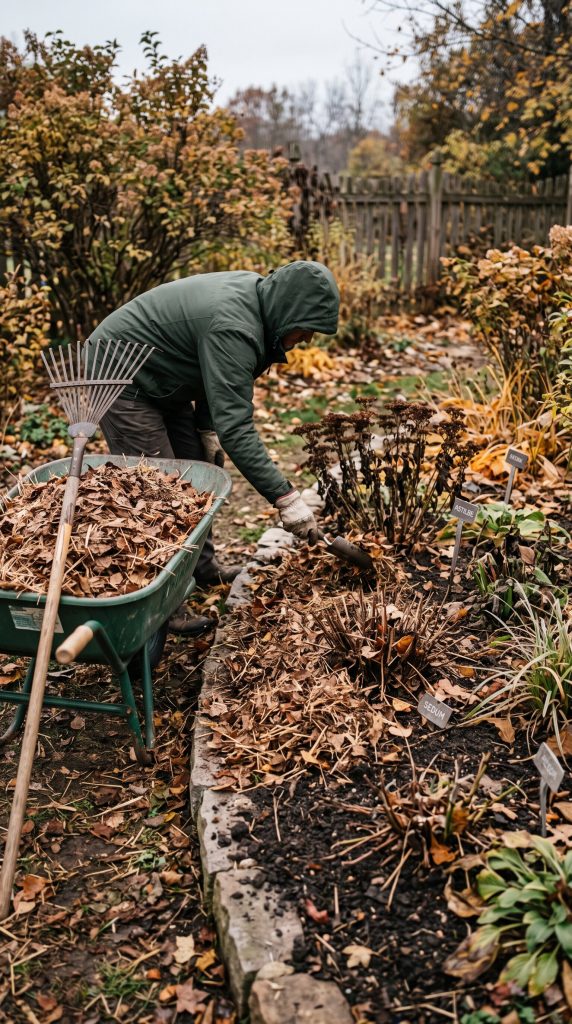
Spread two to four inches of shredded leaves, straw or wood chips over your beds and around the base of perennials. Timing matters. Wait until the soil has cooled but not frozen, since mulching too early can shelter pests.
And keep it pulled back an inch or two from stems and trunks, rather than piled against them, so nothing rots.
11. Get Your Frost Covers Ready
Sometimes a cold night lands before you are fully done, or a tender plant just needs a few more weeks. A cover bought overnight can carry it through.
Keep some frost cloth, old bed sheets or burlap handy near the door. Drape them over vulnerable plants in the evening and lift them in the morning once the sun is up. One tip worth knowing.
Avoid letting plastic sit directly on the leaves, as it traps cold against them and can do more harm than good. Cloth that breathes is the safer choice.
12. Prune Only What Is Dead or Diseased
It is tempting to cut everything back for a tidy winter garden, but resist the urge on woody plants. Pruning tells a plant to push out fresh growth, and soft new shoots have no time to toughen up before the cold, so they simply die back.
For now, only remove wood that is clearly dead, broken or diseased. Save the real shaping for late winter. And on your perennials, leave the healthy seed heads standing.
Coneflowers, sedum and grasses feed the birds through winter and look beautiful edged in frost, so a slightly untidy border is a gift to wildlife.
13. Clear Away Diseased Debris and Weeds
A good cleanup now is one of the most valuable jobs you can do, because pests and diseases love to overwinter in old plant material and strike again next year.
Pull spent annuals, clear any diseased or mildewed foliage, and get on top of the weeds before they set seed. Do not go overboard though. A scattering of fallen leaves and those seed heads from the last step give insects and birds somewhere to shelter.
The goal is to remove the problems, not to scrub the garden bare.
14. Protect Anything Water Can Crack
Water expands as it freezes, and that simple fact wrecks more gardens over winter than the cold itself. Anything holding water is at risk, so deal with it all in one round.
Disconnect, drain and store your hoses. Shut off and drain outdoor faucets and any irrigation lines. Empty your terracotta and ceramic pots and store them somewhere sheltered, since wet soil freezing inside is what cracks them.
And tend to ponds or water features according to their type. Ten minutes of this now saves you a burst pipe and a pile of broken pots in spring.
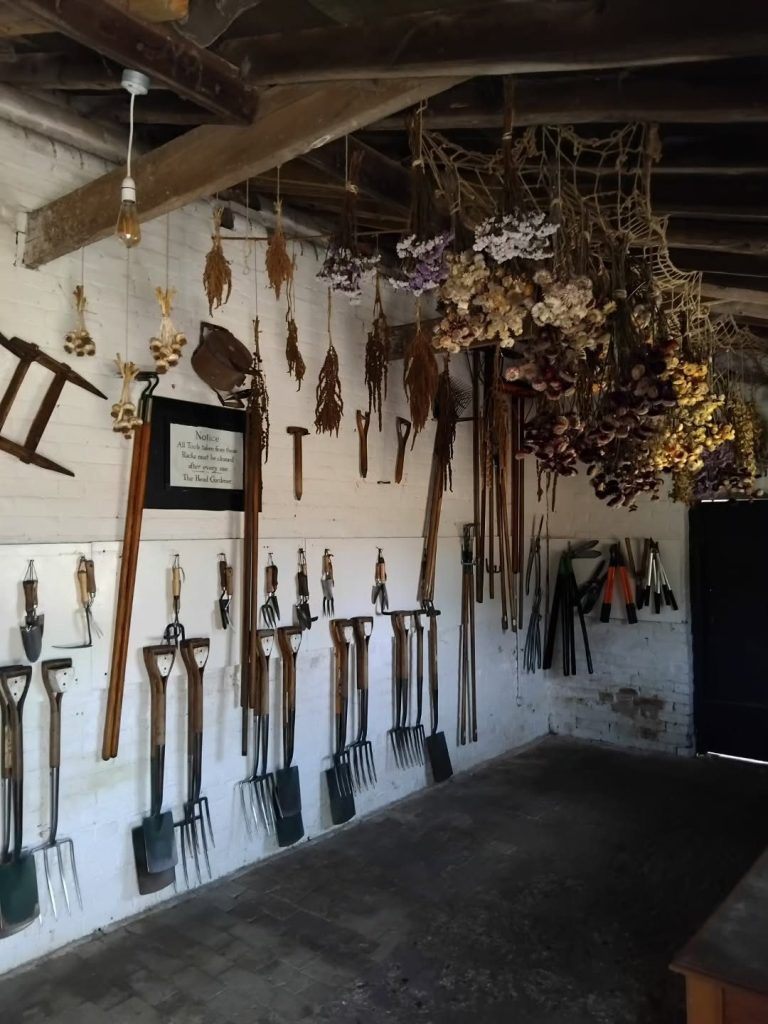
15. Clean, Sharpen and Store Your Tools
Your tools have worked hard all season, and a little care now means they are ready and rust-free the moment spring arrives.
Wash the soil off spades, forks and pruners, then dry them well. Sharpen the blades, wipe metal parts with a light coat of oil to keep rust away, and hang everything up somewhere dry.
Give pruners a quick wipe with disinfectant too, so you are not spreading any disease around next year. It is a satisfying end-of-season ritual and future you will be grateful.
Take it one job at a time
Do not feel you have to blitz all fifteen of these in a single afternoon. Nobody does. Start with the ones that really cannot wait, like picking the last tomatoes, lifting your tender bulbs and draining the hoses, then chip away at the rest whenever you get a spare hour and a dry sky.
And do try to enjoy it, because this really is the good stuff.
No summer heat, no rush, just you tucking the garden in for a well-earned rest with a warm drink close by. When spring rolls around and everything wakes up happy and healthy, you will be so glad you took the time.
Happy gardening, and stay warm out there. 🍂