Winter gardens don’t have to be all bare branches and empty beds. Plenty of flowers actually bloom in the cold months, you just need to know which ones work where you live. ❄️
The options vary depending on your climate. If you’re somewhere with mild winters, you’ve got a decent range to choose from: pansies, violas, winter jasmine, camellias. They’ll flower happily through December and January while the rest of the garden sleeps.
In colder areas where the ground freezes hard, you’re looking at tougher plants, hellebores (Christmas roses), winter heath, and snowdrops that push through near winter’s end.
Timing matters too. A snowdrop might appear in February in a sheltered southern garden but not until March further north. That’s just how it works – winter flowering follows the weather, not the calendar.
The key is matching the plant to your conditions: your local temperatures, your soil, and when you actually want colour. Get that right and you’ll have something blooming even in the darkest months. 🌸
Let’s look at the best options.
Quick picks:
- Cold-climate woodland beds: Christmas Rose for pale flowers near winter’s end.
- Sunny ground cover: Winter Heath for evergreen foliage and small, bell-shaped blooms.
- Mild-winter containers: Garden Pansy for a broad choice of colors.
- Fragrance near a path: Winter Daphne for richly scented flower clusters.
1. Christmas Rose (Helleborus niger)

You’ll get white, bowl-shaped flowers from Christmas rose in winter or early spring, depending on your climate and cultivar. Despite its name, Christmas bloom is most dependable in mild regions or with specially selected cultivars.
Give yours partial shade and humus-rich soil that drains freely while holding some moisture. In USDA zones 3–8, you can use it beneath deciduous trees, where winter sunlight reaches the leaves. Keep the crown near soil level, and wear gloves when handling it; all parts are toxic if eaten.
2. Winter Heath (Erica carnea)
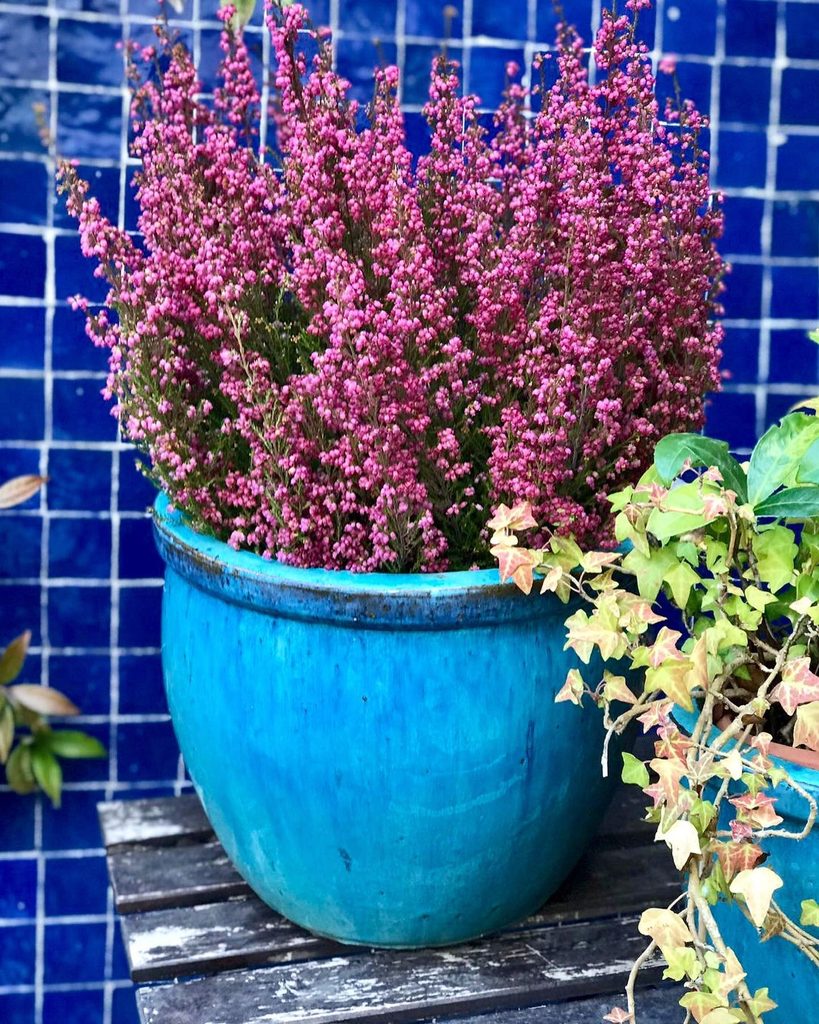
For a low carpet of winter flowers, you can plant winter heath along a sunny border or path. Its pink, white, or rosy-purple bells open from winter into early spring, with timing shaped by the cultivar.
Choose a site in USDA zones 5–8 with excellent drainage and full sun to light shade. You’ll have the easiest start in slightly acidic soil, though this heath tolerates some alkalinity. Lightly trim spent flowers after blooming, keeping your cuts within leafy growth.
3. Snowdrop (Galanthus nivalis)
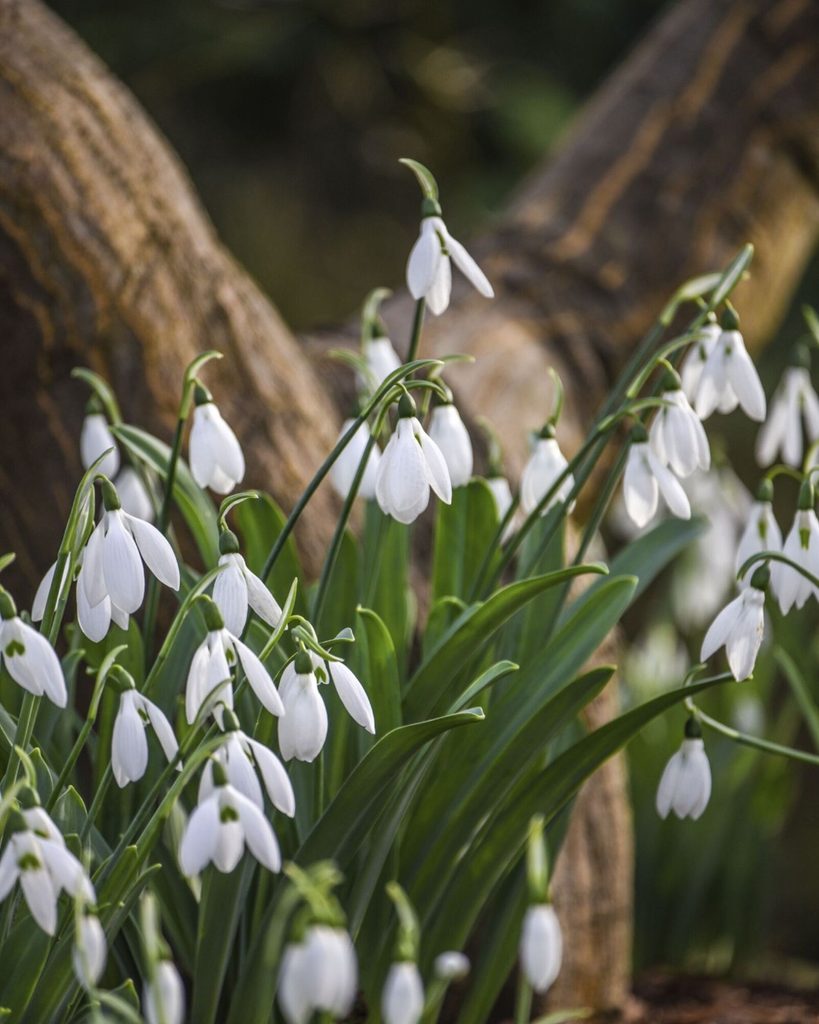
Snowdrops give you nodding white bells in late winter, sometimes emerging beside melting snow. In colder gardens, expect your flowers closer to early spring.
Plant yours in USDA zones 3–7 beneath deciduous shrubs or trees. Give them winter sunshine, summer shade, and moist soil that drains well. Let the leaves yellow naturally so your bulbs rebuild their reserves. If you’re dividing an established clump, move it just after flowering while the foliage remains green. Keep the poisonous bulbs away from children and pets.
4. Hybrid Witch Hazel (Hamamelis × intermedia)
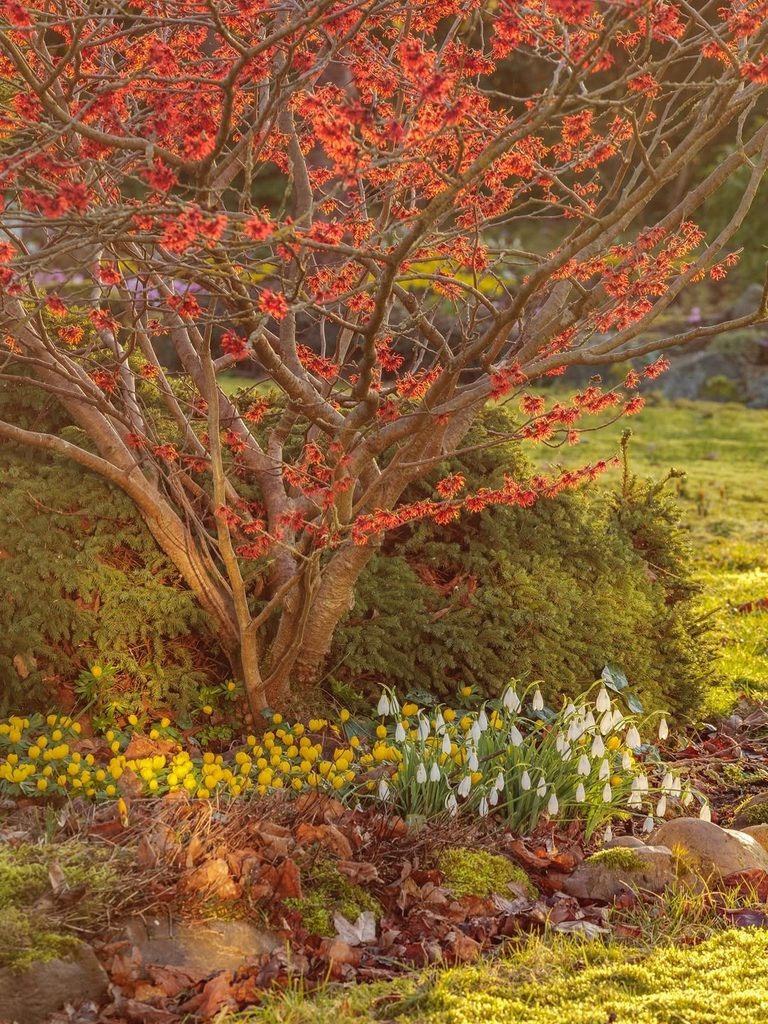
With hybrid witch hazel, you get ribbonlike flowers on bare branches from midwinter into early spring. Your cultivar determines whether those petals are yellow, orange, or red, along with their fragrance and opening time.
Allow room for a substantial deciduous shrub in USDA zones 5–8. Plant yours in full sun or partial shade with moist, well-drained soil, preferably acidic. Position it where low winter sunlight catches the flowers. If you need to shape it, prune after flowering to preserve next season’s buds.
5. Japanese Camellia (Camellia japonica)
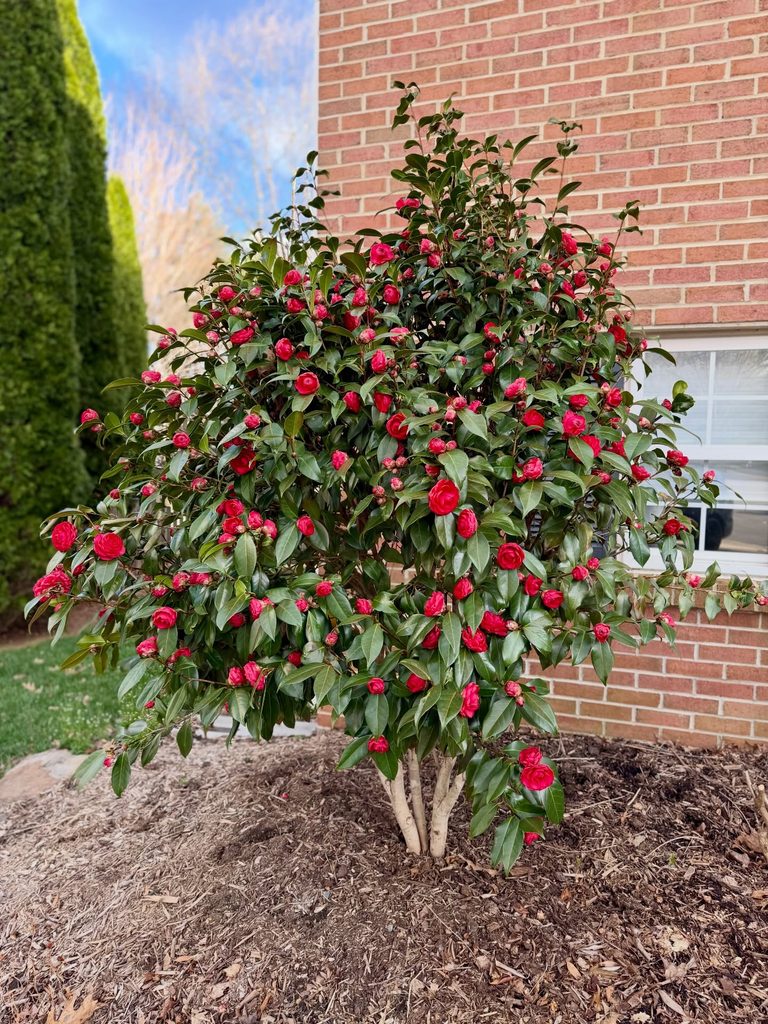
You can enjoy rose-like camellia blooms from winter into spring by choosing an early-flowering Japanese camellia cultivar. Many selections bloom later, so check the plant label for local flowering dates.
In USDA zones 7–9, give yours sheltered partial shade and acidic, well-drained soil rich in organic matter. Avoid a frost pocket or an exposed, windy corner. During a freeze, open flowers are more vulnerable than the established shrub. Place mulch over the root area while keeping it clear of the trunk.
6. Winter Jasmine (Jasminum nudiflorum)
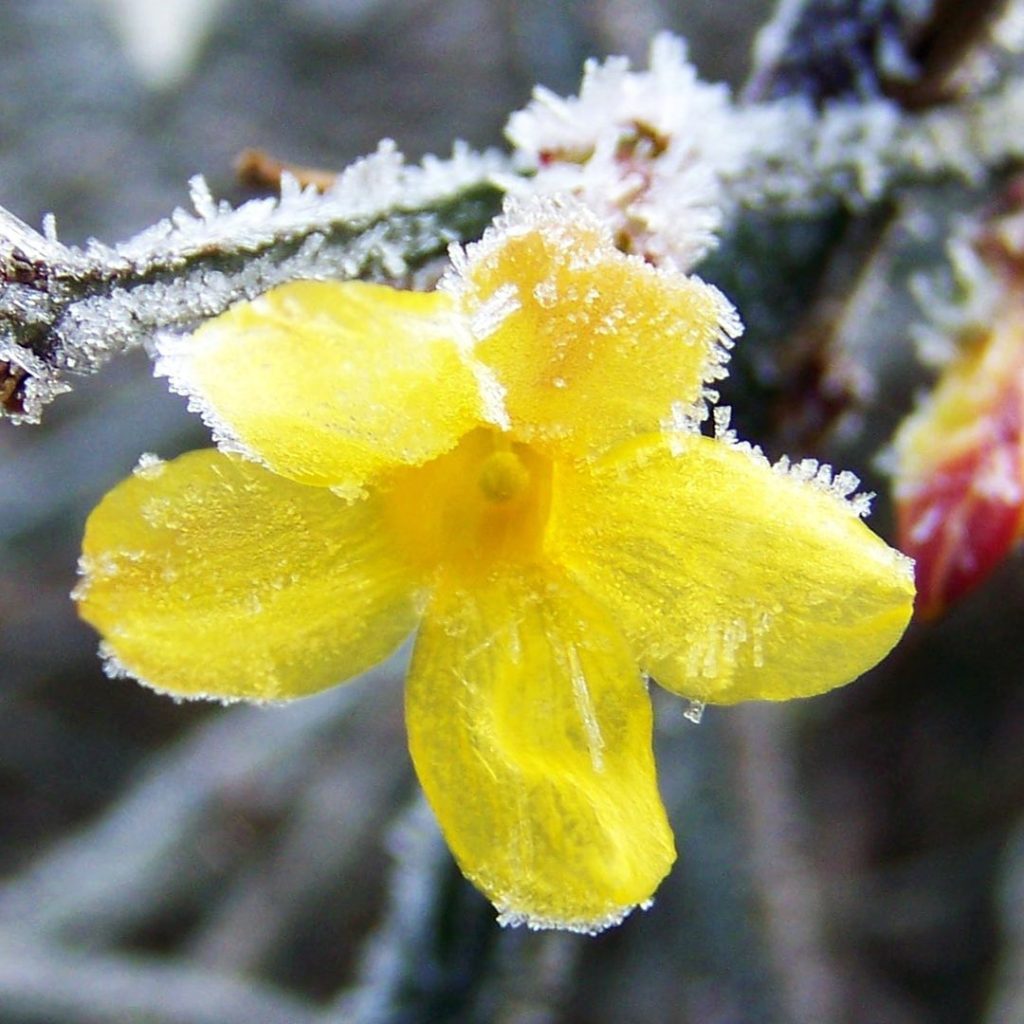
Winter jasmine brings you bright yellow flowers along bare green stems from winter into early spring. You’ll get color without the fragrance associated with many other jasmines.
Grow yours in USDA zones 6–10, using full sun for the strongest flowering or partial shade for a looser display. Give it well-drained soil and space to arch over a wall. Tie stems to a support if you want height, since they don’t cling by themselves. Prune after flowering and remove unwanted stems where they root into the ground.
7. Garden Pansy (Viola × wittrockiana)
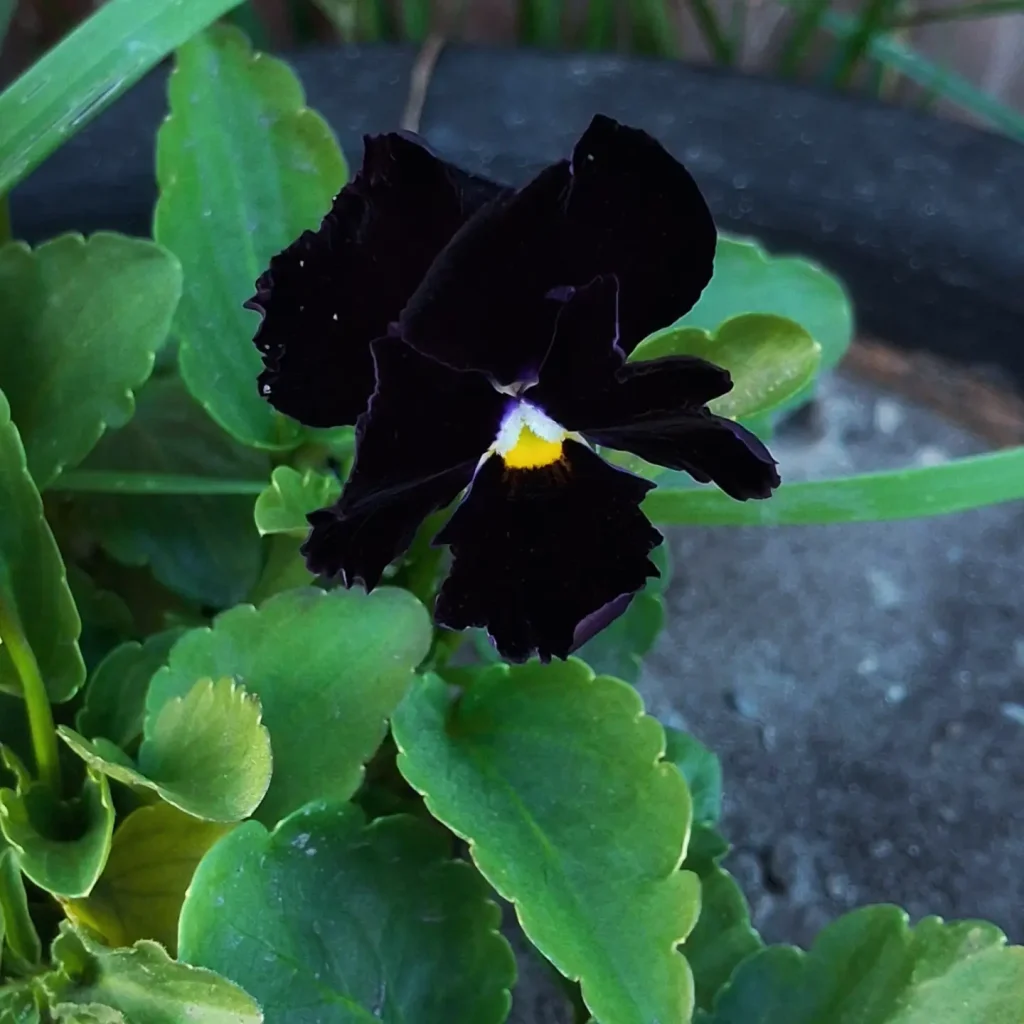
For colorful winter pots in a mild climate, you’ll find garden pansies especially useful. Fall-planted pansies flower through cool spells, pause during sustained freezes, and resume when conditions improve.
Treat yours as cool-season annuals; many hybrids overwinter in roughly USDA zones 6–10 with suitable conditions. Choose winter sun and fertile, freely draining soil. Remove faded blooms and check containers for moisture during dry weather. In colder zones, plan on fall color followed by a spring return where plants survive.
8. Hardy Cyclamen (Cyclamen coum)
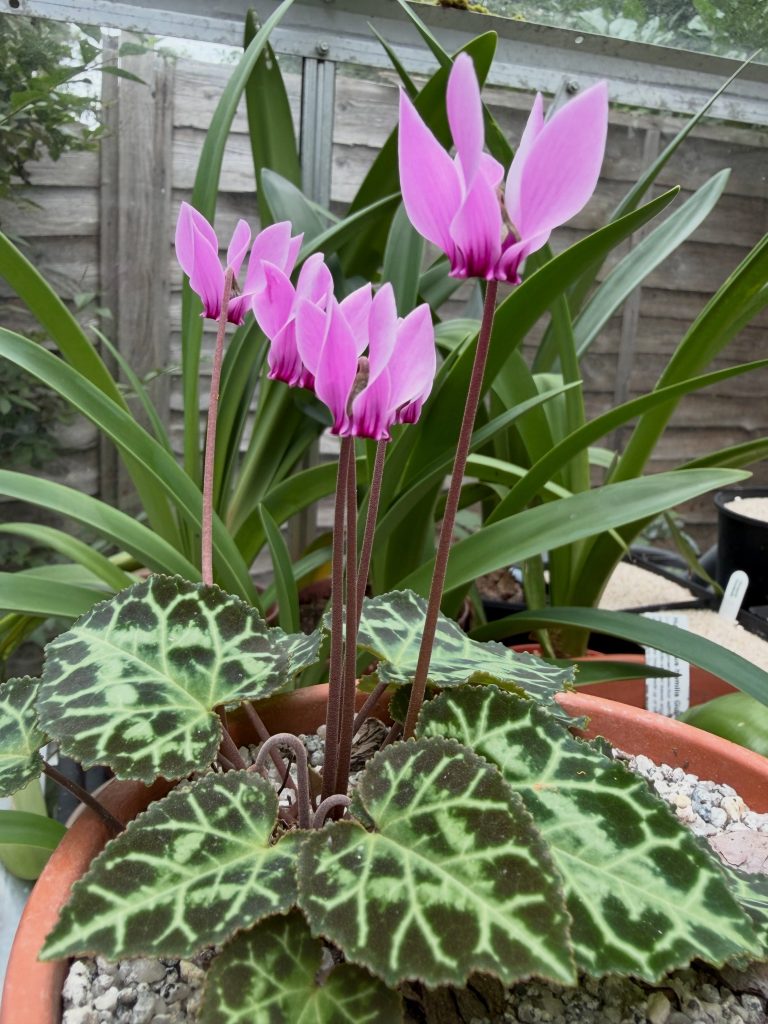
You’ll find hardy cyclamen especially appealing beneath bare shrubs, where pink or white flowers rise above rounded leaves in winter and early spring. This is a different outdoor choice from florist cyclamen.
Plant yours in USDA zones 4–8 in partial shade with humus-rich, sharply drained soil. Give the tubers a sheltered spot that stays relatively dry during summer dormancy. Leave the ground undisturbed so seedlings develop into small colonies. Keep pets from digging up or eating the toxic tubers.
9. Winter Aconite (Eranthis hyemalis)
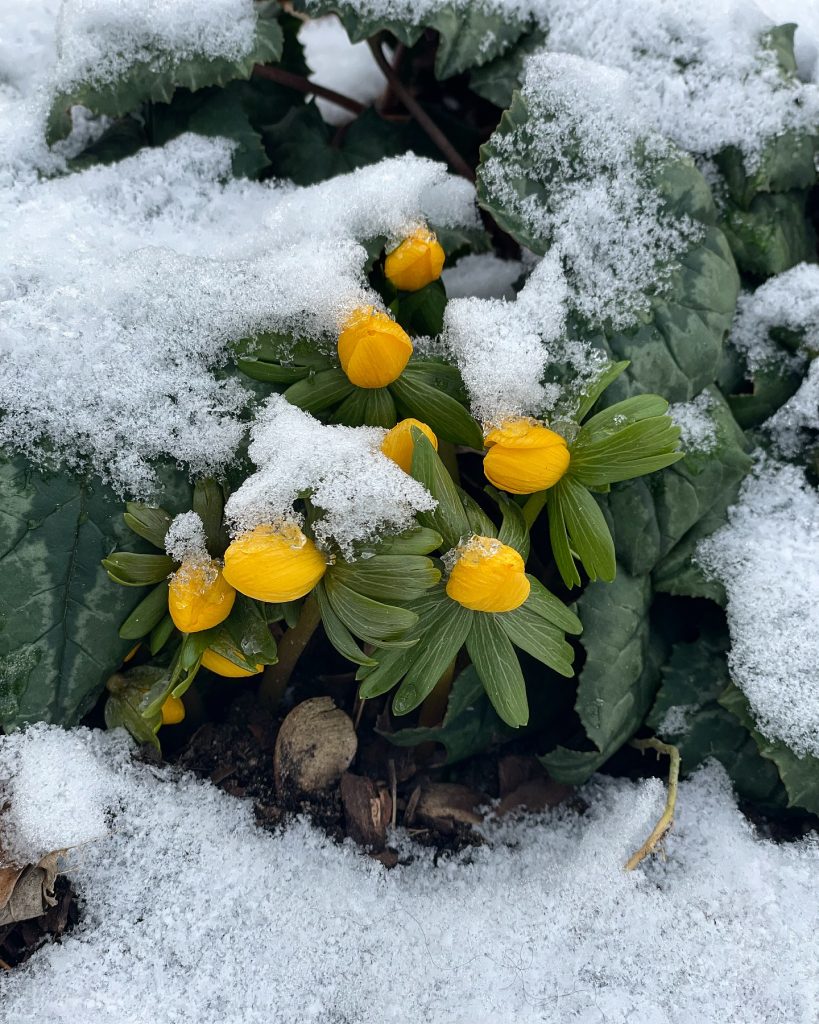
Winter aconite gives you buttery-yellow flowers surrounded by a frill of green leaves near winter’s end. In colder areas, your display arrives in early spring.
Choose USDA zones 3–7 and a deciduous woodland setting with winter sun. You’ll get better establishment in rich, moisture-retentive soil with good drainage. Plant fresh tubers promptly and leave the foliage until it fades. Mark the patch before summer dormancy so you avoid digging through it. Every part is poisonous if eaten.
10. Early Crocus (Crocus tommasinianus)
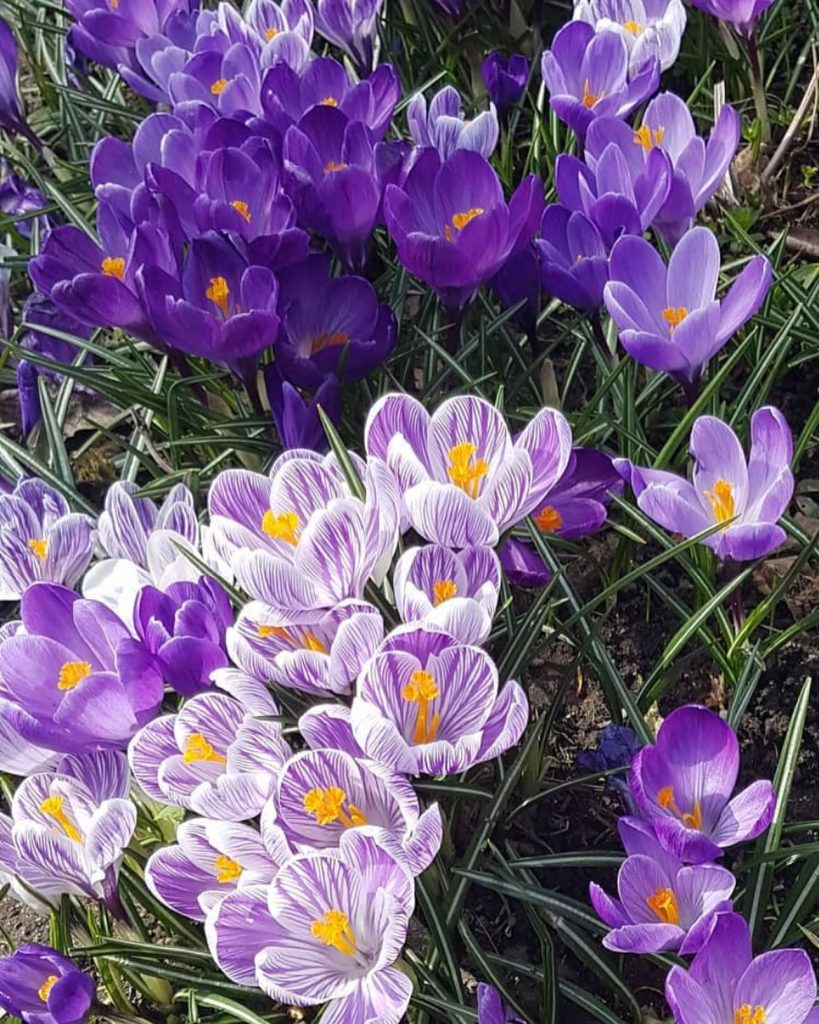
You can brighten the late-winter lawn edge with the lavender, goblet-shaped flowers of early crocus. Your blooms open in sunshine and close during dull or cold weather.
Use it in USDA zones 3–8, choosing full sun to light shade and soil that drains well. Plant the corms in fall, away from places that stay soggy. If you tuck them into grass, delay mowing until the leaves have yellowed. Keep emerging shoots clear of thick, matted leaves so flowers remain visible.
11. Reticulated Iris (Iris reticulata)
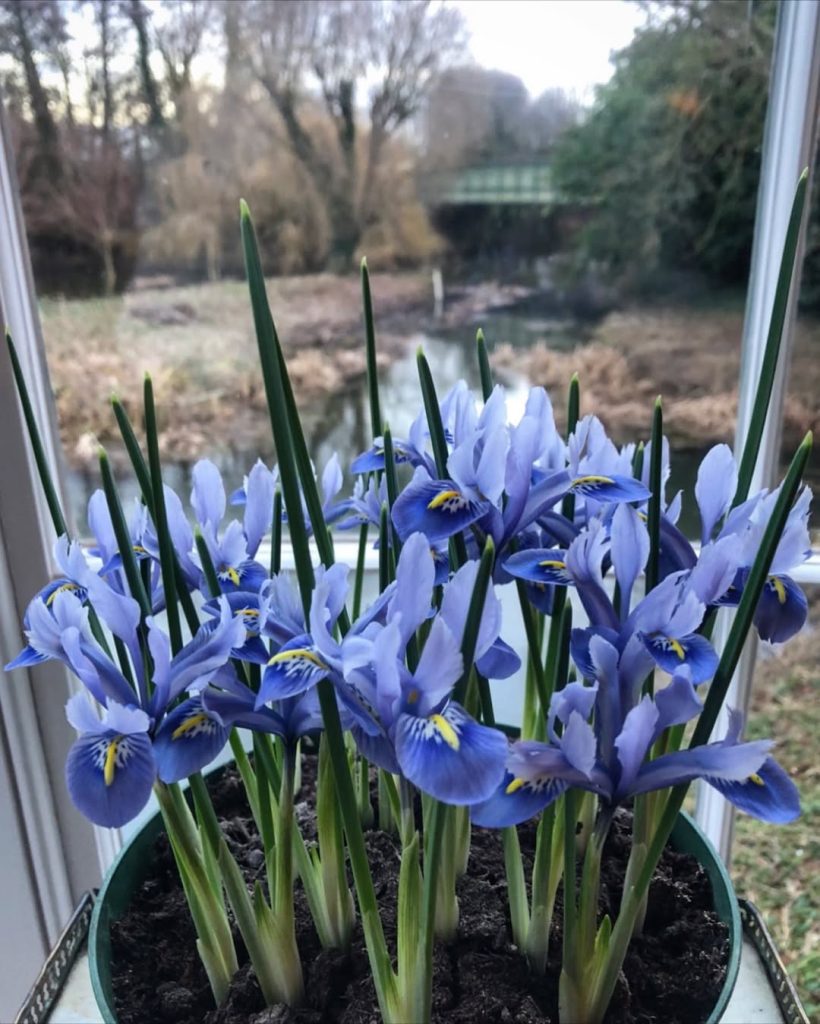
Reticulated iris gives you vivid blue or purple flowers with detailed markings in late winter or early spring. You’ll see the short flowers before the narrow leaves reach their full length.
In USDA zones 5–9, choose a sunny rock garden, raised bed, or container with sharp drainage. Your bulbs need protection from prolonged summer wetness, which encourages rot. Plant in fall and allow the foliage to finish naturally. For pots, use a container with open drainage holes and a gritty potting mix.
12. Winter Sun Mahonia (Mahonia × media ‘Winter Sun’)
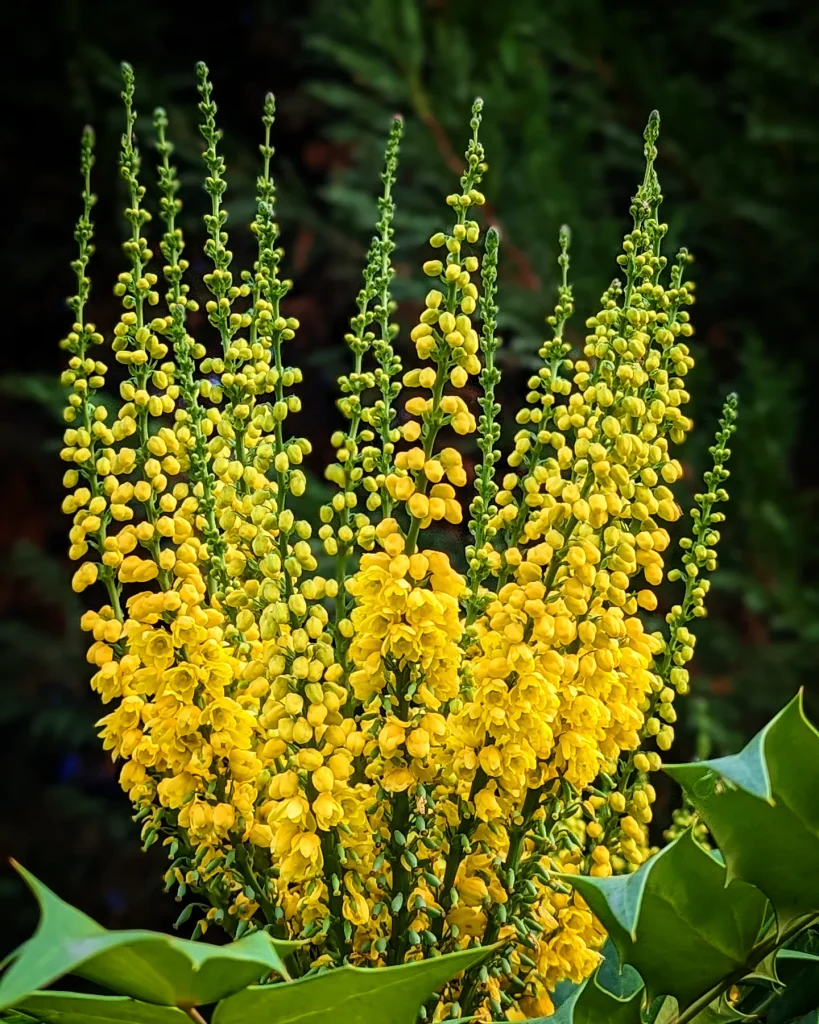
For upright clusters of yellow winter flowers above bold evergreen leaves, you can choose ‘Winter Sun’ mahonia. Its fragrant blooms appear from late fall through winter in suitable climates.
Give yours a sheltered position in USDA zones 7–9 with partial shade and moist, well-drained soil. Allow space for its broad, architectural growth. The prickly leaves make a setback from narrow paths useful. If you need to reduce its size, prune after flowering and avoid cutting away every flowering stem at once.
13. Winter Honeysuckle (Lonicera fragrantissima)
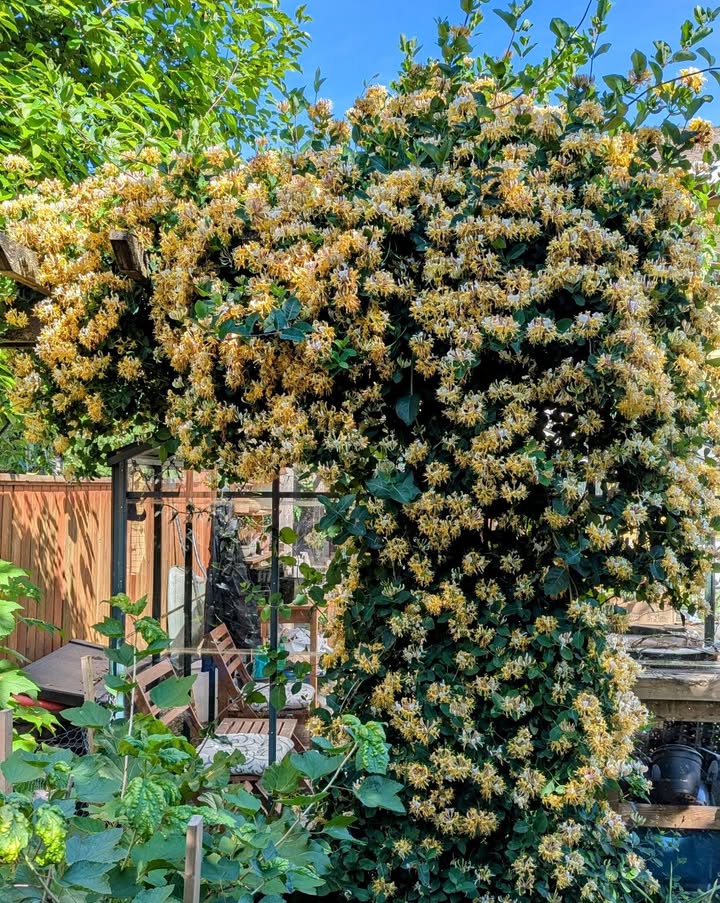
Winter honeysuckle gives you small, creamy flowers with a strong, sweet scent during mild winter spells and early spring. You’ll notice the fragrance most near a frequently used walkway.
In USDA zones 4–8, grow it in sun or partial shade with well-drained soil. Flowering arrives later toward the colder end of that range. Check your state’s invasive-plant guidance before planting: this shrub escapes cultivation in parts of the United States. Where it is invasive, choose another fragrant shrub suited to your region.
14. Winter Daphne (Daphne odora)
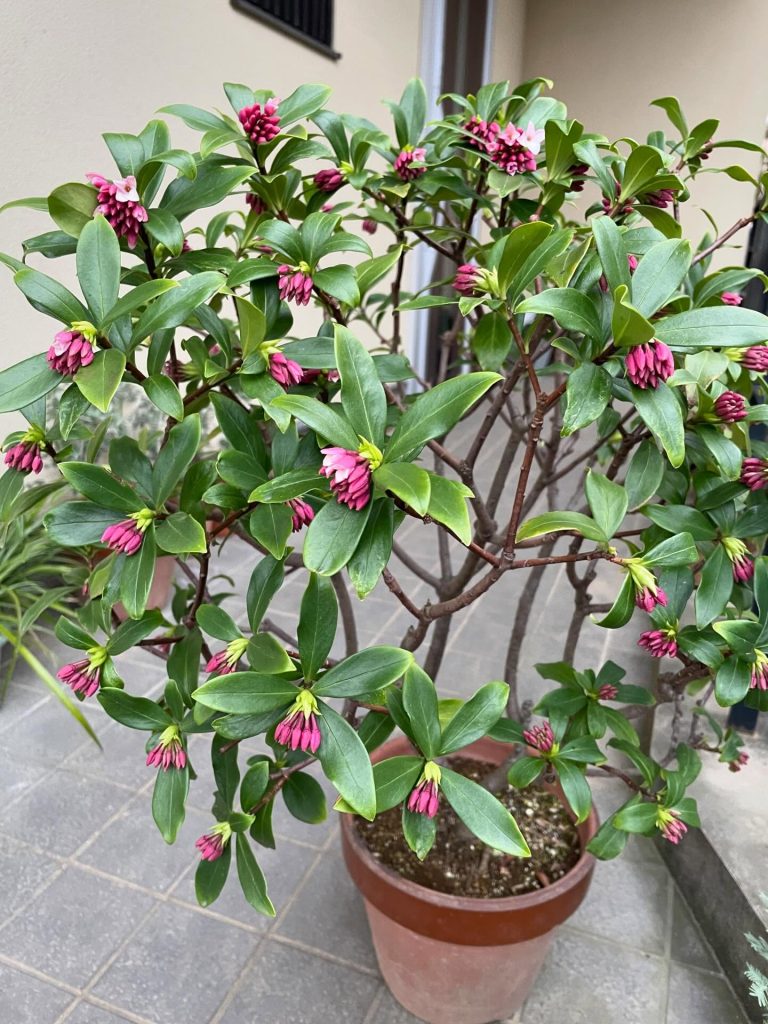
You’ll get richly scented pink-and-white flower clusters from winter daphne in late winter or early spring. Its evergreen leaves also give your planting a steady backdrop.
Choose a protected site in USDA zones 7–9 with morning sun or partial shade. Your soil should hold some moisture while draining freely; wet roots invite decline. Set the root ball carefully and leave the shrub undisturbed after planting. Keep mulch away from the crown, and place this toxic plant away from children or pets that chew vegetation.
15. Paperbush (Edgeworthia chrysantha)
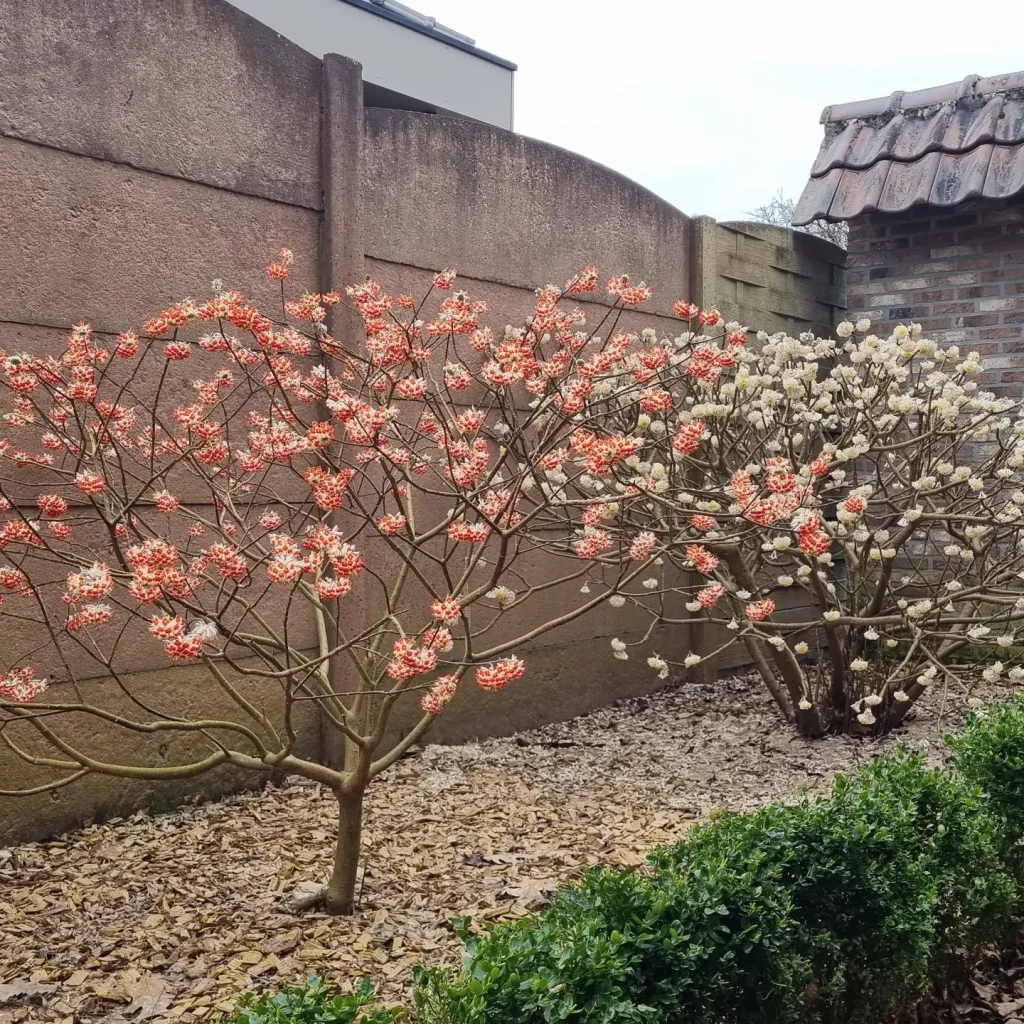
Paperbush gives you silky flower buds followed by fragrant, creamy-yellow clusters on bare branches in late winter or early spring. You’ll see the flower structure best against a dark evergreen backdrop.
Grow yours in USDA zones 7–9, allowing for winter injury at the colder edge. Choose a sheltered spot with partial shade and rich, moist, well-drained soil. Avoid exposed sites where cold winds damage buds. Give its spreading branches room beside a broad path, where you can enjoy the scent without brushing against them.
16. Wintersweet (Chimonanthus praecox)
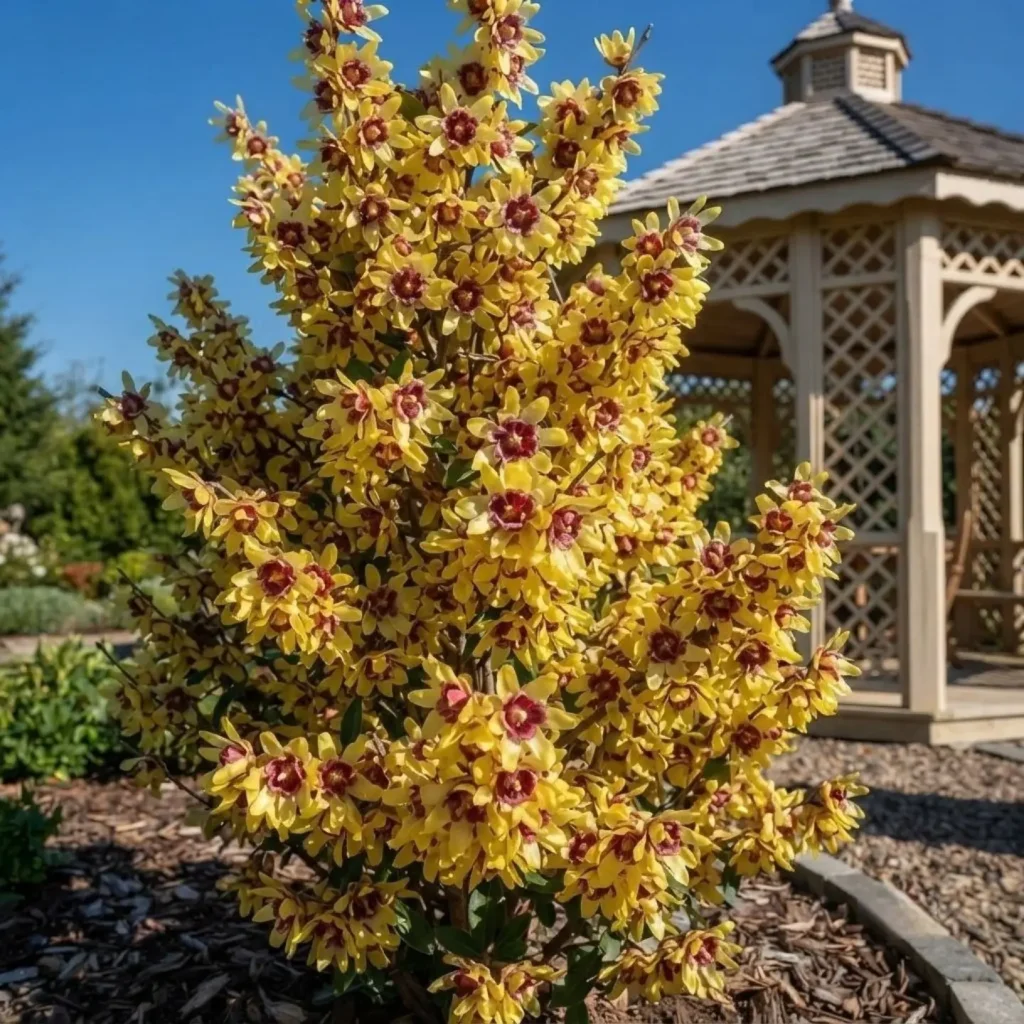
With wintersweet, you can enjoy spicy fragrance from pale yellow flowers on bare branches during winter. Your flowering time shifts with local temperatures, and young plants take several years to establish a strong display.
Plant yours in USDA zones 7–9 in full sun with well-drained soil. A sheltered, sunny position supports flowering and protects buds. Allow room for a large deciduous shrub. Prune lightly after bloom, and keep its poisonous seeds away from children and pets.
17. Pot Marigold (Calendula officinalis)
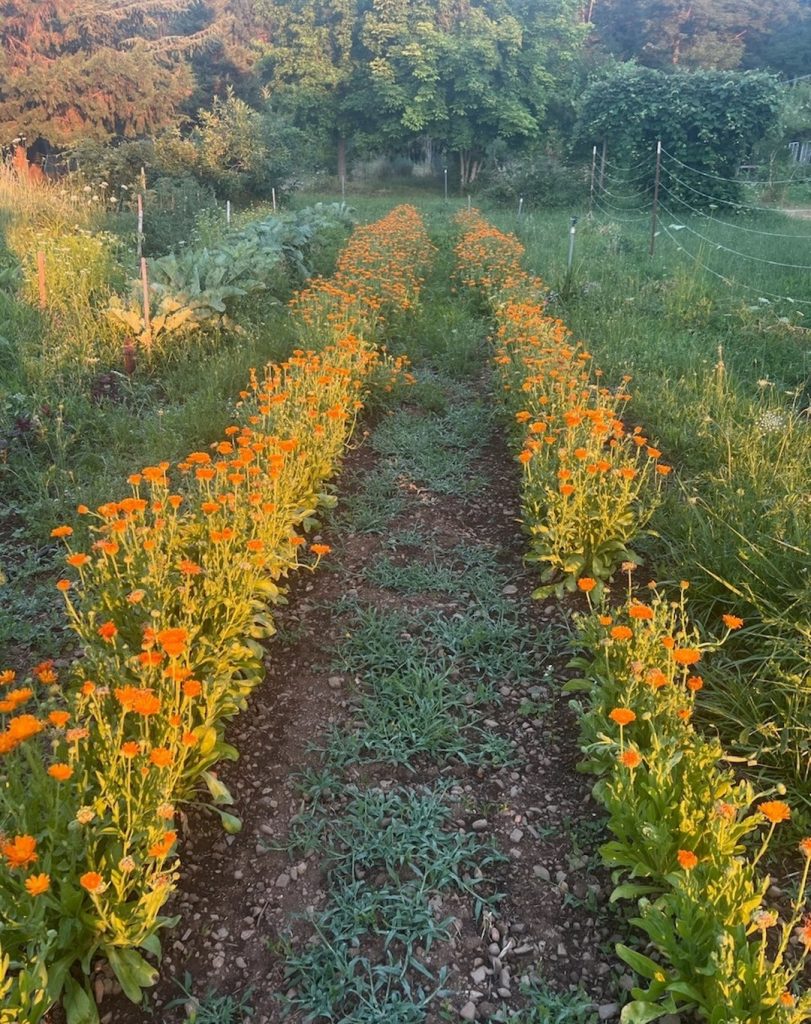
Pot marigold gives you cheerful yellow and orange daisylike flowers through winter where temperatures stay mild. In cold regions, you’ll use it for the cooler parts of spring and fall.
Grow yours as a cool-season annual; outdoor winter flowering is most practical in USDA zones 9–11. Choose full sun and moderately fertile, well-drained soil. Remove spent flowers to encourage fresh buds and limit self-seeding. Space plants for airflow, especially where your winters bring frequent rain.
18. Snapdragon (Antirrhinum majus)
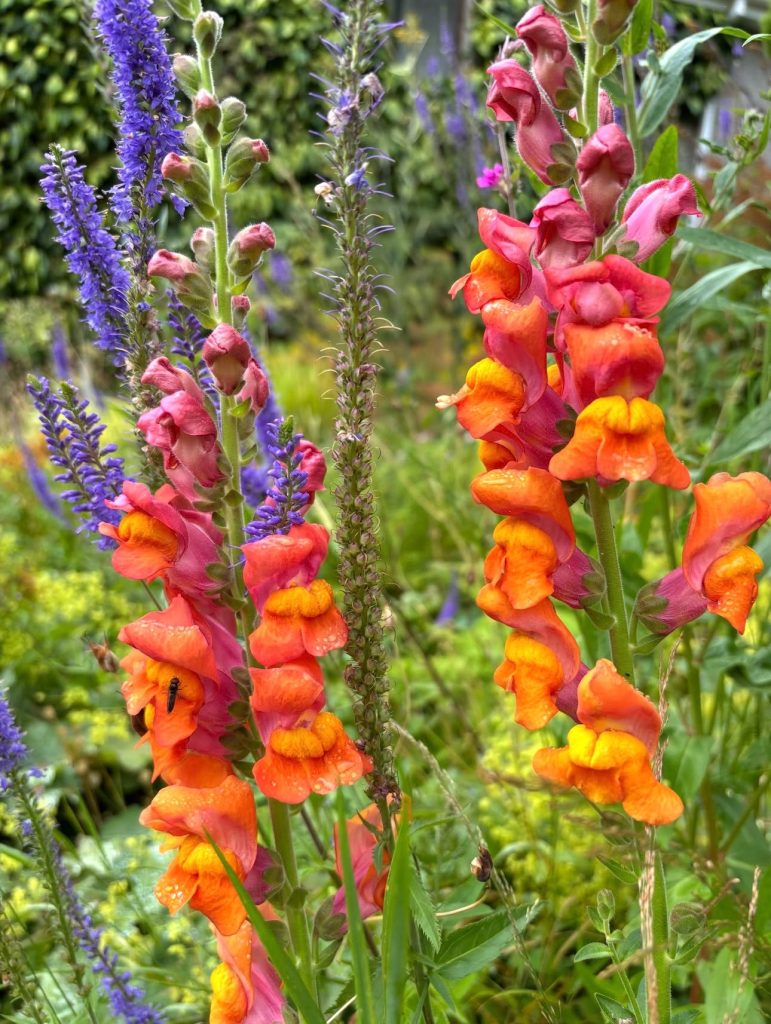
You can add upright flower spikes to a mild-winter border with snapdragons planted in fall. Your best winter bloom comes during frost-light weather, with flowering slowing during colder stretches.
Although snapdragons are short-lived perennials in roughly USDA zones 7–10, gardeners widely grow them as annuals. Give yours full sun and fertile soil with good drainage. Choose compact varieties for pots and taller ones for cutting beds. Check the cultivar’s flowering season, since some selections perform better in cool weather.
19. Stock (Matthiola incana)
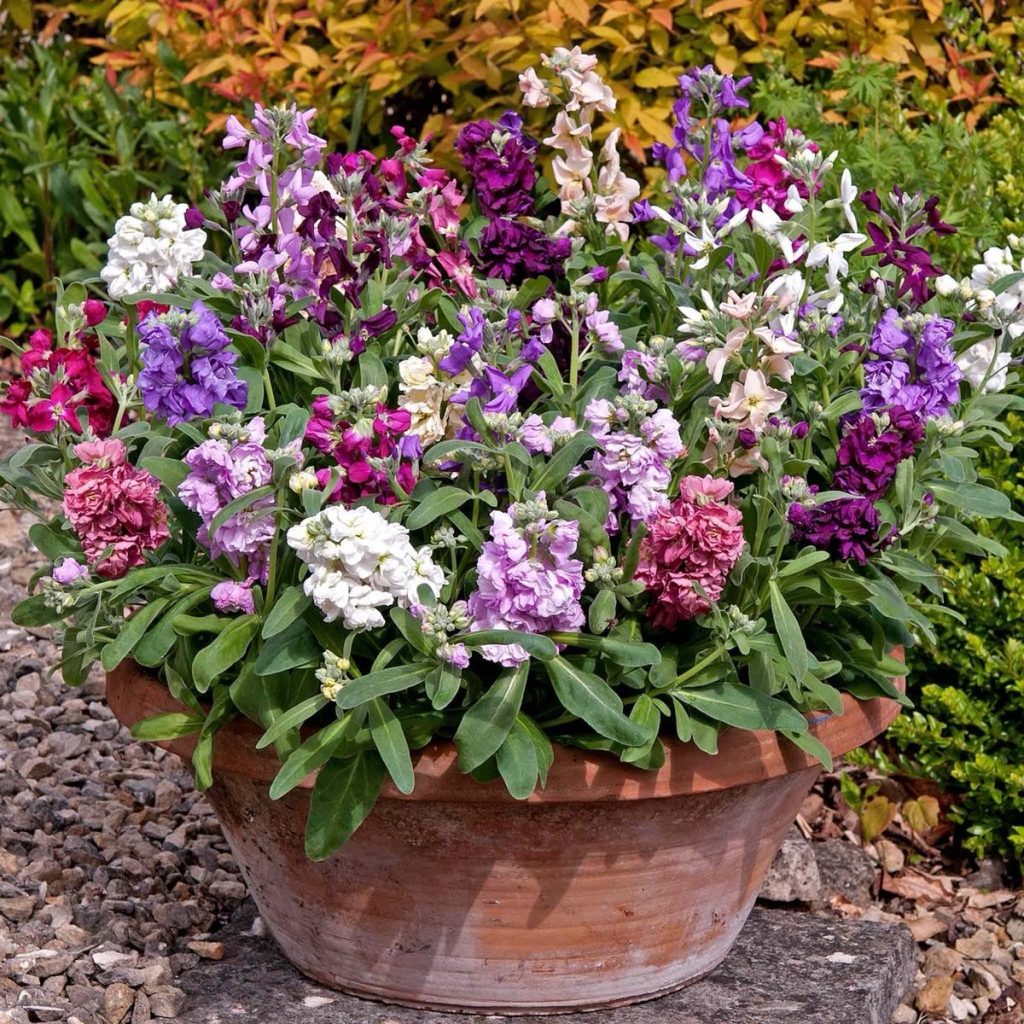
For clove-scented flowers in a cool-season bed, you can plant stock where winters are mild. Fall planting supports winter-to-spring flowers when you choose a suitable early-flowering cultivar.
You’ll find stock grown as an annual almost everywhere, with perennial survival possible in USDA zones 7–10 depending on conditions. Use full sun and fertile, well-drained soil. Keep the crown out of wet mulch, and avoid crowding plants in rainy weather. Place yours near a doorway so you catch the fragrance on mild days.
20. Nemesia (Nemesia spp.)
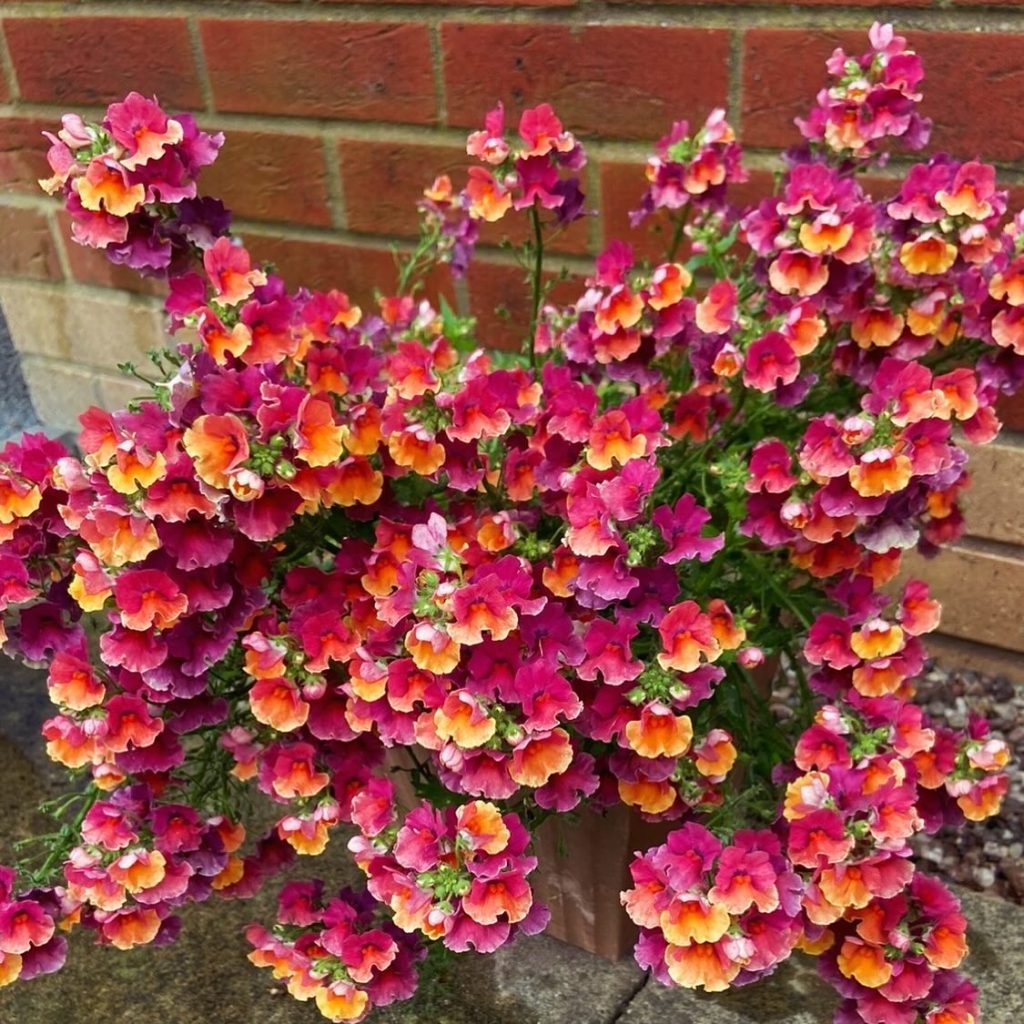
Nemesia gives you clusters of small, colorful flowers for winter containers in frost-light climates. Your display depends on the species or hybrid, with many modern selections flowering strongly in cool weather.
Treat yours as a cool-season annual outside its perennial range, commonly USDA zones 9–11. Choose sun to partial shade and a loose potting mix that drains freely. Keep moisture even without leaving the pot standing in water. Lightly trim tired growth after a flush of flowers to encourage fresh shoots.
21. Sweet Alyssum (Lobularia maritima)
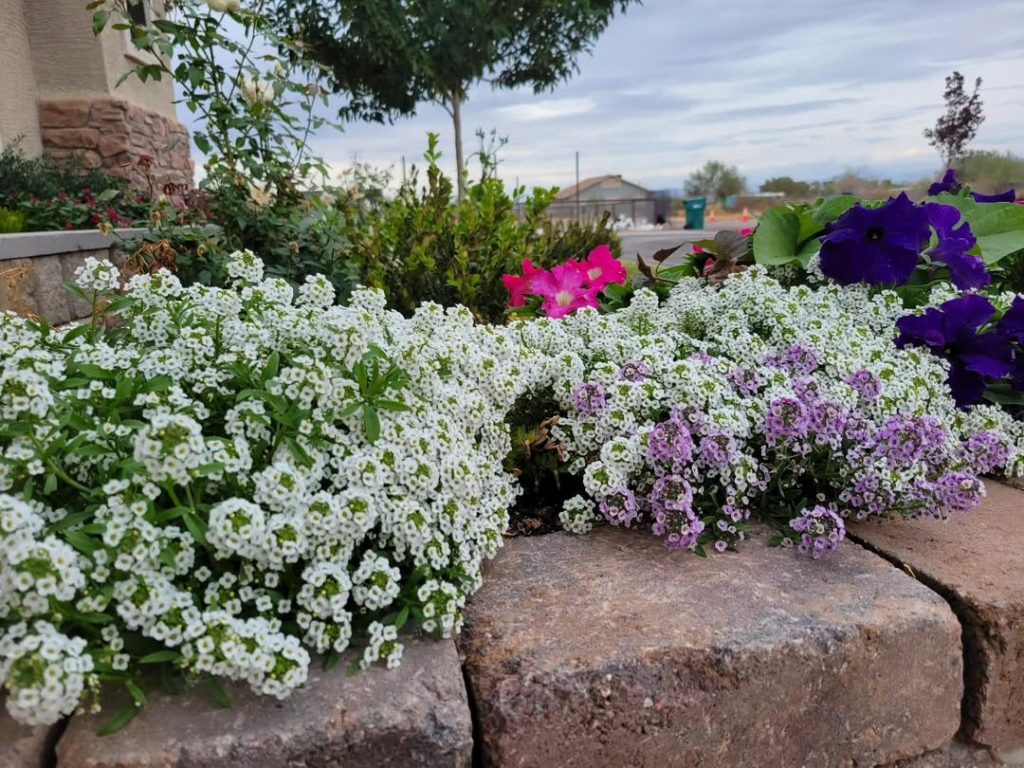
You can soften the edges of winter pots with sweet alyssum’s tiny, honey-scented flowers. In mild regions, white or purple clusters continue through cool weather, with pauses during freezes.
Grow yours in sun to partial shade and freely draining soil. It is perennial in USDA zones 9–11 and widely grown as an annual elsewhere. Trim back a tired planting to encourage fresh growth. Check local guidance before planting, especially in coastal California, where sweet alyssum escapes into natural areas.
How to Choose Flowers for Your Winter Climate
Choose your winter flowers by matching their bloom conditions to the weather your yard receives. Use this comparison to narrow your options, then check cultivar labels for local timing.
| Plant | USDA zones* | Likely flowering window | Light | Drainage needs |
|---|---|---|---|---|
| Christmas Rose | 3–8 | Winter–early spring | Partial shade | Moist, freely draining |
| Winter Heath | 5–8 | Winter–early spring | Sun–light shade | Excellent drainage |
| Snowdrop | 3–7 | Late winter–early spring | Winter sun | Moist, well-drained |
| Hybrid Witch Hazel | 5–8 | Midwinter–early spring | Sun–partial shade | Moist, well-drained |
| Japanese Camellia | 7–9 | Winter–spring; cultivar-dependent | Partial shade | Acidic, well-drained |
| Winter Jasmine | 6–10 | Winter–early spring | Sun–partial shade | Well-drained |
| Garden Pansy | 6–10* | Fall–spring; freeze pauses | Winter sun | Fertile, well-drained |
| Hardy Cyclamen | 4–8 | Winter–early spring | Partial shade | Sharp drainage |
| Winter Aconite | 3–7 | Late winter–early spring | Winter sun | Rich, well-drained |
| Early Crocus | 3–8 | Late winter–early spring | Sun–light shade | Freely draining |
| Reticulated Iris | 5–9 | Late winter–early spring | Sun | Sharp drainage |
| Winter Sun Mahonia | 7–9 | Late fall–winter | Partial shade | Moist, well-drained |
| Winter Honeysuckle | 4–8 | Winter–early spring | Sun–partial shade | Well-drained |
| Winter Daphne | 7–9 | Late winter–early spring | Partial shade | Excellent drainage |
| Paperbush | 7–9 | Late winter–early spring | Partial shade | Moist, well-drained |
| Wintersweet | 7–9 | Winter | Sun | Well-drained |
| Pot Marigold | 9–11* | Winter in mild climates | Sun | Well-drained |
| Snapdragon | 7–10* | Winter–spring in mild climates | Sun | Fertile, well-drained |
| Stock | 7–10* | Winter–spring in mild climates | Sun | Fertile, well-drained |
| Nemesia | 9–11* | Cool season; frost-light climates | Sun–partial shade | Freely draining |
| Sweet Alyssum | 9–11* | Cool season in mild climates | Sun–partial shade | Freely draining |
Use these as planting ranges, not promises of continuous winter flowers. For bedding plants, the ranges describe approximate overwintering or perennial suitability; you can grow them as seasonal annuals elsewhere.
Which Flowers Bloom in Freezing Weather Versus Mild Winters?
For gardens with regular freezes, build your planting around winter heath and hellebores, then add late-winter bulbs. Established flowers tolerate ordinary cold spells, though severe weather damages open blooms. During prolonged frozen conditions, expect flowering to slow or stop.
If your winter soil stays workable and hard freezes are brief, you have more bedding options. Pansies tolerate more cold than tender nemesia selections. Use calendula, stock, and alyssum for active flowering through mild stretches, while keeping frost protection ready.
How Do Hardiness Zones Differ From Blooming Conditions?
Your USDA hardiness zone describes average annual extreme minimum winter temperatures. It helps you judge whether a perennial plant is likely to survive outdoors. It does not describe the full weather pattern that controls flowering.
You also need to consider winter sunshine and the length of cold spells. A winter honeysuckle that survives in zone 4 will flower later than one growing in a mild zone 8 garden. Check locally grown plants of the same cultivar for a useful picture of your likely bloom season.
Which Plants Suit Containers, Borders, or Small Yards?
For containers, choose compact plants whose flowers you’ll see close up. Pansies and nemesia suit mixed pots, while reticulated iris makes a seasonal display on its own. Use frost-resistant containers with open drainage holes, and remember that exposed pot roots receive less insulation than roots underground.
In a small border, you’ll get lasting structure from winter heath or hardy cyclamen beneath shrubs. Reserve witch hazel and paperbush for spaces that accommodate their mature spread. Before buying a shrub, compare its mature width with the clear space between your house, paths, and nearby plants.
How to Keep Your Winter Garden Colorful
You’ll keep winter color going by planting early enough for roots to establish and choosing flowers with different opening times. Match routine care to the season’s slower growth and wetter soil.
When Should You Plant for Winter Flowers?
Plant spring-flowering bulbs in fall while your soil remains workable. Follow the planting depth on the package, and settle them into prepared soil promptly. Snowdrops and winter aconites are also useful purchases while actively growing because dormant planting material dries out easily.
For hardy shrubs and perennials, use spring or early fall planting so roots establish before harsh weather. In mild-winter regions, set out cool-season bedding plants in fall after summer heat eases. If you’re planting late, choose healthy nursery plants with buds already forming.
How Can You Stagger Blooms Throughout Winter?
Build your sequence around the beginning, middle, and end of your local winter. In mild regions, start with fall-planted pansies or calendula, then use mahonia for an early shrub display. Add witch hazel and daphne for later flowers.
In colder gardens, plan a shorter sequence concentrated near winter’s end. Combine winter heath with Christmas roses, followed by snowdrops and early crocus. Record when your plants open each year, including their cultivar names, and use those dates to choose additions that fill a specific gap.
How Should You Manage Drainage, Watering, and Frost Protection?
Give your plants a root zone that drains after rain, especially if you grow daphne or small bulbs. On heavy clay, improve a broad planting area with suitable organic matter or use a raised bed. Check container drainage holes regularly, and empty saucers after rain.
Water during dry spells when the soil is unfrozen, checking beneath the surface before adding more. For bedding flowers, place frost cloth over supports before a forecast freeze and secure its edges to the ground. Remove or vent the cover when conditions warm, and keep mulch clear of crowns and shrub stems.