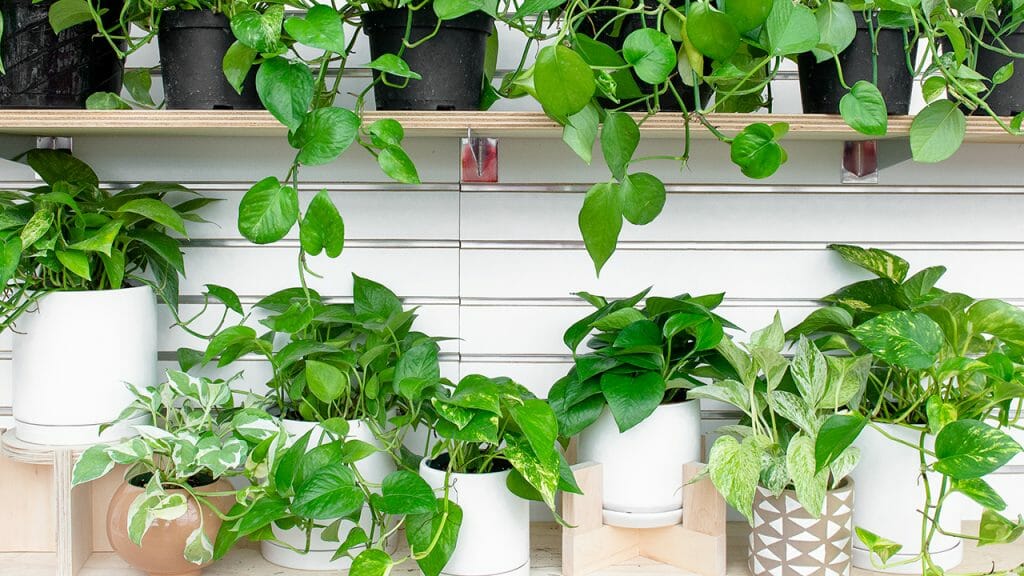

Running out of places to put plants? Look up. 🌿
Hanging plants are the answer when every windowsill is full and there’s no more shelf space left. They turn empty corners into something interesting, soften harsh ceilings, and make a room feel properly alive – all without taking up a single centimetre of floor or counter space.
The trick is picking the right plant for the right spot. Some trailing plants are happy in a dim bathroom corner; others need that sunny window seat. Some practically thrive on neglect while others want a bit more attention. Get the match right and you’ll have something beautiful that actually stays alive.
We’ve put together a guide to 15 of the best hanging plants for indoors, covering everything from easy-going pothos to dramatic string of pearls. Whether you’re a confident plant parent or someone who’s killed every succulent they’ve ever owned, there’s something here that’ll work for you. 🪴
Let’s get into it.
1. Boston Fern (Nephrolepis exaltata)
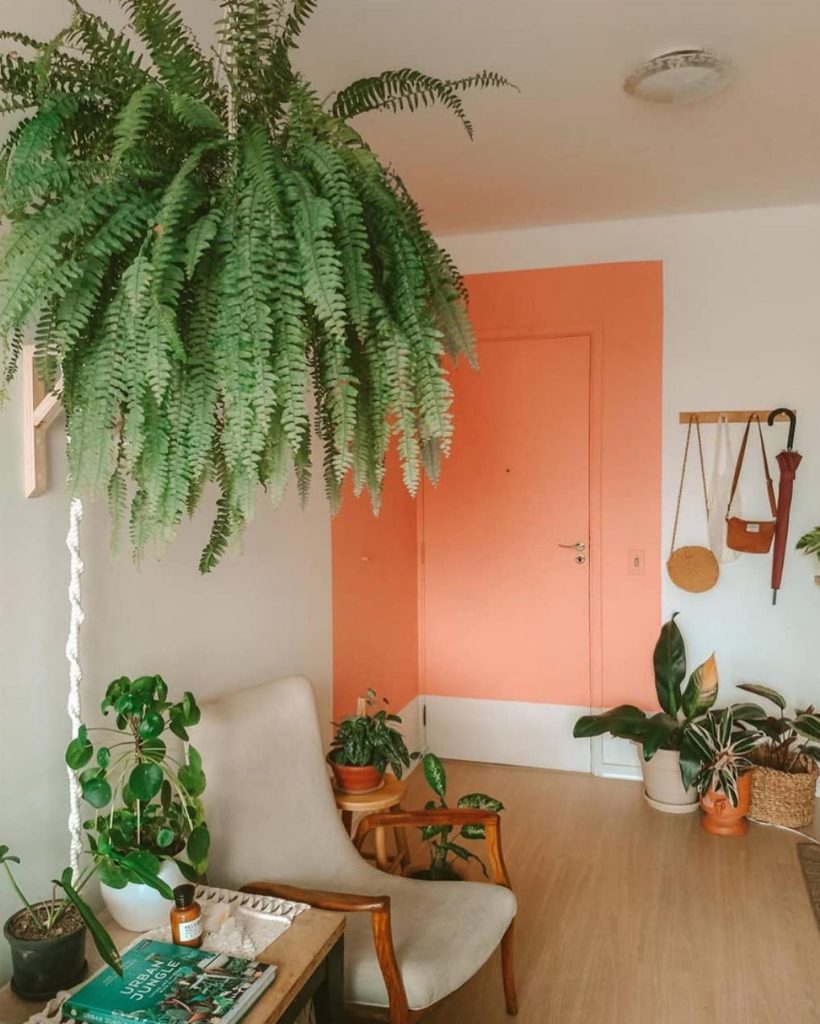
Boston ferns bring a touch of lush greenery to your home with their feathery, arching fronds. These tropical plants look stunning in hanging baskets where their leaves can cascade downward naturally.
You’ll love that Boston ferns help purify the air while adding humidity to dry indoor spaces. They’re a classic choice that’s been popular for over a century.
These ferns prefer bright, indirect light and need consistently moist soil. Your Boston fern will thrive in a bathroom or kitchen where humidity levels are higher. Mist the leaves regularly if you keep yours in a drier room.
Boston ferns work well for both beginners and experienced plant owners. They’ll let you know when something’s wrong by turning brown or dropping leaves, giving you a chance to adjust their care.
2. String of Pearls (Senecio rowleyanus)
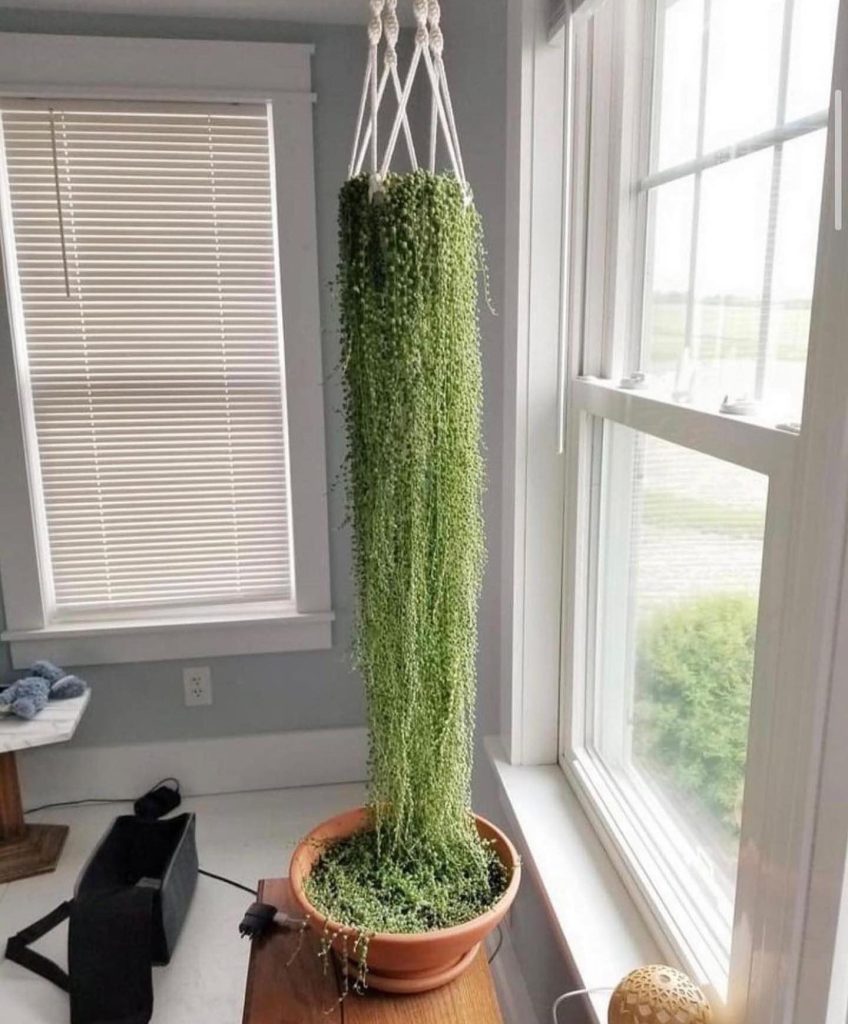
String of Pearls is a striking succulent that adds charm to any indoor space. Its trailing stems are covered in small, round leaves that look like tiny green beads. The stems can grow up to 2 feet long, making this plant perfect for hanging baskets or high shelves.
This plant comes from southwestern Africa and belongs to the daisy family. You’ll find it easy to care for if you give it the right conditions.
Your String of Pearls needs bright light with about 6-8 hours of direct sunlight each day. Keep it in a warm spot between 68-80°F. Water it only when the soil dries out completely, as it stores water in its bead-like leaves.
Use well-draining succulent soil to prevent root rot. This unique plant works great for adding vertical interest to your home.
3. Pothos ‘Golden’ (Epipremnum aureum ‘Golden’)
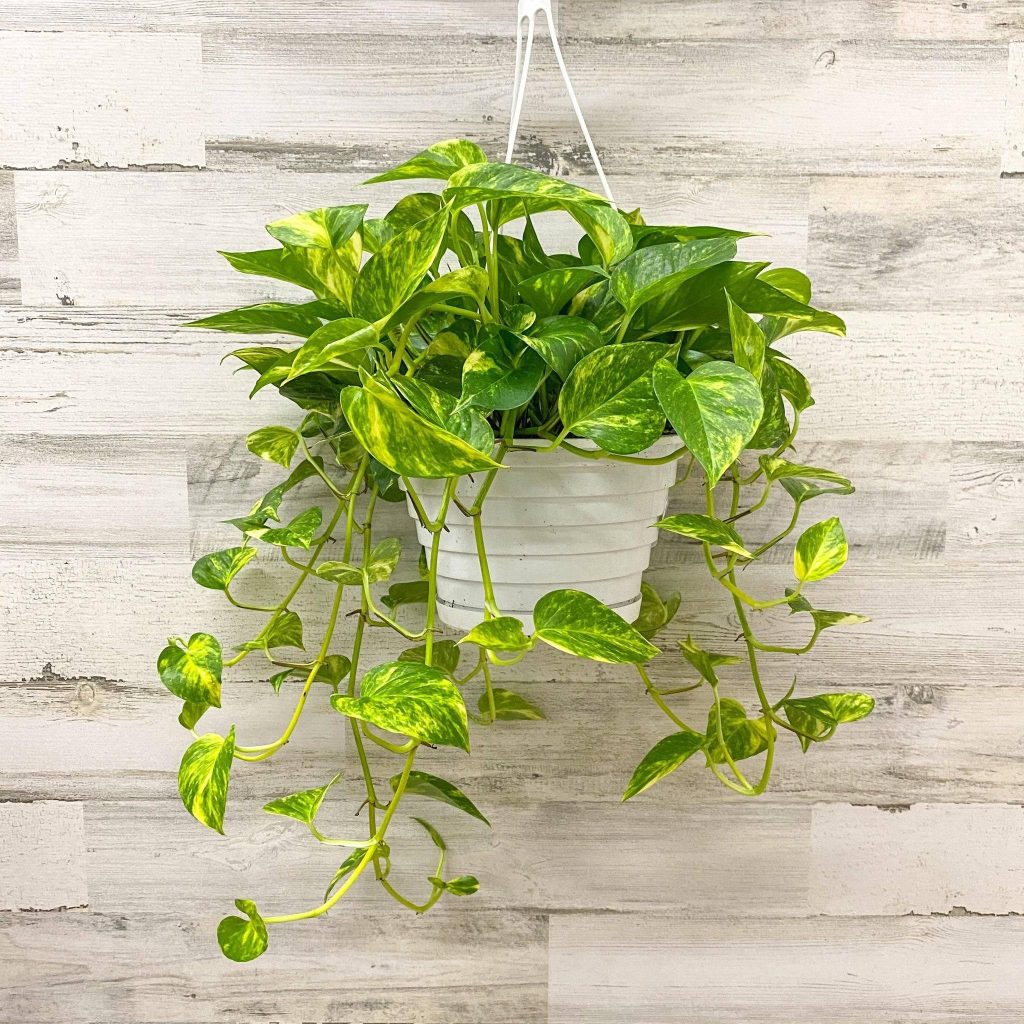
Golden Pothos is one of the easiest hanging plants you can grow indoors. It has beautiful heart-shaped leaves with green and golden-yellow colors that look great in any room.
This plant is also called Devil’s Ivy. The vines can grow several feet long, making them perfect for hanging baskets or high shelves where they can cascade down.
You don’t need to be an expert to keep this plant alive. It can handle low light conditions, though it grows better in bright indirect light. Golden Pothos is also known for helping clean the air in your home.
The plant grows fast and needs very little attention from you. Just water it when the soil feels dry and watch it thrive.
4. Spider Plant (Chlorophytum comosum)
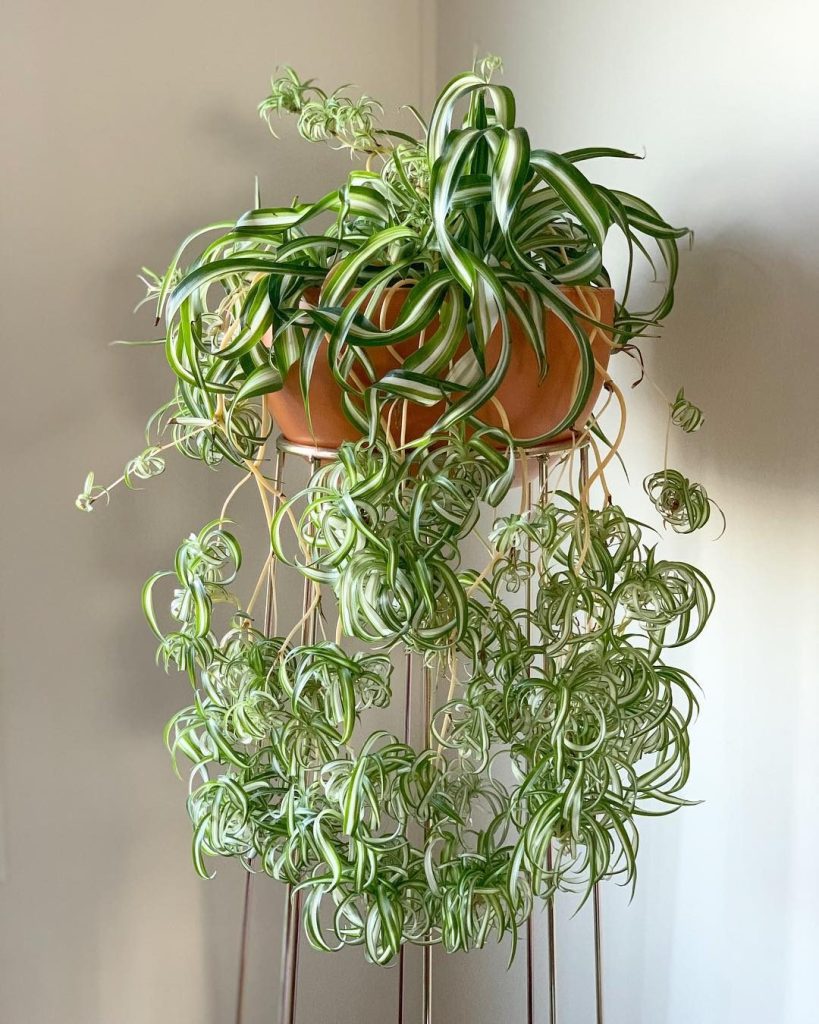
The spider plant is one of the easiest houseplants you can grow. Its long, arching leaves create a beautiful waterfall effect that looks perfect in hanging baskets.
You’ll love how low-maintenance this plant is. It thrives even if you forget to water it sometimes, making it ideal for beginners. Spider plants grow well in bright, indirect light but can handle lower light conditions too.
This plant gets its name from the small plantlets that dangle from the mother plant on long stems. These baby plants look like little spiders hanging on a web. You can easily remove these to start new plants.
Spider plants come in different varieties. Some have green leaves with white stripes down the center, while others are solid green. All varieties are great at cleaning the air in your home.
5. English Ivy (Hedera helix)
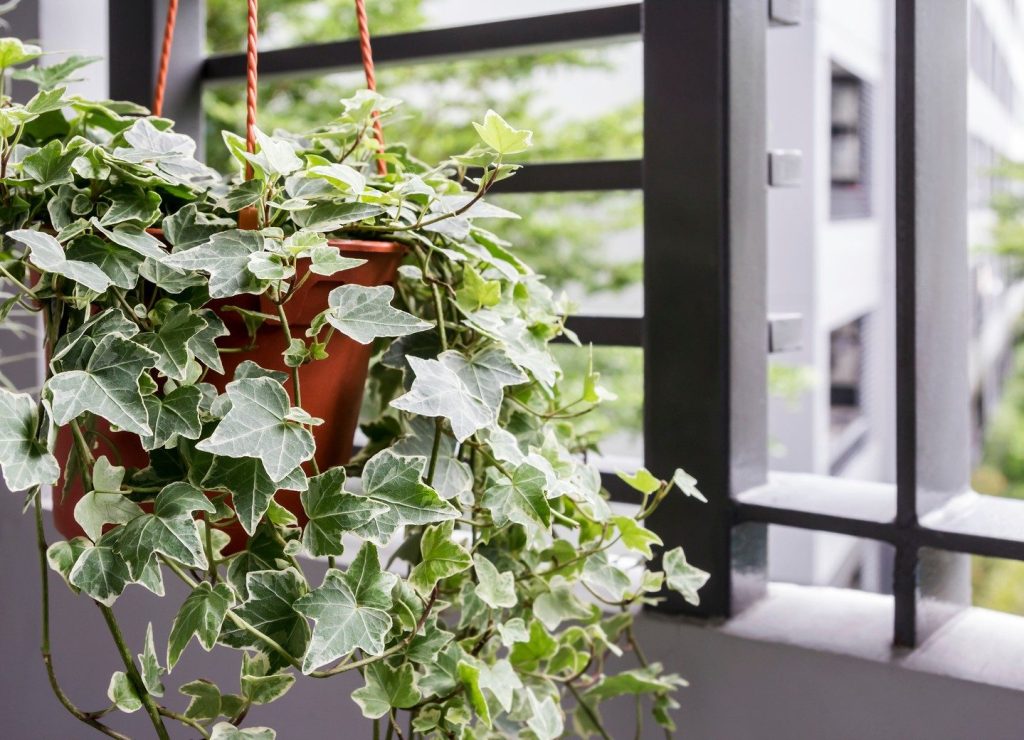
English ivy makes a perfect choice for your indoor hanging garden. Its trailing vines create an elegant look that works well in any room.
This plant is known for being easy to care for. You don’t need much experience to keep it healthy and growing. It adapts to different light conditions, though it prefers bright, indirect light.
The green leaves stay fresh all year long. You can grow English ivy in a hanging basket or let it spill over the edge of a regular pot. Either way, it adds natural beauty to your space.
Water your ivy when the top inch of soil feels dry. It likes consistent moisture but doesn’t want to sit in water. The plant also enjoys some humidity, making it great for bathrooms or kitchens.
6. String of Hearts (Ceropegia woodii)
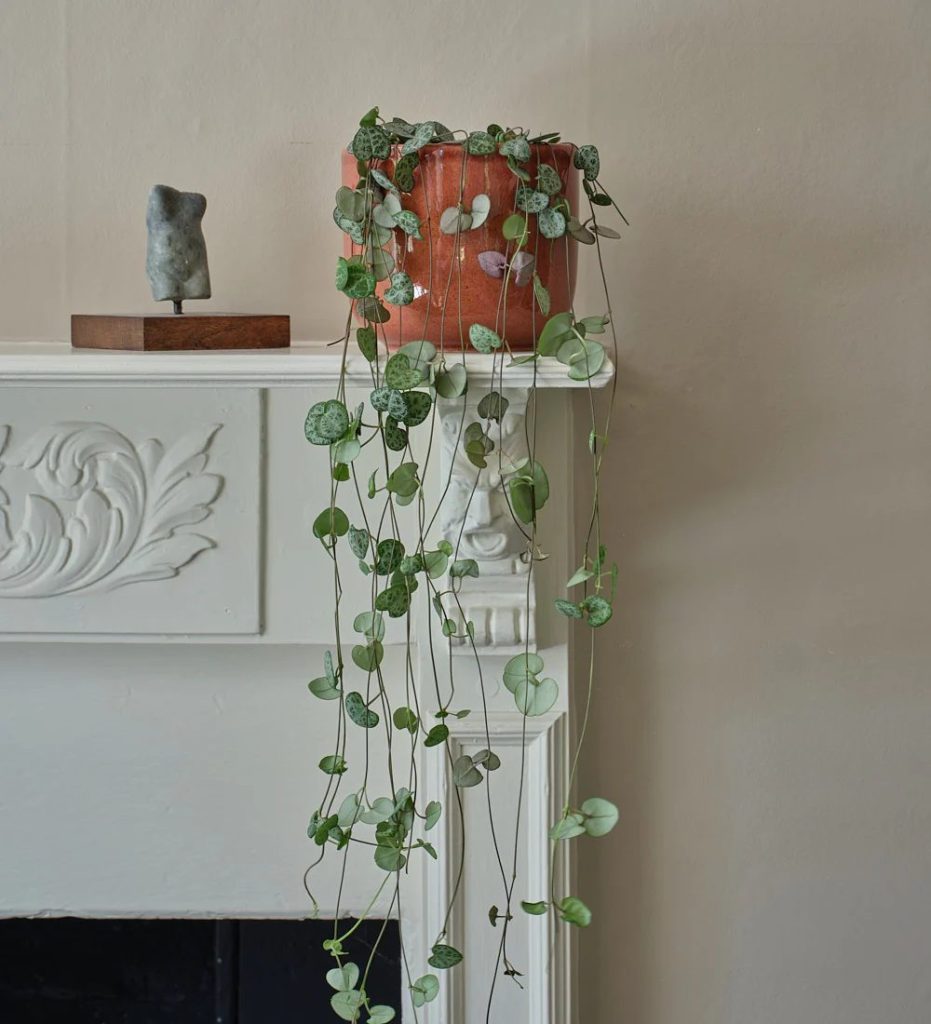
String of Hearts is a charming trailing plant that brings romance to any room. Its delicate vines feature small, heart-shaped leaves with beautiful marbled patterns in shades of green and silver.
This South African native grows quickly and thrives in bright, indirect light from a west or south-facing window. The cascading vines look stunning in hanging baskets or flowing down from shelves.
You’ll love how easy String of Hearts is to care for. It’s surprisingly tough despite its delicate appearance. The plant also goes by other names like Chain of Hearts, Rosary Vine, or Sweetheart Vine.
As a succulent, it stores water in its leaves and doesn’t need constant attention. String of Hearts is perfect if you want a low-maintenance plant that adds elegance to your space.
7. Philodendron Brasil (Philodendron hederaceum ‘Brasil’)
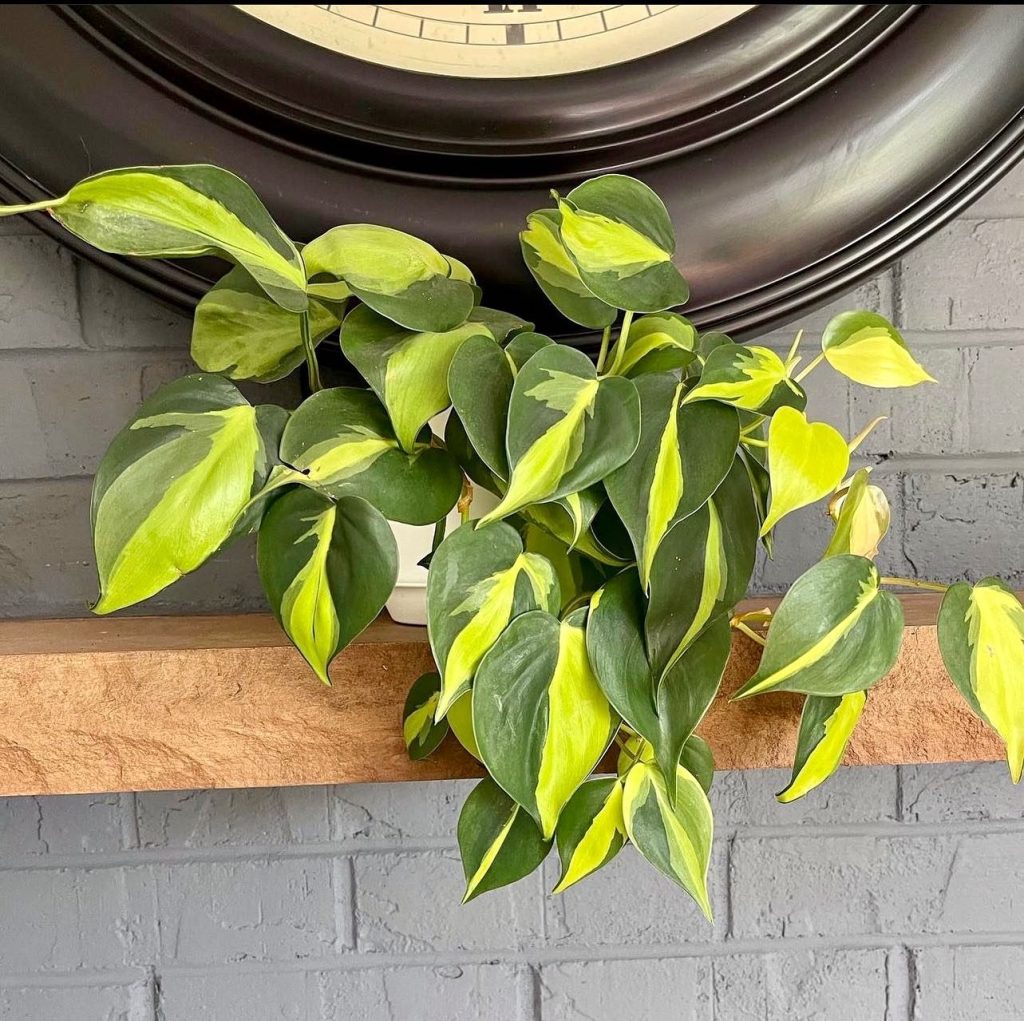
The Philodendron Brasil brings tropical beauty to your home with its heart-shaped leaves. Each leaf features bright lime-green variegation against classic dark green, making it more colorful than standard heartleaf varieties.
This plant works perfectly in hanging baskets where its vines can trail down several feet. You can also train it to climb up a moss pole if you prefer an upward-growing look.
Your Brasil will grow well in bright, indirect light and needs well-draining soil. It handles low-light conditions better than many other plants, which makes it great for darker rooms in your home.
The care requirements are simple and forgiving. You’ll find this plant easy to maintain even if you’re new to houseplants. It adapts to most indoor environments with minimal effort.
8. Burro’s Tail (Sedum morganianum)
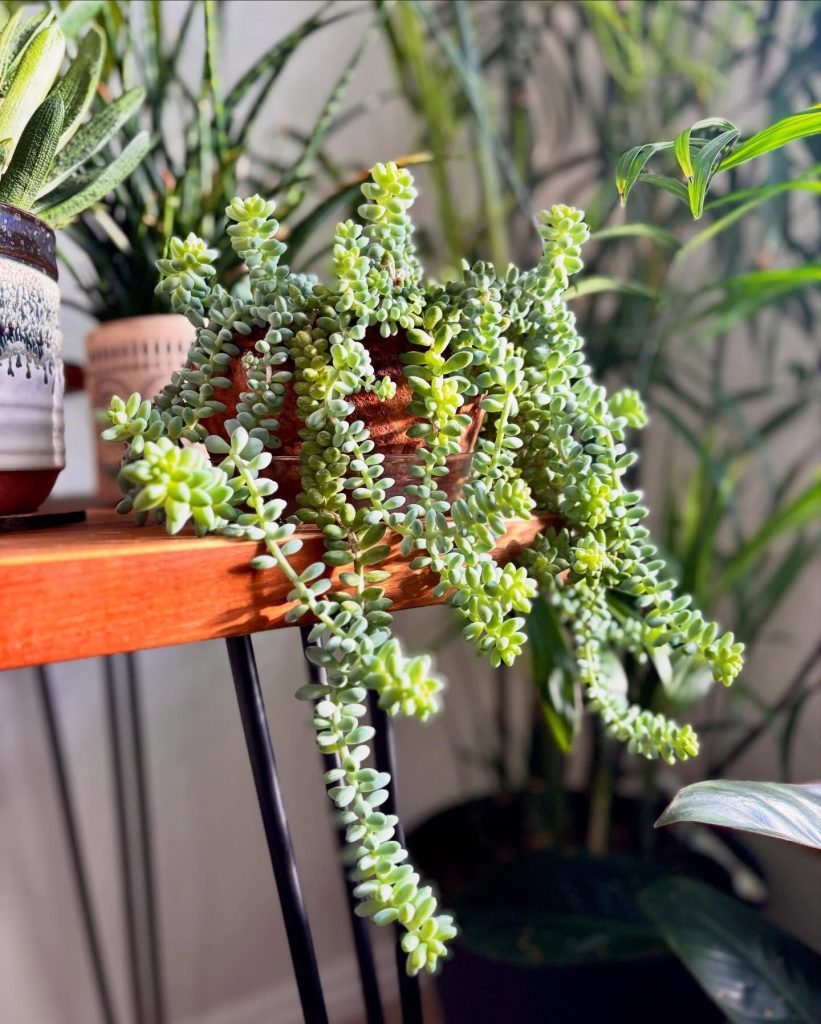
Burro’s tail is a showstopper for hanging baskets with its unique trailing stems. The plump, overlapping leaves create a rope-like appearance that dangles beautifully from elevated planters.
This succulent is perfect if you want a low-maintenance plant. It tolerates drought well and doesn’t need constant attention. You’ll find it comes in shades ranging from green to gray-green or even blue-green.
Place your burro’s tail where it can get 6-8 hours of bright light each day. It prefers temperatures between 64-79°F and moderate humidity levels.
Good news if you have pets—this plant is considered safe for cats and dogs. Just handle the stems gently since the leaves can fall off easily when bumped. Water when the soil dries out, and feed it monthly during the growing season to keep it healthy.
9. Maidenhair Fern (Adiantum raddianum)
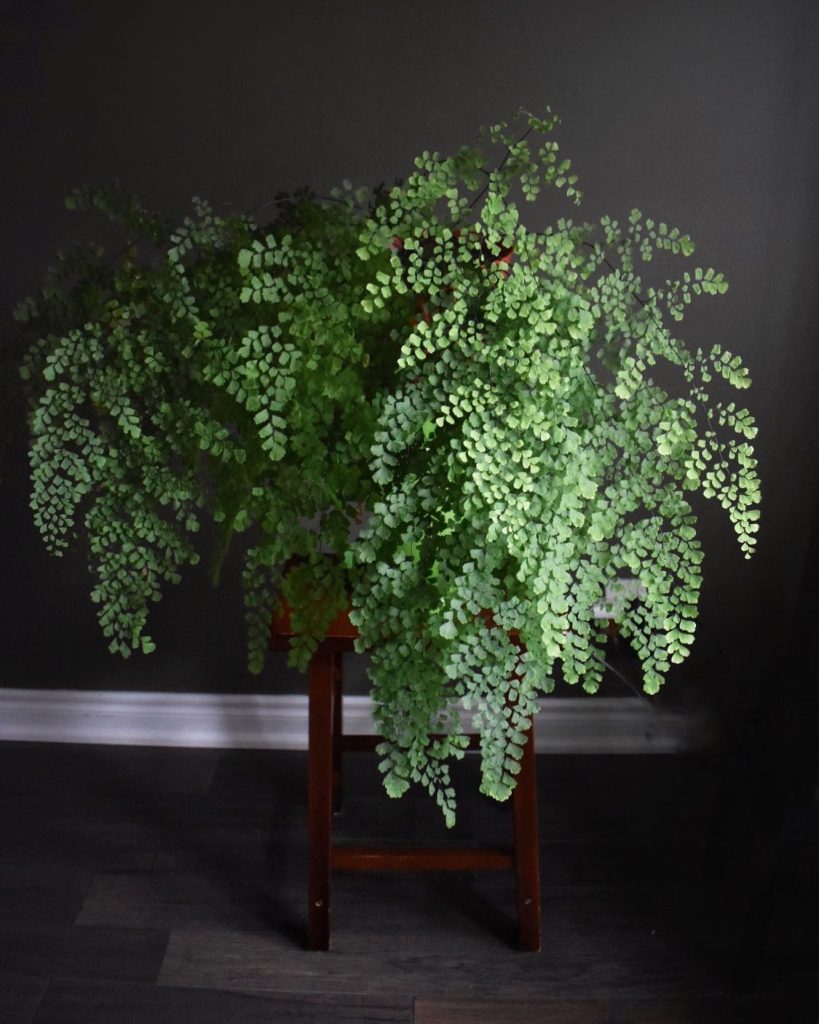
The Maidenhair Fern brings delicate beauty to your hanging basket with its lacy fronds and thin black stems. This elegant plant comes from tropical regions and grows naturally on shaded forest floors.
You’ll love how the light green leaves create a soft, flowing look as they cascade down. The fan-shaped leaflets give it a unique appearance that stands out from other ferns.
This fern needs high humidity and consistent moisture to stay healthy. Keep the soil damp but not waterlogged, and place it in a spot with bright indirect light. You’ll need to mist it regularly or use a humidifier nearby.
The Maidenhair Fern can be a bit picky about its care needs. It doesn’t like drafts or dry air, so choose your location carefully. When you give it the right conditions, it rewards you with beautiful, cascading growth.
10. Hoya rope (Hoya carnosa ‘Compacta’)
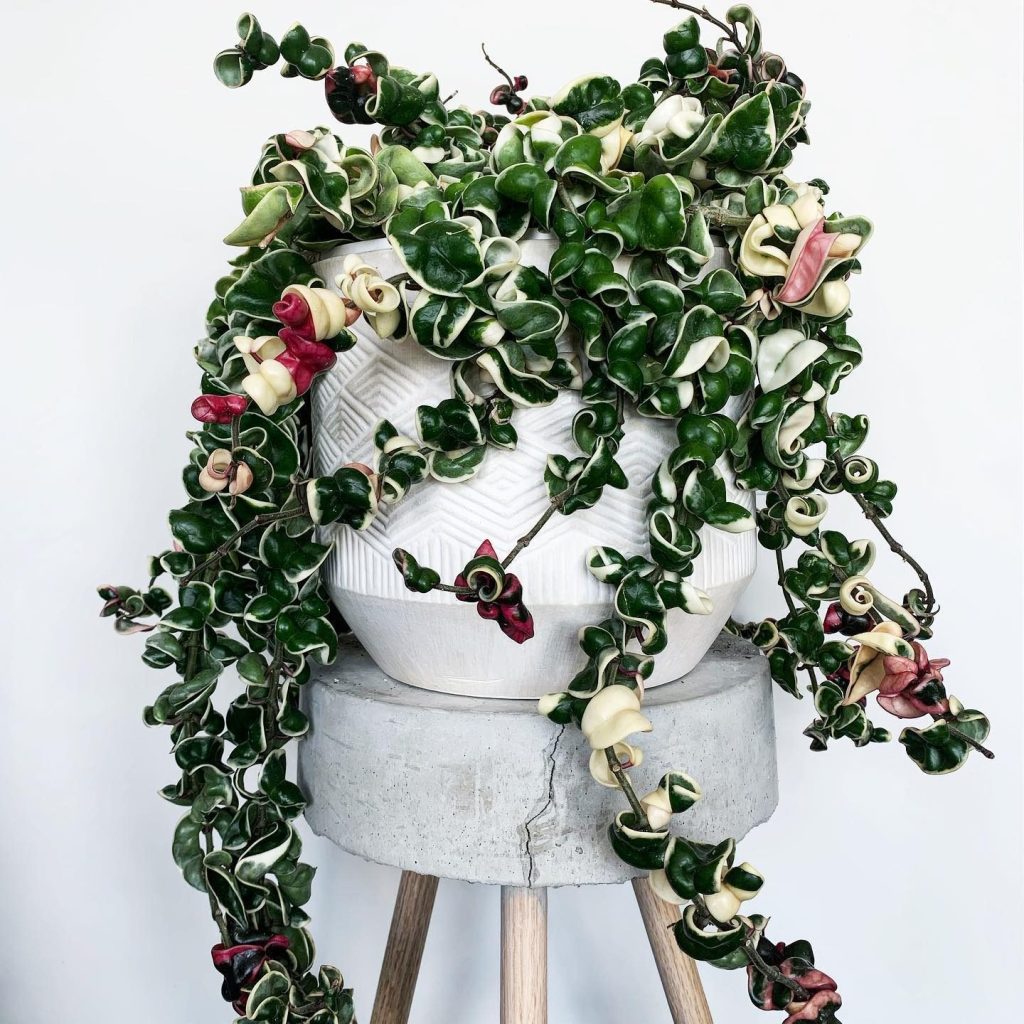
The Hoya rope plant stands out with its thick, curled leaves that twist along trailing vines like actual ropes. This semi-succulent houseplant grows slowly and can reach up to 6 feet long, making it perfect for hanging baskets.
You’ll love how low-maintenance this plant is. It needs bright, indirect light and doesn’t require frequent watering. The well-draining soil keeps the roots happy and healthy.
When your plant matures and you’ve given it proper care, it rewards you with clusters of star-shaped flowers. These blooms are fragrant and smell especially nice in the evenings.
The waxy, deep green leaves create a cascading effect that looks stunning from shelves or hanging pots. This plant can live for many years with minimal effort on your part.
11. Staghorn Fern (Platycerium bifurcatum)
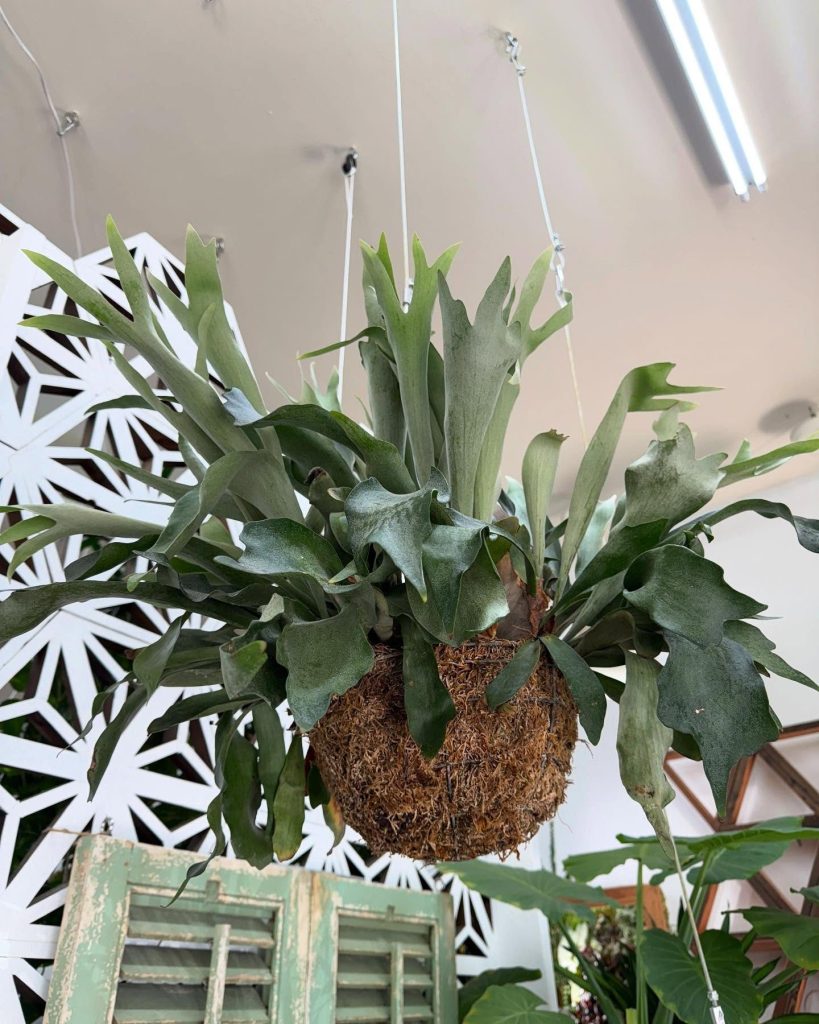
The staghorn fern stands out with its unique antler-shaped leaves that create a stunning focal point in any room. This tropical plant grows naturally without soil, making it perfect for mounting on boards or placing in hanging baskets.
You’ll need to provide bright, indirect light for your staghorn fern to thrive. The plant prefers high humidity, so misting it regularly or keeping it in a bathroom can help. Watering is simple—just soak the root ball when it feels dry to the touch.
These ferns can live for 50 years or more with proper care. They work well as statement pieces on walls or hanging from the ceiling. While they need a bit more attention than some houseplants, their dramatic appearance makes the extra effort worthwhile.
12. Tradescantia zebrina (Wandering Jew)
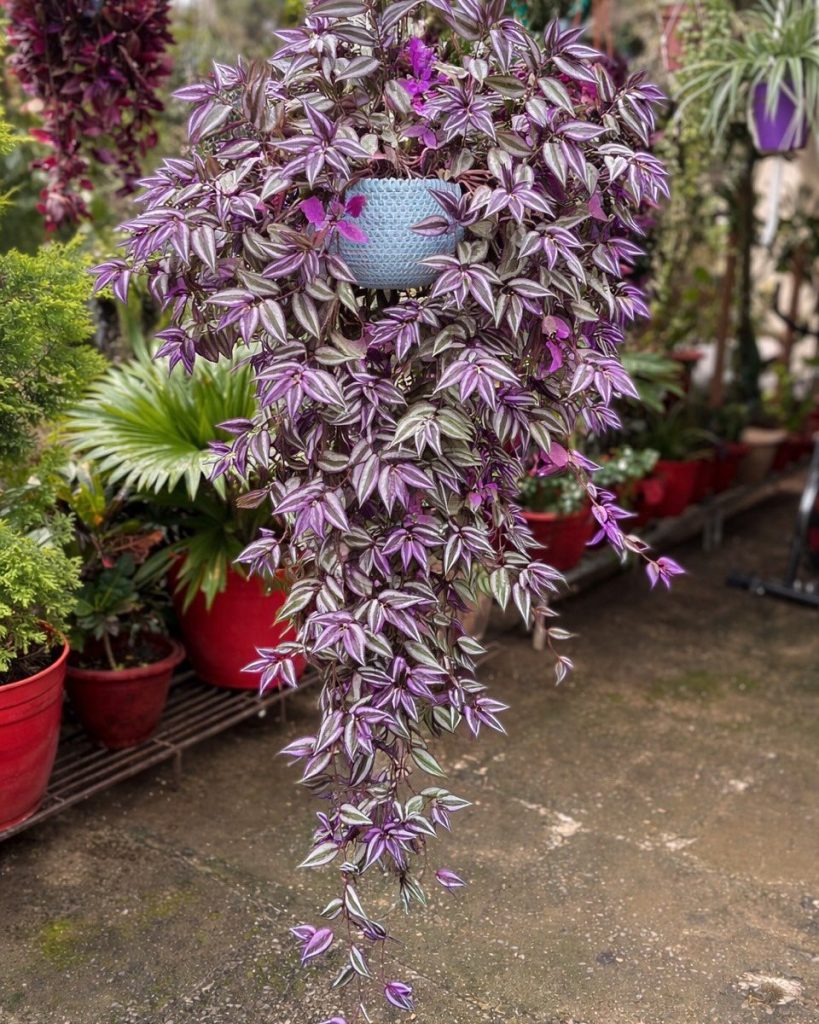
You’ll instantly recognize this plant by its eye-catching silver and purple-striped leaves. The leaves have a shimmery quality that looks stunning when light hits them, and the undersides display a rich purple color.
This trailing plant grows quickly and works perfectly in hanging baskets. You can place it on high shelves where the vines can cascade down naturally.
Your Tradescantia zebrina needs bright, indirect light to keep its colorful stripes vibrant. Water it when the top inch of soil feels dry. The plant likes consistent moisture but doesn’t do well in waterlogged soil.
Pruning helps maintain a bushy, full appearance and prevents leggy growth. You’ll find this plant easy to care for, making it great for beginners. It tolerates different lighting conditions, though it looks best with plenty of indirect sunlight.
13. Pilea peperomioides (Chinese Money Plant)
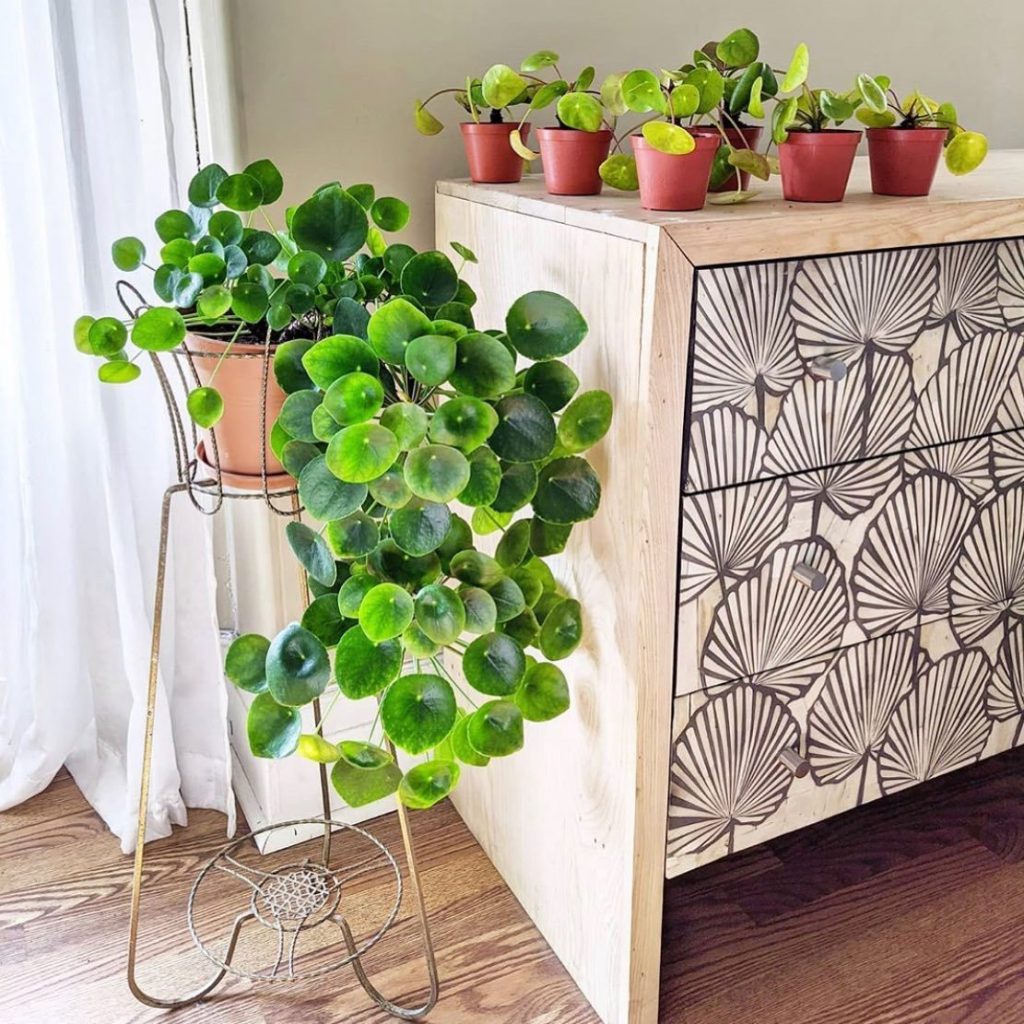
You’ll love the Chinese Money Plant for its unique round leaves that look like little coins. This plant comes from the mountains of southwestern China and works great in hanging baskets where its stems can cascade down.
Your Pilea needs bright, indirect light to keep those coin-shaped leaves looking their best. Turn the pot every week so all sides get equal light and the plant grows evenly.
Water when the top inch of soil feels dry to your touch. This plant doesn’t like sitting in wet soil, so make sure your hanging container has drainage holes.
The Chinese Money Plant is pet-safe, making it perfect if you have curious cats or dogs at home. It’s also easy to propagate since it grows baby plants at its base that you can share with friends.
14. Rattlesnake Plant (Calathea lancifolia)
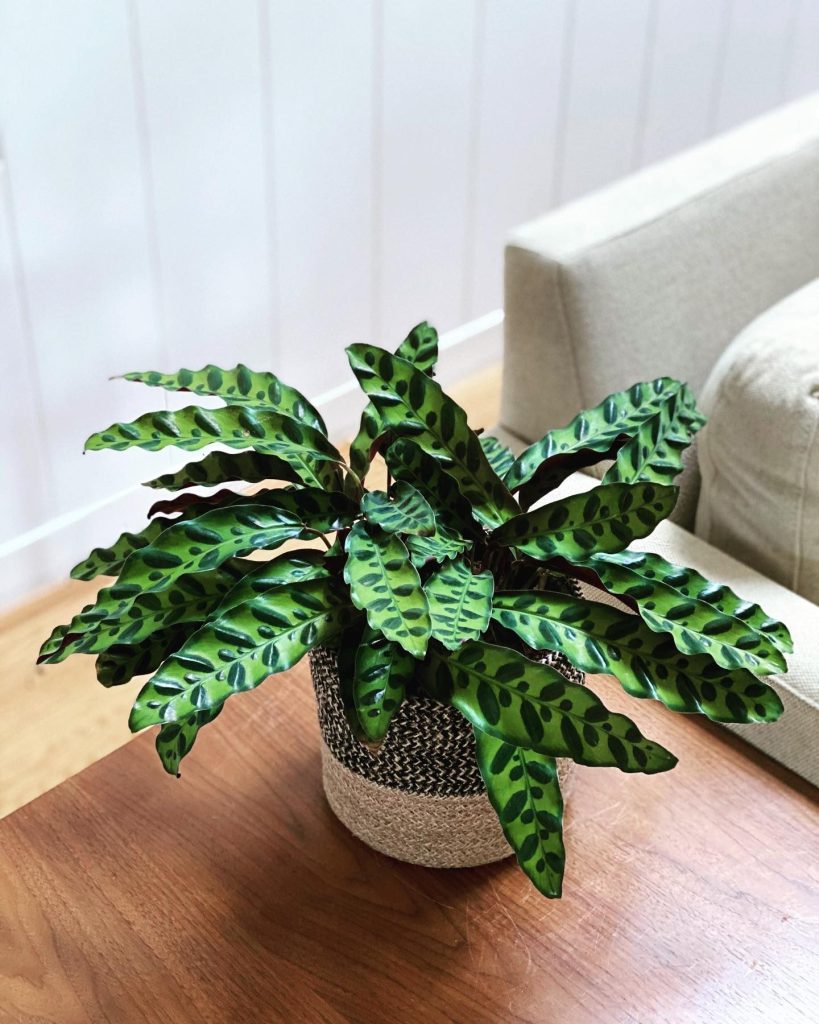
The Rattlesnake Plant gets its name from the unique markings on its long, wavy leaves. These patterns look like the skin of a rattlesnake, with dark green spots on lighter green backgrounds.
Your plant also has a surprise underneath. The bottom of each leaf shows off a pretty purple color that adds extra interest when displayed in a hanging basket.
This tropical plant comes from Brazil and loves warm, humid places. You’ll need to give it bright indirect light and keep the soil moist but not soggy. The leaves will move throughout the day, folding up at night like other prayer plants.
While it needs a bit more attention than some houseplants, the Rattlesnake Plant rewards you with striking foliage that stands out in any room.
15. Begonia maculata (Polka Dot Begonia)
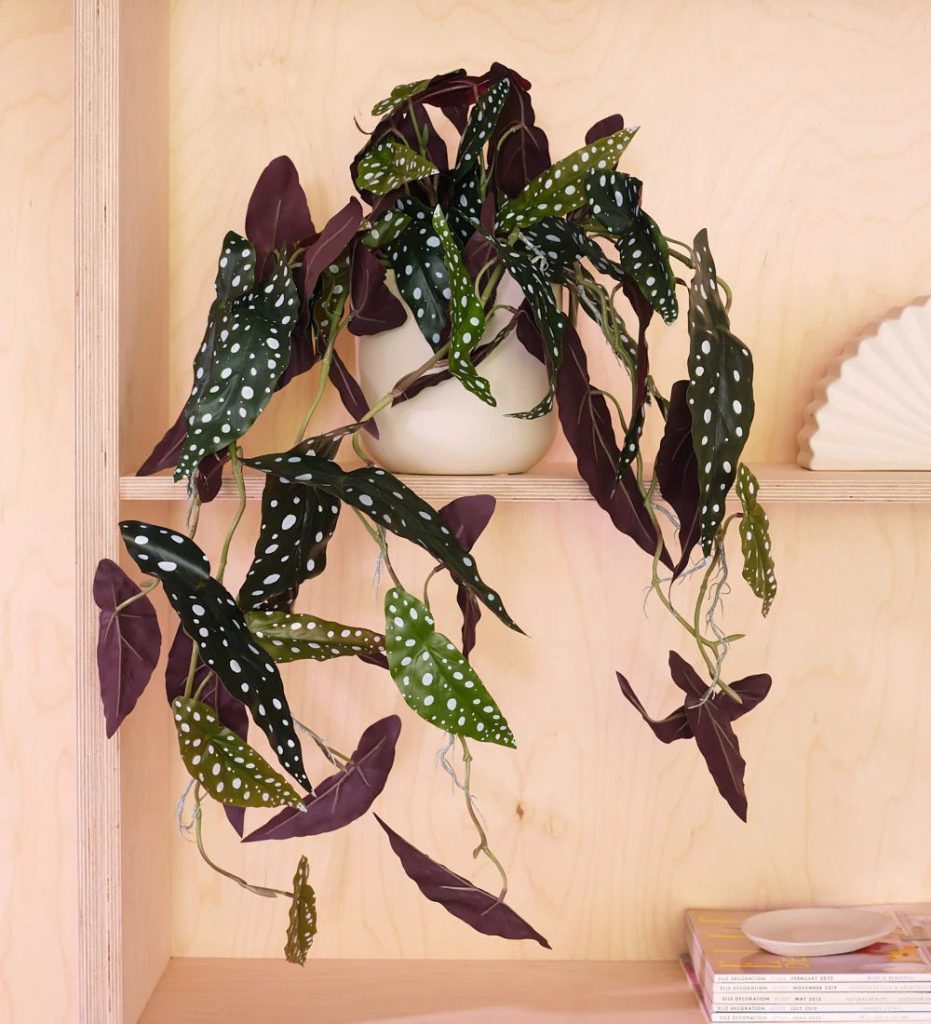
The Polka Dot Begonia brings a unique look to your hanging plant collection with its spotted leaves. This tropical plant has olive to forest green leaves covered in silver or pale grey dots. The undersides show off a rich burnt orange or deep red color that adds extra visual interest.
Your Begonia maculata grows upright stems that can trail nicely from a hanging basket. The leaves are elongated and asymmetric, giving the plant an eye-catching appearance from any angle.
This begonia does well indoors when you give it bright, indirect light. You’ll need to keep the soil slightly moist but not waterlogged. The plant prefers tropical-like conditions with decent humidity levels.
While it’s not a traditional trailing plant, its tall stems and dramatic foliage make it a stylish choice for hanging displays in your home.
Picking the Right Indoor Hanging Plant
Success with hanging plants starts with matching the plant to your home’s conditions and available space. You’ll need to evaluate lighting, watering needs, and where you plan to display your plants.
Light and Water Requirements
Different hanging plants need different amounts of light. Pothos and philodendrons do well in low to medium light, making them good choices for rooms without bright windows. String of pearls and burro’s tail need bright, indirect light to stay healthy.
Spider plants adapt to various light levels. They can survive in dim corners but grow faster near windows.
Water needs vary just as much. Succulents like string of hearts need watering only every 2-3 weeks when the soil dries completely. Ferns require constant moisture and may need water every few days.
Check the soil moisture before watering. Stick your finger about an inch deep into the soil. If it feels dry, it’s time to water. If it’s still damp, wait a day or two.
Space Considerations
Measure your space before buying a hanging plant. Some plants stay compact while others trail several feet down.
String of pearls can grow 2-3 feet long. Pothos vines can reach 6-10 feet if left untrimmed. These work well in rooms with high ceilings or open areas.
Lipstick plants and hoyas stay more contained, usually reaching 1-2 feet. They fit better in smaller rooms or above furniture.
Think about the plant’s width too. Boston ferns spread wide and need plenty of clearance. English ivy stays narrower and works in tighter spots.
Consider how much the plant will grow over time. What fits today might overwhelm the space in six months.
Best Potting Options
Hanging baskets need drainage holes to prevent root rot. Look for pots with attached saucers or choose a spot where drips won’t damage floors or furniture.
Plastic pots are lightweight and hold moisture longer. They work well for plants that like consistent dampness. Ceramic pots are heavier but allow soil to dry faster, which suits succulents and cacti.
Self-watering planters help if you travel often or forget to water. They have reservoirs that slowly release water to the soil.
Pick hangers that support your pot’s weight when filled with wet soil. Metal chains and thick rope hold more weight than thin macramé cords. Make sure ceiling hooks are anchored properly into studs or joists.
Caring for Your Hanging Plants
Hanging plants need regular feeding and occasional pruning to stay healthy and attractive. These simple care tasks keep your plants growing strong and looking their best.
Feeding and Fertilizing
Most hanging plants grow actively during spring and summer. Feed them with a balanced liquid fertilizer every two to four weeks during this period.
Dilute your fertilizer to half the recommended strength. Hanging plants can burn easily from too much fertilizer. Water your plants before feeding to protect their roots.
Stop fertilizing in fall and winter when growth slows down. Most indoor plants rest during these months and don’t need extra nutrients.
Best feeding practices:
- Use a balanced 10-10-10 or 20-20-20 fertilizer
- Apply to damp soil only
- Feed less often if you notice salt buildup on soil
Flush the soil with plain water every few months. This removes built-up salts from fertilizer that can harm your plants.
Pruning and Maintenance
Trim your hanging plants regularly to keep them full and bushy. Cut back leggy stems by one-third to encourage new growth from the base.
Remove dead or yellowing leaves as soon as you spot them. This prevents disease and keeps your plants looking tidy. Pinch off stem tips on young plants to promote branching.
Rotate your hanging plants every week or two. This ensures all sides get equal light and grow evenly. Check the soil moisture while rotating.
Wipe dust off leaves with a damp cloth monthly. Clean leaves absorb more light and look healthier. For plants with fuzzy leaves, use a soft brush instead of water.