
What if your weeds just… stopped? 🌿 Not because you spent every Saturday on your hands and knees pulling them, but because you filled the ground with something better first.
That is the whole idea behind a weed-smothering groundcover, and honestly, it is one of the laziest, smartest things you can do in a garden.
The trick is simple. Weed seeds need bare soil and a little sunshine to sprout. Cover that soil with a dense, low-growing carpet of plants and those seeds never get their chance. 🌱
Below are twelve of the best spreaders for the job, sorted by how much sun they get, so you can find the right one for that patch you are tired of fighting.
A quick heads-up too. A few popular groundcovers are actually invasive bullies, so we have flagged the ones to keep an eye on and listed four you should probably skip altogether.
For a spot in full sun
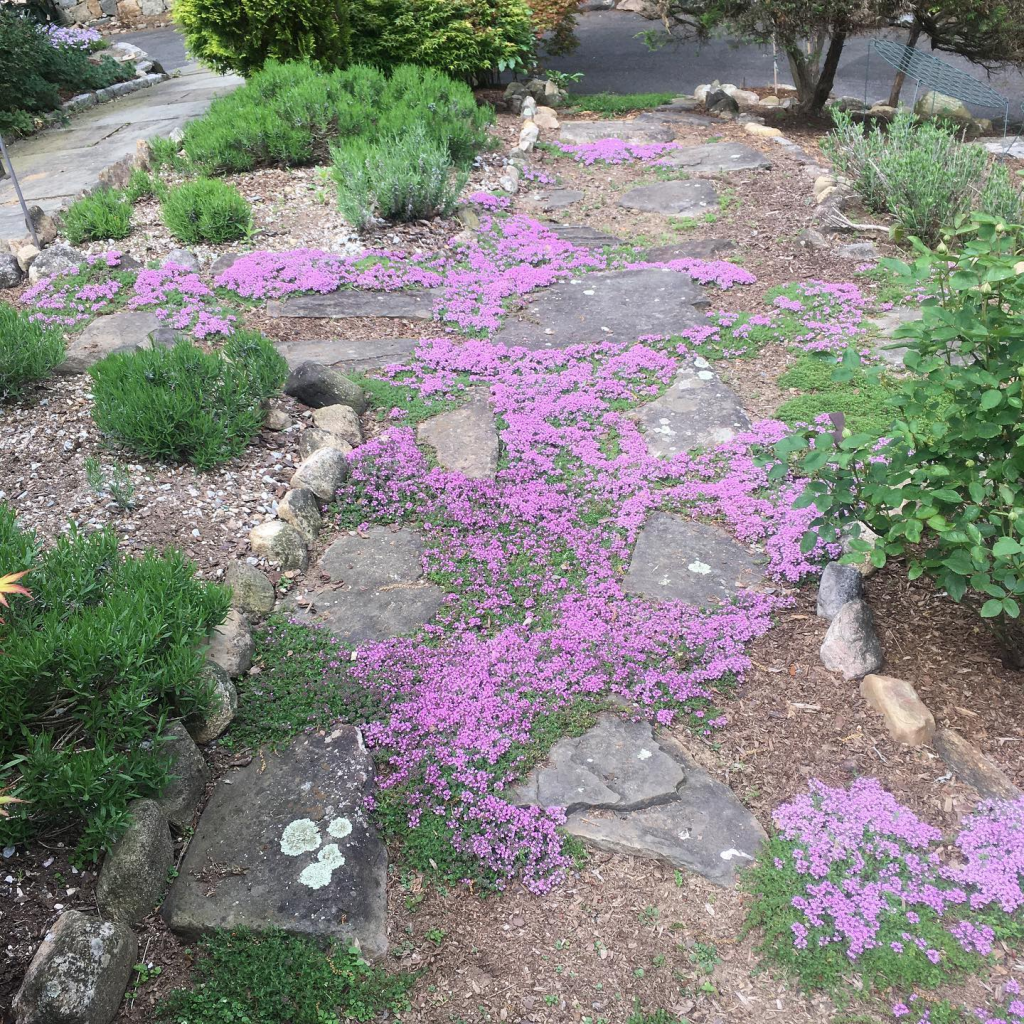
1. Creeping Thyme (Zones 4 to 9). This one is a joy. A low, fragrant mat that bursts into tiny purple flowers and smells wonderful when you brush it. It even takes light foot traffic, so you can use it between stepping stones or as a small lawn alternative. Bees love it, and it laughs off dry spells once it settles in.
2. Stonecrop, or Sedum (Zones 3 to 9). If your problem patch is poor, dry and baked by sun, this is your plant. These little succulents actually thrive in the rough, gravelly soil where most plants sulk. They store water in their fleshy leaves, so they shrug off drought and ask for almost nothing in return.
3. Creeping Phlox (Zones 3 to 9). For a few weeks every spring, creeping phlox does something spectacular, blanketing itself so completely in pink, purple or white flowers you can barely see the foliage. It is a North American native, so it feeds early pollinators too, and it forms a tidy, weed-blocking mat the rest of the year.
4. Creeping Juniper (Zones 3 to 9). The toughest of the bunch. This is a low, evergreen, needled groundcover, native to North America, that spreads into a dense blue-green blanket. It is the go-to for holding a bank or slope together, since its roots grip the soil and stop erosion while smothering anything that tries to grow underneath.
For sun to part shade
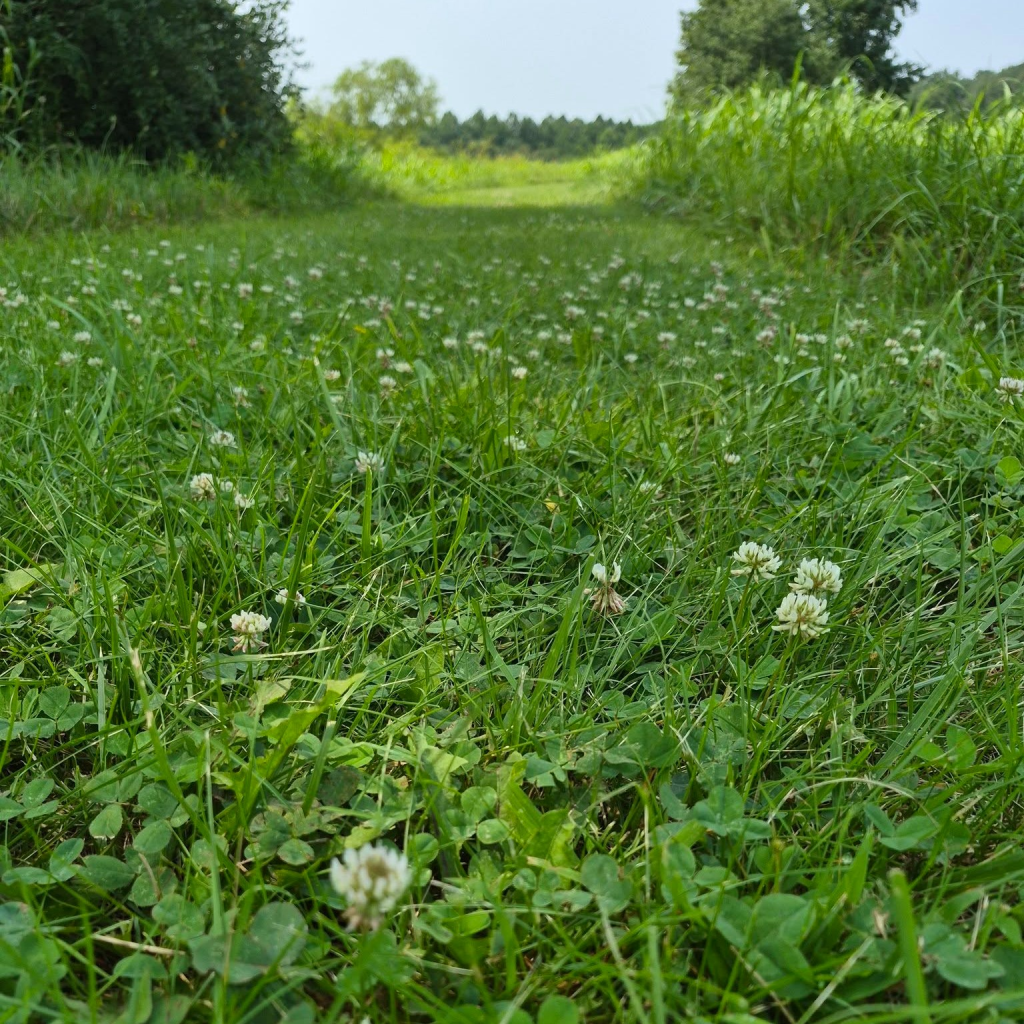
5. White Clover (Zones 3 to 10). A classic for good reason. White clover is soft, walkable and actually pulls nitrogen from the air to feed your soil for free, which is why so many people now mix it into their lawns. One thing to know. It spreads enthusiastically and its flowers are a magnet for bees, so think twice before planting it somewhere you like to walk barefoot, and keep it where a little wandering is welcome.
6. Wild Strawberry (Zones 3 to 9). A native that gives you a groundcover and a snack. It runs fast on little runners to knit together quickly, covers ground with pretty white flowers, and rewards you with tiny, intensely flavored red berries the birds will fight you for. Cheerful, useful and tough.
7. Barren Strawberry (Zones 4 to 7). Think of this as the wild strawberry’s tidier cousin. It has the same strawberry-like leaves and sunny yellow flowers, but no fruit, which means no mess and a neater, more controlled mat. Better still, it is a native, evergreen in milder areas, so it keeps blocking weeds right through winter.
8. Bugleweed, or Ajuga (Zones 3 to 9). Bugleweed gives you gorgeous glossy foliage and spikes of deep blue flowers, and it thrives everywhere from sun to real shade, which is rare. Here is the catch, and it matters. It spreads fast and will happily creep into a nearby lawn and take over, so keep it well away from turf and hemmed in by a path or edging.
For a shady spot
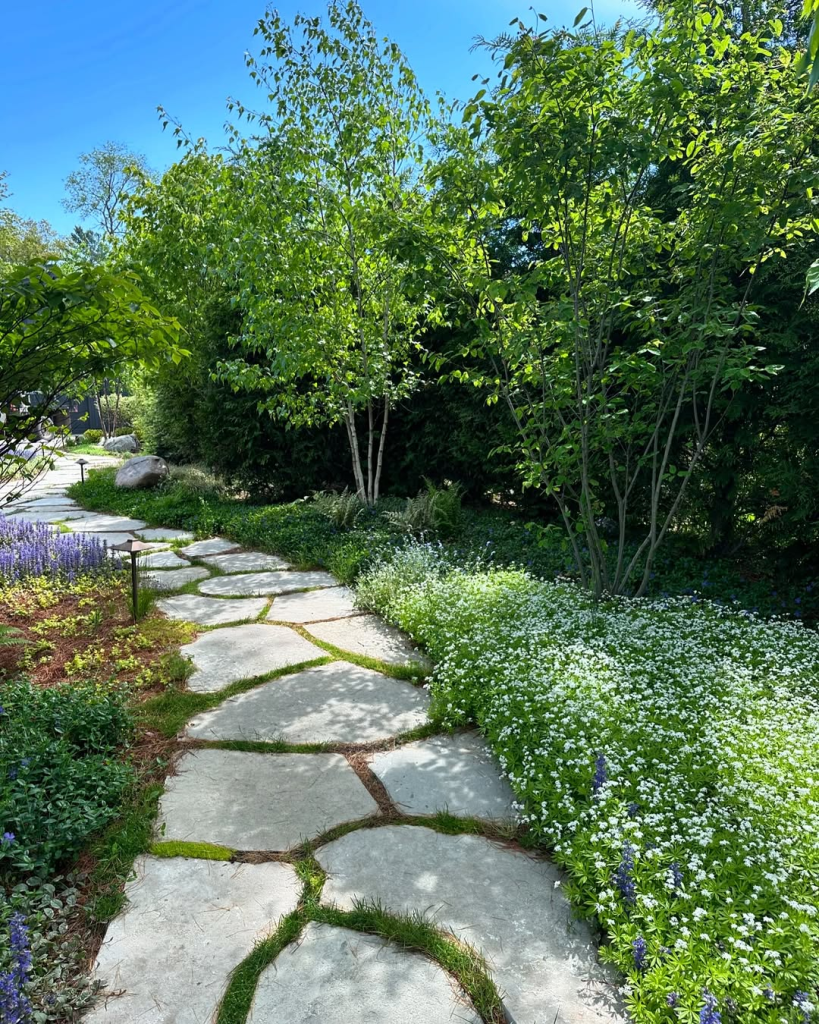
9. Sweet Woodruff (Zones 4 to 8). A lovely, delicate-looking carpet of whorled green leaves topped with dainty white spring flowers, and a sweet hay-like scent when dried. It moves fast in cool, moist, shady soil, exactly the kind of damp problem spot where weeds usually thrive and few pretty plants will grow.
10. Foamflower (Zones 4 to 9). A woodland native that sends up airy spires of soft white and pink flowers like little puffs of foam in spring. It spreads steadily by runners into a handsome, weed-suppressing patch, and the foliage often stays good-looking well into the cold months.
11. Wild Ginger (Zones 3 to 8). Got a deep, dark corner where nothing will grow? This is your specialist. Wild ginger is a native with lush, heart-shaped leaves that forms a dense low carpet in full shade, thriving in the exact gloomy spots that defeat almost everything else.
12. Allegheny Spurge (Zones 5 to 9). This is the hero swap of the whole list. It is a well-behaved North American native with handsome mottled leaves, and it does the same job as the invasive Japanese pachysandra you see everywhere, without the ecological baggage. If you have been reaching for regular pachysandra, plant this instead.
Four popular groundcovers to plant with caution, or just skip.
Some of the most-recommended spreaders are genuine problem plants that escape gardens and damage wild areas. Go easy on these, or avoid them. Creeping Jenny is banned in some states and invades wetlands. English ivy climbs and eventually kills trees. Japanese pachysandra escapes into woodland and crowds out native plants. And periwinkle, or Vinca minor, forms a thick mat that smothers the native ground layer. The golden rule: always check what is listed as invasive in your own state before you plant anything that spreads.
How to make them actually beat the weeds
Here is the part most people skip, and it is the difference between success and a weedy mess. A groundcover cannot out-muscle weeds that are already established. You have to give it a fair start. Do these four things and you win.
- Clear the bed properly first. Get every existing weed and its roots out before you plant. A young groundcover will lose a fair fight against weeds that already own the space.
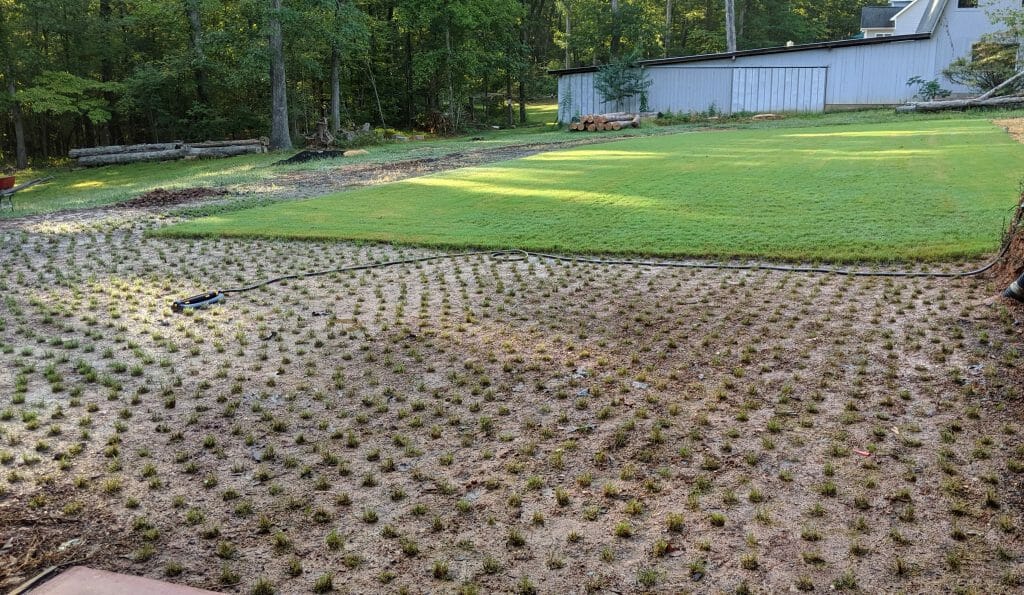
- Space the plugs 8 to 12 inches apart. Close enough that they knit together into a solid carpet within one or two seasons, without wasting money on more plants than you need.
- Mulch 2 inches between the plants. This blocks weeds in the bare gaps while your groundcover fills in and its canopy closes over.
- Hand-weed through the first season. Stay on top of it for those first few months while the plants establish. After that, the groundcover takes over and does the weeding for you.
Pick your patch and give it a go
You really can trade your weekends of weeding for a garden that looks after itself. Just match the plant to the light, get it off to a clean start, and then step back and let nature do the hard part. Start with one troublesome patch, maybe some creeping thyme along a sunny path or wild ginger in that dark corner, and see how it goes.
A year from now, while everyone else is still yanking weeds, you will be admiring a lush green carpet that quietly beat them for you. Happy planting, and enjoy the break from weeding. 🌿