
November is a strange month in the garden. Depending on where you are, it’s either your last chance to get things in the ground before winter properly arrives – or the moment your growing season finally kicks into gear. 🍂
If you’re in a colder region and the soil still takes a spade, there’s a narrow window for bulbs, garlic, and bare-root plants before everything freezes solid. If you’re somewhere milder, this is when the heat finally backs off and cool-season crops actually want to grow.
What’s worth planting now falls into three rough groups: things that sit quietly through winter and come alive in spring (garlic, bulbs, fava beans), quick crops you’ll harvest within weeks in mild areas (spinach, arugula, lettuce), and dormant bare-root stock that spends the winter putting down roots so it’s ready to take off next year (roses, raspberries, fruit trees).
Forget what the calendar says – soil temperature is what actually matters. Bulbs and garlic want the ground cooled to around 10°C but still workable. Leafy greens sown now will germinate slowly, then thicken up nicely through the cool weeks ahead. 🌱
Quick picks:
- Best overall payoff: Hardneck garlic, planted 2 to 4 weeks before the ground freezes
- Best for cold-zone gardeners: Daffodil bulbs, deer-proof and fully hardy
- Best for Zones 8–10 harvests: Spinach and arugula for winter salads
- Best long-term investment: Bare-root roses and raspberry canes

1. Hardneck Garlic
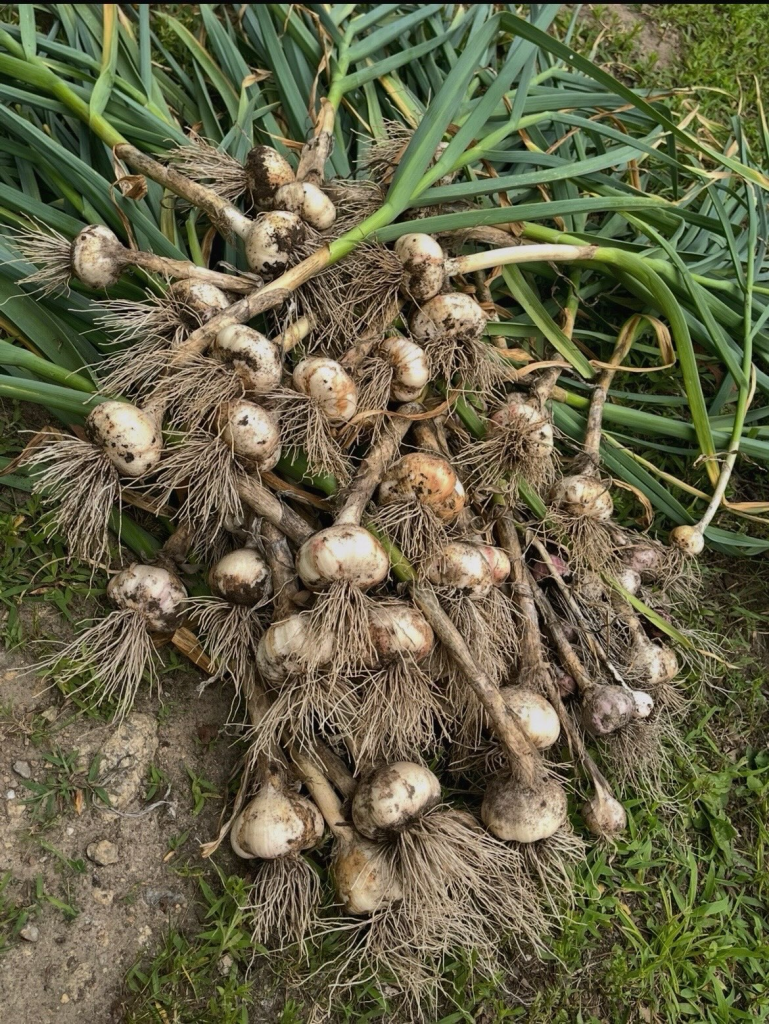
Garlic is the single highest-payoff thing you can plant in November, and hardneck types (Rocambole, Porcelain, Purple Stripe) are the ones that want a real cold period. Plant cloves 2 inches deep, pointy end up, spaced 6 inches apart, roughly two to four weeks before your ground freezes hard.
In Zones 3 through 6, that usually means the first half of November. In Zones 7 and warmer, you can plant through late November, though softneck varieties often perform better there.
Mulch the bed with 4 to 6 inches of straw or shredded leaves right after planting. Roots grow all winter under that blanket, green shoots appear in early spring, and you harvest in July.
Field note: buy seed garlic from a supplier or farmers market, not the grocery store. Supermarket bulbs are frequently treated to suppress sprouting.
2. Tulip Bulbs
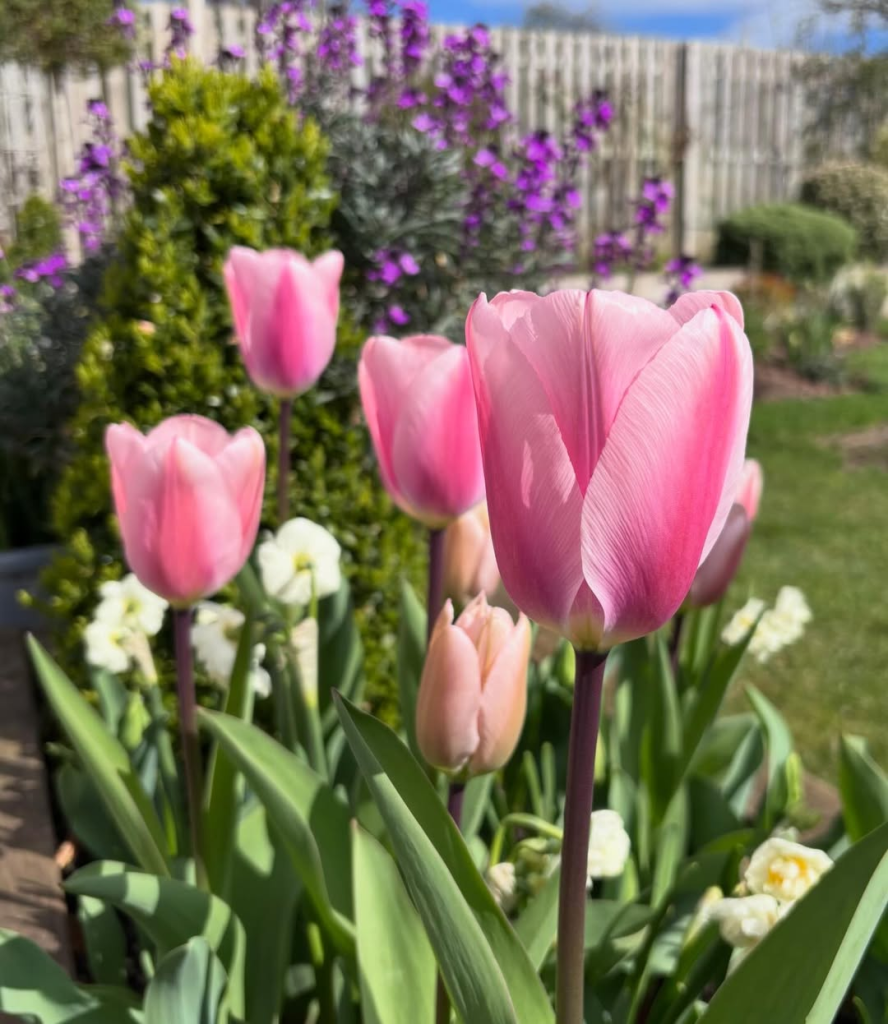
Tulips are the one bulb that genuinely benefits from late planting. Warm soil in September encourages fungal problems and premature sprouting, so November’s cool ground is ideal, right up until the soil freezes solid.
Plant them 6 to 8 inches deep, deeper in sandy soil, with the flat side facing outward if you want leaves to fan neatly along a bed edge. Depth also buys you protection from squirrels and voles.
Tulips need roughly 12 to 14 weeks of chilling below 45°F to bloom. In Zones 8 through 10, that chill never arrives naturally, so buy pre-chilled bulbs or refrigerate your own for 10 to 12 weeks (away from apples, which release ethylene) and plant in late December.
Darwin Hybrids and species tulips return most reliably year after year.
3. Daffodil Bulbs
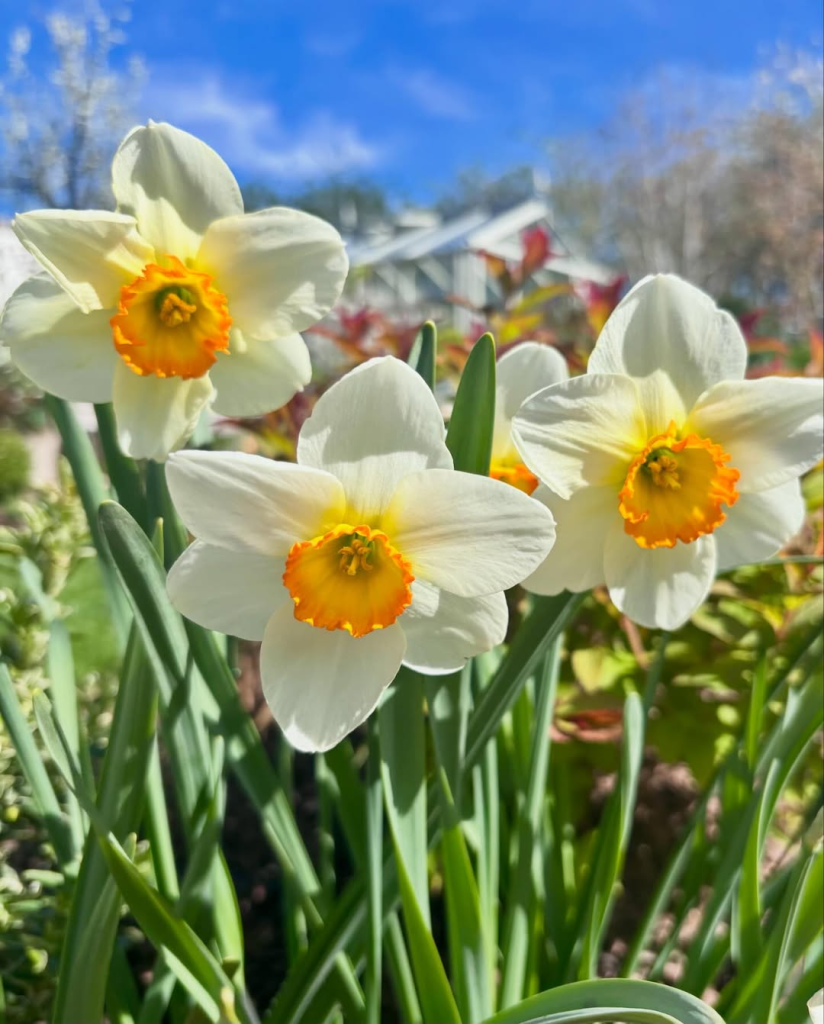
If you plant only one ornamental bulb this month, make it daffodils: rodents leave them alone, they naturalize into bigger clumps every year, and they tolerate a wide range of soils. Squirrels dig up tulips and crocus; they ignore narcissus entirely.
Set bulbs 6 inches deep and 4 to 6 inches apart in a spot with decent drainage. Soggy summer soil is the main thing that kills them.
November planting works anywhere the soil is still workable, which in Zone 6 and colder means moving quickly. Ground that crunches under your boot is past the window.
Mix early types like ‘February Gold’ with mid- and late-season varieties such as ‘Thalia’ and ‘Pheasant’s Eye’ and you will pull six weeks of bloom out of one bed.
4. Spinach
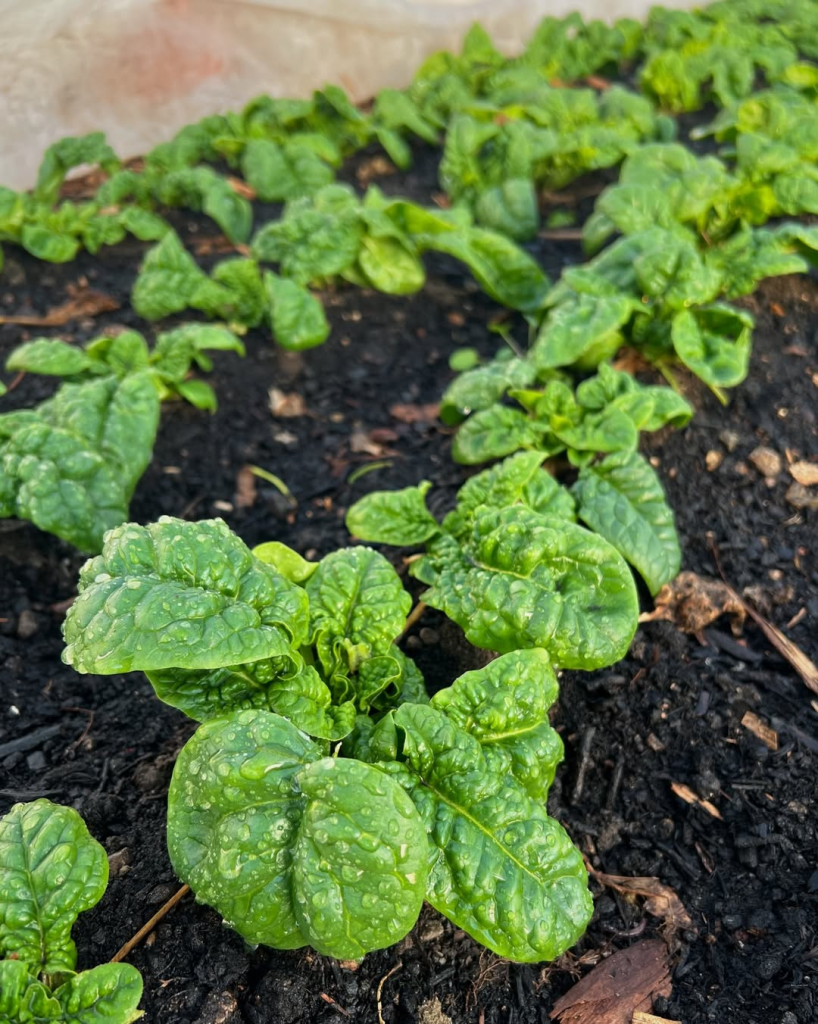
Spinach is the most forgiving November green because it germinates in soil as cool as 40°F and shrugs off frost down to about 15°F once established. Two paths open up this month depending on where you live.
In Zones 8 through 10, sow directly for harvests starting in January. Cut outer leaves and the plants keep producing through early spring.
In Zones 4 through 7, sow thickly now as an overwintering crop. Seedlings reach two or three true leaves, pause through the dark months, then surge in late February. A low tunnel or floating row cover roughly doubles your odds.
‘Winter Bloomsdale’, ‘Giant Winter’, and ‘Space’ handle cold better than summer types. Sow half an inch deep and expect germination to take 10 to 14 days in cold ground.
5. Kale
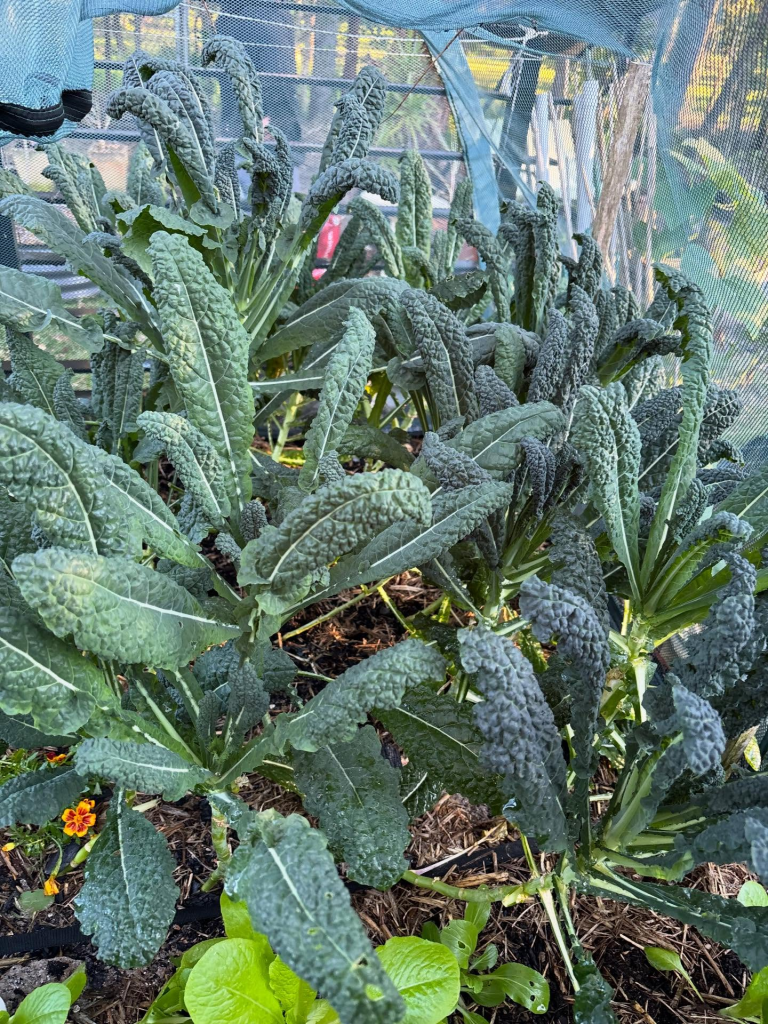
Cold actually improves kale, converting starches to sugars after a few hard frosts, which is why November-set transplants taste better than anything you grew in August. Buy starts if you can find them; direct seeding this late only works in Zones 9 and 10.
Space plants 18 inches apart and expect slow growth until daylight lengthens. In Zones 7 and colder, choose the toughest varieties: ‘Winterbor’, ‘Red Russian’, and Siberian types have carried me through single-digit nights under a row cover.
Lacinato (dinosaur) kale is less cold-hardy but sails through winter in mild-winter areas.
Feed lightly at planting with compost. Heavy nitrogen now pushes soft growth that freeze damage finds first.
6. Winter Lettuce
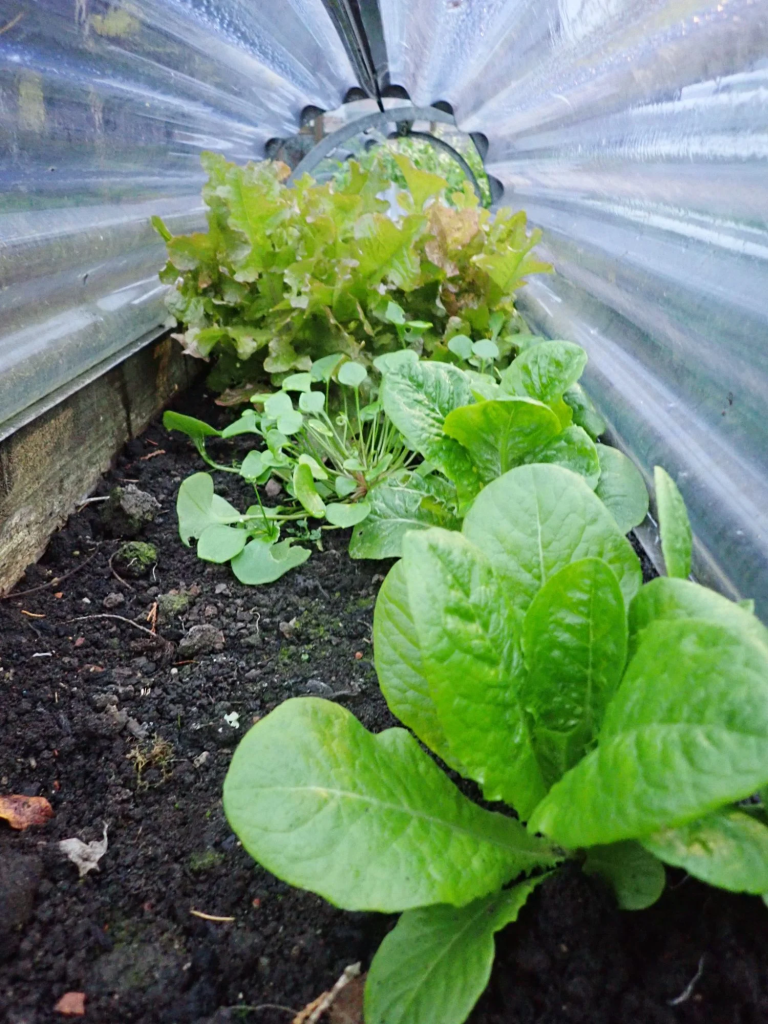
Lettuce belongs in November beds only if you pick the right varieties and give them some cover. Butterheads and romaines bred for cold, ‘Winter Density’, ‘Rouge d’Hiver’, ‘Arctic King’, and ‘Merveille des Quatre Saisons’, tolerate frost that turns summer crisphead types to mush.
Zones 8 through 10 can sow directly into open ground now for cutting from January onward. Colder zones should use a cold frame, low tunnel, or unheated greenhouse, where lettuce survives well below freezing as long as leaves stay dry.
Harvest as cut-and-come-again baby leaves. Full heads take too long at this time of year in most of the country.
One practical habit: vent tunnels on sunny afternoons above 50°F. Trapped humidity causes more winter lettuce losses than cold does.
7. Arugula
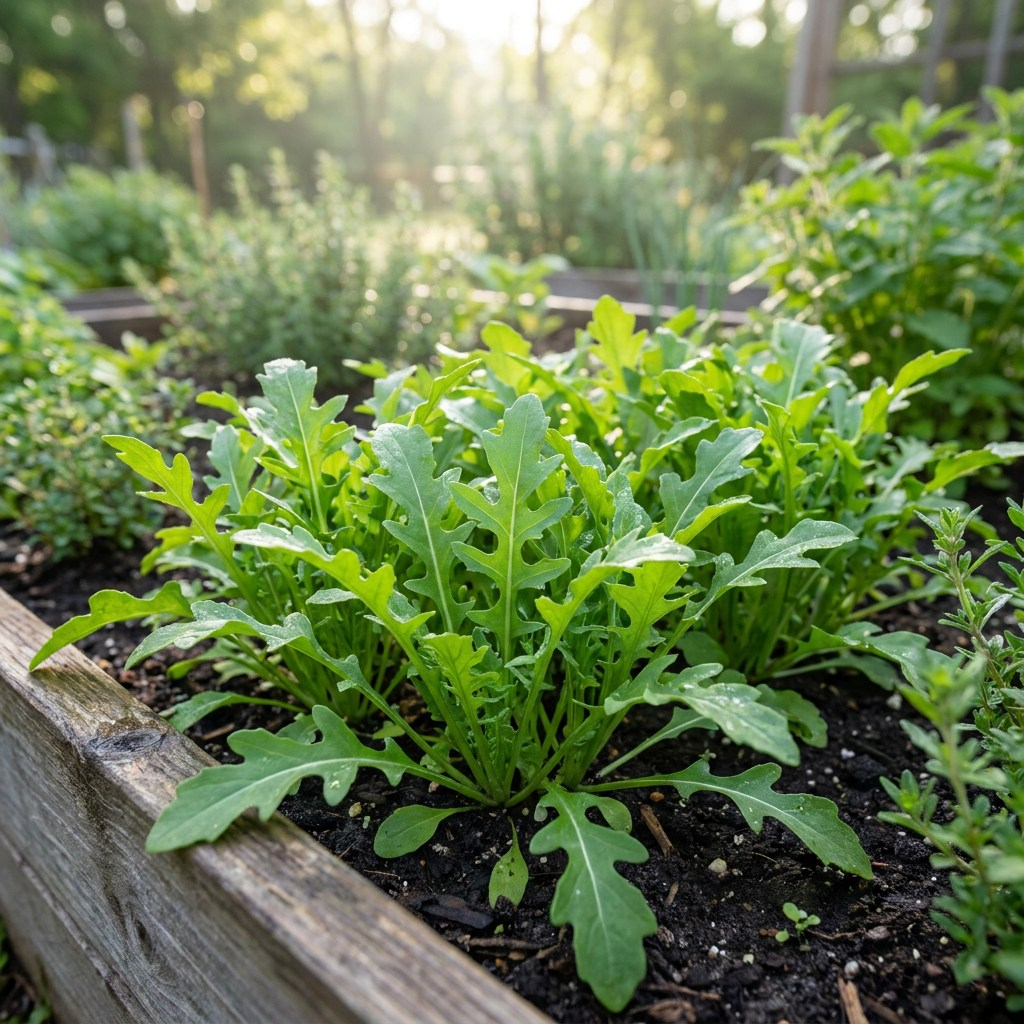
Arugula grows faster than any other green you can sow in November, going from seed to first cutting in about 30 to 40 days in mild weather. It handles frost into the low 20s without protection and often self-sows for a bonus spring crop.
Broadcast seed thinly and rake in lightly; it germinates at soil temperatures down to 40°F. Wild or “sylvetta” arugula is slower but noticeably hardier and more pungent.
Cool weather is arugula’s friend flavor-wise. The peppery bite stays balanced instead of turning harsh the way it does in summer heat.
Gardeners in Zones 4 through 7 should sow in a cold frame or under a low tunnel. Elsewhere, an open bed with a light straw mulch does the job.
8. Mâche
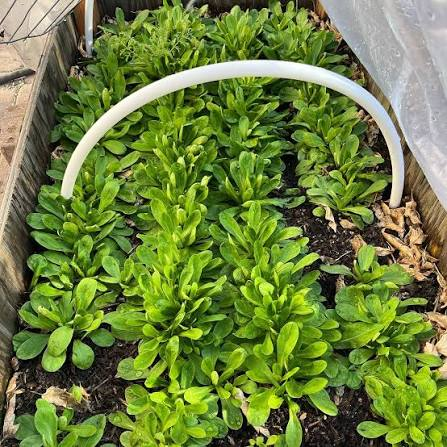
Mâche (corn salad, lamb’s lettuce) is the toughest salad green in the winter garden, surviving to around -10°F with minimal fuss and thriving in the low light that stalls everything else. It grows in tidy rosettes you harvest whole with a knife.
Sow seed shallowly, about a quarter inch, and firm the soil well. Germination is slow and uneven in warm conditions, which makes November sowing ideal.
Expect harvest in late winter to early spring in cold zones and by midwinter in Zones 8 and up. The nutty, mild flavor holds up beautifully in salads with roasted beets.
Plant it once and mâche reseeds itself in most gardens, appearing in the same corner of the bed every winter without any effort from you.
9. Fava Beans
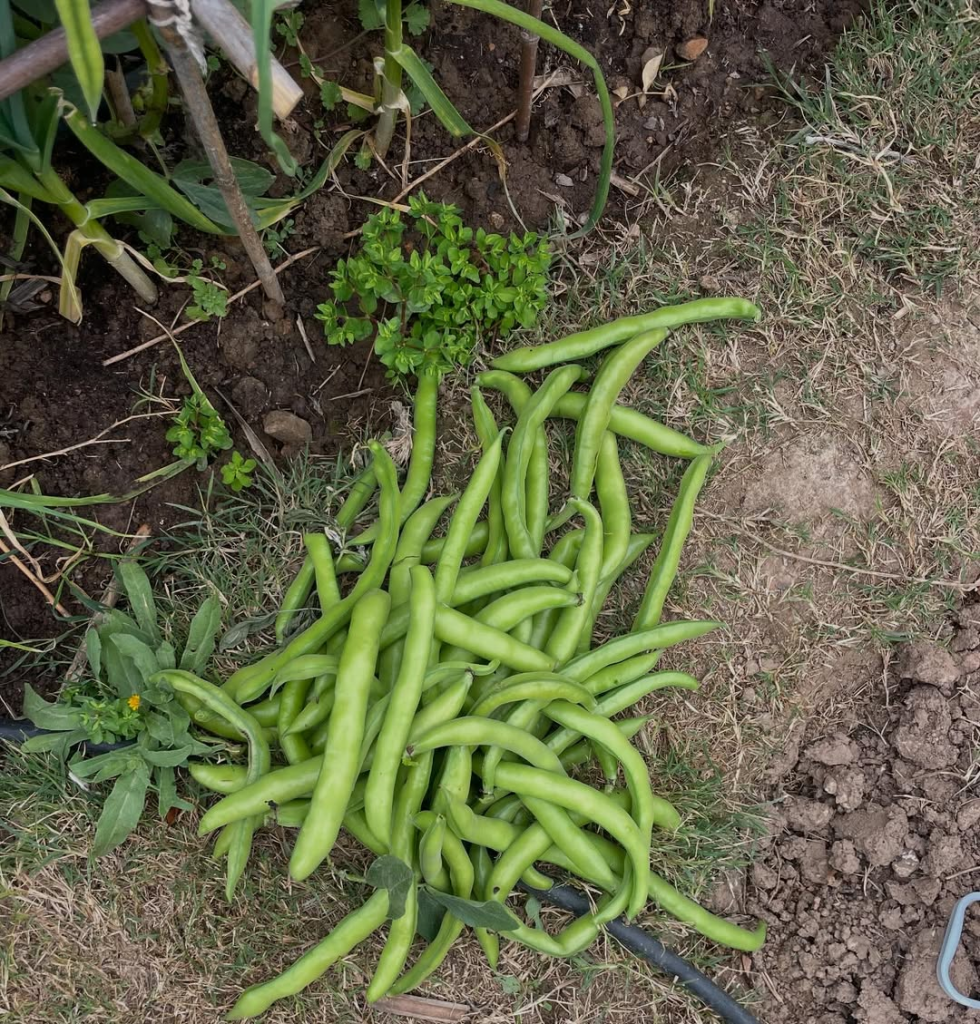
Fava beans are the cold-season legume that fixes nitrogen while you wait for the harvest, making them a dual-purpose November crop. Sow seeds 1 to 2 inches deep, 6 inches apart, in Zones 7 through 10 for spring pods.
Plants reach 8 to 12 inches by hard winter and hold there, then shoot up when days lengthen. Established plants tolerate temperatures around 15°F; young seedlings do not, so timing matters more here than with garlic.
‘Aquadulce Claudia’ is the standard overwintering variety and the one most reliable through a wet winter.
In Zones 6 and colder, treat favas as a spring crop instead. Where you can grow them now, even a failed pod harvest leaves behind nitrogen-rich green manure you can chop in before spring planting.
10. Sweet Peas
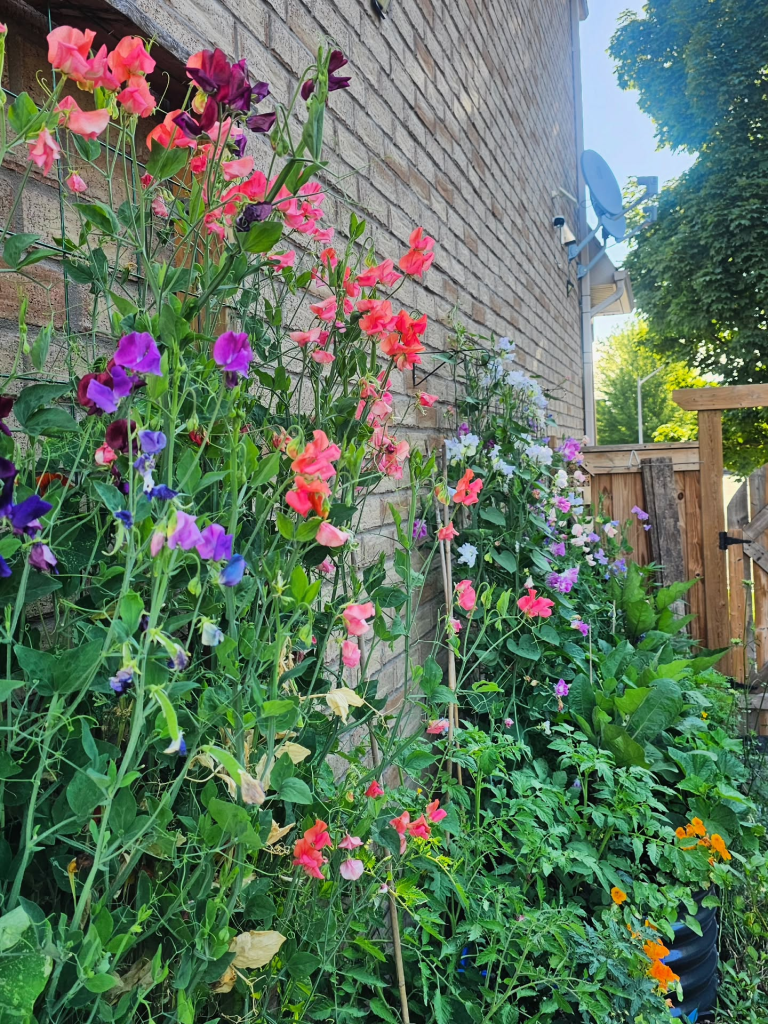
Autumn-sown sweet peas bloom earlier, on longer stems, and for weeks longer than anything you start in spring. The plants build deep roots through winter, which is exactly what carries them through the first warm spell.
Soak seeds overnight, then sow 1 inch deep in Zones 7 through 10 at the base of a trellis or netting. Colder gardeners should sow into deep root-trainer pots and overwinter them in a cold frame or unheated garage.
Pinch the growing tip after three or four leaf pairs to force side shoots. That single step roughly doubles flower production.
Choose Spencer types for long cutting stems and old-fashioned grandifloras when you want the strong scent that first made sweet peas worth growing.
11. Winter Pansies
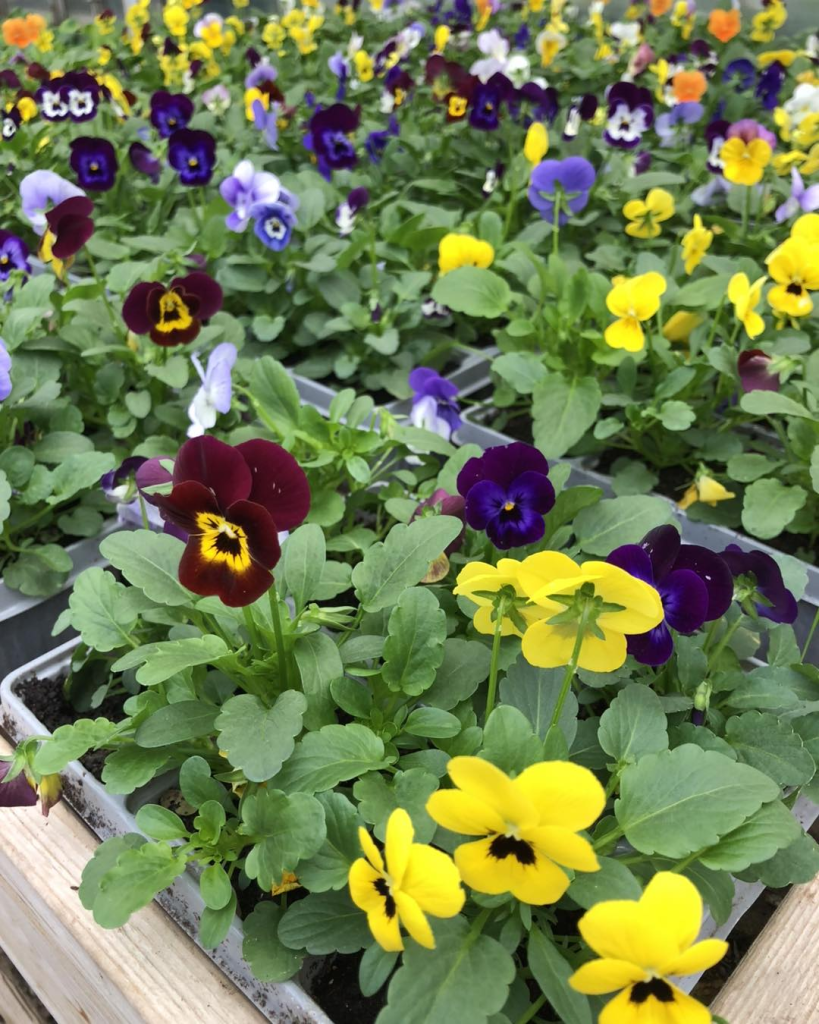
Pansies and violas give you color in November itself, which nothing else on this list does. Set out transplants now and they bloom through mild spells all winter, then flush heavily in March and April.
They shrug off temperatures into the teens once rooted, and flowers that flatten under a hard freeze usually stand back up within a day or two. In Zones 8 through 10 they bloom nearly continuously.
Plant in containers, window boxes, and the front edge of beds where you will see them from the kitchen window. Mix in with daffodil bulbs for a layered spring display.
Deadhead every week or two and feed monthly with a balanced liquid fertilizer. Neglected pansies stop flowering and start setting seed.
12. Hellebores
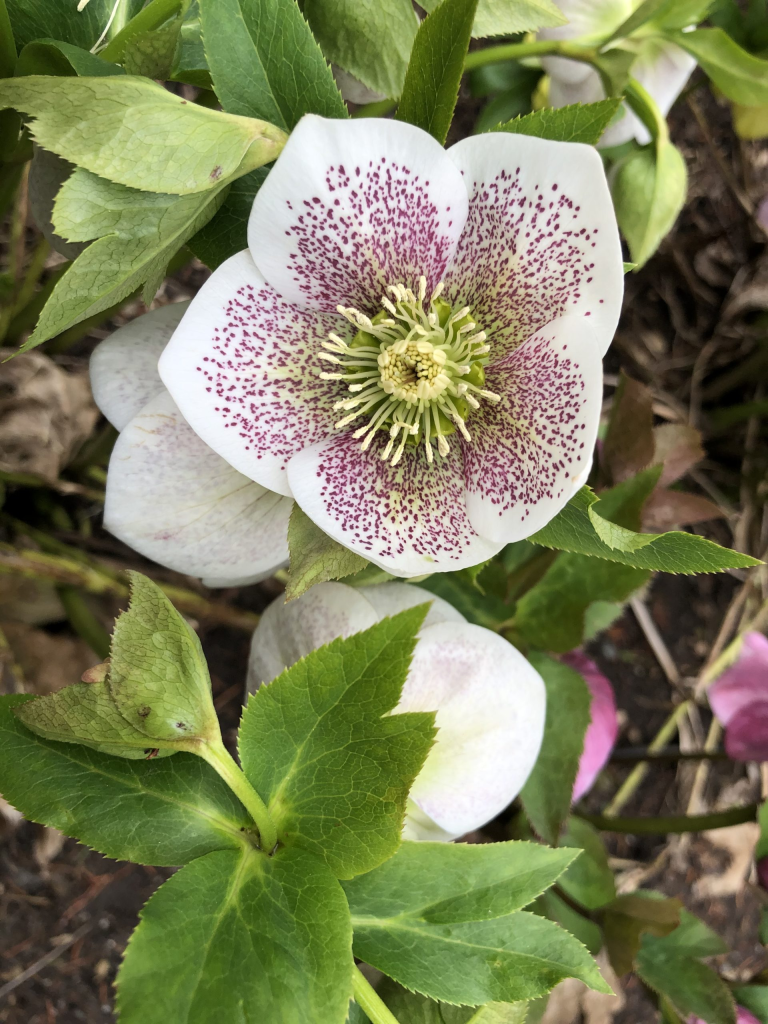
Hellebores bloom in the dead of winter, roughly December through March depending on your zone, when nothing else is happening in the garden. Nursery-grown plants set out in November settle in through cool, moist soil and flower on schedule.
Give them partial to full shade under deciduous trees with soil that drains well. Helleborus × hybridus (Lenten rose) is the workhorse; Helleborus niger (Christmas rose) flowers earliest.
They are hardy through Zone 4 and reliably deer-resistant, one of the few shade perennials that checks both boxes.
Cut last year’s tattered leaves back in late winter, just as flower buds emerge, so blooms show clearly. Plant at the same depth they sat in the pot, since crowns set too deep sulk and refuse to flower.
13. Bare-Root Roses
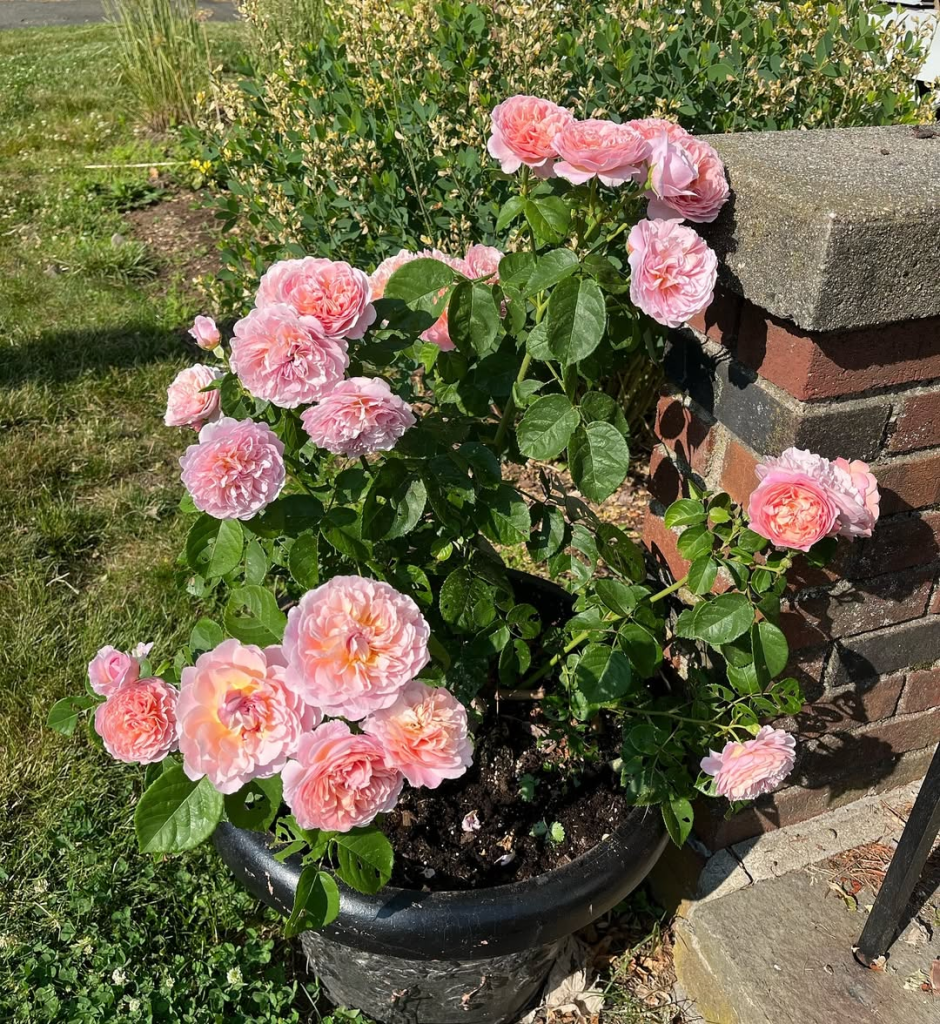
Dormant bare-root roses planted in November root all winter and start spring a full season ahead of container roses set out in April. Nurseries ship them beginning in late fall, and they cost noticeably less than potted plants.
Soak the roots in water for 8 to 12 hours before planting. Dig a hole wide enough that roots spread naturally, and position the graft union at soil level in Zones 7 and warmer, 2 inches below in colder areas.
Mound soil or mulch over the canes to a depth of 6 inches for winter protection, then pull it back as growth starts in spring.
November planting works in Zones 6 through 10 where the soil is still workable. Colder gardeners should wait for the traditional spring bare-root window.
14. Bare-Root Raspberry Canes
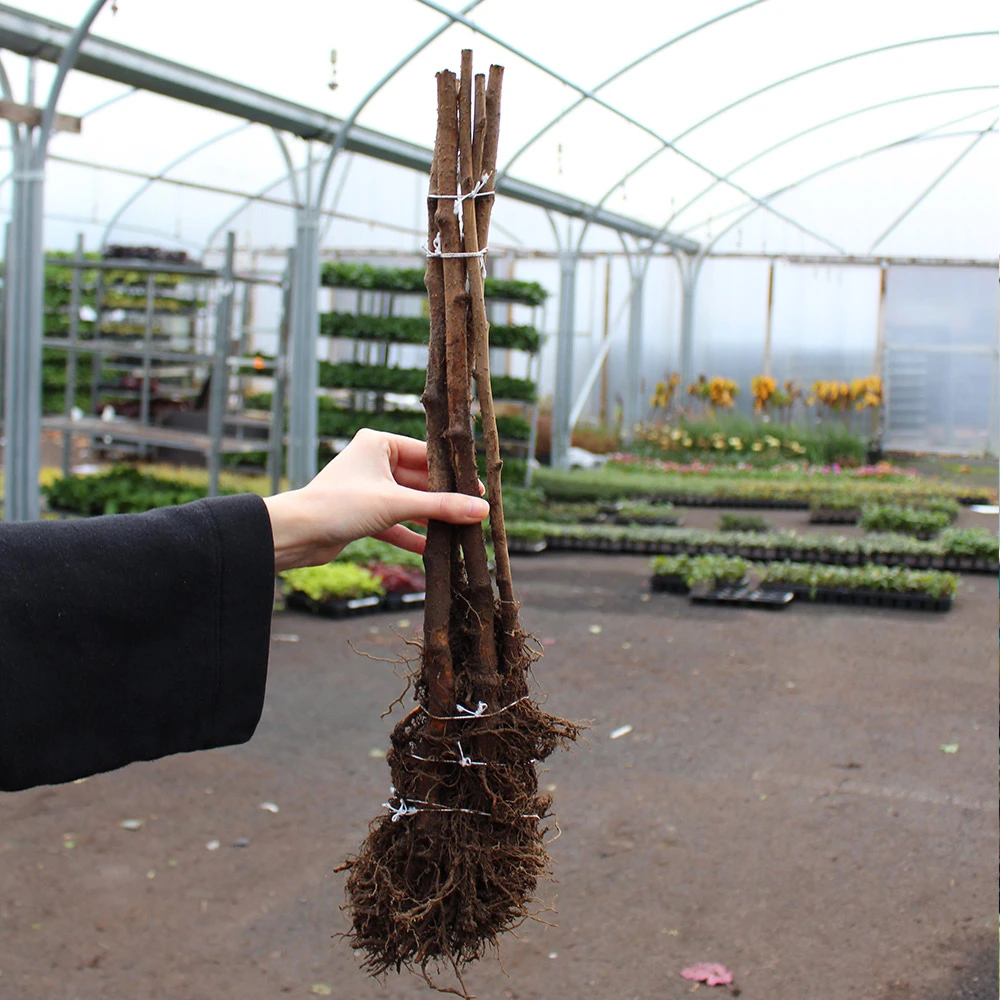
Raspberries planted dormant in November fruit sooner than spring-planted canes because the roots establish during winter rains with zero heat stress. Everbearing types like ‘Heritage’ and ‘Caroline’ will give you a modest fall crop the very next year.
Set canes 18 to 24 inches apart in rows 6 feet apart, with the crown just an inch below the soil surface. Cut canes back to 6 inches after planting; this feels drastic and produces stronger growth.
Choose a site with full sun and drainage you trust. Raspberries sulk in soil that stays wet, which is the main November risk in heavy clay.
Mulch 3 inches deep with compost or aged bark, keeping it clear of the crowns. Suckers will appear well outside your rows by year two.
15. Crimson Clover
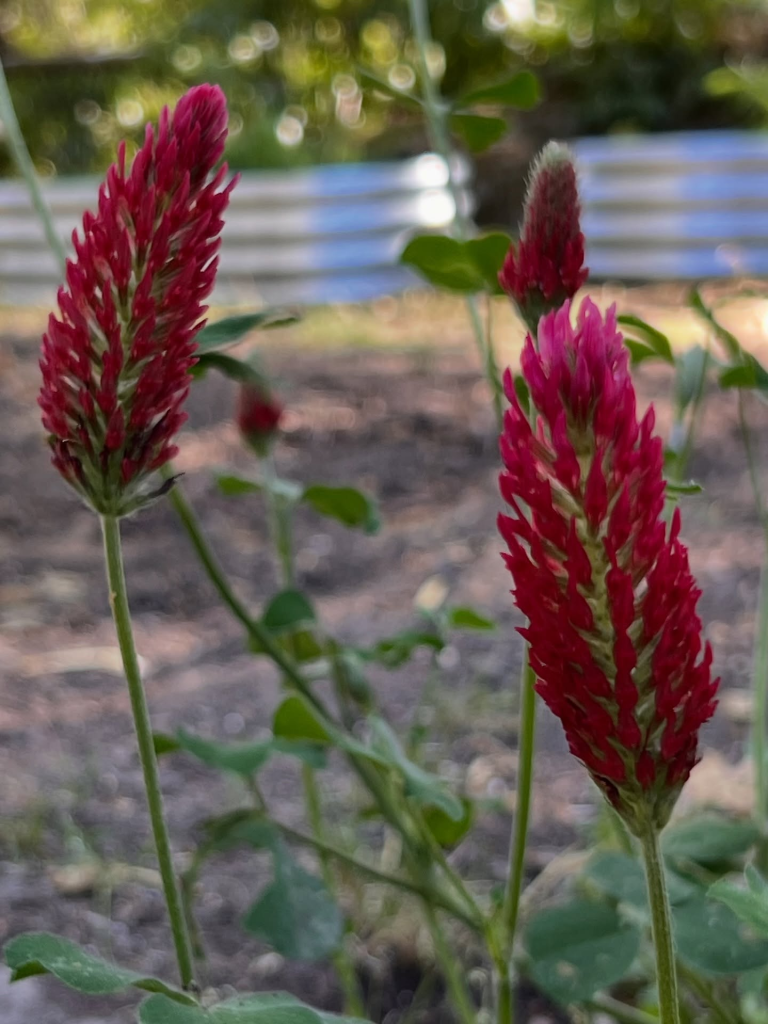
Crimson clover is the cover crop to sow on any bed you are done with, fixing 70 to 130 pounds of nitrogen per acre while protecting soil from winter rain. It germinates at soil temperatures down to 45°F.
Broadcast at about 20 to 30 pounds per acre (roughly half a pound per 100 square feet), rake lightly, and water if fall rain has not arrived. Sow by mid-November in Zones 7 and warmer; colder gardeners should switch to winter rye, which germinates in colder soil.
Come April, the deep crimson flower spikes are worth the effort on their own, and pollinators find them fast.
Cut or turn the clover in before it sets seed, about two to three weeks ahead of spring planting in that bed.
Match Your November Planting List to Your USDA Zone
Your zone decides which of these 15 plants are realistic this month, and the dividing line falls near Zone 7. Use this table to narrow the list before you spend money on seed or stock.
| Plant | Best zones for November | Purpose | Cover needed? | Payoff timing |
|---|---|---|---|---|
| Hardneck garlic | 3–7 | Overwinter | Mulch only | July |
| Tulip bulbs | 3–7 (8–10 pre-chilled) | Spring display | No | April |
| Daffodil bulbs | 3–8 | Spring display | No | March–April |
| Spinach | 4–10 | Overwinter/harvest | Yes in 4–7 | Jan–March |
| Kale | 7–10 transplants | Harvest | Yes in 7 | 6–10 weeks |
| Winter lettuce | 8–10 open; 5–7 covered | Harvest | Yes below Zone 8 | Jan onward |
| Arugula | 8–10 open; 4–7 covered | Harvest | Yes below Zone 8 | 30–40 days |
| Mâche | 4–10 | Harvest | Optional | Jan–March |
| Fava beans | 7–10 | Overwinter + nitrogen | No | April–May |
| Sweet peas | 7–10 direct; 5–6 in pots | Spring flowers | Pots in cold zones | May–June |
| Winter pansies | 5–10 | Immediate color | No | Now to May |
| Hellebores | 4–9 | Winter flowers | No | Dec–March |
| Bare-root roses | 6–10 | Perennial investment | Mound canes | Next summer |
| Raspberry canes | 5–9 | Perennial investment | Mulch | Next year |
| Crimson clover | 7–10 | Soil building | No | April |
What Can Northern Gardeners Still Plant Before the Ground Freezes?
In Zones 3 through 6, your list narrows to dormant material and hardy bulbs. Garlic, daffodils, tulips, and mâche all go in as long as a spade still enters the soil cleanly.
Hellebores and other container-grown hardy perennials can be planted until the ground freezes, though early November is safer than late. Skip bare-root roses and raspberries; wait for spring shipping instead.
Greens are possible under a cold frame or low tunnel, but treat them as an overwintering gamble that pays off in February.
What Grows Best in Mild-Winter and Southern Gardens?
Zones 8 through 10 get the longest list on this page. Direct-sow spinach, arugula, lettuce, and mâche into open beds now, and set out kale transplants for harvests from late December.
Fava beans and sweet peas both do best sown this month in mild-winter areas, and crimson clover establishes fast in warm fall soil. Bare-root roses and raspberry canes arrive from nurseries and go straight into the ground.
Tulips are the one item that needs extra work: chill them in the refrigerator for 10 to 12 weeks before planting.
When Is It Too Late to Plant Bulbs, Garlic, or Perennials?
Workable soil is the real deadline, not a date on the calendar. If you can dig a hole without fighting frozen ground, spring bulbs will still root, though they may bloom slightly later and on shorter stems.
Garlic planted after the ground has frozen and thawed repeatedly often fails to root before spring. Plant it anyway if you have cloves on hand; a partial stand beats none.
Perennials need about four to six weeks of soil above 40°F to establish. Past that, hold containers in a sheltered spot and plant in early spring.
November Planting Essentials
Everything on this list roots in cool, damp soil, so your preparation focuses on drainage and root contact instead of feeding. Skip high-nitrogen fertilizer this month entirely; it pushes tender growth straight into freezing weather.
How Should You Prepare Soil for Late-Fall Planting?
Loosen the top 8 to 12 inches and work in 2 inches of finished compost. Compost improves drainage in clay and moisture retention in sand, which covers both winter risks.
Test drainage if you are unsure: fill a 12-inch hole with water, let it drain, refill it, and time the second drain. Slower than 4 hours per inch means you should plant in raised beds or mounded rows.
Add bone meal or a low-nitrogen bulb fertilizer beneath bulbs and garlic. Phosphorus supports root development while the tops stay dormant.
When Should New Plantings Be Watered and Mulched?
Water everything in thoroughly at planting, even in cool, cloudy weather, to settle soil around the roots and eliminate air pockets. That one watering does more for establishment than anything you add later.
After that, let rainfall handle it in most regions. Water bare-root stock and fall-planted perennials during any dry spell longer than two weeks while the ground stays unfrozen.
Wait to mulch bulbs and perennials until after the first hard freeze, which is usually late November or early December. Mulching too early keeps soil warm and invites rodents to nest.
Garlic is the exception: mulch immediately after planting with 4 to 6 inches of straw.
How Can You Protect Young Plants From Frost and Winter Wet?
Floating row cover at 1.5 ounces per square yard buys you about 4 to 8 degrees of frost protection and costs less than any other option. Support it on wire hoops so fabric never rests on foliage.
Cold frames and low tunnels extend that further, and they matter most for lettuce and arugula north of Zone 8. Vent on sunny days above 50°F.
Winter wet kills more fall plantings than cold does, especially in heavy clay. Raised beds, mounded planting rows, and a coarse grit layer under bulbs all keep crowns out of standing water through the wettest months.