Think the planting season is over? Not so fast. 🍂
There is a common belief that once the clocks change and the leaves drop, you have to hang up your trowel until spring.
Happily, that is just not true, and November might be one of the best-kept secrets in the gardening calendar.
While the top of the plant is quietly going to sleep, the roots below the soil are still wide awake and busy settling in.
Plant a hardy perennial now and it spends the whole winter growing a strong root system, so it comes back next spring bigger, tougher and ready to bloom while your neighbors’ spring-planted ones are still finding their feet. 🌱
Here are more than fifteen perennials you can still get in the ground this month.
Yes, you really can plant in November. Here is the one rule.
You can plant any perennial that is hardy in your zone as long as the ground is still workable, meaning not frozen solid. In milder areas (zones 7 and up) you have loads of time. In colder areas (zones 3 to 6) you can still plant if the ground has not frozen, just choose tough varieties and add a cozy layer of mulch. The only time to hold off is if the forecast shows several freezing nights in a row. Otherwise, grab those end-of-season plant sale bargains and get digging.
1. Peonies

Here is a lovely surprise. Peonies actually prefer to be planted in fall, so November is right in their wheelhouse. These old-fashioned beauties live for decades and reward you every spring with huge, satiny, fragrant blooms. One crucial tip: plant the roots shallow, with the little pink buds, or eyes, no more than two inches below the surface. Plant them any deeper and they will sulk and refuse to flower.
2. Coneflowers (Echinacea)
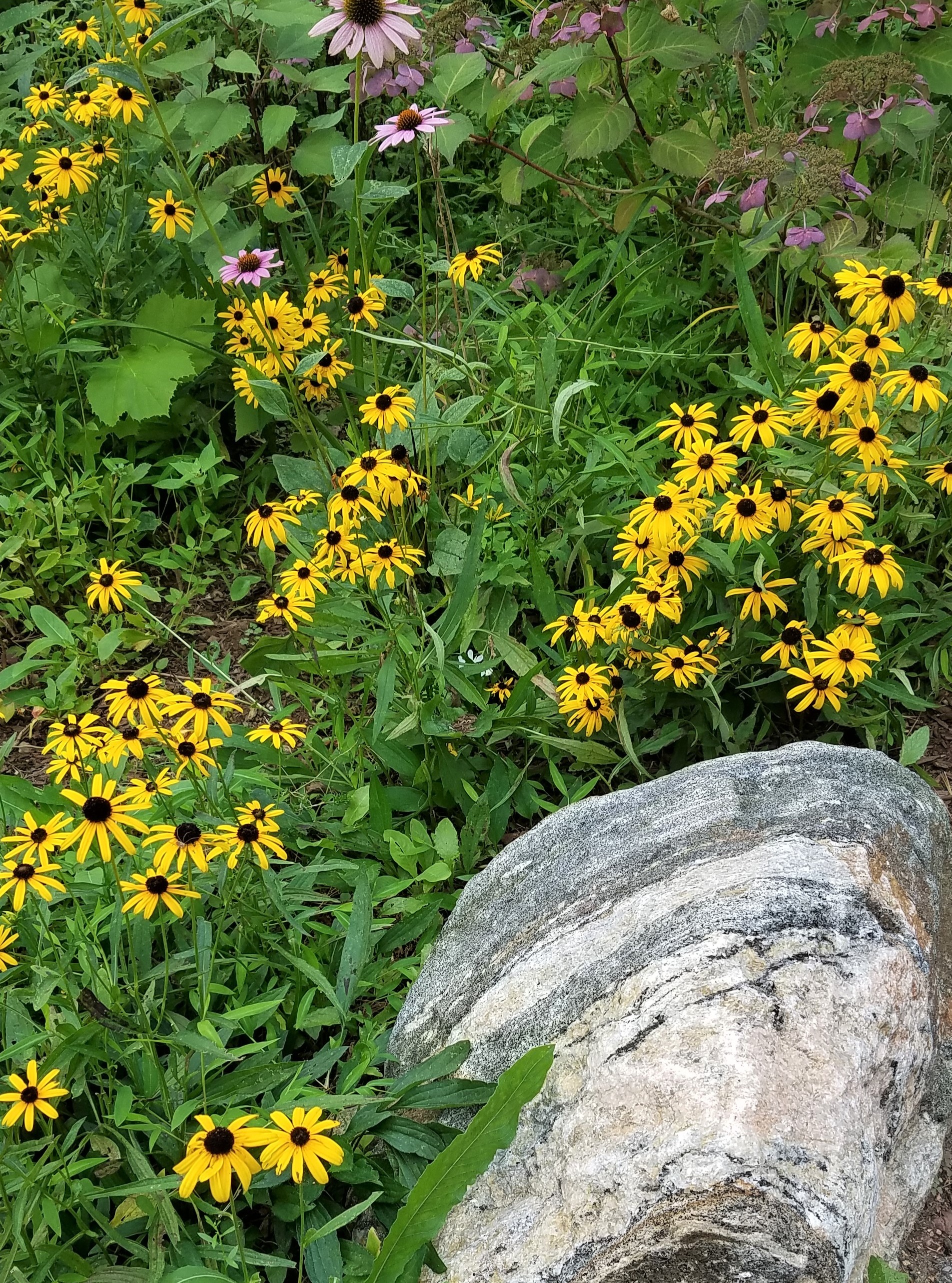
Coneflowers are as tough as they come, which makes them a brilliant November pick. Get them in now and the roots settle over winter, ready to throw out weeks of pink, purple and white daisy blooms next summer. Leave the seed heads standing next fall and the finches will feast on them all winter long.
3. Black-Eyed Susans (Rudbeckia)
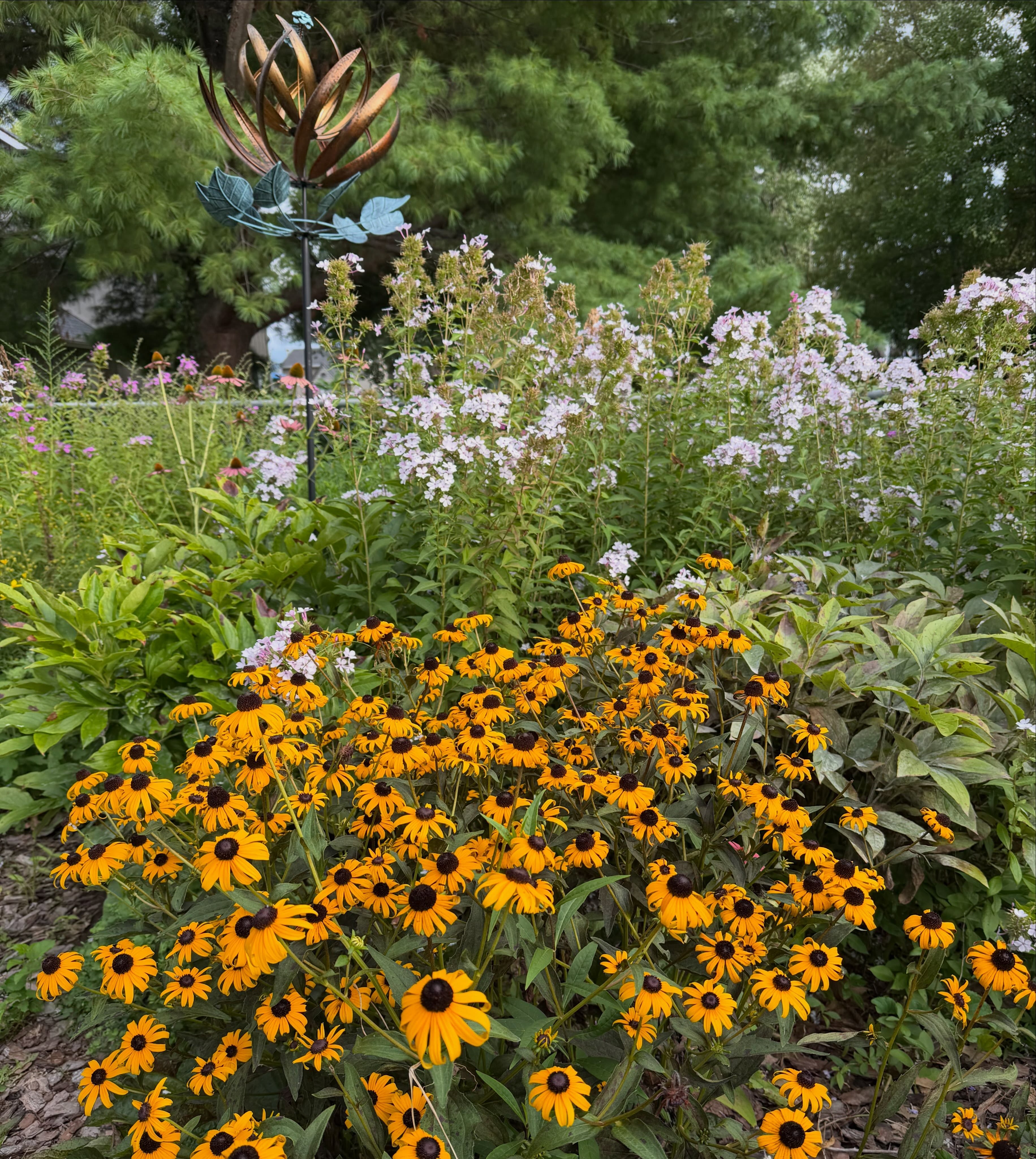
Those cheerful golden petals with dark chocolate centers are pure sunshine, and the plants are wonderfully hardy. A November planting lets the roots strengthen before spring, setting you up for months of bright, bee-friendly color that runs well into fall.
4. Daylilies
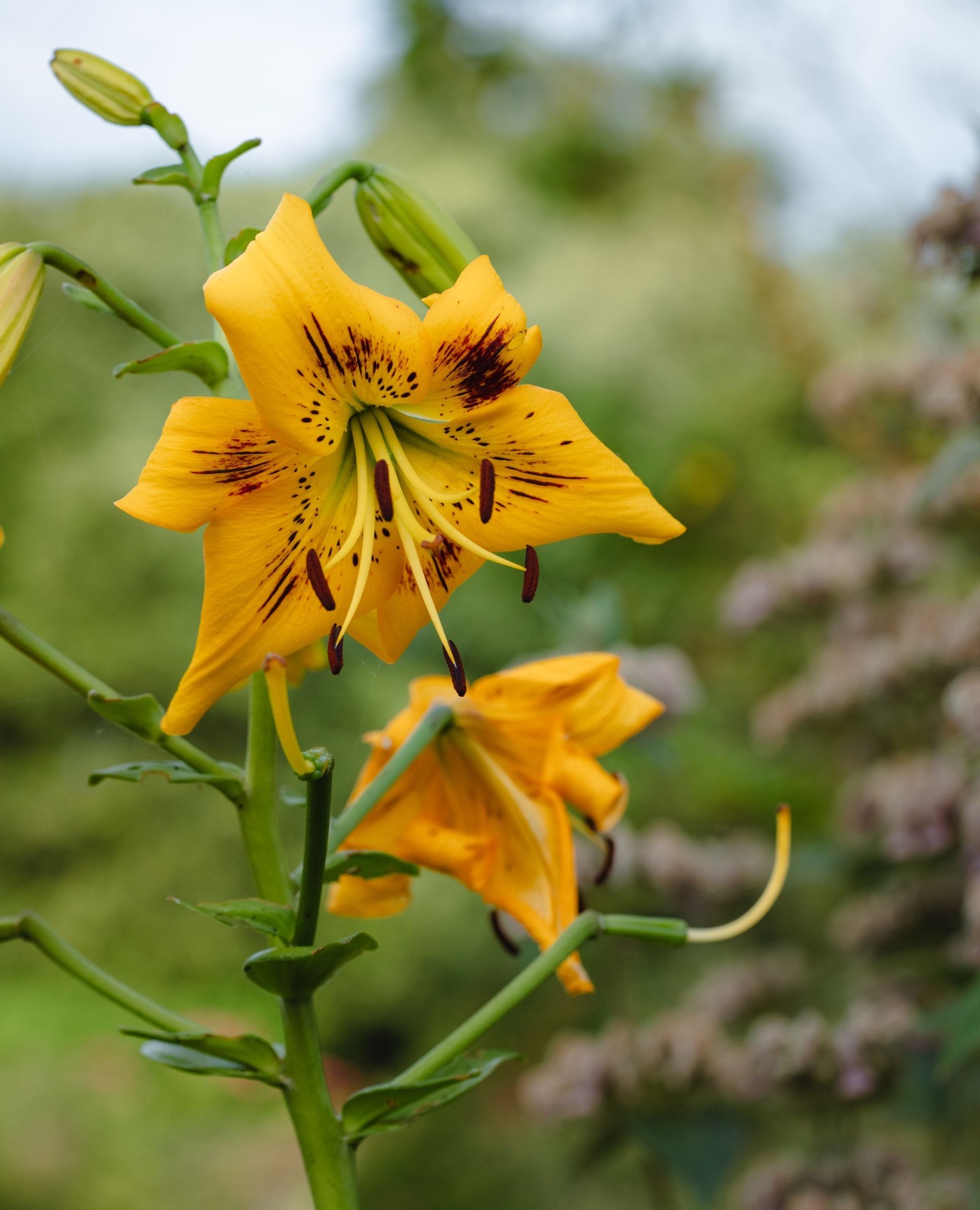
If there is an easier, more forgiving perennial, we have not met it. Daylilies shrug off almost any soil and are happy to be planted whenever the ground is workable. Fall planting lets the roots settle before dormancy, and while each flower lasts just a day, an established clump blooms for weeks.
5. Shasta Daisy
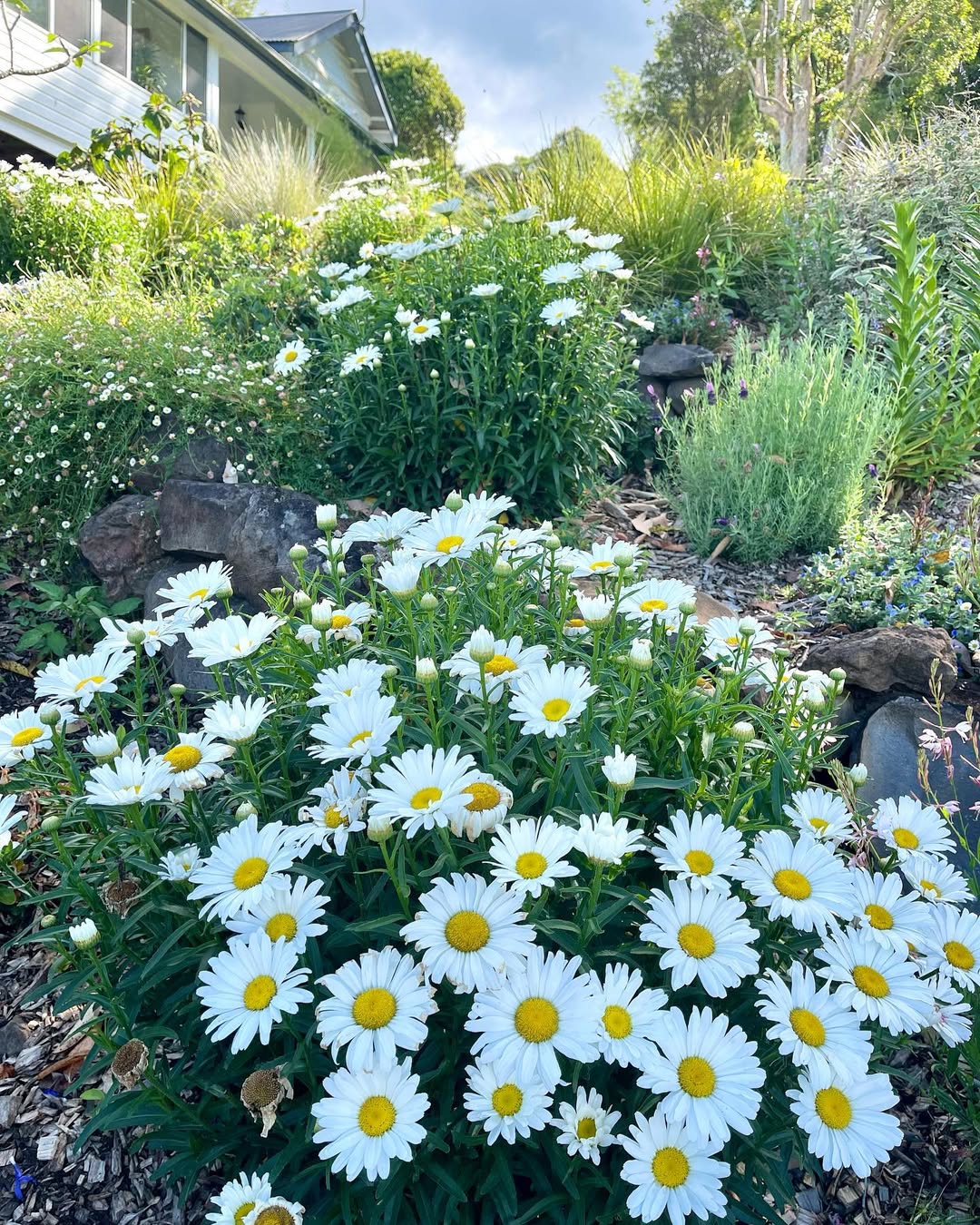
Nothing says classic summer garden like the crisp white petals and sunny centers of a Shasta daisy. Planting in cool November weather helps them skip the transplant stress they can suffer in summer heat, so they settle in quietly and return reliably every year.
6. Yarrow (Achillea)
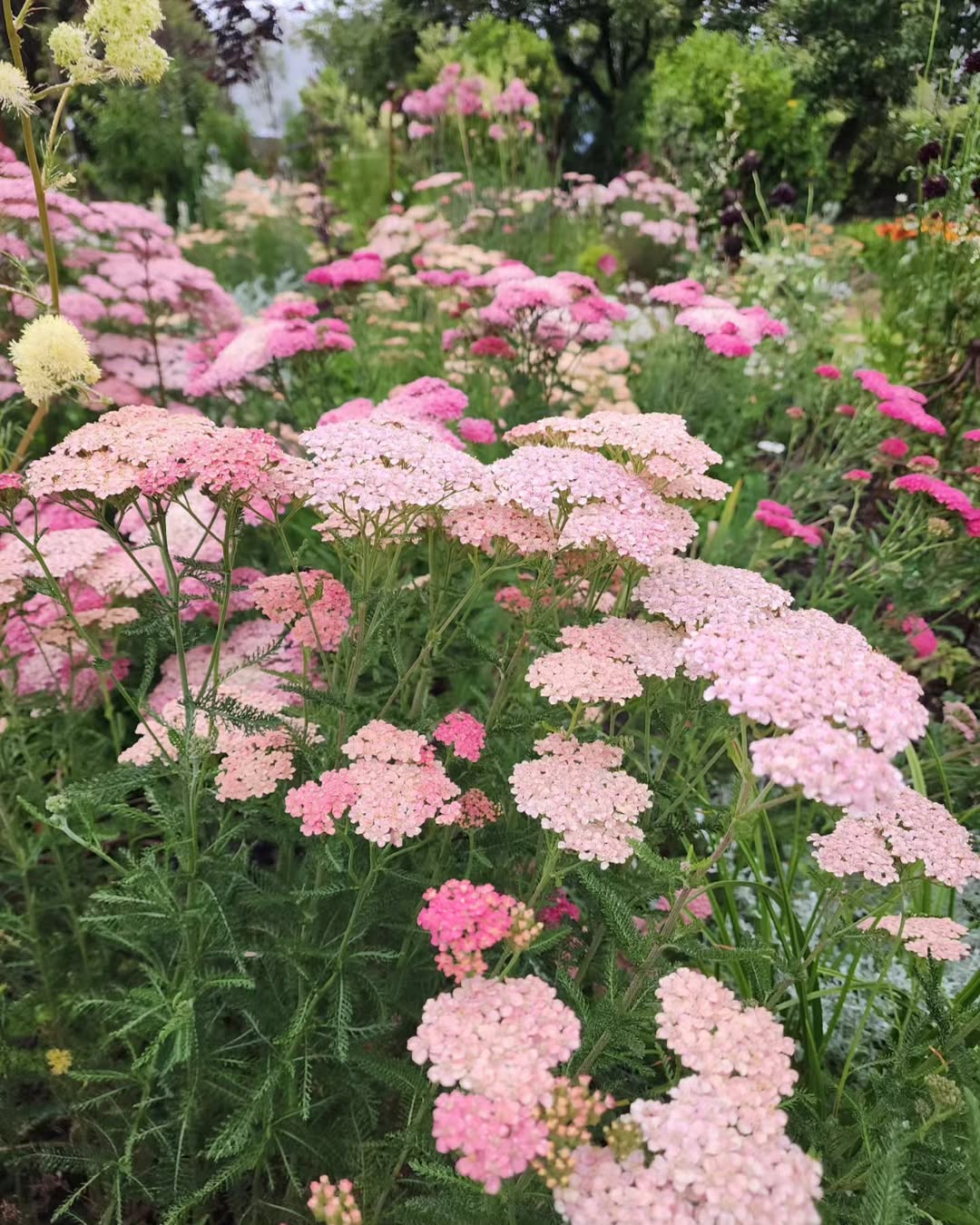
Yarrow is a tough, drought-proof charmer with soft, ferny foliage and flat-topped flower heads in yellow, red, pink and white. Pollinators swarm it, and it handles poor soil and neglect with ease. A great low-fuss choice to tuck in before winter.
7. Catmint (Nepeta)
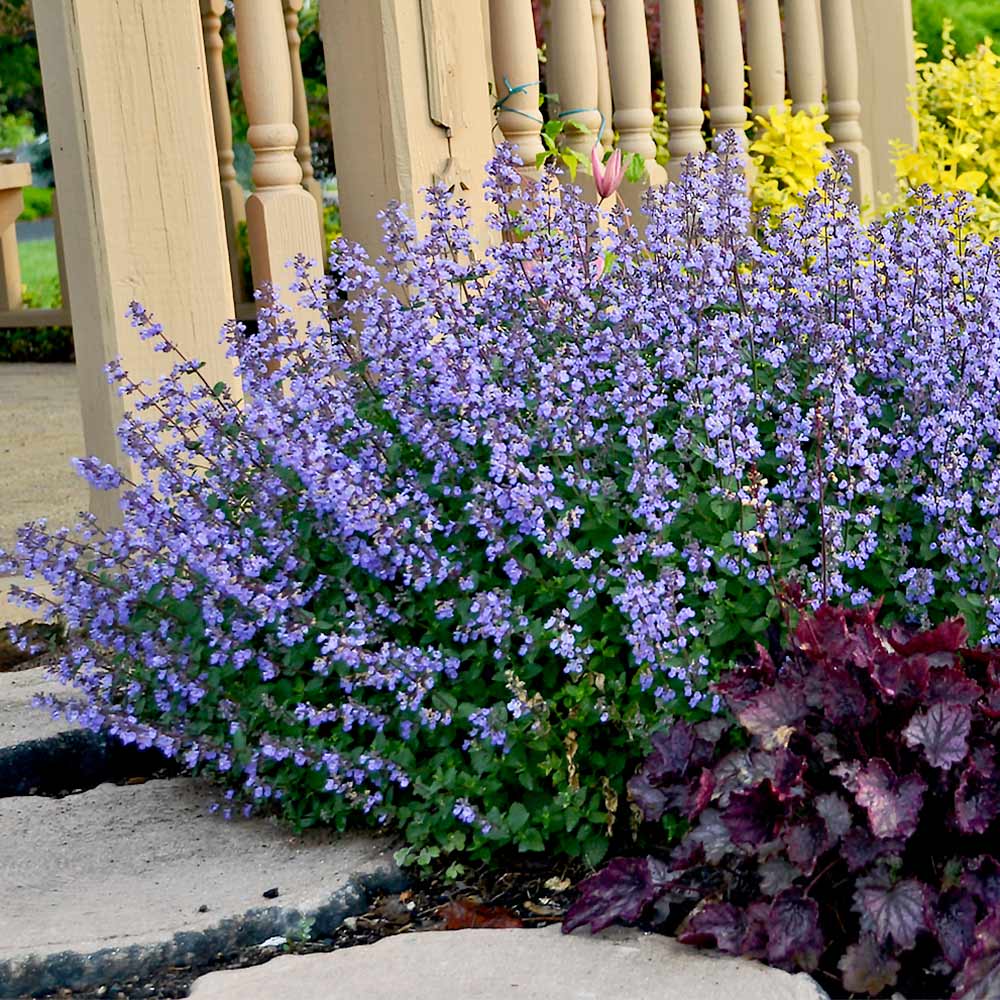
Catmint gives you a soft, sprawling haze of lavender-blue flowers that looks gorgeous spilling over a path edge. It is tough, drought tolerant, and absolutely loved by bees. Plant it now and it will bush out into a fragrant cloud come spring.
8. Salvia
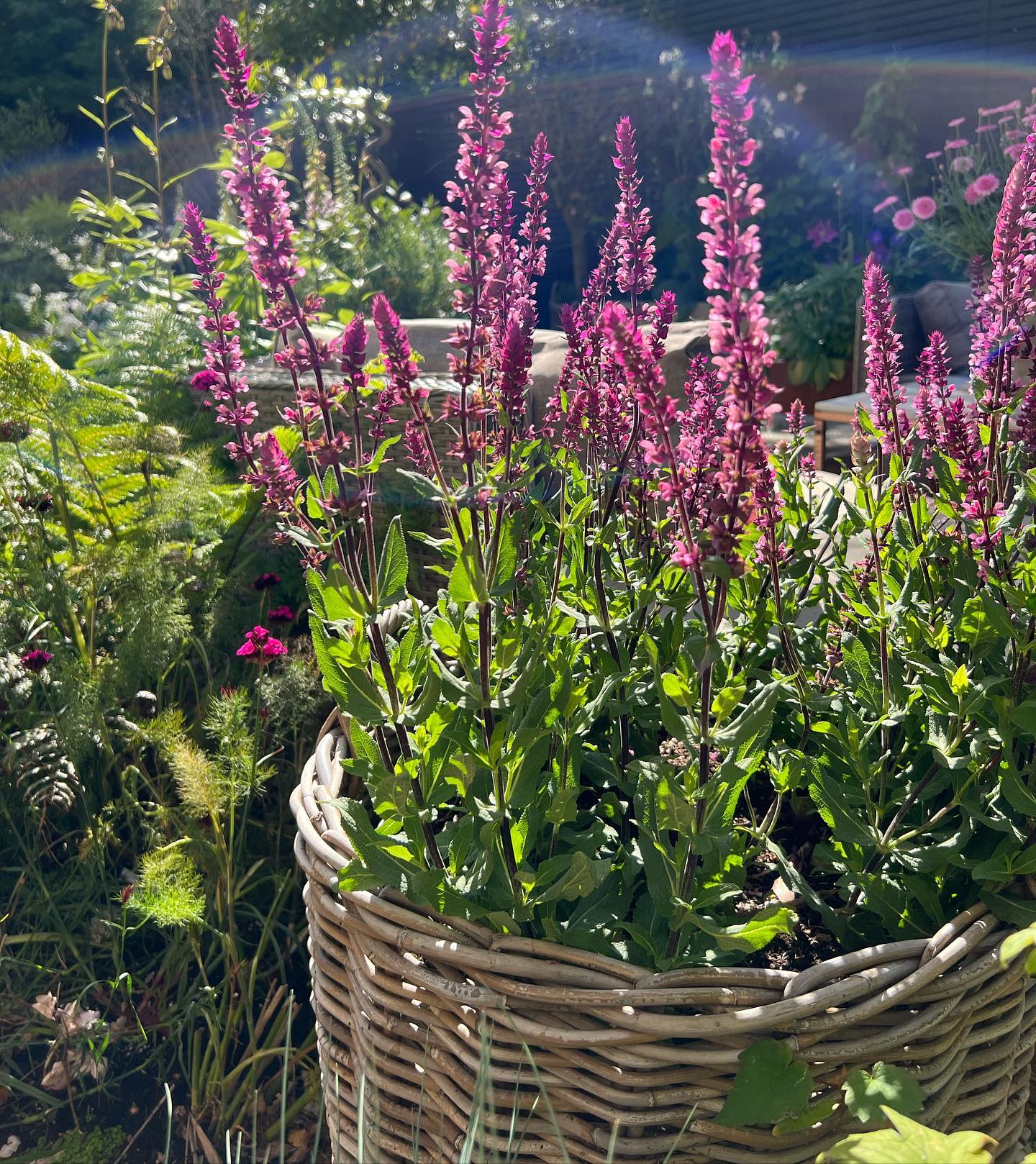
Perennial salvia sends up spikes of rich purple and blue that add height and structure, and it flowers for a wonderfully long stretch while pulling in a parade of pollinators. Hardy and easy-going, it is a reliable performer that gets a strong start from fall planting.
9. Sedum (Stonecrop)
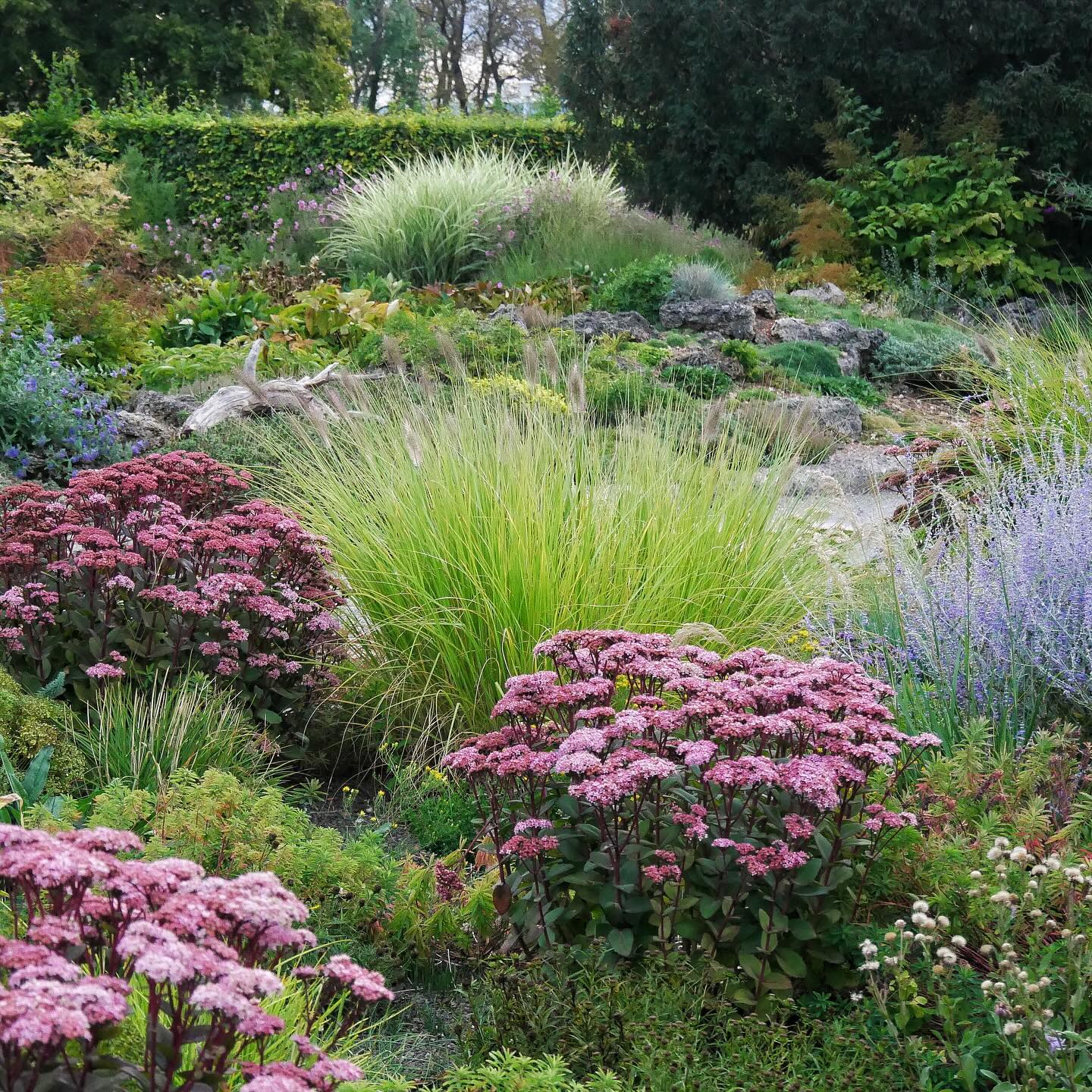
If your soil is poor, dry and difficult, sedum is your plant. These fleshy-leaved succulents thrive on neglect, storing their own water, and their flower heads shift from soft pink to rich rust as the season turns. Practically indestructible, which makes them a safe late-season bet.
10. Garden Phlox
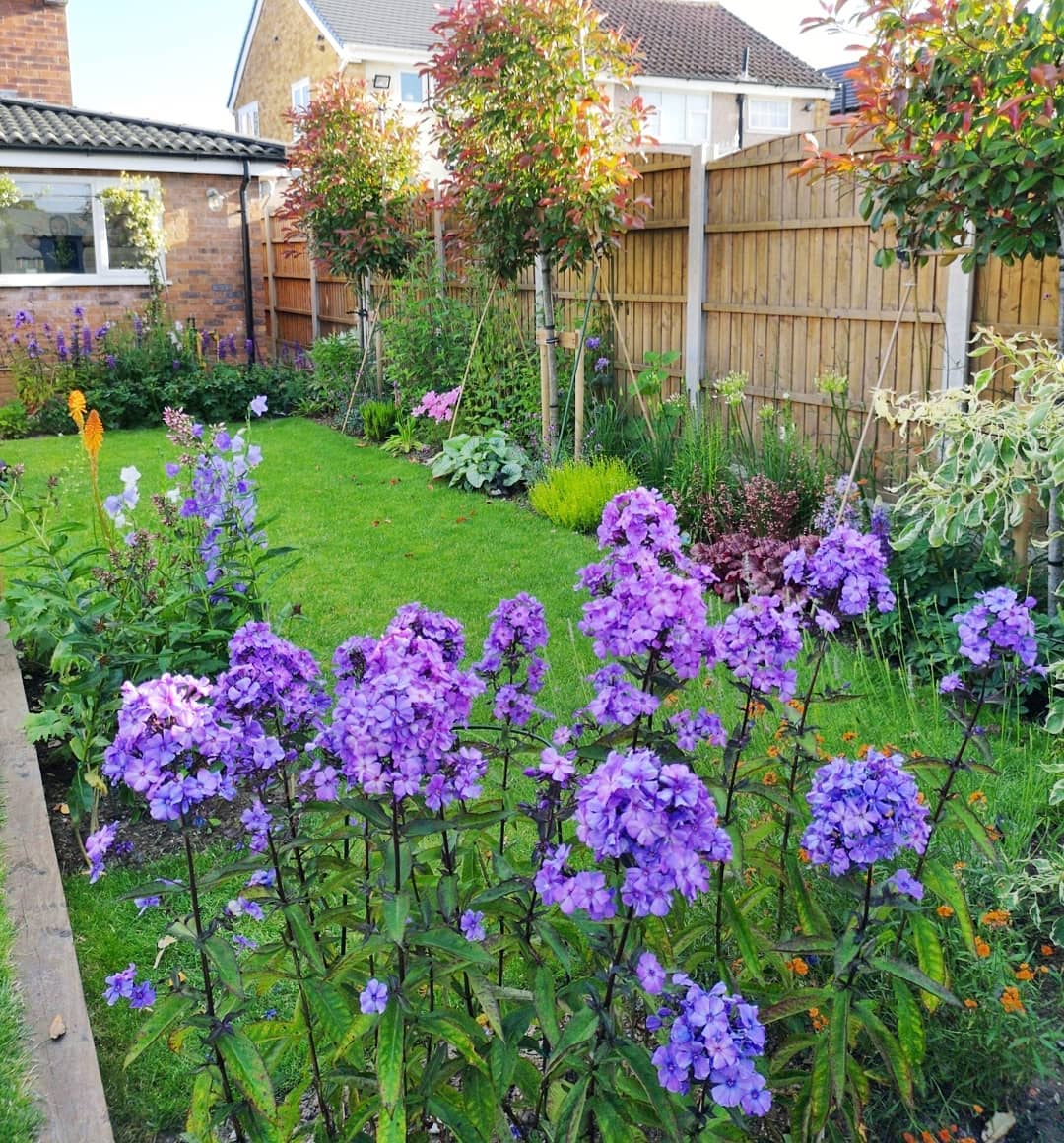
Tall garden phlox brings big, fragrant flower heads in pink, white and purple, adding real height and scent to a summer border. Fall planting supports strong root and stem growth. Just give it a spot with decent airflow, since it likes good air circulation to keep mildew at bay.
11. Asters
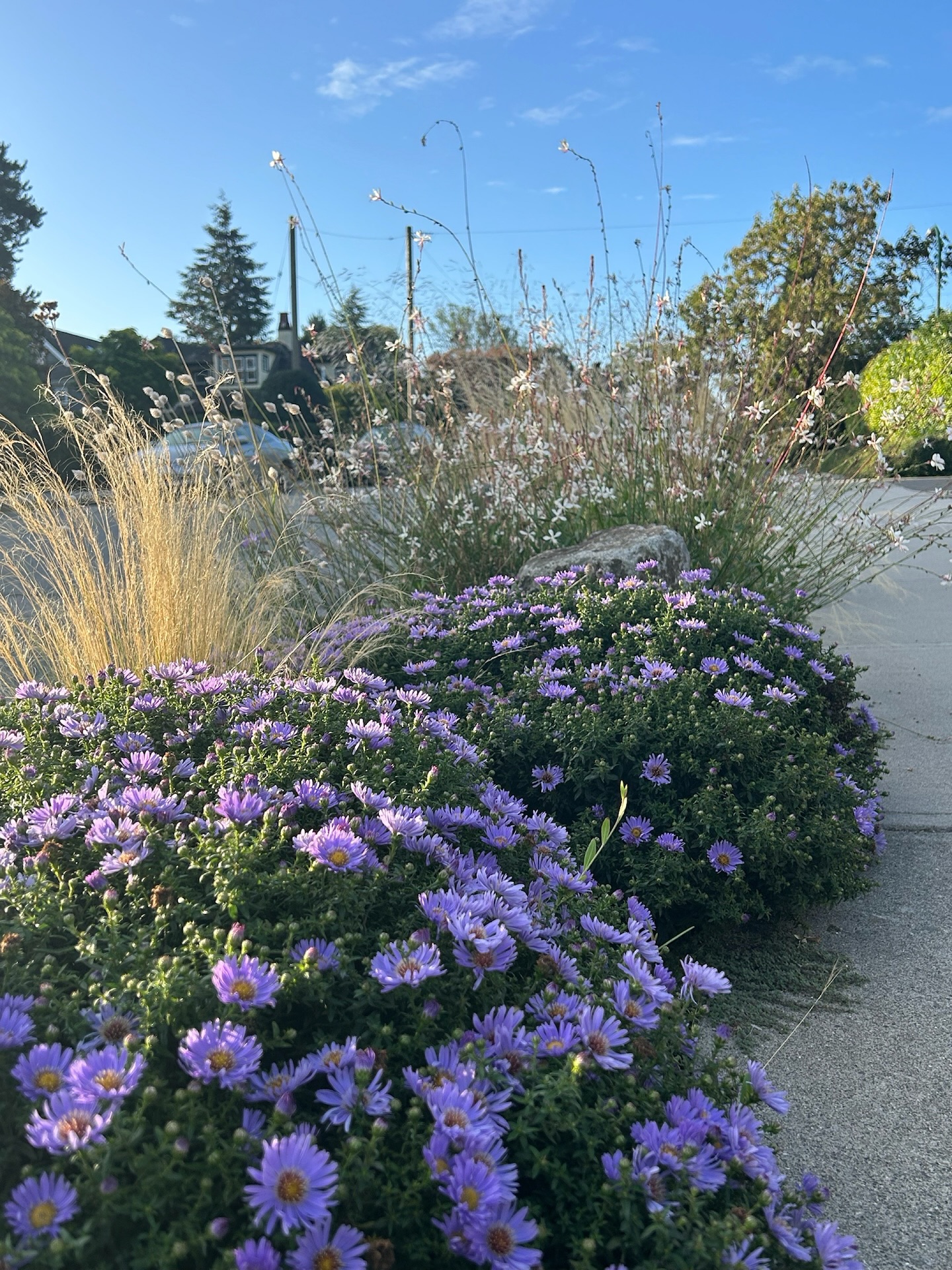
Asters are the stars of the late-season garden, covering themselves in purple, blue and pink daisy blooms just as everything else fades. They are a lifeline for bees and butterflies heading into winter, and once planted they return and spread gently year after year.
12. Bleeding Heart
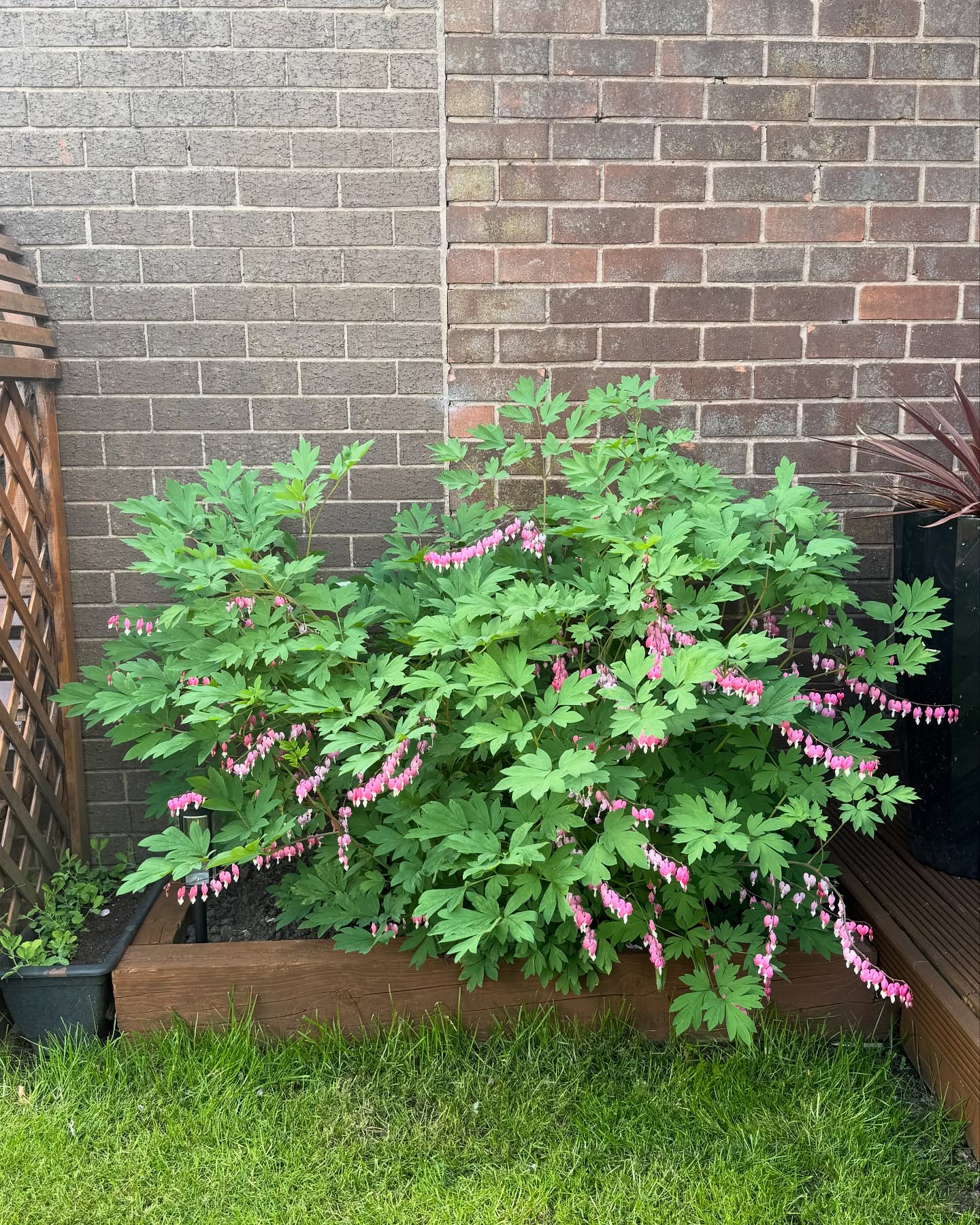
A shade-garden favorite, bleeding heart dangles rows of perfect little heart-shaped flowers from arching stems in spring. It is astonishingly cold hardy, right down to about zone 2, so it handles late planting with ease. It goes dormant in summer heat, so pair it with hostas to fill the gap it leaves behind.
13. Hellebore (Lenten Rose)
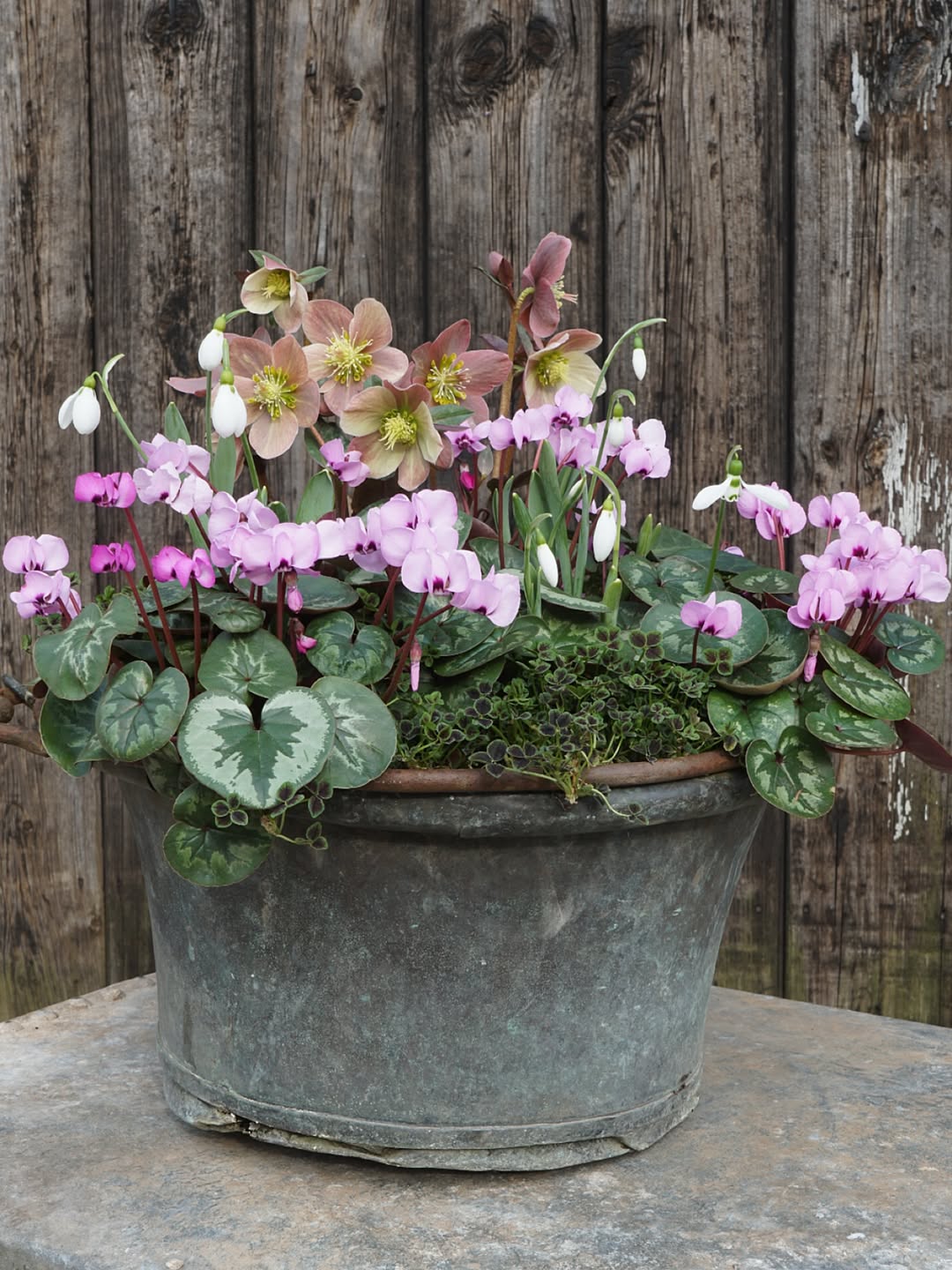
If you want something magical, plant a hellebore. It is one of the very first things to flower, often pushing its nodding blooms up through the snow in late winter when nothing else dares. It is evergreen in milder areas, deer tend to leave it alone, and it quietly brightens the gloomiest shady corner.
14. Hostas
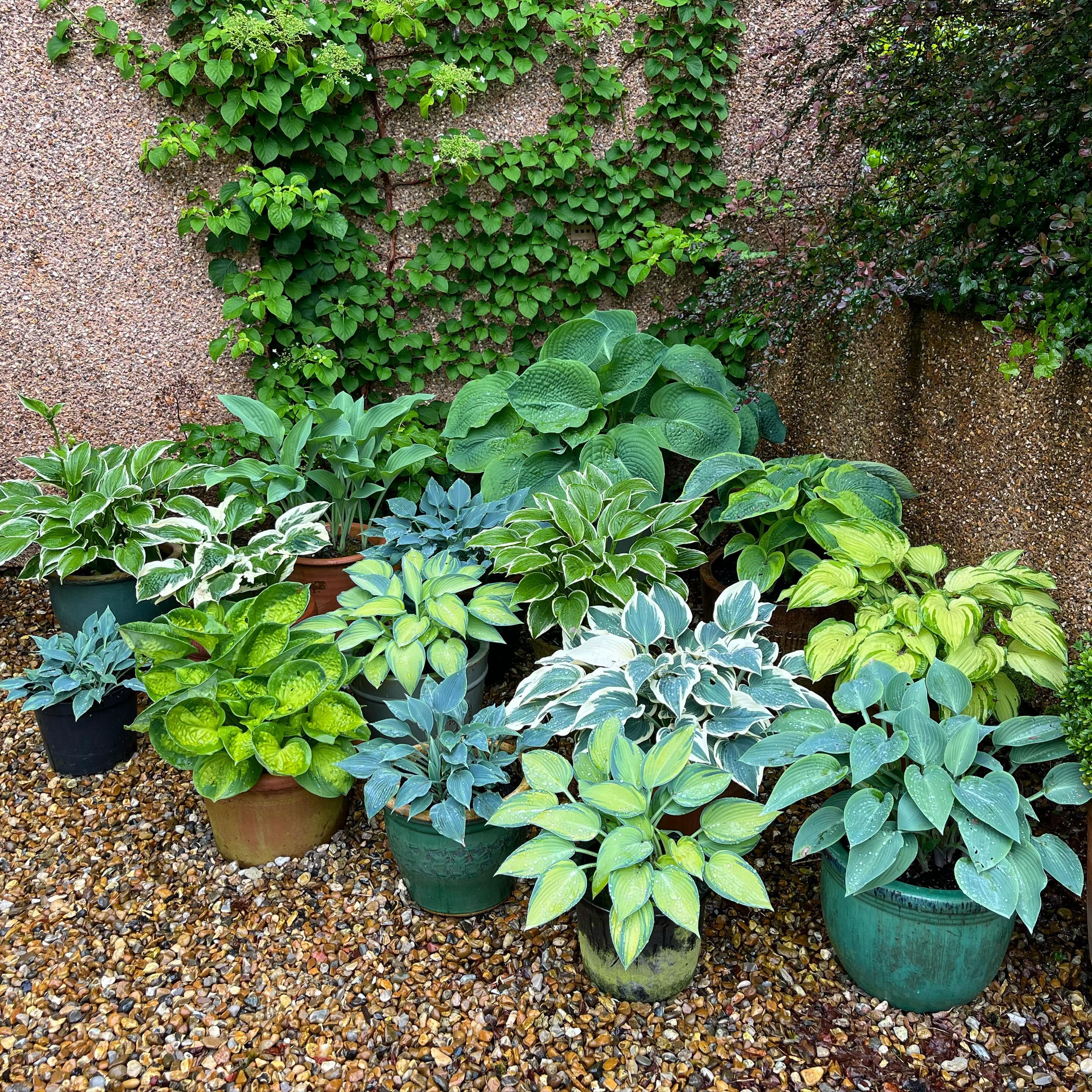
The undisputed king of the shade garden. Hostas are grown for their lush mounds of foliage in every shade of green, blue and gold, and dormant fall planting suits them perfectly. Plant now and they will unfurl into full, weed-smothering clumps next spring with zero fuss.
15. Coral Bells (Heuchera)
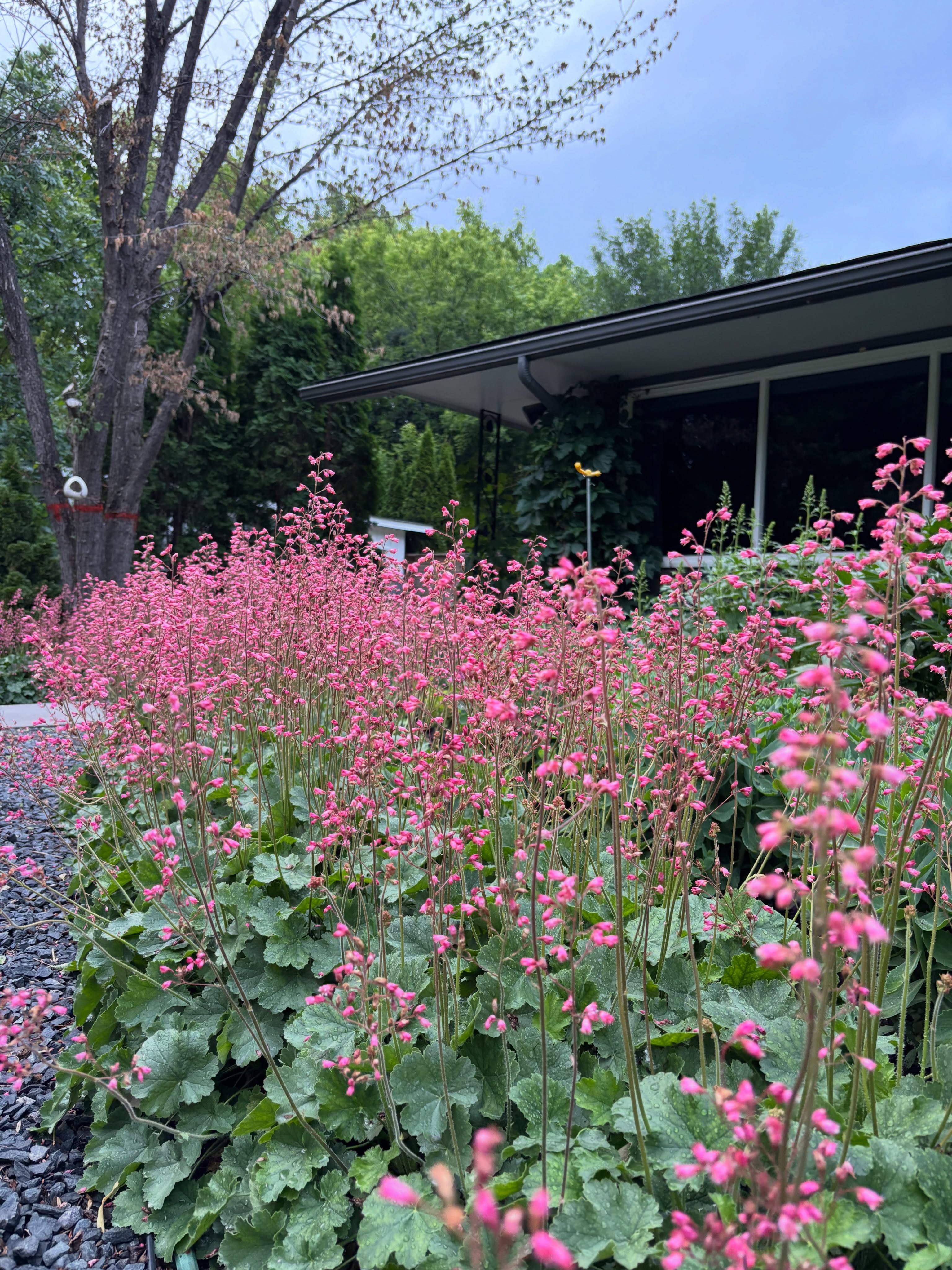
Coral bells earn their keep with stunning foliage in amber, lime, plum and near-black, so they look good even when nothing is flowering. In milder areas they hold that color right through winter, making them a smart pick for year-round interest in a partly shaded bed.
16. Columbine
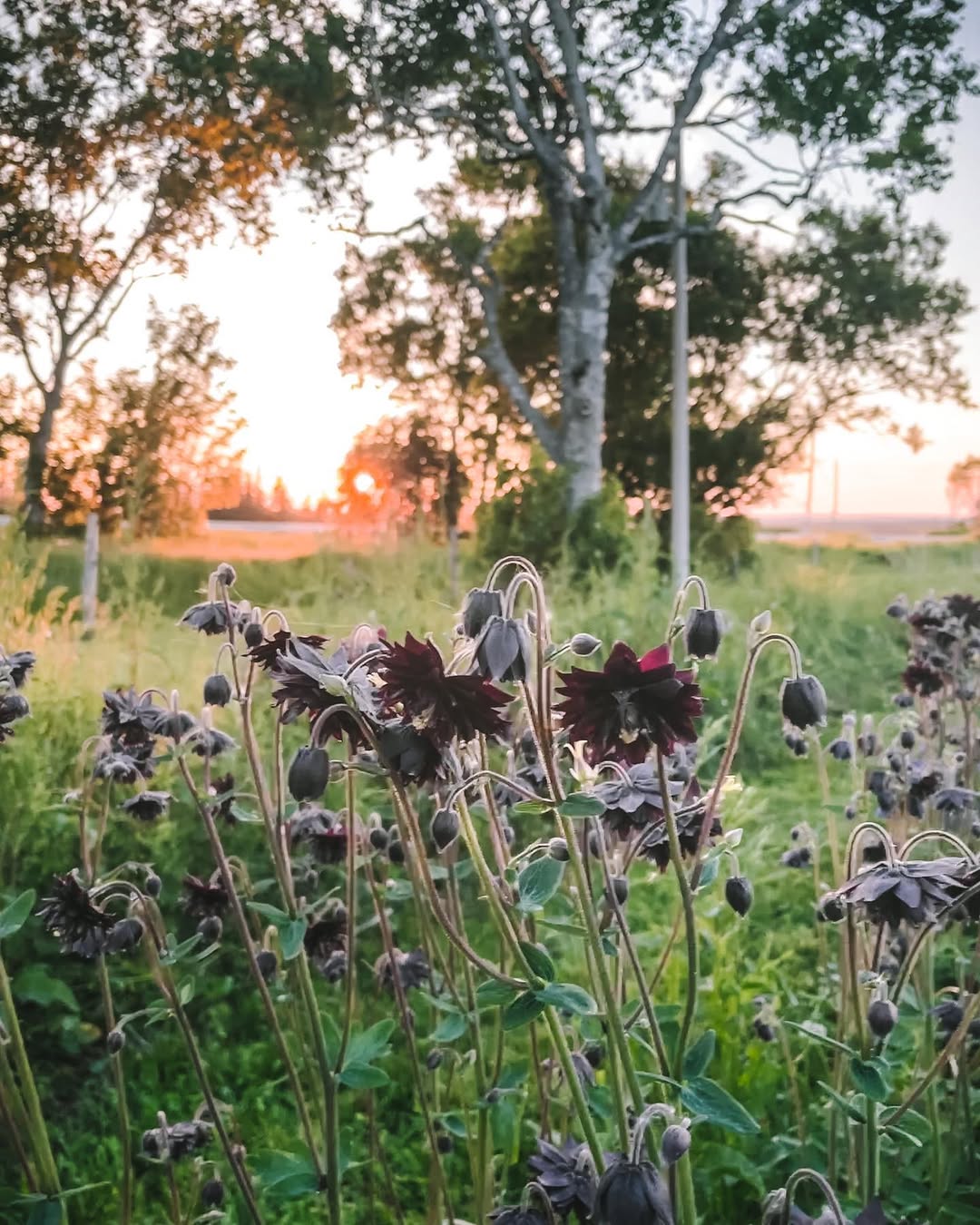
Columbine is a charming spring bloomer with dainty, nodding flowers on airy stems, and it loves a fall start. The winter cold actually helps it along, and it happily self-sows to give you more plants for free. Its early flowers are a favorite of hungry hummingbirds returning in spring.
How to plant a perennial in November, the right way
- Check your zone and the forecast. Plant while the ground is still workable, and hold off if several hard-freeze nights are on the way.
- Water it in. Give it a good drink right after planting, even in the cold, to settle the soil and remove air pockets around the roots.
- Mulch for protection. Add a couple of inches of mulch over the roots. In very cold areas, wait until the ground has frozen, which helps stop the freeze-and-thaw cycle from heaving young plants out of the soil.
- Skip the fertilizer. Late fall is for growing roots, not leaves. Hold off feeding until spring.
Get planting before the ground freezes
So do not put that trowel away just yet. A little planting now, while the soil is still soft and the plant sales are on, buys you a garden that comes back stronger and blooms sooner next year. Start with a few easy wins like daylilies, coneflowers or a fall-planted peony, and let winter do the quiet work underground.
Come spring, while everyone else is only just starting to think about planting, yours will already be up and growing. Happy planting, and enjoy getting one last job done before winter. 🌷