Winter gardens have a reputation for being bleak, bare and a little bit sad.
Forget all that.
Some of the most intoxicating scents your garden will ever produce arrive in the dead of winter, on days when everything else is asleep. ❄️
Picture stepping out on a cold, gray January morning and catching a wave of sweet perfume drifting across the yard.
That is not a fantasy. That is a single well-placed shrub doing its thing.
These plants evolved to bloom when almost nothing else does, so they pump out powerful fragrance to lure in the few brave pollinators about in the cold.
The result? A quiet corner of the garden that smells like heaven for weeks. 🌿
Below are sixteen of the best, split into hardy types for colder gardens and stunners for milder ones.
First, one tip that makes all the difference.
Plant them where you will actually smell them.
This is the single most important thing.
A fragrant shrub at the bottom of the garden in January is a scent nobody ever meets.
Plant these by the front door, along the path to the car, beside the gate, or under a window you can crack open.
Somewhere sheltered is even better, because a wall or fence traps both the warmth and the perfume.
Put them in your path, and they will stop you in your tracks every single day.
1. Witch Hazel

Witch hazel is the showstopper of the winter garden.
On bare branches, it unfurls strange, spidery flowers made of crinkled ribbon-like petals in glowing yellow, orange and fiery red.
The scent is warm and spicy-sweet, and it is strongest on mild, sunny winter days.
It is a slow grower, so buy the biggest plant you can afford and be patient.
The variety ‘Pallida’, with its clear lemon-yellow flowers, is one of the finest.
2. Winter Honeysuckle
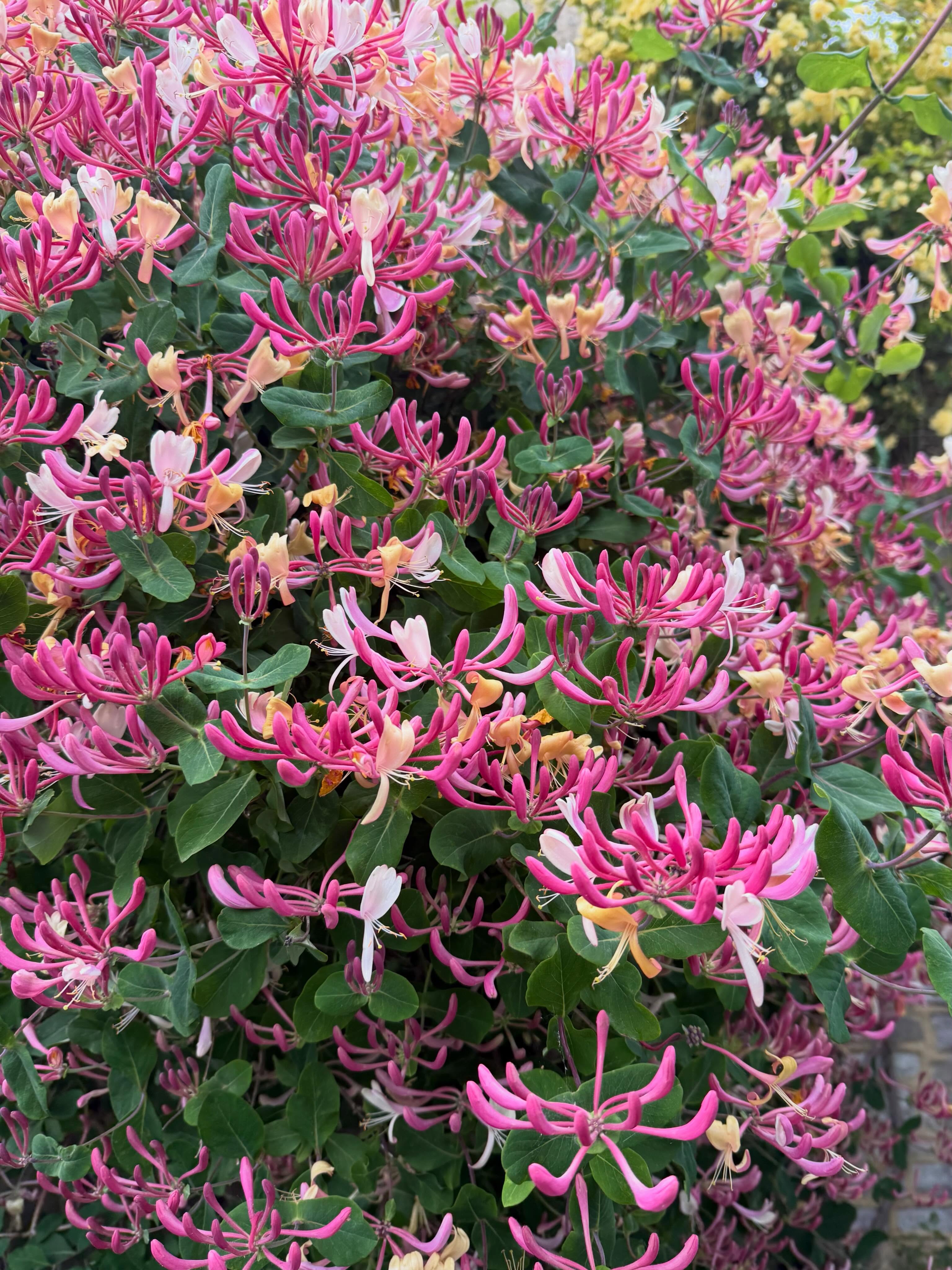
Do not confuse this with the climbing honeysuckle.
It is a shrub, and a wonderfully scented one.
The small creamy flowers are easy to miss, but the fragrance is not.
It is a zingy, fresh lemon scent that carries a surprising distance on cold air.
One honest word of warning: winter honeysuckle can seed itself around and has become invasive in parts of the US.
Check what is listed locally before planting, and snip off the berries to keep it in bounds.
3. Fragrant Viburnum
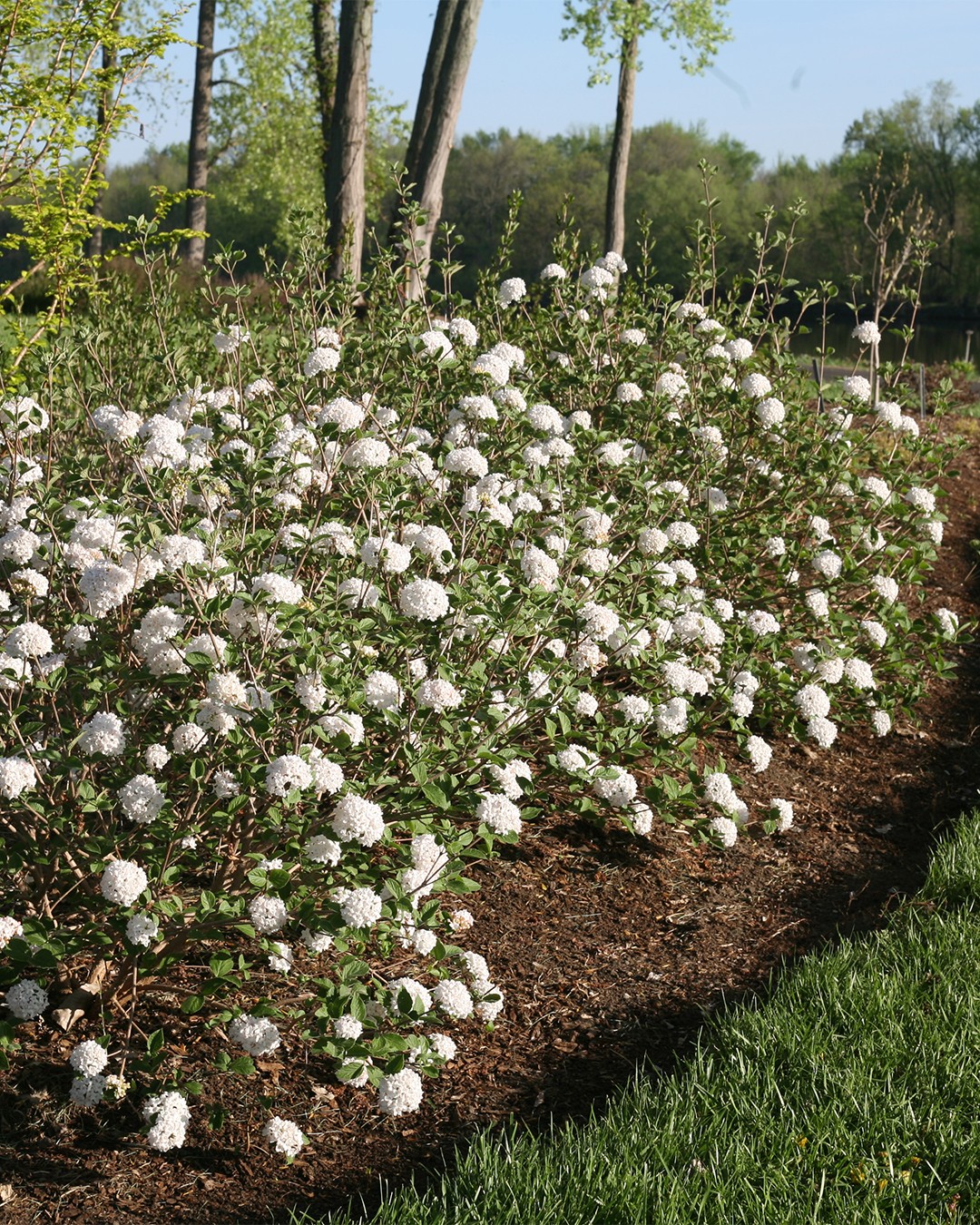
This is one of the earliest to get going.
Clusters of pink buds open to little white flowers along the bare stems, and they give off a sweet, soft, almost powdery perfume.
It is tough and reliable in cold gardens.
Think of it as the well-behaved parent of the famous Bodnant viburnum coming up next.
4. Bodnant Viburnum
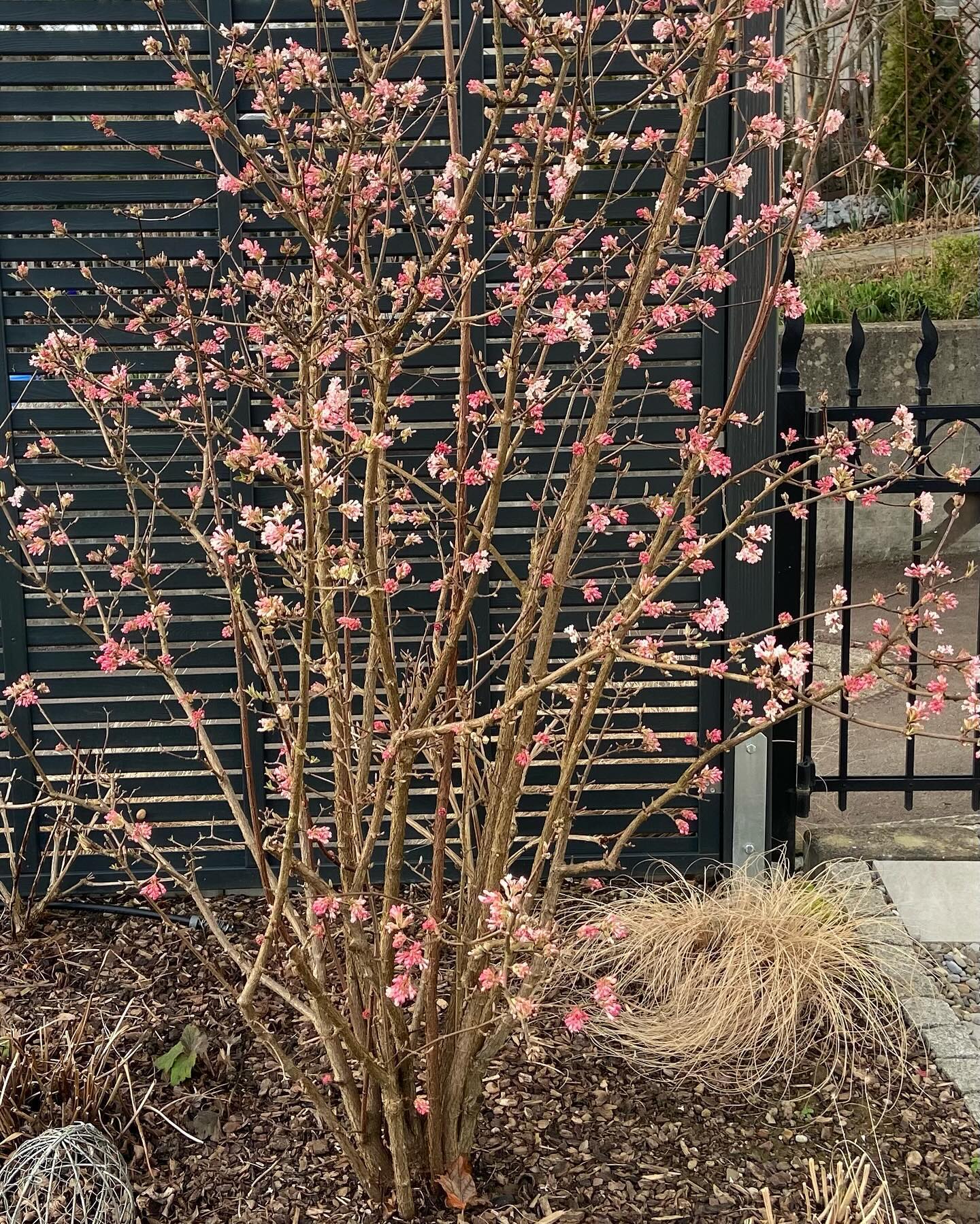
Here is a plant that just keeps giving.
From late fall right through to early spring, Bodnant viburnum throws out flush after flush of rose-pink flowers on naked branches, pausing only for the very hardest frosts and picking straight back up when it mildens.
The scent is rich, warm and sweet.
For a long, generous season of winter perfume, few shrubs beat it.
5. Winter Hazel
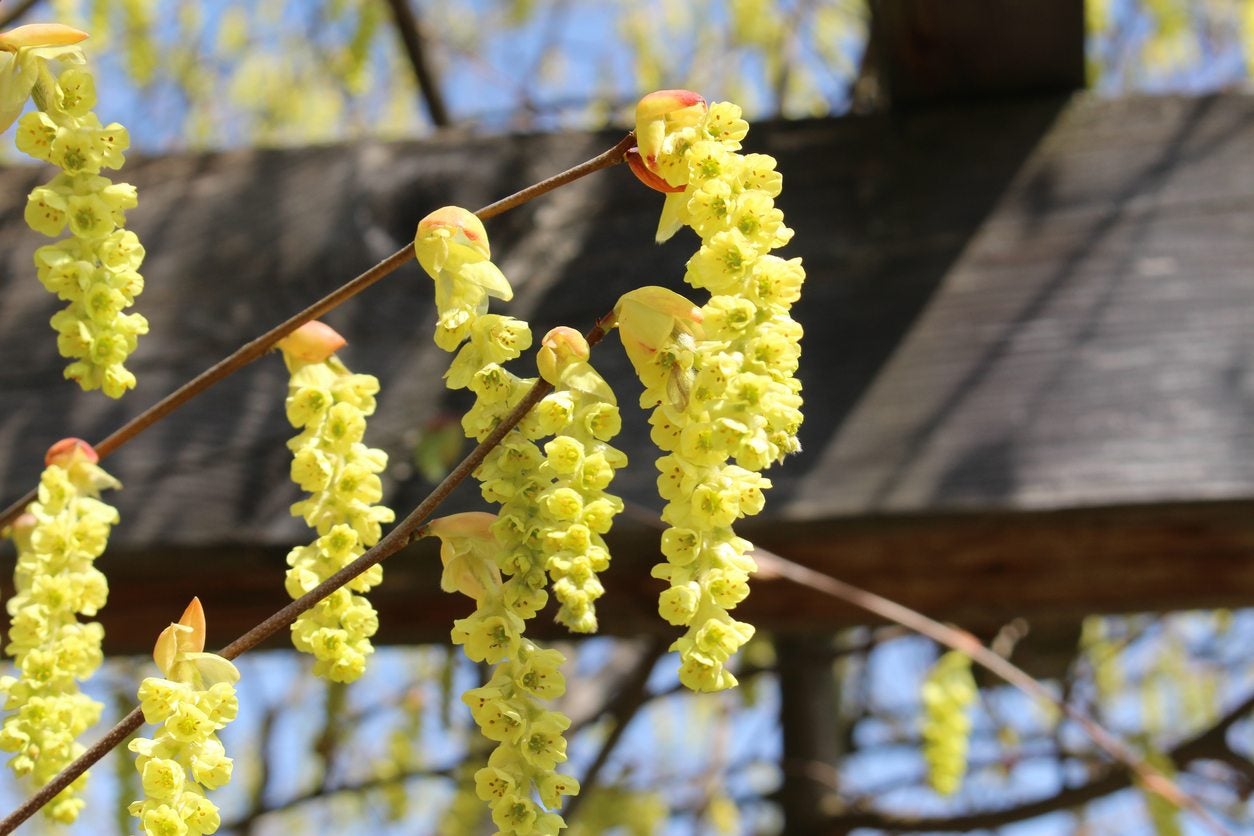
Winter hazel is a gentle, understated beauty.
In late winter, its bare branches drip with dangling chains of soft, primrose-yellow bells.
The fragrance is delicate and sweet, a bit like cowslips.
It loves a spot with a little shade and shelter, making it a lovely choice for a woodland-style corner.
6. White Forsythia
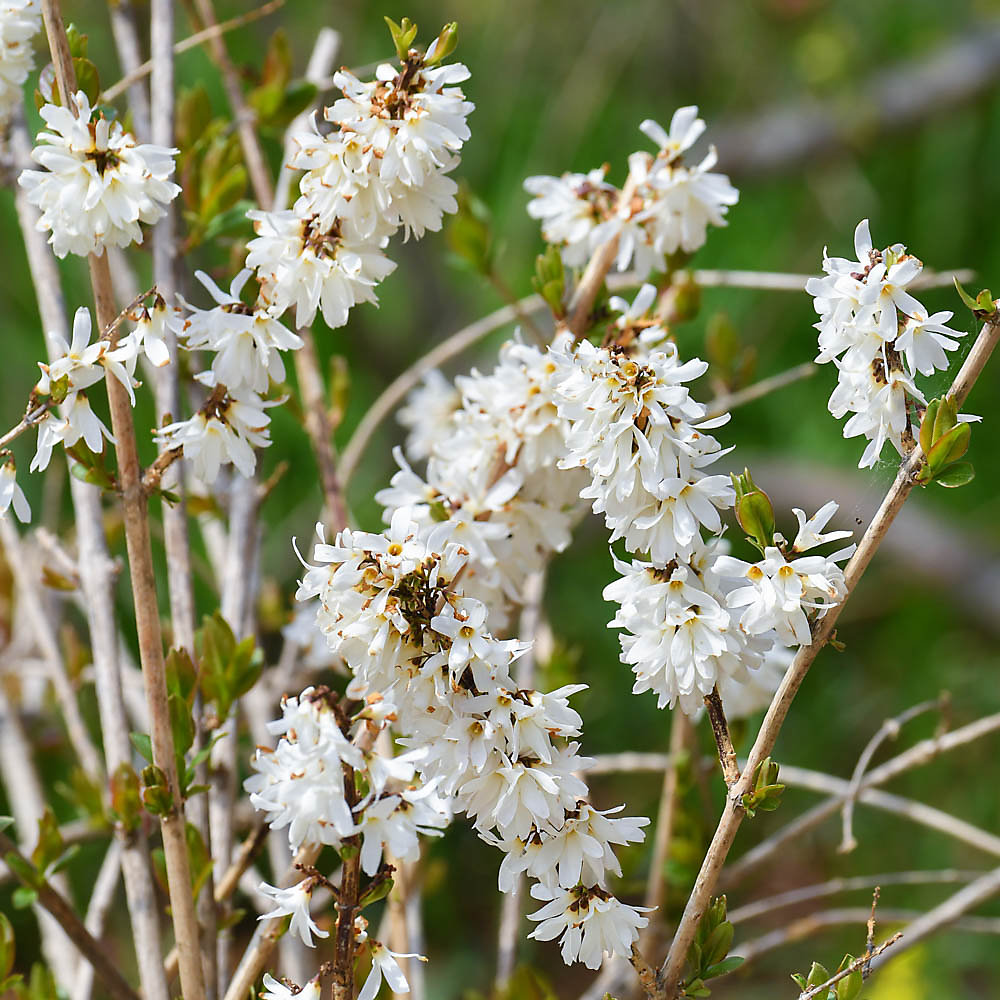
This one is criminally underused, and you should be the friend who grows it.
Despite the name, it is not a true forsythia.
Its arching bare stems line themselves with dainty white flowers, each blushed with the faintest pink, and they release a sweet almond-and-honey scent.
It flowers weeks before the yellow spring forsythia everyone knows.
7. Holly Tea Olive
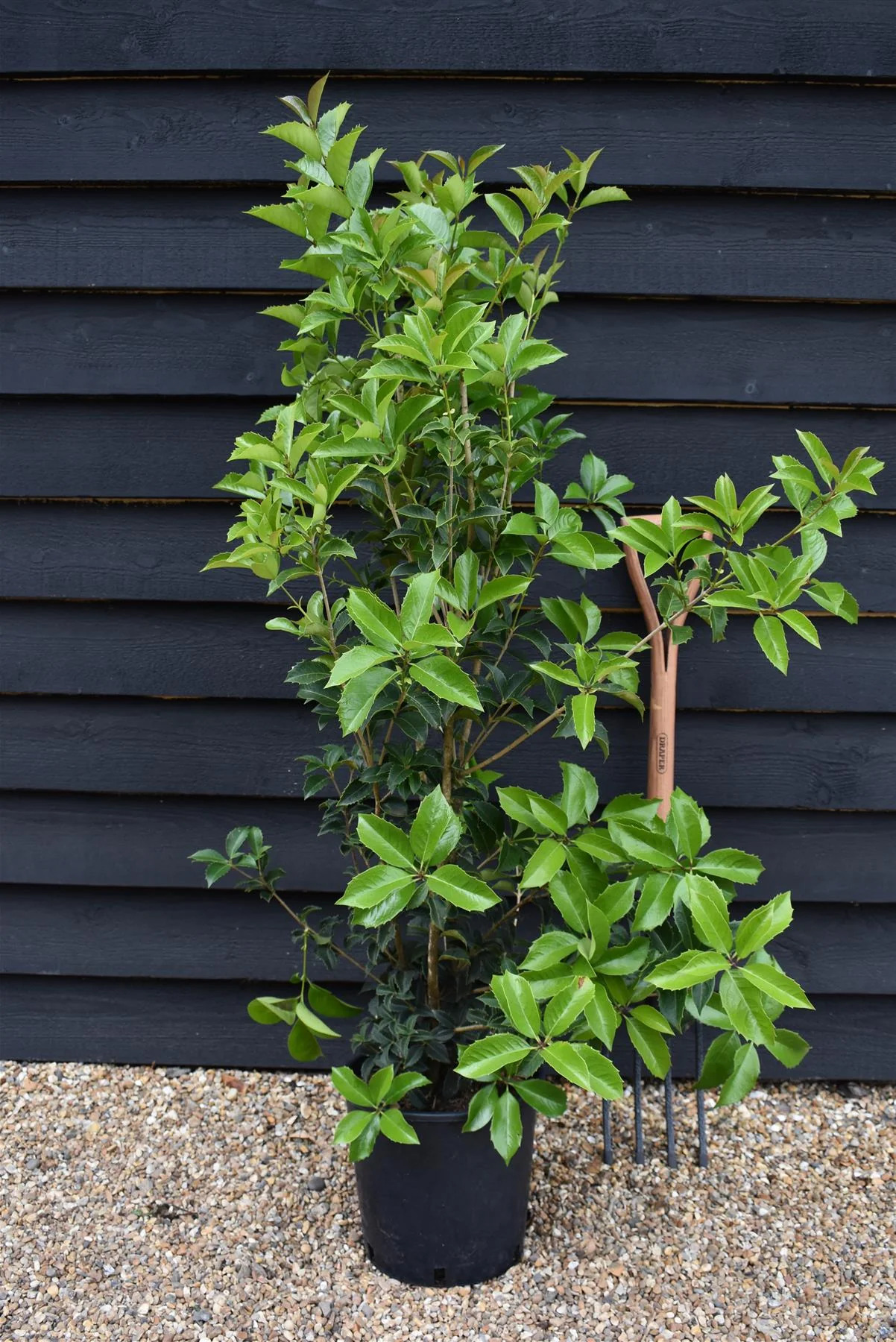
The flowers here are almost comically tiny.
The scent is anything but.
This handsome evergreen has holly-like leaves and clusters of minute white blooms that pump out a powerful apricot-and-jasmine perfume you can smell right across the garden.
It is the hardier cousin of the classic sweet tea olive, so it suits gardens a touch too cold for that Southern favorite.
8. Sweet Box
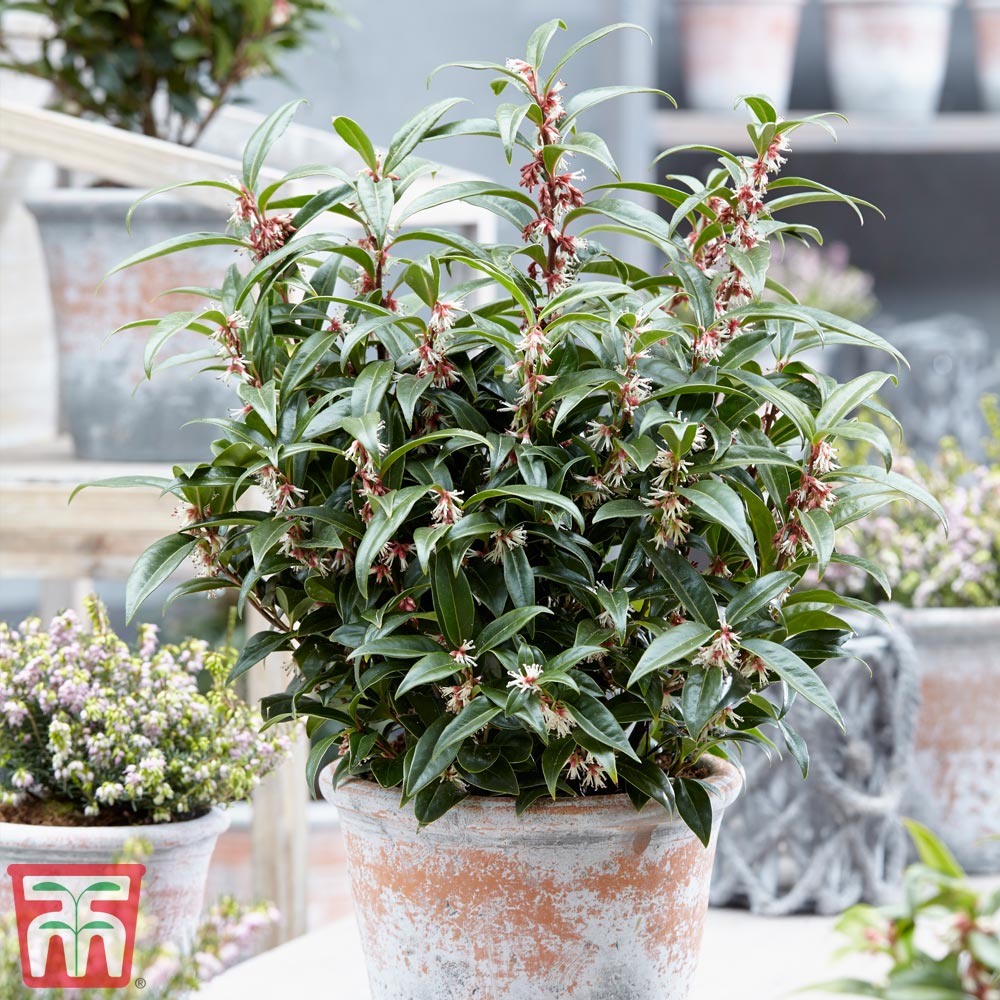
Sweet box might be the best-kept secret on this whole list.
It is a modest, glossy little evergreen that thrives in the dry shade where almost nothing else will grow.
The flowers? Barely visible, tucked among the leaves.
And yet they throw out an astonishing honey-and-vanilla perfume that stops people mid-stride, wondering where on earth it is coming from.
Glossy black berries follow.
Plant it by a path and enjoy the confusion on visitors’ faces.
9. Skimmia
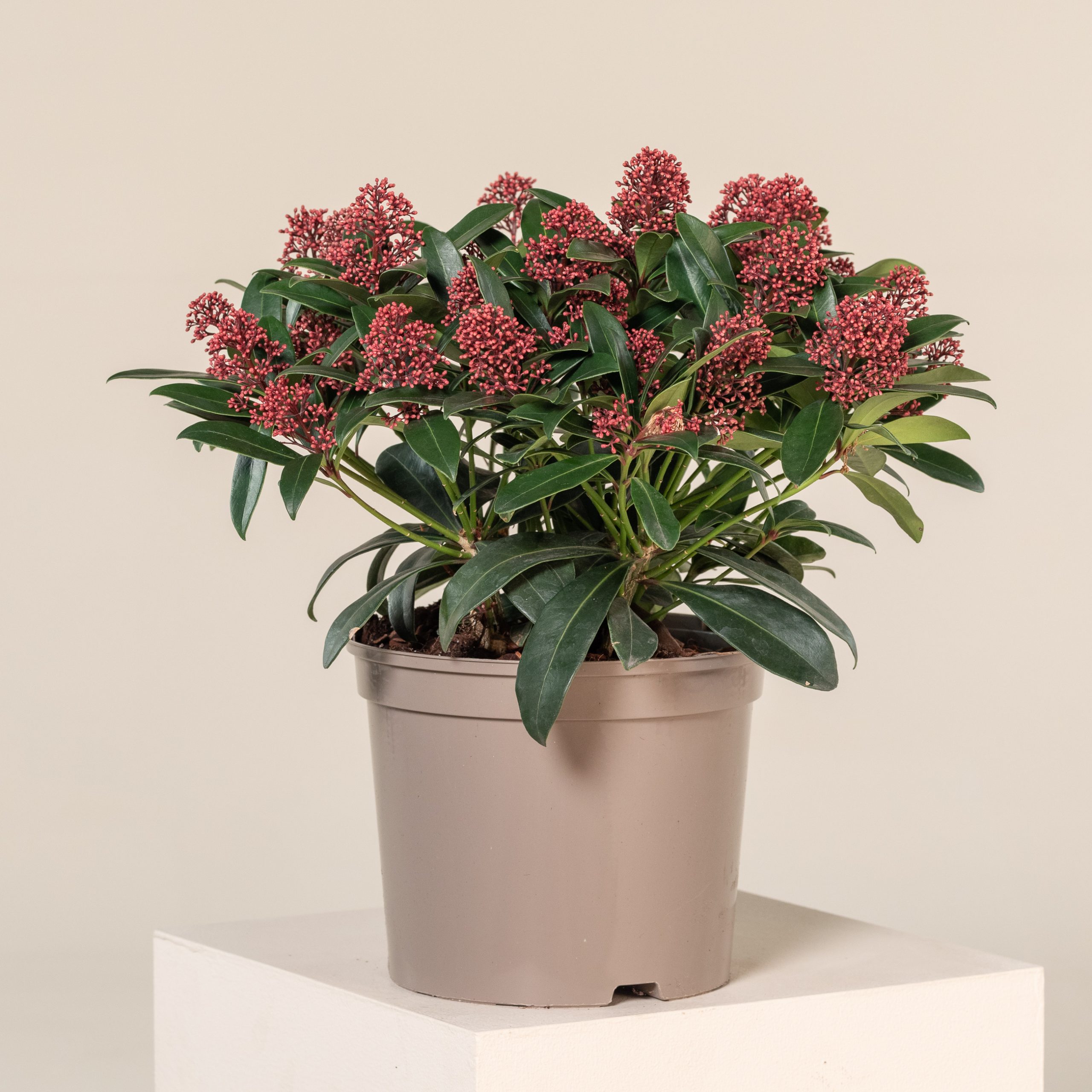
Skimmia earns its place three times over.
Through winter it carries showy clusters of colorful buds.
In late winter those open into sweetly scented white flowers with a lily-of-the-valley perfume.
And on female plants, brilliant red berries follow and last for months.
It is a neat, shade-loving evergreen.
Just remember you usually need a male plant nearby for a female to set those berries.
10. Mahonia
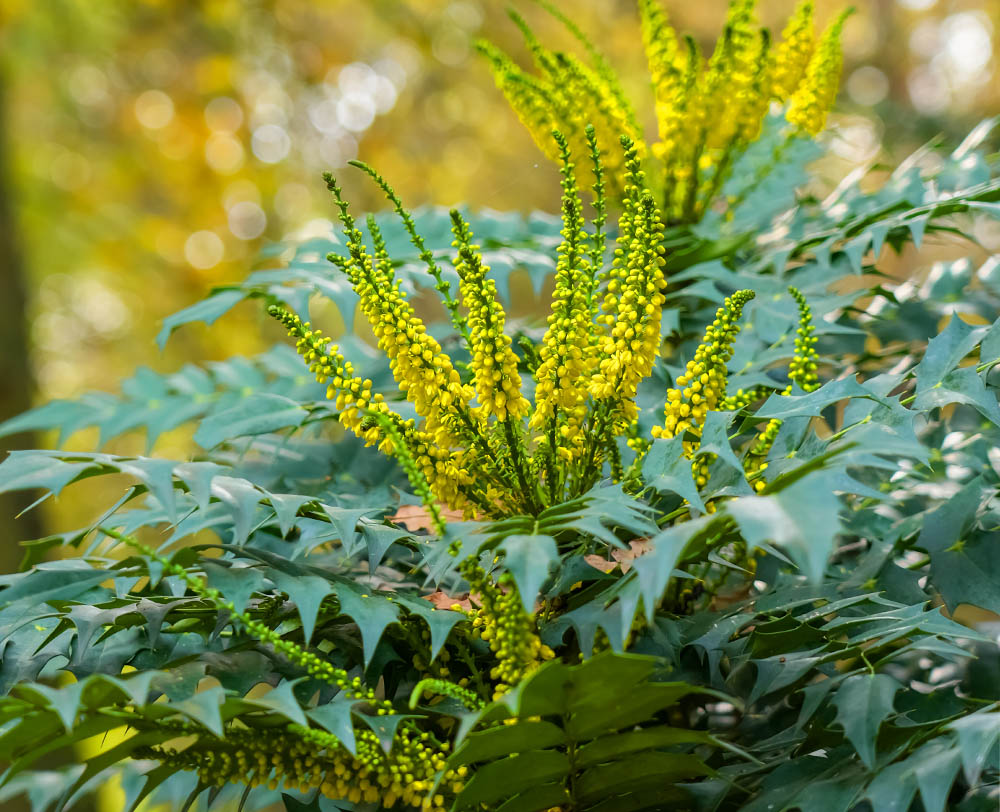
Mahonia is bold, architectural and impossible to ignore.
From its spiky evergreen foliage rise tall, dramatic spikes of bright yellow flowers, right in the depths of winter.
They smell of lily-of-the-valley with a hint of honey, and they are a genuine lifeline for the odd bee out foraging on a warm winter day.
Blue-black berries follow.
Do note that one relative, leatherleaf mahonia, is invasive in parts of the Southeast, so stick to the hybrid types like ‘Winter Sun’ and check locally first.
11. Wintersweet
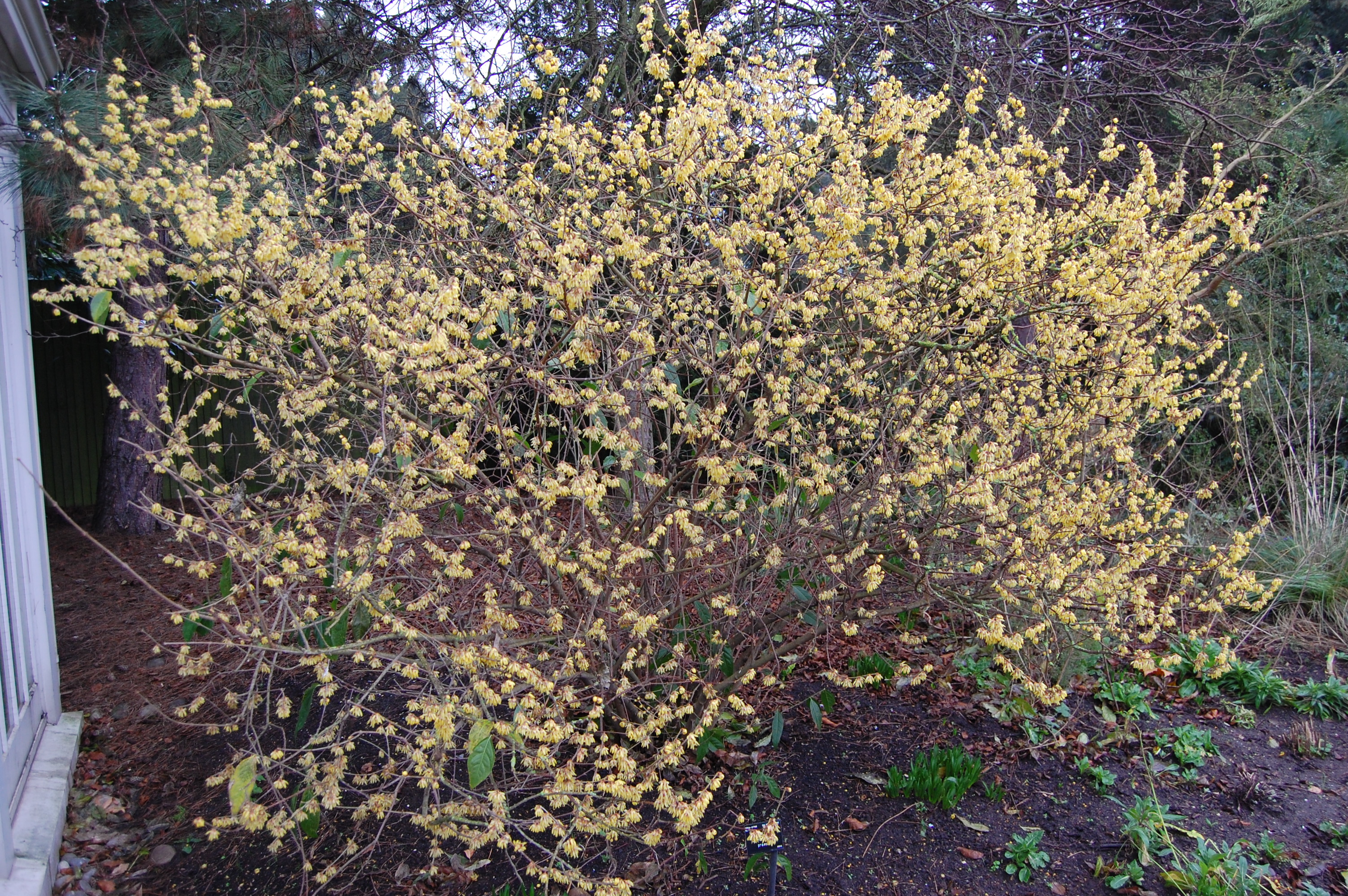
Wintersweet is pure old-world charm.
Its bare winter branches hang with waxy, almost translucent, pale-yellow cups, each hiding a little maroon heart at the center.
The perfume is intense, spicy and sweet, and gardeners once cut the stems to scent their linen cupboards.
It is slow to settle in and can take a few years to really flower.
Trust me, it is worth the wait.
12. Winter Daphne
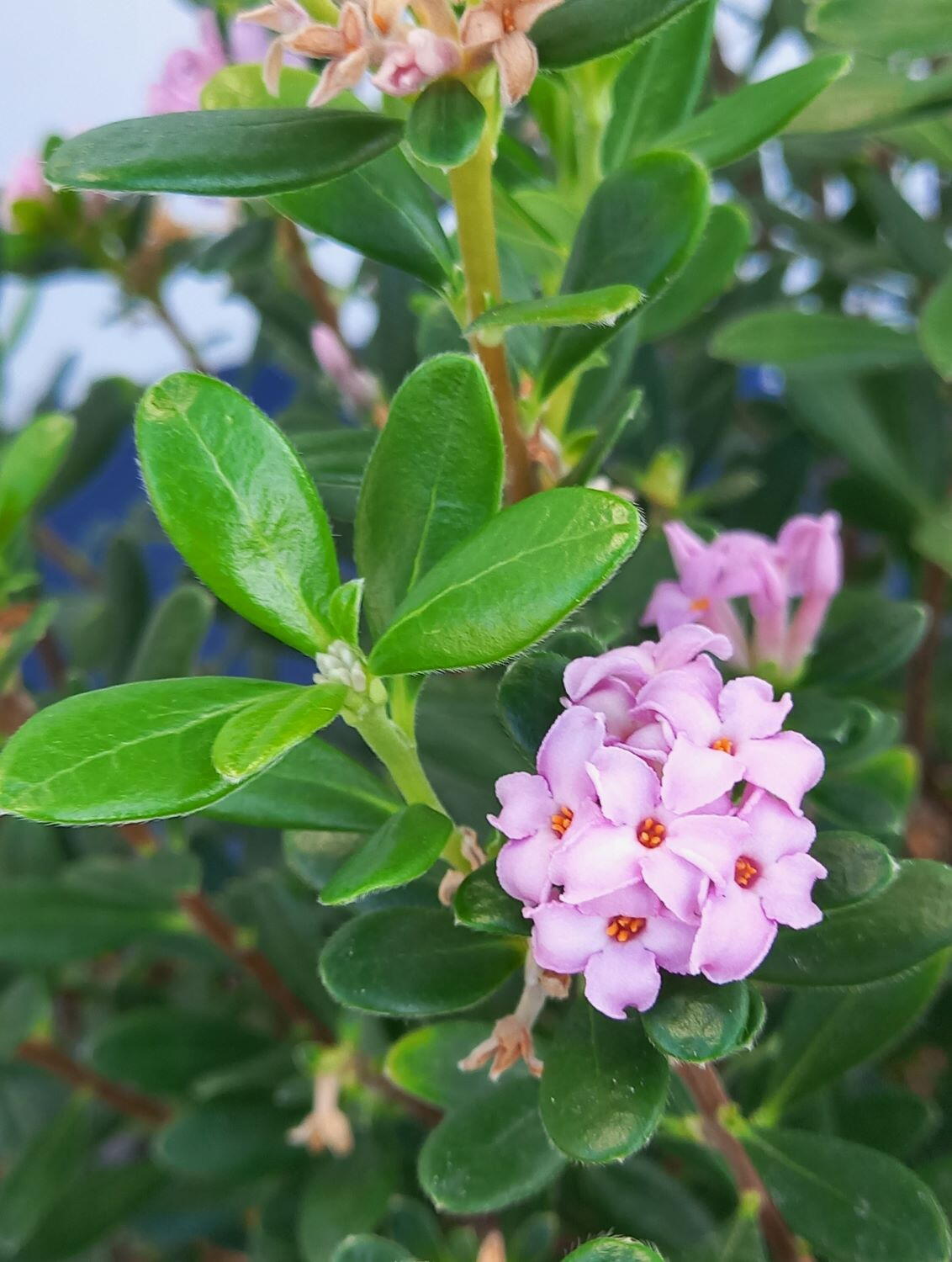
If you ask gardeners to name the best winter scent of all, many will say daphne.
This rounded evergreen carries clusters of little star-shaped flowers, pink outside and white within, and the perfume is rich, sweet and gloriously citrusy.
It can be a touch fussy, wanting sharp drainage and hating to be moved or overwatered.
Worth knowing too: every part of a daphne is poisonous, and the sap can irritate skin.
Plant it away from where children and pets play, and wear gloves when you prune.
13. Nepalese Paper Daphne
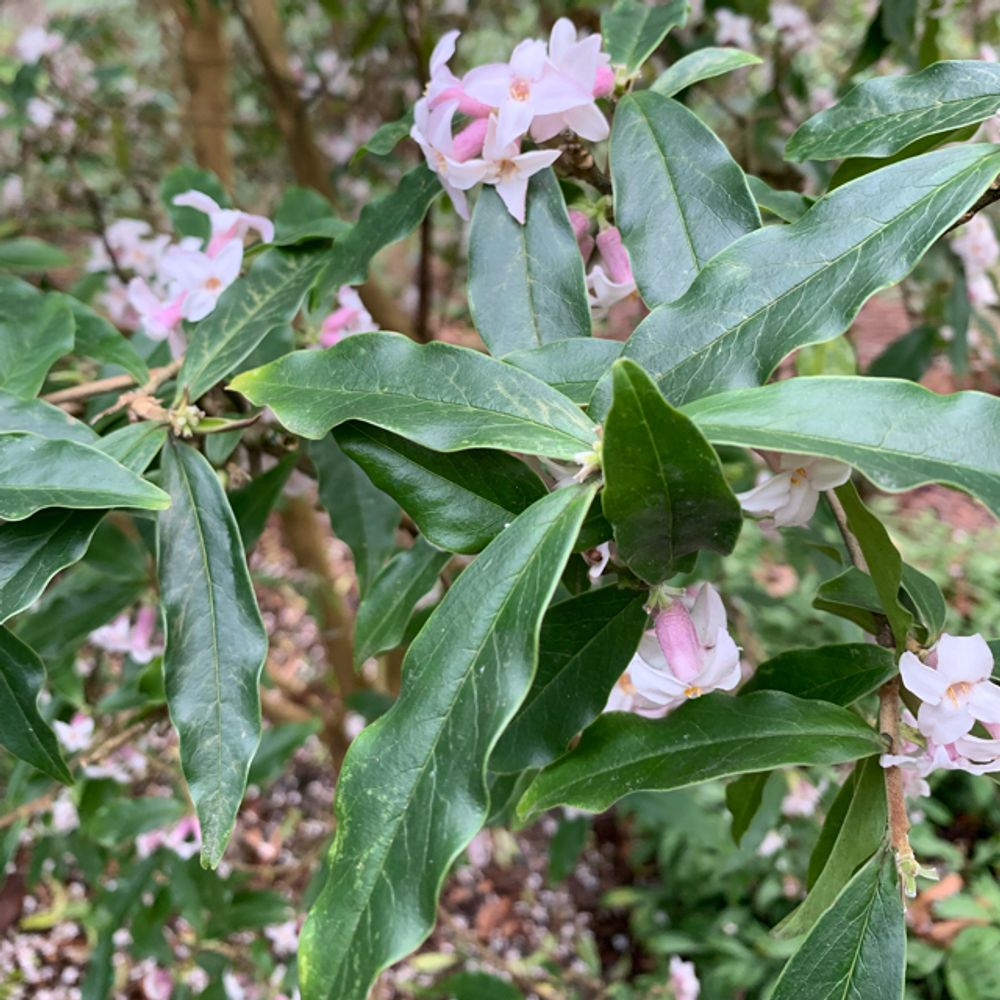
This is daphne turned up to eleven.
Taller and more upright than winter daphne, the Nepalese paper daphne carries generous clusters of pink-and-white flowers, and its scent may be the most intoxicating of any shrub here.
The variety ‘Jacqueline Postill’ is the one to hunt down.
It is a little hardier than its cousin, but the same toxicity warning applies, so handle it with the same care.
14. Paperbush
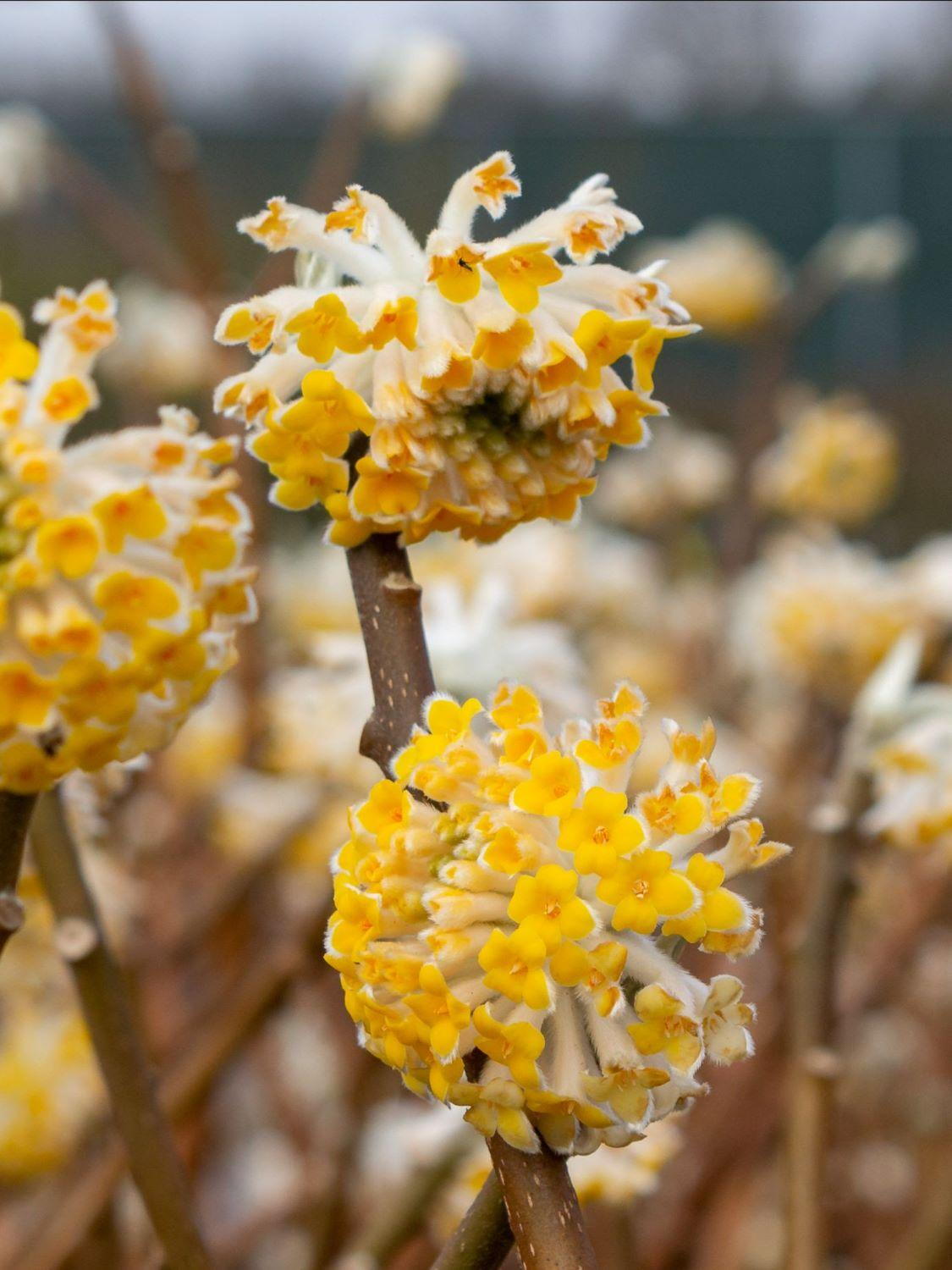
Paperbush is a real conversation starter.
Through fall and early winter its bare branches are tipped with silky, silvery buds that look like little pussy-willow pom-poms.
Then, in late winter, they burst open into rounded clusters of fragrant yellow flowers.
The scent is sweet and daphne-like.
Its papery bark was once used to make high-quality paper, which is where the name comes from.
15. Sweet Tea Olive
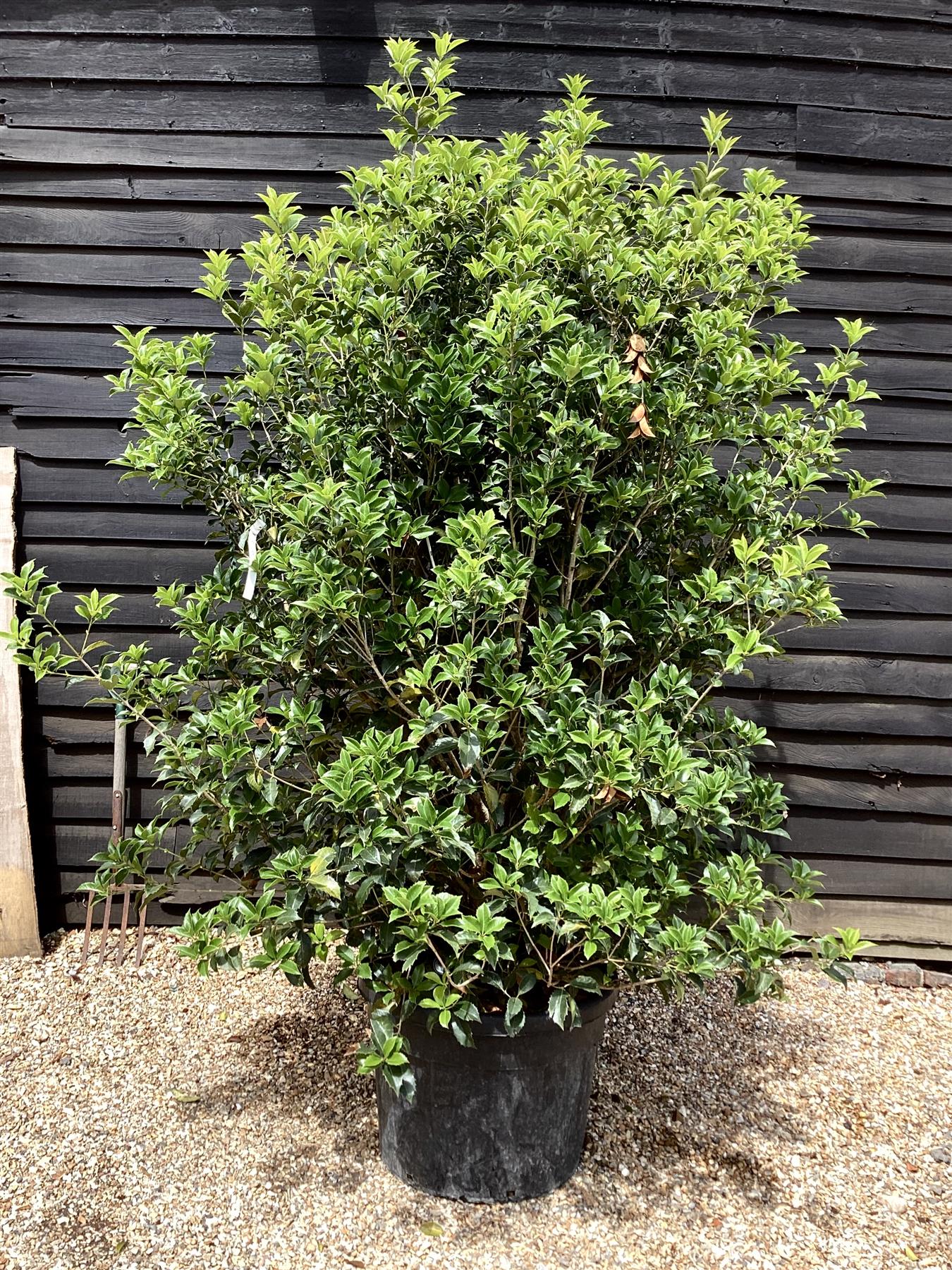
Ask any Southern gardener about their favorite scent and this is the one they will name.
Sweet tea olive is famous for a reason.
The flowers are so small you will barely spot them, but the fragrance is extraordinary, a rich peach-and-apricot perfume that drifts clear across the yard whenever a mild spell hits.
It blooms on and off from fall through spring.
You will smell it long before you find it.
16. Sasanqua Camellia
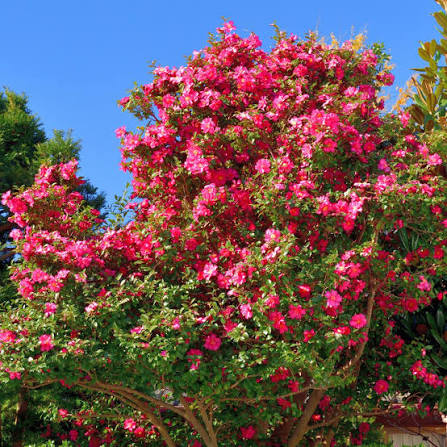
Most people know camellias as a spring flower.
The sasanqua types flip the script and bloom in fall and early winter instead, in lovely shades of white, pink and red.
They are tougher and more sun-tolerant than their spring cousins, and they shrug off winter rain beautifully.
Fragrance varies by variety, so if scent is your goal, choose a named fragrant cultivar.
Even the barely-scented ones earn their spot for that glossy evergreen backdrop and those cheerful winter blooms.
A quick word on the toxic and the pushy ones.
Two small cautions so nothing catches you out.
Both daphnes are poisonous in every part, so keep them clear of areas where kids and pets play, and glove up to prune them.
And winter honeysuckle, along with leatherleaf mahonia, can be invasive in some US regions, so it is always worth a quick check of your local invasive list before you buy.
How to get the most out of your winter perfume
- Plant them in your path. By doors, gates, paths and windows, never the far corner. You cannot enjoy a scent you never walk past.
- Give them shelter. A spot against a wall or fence traps the warmth that releases the fragrance and stops the wind whisking it away.
- Prune right after flowering. Never before. Cut too early and you snip off the very buds you have been waiting all year for.
- Be patient with the slow ones. Witch hazel, wintersweet and daphne all take their time, so buy a larger plant up front if you can.
- Mix early and late. Combine a few of these and you can have fragrance rolling from October all the way to spring.
Bring your winter garden to life
Winter does not have to mean a dead, scentless garden.
Not even close.
Tuck a few of these shrubs into the right spots and the bleakest months of the year suddenly come with their own perfume, pulling you outside on days you would otherwise stay curled up indoors.
Start with one easy, generous performer like sweet box by the back door or witch hazel along the path.
Then wait for that first cold morning when the scent stops you dead and makes you smile.
Trust me, it is the best kind of surprise.
Happy planting, and enjoy the winter magic. ❄️