
Ornamental grasses might be the hardest-working plants in the whole garden. 🌾
They sway in the breeze, catch the low autumn light, feed the birds and ask for almost nothing in return.
But here is the catch most people miss.
With grasses, when you plant matters just as much as what you plant.
Get the timing wrong and that lovely new grass you just paid good money for can quietly rot away over winter before it ever gets the chance to settle in.
The secret is simple. You just need to know whether your grass is cool-season or warm-season. Plant the right ones now and they will establish beautifully. The others are far better left until spring.
Here is exactly which is which.
Why the timing makes or breaks it.
Cool-season grasses do most of their growing in the cooler months. A fall planting gives their roots time to dig in before winter, and they thank you by greening up nice and early next spring.
Warm-season grasses are the complete opposite. They stay asleep until the soil warms up, so a plant set out now just sits there cold and wet with no way to root. More often than not it rots or gets heaved out of the ground over winter.
So plant your cool-season grasses now, and save the warm-season ones for spring. That one rule is the whole game.
1. Feather Reed Grass

If you want instant structure, start here.
Feather reed grass grows bolt upright, sending up narrow feathery plumes that turn a lovely wheaty gold and hold their shape all winter.
It is one of the first grasses to wake up in spring, and the much-loved variety ‘Karl Foerster’ is a brilliant, reliable place to begin.
2. Blue Fescue
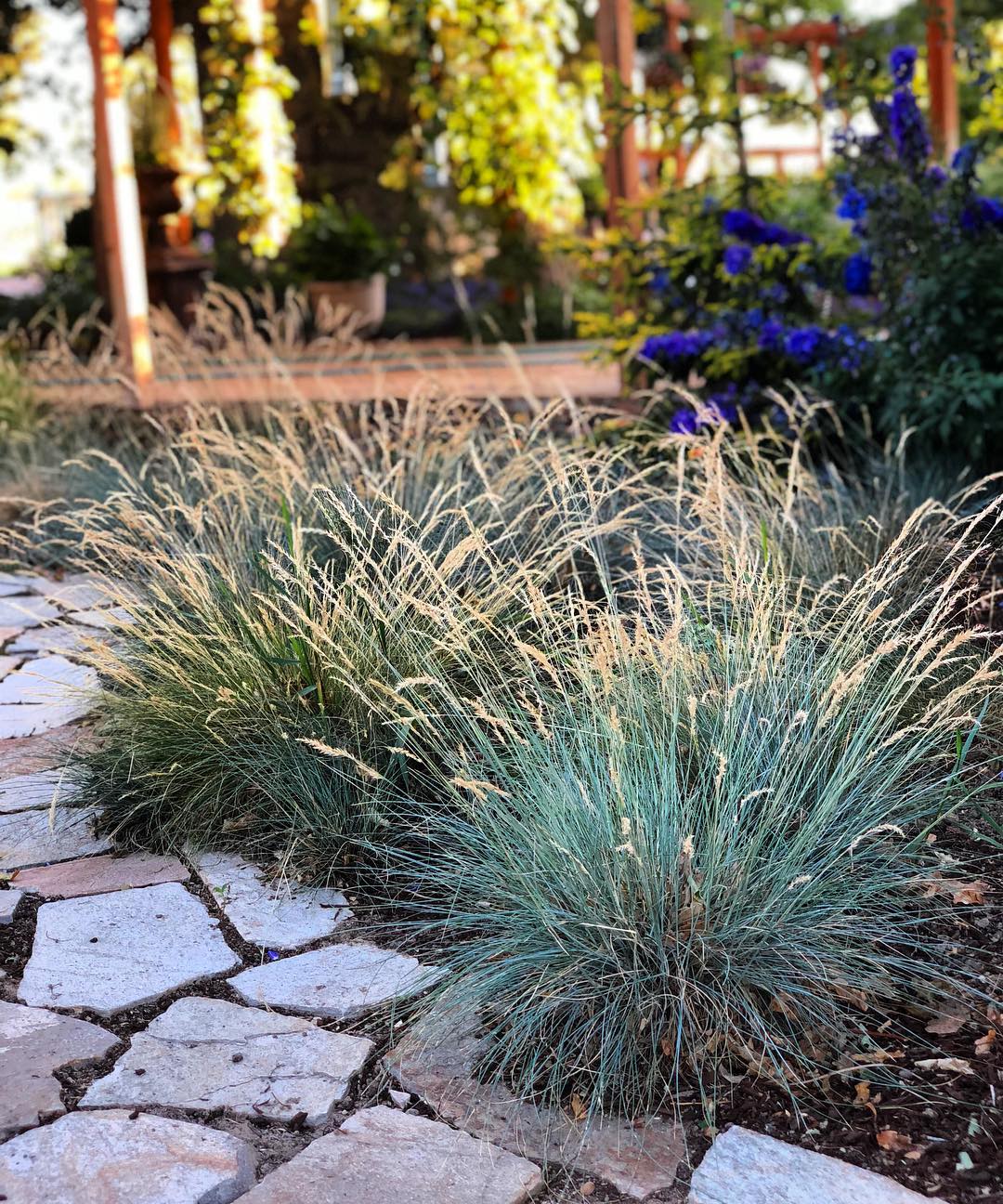
This little charmer forms neat, spiky pincushions of silvery blue.
It is perfect for edging a path, filling a rock garden, or dotting through a border for a cool pop of color.
One tip: blue fescue is fairly short-lived, so divide it every few years to keep it looking its best.
3. Blue Oat Grass
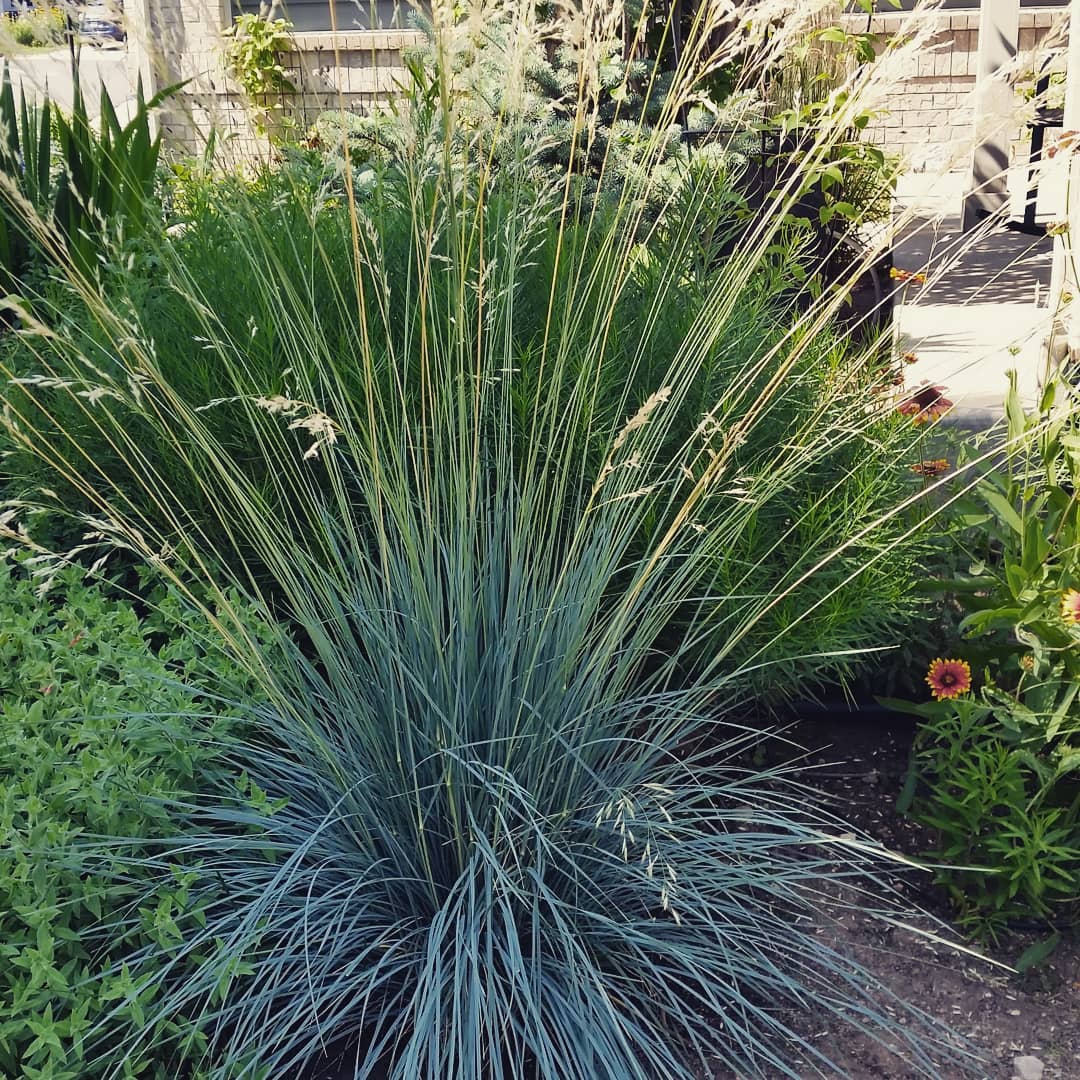
Think of blue oat grass as blue fescue’s bigger, bolder cousin.
It makes a striking steel-blue fountain of fine, arching blades, topped with oat-like flower spikes in summer.
It stays good-looking nearly year-round and shrugs off drought once established.
4. Tufted Hair Grass
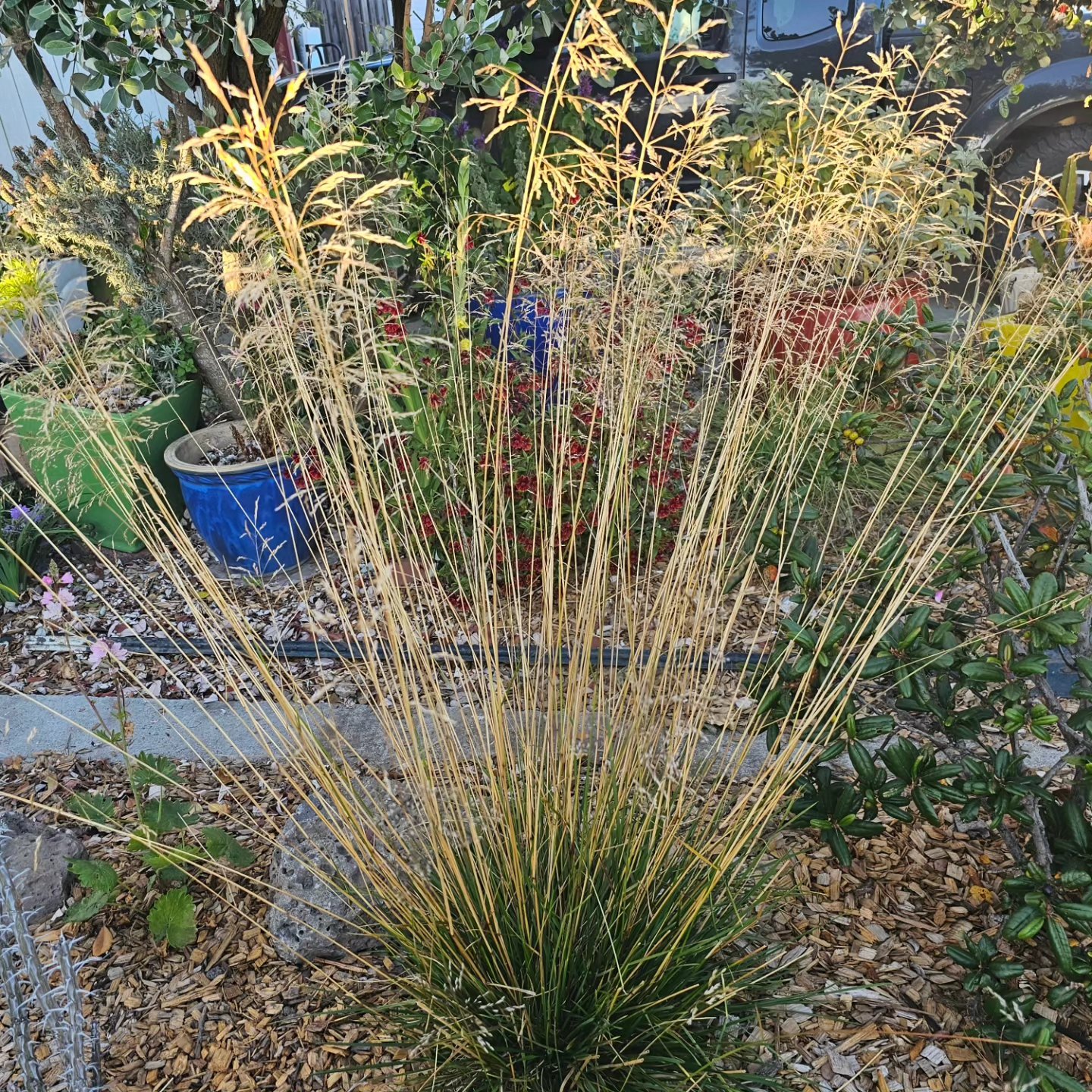
A North American native and a bit of a magician with light.
In summer it throws up a haze of airy golden flowers that positively glow when the sun shines through them.
Best of all, it is one of the few grasses that flowers well even in part shade.
5. Pennsylvania Sedge
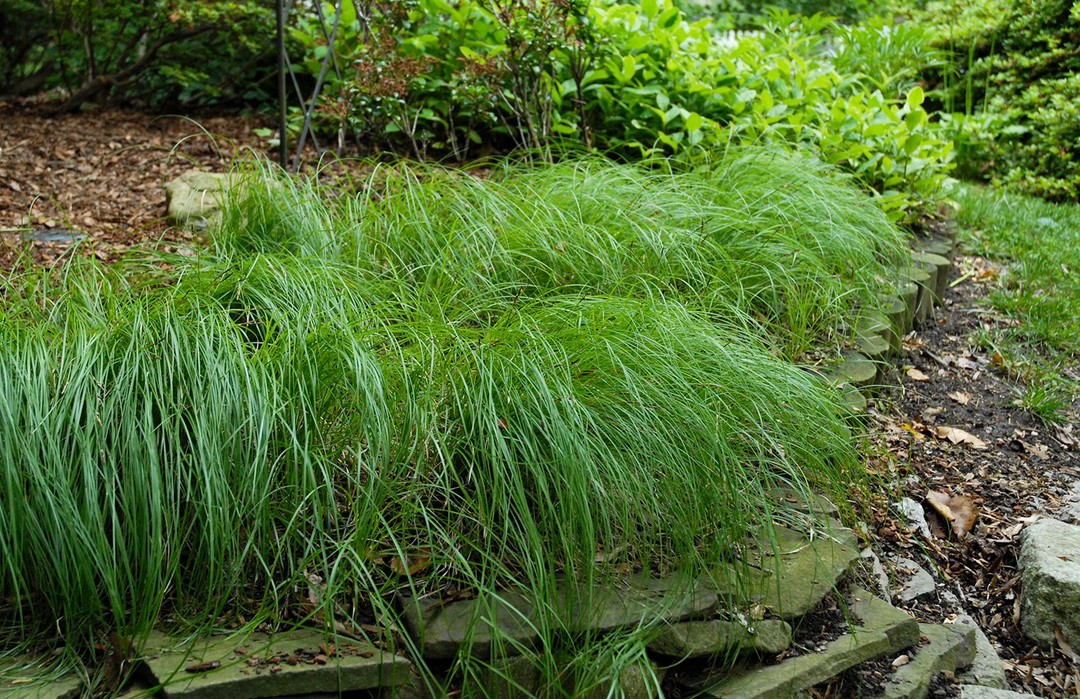
Technically a sedge rather than a true grass, but it earns its spot easily.
This soft, fine-textured native spreads into a gentle, flowing carpet in dry shade, the exact spot where most lawns give up.
It makes a wonderful low-mow lawn alternative under trees.
6. Autumn Moor Grass
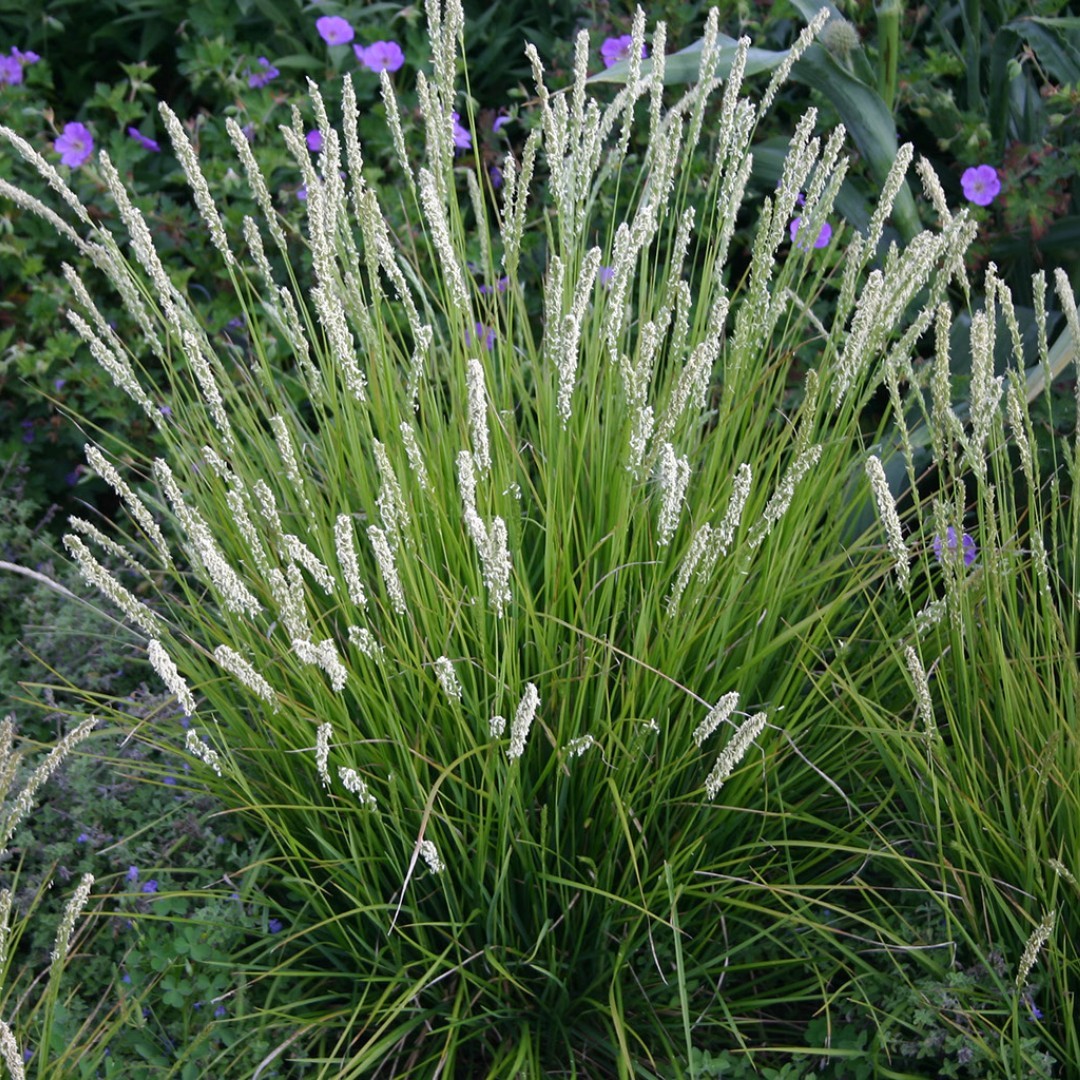
A tidy, well-behaved little clump of fresh chartreuse-green.
True to its name, it sends up slender silvery flower spikes in late summer and fall, just when you want the interest.
It is tough, adaptable, and stays neat without any fuss.
1. Switchgrass
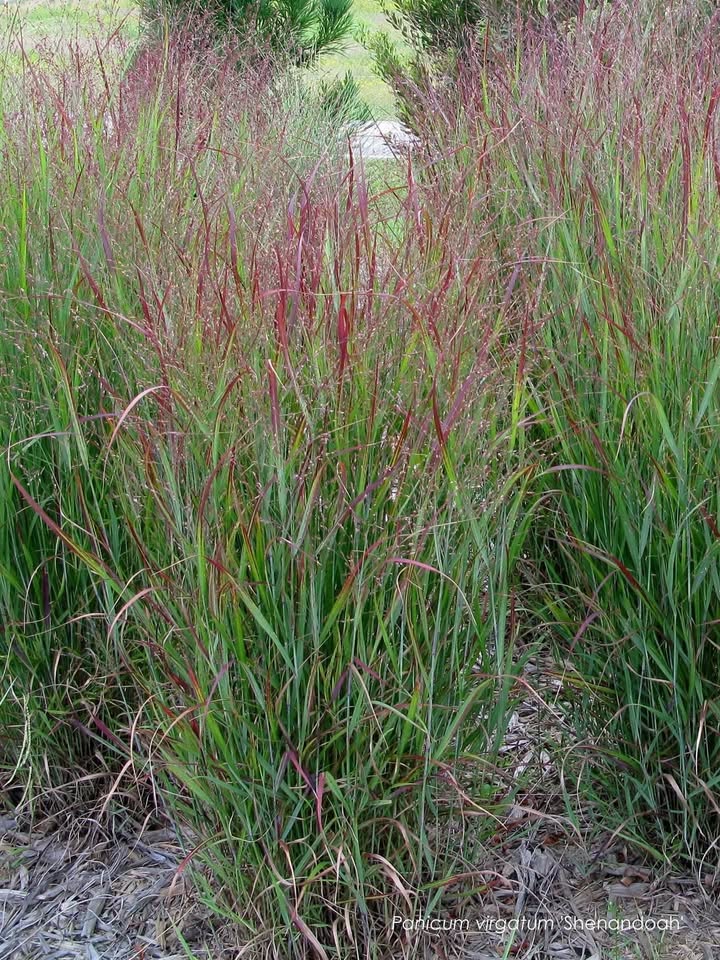
A true native prairie star, and a garden workhorse.
Switchgrass stands tall and upright, then floats a cloud of airy, pink-tinged seed heads above the foliage in late summer.
Come fall it often turns glowing shades of gold and burgundy. Plant it in spring so it can root into warm soil.
2. Little Bluestem
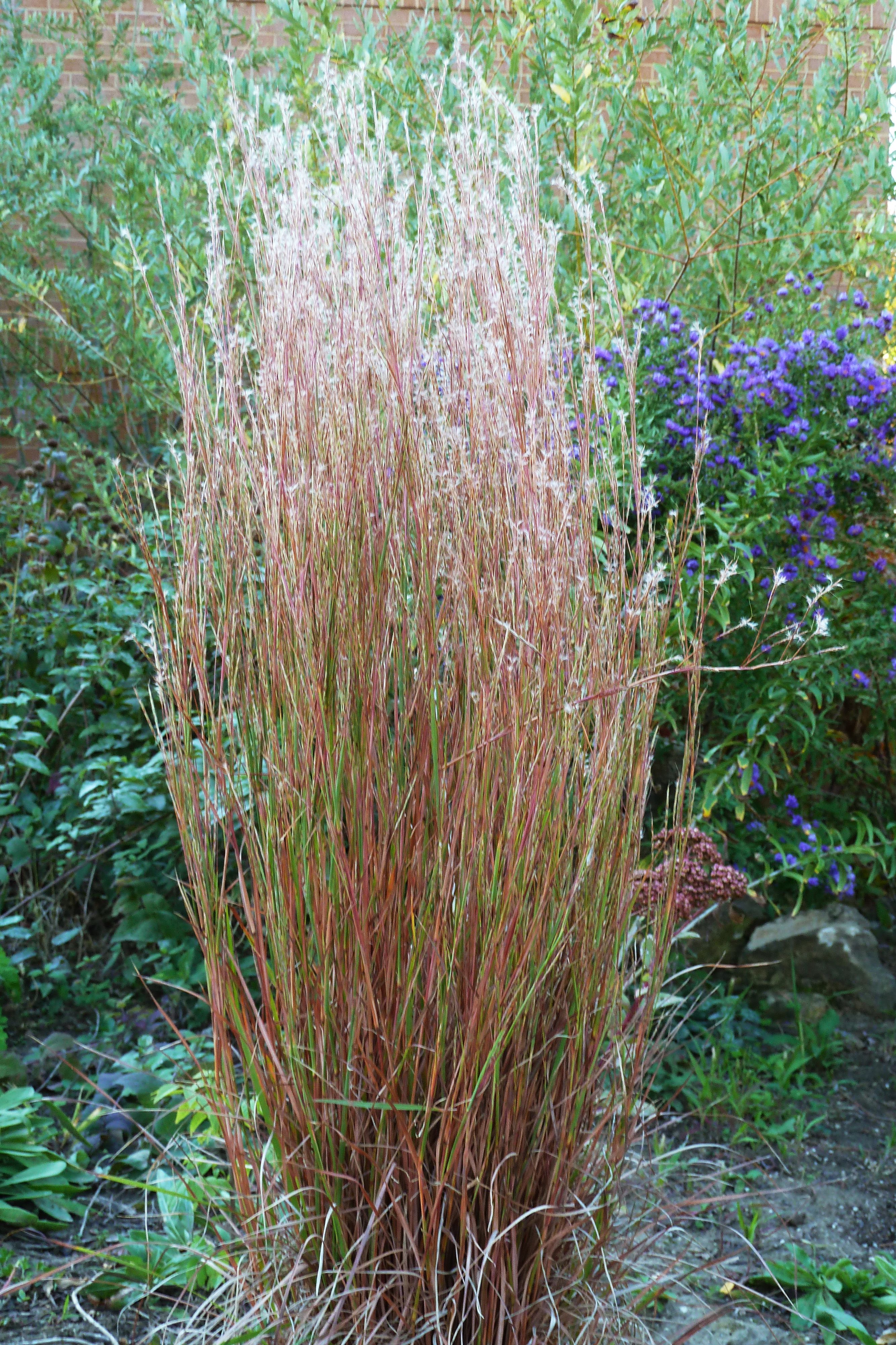
This native is all about the fall show.
Its blue-green summer blades ignite into fiery copper, orange and red as the season turns, lit up with fluffy silver seed heads.
It is tough as nails and drought-proof once settled, but it wants that warm spring soil to get going.
3. Big Bluestem
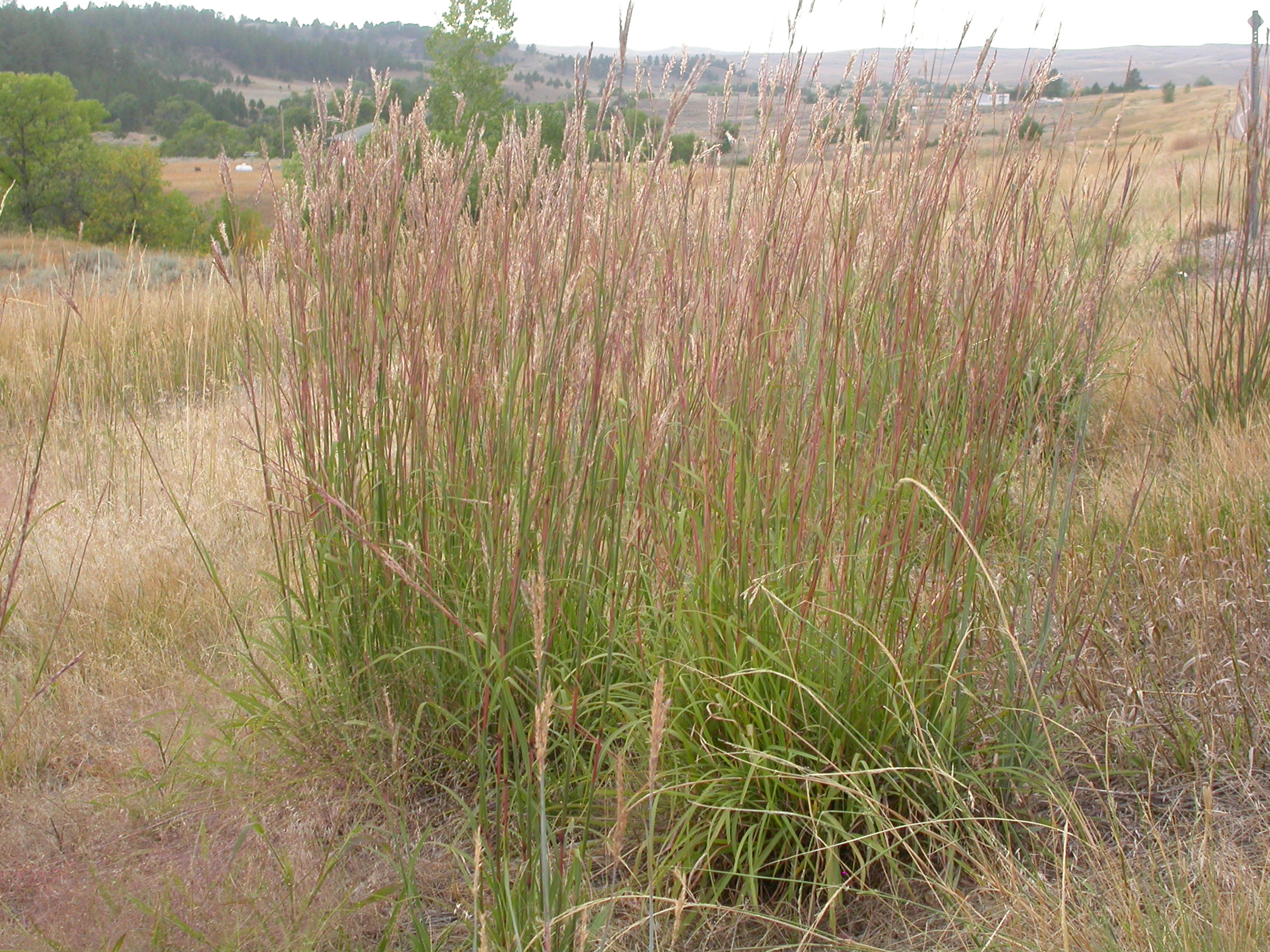
The giant of the tallgrass prairie, and a real statement plant.
It towers overhead by late summer and carries distinctive three-pronged seed heads often called turkey-foot.
It finishes the year in rich bronze and red. Use it as a dramatic screen or backdrop, and plant it in spring.
4. Pink Muhly Grass
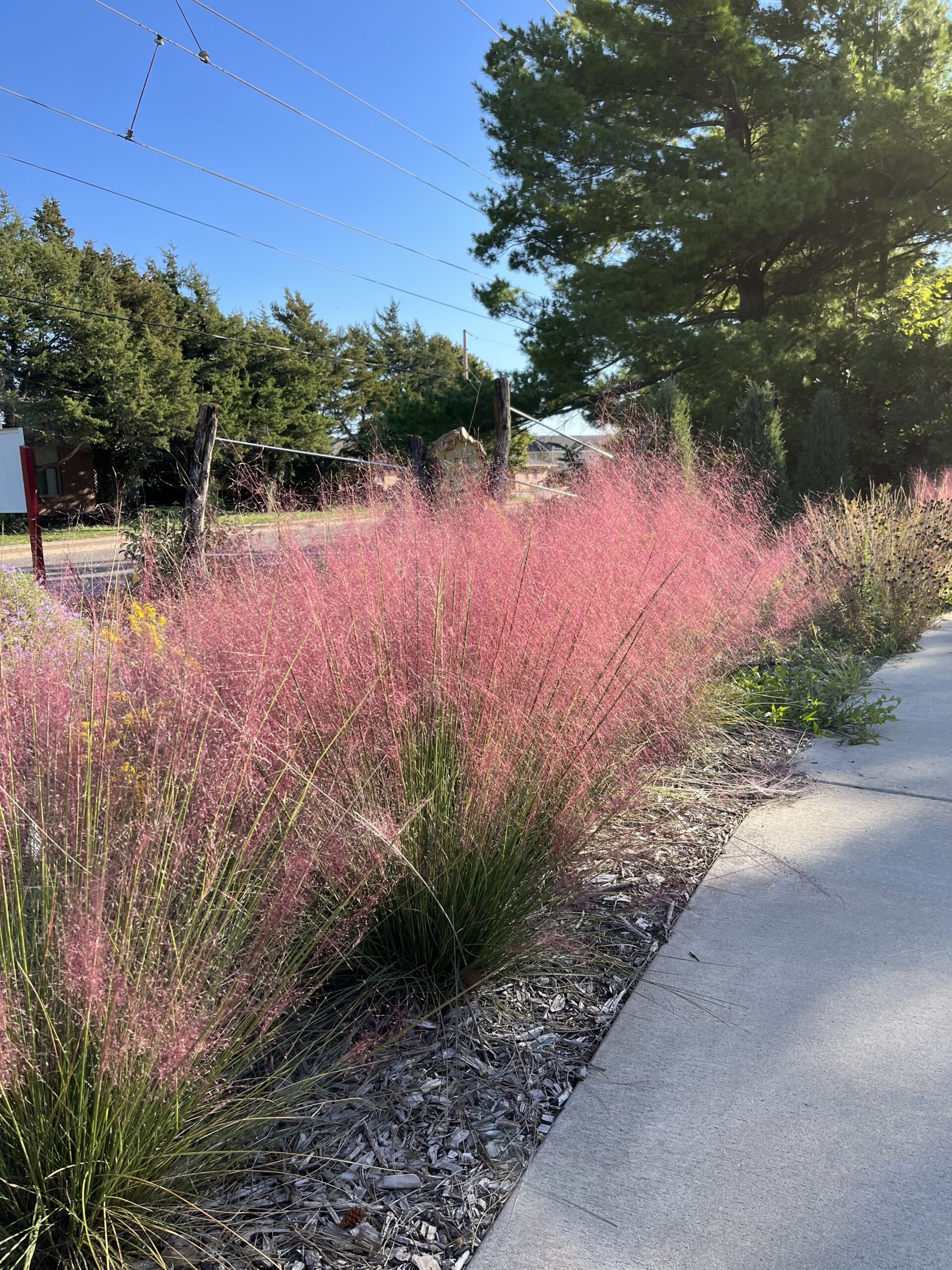
This is the one that breaks the internet every fall.
For a few glorious weeks, pink muhly explodes into a weightless cloud of candy-pink haze that looks almost unreal.
It is a heat-loving native that needs warm soil to establish, so resist the urge now and plant it in spring.
5. Blue Grama
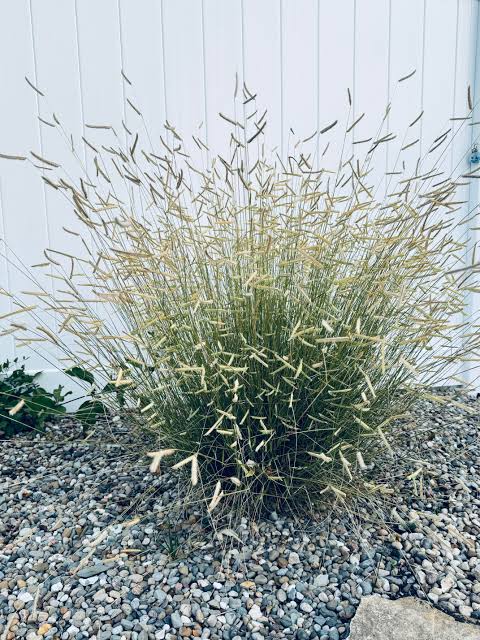
A quirky, characterful little native from the shortgrass prairie.
Its seed heads dangle sideways off the stems like tiny eyelashes or combs, which always gets a smile.
It is wonderfully drought tolerant and compact, but like its prairie cousins, it wants a spring start.
6. Hakone Grass
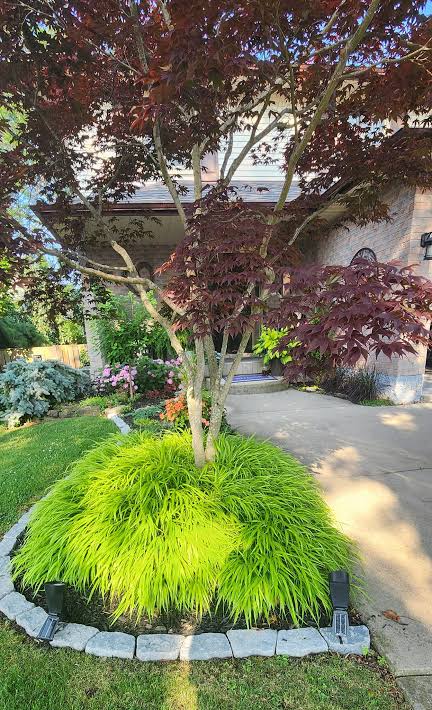
Also known as Japanese forest grass, this is the elegant exception for shade.
It forms a soft, cascading mound of bamboo-like leaves that spills beautifully over the edge of a pot or path, and the golden forms light up a dark corner.
It is slow to establish, so give it the head start of warm spring soil.
Skip these two, whatever the season.
Two grasses are best left on the shelf entirely: pampas grass and Chinese silver grass (Miscanthus sinensis).
Both are invasive in parts of the US, seeding into wild areas and crowding out native plants.
Always check your state’s invasive list before buying either one.
A few tips to get them established
- Plant cool-season grasses early enough. Aim for at least six weeks before your first hard frost, so the roots settle before the ground freezes.
- Water, then mulch. Give them a weekly drink until the ground cools down, then spread about two inches of mulch around the crown for winter protection.
- Leave every grass standing through winter. The seed heads feed the birds and look stunning edged in frost. Cut them back in early spring, not now.
Plant smart, and let them sway
So before you head to the garden center, just check which camp your grass falls into.
Cool-season now, warm-season in spring. That one little rule saves you money and a lot of disappointment.
Get your cool-season picks in over the next few weeks, pencil the warm-season ones in for a spring shopping trip, and you will soon have a garden full of grasses that shimmer, rustle and sway right through the seasons.
Happy planting, and enjoy the rustle. 🌾