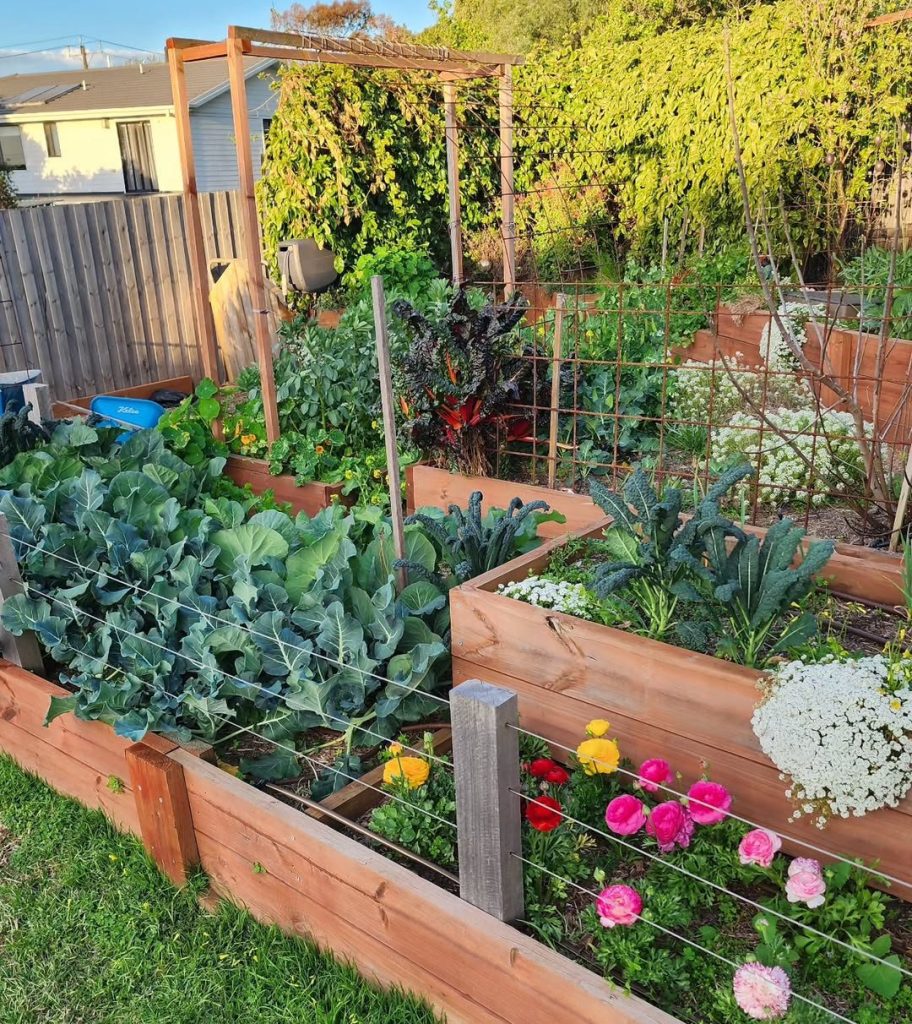
Before you toss that avocado pit, celery stump or handful of lemon seeds in the trash, wait a second. 🌱
Half of your grocery haul can grow again, for free, on a sunny windowsill.
Some scraps give you more food to eat. Others turn into gorgeous houseplants and little indoor trees.
But here is the thing that trips everyone up.
Some of these root best sitting in a glass of water, and others rot almost instantly in water and need a damp paper towel instead. Mix those two up, and you get a slimy, moldy mess rather than roots.
So let’s sort them out properly. Here are twelve kitchen scraps that root at home, split into the two camps they belong in. 🪴
The one rule that stops the rot.
Cuttings, pits and leftover bases, things like basil, celery and avocado, are happy rooting in a glass of water.
Actual seeds, like lemon, mango and papaya, are the opposite. Drop them in open water and they just rot. They need to be wrapped in a damp paper towel instead.
That single mix-up is why your last attempt turned to mush. Get each one in the right camp and your success rate shoots up.
Want to see roots this week? Start with green onion. It sprouts in 3 to 5 days and is almost impossible to fail. Celery and romaine are close behind at 5 to 7 days. Perfect quick wins to get you hooked.
1. Avocado Pit

The classic kitchen-science project, and a genuinely magical one to watch.
Rinse the pit and sit it broad end down, with the bottom third sitting in water. Toothpicks poked into the sides, or a little rooting vase, will hold it up.
A fat root appears first, then a shoot splits the top. One honest note: a pit-grown avocado makes a handsome houseplant, but it rarely fruits indoors and can take many years, so grow it for those glossy leaves.
2. Pineapple Crown
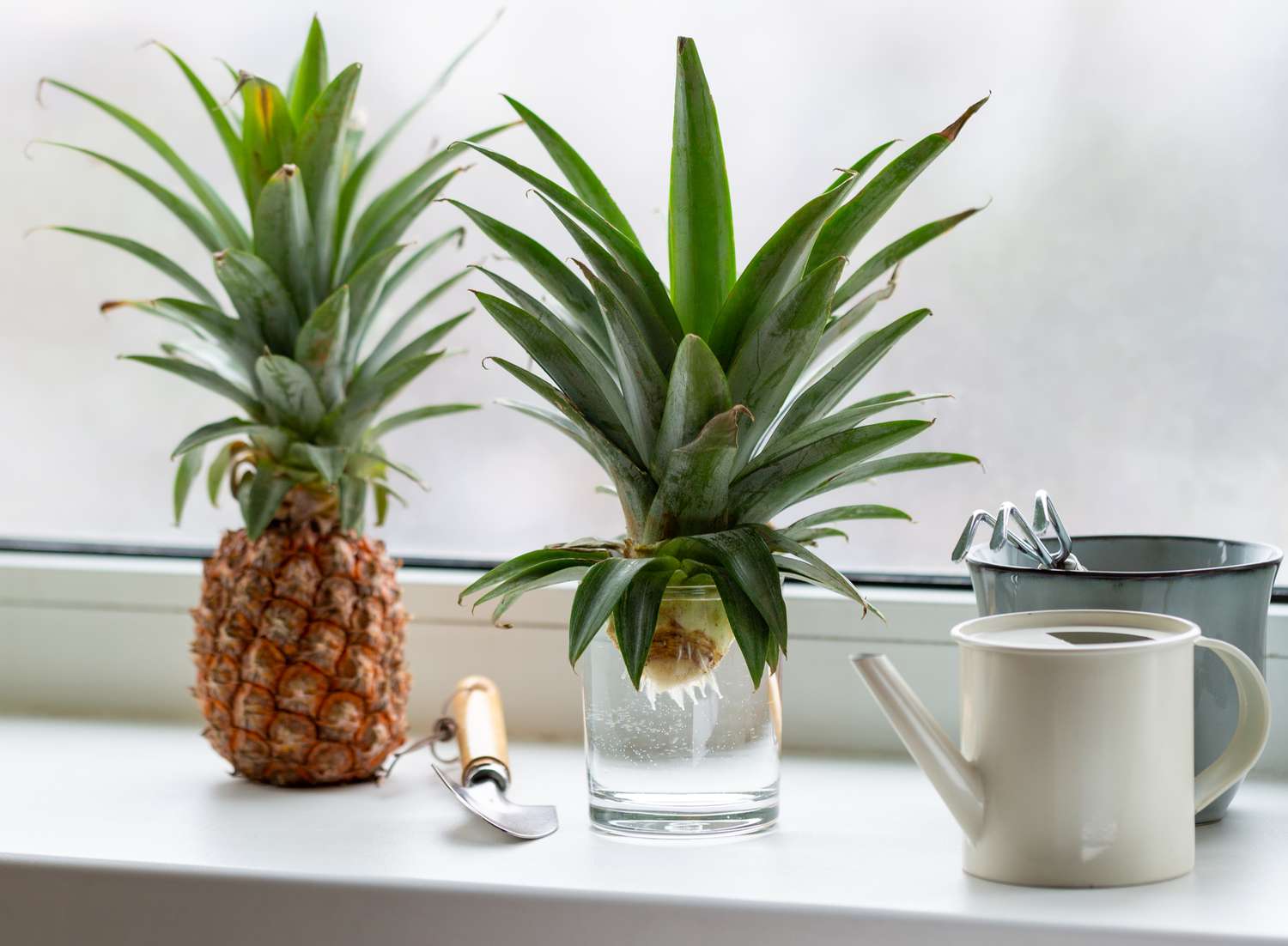
Yes, the spiky top you always throw away can become a whole new plant.
Twist or cut the leafy crown off the fruit. Strip the lower leaves, then let the base dry out for a day first, which really helps stop it rotting.
Sit it in water until roots form. It grows into a striking architectural houseplant, and in warm, bright conditions it can even fruit one day, though that is a two to three year wait.
3. Sweet Potato
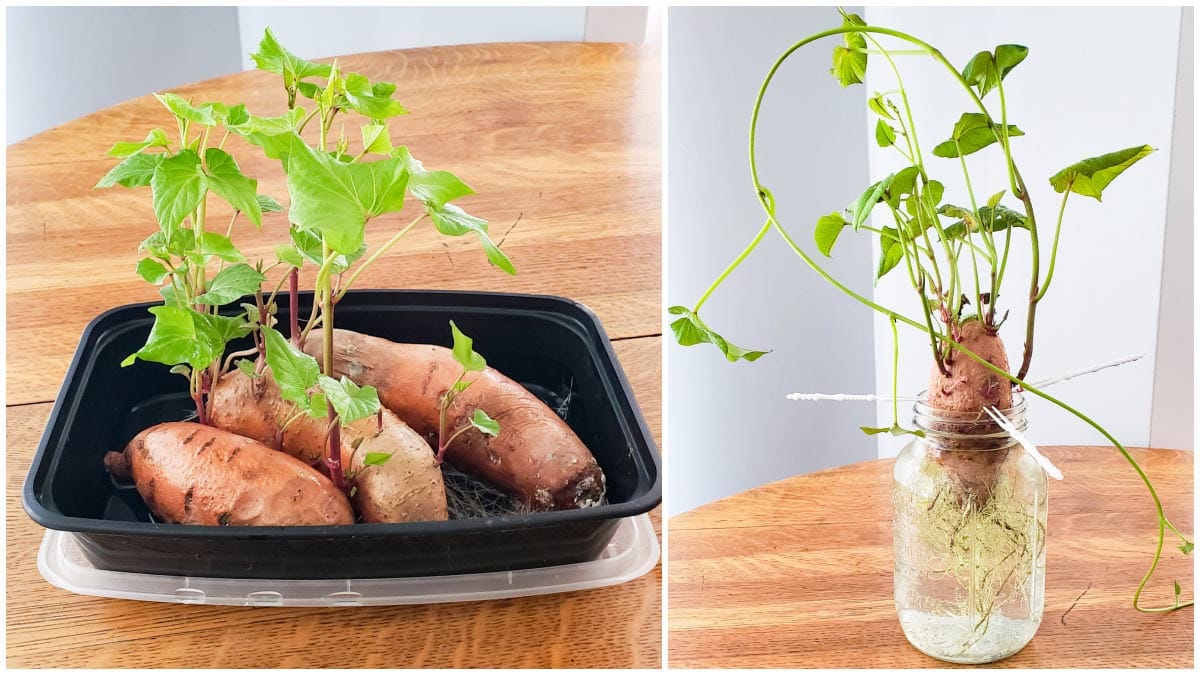
A sweet potato is secretly a plant factory.
Suspend one pointed end down with its bottom in water, and change that water every few days to keep it fresh.
Soon it sends out leafy shoots called slips. Snip those off and plant them to grow a whole new crop, and the trailing vines double as a pretty houseplant in the meantime.
4. Green Onion
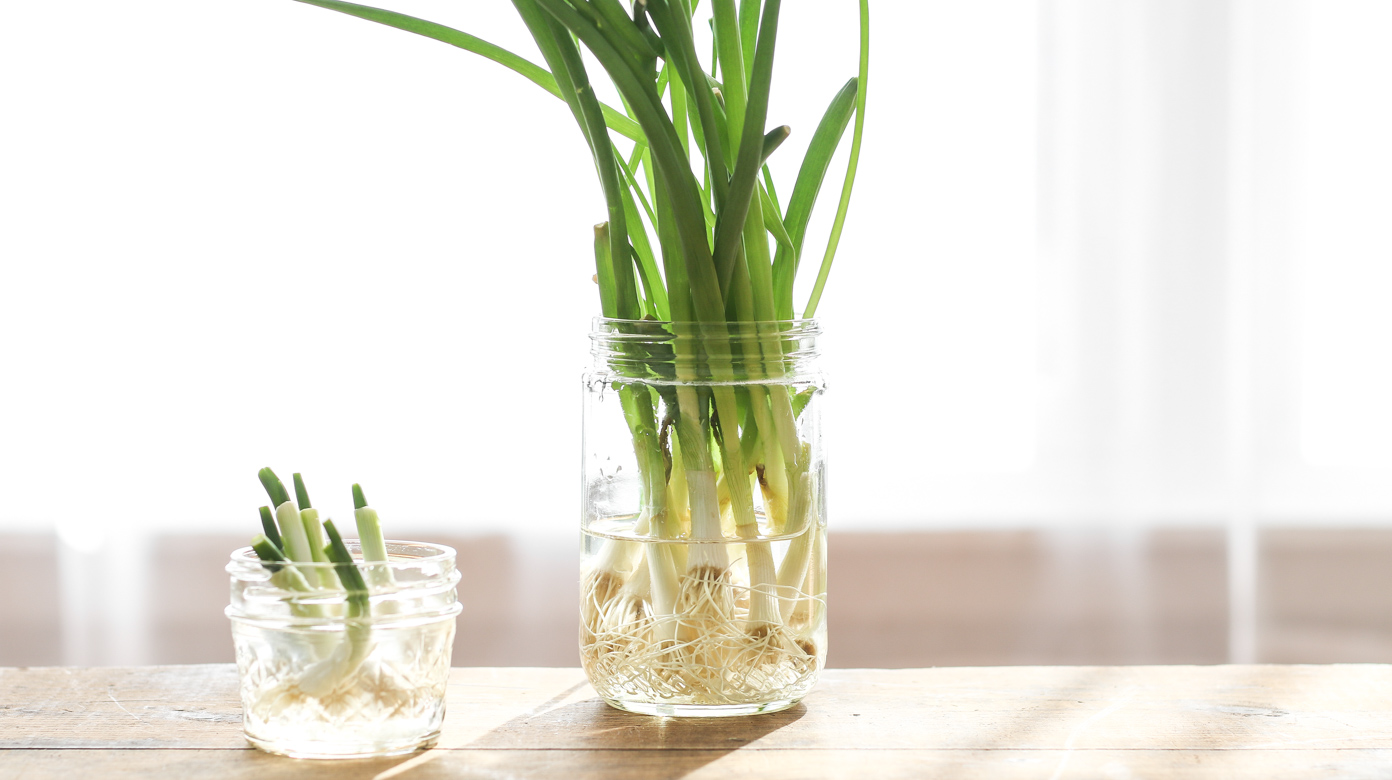
The fastest, easiest win on the entire list. If you try one thing, try this.
Next time you use green onions, keep the white root ends and stand them in a jar with an inch of water.
Within 3 to 5 days you will see fresh green shoots climbing. Snip what you need for cooking and they just keep regrowing. Basically free green onions, forever.
5. Celery Base
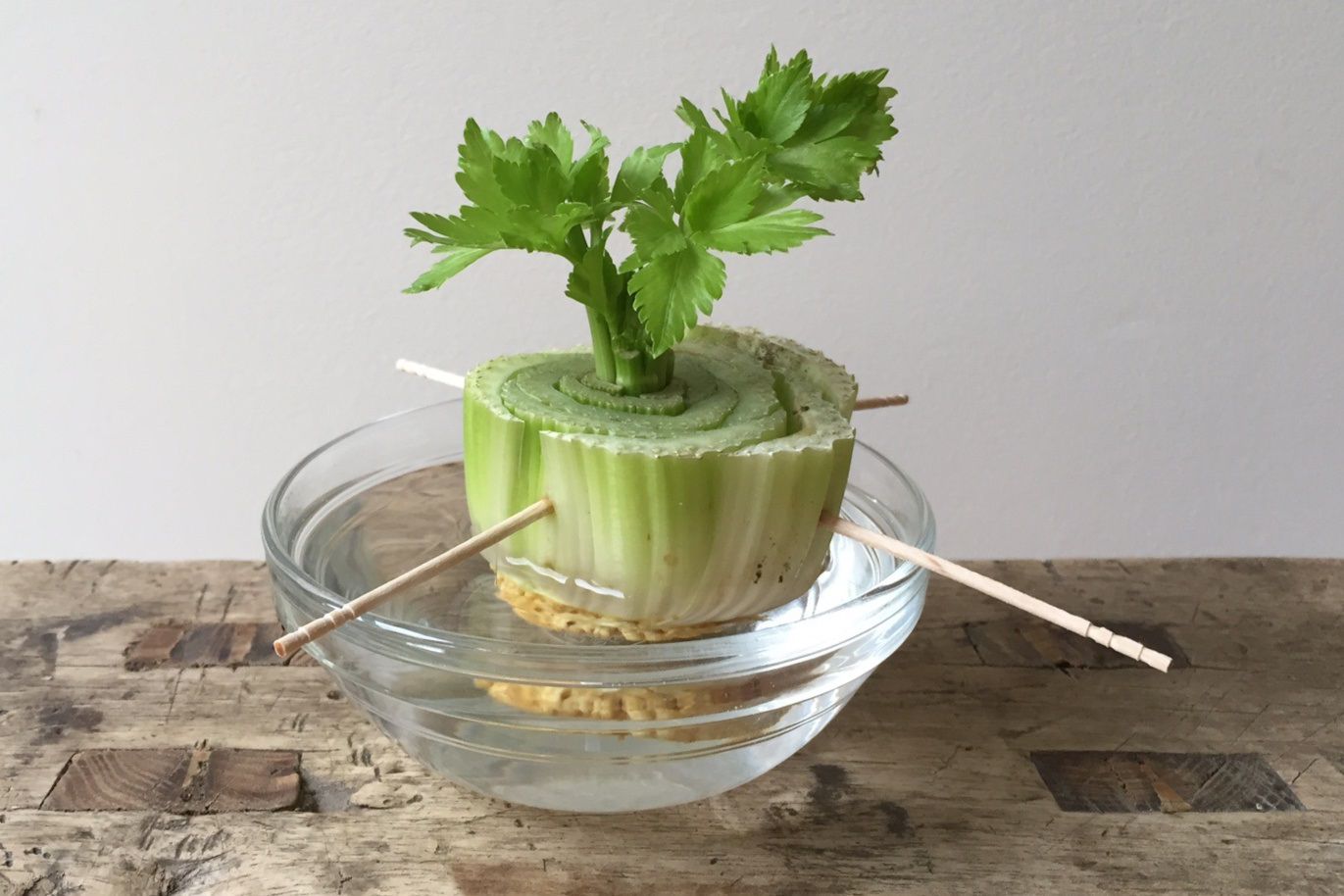
Save the bottom inch or two you would normally bin.
Sit it in a shallow dish with water coming up just to the cut line, and no higher. Go above that and the base turns to mush.
Within a week, tender new leaves and stalks push up from the very center. Harvest the soft inner growth for soups and salads.
6. Romaine Base
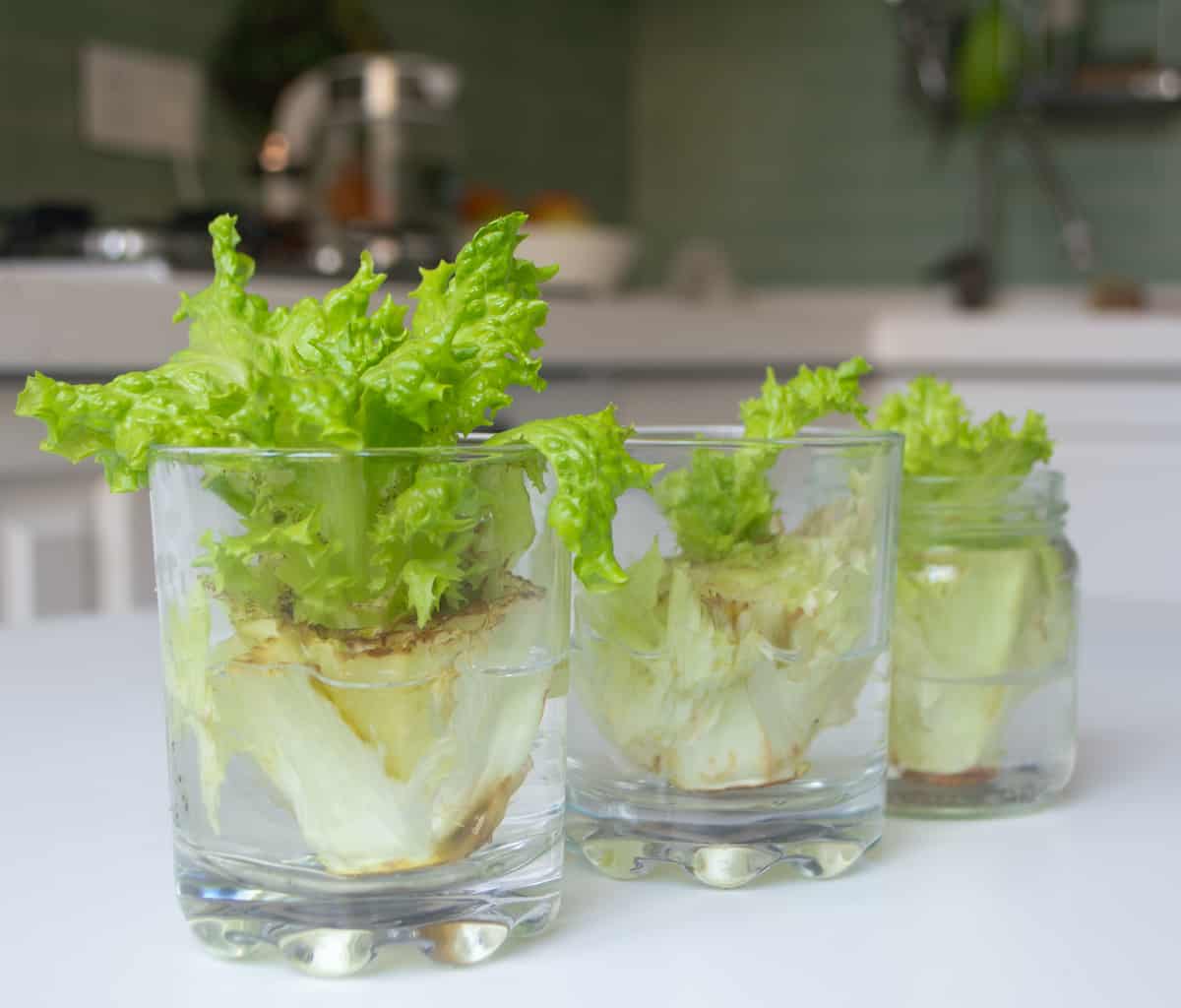
Exactly the same trick as celery, and just as satisfying.
Stand the leftover base in a little water and watch fresh leaves sprout from the middle.
Be realistic, though. You get one nice bonus harvest of small, tender leaves before it bolts and turns bitter. Enjoy that round, then toss the base on the compost.
7. Basil Cutting
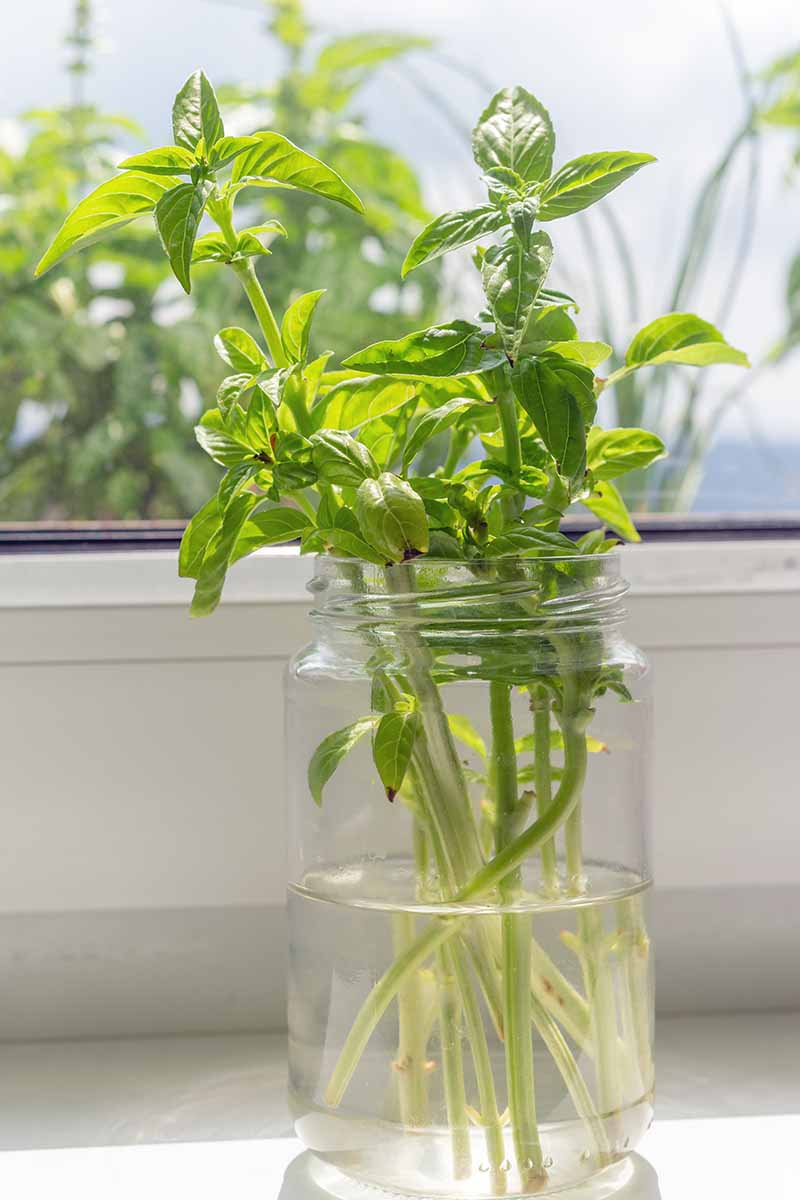
One supermarket basil plant can become many, for nothing.
Snip a healthy stem about four inches long. Strip off every leaf that would sit below the water line, because submerged leaves rot and foul the water fast.
Pop it in a glass on a bright sill and roots appear within a week or two. Pot it up and you have a brand new basil plant ready to harvest.
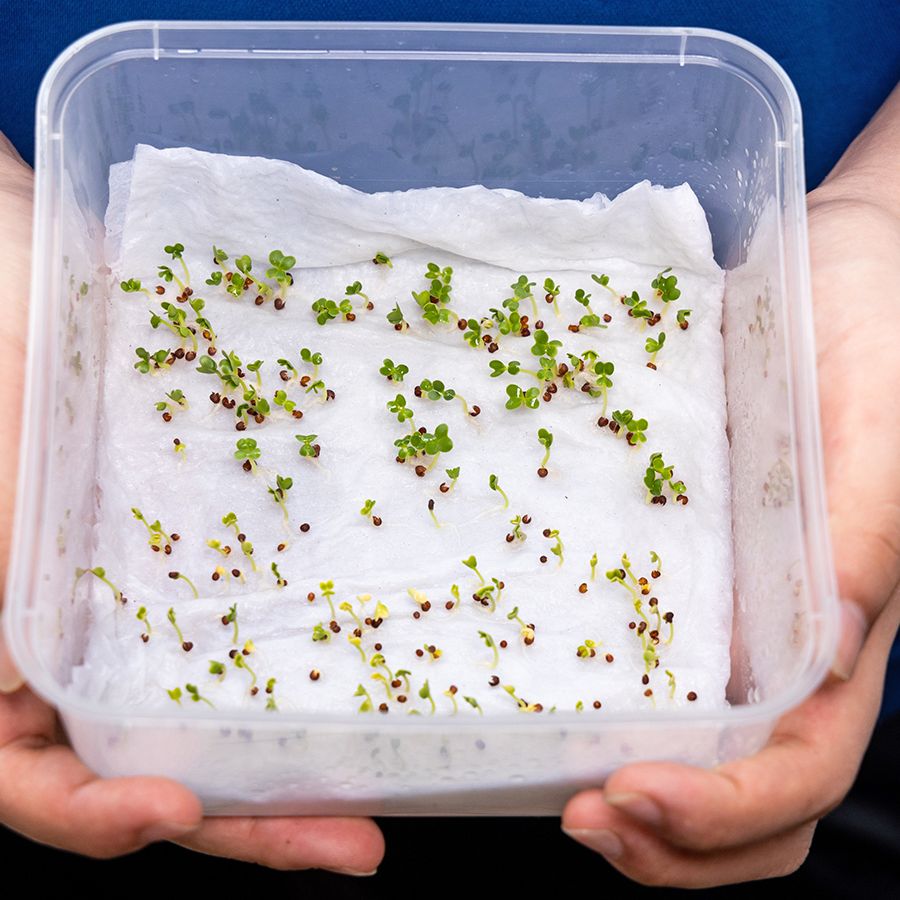
Here is where most people go wrong. Seeds are not cuttings.
Drop these in a glass of water and they rot before they ever sprout.
Instead, lay the seed on a damp, not soaking, paper towel. Fold it over, seal it inside a zip-top bag, and tuck it somewhere warm like the top of the fridge. Check every few days for roots.
8. Lemon Seed
Fish the seeds out of a fresh lemon and soak them overnight.
Then gently peel off the tan outer coat. It feels fiddly, but it speeds up sprouting dramatically.
Onto the damp towel it goes. It grows into a glossy little lemon tree, though fruiting takes years and seed-grown trees do not always come true, so enjoy it as a fragrant houseplant.
9. Mango Seed
Here is the trick most people miss: the big flat husk is not the seed.
Carefully cut that fibrous shell open with scissors and use the kidney-shaped kernel tucked inside.
Wrap the kernel in the damp towel. It sprouts into a gorgeous seedling, often with dramatic reddish new leaves.
10. Papaya Seed
Papaya seeds come wrapped in a slimy gel coating.
Rub that gel off each seed before you start, or nothing happens.
Then onto the damp towel. Papaya is one of the quickest here, often sprouting within a week or two, and it grows fast into a bold, tropical-looking houseplant.
11. Date Pit
Save a pit from a real, natural date, not a sugar-coated one.
Rinse it, soak it for a full 48 hours, then wrap it in the damp towel.
This one is a patience game. It can take weeks to stir, but it eventually rewards you with an elegant little palm.
12. Lychee Seed
With lychee, timing is everything.
The seed only works if you plant it within a few days of eating the fruit, before it dries out and dies.
Rinse it clean, wrap it in the damp towel, and it sprouts into a pretty tree with glossy, coppery young leaves.
The part everyone skips
- Pot them up once the roots reach 2 to 3 inches. Water roots are fragile, and the plant stalls if you leave it floating for too long.
- Use a small pot with drainage holes. Keep the soil damp for the first two weeks while the plant adjusts to life in actual dirt.
- Change the water every 2 to 3 days until then. Leave it and it goes cloudy, and cloudy water quietly rots your new roots.
Your questions, answered
Will these actually grow fruit?
Mostly no, and that is okay. The food scraps, like green onion, celery, romaine, basil and sweet potato, give you more to eat. The pits and seeds grow into beautiful houseplants and little trees, but fruiting indoors is rare, takes years, and often will not match the parent fruit. Grow those ones for the greenery.
Which should a beginner start with?
Green onion, hands down. It roots in 3 to 5 days and regrows again and again. Celery and romaine are close behind, so start with those three for a confidence boost.
Why did mine rot last time?
Almost always one of two things. Either a seed was sitting in open water when it needed a damp paper towel, or the water was not changed often enough. Swap the water every few days and keep seeds and cuttings in their correct camp.
Is this a good project with kids?
One of the best rainy-day activities going. Green onion gives a fast, reliable result, and an avocado pit brings the drama as it cracks open and sends up a shoot.
Start one tonight
Free plants, grown from the stuff you were about to throw away. All it takes is a jar, a windowsill and a little patience.
So grab the root ends off tonight’s green onions and pop them in water before you even finish reading.
In a few days you will have fresh green shoots, and you will be completely hooked. Happy rooting. 🌱