
Got a bare fence, a boring wall, or a pergola that needs softening? A climbing plant can fix that. 🌿
The right climber turns a plain vertical surface into something genuinely beautiful – covered in flowers, buzzing with bees, or draped in lush green foliage. And if your spot gets full sun, you’ve actually got loads of options. Some of the most spectacular flowering climbers absolutely thrive in sunshine and heat.
The trick is picking one that suits what you’re after. Do you want summer flowers? Evergreen coverage? Something fast-growing for quick privacy? A few of these climbers are pretty easygoing, while others need a bit more attention – so it helps to know what you’re signing up for.
We’ve pulled together a selection of the best climbing plants for sunny spots, covering different styles, flowering times, and levels of effort. Whether you’re starting from scratch or looking to add to what you’ve already got, there’s something here for your space. ☀️
Let’s get into it.
1. Climbing Roses
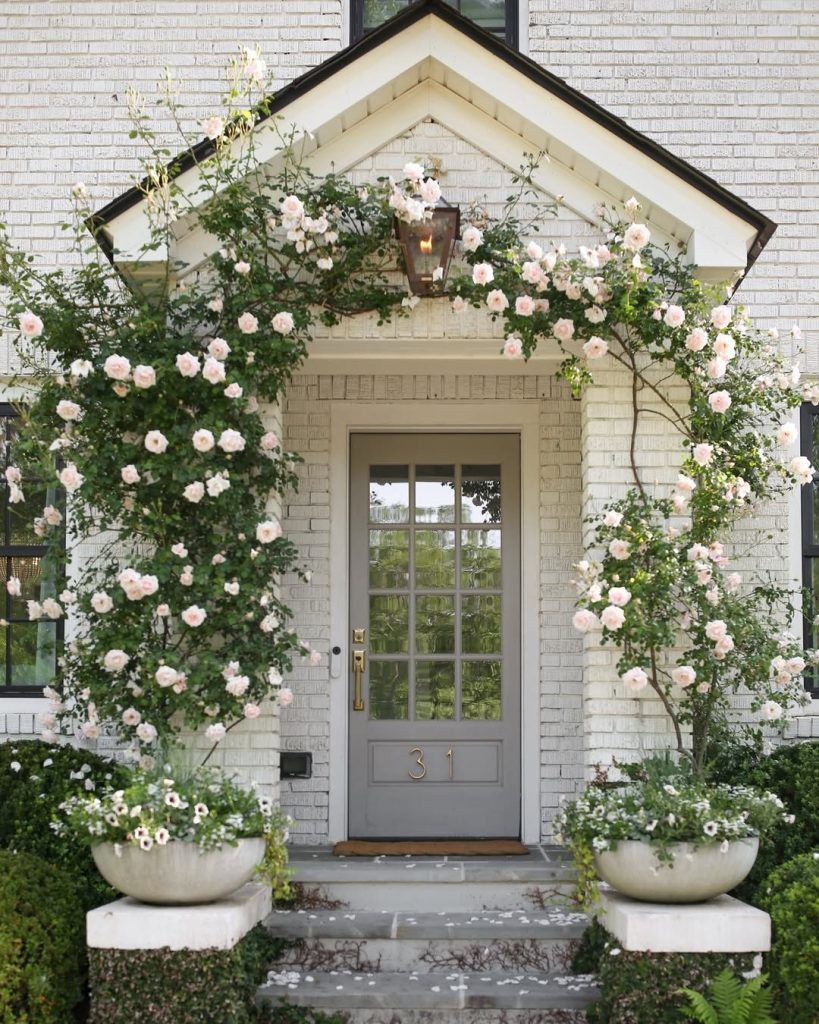
These classic plants thrive in sunny spots and transform plain walls into beautiful displays. They grow upward on supports like trellises and fences. Their blooms add color and fragrance to your outdoor space.
2. Bougainvillea
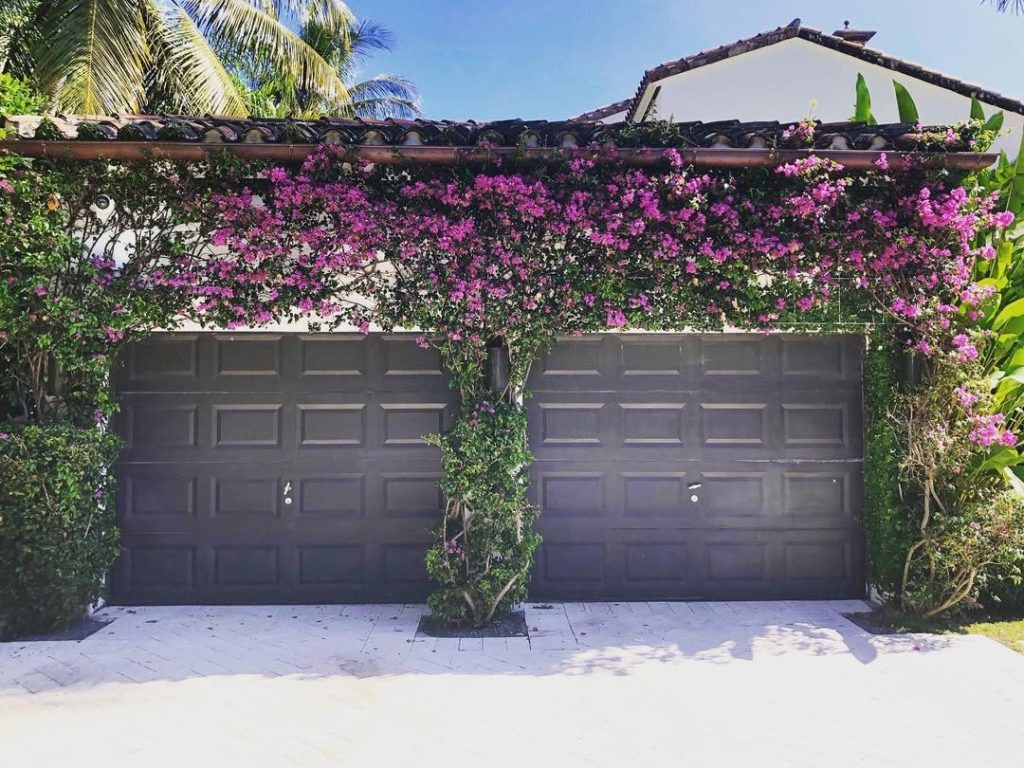
Bougainvillea thrives in full sun and produces bright, colorful bracts that work well in hot locations. This climbing plant needs plenty of direct sunlight to display its best colors throughout your garden space.
3. Honeysuckle
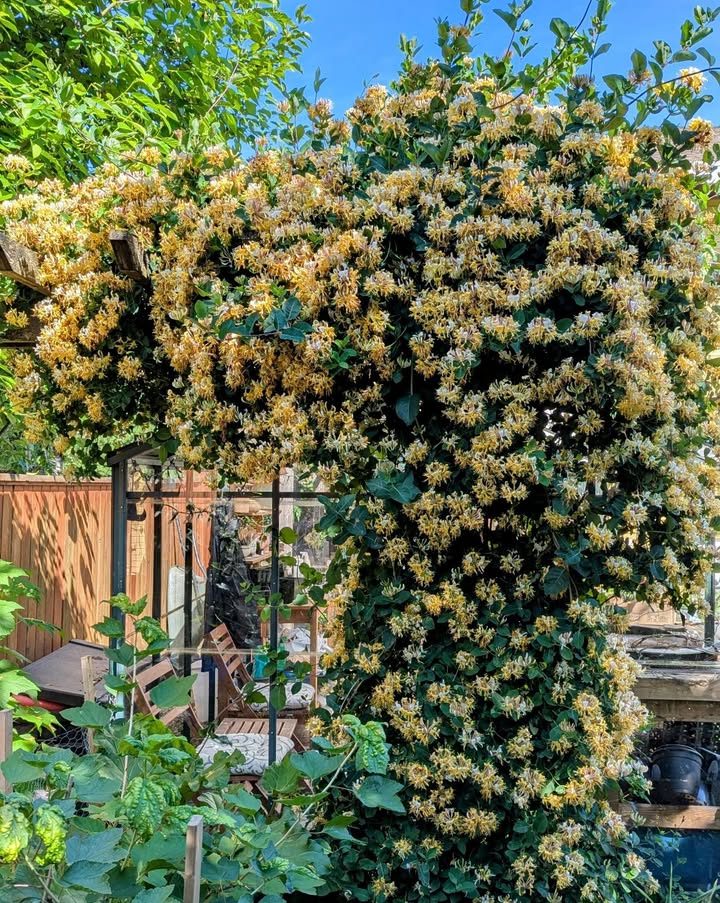
Honeysuckle thrives in sunny spots and produces fragrant flowers that draw butterflies and hummingbirds to your garden. This climbing vine performs beautifully when trained on trellises or pergolas.
4. Clematis
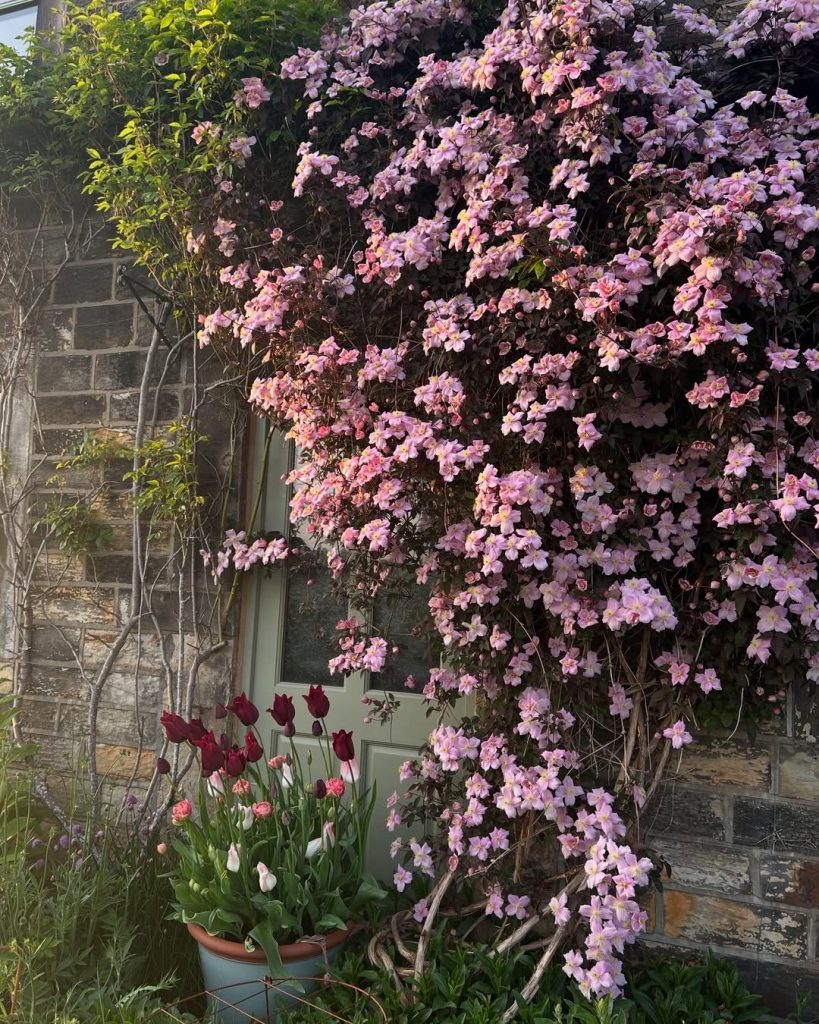
Clematis thrives when planted in sunny locations. You can expect these vines to produce large, eye-catching blooms throughout the growing season. They work well when you want to add height and visual appeal to your garden spaces.
5. Wisteria
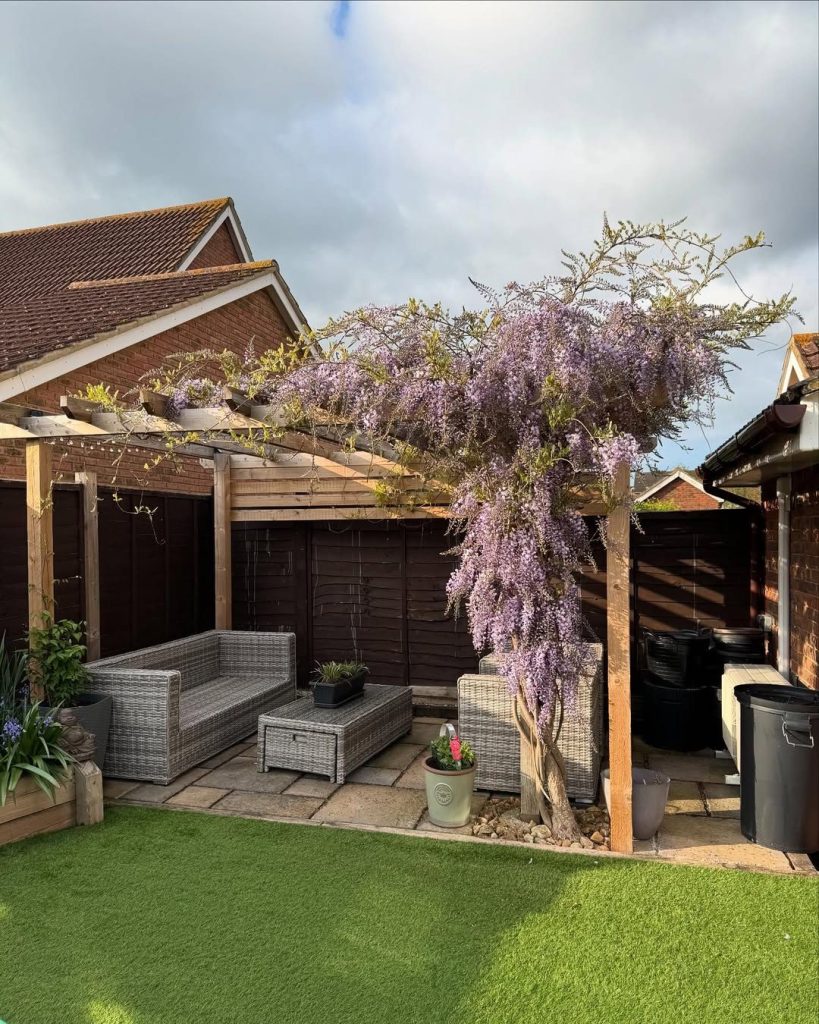
You can grow this flowering vine in full sun to create long clusters of fragrant blooms. Drape it over pergolas or arches to add visual interest to your outdoor space.
6. Jasmine
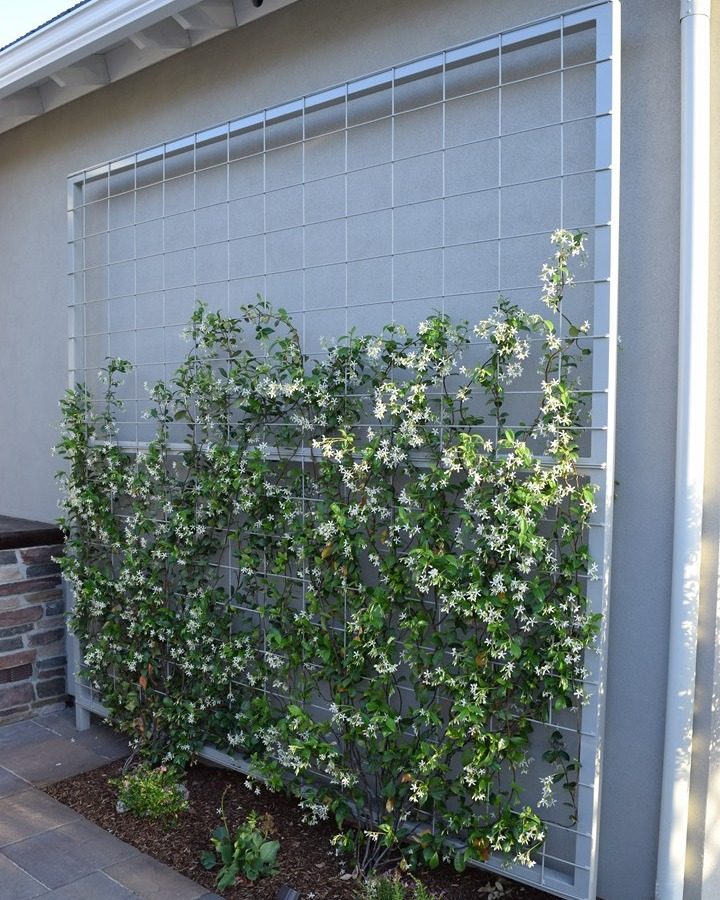
Jasmine thrives in full sun and releases a sweet scent throughout your outdoor space. You can use it to cover fences and create a charming atmosphere in your garden.
7. Trumpet Vine
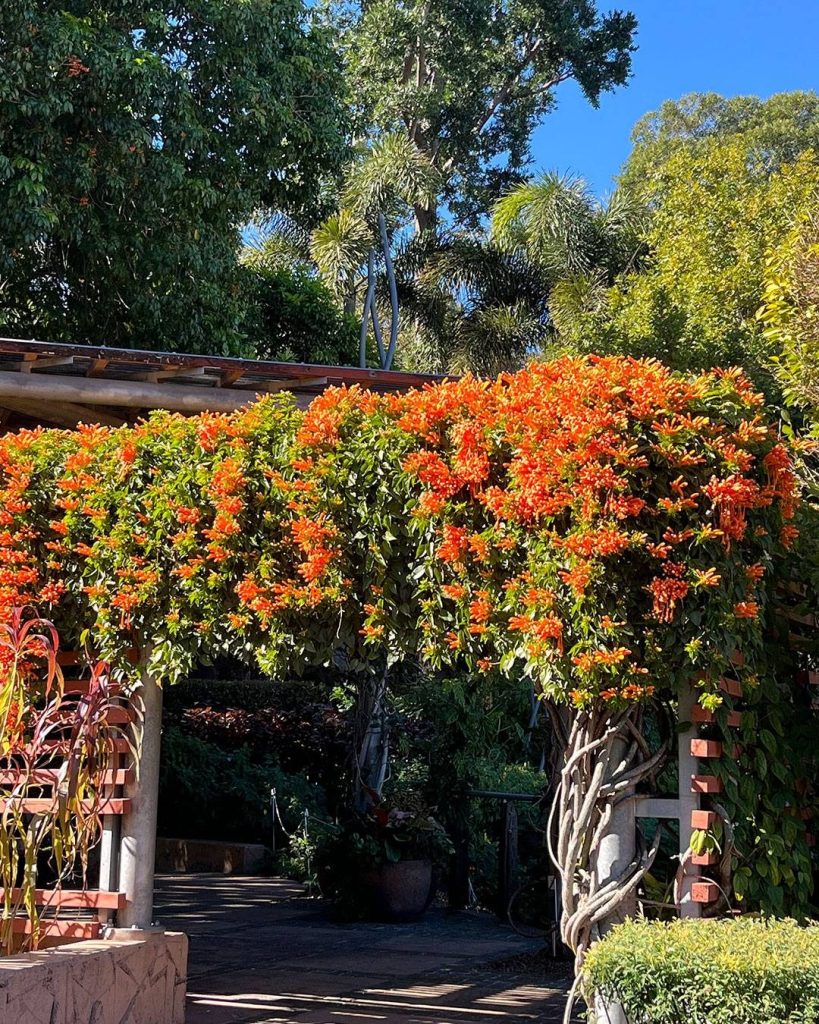
This vigorous climber produces bright, tubular blooms that draw hummingbirds to your yard. You’ll enjoy watching these birds visit throughout the growing season when you plant this vine in a sunny spot.
8. Star Jasmine
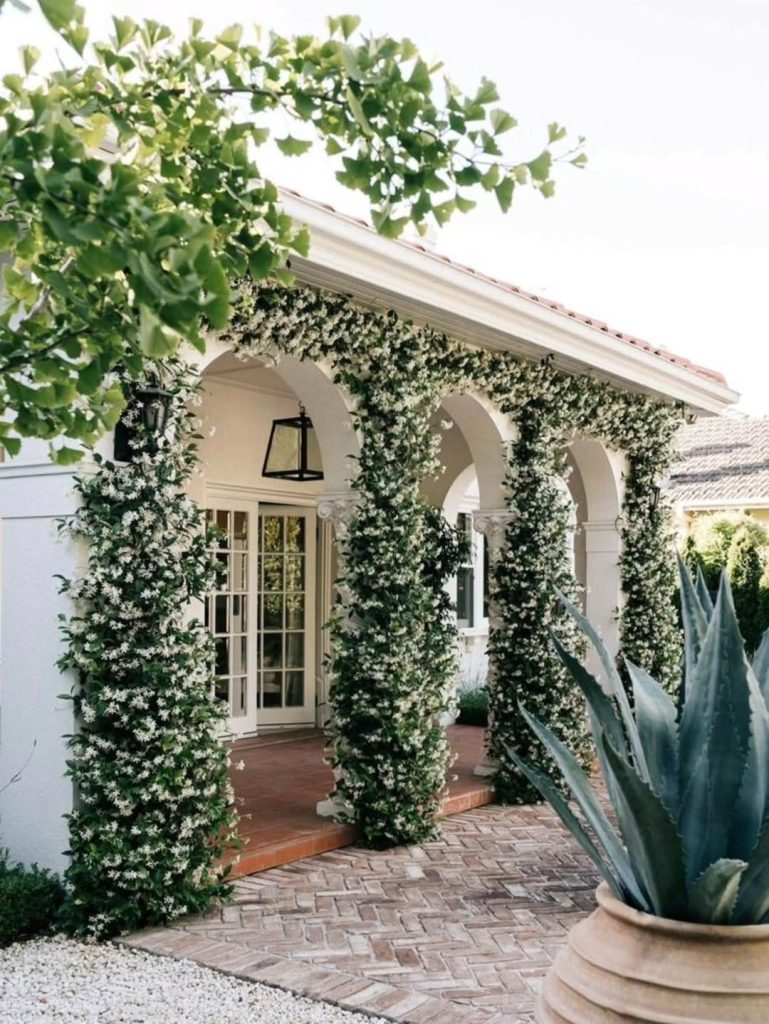
This evergreen vine thrives in bright sunlight and produces glossy foliage along with sweet-smelling white blooms. You can use it to enhance sunny garden areas with beauty and fragrance.
9. Climbing Morning Glory
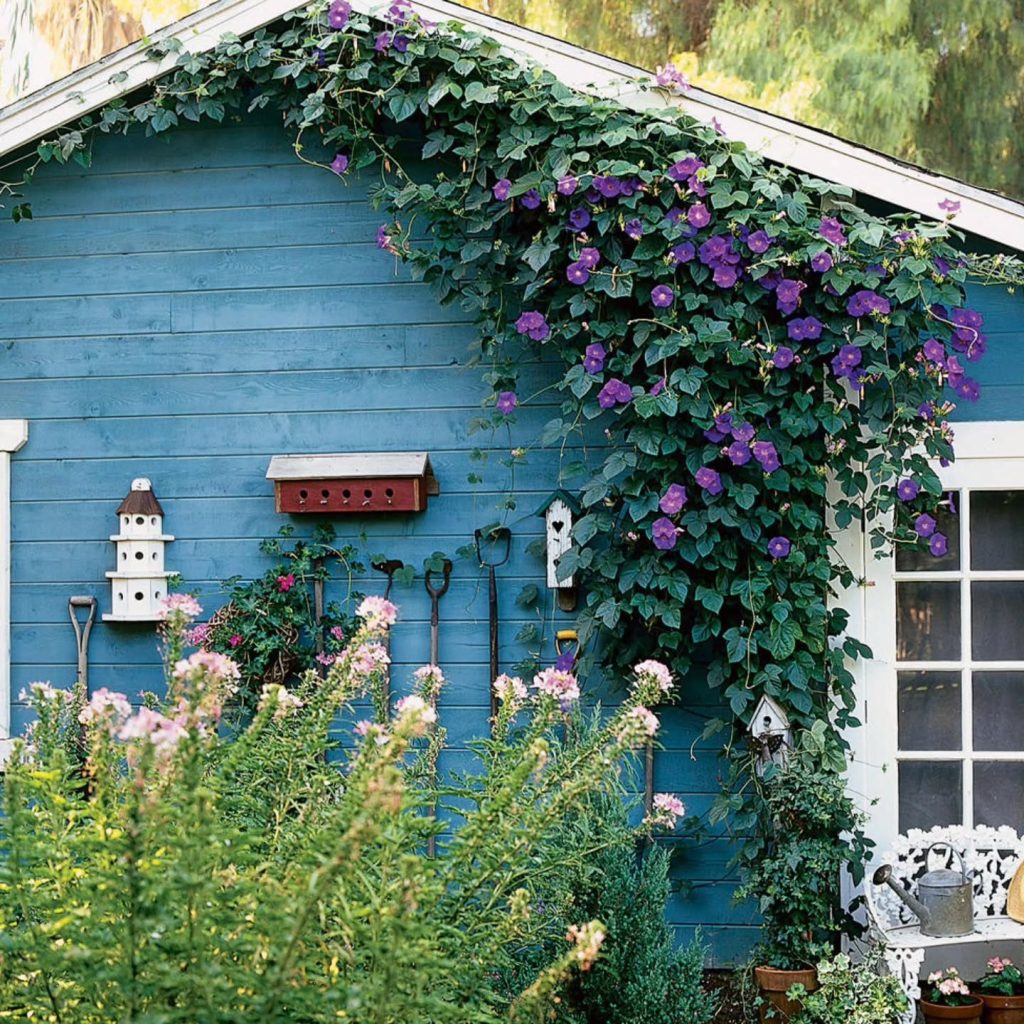
This fast-growing vine produces colorful trumpet-shaped flowers that open each morning. You can use it to add quick coverage and bright blooms to fences, trellises, or other vertical structures in your garden.
10. Passion Flower
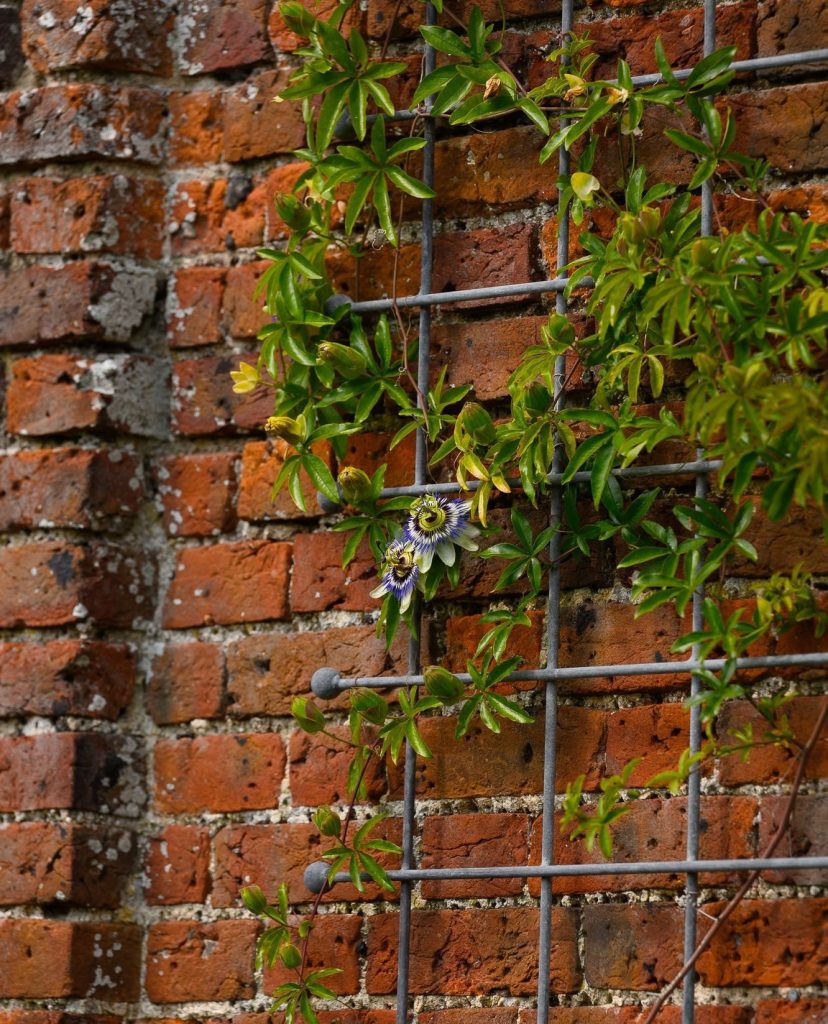
This climbing plant produces exotic blooms that stand out in any garden. You can grow it in areas with full sunlight to create a tropical look. The flowers feature detailed patterns that make them unique and eye-catching.
11. Sweet Pea
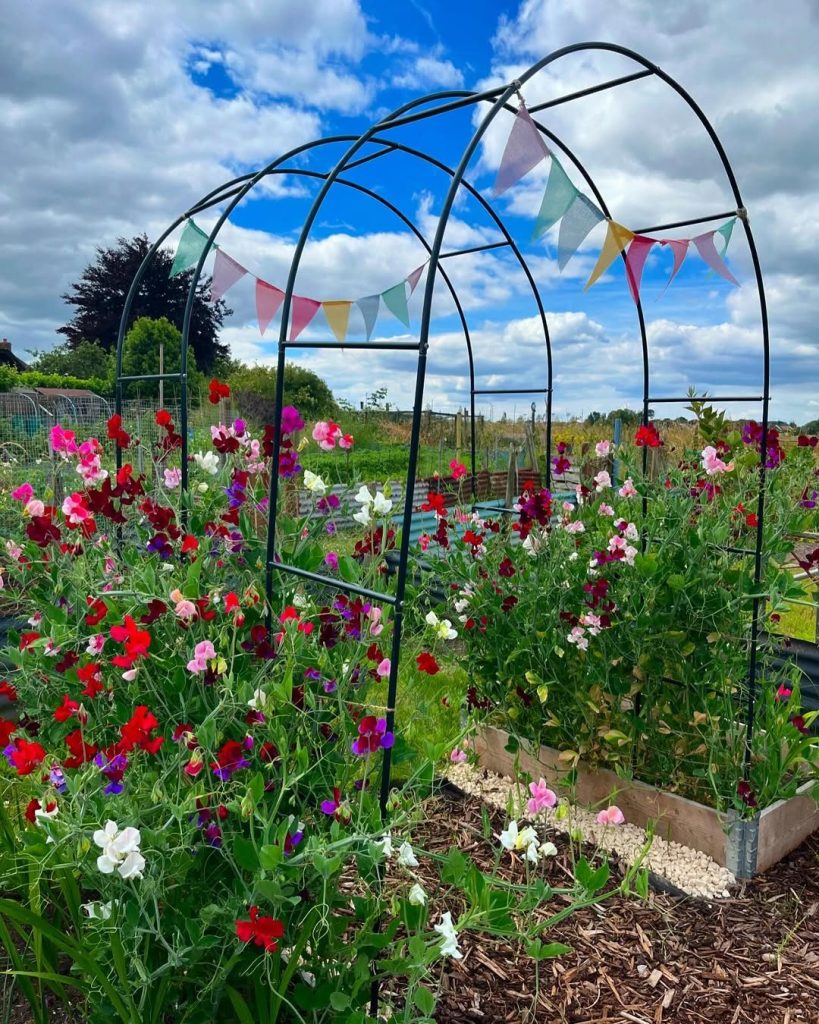
This climbing plant produces fragrant blooms and grows best when it receives direct sunlight throughout the day. You can train it to grow along arches in your garden where its pleasant scent will fill your outdoor space.
Common Questions About Sun-Loving Climbing Plants
What climbing plants perform best in direct sunlight?
Climbing roses stand out as one of the most reliable options for sunny spots. They produce abundant blooms and handle intense light without problems.
Clematis varieties also excel in full sun, particularly large-flowered hybrids. They need their roots shaded but their vines love bright conditions.
Wisteria delivers impressive cascades of purple or white flowers. This vigorous grower needs strong support and thrives in six or more hours of direct sun daily.
Bougainvillea creates stunning displays in warm climates. Its colorful bracts appear most vibrant when the plant receives maximum sunlight.
Trumpet vine attracts hummingbirds with orange or red tubular flowers. It grows rapidly and tolerates heat exceptionally well.
Honeysuckle produces fragrant blooms and adapts to various conditions. Most varieties prefer full sun for the best flowering.
Which quick-growing climbers work well in bright, sunny areas?
Trumpet vine grows up to 30 feet in a single season. You need to control its spread because it can become invasive in some regions.
Morning glory vines shoot up quickly from seed. They cover fences and trellises within weeks during warm weather.
Climbing hydrangea establishes slowly but then grows vigorously. Once mature, it adds several feet of growth each year.
Passionflower vines expand rapidly in warm climates. They produce exotic blooms and edible fruit on some varieties.
Coral honeysuckle grows faster than many other honeysuckle types. It reaches 10 to 15 feet in two to three years.
Annual sweet peas grow quickly from spring through fall. They provide immediate coverage and abundant flowers in their first season.
What container-friendly climbers handle full sun exposure?
Mandevilla thrives in pots placed in sunny locations. Its trumpet-shaped flowers bloom continuously throughout summer.
Black-eyed Susan vine grows well in hanging baskets or containers. It produces cheerful yellow or orange flowers with dark centers.
Climbing snapdragons work perfectly in pots with small trellises. They bloom prolifically when given adequate water and fertilizer.
Miniature climbing roses suit container growing. Choose compact varieties bred specifically for pots.
Star jasmine adapts to container life easily. It needs a larger pot as it matures but handles the restriction well.
Annual vines like scarlet runner beans provide quick results. They grow from seed to full size in containers during one season.
Container Care Tips:
- Use pots at least 12 inches deep
- Ensure drainage holes exist
- Water more frequently than ground-planted vines
- Fertilize every two weeks during growing season
- Provide sturdy support structures
How do growing zones affect your choice of sun-loving vines?
Your hardiness zone determines which perennial climbers survive winter. Tropical vines like bougainvillea only survive year-round in zones 9-11.
Cold-hardy options like climbing hydrangea withstand temperatures in zones 4-8. These plants need winter dormancy to thrive.
Heat zones matter as much as cold tolerance. Some plants struggle when summer temperatures consistently exceed 95°F.
Rainfall patterns in your area influence water needs. Desert climates require drought-tolerant species even if you water regularly.
Humidity levels affect disease resistance. Fungal problems increase in humid regions, so you need varieties with good air circulation.
Zone Considerations:
| Climate Type | Recommended Climbers | Special Notes |
|---|---|---|
| Cold (Zones 3-5) | Climbing hydrangea, hardy clematis, hops | Need winter protection first year |
| Temperate (Zones 6-8) | Climbing roses, wisteria, trumpet vine | Widest selection available |
| Warm (Zones 9-11) | Bougainvillea, mandevilla, passionflower | May need shade in extreme heat |
Which tough climbers tolerate intense sun and heat?
Bougainvillea handles extreme heat without wilting. It actually blooms more profusely in hot, dry conditions.
Carolina jessamine survives scorching summers in southern regions. Its yellow flowers appear even during heat waves.
Trumpet creeper laughs at high temperatures. It spreads aggressively in warm climates and needs no supplemental water once established.
Coral vine produces pink flower chains in the hottest months. It dies back in mild freezes but returns from roots in zone 8 and warmer.
Queen’s wreath thrives in desert heat. Its purple flower clusters appear most abundantly during summer.
Crossvine remains evergreen in warm zones. It tolerates both heat and drought after the first year.
What are the easiest climbing plants for sunny spots?
Climbing hydrangea requires minimal care once established. You prune it only to control size, and it resists most pests and diseases.
Virginia creeper grows without fuss. It attaches itself to surfaces and needs no tying or training.
Honeysuckle varieties tolerate neglect well. They grow in poor soil and survive with rainfall alone after establishment.
Carolina jessamine stays evergreen with no effort. It rarely needs pruning and has few pest problems.
Low-Maintenance Features to Look For:
- Self-clinging abilities
- Pest and disease resistance
- Drought tolerance after establishment
- Minimal pruning requirements
- Long-lived perennial growth
Trumpet vine requires almost no attention. Your main task involves controlling its spread rather than encouraging growth.
Wisteria needs annual pruning but otherwise cares for itself. Once the pruning pattern is established, the task takes less than an hour yearly.