
Nobody wants to douse their garden in chemicals just to eat dinner outside without being bitten. 🦟
The good news is that plenty of plants do the pest-repelling work for you. Their strong scents – lovely to us, horrible to mosquitoes, flies, and other nuisances – create a natural barrier that actually works. And unlike sprays, they won’t harm the bees, butterflies, and other insects you actually want around.
Some of these you’ll probably know already (citronella, lavender), but others might surprise you. Many are plants you’d want to grow anyway – herbs for cooking, flowers for cutting, foliage that looks beautiful in borders or pots.
We’ll cover which plants repel which bugs, where to position them for maximum effect, and how to keep them thriving. Whether you want to protect a seating area, keep flies away from the back door, or just reduce the mosquito population in your garden, there’s something here that’ll help. 🌿
Let’s get into it.
1. Lavender

Lavender is a beautiful plant that does double duty in your garden. Its strong scent naturally repels mosquitoes, flies, fleas, and moths.
You can plant lavender along pathways or in containers near your outdoor seating areas. The purple flowers smell wonderful to people but bugs don’t like the scent at all.
Want to use lavender indoors? Dry the flowers and place them in small bags around your home to keep pests away. You can also grow lavender in pots on your windowsill for fresh protection.
2. Basil
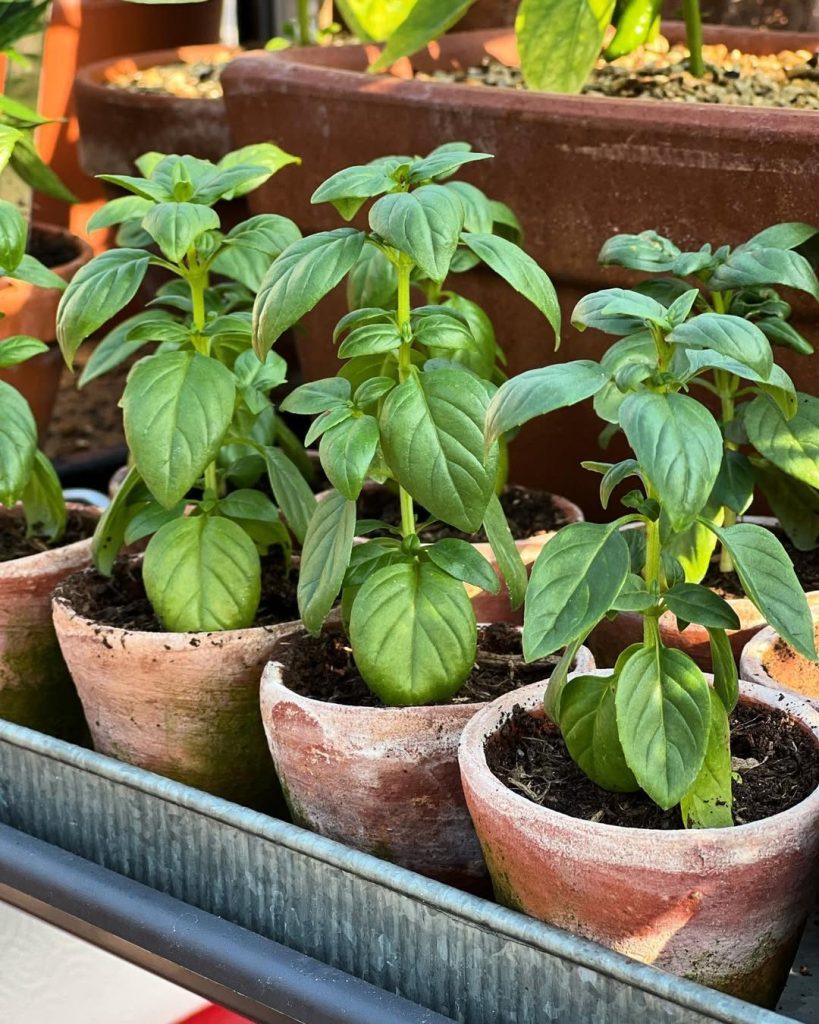
Basil is a powerful plant that keeps mosquitoes and flies away from your space. You can grow it in pots near your back door, grill, or picnic table for the best results.
This herb also helps protect your garden from aphids, mites, and tomato hornworms. Its strong smell is what keeps these pests away naturally.
You can place basil near windows and doors to stop bugs from coming inside your home. Plus, you’ll have fresh basil ready for cooking whenever you need it.
3. Marigold
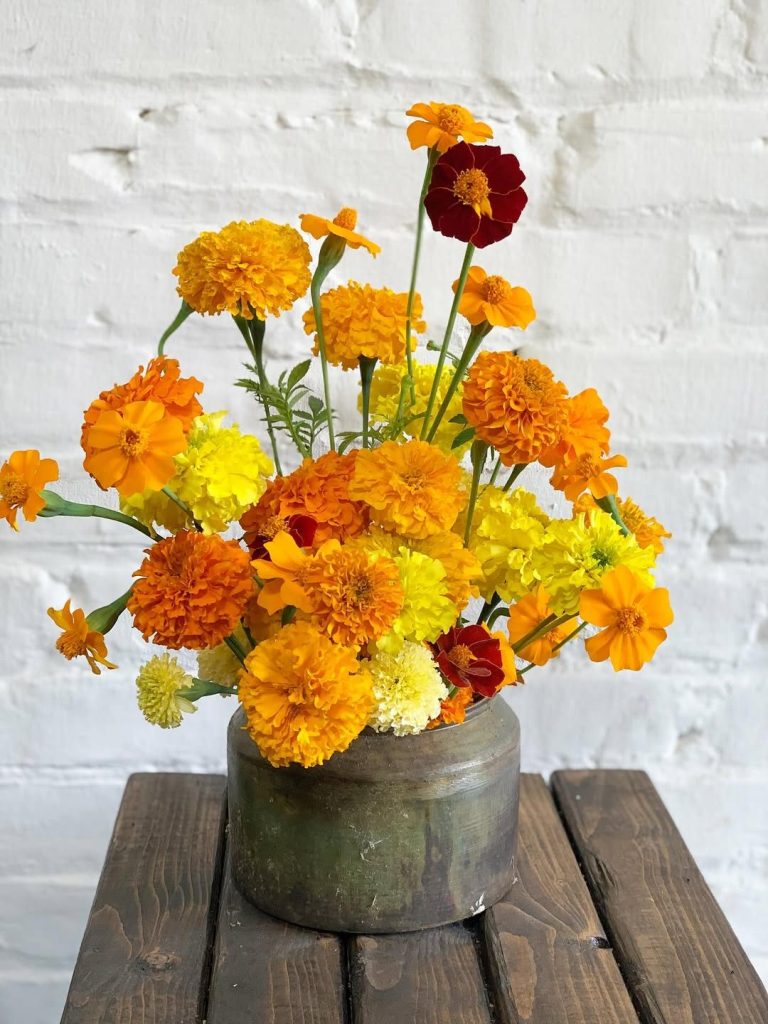
Marigolds are a gardener’s friend when it comes to keeping pests away. Their strong scent bothers many common garden bugs like aphids, mosquitoes, and whiteflies.
You can plant marigolds around your vegetable garden or flower beds. French Marigolds work especially well because they have a stronger smell that bugs don’t like.
These cheerful flowers do double duty in your yard. While they push pests away, they also bring in helpful pollinators like bees and butterflies. Plus, they’re easy to grow and add bright orange and yellow colors to your garden.
4. Mint
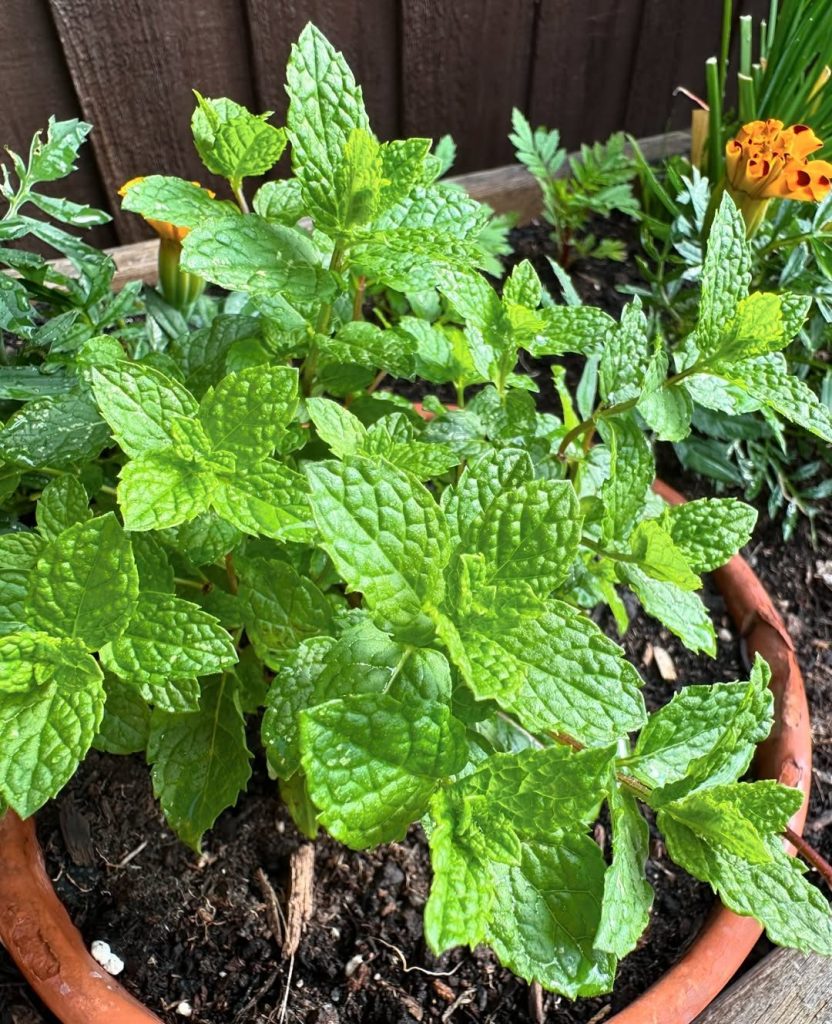
Mint is one of the easiest herbs you can grow to keep pests away. Its strong smell confuses bugs and makes it hard for them to find food or places to nest.
This plant works well against mosquitoes, flies, ants, and spiders. It even keeps aphids and mites away from your garden.
You can grow mint in pots near doorways or windows. This helps stop bugs from getting inside your home. Just remember that mint spreads quickly, so containers are your best choice.
5. Rosemary
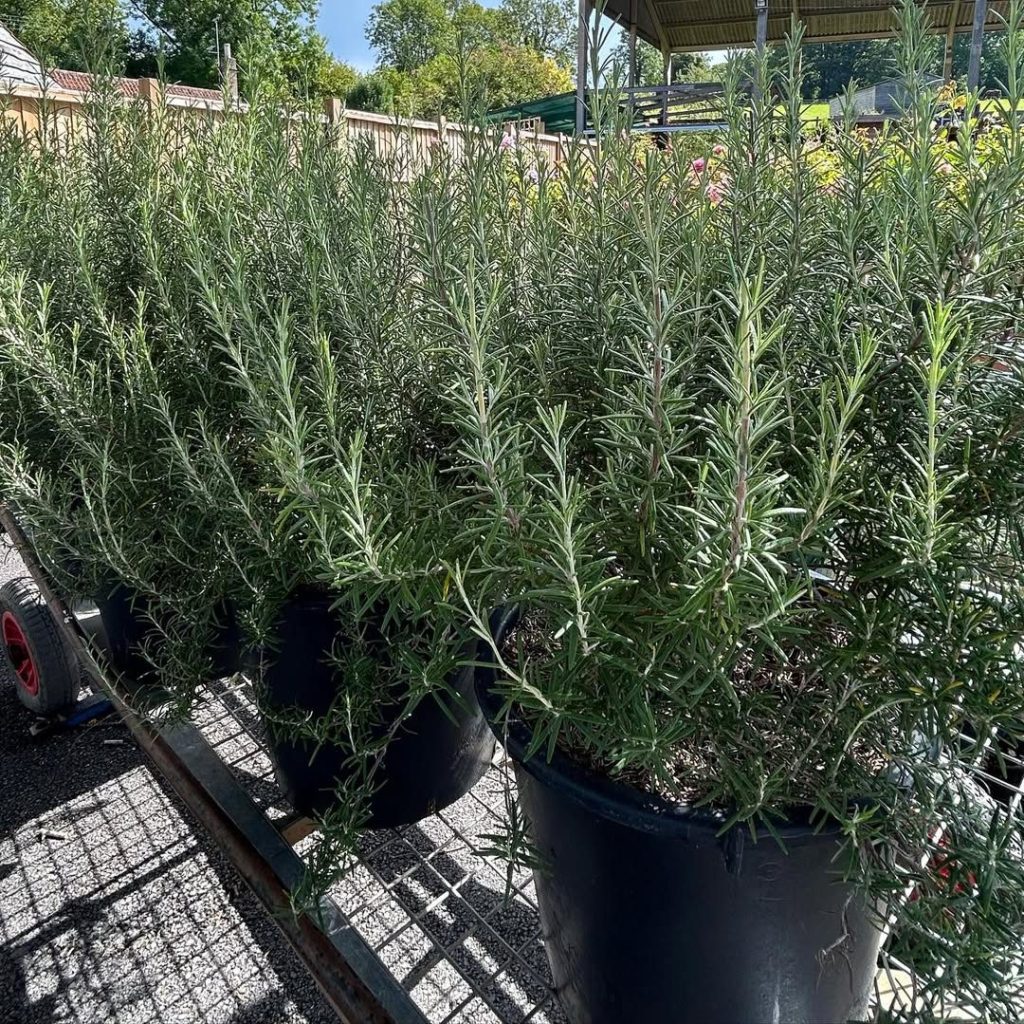
Rosemary is a fragrant herb that does double duty in your garden. You can use it in cooking while it works to keep pests away naturally.
The strong scent of rosemary helps repel mosquitoes, flies, and beetles. Its needle-like leaves release oils that bugs find unpleasant. You can plant it near your vegetables or herbs for added protection.
This evergreen shrub grows well in pots or garden beds. It prefers sunny spots and doesn’t need much water once established.
6. Chrysanthemum
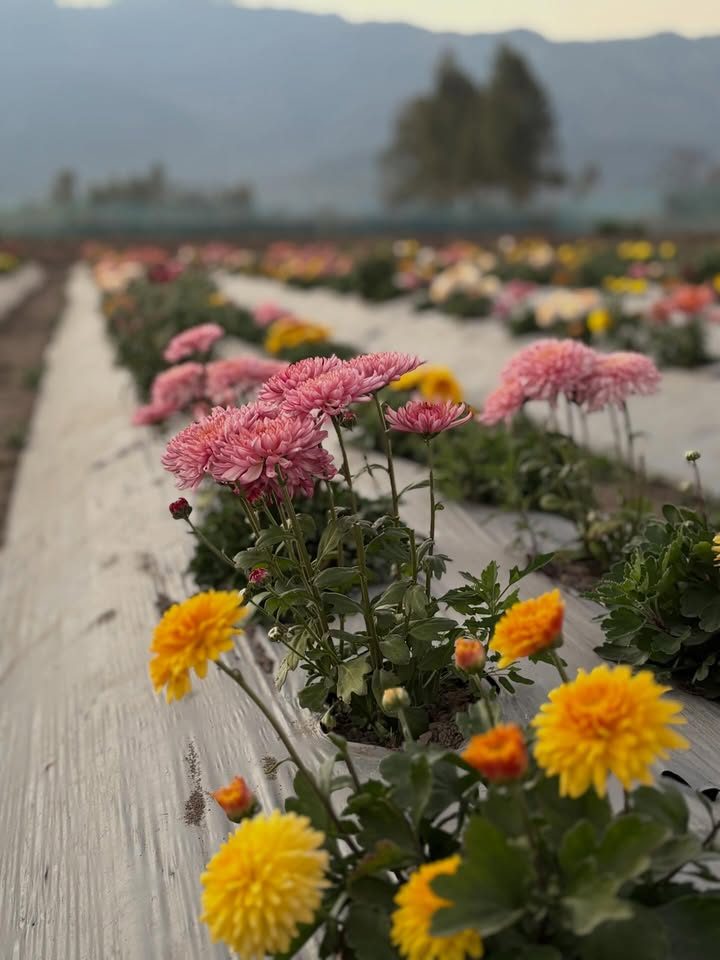
Chrysanthemums are colorful flowers that do double duty in your garden. They brighten up your space while naturally repelling bugs.
These flowers contain pyrethrum, a compound that keeps many pests away. You’ll find them effective against ants, roaches, mosquitoes, and beetles. They also work on fleas, ticks, and spider mites.
You can plant chrysanthemums throughout your garden or place them in pots near doors and windows. This creates a natural barrier that insects prefer to avoid.
7. Citronella
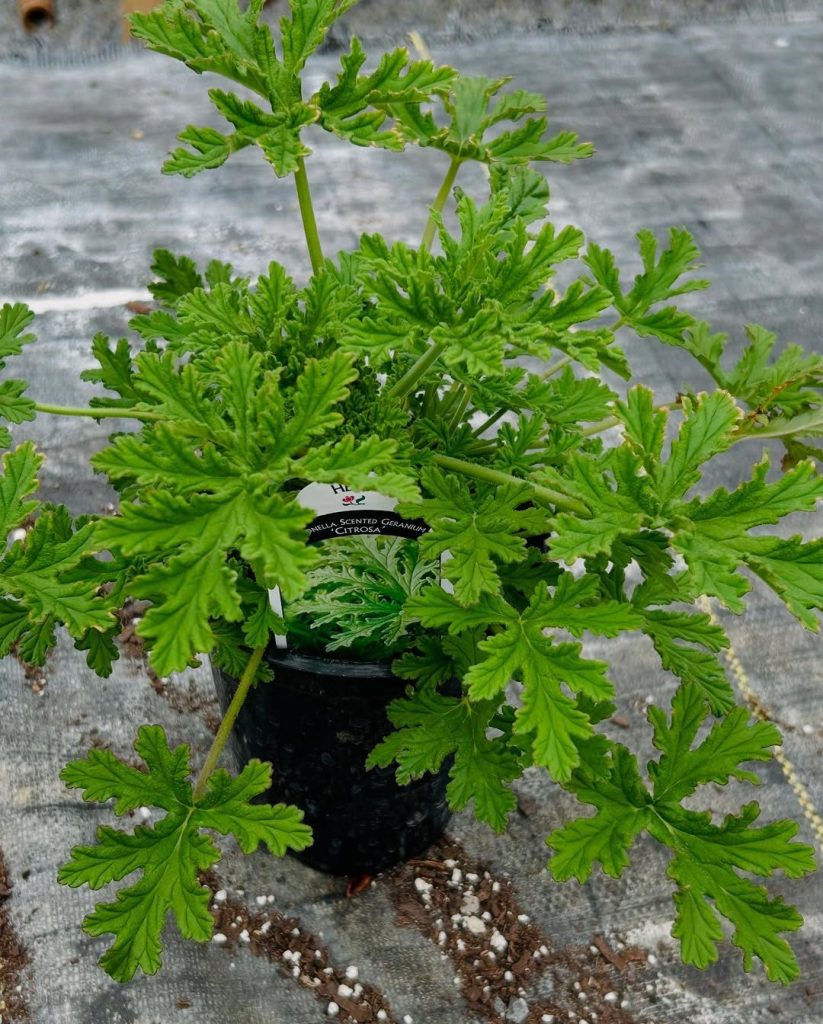
You’ve probably seen citronella candles at outdoor stores, but the actual citronella plant works even better. This tall grass grows naturally in warm, sunny spots and gives off a strong scent that mosquitoes really don’t like.
The plant itself is what those popular candles try to copy. You can grow citronella grass in your garden or keep it in pots near your patio. It needs full sun and warm weather to do well.
8. Nasturtiums
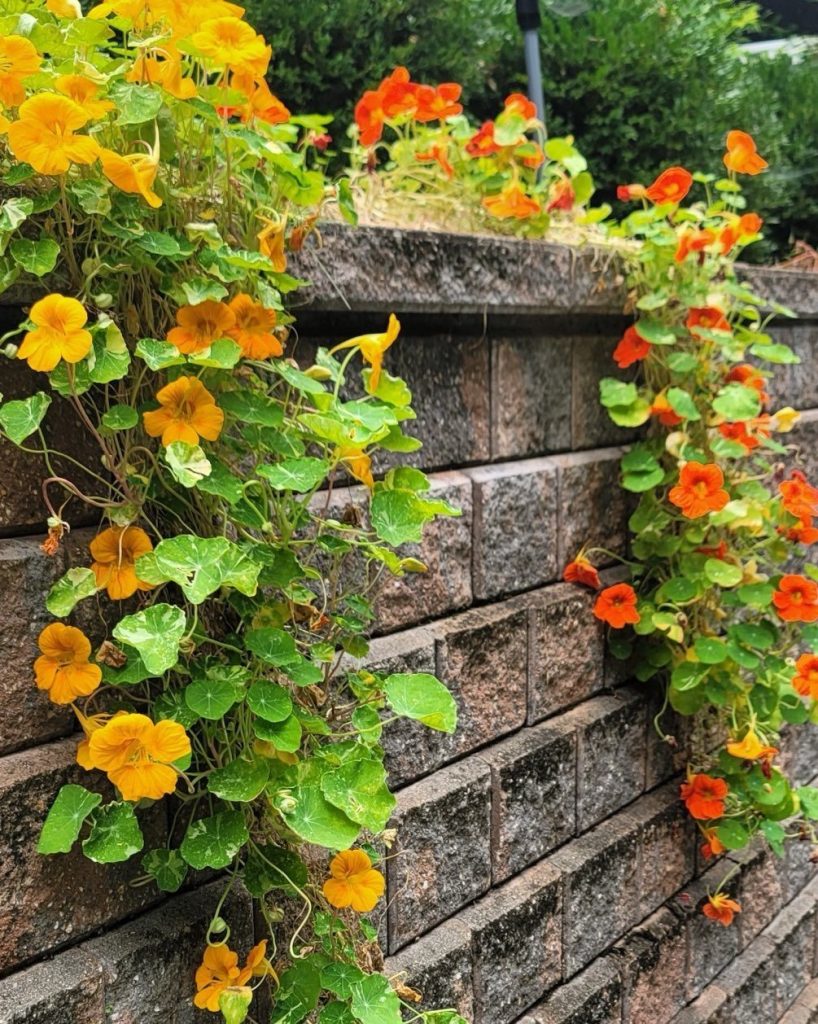
Nasturtiums are colorful flowers that do double duty in your garden. They help control pests in two different ways.
First, nasturtiums work as trap crops by attracting aphids away from your vegetables. The bugs prefer nasturtiums over your tomatoes and peppers, which keeps your food plants safe.
Second, these flowers can repel certain insects with their strong scent. They may keep away squash bugs, cucumber beetles, whiteflies, and flea beetles from nearby plants.
As a bonus, nasturtium flowers and leaves are edible with a peppery flavor.
9. Catnip
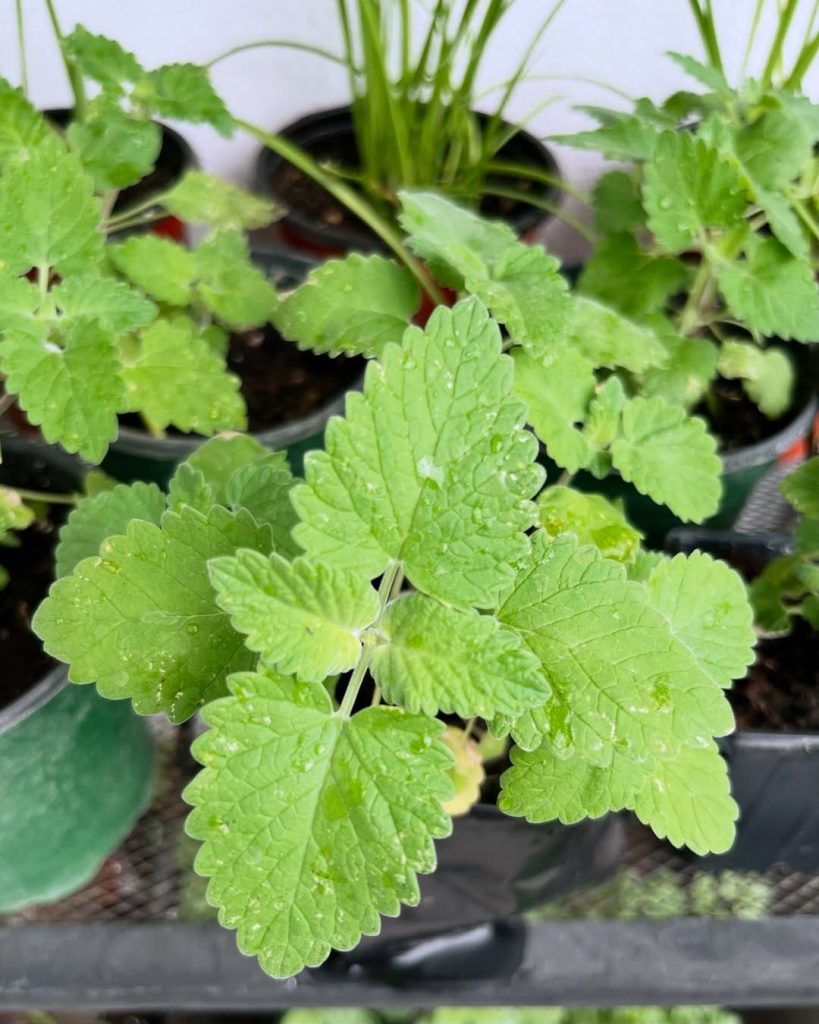
Catnip does more than just excite your cats. This plant naturally keeps away many common garden pests like aphids, squash bugs, and flea beetles.
The oils in catnip are what bugs really hate. Mosquitoes, flies, and ants will stay away from areas where you grow this herb.
You can plant catnip in containers near your doors and windows to keep pests out. It also works great as a companion plant in your vegetable garden. Just keep in mind that catnip spreads quickly, so containers help control its growth.
10. Petunias
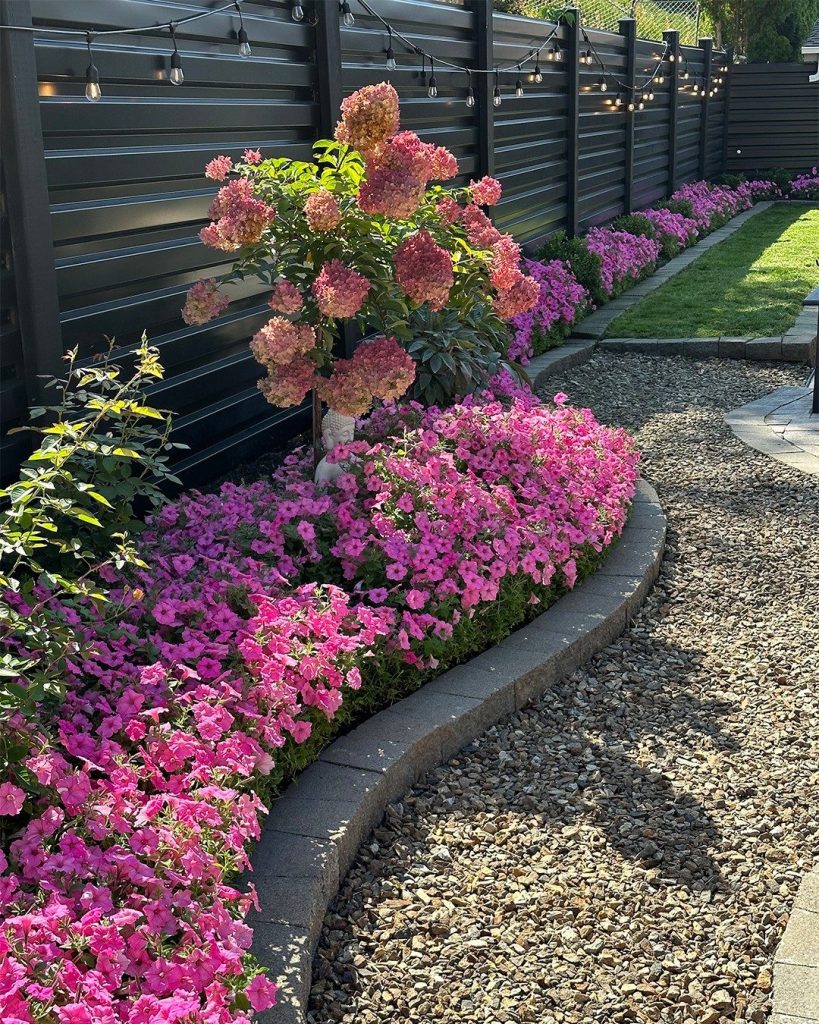
Petunias bring bright color to your garden while keeping unwanted pests away. These cheerful flowers naturally repel aphids, squash bugs, asparagus beetles, and leafhoppers.
The secret is in their scent and an alkaloid substance they produce. Many bugs simply don’t like how petunias smell or taste. Plant them in sunny spots near your vegetables for the best results.
These funnel-shaped blooms are easy to grow and need full sun to thrive. You can use them as natural pest control without relying on chemical sprays.
11. Sage
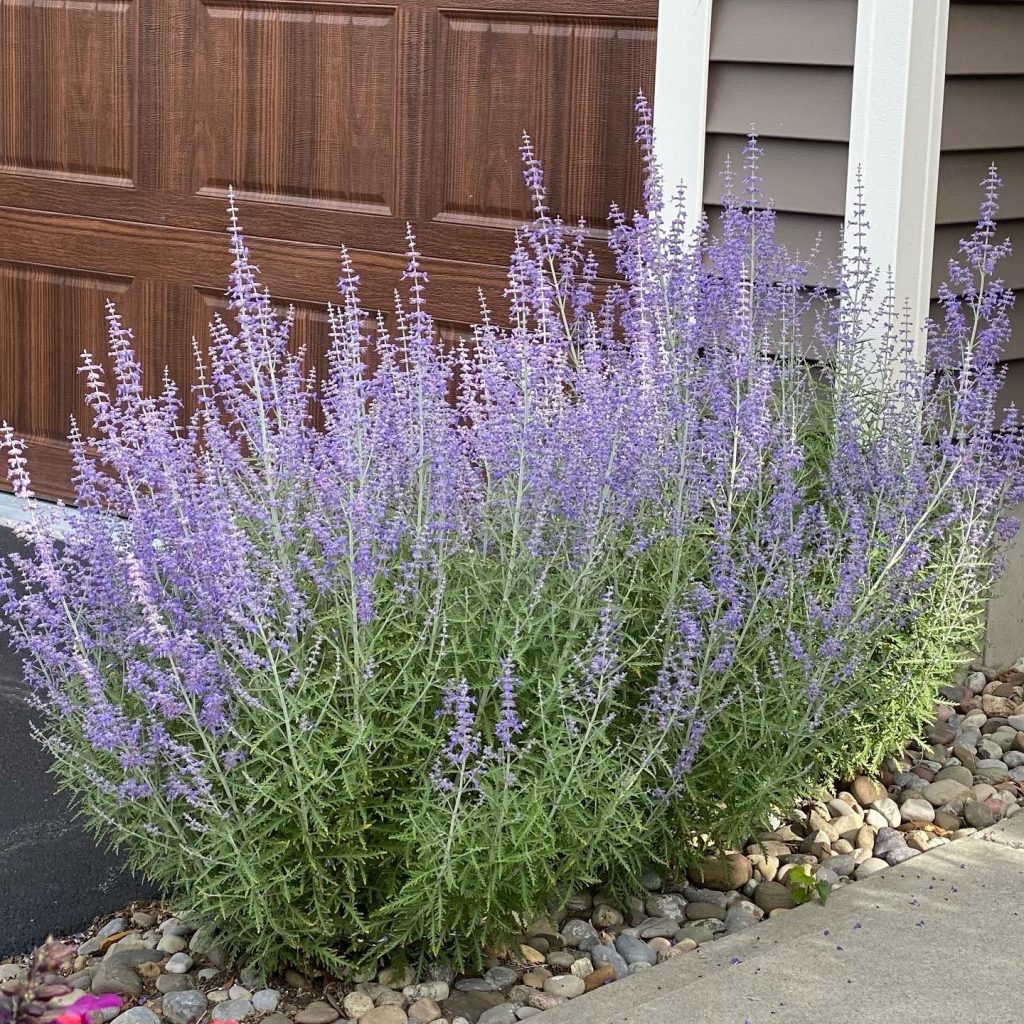
Sage is a powerful herb that naturally keeps bugs away from your garden. Its strong scent repels mosquitoes, flies, ants, moths, and slugs. The aromatic leaves confuse pests and mask the smell of nearby plants they might want to attack.
You can plant sage near strawberries or vegetables to protect them from insects. It works great in containers near doorways and windows too. When you burn dried sage, the smoke adds extra protection against mosquitoes and other flying pests.
12. Garlic
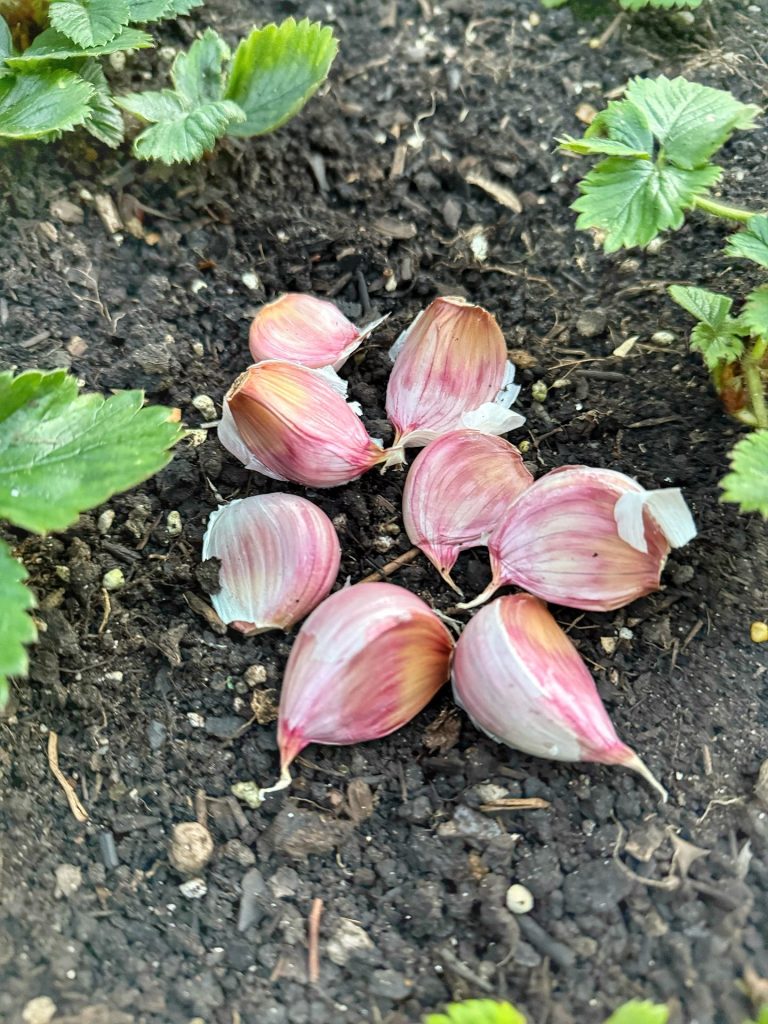
Garlic works as a natural pest deterrent in your garden. The plant releases sulfur compounds that bugs find unpleasant. This strong smell keeps common pests like aphids, beetles, and mosquitoes away from your plants.
You can grow garlic alongside your vegetables and flowers for protection. The pungent aroma confuses insects and makes them stay away. Plant garlic near tomatoes, peppers, or roses to guard them from unwanted visitors.
How Bug-Repellent Plants Work
Bug-repellent plants protect your garden through natural oils and strong scents that insects find unpleasant. These compounds create an invisible barrier that makes pests choose other locations instead of your yard.
Natural Compounds That Deter Insects
Plants produce special oils and chemicals to protect themselves from being eaten or damaged by bugs. These compounds are part of the plant’s natural defense system. Common bug-repelling chemicals include citronella, linalool, and pyrethrum.
When you crush or brush against these plants, they release more of these protective oils into the air. The oils work by confusing insects or making the area smell bad to them. Some compounds mask the scents that normally attract bugs to people, like carbon dioxide from your breath or the smell of sweat.
Different plants make different chemicals, which is why some work better on certain bugs than others. Marigolds produce a compound that keeps away aphids and mosquitoes. Lavender makes linalool, which repels moths, fleas, and flies.
The Role of Scent in Pest Prevention
Strong plant scents change how insects find their targets. Mosquitoes normally track victims by smelling carbon dioxide from up to 150 feet away. Bug-repellent plants release powerful odors that cover up or block these attractant smells.
The leaves and flowers of these plants give off scents that people enjoy but bugs hate. Herbs like basil and rosemary have pleasant smells to humans while driving away mosquitoes and flies. The stronger the scent, the better the plant usually works at keeping pests away.
You need to place these plants where people gather to get the best results. The scent fades as you move farther from the plant. Breaking or rubbing the leaves releases more oils and creates a stronger smell that lasts longer in your outdoor space.
Best Tips for Growing Bug-Repellent Plants
Growing bug-repellent plants successfully requires attention to their sunlight needs and spacing requirements. Strategic placement near outdoor living areas and pairing compatible plants together will maximize their pest-deterring effects.
Choosing the Right Location
Most bug-repellent plants need full sun to produce the strong oils that keep insects away. Place plants like lavender, rosemary, and citronella grass where they’ll get at least 6-8 hours of direct sunlight daily.
Position your plants near doorways, patios, and seating areas where you spend time outdoors. This creates a natural barrier between you and flying insects. Plants like basil and mint work well in containers on your deck or porch.
Consider the mature size of each plant when spacing them out. Marigolds can stay compact at 6-12 inches apart, while rosemary bushes need 2-3 feet of space. Check each plant’s water needs too, since some like lavender prefer dry soil while basil likes consistent moisture.
Keep potted herbs like citronella and lemongrass mobile so you can move them to problem areas. You can also bring containers indoors during cold months to extend their usefulness.
Companion Planting Strategies
Companion planting puts bug-repellent plants next to vegetables and flowers that need protection. Plant basil near your tomatoes to repel aphids, flies, and mosquitoes while improving tomato flavor.
Marigolds work well around the edges of vegetable gardens because they deter beetles, aphids, and cabbage worms. Space them 10-12 inches apart to form a protective border. Their roots also release substances that keep soil pests away.
Place mint near cabbage and tomatoes, but keep it in containers since it spreads aggressively. Nasturtiums attract aphids away from other plants, acting as a trap crop while repelling squash bugs and whiteflies.
Mix multiple bug-repellent plants together for broader protection. A combination of lavender, rosemary, and sage near your outdoor space targets different pest species at once.


