
When temperatures drop and natural food becomes harder to find, our garden birds need a helping hand. Creating homemade pine cone bird feeders is one of the easiest ways to support local wildlife through the colder months, and it’s a project that takes barely any time at all.
These rustic feeders look charming hanging from branches and provide a valuable energy boost for visiting birds. Even better, you can make them using items you likely already have at home.
What You’ll Need
The beauty of this project lies in its simplicity. Gather these basic materials before you start:
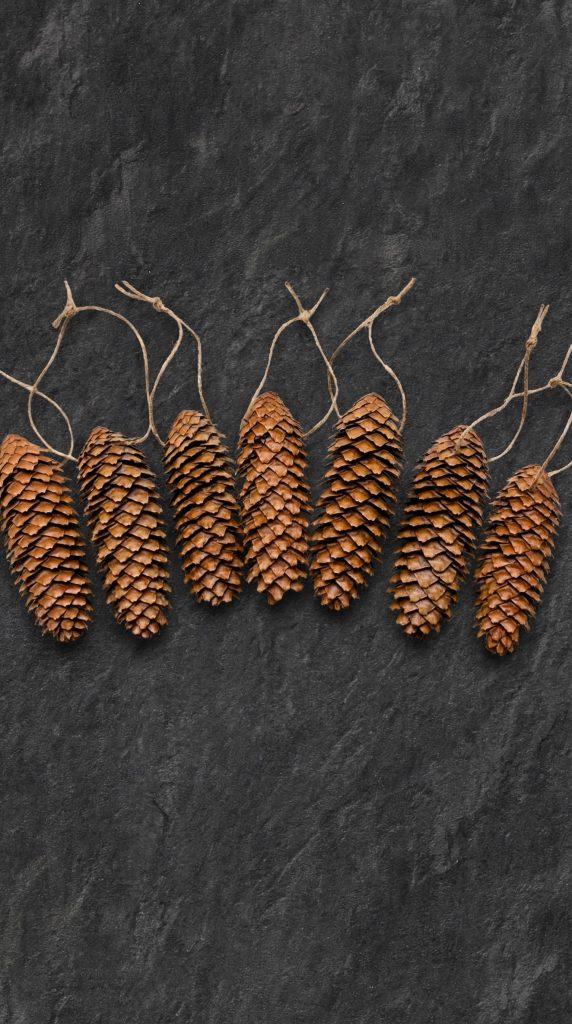
- Fresh or dried pine cones (collected from your garden or local woodland)
- Smooth peanut butter or vegetable suet
- Quality bird seed mix
- Garden twine or natural string
- Craft knife or spatula for spreading
- Shallow dishes or trays
- Greaseproof paper for preparation
- Decorative ribbon if desired
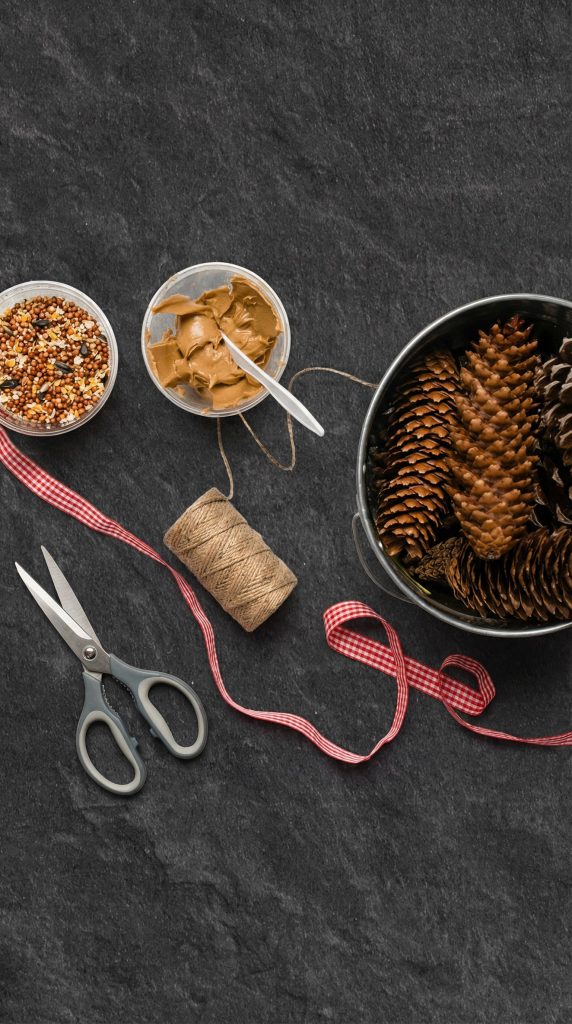
If you’re harvesting pine cones from your own garden, give them a quick rinse if they’re particularly dirty, then leave them in a sunny spot to dry thoroughly. Save the most symmetrical specimens for indoor crafts and use the slightly wonky ones for your bird feeders.
Step-by-Step Instructions
Prepare Your Hanging Loop
Start by attaching your string before you add anything sticky. This keeps the process much cleaner and prevents peanut butter-covered fingers.
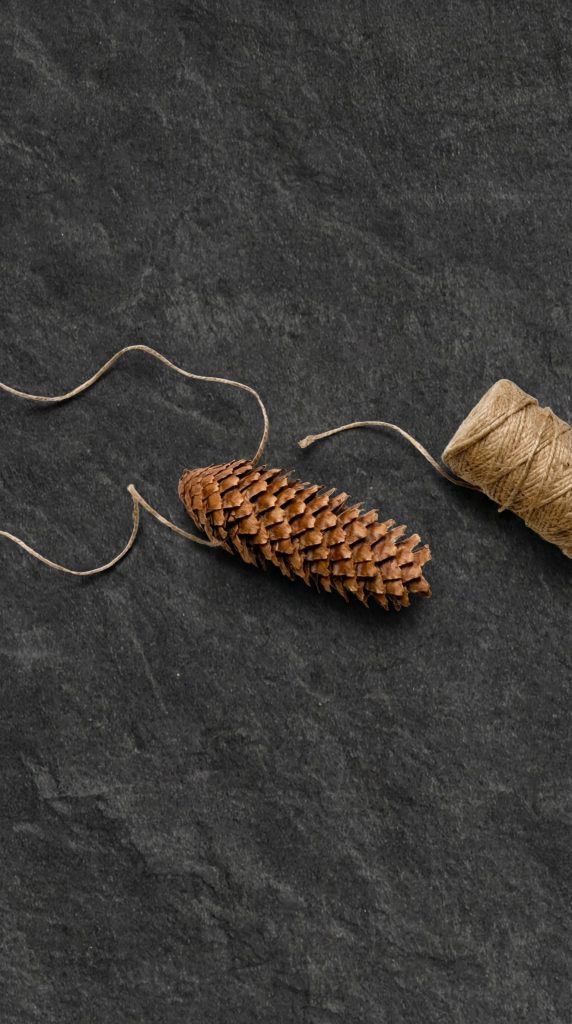
Cut a length of twine around 30cm long. This gives you enough to work with and allows you to trim everything to a uniform length later. Wind the twine twice around the base of your pine cone, then tie it securely with a double knot. Trim away any excess, leaving enough for a comfortable hanging loop.
Coat with Peanut Butter
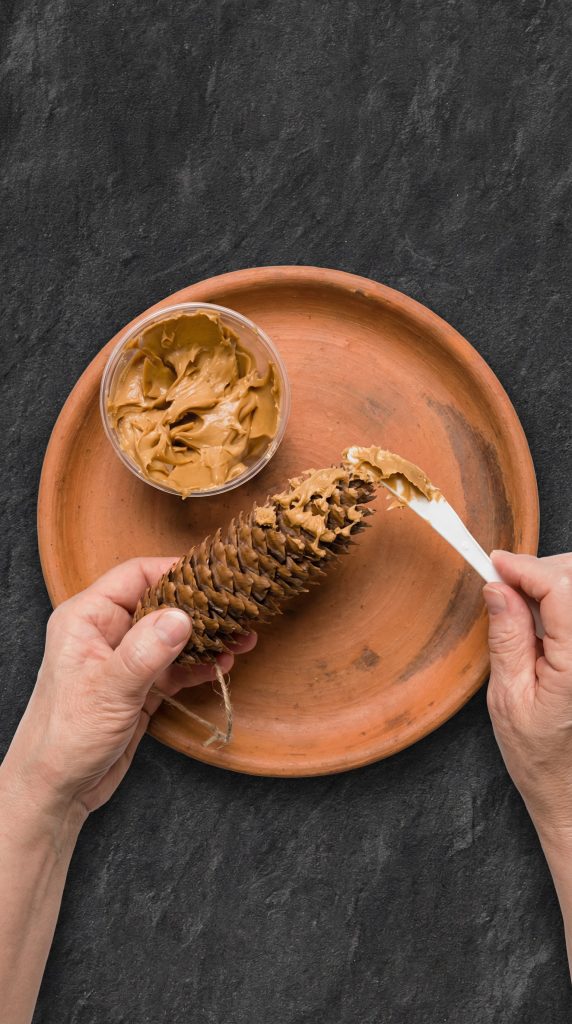
Working over a paper plate or tray, use your knife to spread a generous layer of peanut butter into all the crevices of the pine cone. Start at the base and work systematically towards the top, stopping just below where your string is attached.
Press the peanut butter firmly into the gaps between the scales. The stickier and thicker your coating, the more seeds will adhere. If anyone in your household has nut allergies, swap the peanut butter for plain lard or vegetable suet, which birds find equally appealing.
Add the Bird Seed
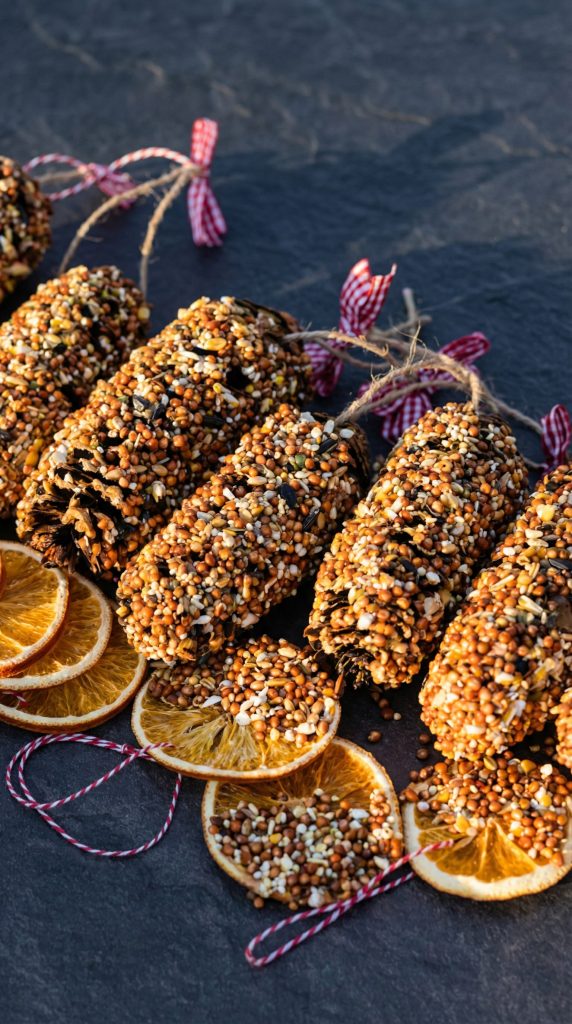
Pour a shallow layer of bird seed onto a clean plate. Hold your pine cone by its string and angle it over the plate, then sprinkle seeds generously over the peanut butter while slowly rotating the cone. This ensures even coverage.
For extra seed adhesion, roll the cone gently across your seed-covered plate. Use your fingertips to press larger seeds, particularly sunflower seeds, into any bare patches. The finished feeder should be thoroughly coated with barely any peanut butter visible.
Final Touches
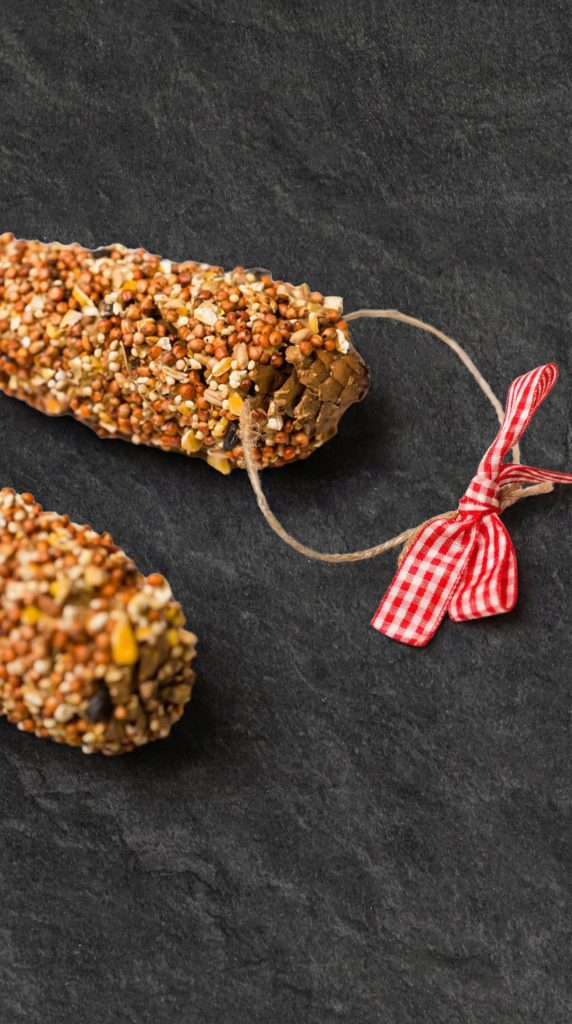
If you’re making these as garden decorations as well as functional feeders, tie a small ribbon bow over the knot at the top. Traditional red gingham or natural jute both look attractive against winter greenery.
Arrange your completed feeders on greaseproof paper while you work through your batch. This prevents them sticking to surfaces and makes cleanup straightforward.
Hanging Your Feeders
Position your pine cone feeders where you can easily watch visiting birds. Ideal spots include:
- Lower branches of mature trees where birds have nearby cover
- Near existing bird boxes or nesting sites
- Close to windows for comfortable viewing
- Away from areas where cats might lurk
Simply loop the twine over a branch and let the feeder dangle freely. Avoid placing them too close together as some species prefer feeding alone.
Which Birds Will Visit?
These feeders attract a variety of common garden birds. Expect to see blue tits, great tits, robins, and finches making regular visits. Occasionally, nuthatches and woodpeckers might investigate if you live near woodland.
The high-fat content of peanut butter provides essential calories that help birds maintain their body temperature during cold weather. This extra energy is particularly valuable during harsh winter conditions when insects are scarce.
How Long Do They Last?
In typical British weather, these feeders remain appealing to birds for around a week, sometimes slightly longer during cold, dry spells. Once the seed has been consumed and the peanut butter picked clean, simply replace them with fresh ones.
Making bird feeders from natural materials means everything is biodegradable. Old pine cones can go straight onto your compost heap rather than creating waste.
Timing Your Bird Feeding
While these feeders work brilliantly during winter, they’re useful throughout autumn and early spring too. Avoid putting out peanut butter-based feeders during the main nesting season (roughly April through July) as whole peanuts and sticky foods can be dangerous for chicks.
During breeding season, stick to standard seed feeders and avoid anything that might cause choking in young birds.
Making It a Regular Habit
Once you’ve made your first batch, the process becomes second nature. Many gardeners set aside an hour every few weeks throughout winter to create a fresh supply. It’s a satisfying, meditative activity that makes a real difference to local wildlife.
Keep your feeders topped up consistently, as birds quickly learn where reliable food sources are located. Regular visitors will begin incorporating your garden into their daily feeding routes.
The effort required is minimal, the cost negligible, and the reward of watching busy birds enjoying your homemade treats is genuinely delightful. Plus, you’ll be providing crucial support to wildlife exactly when they need it most.