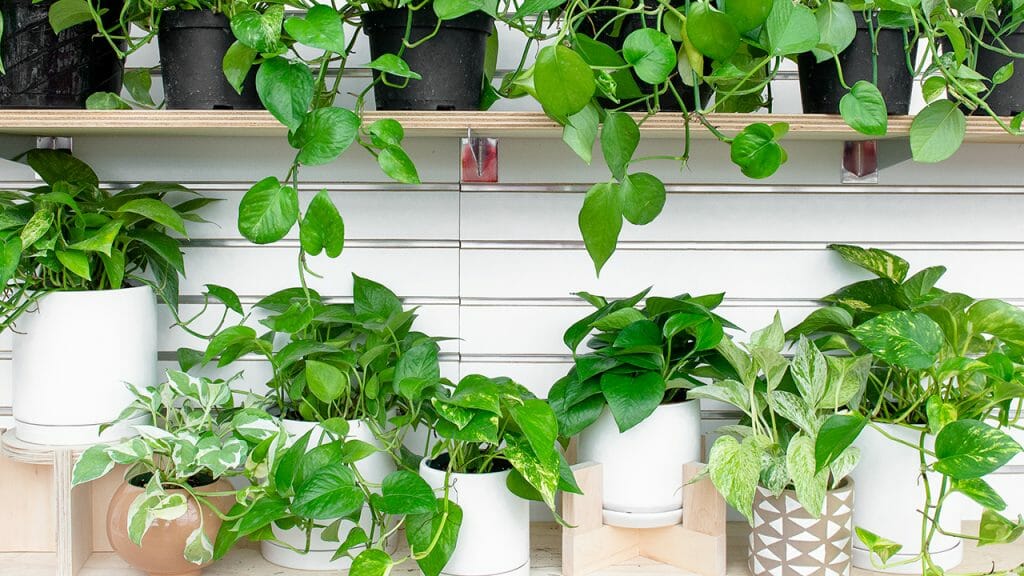
Every home has its trouble spots. The bathroom that never quite airs out. That musty corner by the window. The cooking smell that lingers long after dinner’s done. 🍳
You could reach for a spray or plug-in. Or you could put a plant to work instead. The right houseplant in the right room pulls double duty – it helps with the smell and looks a lot nicer on the shelf than a plastic air freshener.
Here’s the honest bit first, though. Plants don’t vacuum odours out of the air like a machine. Some absorb a little humidity, some catch particles on their leaves, and the herby ones simply smell so good they take over the room. Put them in the right spot and they make a real difference – just don’t expect one small pot to fix a serious problem on its own.
With that said, here’s a plant for every job. 🌿
Quick note on pets. Some of these plants are toxic to cats and dogs if chewed. We have flagged each one so you can choose safely.
1. Bathroom Smells: Peace Lily

The bathroom is the classic problem room. Warm, damp, often short on fresh air, and quick to turn stale. The peace lily is made for it.
It loves the low light and humidity that a bathroom throws at it, and its broad glossy leaves help freshen still air. It flowers indoors too, so you get a white bloom in a room that usually gets ignored. When it needs a drink it droops, then bounces back within the hour, which makes it almost impossible to kill.
Care: Low to medium indirect light, water when the leaves start to sag. Pet safe: No, toxic to cats and dogs.
2. Musty Smell: Boston Fern
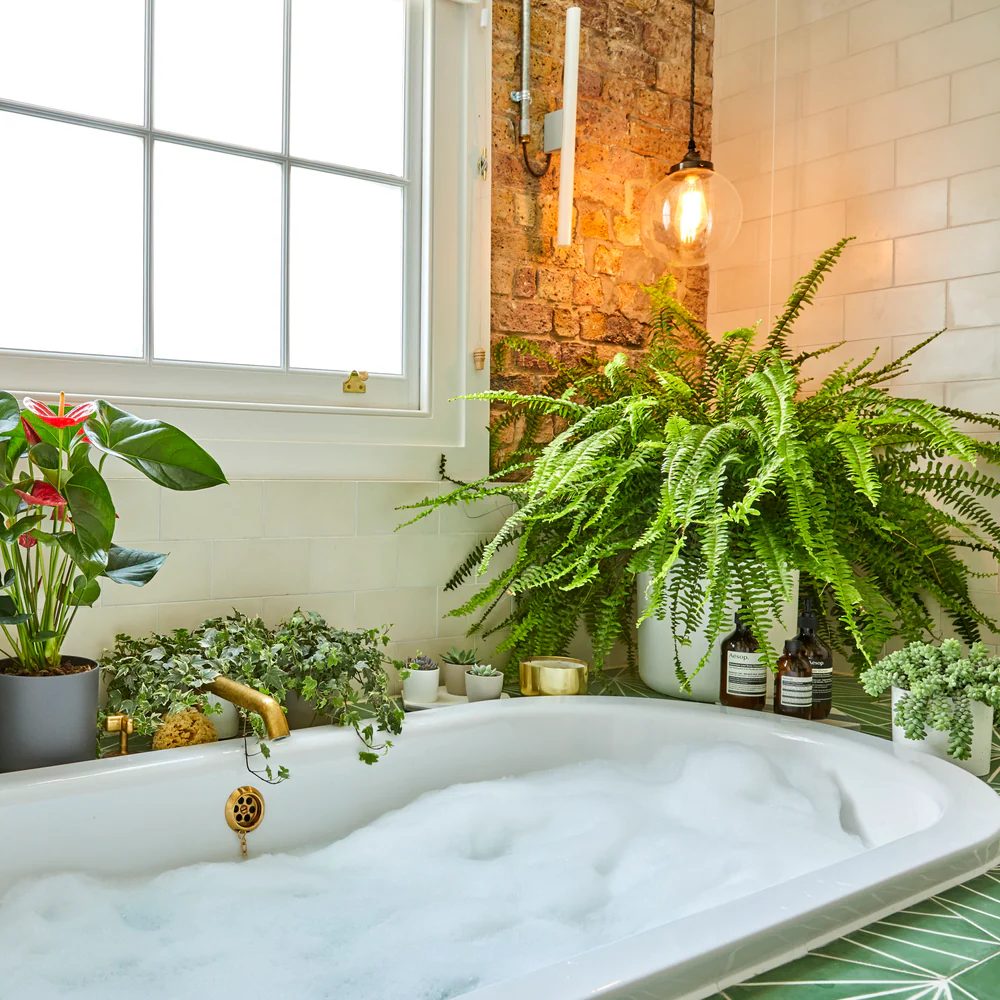
That musty, damp-cloth smell usually means moisture is sitting in the air with nowhere to go. The Boston fern helps balance it out.
Those feathery fronds thrive in humidity and help take the edge off a damp, stale room. It is one of the better picks for a spot that always feels a bit clammy. Give it a mist now and then, since it hates drying out, and keep it somewhere it can trail down from a shelf.
Care: Medium indirect light, keep lightly moist, mist the fronds. Pet safe: Yes.
3. Damp Shower Smell: English Ivy
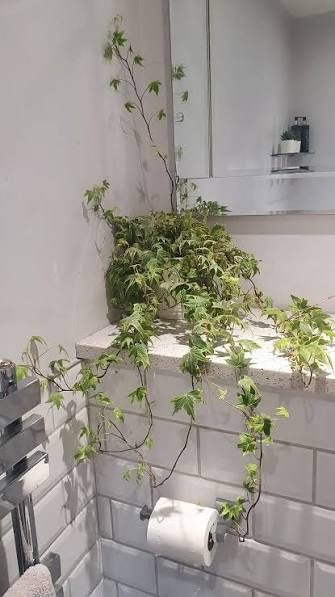
The shower area gets the worst of the damp, and that flat, mildewy smell tends to start there. English ivy is a good match.
It copes happily with the shady, humid conditions right by the shower, and its many small leaves give airborne particles plenty to cling to. Hang a pot high and let it trail down the tiles. It is worth knowing ivy is often named for helping with pet and smoke smells too, so it earns its keep in more than one room.
Care: Bright to medium indirect light, water when the top of the soil dries. Pet safe: No, toxic to cats and dogs.
4. Cooking Smells: Rosemary
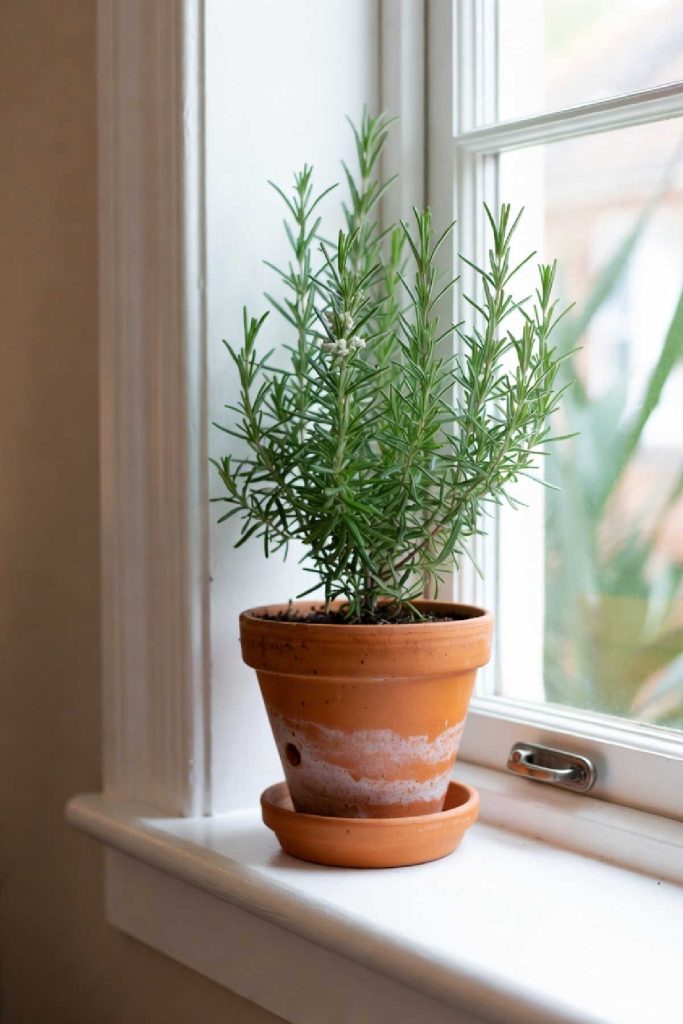
Fried onions and fish are lovely at dinner and far less lovely the next morning. Rosemary is the answer on the kitchen windowsill.
Its strong, clean, pine-like scent does not so much absorb cooking smells as cover them with something far nicer. Brush past it and the whole room lifts. Best of all you can snip sprigs straight into the pan, so it pays for itself. It wants a good bright spot to stay happy.
Care: Bright light, ideally a sunny sill, let the soil dry between waterings. Pet safe: Yes.
5. Stuffy Bedroom Air: Snake Plant
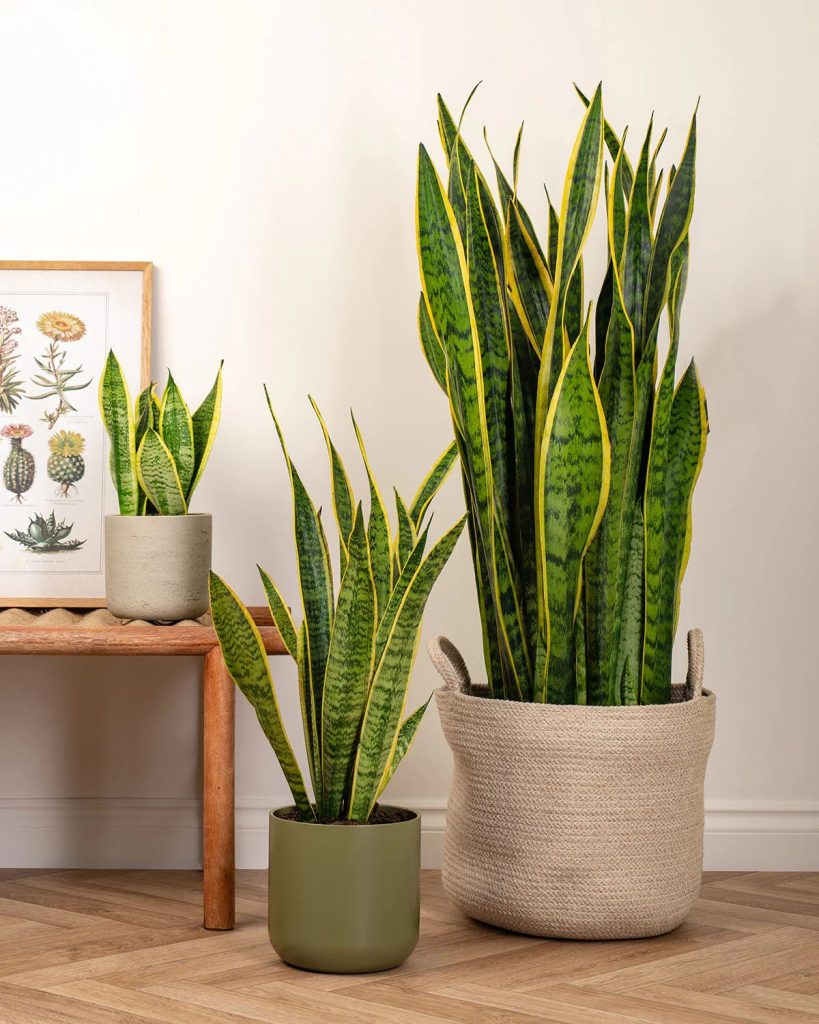
A bedroom with the door and window shut all night can feel close and stale by morning. The snake plant is the low-effort fix.
It is one of the few plants that gives off oxygen at night rather than in the day, which suits a bedroom nicely. It also survives dim light and weeks of neglect, so a forgetful sleeper cannot do much harm. Stand one in the corner and leave it be.
Care: Low to bright light, water sparingly, roughly every two to three weeks. Pet safe: No, mildly toxic to cats and dogs.
6. Pet Smells: Spider Plant
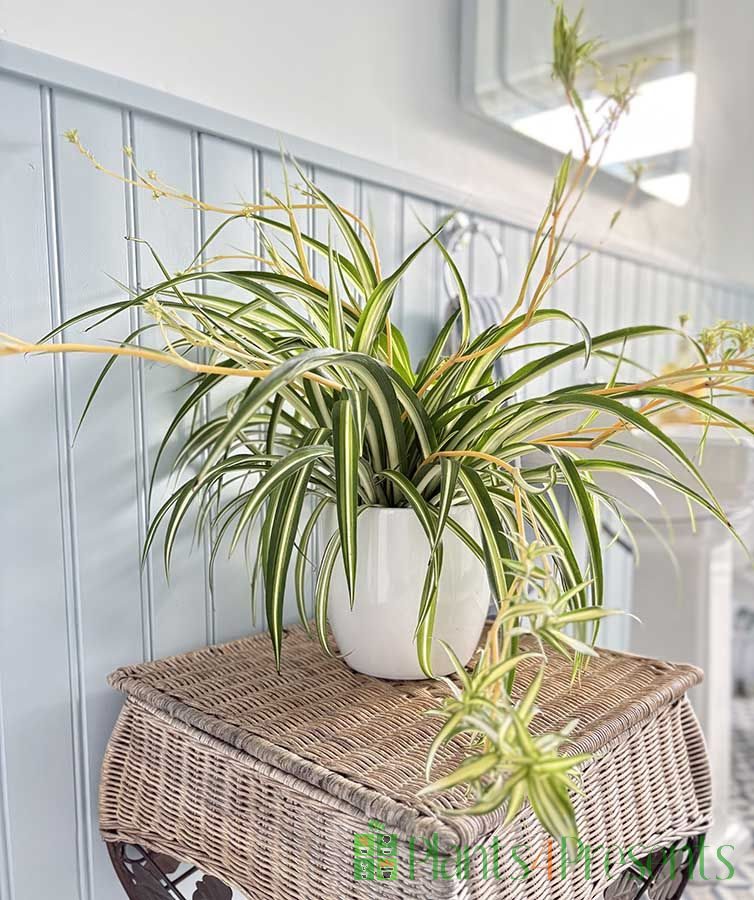
Living with a cat or dog is worth every bit of the smell, but a little help never hurts. The spider plant is a great pick for a pet home.
It is one of the easiest plants going, it grows loads of leaves to freshen the air around it, and it is completely safe if your pet decides to have a nibble. It also throws out baby plants you can pot up for free. Hang one where the leaves can spread out over a pet bed or litter corner.
Care: Bright indirect light but very forgiving, water when the top inch dries. Pet safe: Yes.
7. Fresh Paint or New Furniture Smell: Aloe Vera
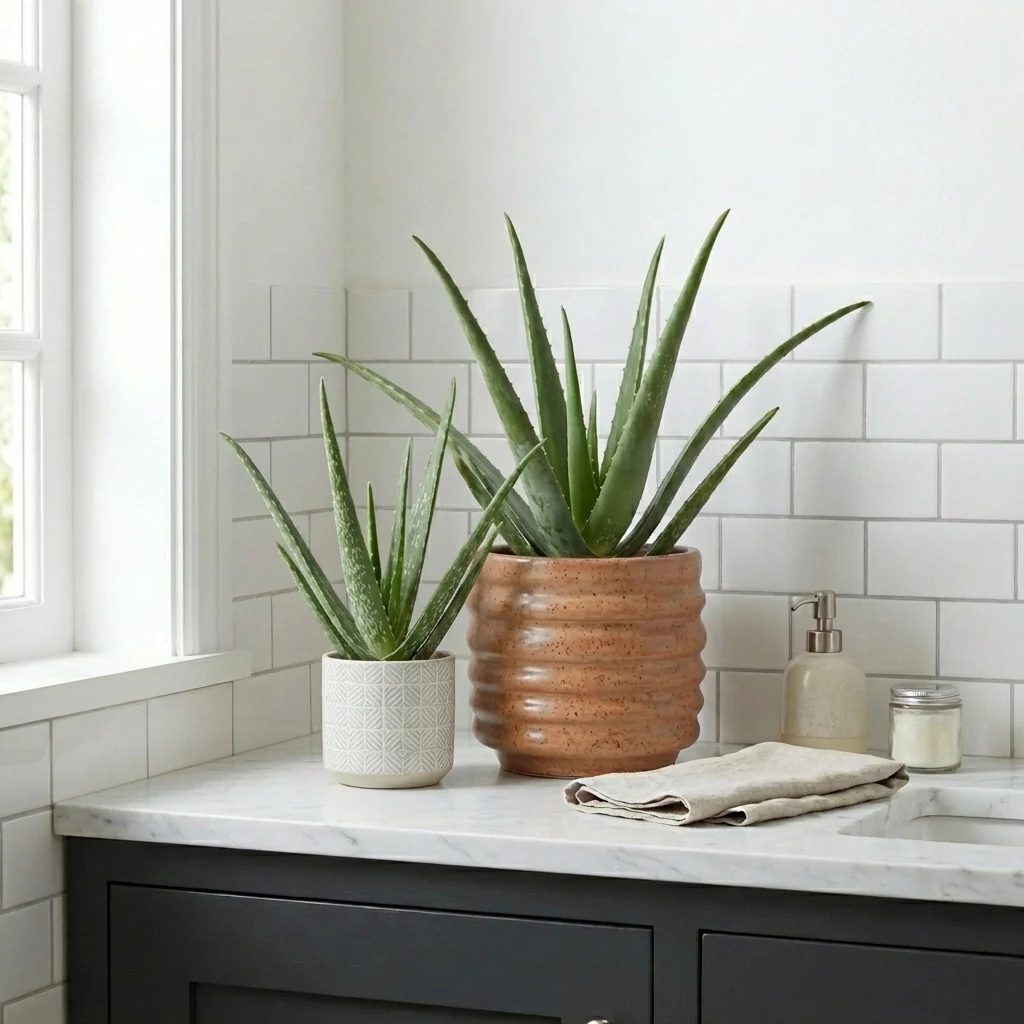
That sharp chemical smell from new paint, a flat-pack wardrobe or a fresh carpet is usually the compounds off-gassing into the room. Aloe vera helps quietly soak some of it up.
It is known for pulling compounds like formaldehyde and benzene, the sort released by paints and glues, out of the air. On top of that the gel inside the leaves is handy for a small burn or a bit of dry skin. It is a succulent, so it wants a sunny spot and very little water.
Care: Bright light, water only when the soil is fully dry. Pet safe: No, toxic to cats and dogs.
8. Bin and Food Waste Smells: Mint
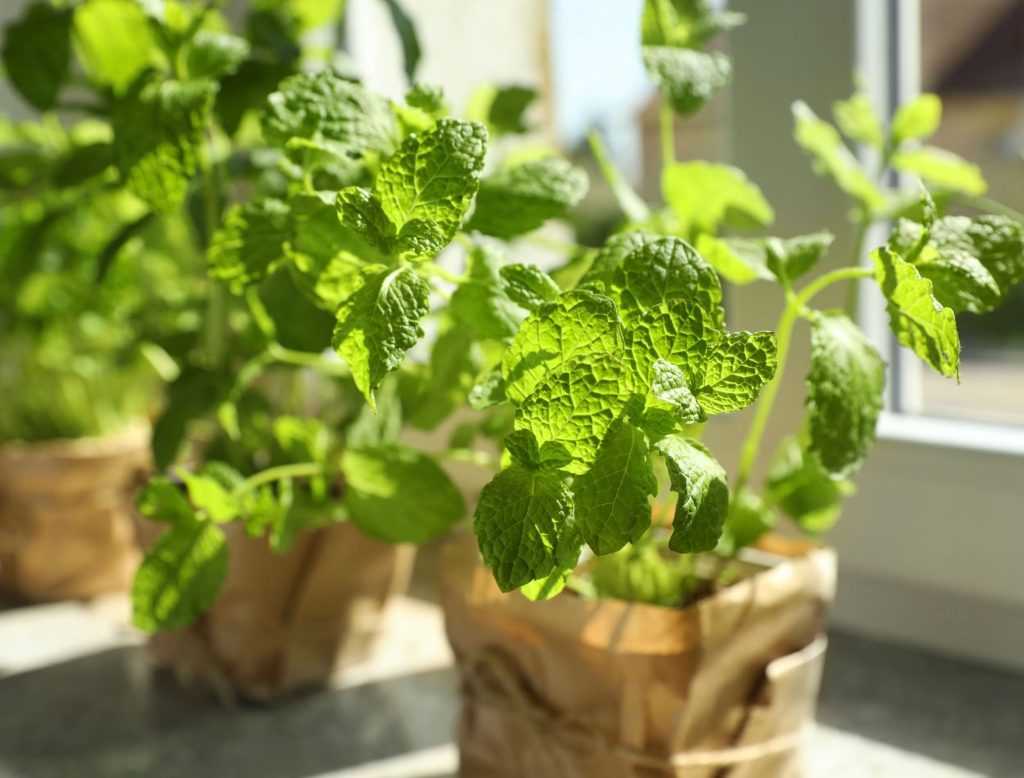
Even a clean kitchen bin has its moments, especially in summer. A pot of mint nearby helps keep things fresh.
Mint has a bright, sharp scent that cuts through food and stale smells, and it grows like a weed with barely any care. Bonus points because you can pull the leaves for tea, cooking or a summer drink. Keep it in its own pot though, since mint will take over any bed you plant it in.
Care: Bright light, keep the soil moist, pinch it back often. Pet safe: Generally safe, though large amounts can upset a pet’s stomach.
9. Stale Wardrobe and Drawer Smell: Lavender
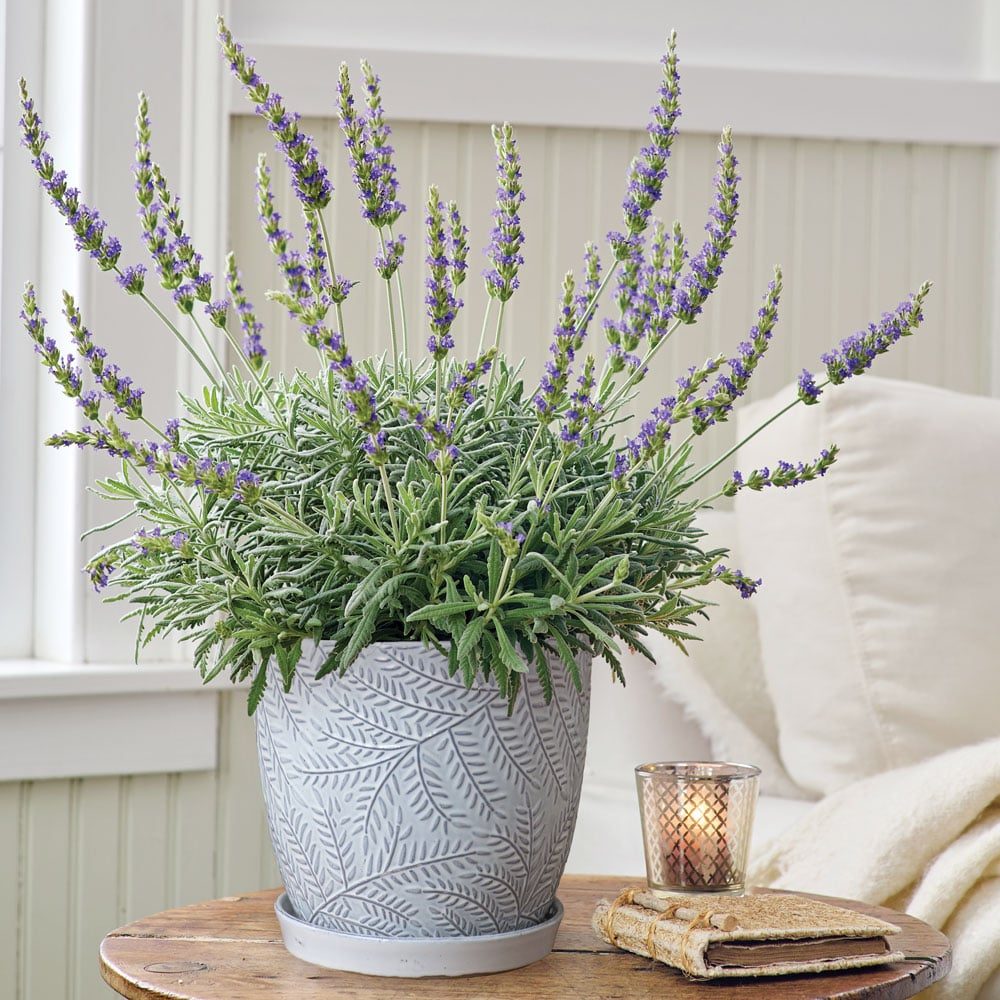
Cupboards, wardrobes and drawers get that shut-away smell when the air never moves. Lavender is the old-fashioned answer, and a good one.
Its scent is calming and clean, and it holds that fragrance even once the flowers are dried, which is why sprigs have gone in linen drawers for generations. Grow a pot on a bright sill, then dry a few stems and tuck them where the air goes stale. It doubles as a natural way to keep moths off your clothes.
Care: Full sun, let it dry out between waterings, it hates soggy roots. Pet safe: No, mildly toxic to cats and dogs.
10. General Stale, Still Air: Golden Pothos
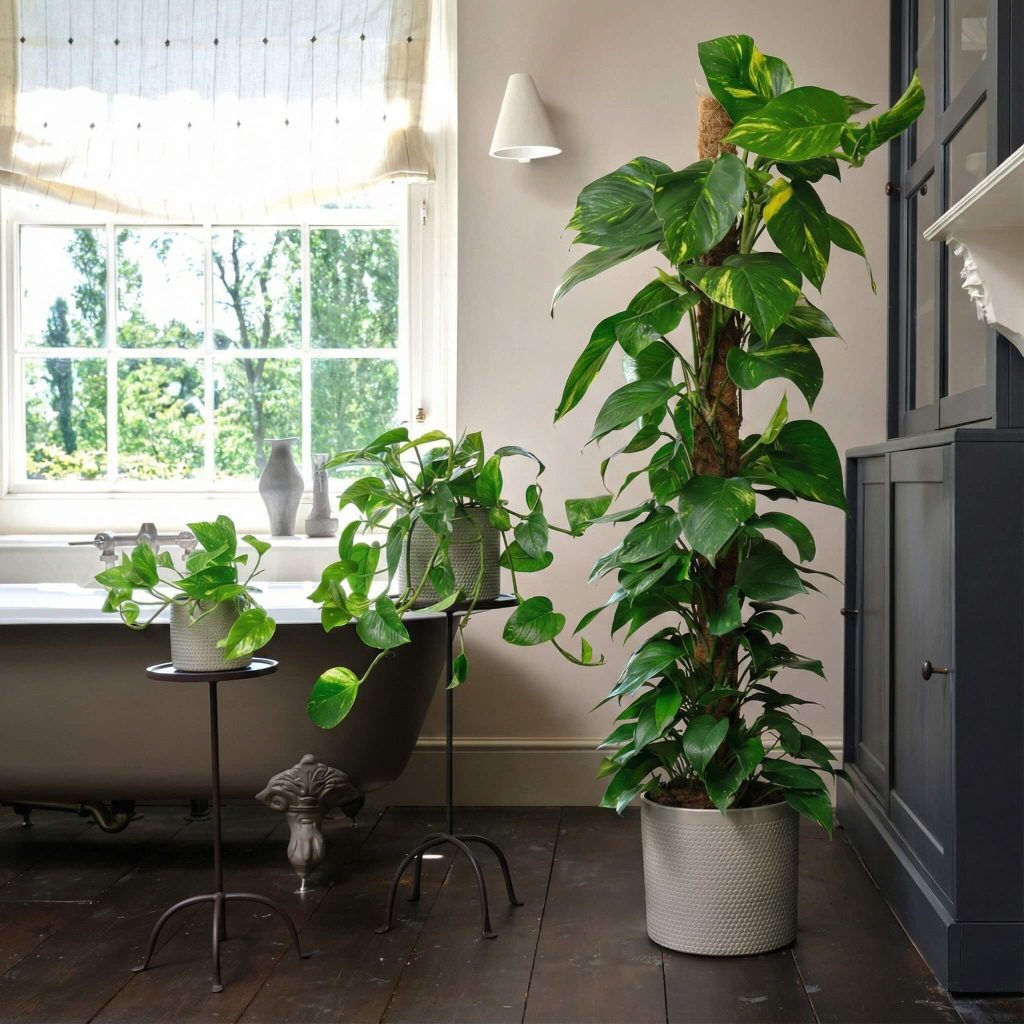
Sometimes a whole room just feels flat and lived-in, with no single smell to blame. Golden pothos is the easy all-rounder for that.
It grows fast, it has plenty of leaf surface to help freshen the air, and it will grow in almost any light, including the dim corners other plants sulk in. Let it trail off a shelf or climb a pole and it fills a space with very little effort. If you only buy one plant off this list, this is the safe bet.
Care: Low to bright indirect light, water when the top of the soil dries. Pet safe: No, toxic to cats and dogs.
How to actually beat household smells
Plants are the finishing touch, not the whole job. Get these basics right and they will have far less to fight against.
- Deal with the source first. A plant will not beat a full bin, a damp towel or a blocked drain. Sort the cause, then let the plant keep things fresh.
- Get the air moving. Open a window, run the extractor fan, leave doors open. Fresh air does more than any single plant.
- Put the plant where the smell is. A plant in the hallway does nothing for the bathroom. Match the plant to the problem room.
- Do not overwater. Soggy soil grows its own musty smell, which is the last thing you want. Use pots with drainage and let the soil dry out a little.
- Group a few together. One pot does a little. Two or three in a small room do a lot more.
Remember: the herby plants like rosemary, mint and lavender work by adding a pleasant scent of their own, and the leafy ones help by freshening and balancing the air. Neither will neutralise a strong smell on its own. Pair them with a bit of fresh air and they will keep your rooms smelling far better for it.
The bottom line
There really is a plant for every problem room in the house. Peace lily for the bathroom, rosemary for cooking smells, snake plant for a stuffy bedroom, and spider plant if you want something safe around pets.
Match the plant to the room, keep a little air moving, and your home will feel fresher without a single plug-in in sight.