Gardening can feel like it requires lots of special supplies and expensive products. But you probably already have most of what you need sitting around your house right now.
Everyday items like coffee grounds, egg cartons, and plastic bottles can solve common gardening problems without spending extra money.
This collection of simple tricks will help you grow healthier plants using things you might otherwise throw away. You’ll learn how to start seeds, improve soil, keep pests away, and water more effectively.
These methods work for beginners and experienced gardeners alike, making it easier to care for your plants without buying speciality products.
1. Use egg cartons as biodegradable seed starters

Save your empty egg cartons instead of tossing them in the trash. They make perfect containers for starting seeds indoors.
Fill each cup with soil and plant your seeds. The small compartments are just the right size for seedlings to grow their first roots.
When your plants are ready, you can plant the entire carton section directly in the ground. The cardboard will break down naturally in the soil. This saves you money on plastic seed trays and reduces waste at the same time.
2. Repurpose coffee grounds to enrich garden soil
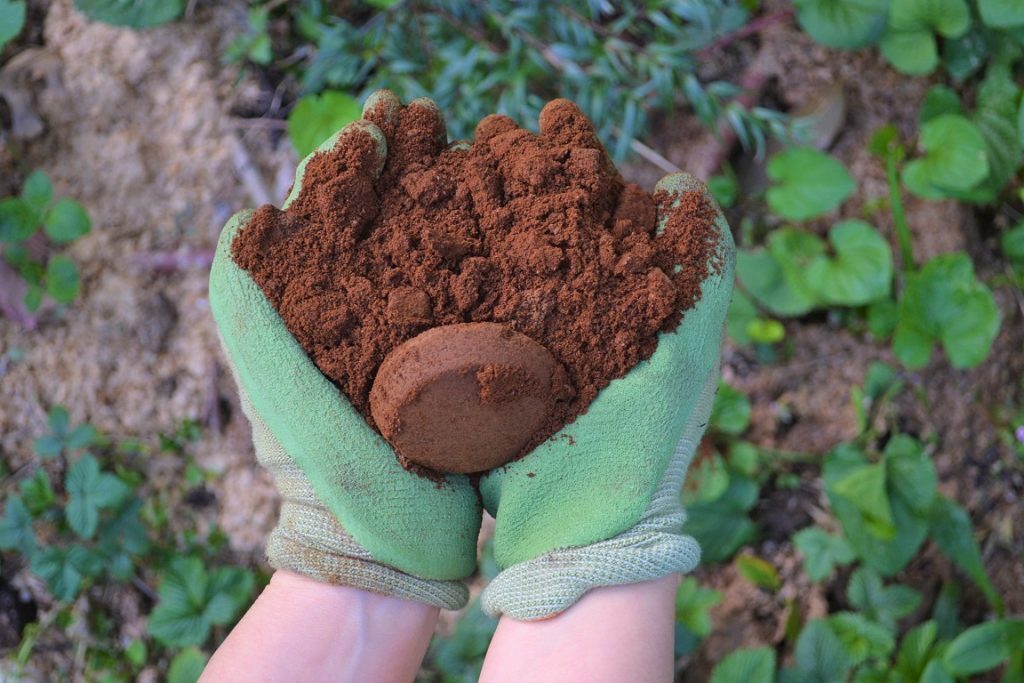
Used coffee grounds can give your garden soil a helpful boost. They contain nitrogen, potassium, and other nutrients that plants need to grow well.
You can mix coffee grounds directly into your garden soil or add them to your compost pile. They work best when you apply them every few weeks during the growing season.
Coffee grounds also improve soil structure and help with drainage. Just spread a thin layer around your plants and work it into the top few inches of soil.
3. Turn plastic bottles into self-watering planters
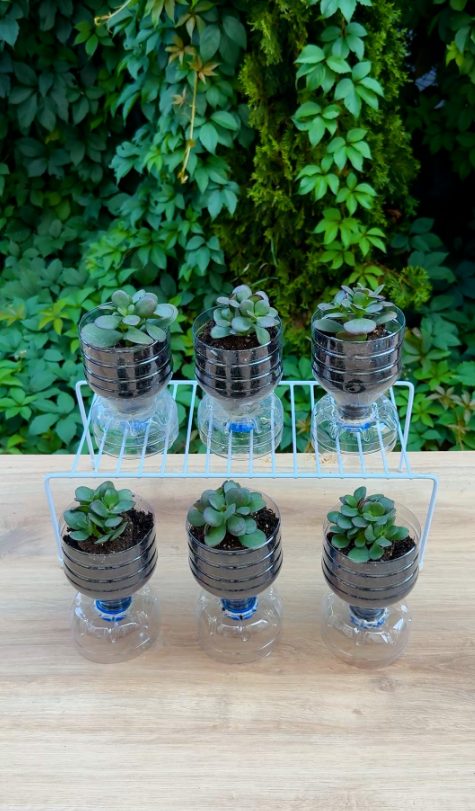
You can reuse empty plastic bottles to create planters that water your plants for you. Cut a bottle in half and flip the top section upside down into the bottom part. Fill the bottom with water and add soil and your plant to the top section.
The water moves up through the bottle opening to keep the soil moist. This setup works well when you’re busy or away from home. It’s free to make and helps reduce plastic waste in your home.
4. Crush eggshells to deter slugs and pests

Save your eggshells from breakfast and put them to work in your garden. Crush them into small pieces with sharp edges that slugs and snails don’t like to crawl over.
Sprinkle the crushed shells around the base of your plants to create a protective barrier. Focus on seedlings and young plants that pests target most often.
You’ll need to reapply the eggshells after heavy rain washes them away. As a bonus, the shells break down over time and add calcium to your soil.
5. Create banana peel fertilizer by burying peels near plants

Don’t toss those banana peels in the trash. You can bury them directly in your garden soil to feed your plants naturally.
Simply dig a small hole near your plants and place the peels inside. Cover them with soil and let them break down over time.
As the peels decompose, they release nutrients like potassium into the soil. This helps your plants grow stronger and healthier. It’s an easy way to reduce kitchen waste while giving your garden a boost.
6. Start seeds in toilet paper rolls

Save money and reduce waste by turning empty toilet paper rolls into seed starters. These cardboard tubes work great because they’re biodegradable. You can plant them directly in the ground without removing the seedling.
To use them, fold the bottom of the roll to create a base. Fill with potting soil and add your seeds. Place the rolls in a tray to keep them upright. When your seedlings are ready to transplant, just put the whole roll in the soil where it will break down naturally.
7. Cut old spoons into plant markers

Old spoons from your kitchen drawer can become useful plant markers for your garden. You can use wooden or metal spoons that are worn out or stained.
Write the plant names on the spoon handles with a permanent marker or paint. Metal spoons can be flattened with a hammer and stamped with plant names for a more permanent option.
The long handles stick firmly into the soil and won’t tip over like small tags. This keeps your garden organized while giving old utensils a new purpose.
8. Use epsom salt spray for greener leaves

Epsom salt gives your plants a quick magnesium boost that helps them look healthier. Mix one tablespoon of Epsom salt with one gallon of water in a spray bottle.
Spray this mixture directly on your plant leaves once a month. The magnesium helps plants absorb nutrients better, which makes leaves turn a richer green color.
This works great for tomatoes, peppers, roses, and leafy greens. You’ll notice the difference in just a few weeks as your plants develop fuller, greener foliage.
9. Reuse milk jugs to water plants slowly

Empty milk jugs make great slow-watering tools for your garden. Poke small holes in the sides of a clean jug and bury it next to a plant. Leave the mouth sticking out above the soil.
Fill the jug with water and it will slowly seep out through the holes. This gives your plants a steady drink right at their roots.
Cap the jug between waterings to keep debris out. This method works especially well for thirsty plants during hot weather.
10. Use coffee filters to improve drainage in pots

Place a coffee filter at the bottom of your flower pot before adding soil. It covers the drainage holes and lets water flow through while keeping soil from washing out.
This simple trick prevents messy drips on your windowsill or patio. You won’t waste potting soil every time you water your plants.
Coffee filters break down naturally over time, so you don’t need to worry about them causing problems. They’re cheap, easy to use, and work great for container gardening.
11. Use cinnamon powder for fungal disease

Cinnamon works as a natural fungicide to protect your plants from harmful fungi. It contains compounds that stop fungal growth without using harsh chemicals.
Sprinkle ground cinnamon directly on your seed-starting soil after planting seeds. This helps prevent damping off disease, which can kill young seedlings quickly.
You can also dust cinnamon on plant wounds or broken stems to help them heal. The powder creates a protective barrier that keeps infections away while your plant recovers.
12. Make a natural pest spray with diluted dish soap

You can protect your plants from bugs using simple dish soap and water. Mix one tablespoon of mild dish soap with one quart of water in a spray bottle.
Shake the bottle well before using it. Spray directly on soft-bodied pests like aphids and mites in the early morning or evening.
This soap spray works by breaking down the outer coating of insects. It’s gentle on your plants but tough on unwanted bugs.
13. Use newspaper layers to suppress weeds

Old newspapers make an effective weed barrier in your garden. Stack 5 to 8 sheets of newspaper on top of the soil where you want to block weeds. Make sure the edges overlap by about six inches so weeds can’t sneak through any gaps.
The thick paper layer blocks sunlight and stops weeds from growing. Wet the newspaper first so it stays in place. Most newspapers use soy-based ink, which makes them safe for your garden.
You can cover the newspaper with mulch or soil to keep it neat.
14. Place broken terra cotta shards at pot bottoms for drainage

Don’t throw away broken terra cotta pots. You can use them to keep soil from washing out of drainage holes. Place one curved piece loosely over the hole so water can still escape around the edges.
This method only works to prevent soil loss, not to improve drainage. Adding layers of broken pots or rocks at the bottom actually makes soil stay wetter. The best drainage comes from choosing pots with good holes and using proper soil.
15. Use upright plastic forks to keep animals away

Stick plastic forks in the ground around your plants with the tines pointing up. This creates a barrier that makes digging uncomfortable for animals.
The method works well for squirrels, rabbits, and raccoons. These critters don’t like the feel of the fork prongs when they try to dig or walk near your plants.
It’s a safe option compared to chemicals. The forks won’t harm animals or your soil. You can buy cheap plastic forks at any grocery store and place them a few inches apart around vulnerable plants.