
You’ve probably seen those lists – “10 plants that repel mosquitoes!” – with the same suspects every time. Citronella, lavender, marigolds, maybe some basil thrown in. Plant these around your patio and enjoy bite-free evenings all summer long, apparently. 🌿
It sounds great. It’d be lovely if it were true.
But here’s the thing most garden websites won’t tell you – and it’s worth knowing before you spend money filling your borders with lemongrass and hoping for the best. 🦟

Do Mosquito-Repelling Plants Actually Work?
Short answer: Not really.
Plants like lavender, citronella, and marigolds only work if you crush the leaves to release the oils and then rub them on your skin. A plant just sitting in your garden? It won’t do anything to keep mosquitoes away from you.
Think about it this way: mosquitoes have been around for 220 million years. They’ve gotten really good at finding blood. If a plant sitting nearby could stop them, they would’ve died out millions of years ago. Mosquitoes need blood to survive and reproduce, so they’ve evolved incredibly effective ways to locate their targets.
A fragrant plant sitting a few feet away isn’t going to override millions of years of evolution.
The Science Behind the Myth
Here’s what actually happens with these so-called mosquito-repelling plants. Many of them do contain oils and compounds that mosquitoes don’t like. The problem is that these compounds are locked inside the plant’s cells. Unless you break those cells open—by crushing, rubbing, or damaging the leaves—the oils stay trapped inside.
When you walk past a lavender plant, you might smell it a little bit. That’s because some oils naturally evaporate from the surface. But it’s not nearly enough to create a protective barrier around you. The concentration is way too low to actually repel mosquitoes.
For these plants to work as repellents, you need direct contact between the oils and your skin. That means harvesting leaves, crushing them thoroughly, and applying the oils directly to exposed areas of your body. Even then, you’ll need to reapply every hour or so as the oils evaporate or rub off.
What About All Those Lists of “Mosquito Plants”?
You’ve seen them everywhere—articles listing 10, 12, or even 20 plants that “naturally repel mosquitoes.” Here’s the honest truth about the most popular ones:
Citronella Grass (Lemongrass)
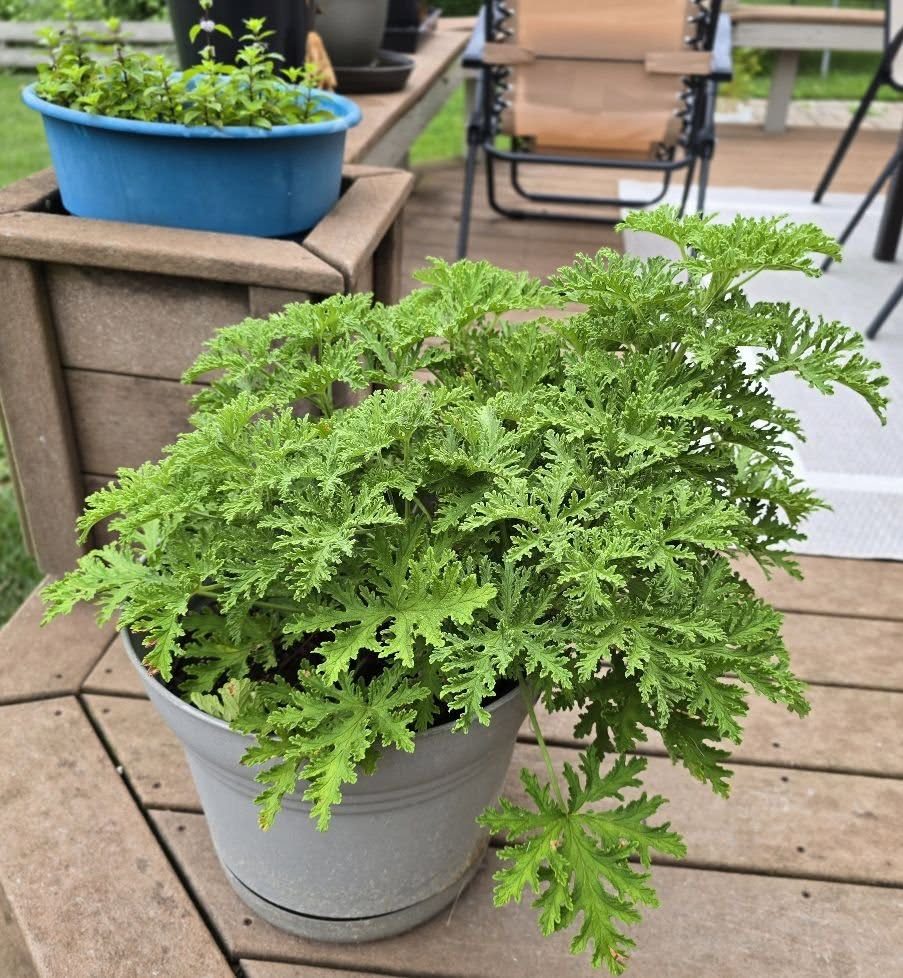
Citronella is probably the most famous mosquito-repelling plant. It’s the main ingredient in those citronella candles and torches you see at every summer barbecue.
The reality: The plant itself won’t create a mosquito-free zone in your yard. You would need to harvest the leaves, extract the oil, and apply it to your skin. Citronella candles work better than the living plant because they release concentrated oils into the air through burning.
Why you might still want it: It’s a pretty ornamental grass that smells nice. It grows well in containers and adds a tropical look to your patio. Just don’t expect it to guard you against mosquito bites.
Lavender

Lavender has a beautiful smell that most people love. It’s also true that insects generally don’t like it much—you rarely see bugs eating lavender plants.
The reality: The scent from a lavender plant sitting in your garden is too weak to repel mosquitoes from you. The oils are inside the plant’s leaves and flowers. Unless you crush them and rub them on your skin, they won’t help.
Why you might still want it: Lavender is drought-tolerant once established, looks gorgeous, attracts bees and butterflies, and you can dry it for sachets. It’s a great garden plant for many reasons—just not mosquito control.
Marigolds
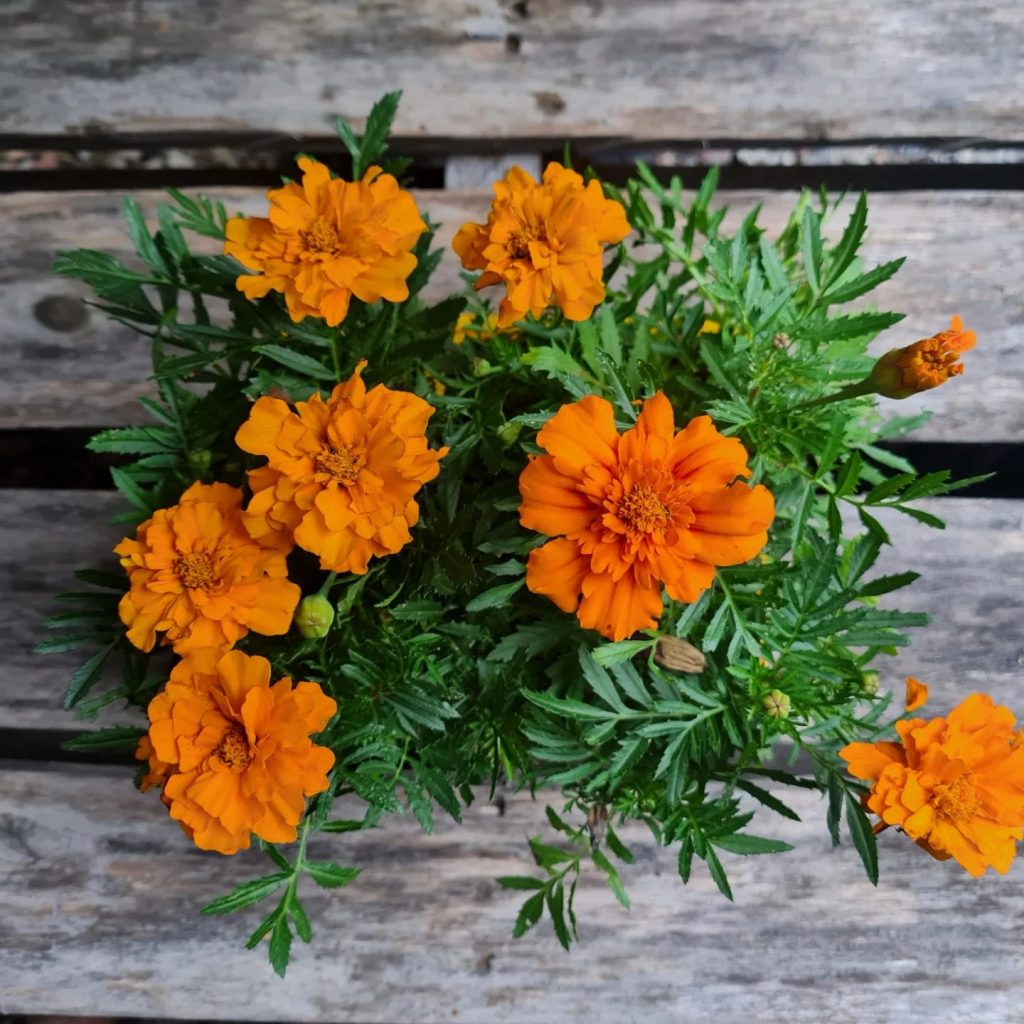
Marigolds are cheerful annual flowers that are super easy to grow. Many gardeners swear by them for pest control.
The reality: Marigolds do help with some garden pests. They can deter aphids, whiteflies, and certain beetles from vegetable gardens. But for mosquitoes? The effect is minimal unless you’re rubbing the flowers on your skin (which will stain your clothes yellow, by the way).
Why you might still want them: They’re cheap, colorful, easy to grow, and actually do help protect vegetable gardens from some pests. They make great border plants and look nice in containers.
Rosemary
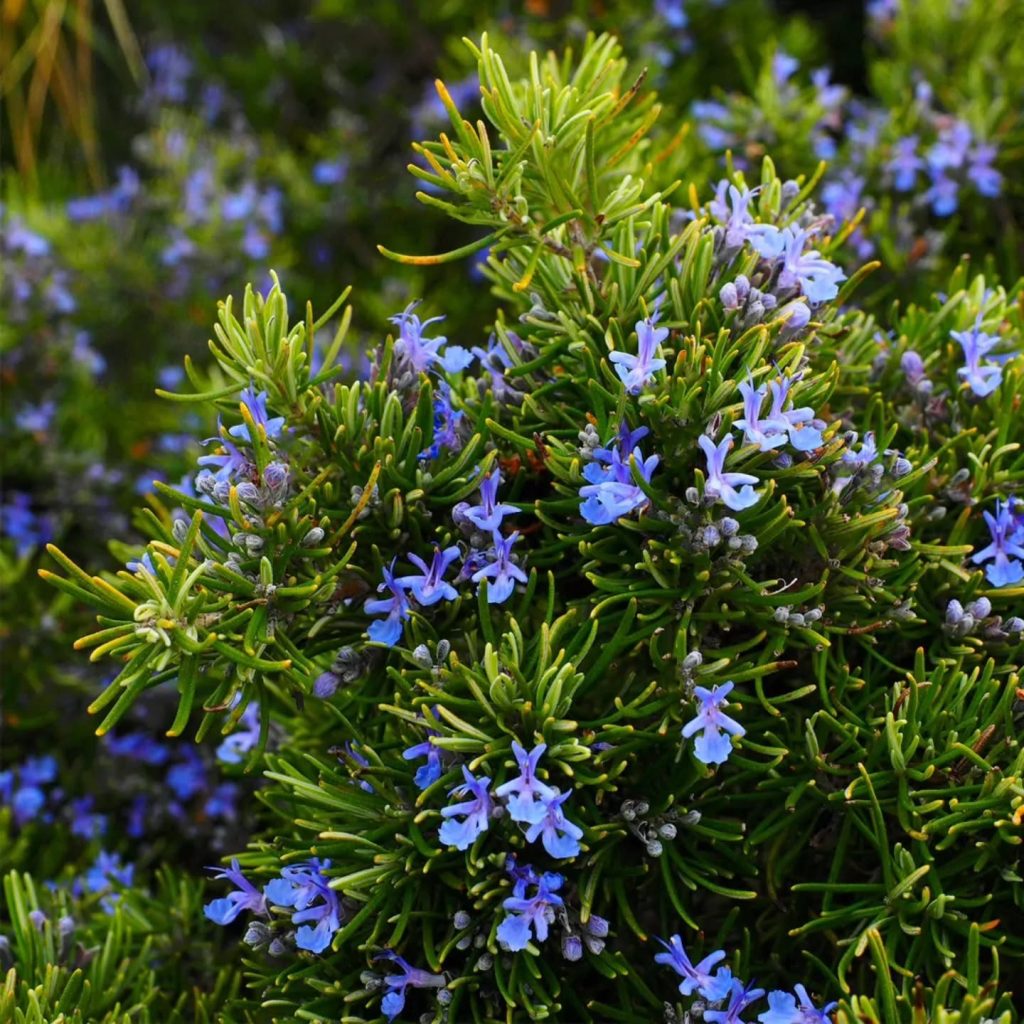
This woody herb has a strong, pine-like scent. It’s a staple in Mediterranean cooking.
The reality: Rosemary sitting in your garden won’t keep mosquitoes away. However, if you throw some on a fire or grill, the smoke does help repel bugs in a small area around the fire. You can also make a spray by boiling rosemary leaves in water, straining it, and spraying it on your skin—but this is a lot of work.
Why you might still want it: It’s a useful cooking herb that’s evergreen in warm climates. It’s drought-tolerant and can be shaped into attractive hedges or topiaries.
Basil

All types of basil have a strong smell when you touch the leaves. The oils are pungent and mosquitoes don’t like them.
The reality: Again, the oils need to be on your skin, not in the plant sitting three feet away. Crushing fresh basil leaves and rubbing them on your arms might give you 20-30 minutes of protection, but it’s messy and not very practical.
Why you might still want it: Fresh basil is delicious and expensive to buy at the store. Growing your own saves money and tastes better than store-bought.
Mint
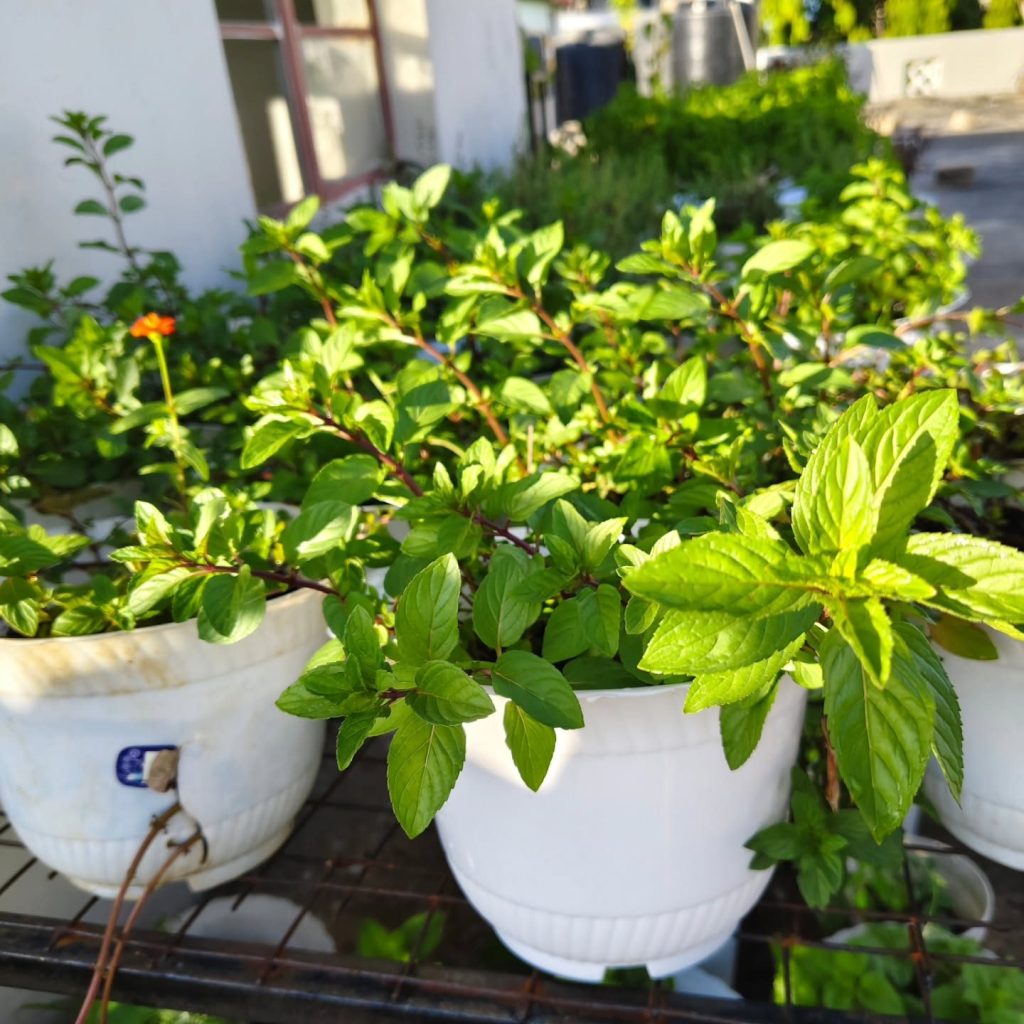
Mint has a strong smell and grows aggressively almost everywhere. Some people claim it repels mosquitoes, flies, and ants.
The reality: Mint sitting in a pot won’t create an insect-free zone. The menthol oils are trapped inside the leaves. You’d need to crush the leaves and apply them to your skin.
Why you might still want it: Mint is great for tea, mojitos, and cooking. Just grow it in containers because it will take over your entire garden if planted in the ground.
Catnip (Catmint)
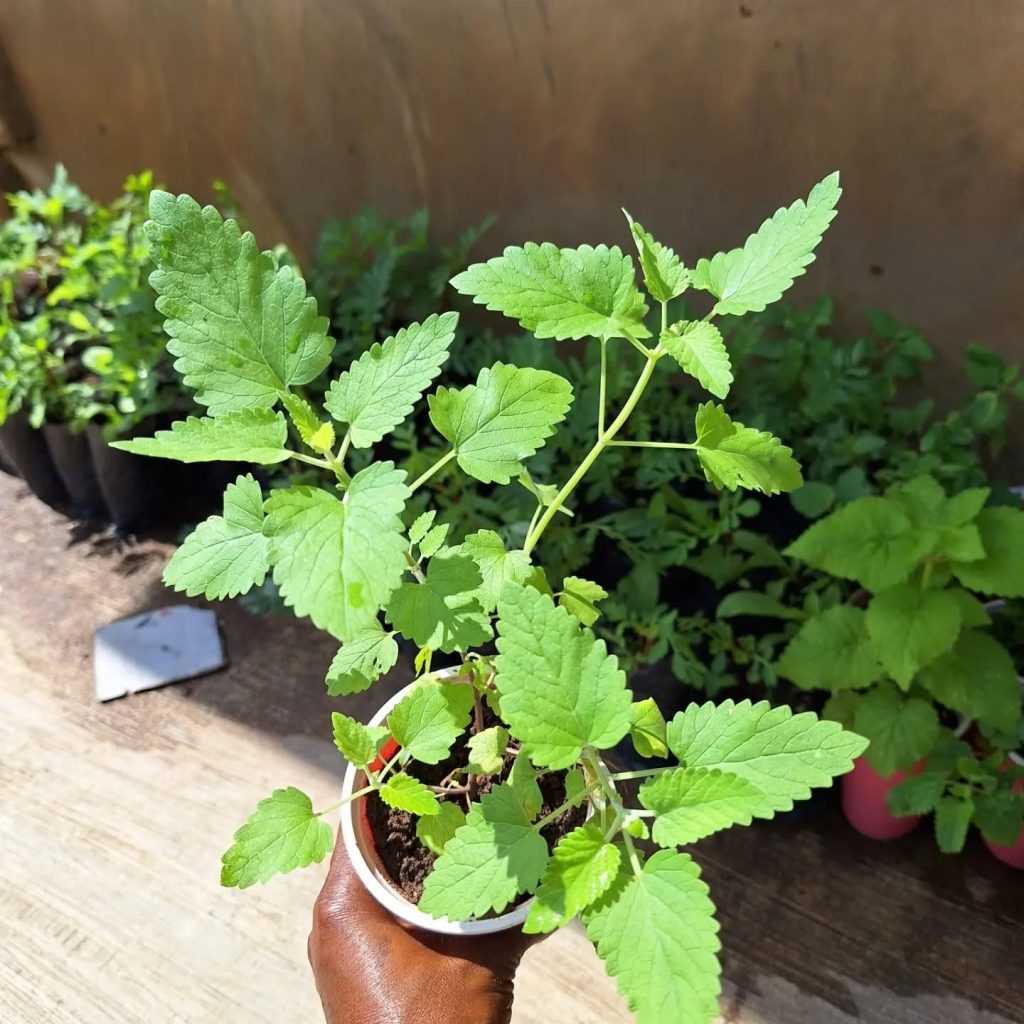
There was a famous study that found catnip oil works ten times better than DEET at repelling mosquitoes.
The reality: That study tested the pure oil extracted from catnip—not the living plant. You would need to extract the oil and apply it to your skin. The plant just sitting there won’t help.
Why you might still want it: If you have cats, they’ll love you for it. It’s also a pretty flowering plant that’s nearly indestructible and spreads easily.
Lemongrass
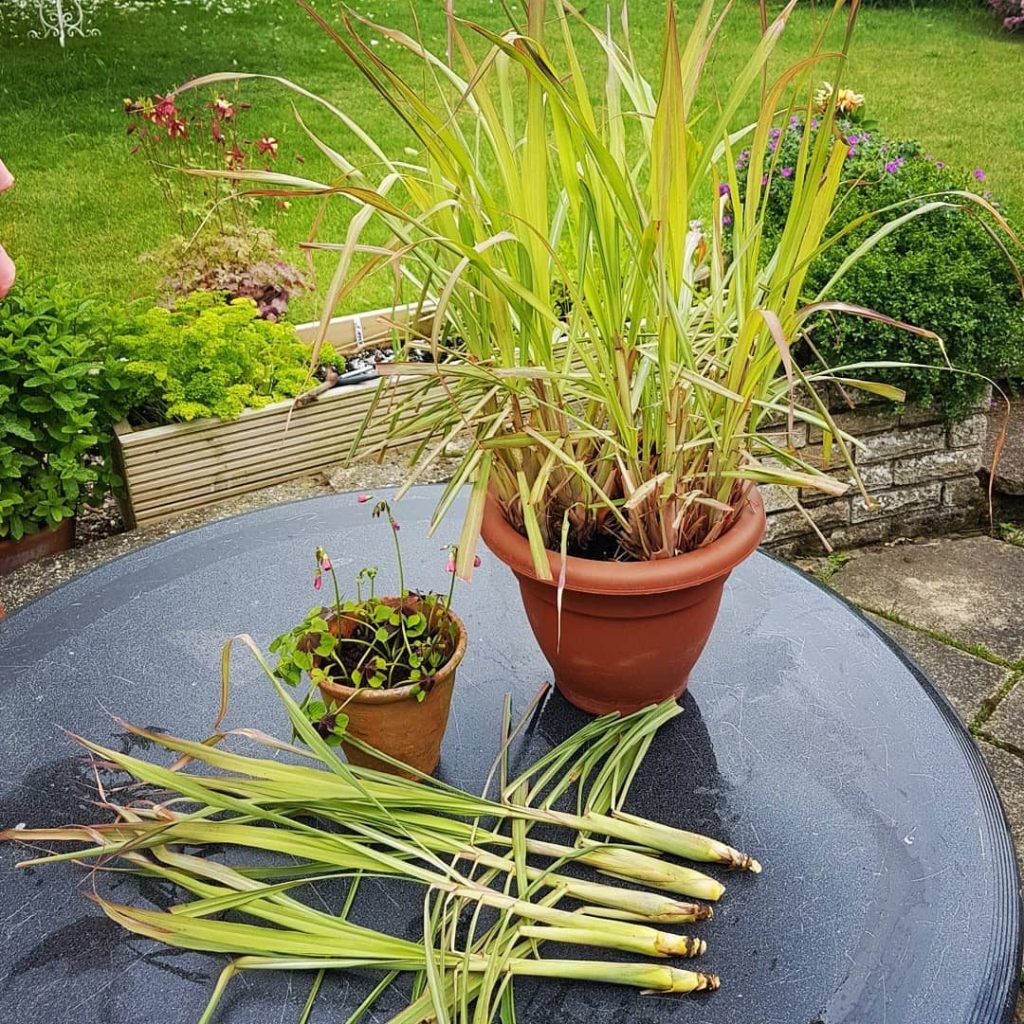
Similar to citronella grass, lemongrass has a strong citrus scent.
The reality: Same story—oils need to be extracted and applied. The plant alone won’t help.
Why you might still want it: It’s used in Thai and Vietnamese cooking. Fresh lemongrass makes amazing tea and adds great flavor to soups and curries.
Sage

Sage is another herb with a strong, earthy smell. Some people burn it to create smoke that repels insects.
The reality: Burning sage does create smoke that mosquitoes avoid, similar to any smoke. But the living plant won’t help much.
Why you might still want it: It’s a useful cooking herb, especially for fall and winter dishes. The smoke technique actually can work if you’re having a fire anyway.
What Actually Works Against Mosquitoes
Now that we’ve cleared up the myths, let’s talk about what really does help reduce mosquitoes and protect you from bites.
1. Eliminate Standing Water (This Is Huge)
This is hands-down the most important thing you can do. Mosquitoes need water to breed. A female mosquito can lay up to 300 eggs at a time, and they only need a tiny amount of water—even a bottle cap full.
Check these spots weekly:
- Flower pot saucers
- Clogged gutters and downspouts
- Birdbaths (change water every 2-3 days)
- Pet water bowls left outside
- Kids’ toys in the yard
- Tire swings or stored tires
- Wheelbarrows
- Tarps that collect rainwater
- Tree holes or stumps that hold water
- Anything that can collect rainwater
What to do about water you can’t drain:
- For ponds or water features, add mosquito dunks. These contain a natural bacteria (Bt israelensis) that kills mosquito larvae but won’t hurt fish, birds, pets, or people.
- For rain barrels, keep them tightly covered with fine mesh screening.
- For decorative water features, keep the water moving with a pump. Mosquitoes won’t lay eggs in moving water.
If you eliminate breeding sites in your yard, you’ll have fewer mosquitoes. It’s that simple.
2. Use Fans
This is one of the best-kept secrets for mosquito control. Mosquitoes are incredibly weak fliers. A light breeze of just 1-2 mph makes it very difficult for them to fly and land on you.
Why fans work:
- Mosquitoes can’t fly well in moving air
- The breeze disperses the carbon dioxide you exhale, which is what attracts mosquitoes in the first place
- Moving air makes it harder for mosquitoes to detect your body heat
How to use fans effectively:
- Place oscillating fans on your deck or patio pointed at where people sit
- Use multiple smaller fans instead of one big one to cover more area
- Position fans low (mosquitoes often fly close to the ground)
- Ceiling fans on covered porches work great
This method is cheap, uses less electricity than you’d think, and works immediately. Many people report that a good fan setup works better than any other method they’ve tried.
3. Build Bat Houses
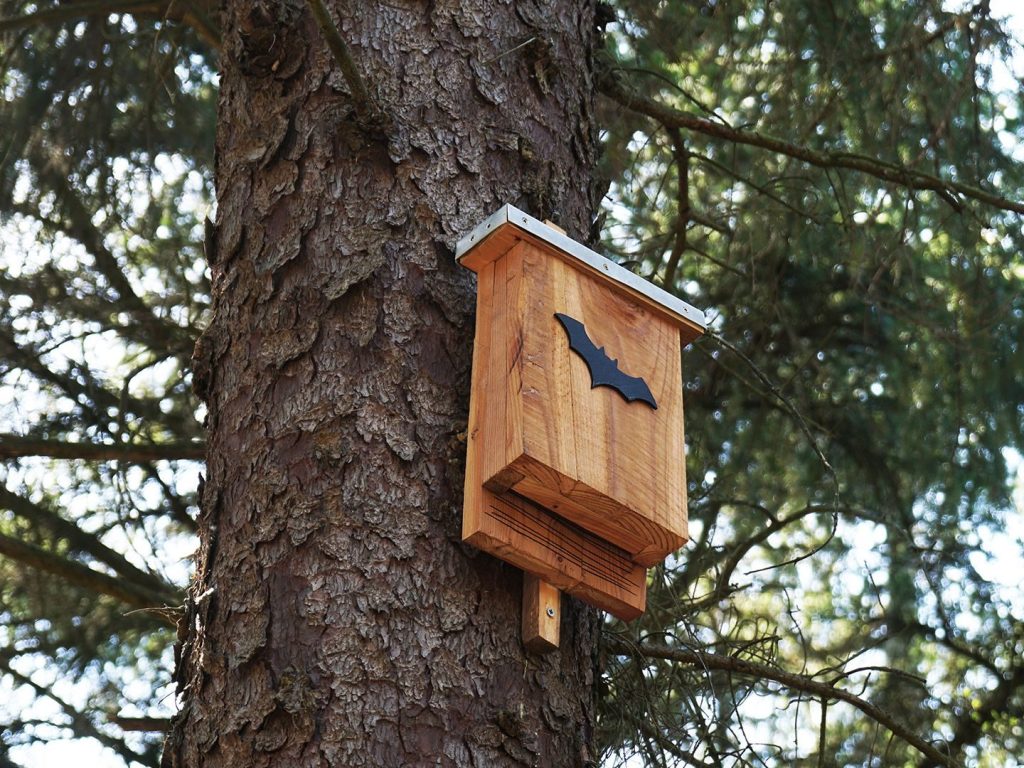
One bat can eat hundreds of insects per night, including mosquitoes. While bats prefer larger insects like moths and beetles, they will eat mosquitoes too.
Benefits of bat houses:
- Natural pest control
- Good for the environment (many bat species are declining)
- Educational if you have kids
- Once bats move in, they come back year after year
How to build or buy a bat house:
- Place it 12-20 feet high on a pole or side of a building
- Face it south or southeast to get morning sun
- Paint it dark brown or black to absorb heat
- Place it away from bright lights
- Be patient—it can take 1-2 years for bats to move in
Even if bats don’t eliminate all your mosquitoes, they’re fascinating creatures to watch at dusk, and you’ll be helping conservation efforts.
4. Try Cedar
Several people have reported success using cedar to repel mosquitoes. Cedar contains natural oils that many insects avoid.
Ways to use cedar:
- Cedar mulch in garden beds and around patios
- Cedar chips in problem areas
- Burning cedar wood (in a fire pit or chiminea, with proper safety)
- Cedar essential oil mixed with water as a spray
The smoke from burning cedar seems to work particularly well, creating a temporary mosquito-free zone around the fire. Just make sure you’re burning it safely and not creating so much smoke that you bother neighbors.
5. Bug Spray (The Reality Check)
Look, sometimes you just need to use bug spray. If you’re going hiking, camping, or spending time in an area with lots of mosquitoes, nothing works better than repellent with DEET.
The truth about bug spray:
- DEET has been used safely for over 60 years
- Products with 20-30% DEET provide several hours of protection
- Apply it properly (don’t spray it on your face—spray hands first, then apply)
- It’s okay to use DEET on kids over 2 months old (just use a lower concentration)
There are also natural alternatives like picaridin, oil of lemon eucalyptus, and IR3535 that work pretty well. They don’t last quite as long as DEET but they’re effective.
6. Citronella Candles and Torches
These do work, but not the way most people think. Citronella candles create a small zone of protection right around the candle—maybe 3-4 feet in diameter.

How to use them effectively:
- Use multiple candles or torches to create overlapping zones
- Place them upwind of where you’re sitting
- Keep them relatively close to people (within 3-4 feet)
- Don’t expect one candle to protect a whole patio
They work best when combined with other methods, like fans and eliminating standing water.
7. Mosquito Traps
There are various mosquito traps on the market that use CO2, heat, or UV light to attract and trap mosquitoes.
Do they work?
- Some work better than others
- They’re expensive (often $100-300 or more)
- They need regular maintenance
- They work best when used consistently over time to reduce the breeding population
If you have a serious mosquito problem and budget isn’t an issue, these can help. But they’re not magic—you still need to eliminate standing water and use other methods too.
8. Wear the Right Clothes
This is simple but effective:
- Wear long sleeves and long pants when possible
- Choose light-colored clothing (mosquitoes are attracted to dark colors)
- Wear loose-fitting clothes (mosquitoes can bite through tight fabrics)
- Treat clothes with permethrin spray for extra protection
9. Time Your Outdoor Activities
Mosquitoes are most active at dawn and dusk. If you can avoid being outside during these times, you’ll get bitten less.
Mid-day is usually the safest time to be outside without getting eaten alive by mosquitoes.
10. Professional Mosquito Control
If you’ve tried everything and still have a serious mosquito problem, you might want to consider professional help.
Options include:
- Barrier sprays (applied every 3-4 weeks during mosquito season)
- Mosquito misting systems (expensive but very effective)
- Professional inspection to find breeding sites you missed
Can You Use Plants At All?
Yes, but you need to be realistic about how to use them. Here are the actual ways to make “mosquito plants” useful:
Make Your Own Repellent Spray
- Harvest fresh leaves from plants like rosemary, lavender, mint, or basil
- Boil a large handful in 2 cups of water for 10-15 minutes
- Let it cool and strain out the plant material
- Pour into a spray bottle
- Spray on exposed skin
This gives you a mild, natural repellent. It won’t work as well as DEET, but it smells nice and provides some protection for 30-60 minutes.
Crush and Apply Fresh
Pick fresh leaves and crush them between your hands. Rub the crushed leaves and oils on exposed skin. This is messy and temporary but does work for short periods.
Burn Them on a Fire
If you’re having a fire anyway, throw some fresh rosemary, sage, or lavender on it. The smoke does help repel mosquitoes in the immediate area around the fire.
Should You Still Plant These “Mosquito Plants”?
Absolutely—if you like them for other reasons.
Good reasons to plant them:
- They’re attractive and smell nice
- Many are useful herbs for cooking
- They attract beneficial insects like bees and butterflies
- They’re generally easy to grow
- Some do help with other garden pests
- They add variety and texture to your garden
Bad reasons to plant them:
- Expecting them to create a mosquito-free yard
- Thinking you won’t need bug spray anymore
- Believing garden centers’ marketing claims about “natural mosquito control”
Final Thoughts
Mosquitoes are a fact of life in many parts of the world. They’re not going away, and no single magic solution will eliminate them completely.
The good news is that combining several practical methods really does make a difference. Focus on the things that actually work: eliminating standing water, using fans, applying bug spray, and timing your activities wisely.
As for those “mosquito-repelling plants”? Grow them if you like them. Enjoy their beauty and fragrance. Use them for cooking. Just don’t count on them to keep you from getting bitten.
Save your money and your expectations. A realistic approach based on proven methods will give you much better results than a garden full of lavender and wishful thinking.


