
Your lawn talks to you. 🍂
Not in words, obviously, but in mushrooms, mossy patches, puddles that sit for hours and footprints that refuse to spring back.
Most of us walk straight past these little signals, give the grass one last mow, and head indoors for winter.
That is a missed opportunity, because fall is the single most important season for your lawn.
The grass you see is only half the story. Underneath, the roots are working hard to store up energy for winter, and whatever you do now sets up exactly how green and thick your lawn comes back in spring. 🌱
So before you pack the mower away, let’s decode the six things your lawn is trying to tell you, and exactly what to do about each one.
Why fall is the make-or-break season.
Here is the bit that surprises people. Spring feels like lawn season, but fall is when the real work happens.
The soil is still warm from summer, which gets new seed and roots established fast, while the cooler air and autumn rain mean far less stress and watering than a spring sowing.
Put simply, a little effort now does more good than twice as much come March. A healthy fall lawn is what makes a greener spring.
1. Mushrooms popping up
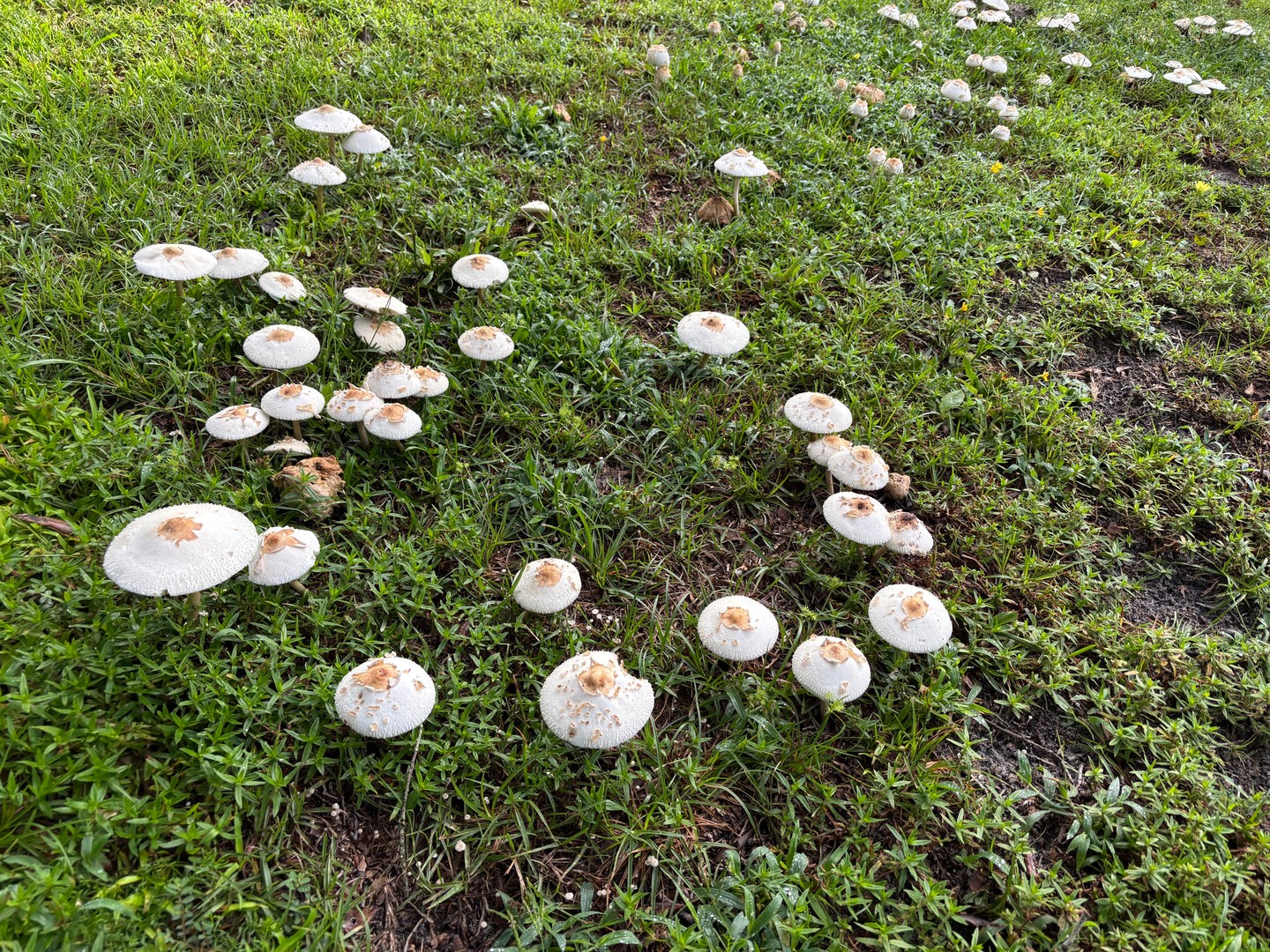
Cause Decaying matter below the surface
Fix Harmless. Just mow them off.
Take a breath, because this one looks alarming but really is not.
Mushrooms are simply the fruit of fungi that are quietly breaking down old organic matter in your soil, like a buried tree root, leftover thatch or a patch of rich, damp ground.
They are a sign of a living, active soil, which is no bad thing at all. They usually appear after wet weather and vanish on their own once it dries out.
If you would rather not look at them, mow them off or knock them over. Just do not eat them, since lawn mushrooms are not worth the risk, and if you have curious pets or small children, pluck them out to be safe.
2. Moss creeping in
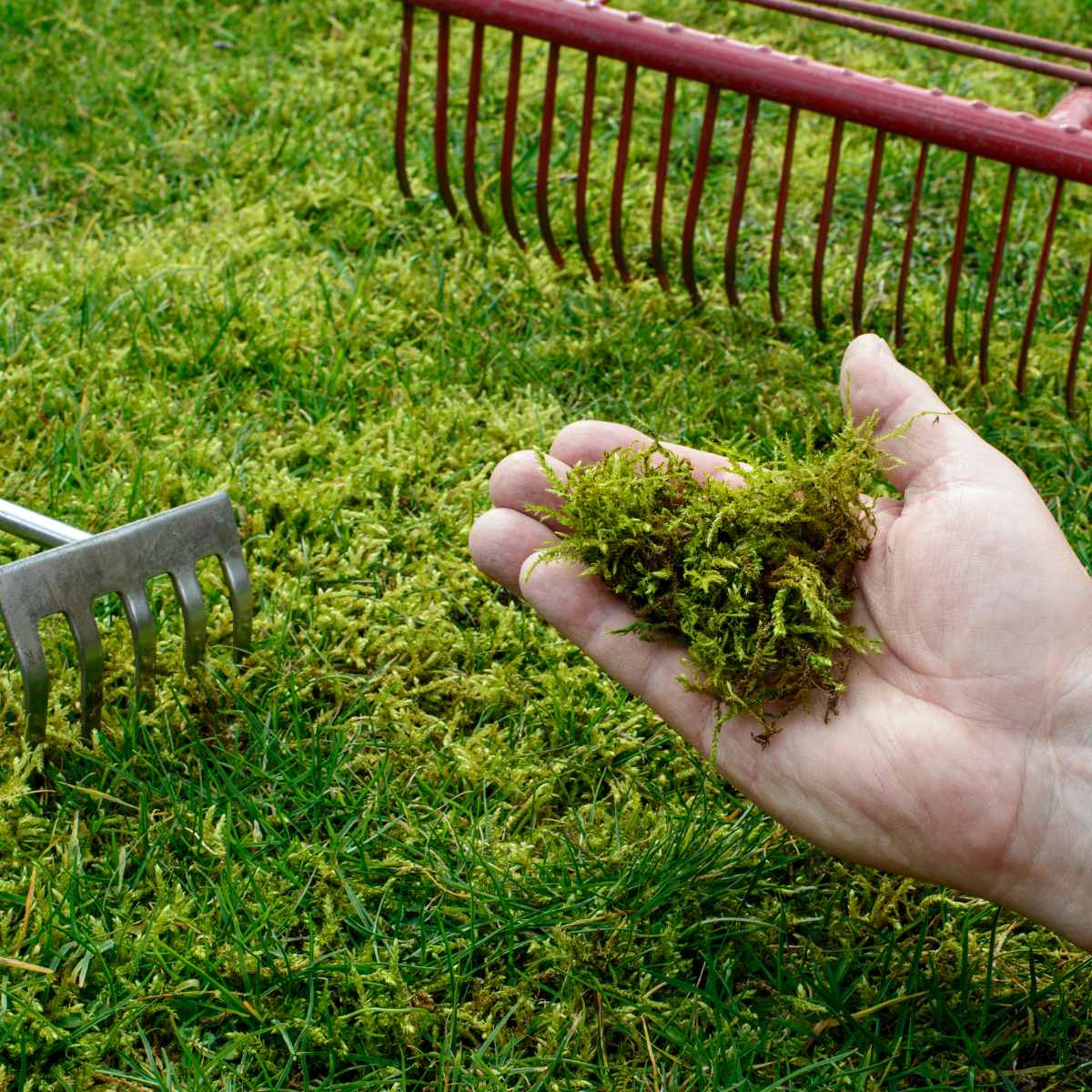
Cause Shade and compacted soil
Fix Aerate and overseed for shade
Moss is not really the problem. It is the symptom.
Moss moves in wherever grass is struggling, and that usually means too much shade, soil that is compacted and poorly drained, or both. Scrape the moss away without fixing the cause and it simply comes straight back.
So treat the conditions, not just the moss. Aerate to relieve the compaction and improve drainage, then overseed with a shade-tolerant grass mix that can actually compete in those dim, damp spots.
If a nearby shrub or branch is throwing heavy shade, a light prune to let more sun through works wonders too.
3. Puddles that linger
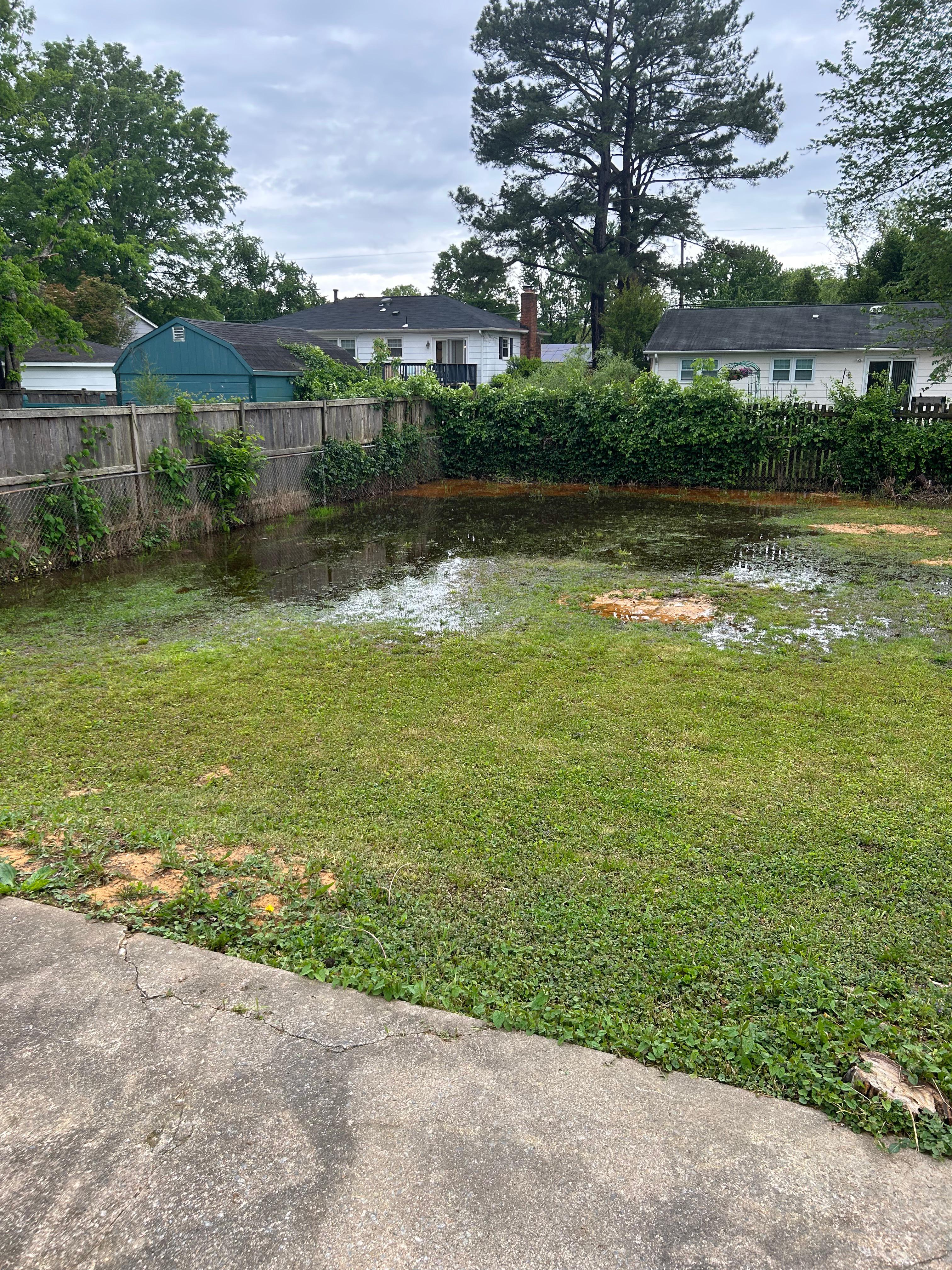
Cause Compacted soil
Fix Core aerate this fall
If water sits on your lawn for hours after rain instead of soaking away, your soil is telling you it is compacted.
Years of foot traffic, mowing and settling squeeze the soil particles tight together, leaving no room for water, air or roots to move. The rain has nowhere to go, so it pools on top.
The fix is core aeration, and fall is the perfect time for it. Pulling out thousands of little plugs of soil opens the ground back up, so water drains, air gets to the roots, and your grass can breathe again.
It is the single best thing most people can do for a tired lawn, and we will go deeper on exactly how below.
4. Thin, bare patches
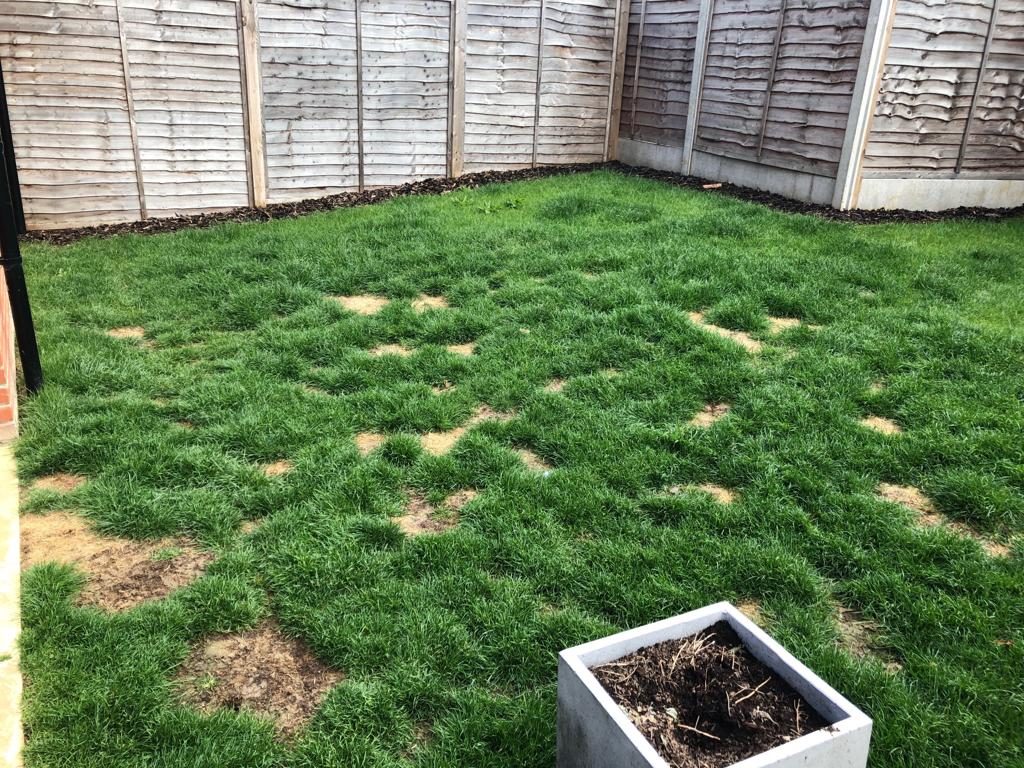
Cause Summer wear and stress
Fix Overseed while the soil is warm
Summer is hard on grass. Heat, drought, foot traffic, kids, pets and the odd paddling pool all take their toll, and by fall you are often left with thin, worn, bare patches.
Fall is the ideal time to fix them, because the soil is still warm enough to sprout new seed quickly, while the cooler, damper weather keeps those seedlings from frying.
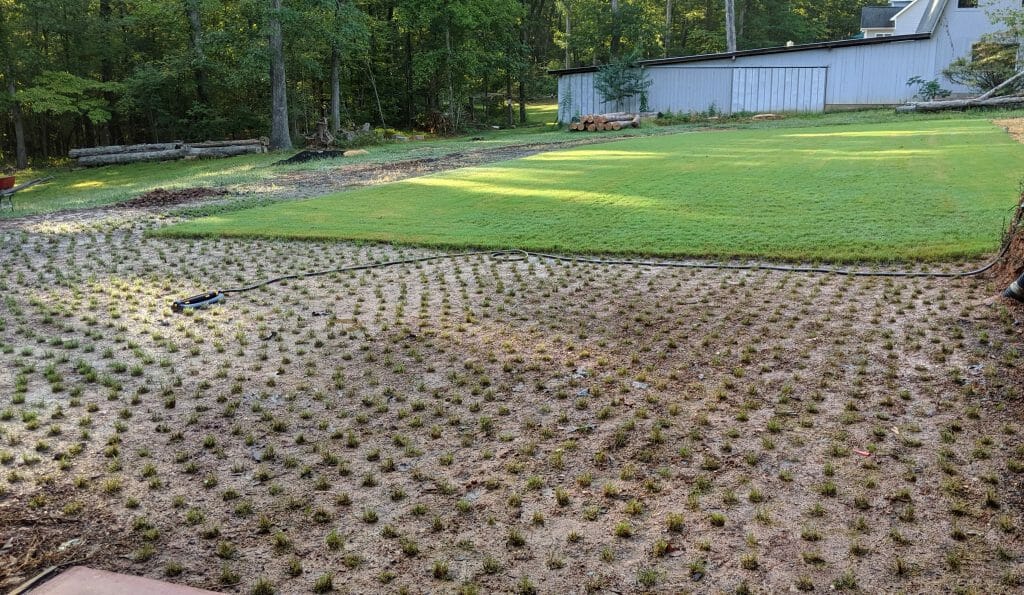
Overseed now and the fresh grass has weeks to establish before winter, filling in the gaps so your lawn comes back thick and even in spring rather than patchy.
Rake the bare area first to loosen the surface, scatter your seed, keep it moist, and let the warm soil do the rest.
5. Clover spreading
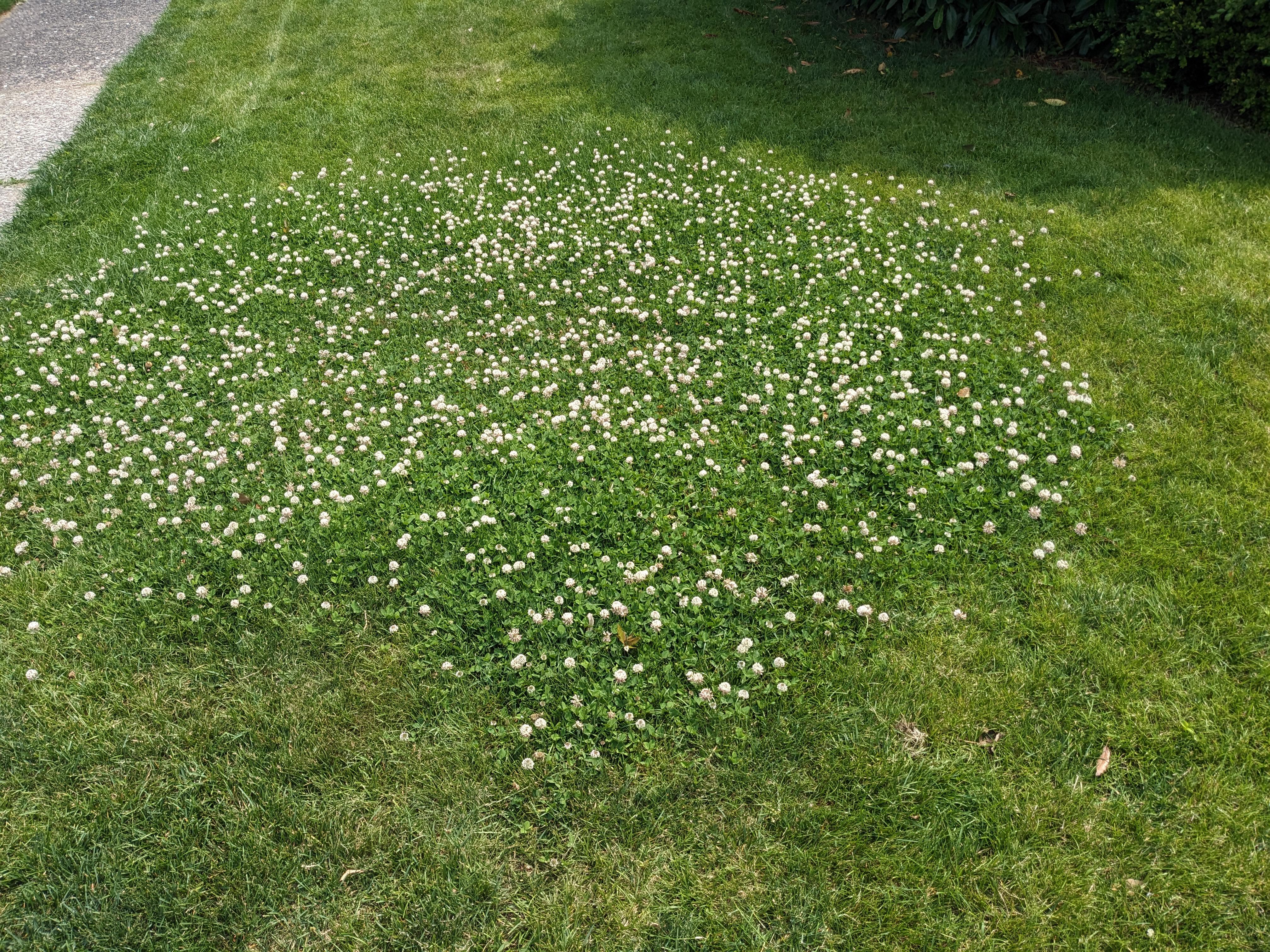
Cause Low nitrogen
Fix Feed with a fall fertilizer
A lawn taking over with clover is quietly telling you it is hungry.
Clover has a clever trick: it pulls its own nitrogen from the air, so it thrives in poor, low-nitrogen soil where grass goes hungry and thin. When clover spreads, it usually means the grass around it is starved of nutrients.
Feed the lawn with a good fall fertilizer and you tip the balance back in the grass’s favor, letting it grow thick enough to crowd the clover out.
That said, clover is not all bad. Some people leave a little in on purpose, since it stays green in drought, feeds the bees and keeps feeding the soil for free. Your lawn, your call.
6. Footprints that stay
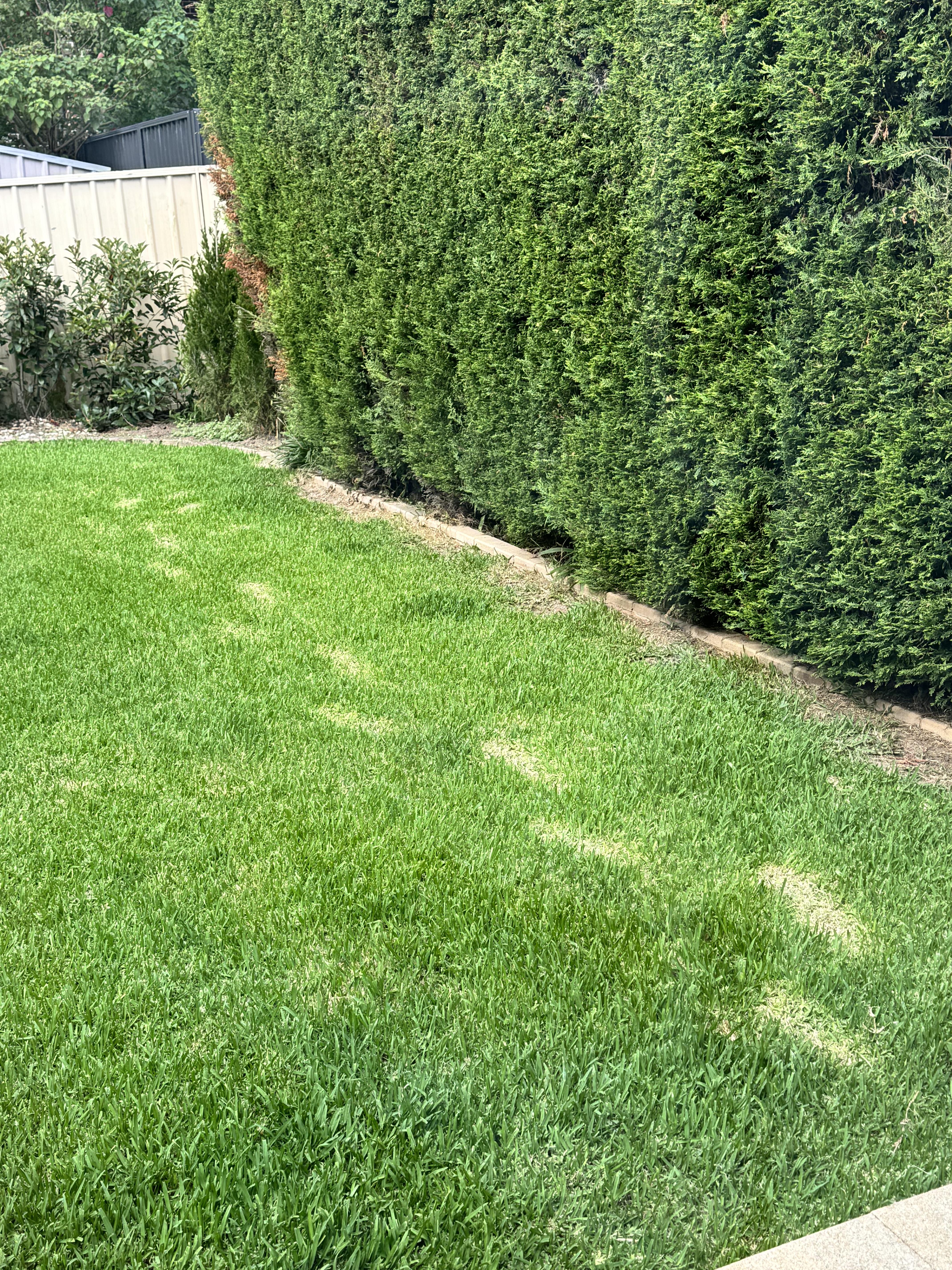
Cause Thirsty grass
Fix Water deeply before the freeze
Here is a brilliant little test. Walk across your lawn and look back.
Healthy, well-hydrated grass is springy and bounces straight back up. But when grass is thirsty, the blades lose their firmness, so your footprints stay pressed flat for ages. It is one of the earliest signs of a stressed, dry lawn.
Fall lawns still need water, even as the air cools, and going into winter well-hydrated helps the roots survive the cold far better.
So give it a good, deep soak before the first hard freeze. Deep and occasional beats little and often, since it encourages the roots to grow down deep where they are safe from the frost.
You might have noticed the same handful of fixes keep coming up. That is because most lawn problems trace back to three core fall jobs. Nail these and you have sorted the lot.
Aerating: let your lawn breathe
If your soil is compacted, puddling or thick with thatch, aeration is the answer, and it is the foundation everything else builds on.
Core aeration means pulling thousands of small plugs of soil out of the lawn, which instantly relieves compaction and opens up channels for water, air and nutrients to reach the roots.
For a small lawn you can use a manual corer or even a garden fork, though it is hard work. For anything bigger, a rented powered core aerator makes short work of it. Either way, do it when the soil is slightly moist, not bone dry or soaking wet.
Best of all, aerating right before you overseed and feed means the seed and nutrients fall straight into those holes, down where they do the most good.
If heaving a garden fork across the whole lawn sounds like a backache waiting to happen, and you would rather not hire a machine, there is an easy middle ground worth a look.
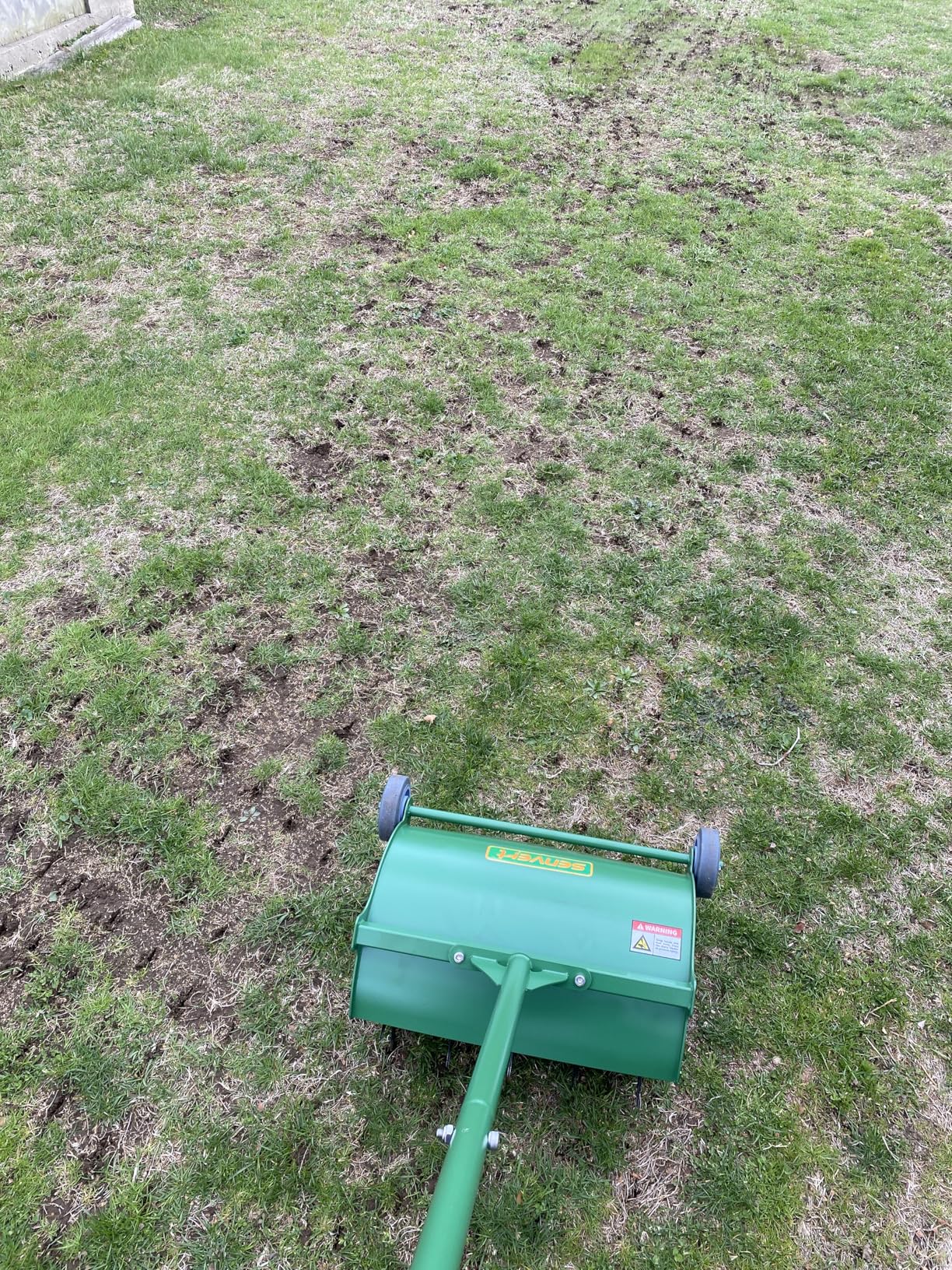
⭐ Our easy-aeration pick
SENVERT Rolling Lawn Aerator
This is the lazy gardener’s secret. Instead of stabbing a fork in a thousand times, you simply walk this rolling spike aerator up and down the lawn like a mower, and the rotating tines punch holes as you go. It is built to take up to 55 lbs of added weight on top, so you can press the spikes deep into even firm, compacted soil with hardly any effort of your own.
It is the perfect tool for staying on top of aeration on a typical home lawn, and a brilliant first pass right before you overseed and feed, so all that seed and fertilizer drops straight down into the holes. Far kinder on your back than a fork, and far kinder on your wallet than hiring a machine.
Check today’s price on Amazon →
As an Amazon Associate we earn from qualifying purchases, at no extra cost to you.
Overseeding: thicken it up
Overseeding simply means sowing fresh grass seed over your existing lawn to fill gaps and thicken thin, tired turf.
Fall is prime time because the soil is still warm enough for fast germination, the air is cool and damp, and there is far less weed competition than in spring.
Mow a little shorter than usual first, rake to expose some bare soil, spread your seed evenly, then keep the surface consistently moist until the new grass establishes. Match the seed to your conditions, choosing a shade mix for dark corners and a hard-wearing mix for busy, high-traffic areas.
Feeding: fuel for the roots
A fall feed is the most valuable one of the whole year, and the one most people skip.
A fall or “winterizer” fertilizer is lower in the nutrients that push leafy top growth and higher in what strengthens the roots. That means the grass pours its energy underground, storing up reserves that help it survive winter and explode back to life in spring.
Apply it a few weeks before the ground freezes, following the bag’s rate, and water it in. It is the quiet secret behind every lawn that greens up first in spring.
Your full fall lawn checklist
- Keep mowing until it stops growing, dropping to a slightly shorter height for the last cut or two of the season.
- Rake or mulch the leaves. A thick leaf layer left on the grass smothers it and invites disease, so clear it or mulch it with the mower.
- Aerate if the soil is compacted or puddling, ideally before you seed and feed.
- Overseed any thin or bare patches while the soil is still warm.
- Feed with a fall fertilizer a few weeks before the first hard freeze.
- Water deeply until the ground freezes, especially if footprints are lingering.
- Keep off frosted grass. Walking on frozen blades bruises and damages them, leaving brown prints that linger into spring.
Your fall lawn questions, answered
What order should I do these jobs in?
Aerate first, then overseed, then feed, then water it all in. Doing it in that order means the seed and fertilizer drop straight into the aeration holes, right where the roots can use them.
Is it too late to do all this in fall?
Aim to get seeding and feeding done at least four to six weeks before your first hard frost, so roots have time to establish. If you have left it late, watering deeply and clearing leaves still help, and you can seed and feed first thing next fall.
Do I really need to get rid of the clover and moss?
Not necessarily. Both are signs worth reading, but neither is an emergency. Clover feeds bees and the soil, and moss is only a problem if you want classic green turf there. Fix the underlying cause if the look bothers you, otherwise they are harmless.
Can I skip aerating and just throw down seed?
You can, but seed sown onto hard, compacted soil struggles to take. If your lawn puddles or feels rock hard, aerating first dramatically improves how much of that seed actually grows, so it is well worth the extra step.
Give your lawn a listen this weekend
Your lawn has been telling you exactly what it needs all autumn. Now you know how to read it.
Take a slow walk around this weekend, see which of the six signs you spot, and tackle the matching fix while the soil is still warm.
A little effort now, and come spring you will have the greenest lawn on the street while everyone else is wondering where they went wrong. Happy gardening, and enjoy the fresh air. 🍂