
Gardening has a reputation for being expensive, but it really doesn’t have to be. 🌱
Yes, you can spend a fortune on fancy tools, garden centre plants, and bags of premium compost. But you can also grow a perfectly productive garden for next to nothing – and honestly, some of the best gardeners I know are the thriftiest.
The secret is knowing where to save and where it actually matters. Seeds instead of plants. Homemade compost instead of shop-bought. Free materials that other people throw away. Swaps with neighbours. A bit of patience instead of instant results.
This guide is all about starting and maintaining a garden without spending much money. We’ll cover how to use what you’ve already got, where to find free resources, and the shortcuts that actually work. Whether you want to grow veg, herbs, or flowers, there’s no reason your bank balance should stop you. 💷
Let’s get into it.
1) Start seeds indoors using recycled containers like egg cartons or yoghurt cups
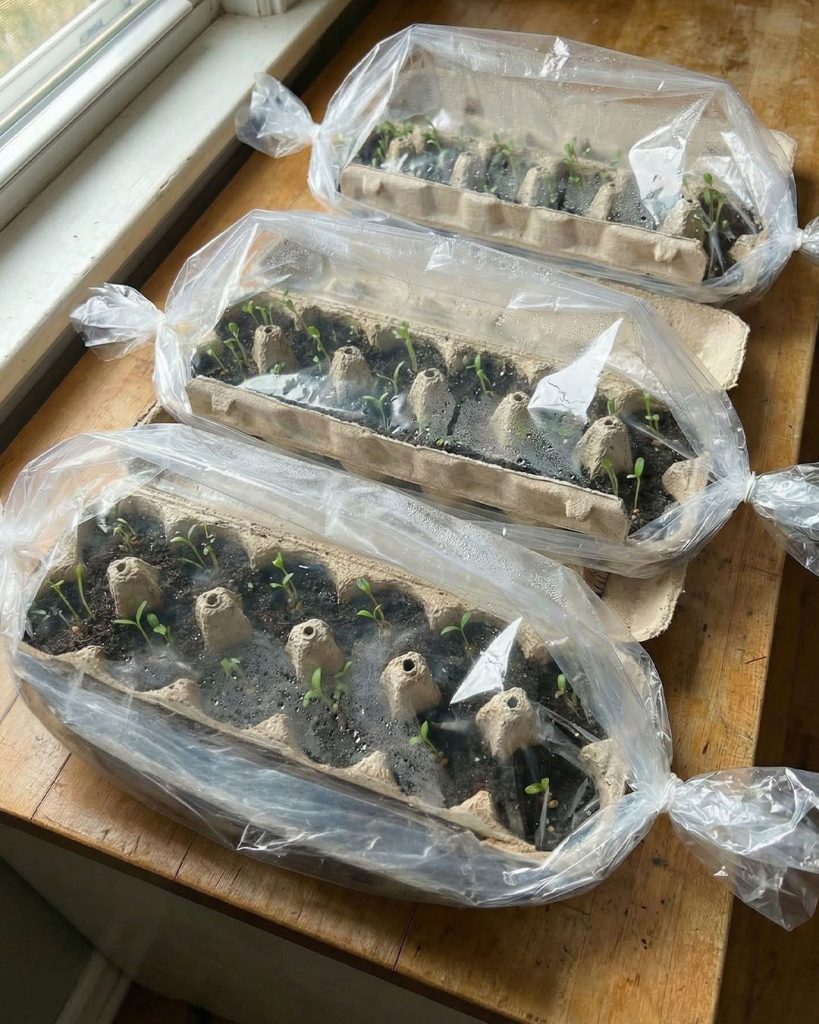
You don’t need to buy expensive seed-starting trays to begin your garden. Common household items work just as well for starting seeds indoors.
Egg cartons are perfect for this purpose. Cardboard egg cartons are better than plastic ones because you can plant them directly in the ground. They break down naturally in the soil as your plants grow.
Yogurt cups, milk jugs, and plastic bottles also make good seed containers. You just need to poke drainage holes in the bottom so water doesn’t collect and rot your seeds.
Toilet paper tubes and newspaper can be shaped into small pots too. These biodegradable options save you money while reducing waste.
Make sure to clean any food residue from your containers before adding soil. This prevents mold and keeps your seedlings healthy. You can reuse plastic containers from salad greens or baked goods as trays to catch dripping water.
Starting seeds this way costs almost nothing. You’re already buying eggs and yogurt, so save those containers instead of throwing them away.
2) Visit local plant and seed swaps to acquire free or low-cost plants and seeds
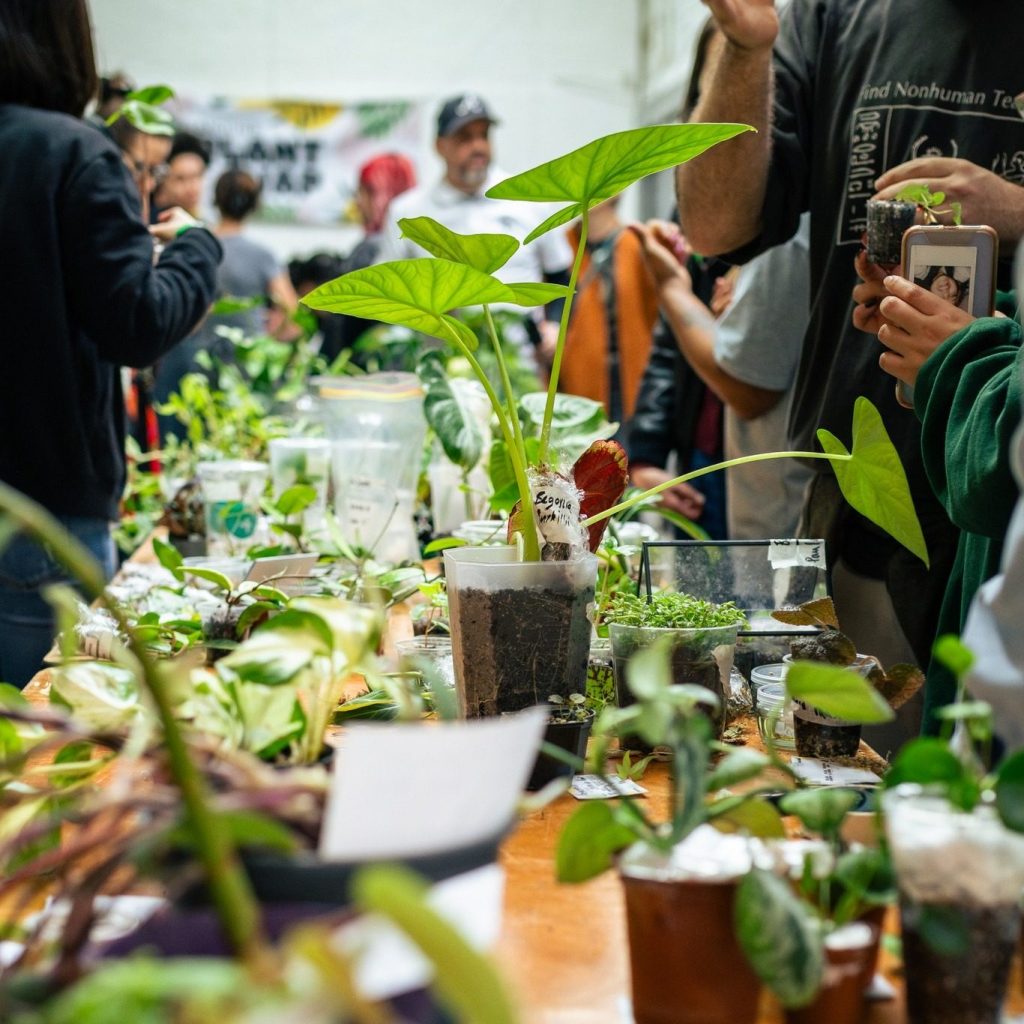
Plant and seed swaps give you access to free or inexpensive plants without spending money at garden centers. These community events connect local gardeners who share extra seeds, plant cuttings, and seedlings with others.
You can find dozens of plant varieties at a single swap event. Commercial seed packets typically cost $3-5 each, but swap events let you gather enough seeds to plant your whole garden for free.
Start by searching for seed libraries, plant exchange groups, or garden clubs in your area. Many neighborhoods organize regular swap events where gardeners trade plants and seeds. You can also check platforms like Freecycle Network, where people give away extra gardening supplies and plants at no cost.
These swaps offer another benefit beyond saving money. You’ll get seeds from plants that already grow well in your local climate. Local gardeners can share tips about which varieties thrive in your area and how to care for them.
Bring your own extra seeds or plant cuttings to trade with others. If you don’t have anything to share yet, most swaps welcome beginners who just want to take seeds home.
3) Create compost from kitchen scraps to enrich soil naturally and save on fertilizer costs
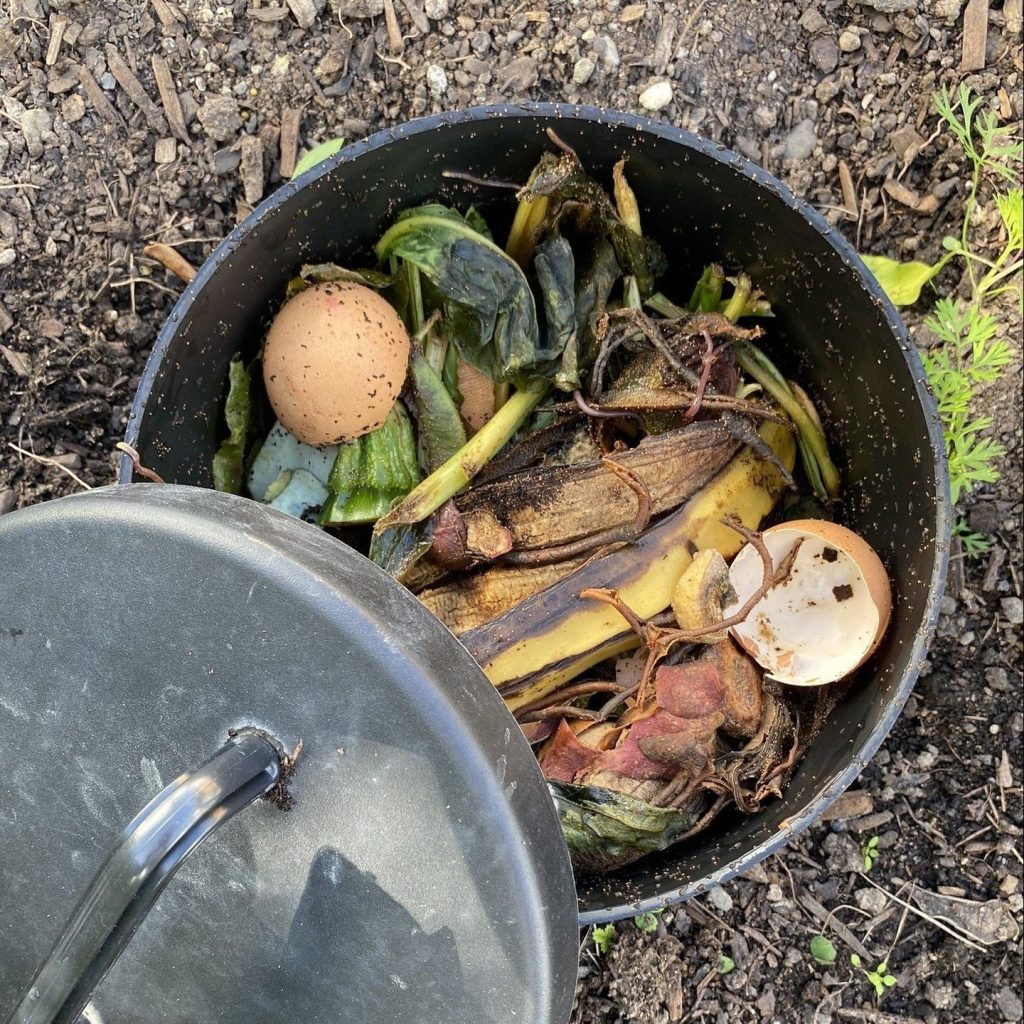
Composting turns your kitchen waste into free fertilizer for your garden. You can save money by making your own compost instead of buying commercial products.
Start by collecting vegetable peels, fruit scraps, coffee grounds, and eggshells in a container. These materials break down into nutrient-rich soil that helps your plants grow.
You need a mix of green materials like food scraps and brown materials like dry leaves or newspaper. Layer these materials in a bin or pile in your yard. Keep the pile moist and turn it every few weeks to speed up the process.
The compost will be ready to use in about three to six months. You’ll know it’s done when it looks dark and crumbly like soil.
If you have limited space, try bokashi composting. This method works in a small bucket and breaks down food waste faster than traditional composting.
Using homemade compost improves your soil quality and reduces the amount of waste you send to landfills. Your garden will benefit from the nutrients, and you’ll avoid spending money on store-bought fertilizers.
4) Reuse household items such as buckets or old boots as unique plant containers
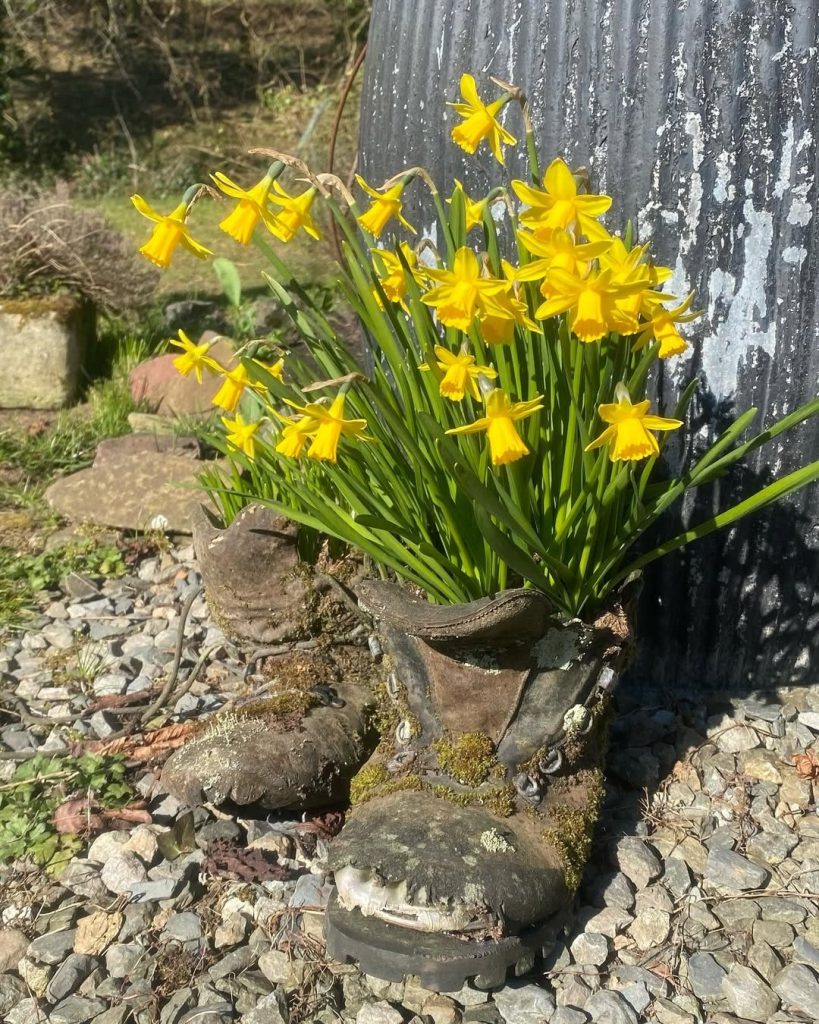
You don’t need to buy expensive pots to start your garden. Many items around your house work perfectly as planters.
Old buckets make excellent containers for larger plants. Just drill a few drainage holes in the bottom to prevent water from pooling. You can use plastic buckets, metal pails, or even worn-out mop buckets.
Boots are another great option for unique planters. Rain boots, work boots, and even old sneakers can hold soil and plants. They add character to your garden while keeping items out of the trash.
Other household items work well too. Tea cups are perfect for small succulents. Wooden crates can hold multiple plants at once. Large food containers like plastic jars or tin cans serve as practical pots after a good cleaning.
Before you use any container, make sure it has drainage holes. Water needs to escape so your plants don’t get root rot. You can easily drill or poke holes in most materials.
Repurposing household items saves you money and reduces waste. It also gives your garden a personal touch that store-bought planters can’t match.
5) Choose heirloom vegetable seeds which can be saved and replanted each year
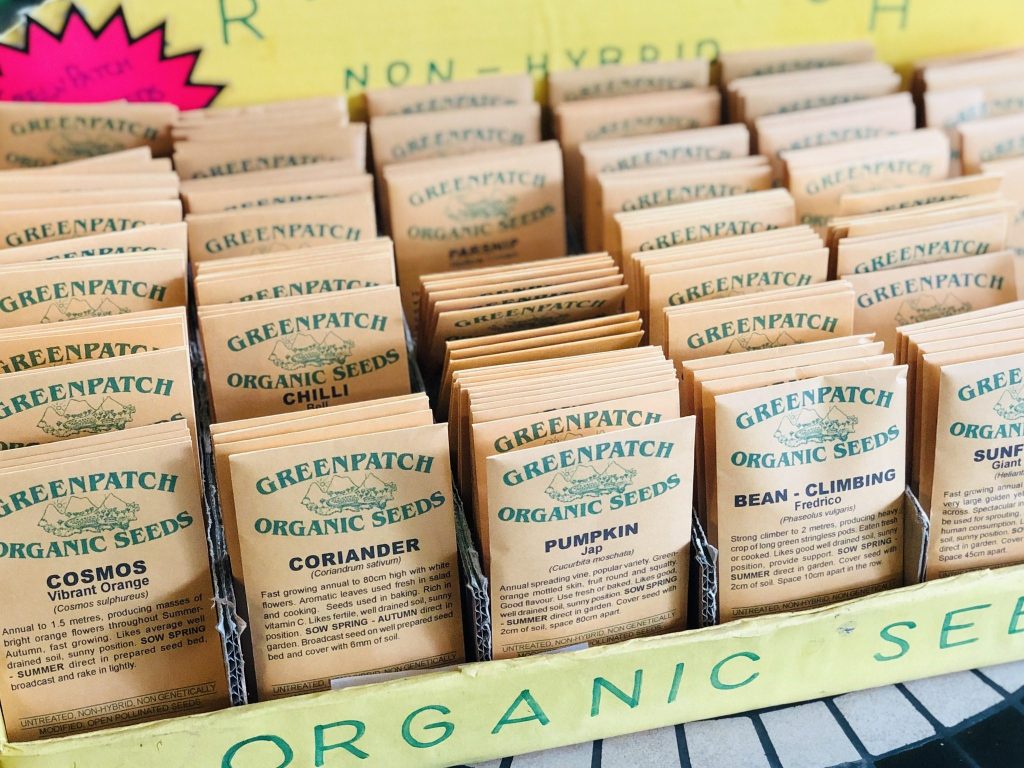
Heirloom seeds are a smart choice when you’re gardening on a budget. These seeds come from open-pollinated plants that breed true to type. This means you can save seeds from your harvest and replant them next year with the same results.
Unlike hybrid seeds, heirloom varieties produce offspring with the same traits as the parent plant. You won’t need to buy new seeds each season. This saves you money year after year.
Start with easy vegetables like tomatoes, peppers, beans, peas, and lettuce. These plants are self-pollinating, which makes seed saving simple for beginners.
At the end of your growing season, select seeds from your healthiest plants. Let the seeds fully mature on the plant before harvesting. Extract the seeds from the fruit or pod, then dry them completely before storing.
Store your dried seeds in a cool, dry place. Label each variety with the plant name and date. Properly stored heirloom seeds can remain viable for several years.
By saving and replanting heirloom seeds, you’ll build a sustainable garden that costs less over time.
6) Build a simple sunken bed garden to improve soil quality without buying expensive materials
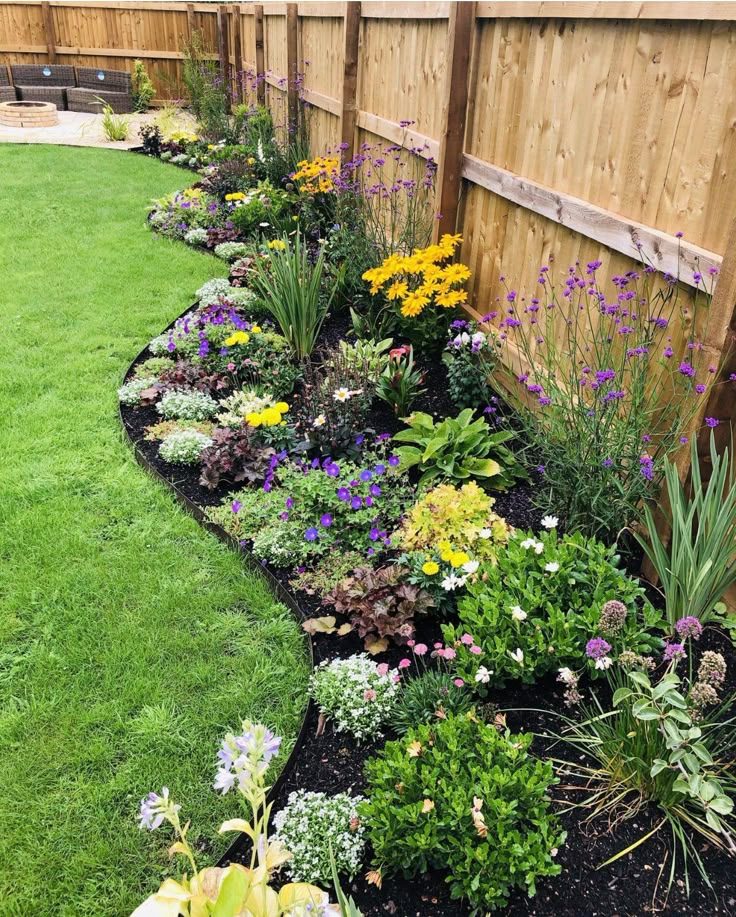
A sunken garden bed sits below ground level instead of above it. This design costs less than raised beds because you don’t need to buy lumber or build frames.
To create a sunken bed, dig out an area about 6 to 12 inches deep. You can make it any size that fits your space. The digging takes some effort, but it’s the only major work required.
The sunken design helps your soil stay moist longer. Water naturally flows down into the bed instead of running off. This means you’ll use less water and won’t need to install expensive irrigation systems.
You can fill your sunken bed with the soil you dug out, mixed with free materials like fallen leaves, grass clippings, or compost. Many communities offer free mulch and compost at local facilities. Ask neighbors for their yard waste to add organic matter.
The bed’s walls can stay as plain dirt, or you can line them with rocks you find in your yard. No need to purchase edging materials.
7) Harvest rainwater to reduce water bills and provide plants with natural irrigation
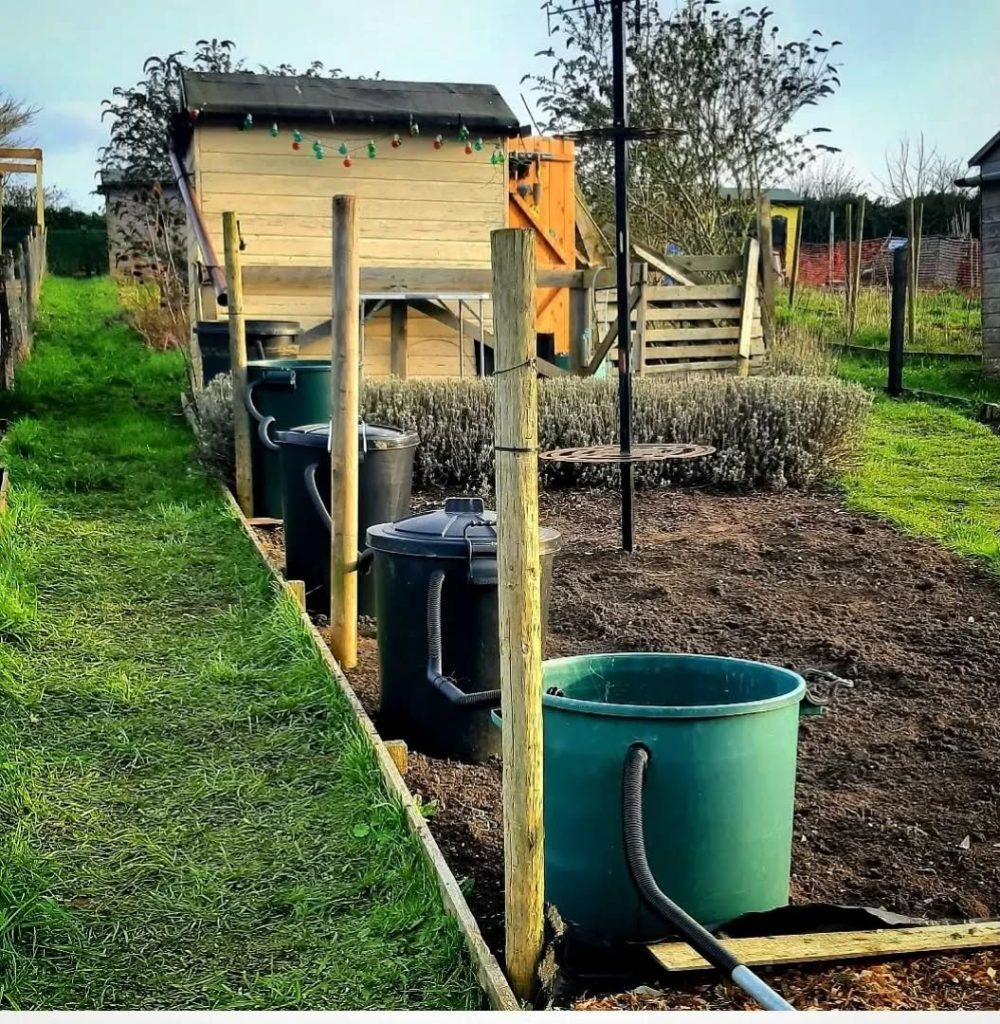
Collecting rainwater is one of the smartest ways to cut gardening costs while giving your plants what they need. You can start with a simple rain barrel placed under your downspout to capture water from your roof.
This free water source helps you save money on monthly water bills. Instead of using tap water for your garden, you’ll have stored rainwater ready whenever your plants need it.
Rainwater offers benefits beyond just cost savings. It contains natural nutrients like nitrogen that help plants grow healthy and strong. Your plants often respond better to rainwater than treated municipal water.
The setup doesn’t require much money to start. A basic rain barrel system can pay for itself within a few years through reduced water costs. You can find affordable barrels at home improvement stores or repurpose food-grade containers.
Use your collected rainwater during dry periods when your plants need extra moisture. This practice reduces your dependence on municipal water systems and helps you maintain your garden even during water restrictions. You’ll have peace of mind knowing you have a backup water supply for your plants.
8) Practice companion planting to naturally deter pests and improve crop yield.
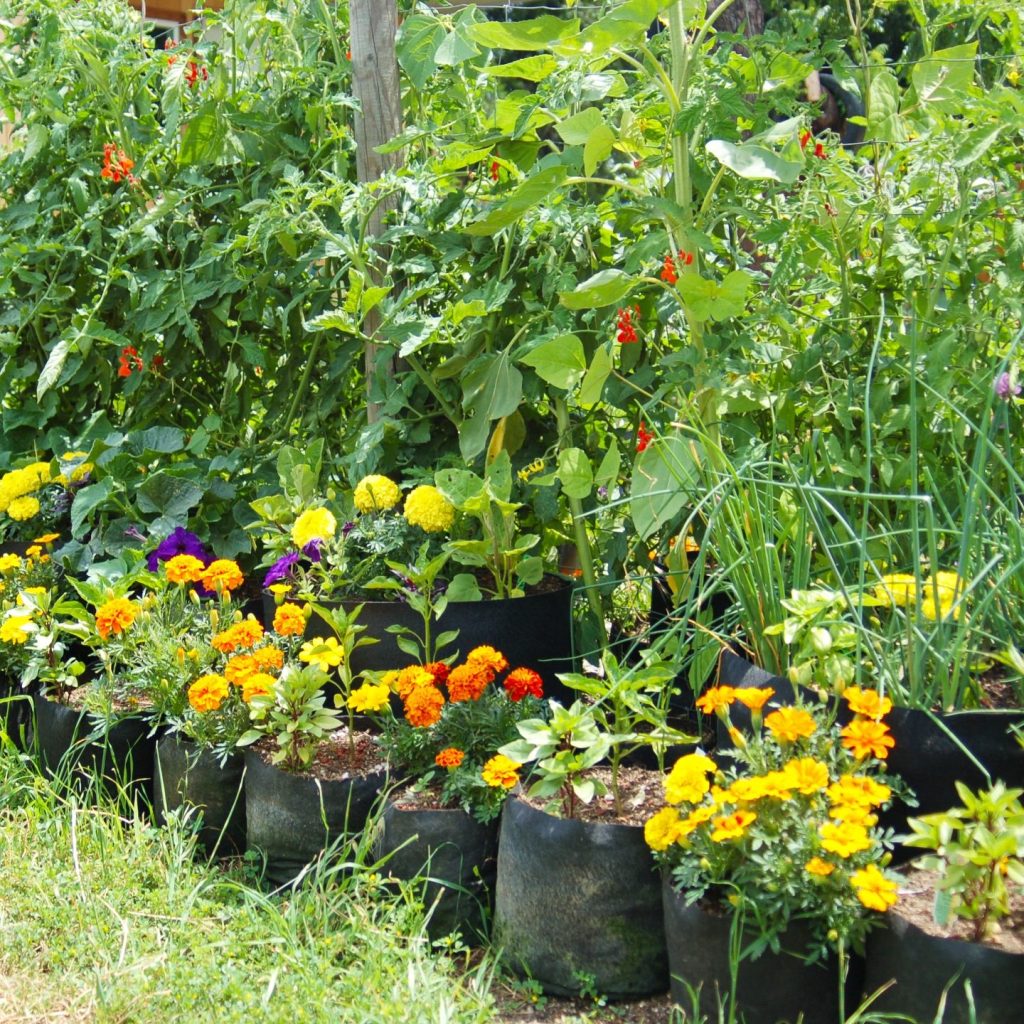
Companion planting involves growing certain plants together so they help each other grow better. This method costs nothing and reduces your need for expensive pest control products or fertilizers.
When you pair plants correctly, some will naturally repel insects that harm their neighbors. Others attract helpful bugs that eat garden pests. This creates a balanced garden without chemicals.
You can start with simple combinations. Plant basil next to your tomatoes to keep aphids and mosquitoes away. Marigolds work well near most vegetables because they repel many common pests.
Some plants also improve soil health for their neighbors. Beans add nitrogen to the soil, which helps leafy greens grow better. This means you spend less on fertilizer.
Companion planting maximizes your garden space too. Tall plants can provide shade for smaller ones that need protection from hot sun. Fast-growing plants fill gaps while slower crops mature.
Start small with a few proven combinations. Watch how your plants respond and adjust next season. This technique takes practice but costs nothing to try.
9) Start with easy-to-grow plants like lettuce, radishes, and herbs to save resources.
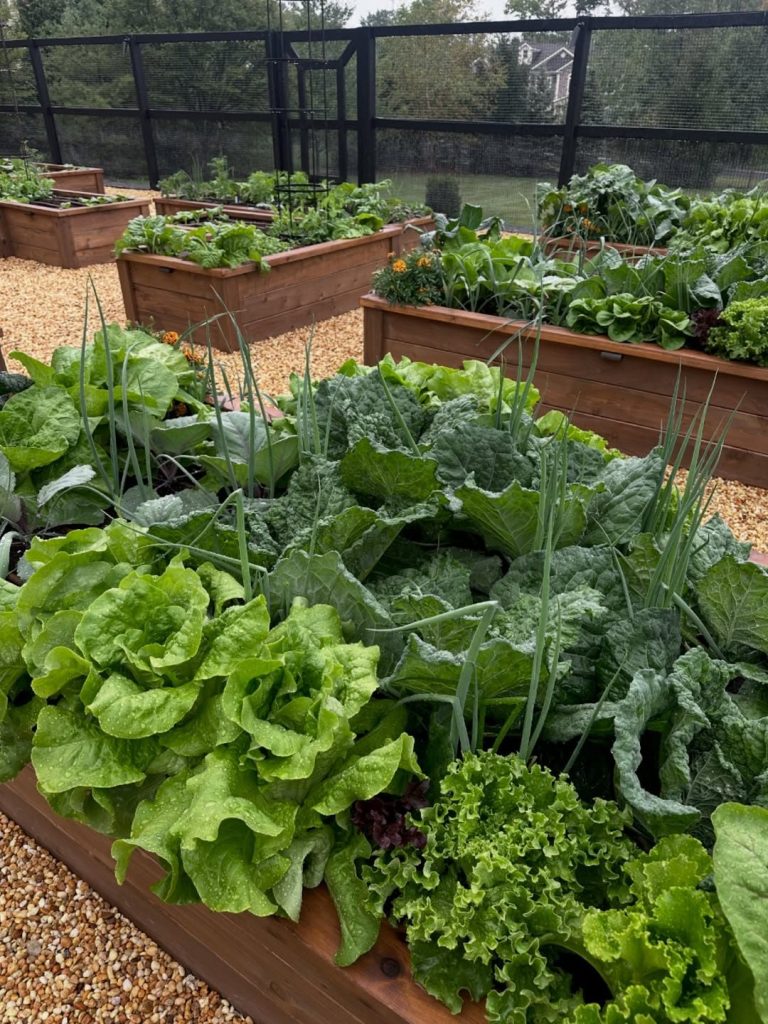
Choosing the right plants makes a big difference when you’re gardening on a budget. Easy-to-grow plants need less money, time, and supplies to succeed.
Lettuce grows quickly and doesn’t require much space or special care. You can harvest it in just a few weeks. It tolerates cooler weather and grows well in containers if you don’t have garden beds.
Radishes are among the fastest vegetables you can grow. They’re ready to harvest in three to four weeks. These plants forgive beginner mistakes and need minimal water and fertilizer.
Herbs like basil, chives, and mint are smart budget choices. They grow in small spaces and produce food throughout the season. Most herbs don’t need rich soil or constant attention to thrive.
Starting with these plants helps you avoid wasting money on difficult crops that might fail. You’ll use fewer resources on pest control, special fertilizers, and replacement plants. Success with simple plants builds your skills before you try more challenging vegetables.
These beginner-friendly options give you fresh food without expensive equipment or amendments. You can focus your limited budget on basic supplies instead of costly fixes for struggling plants.
10) Use natural soil-building methods such as cover crops and mulch to maintain soil health.
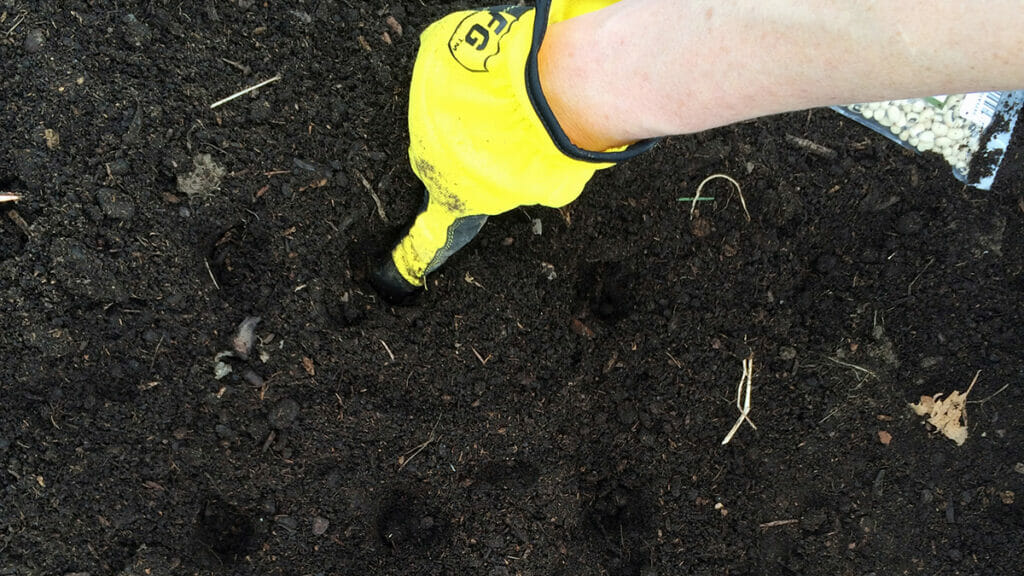
Building healthy soil doesn’t require expensive products. You can improve your garden’s soil naturally using cover crops and mulch.
Cover crops are fast-growing plants like rye, clover, and radishes that you plant when your main vegetables aren’t growing. They protect bare soil and add nutrients back into the ground. When you cut them down, they break down and feed the soil naturally.
Mulch works by covering the soil surface with organic materials. This keeps the soil structure loose and protects the living organisms underneath. You can use leaves, grass clippings, or straw as free or low-cost mulch options.
Both methods help you avoid tilling, which saves work and preserves soil health. They also reduce weeds, which means less time spent pulling them and less money spent on weed control.
These natural approaches build organic matter in your soil over time. Your garden will need fewer fertilizers and soil amendments as the soil becomes healthier. This saves you money while creating better growing conditions for your plants.
Understanding the Basics of Budget Gardening
You can start a productive garden without spending a lot of money if you focus on realistic goals and select plants that cost less to grow and maintain.
Setting Realistic Gardening Goals
Start with a small garden space rather than trying to grow everything at once. A 4×4 foot bed or a few containers will cost less and help you learn the basics without wasting money on supplies you don’t need yet.
Pick three to five crops you actually eat regularly. This keeps your seed purchases low and prevents you from growing food that goes to waste.
Plan your garden around the time you can spend on it. A small plot that you maintain well will produce more food than a large garden you can’t keep up with. You can always expand next season once you know what works.
Set a budget limit before you buy anything. Write down what you already have at home that you can use. This stops impulse purchases and helps you spend money only on items you truly need.
Choosing Budget-Friendly Plants
Grow from seeds instead of buying transplants. A seed packet costs $2-4 and gives you dozens of plants, while a single transplant can cost $3-6.
Some crops give you more value for your money:
- Lettuce and greens produce multiple harvests from one planting
- Tomatoes yield many pounds of fruit per plant throughout the season
- Zucchini and squash produce heavily with minimal care
- Herbs like basil and cilantro cost $3-4 at stores but grow easily from $2 seed packets
- Beans and peas grow quickly and improve your soil
Avoid plants that need special equipment or take up lots of space for small harvests. Skip crops like corn or melons when you’re starting on a budget since they need more room and resources than compact vegetables.
Maximizing Resources and Savings
You can significantly reduce gardening costs by tapping into free materials around you and connecting with other gardeners in your area. These strategies help you build a thriving garden without spending money on new supplies.
Making the Most of Free and Recycled Materials
Your household waste contains many items that work perfectly as garden supplies. Cardboard boxes, newspaper, and egg cartons make excellent seed starters. Plastic containers from food products become instant planters when you drill drainage holes in the bottom.
Coffee grounds and eggshells provide free nutrients for your soil. You can also collect grass clippings, fallen leaves, and vegetable scraps to create compost. This turns your kitchen waste into rich fertilizer at no cost.
Look for wood pallets, which are often free from local businesses. These work well for building raised beds or compost bins. Old buckets, bins, and storage containers also make good planters for larger plants like tomatoes or peppers.
Ask neighbors if they have extra pots, tools, or gardening supplies they no longer use. Many people have these items sitting unused in their garages or sheds.
Utilizing Community Resources
Local seed swaps and plant exchanges let you get new varieties without buying them. Many communities hold these events in spring where gardeners trade seeds and plant starts.
Your public library may offer free gardening workshops, tool lending programs, and seed libraries. Some libraries let you check out seeds just like books, returning seeds from your harvest at the end of the season.
Community gardens provide access to land, water, and shared tools if you lack space at home. These spaces often include experienced gardeners who share knowledge and extra plants. Check with your local parks department or neighborhood associations to find nearby community garden plots.
Frequently Asked Questions
Starting a garden on a budget raises common questions about sourcing plants affordably, planning expenses, building garden beds with inexpensive materials, designing productive spaces, cutting ongoing costs, and reusing household items creatively.
What are affordable ways to obtain plants and seeds for a new garden?
You can get seeds and plants without spending much money. Visit local plant and seed swaps in your community where gardeners exchange varieties for free or at very low cost.
Start seeds indoors using recycled containers like egg cartons or yogurt cups instead of buying seed trays. Choose heirloom vegetable seeds which you can save and replant each year rather than purchasing new seeds annually.
Many gardeners also share divisions from perennial plants. Check community groups and gardening clubs for people giving away excess plants from their gardens.
How can I create a garden budget plan that is cost-effective?
Start by listing what you already have at home that you can use for gardening. This helps you avoid buying items you don’t need.
Begin with a small garden space so you can control your initial costs. A few containers or a small bed lets you learn what works before expanding.
Track your spending on seeds, soil, and supplies throughout the season. This record helps you identify where money goes and where you can cut costs next year.
Set aside money each month during the growing season for necessary items. Small regular amounts prevent large expenses from surprising you later.
What are the best low-cost materials to use for DIY garden beds?
Untreated wood pallets work well for building raised beds and cost little or nothing. Many businesses give away pallets they no longer need.
Concrete blocks or bricks create sturdy bed borders without requiring tools or construction skills. You can often find these materials free on community exchange sites.
Straw bales make excellent temporary raised beds that break down into compost. They cost less than lumber and require no building experience.
Logs and branches from yard cleanup form natural borders for garden beds. This option costs nothing if you have trees on your property.
How can beginners design a garden that is both inexpensive and productive?
Focus on growing vegetables and herbs your family actually eats regularly. This approach reduces waste and maximizes the value of your garden space.
Plant high-yield crops like tomatoes, zucchini, and lettuce that produce large amounts from just a few plants. These vegetables give you more food for your money and effort.
Use vertical growing methods with string or salvaged materials to support climbing plants. Growing up instead of out increases productivity in small spaces without buying extra garden area.
Succession planting keeps your garden producing throughout the season. Plant new crops as you harvest old ones to get multiple harvests from the same space.
What strategies are effective for reducing long-term gardening costs?
Create compost from kitchen scraps to enrich soil naturally and save on fertilizer costs. Composting turns waste into valuable soil amendment at no cost.
Save seeds from heirloom vegetables at the end of each season. This practice eliminates the need to buy seeds year after year.
Mulch garden beds with grass clippings, shredded leaves, or newspaper to retain moisture and reduce watering needs. Free mulch materials lower water bills and suppress weeds that compete with your plants.
Install a rain barrel to collect water from your roof for garden use. This reduces water costs during the growing season.
Learn to identify and address plant problems early. Catching issues quickly prevents spending money on replacements or treatments later.
How can I repurpose household items to save money on garden supplies?
Reuse household items such as buckets or old boots as unique plant containers. Drill drainage holes in the bottom and these become free planters.
Cut plastic bottles in half to create mini greenhouses for seedlings or cloches to protect young plants. The clear plastic traps warmth and moisture around plants.
Use old kitchen utensils like forks and spoons as garden markers. Write plant names on them with permanent marker instead of buying labels.
Transform cardboard boxes and newspaper into weed barriers between garden rows. These materials block weeds and eventually decompose to improve soil.
Repurpose wire hangers as plant supports or stakes for small vegetables. Bend them into shapes that hold up plants without buying bamboo stakes or cages.