

Imagine stepping out your back door, snipping a handful of fresh leaves, and brewing them into a cup of tea minutes later. 🍵
No tea bags. No supermarket. Just sunshine, water and a few easy herbs.
A tea garden is one of the most rewarding little projects you can grow. It is pretty, it is fragrant, and it hands you fresh, caffeine-free brews all season long.
The best part? Most of these herbs are genuinely easy, and many come back year after year.
Here are twelve herbs worth brewing, how to grow each one, and the simple layout trick that keeps them all thriving. 🌿
The golden rule: sun and good drainage.
Nearly every tea herb wants the same two things, which makes planning easy.
Give them a sunny spot with six hours of light or more, and soil that drains freely rather than staying soggy.
Get those two right and the rest is mostly snipping and sipping.
Hardy perennial — comes back each year.
Annual — resow each spring.
Tender — bring indoors before frost.
1. Peppermint
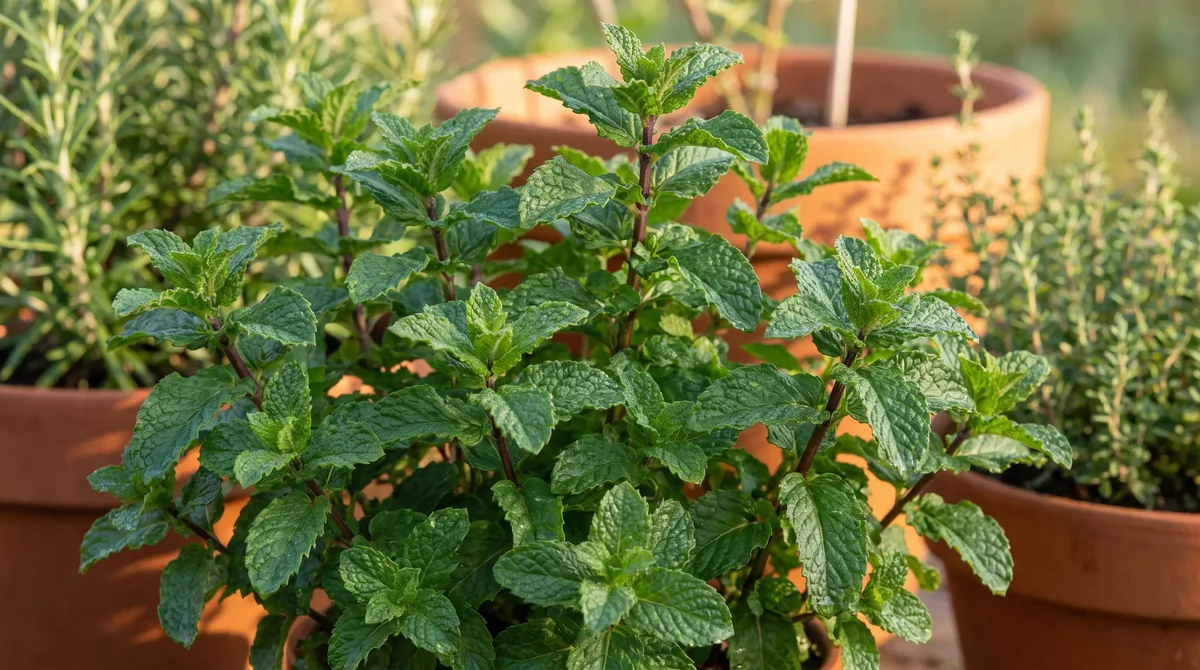
Hardy perennial
Brew: the leaves, for a cool, classic mint tea.
The one everyone thinks of first, and for good reason. Fresh peppermint tea is bright, clean and soothing on the stomach.
But here is the big warning: peppermint is a thug. Its roots send out runners that will take over the entire bed in a season or two.
Always, always grow mint in a pot. It is the single most important rule in the whole tea garden.
2. Spearmint
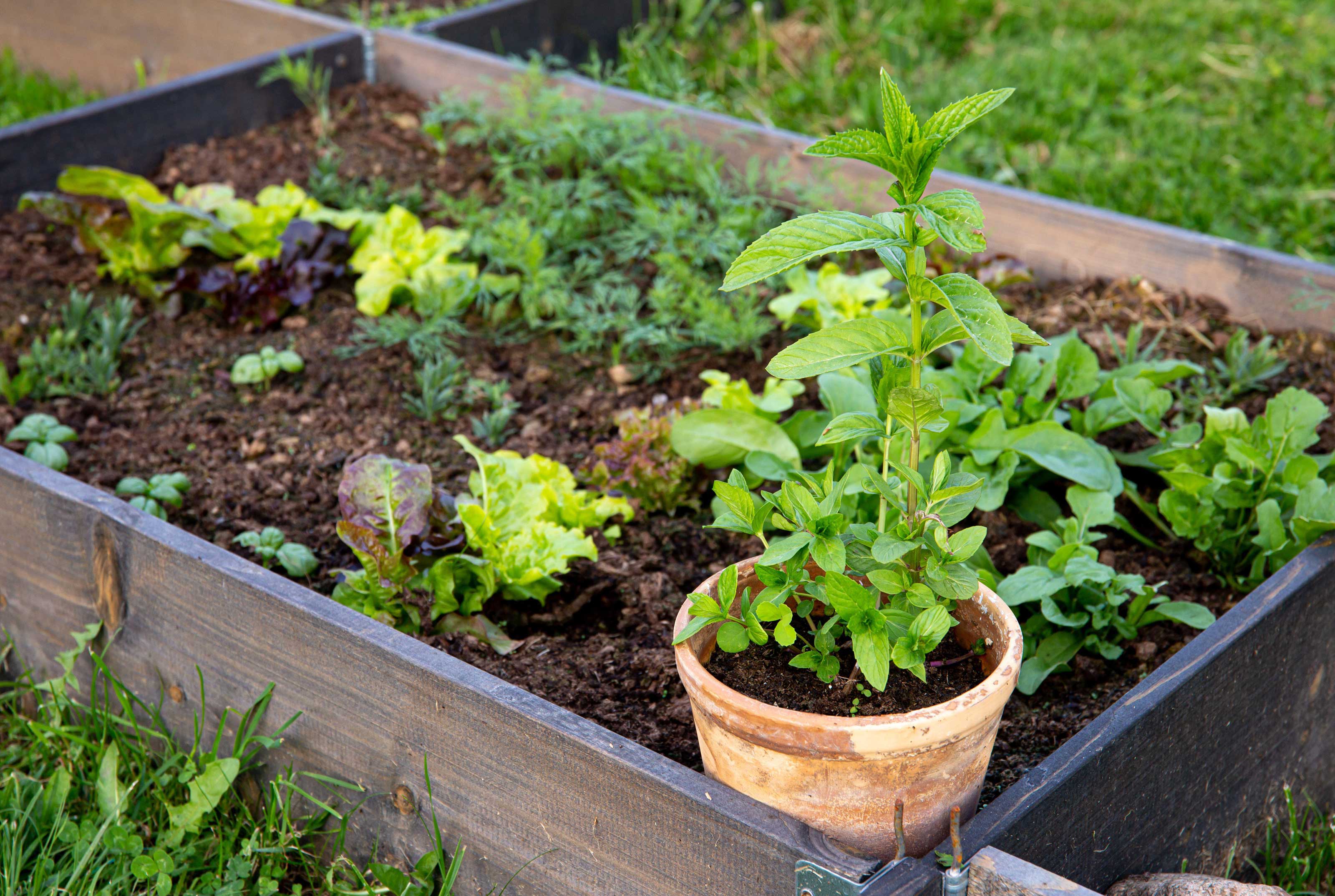
Hardy perennial
Brew: the leaves, for a milder, sweeter mint.
Peppermint’s gentler cousin, with a softer, sweeter flavor that many people prefer.
It is wonderful on its own and brilliant mixed with other herbs, since it rounds out a blend beautifully.
Same wandering habit, though, so it goes in a pot right alongside the peppermint.
3. Lemon Balm
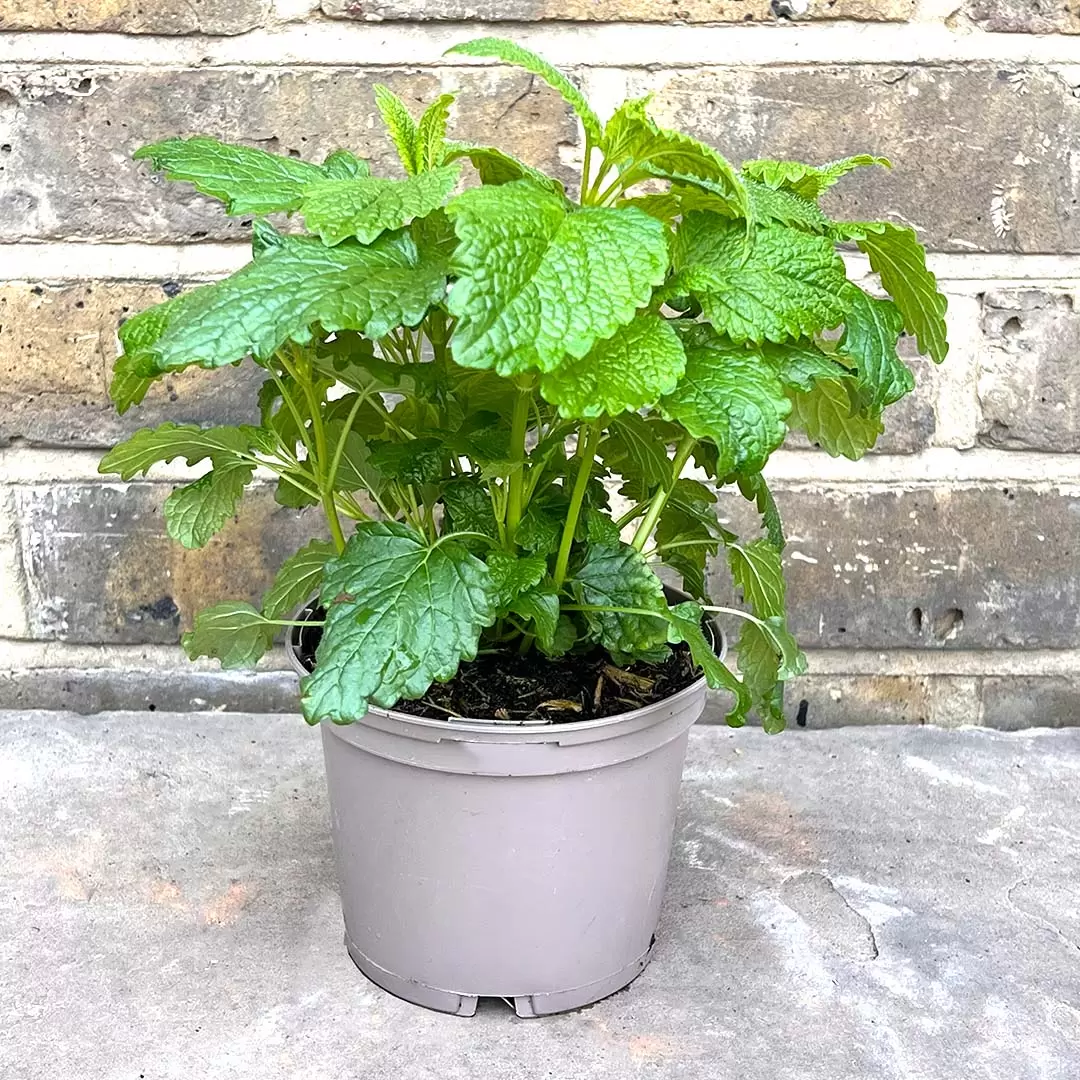
Hardy perennial
Brew: the leaves, for a gentle lemon-and-calm cup.
Soft, lemony and wonderfully calming, lemon balm makes a lovely relaxing tea, especially in the evening.
It belongs to the mint family and, honestly, it is even more of a spreader than mint itself, seeding and rooting its way across a bed.
So this is the third herb for the pot pile. Keep it contained and it is a joy.
4. Chamomile
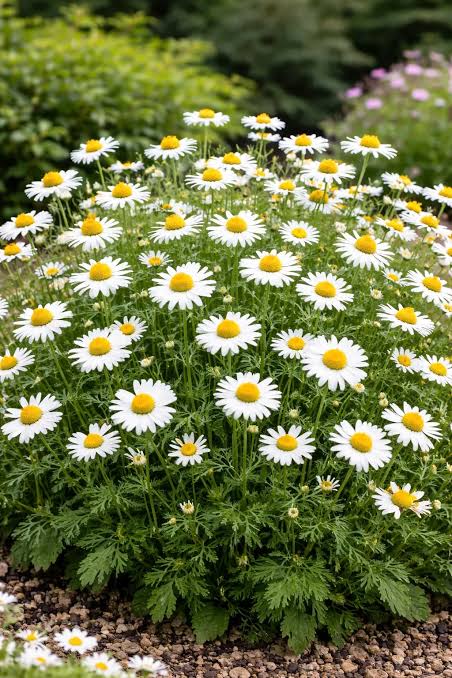
Annual
Brew: the flowers, not the leaves, for a classic bedtime tea.
The famous sleepy-time tea, and so pretty with it, scattering little white daisy flowers through the garden.
Here is the key tip: it is the flowers you brew, not the leaves. Pick them the day they open, and keep picking to get more.
This is the annual German chamomile. Let a few flowers go to seed and it often resows itself for next year.
5. Roman Chamomile
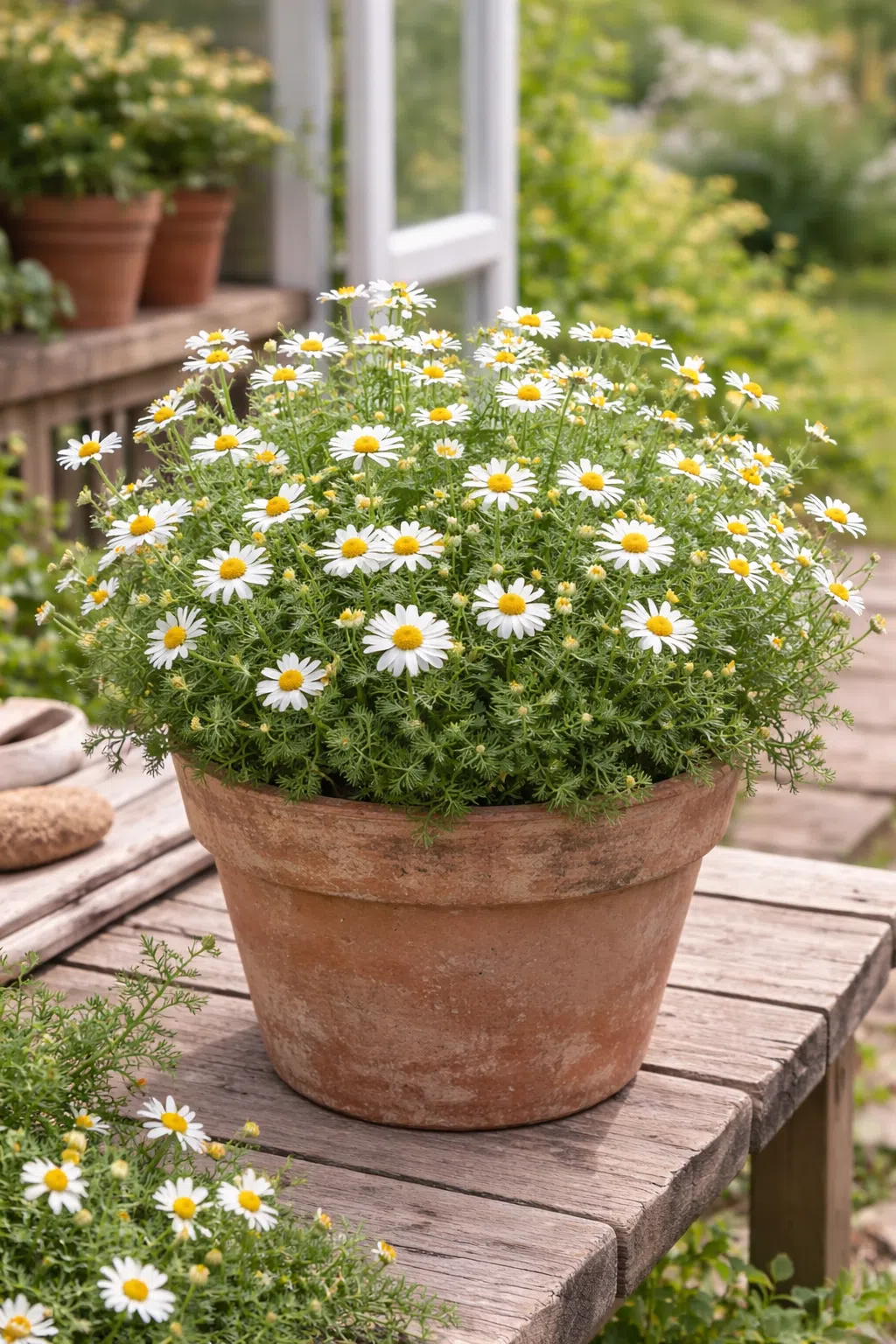
Hardy perennial
Brew: the flowers, for a similar calming cup.
The perennial version, which comes back each year rather than needing resowing.
It grows low and mat-forming, so it makes a gorgeous fragrant edging you can brush past or even walk on to release the scent.
Plant it along a path and every stroll past it smells like apples.
6. Lemon Verbena
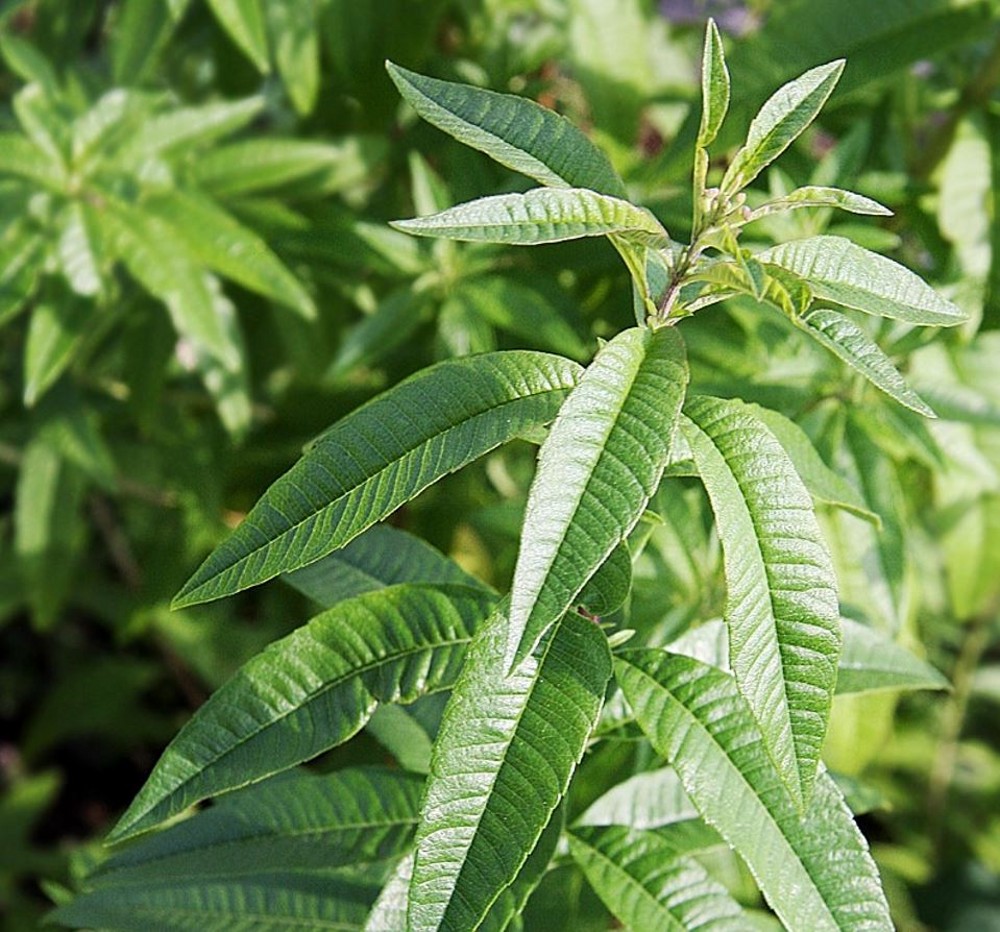
Tender
Brew: the leaves, for the purest lemon tea there is.
If you love a lemony cup, this is the queen of them. Its scent is intensely, gorgeously lemon, brighter than any other herb here.
It is tender, though, so in colder areas, roughly below zone 8, it needs to come indoors over winter.
Grow it in a pot you can move inside, or treat it as a glorious one-season treat.
7. Anise Hyssop
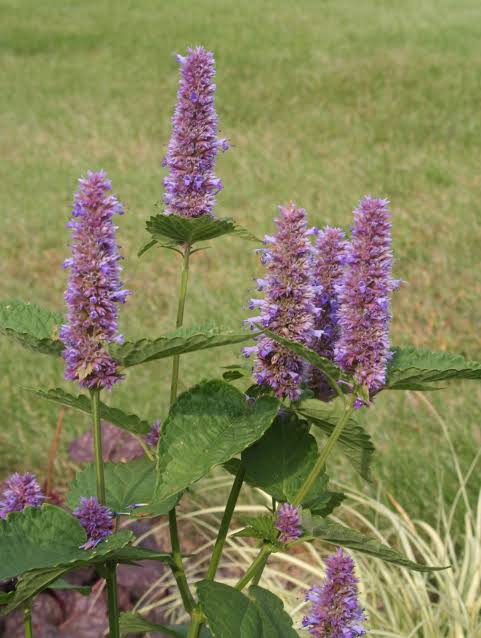
Hardy perennial
Brew: leaves and flowers, for a sweet licorice cup.
A real garden all-rounder. It sends up tall purple flower spikes that look wonderful and smell sweetly of licorice.
Both the leaves and the flowers make a lovely, naturally sweet tea, so there is plenty to pick.
Bees and butterflies adore it too, so it earns its place twice over.
8. Bee Balm
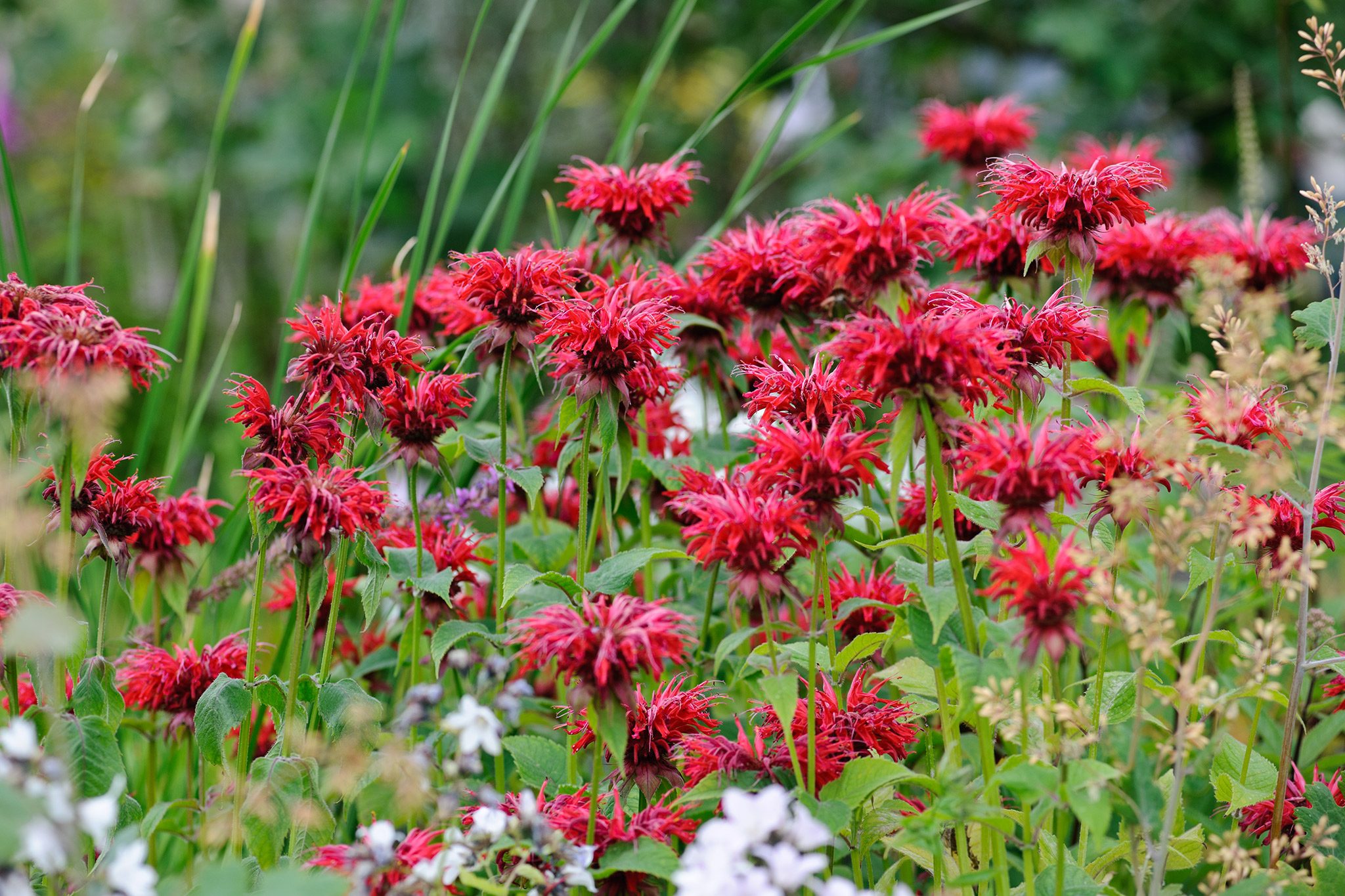
Hardy perennial
Brew: leaves and flowers, for a fragrant Earl-Grey-like cup.
A North American native with shaggy, firework-like flowers in red, pink and purple.
Its leaves make a fragrant, slightly citrusy tea, long used by Indigenous peoples, and the petals are pretty scattered in the cup too.
The pollinators find this one first every time, so expect happy, buzzing company.
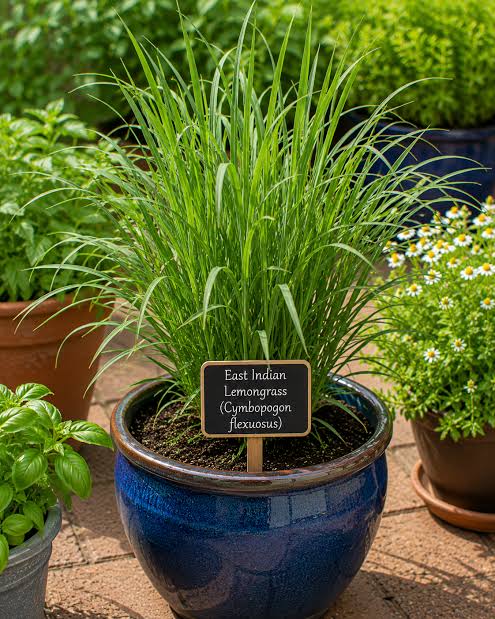
9. Lemongrass
Tender
Brew: the chopped stalks and leaves, for a zesty, fresh cup.
That clean, zingy lemon flavor you know from Thai cooking makes a wonderfully refreshing tea.
It grows into a big, architectural grassy clump through summer, but it is tender and hates frost.
Lift it into a pot and bring it indoors before the first frost, and it will sail through to next year.
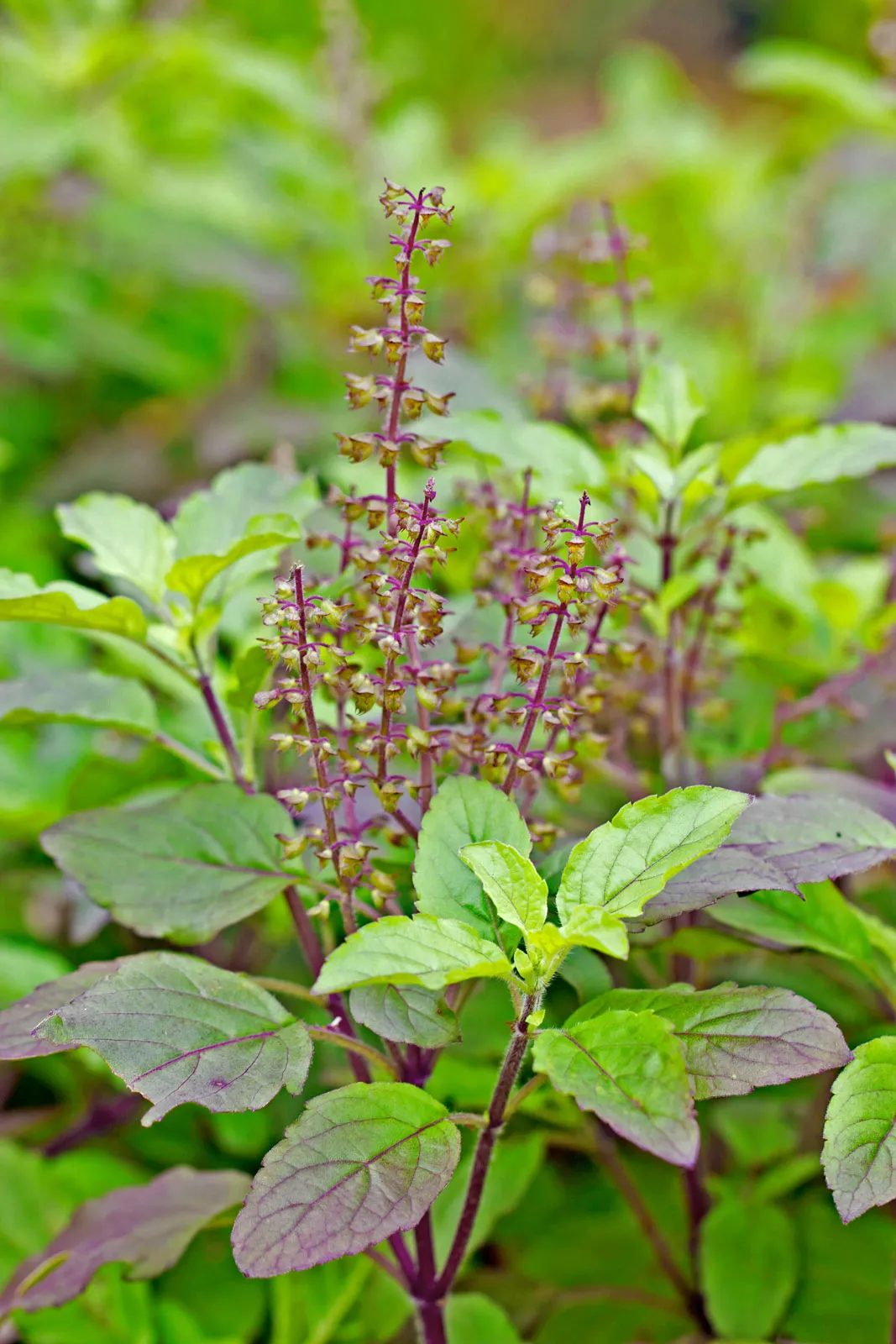
10. Holy Basil (Tulsi)
Annual
Brew: the leaves, for a warm, clove-like herbal cup.
This is the basil actually grown for tea, not the one for your pasta.
Also known as tulsi, it has a warm, spicy, slightly clove-like flavor and a long history in herbal traditions.
It is an annual, so sow it fresh each spring in a warm, sunny spot and it will reward you all summer.
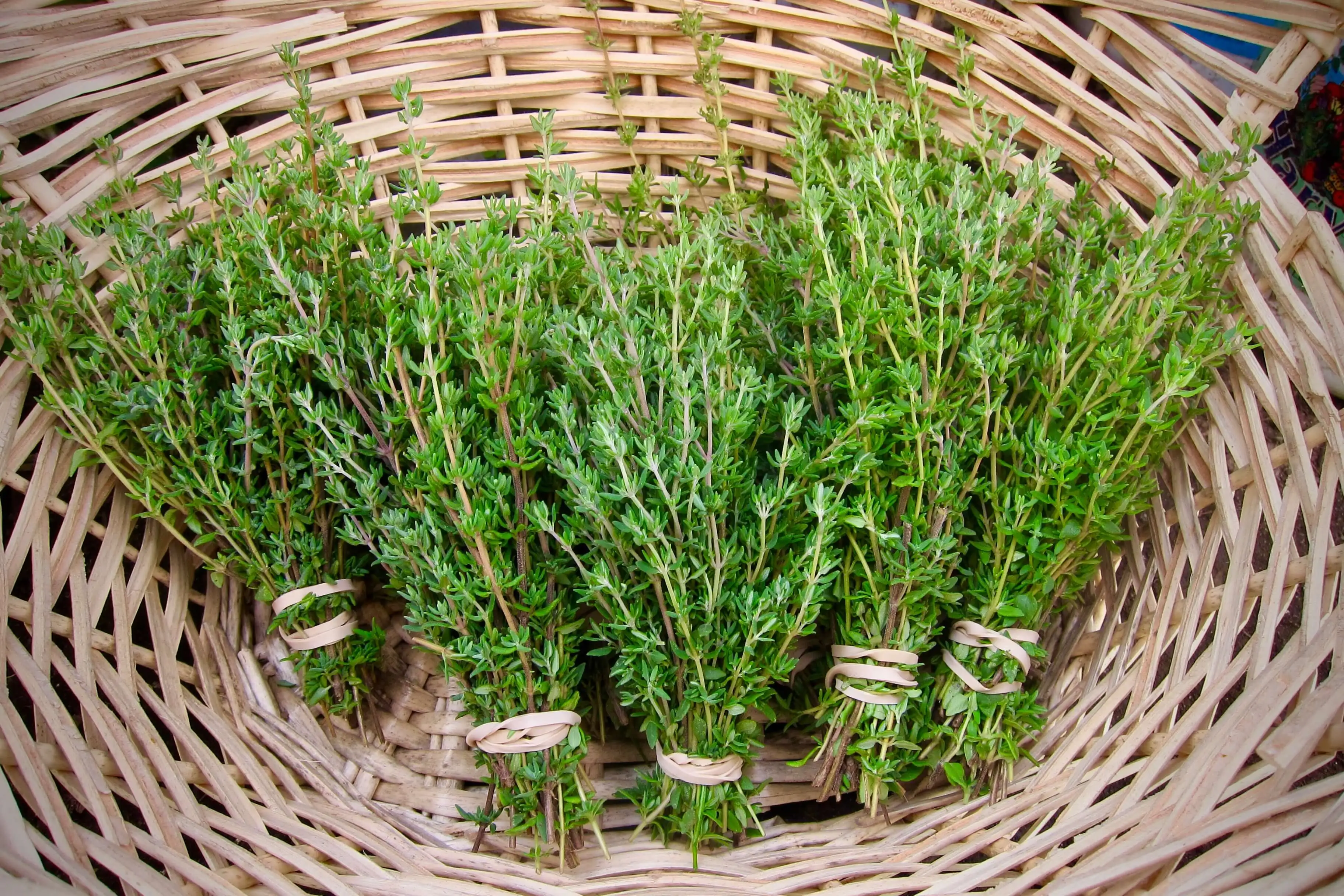
11. Thyme
Hardy perennial
Brew: the leaves, for a savory, soothing cup.
Tiny leaves, big flavor. Thyme is not just for cooking, and it makes a surprisingly soothing, savory tea that is lovely with a little honey.
It is a tough, drought-proof perennial that thrives on a bit of neglect, so it is about as low-effort as herbs get.
It also happily spills over the edge of a raised bed or pot, softening the stonework.
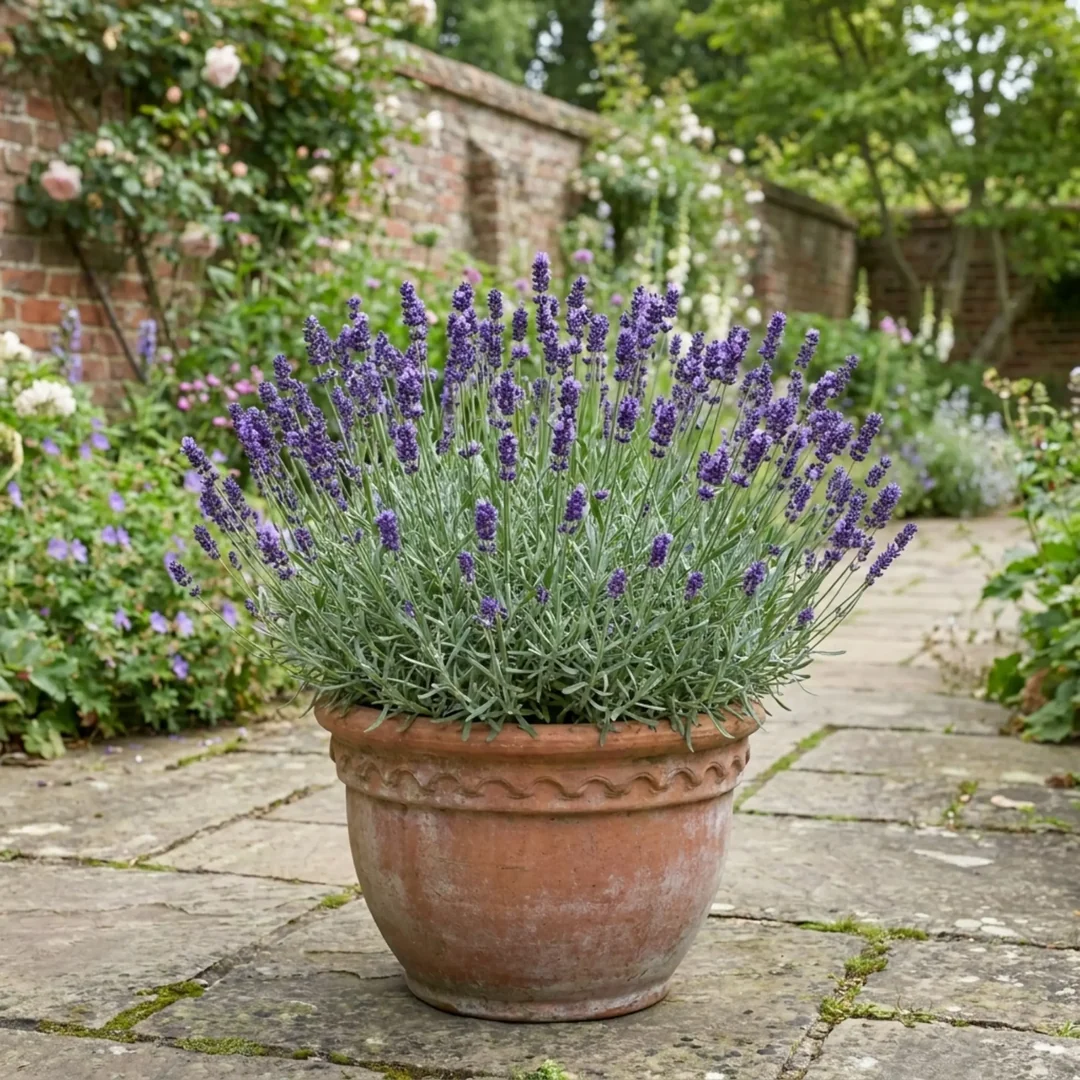
12. English Lavender
Hardy perennial
Brew: the flower buds, lightly, for a floral, calming cup.
A few lavender buds add a beautiful floral, calming note to a cup, and the plant itself is gorgeous and fragrant.
One tip that matters: choose English lavender, Lavandula angustifolia, which is the one best suited to the kitchen and teapot.
Go easy, though. A little lavender goes a very long way, so a pinch of buds is plenty.
Bonus: Stevia, the natural sweetener
Tender
Brew: add a leaf to any cup as a natural sweetener.
The clever bonus plant. Stevia is not really a tea on its own, it is your natural, no-calorie sweetener.
A single leaf dropped into any of the brews above sweetens a whole cup, no sugar needed.
It is tender, so grow it in a pot and bring it in before frost, and you have sweetness on tap all year.
⚠️ Keep these three in pots, no exceptions.
Peppermint, spearmint and lemon balm are beautiful, useful and completely unstoppable.
Planted loose in a bed, their roots and seeds will crowd everything else out within two seasons.
Give each its own container and you get all the flavor with none of the takeover.
Lay it out for easy sipping
Pop your tea garden somewhere sunny and close to the door, since the easier it is to reach, the more you will actually use it.
Put the tall herbs like lemongrass and bee balm toward the back, the low ones like thyme and Roman chamomile along the front edge, and keep your three spreaders in their pots nearby.
Harvest at the right time
Timing makes a real difference to flavor.
Pick leaves in the morning, after the dew has dried but before the midday heat draws out the aromatic oils. For flowers like chamomile and lavender, pick them the day they open, and keep picking to encourage more.
Brew your fresh tea
It could not be simpler. Use roughly a small handful of fresh leaves, or a couple of teaspoons dried, per cup.
Pour over just-boiled water, cover it to trap the aromatic oils, and steep for about five minutes. Strain, add a stevia leaf or a little honey if you like, and enjoy.
Dry some for winter
To enjoy your garden year-round, dry the extra.
Hang small bunches somewhere warm and airy, or lay leaves on a tray out of direct sun. Once they are crisp, store them in an airtight jar away from light, and you have homegrown tea through the cold months.
Your tea garden quick-start checklist
- Pick a sunny spot with six hours of light or more, near the door.
- Pot the spreaders. Peppermint, spearmint and lemon balm always go in containers.
- Mix perennials and annuals. Perennials for a permanent core, annuals and tender herbs for variety.
- Harvest little and often. Regular picking keeps every plant bushy and productive.
- Bring the tender ones in before the first frost: lemon verbena, lemongrass and stevia.
A quick word of care.
Herbal teas are gentle, but they are not nothing. If you are pregnant, nursing, or taking any medication, have a quick word with your doctor before making them a daily habit.
Your tea garden questions, answered
Can I grow a whole tea garden in pots?
Absolutely, and it is a great way to start. A sunny patio or balcony with a cluster of pots works beautifully, and it keeps the spreaders contained by default. Just remember pots dry out faster, so water a little more often.
Fresh or dried, which makes better tea?
Both are lovely. Fresh leaves give a bright, vivid flavor, while drying concentrates it and lets you stock up for winter. Grow enough and you can enjoy fresh in summer and dried the rest of the year.
Which herbs should a total beginner start with?
Mint in a pot, lemon balm in a pot, and a little thyme are almost foolproof. Add chamomile for flowers and you have a lovely starter tea garden with very little that can go wrong.
Do I need to let herbs flower, or pinch them back?
For leaf teas like mint and basil, pinch off flower buds to keep the plant producing tasty leaves. For flower teas like chamomile and lavender, you of course want the blooms, so let those ones flower freely.
Put the kettle on
There is something genuinely special about drinking tea you grew yourself, a few steps from where it was picked.
Start small this week with a pot of mint and a chamomile plant, then add a new herb whenever you fancy a different cup.
Before long you will have a fragrant little tea garden by the door and a fresh brew for every mood. Happy growing, and happy sipping. 🍵

