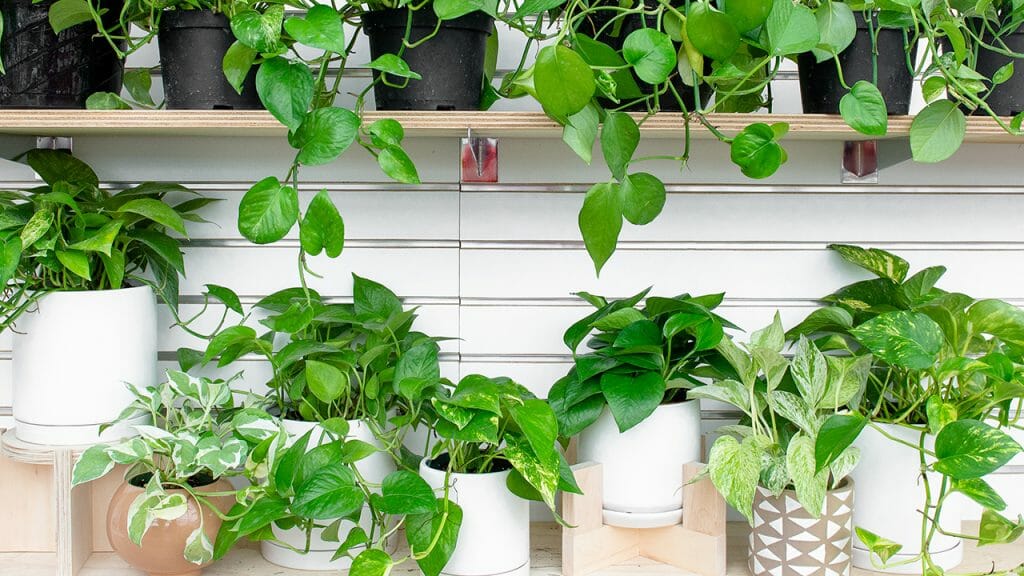
Houseplants won’t keep mold out of your home, and that’s fine. The best choices for bathrooms, kitchens, and other damp rooms are tough, easy-watering plants such as spider plant, cast iron plant, and parlor palm, which tolerate humidity, forgive beginners, and are listed as nontoxic to cats and dogs by the ASPCA.
⚠️ The catch most lists skip
Here’s the catch most “mold-fighting plant” lists skip. Plants release almost all the water you give them back into the air through transpiration, so a crowded plant shelf adds moisture to a room. A plant that tolerates humidity is different from a plant that removes it.
Constant high humidity encourages fungal and mould growth on building surfaces. Leak repairs, exhaust fans, and humidity control do the real prevention work. The plants below are ranked for how well they live alongside those habits without turning into a soggy pot of trouble.
⭐ Quick picks
- Best overall: Spider plant, pet-safe and hard to kill.
- Best for low light: Cast iron plant, thrives in dim corners.
- Best for forgetful waterers: ZZ plant, but keep it away from pets.
- Best pet-safe palm: Parlor palm, small and humidity-friendly.

Spider Plant
Chlorophytum comosum
🐾 Pet safe
Spider plant earns the top spot because it combines bathroom-friendly habits with ASPCA nontoxic status for cats and dogs. It shrugs off steamy air, handles medium to bright indirect light, and tells you when it’s thirsty by paling slightly.
Water when the top inch of potting mix feels dry, roughly every 7 to 10 days in bright rooms and less often in dim ones. Its thick, tuberous roots store water, so a little neglect beats overwatering.
The plant also bounces back from stress. In one study, spider plants recovered within 15 days after 7 days of exposure to pollutant conditions.
Damp-room watch-out: brown leaf tips come from fluoride or salt buildup in tap water, so flush the pot with distilled or rainwater every few months. Cats love chewing the leaves; nontoxic is a different thing from tasty to clean up.

Snake Plant
Dracaena trifasciata
🐾 Toxic to pets
Snake plant is the classic “forget about me” houseplant, and that’s both its strength and its risk in a damp room. It stores water in stiff, upright leaves and wants its soil almost completely dry between drinks.
In a humid bathroom with low light, that might mean watering once every 3 to 6 weeks. Soil that stays wet in a cool, steamy space rots the roots fast, and a mushy base is the first warning sign.
Care basics:
- Light: low to bright indirect, tolerates some direct sun
- Soil: cactus or succulent mix in a pot with a drainage hole
- Water: only when the mix is dry all the way down
Toxicity: saponins in the leaves cause vomiting and drooling in cats and dogs, so place it where pets can’t nibble.

ZZ Plant
Zamioculcas zamiifolia
🐾 Toxic to pets
If you travel or forget watering days, ZZ plant fits your schedule. Underground rhizomes (potato-like storage stems) hold weeks of water, and the glossy leaves keep shining in a dim hallway or north-facing bathroom.
That storage system means a humid room slows its drying even further. Check the mix with a finger or wooden chopstick and water only when it’s bone dry, often every 3 to 4 weeks. Yellowing stems with a soft base point to too much water.
Placement tips:
- Keep it off cold tile floors in winter
- Use a gritty, fast-draining mix
- Rotate it monthly so growth stays even
Toxicity: ZZ contains calcium oxalate crystals, which irritate the mouth and stomach of pets and children. Wear gloves when you repot if your skin is sensitive.
Cast Iron Plant
Aspidistra elatior
🐾 Pet safe
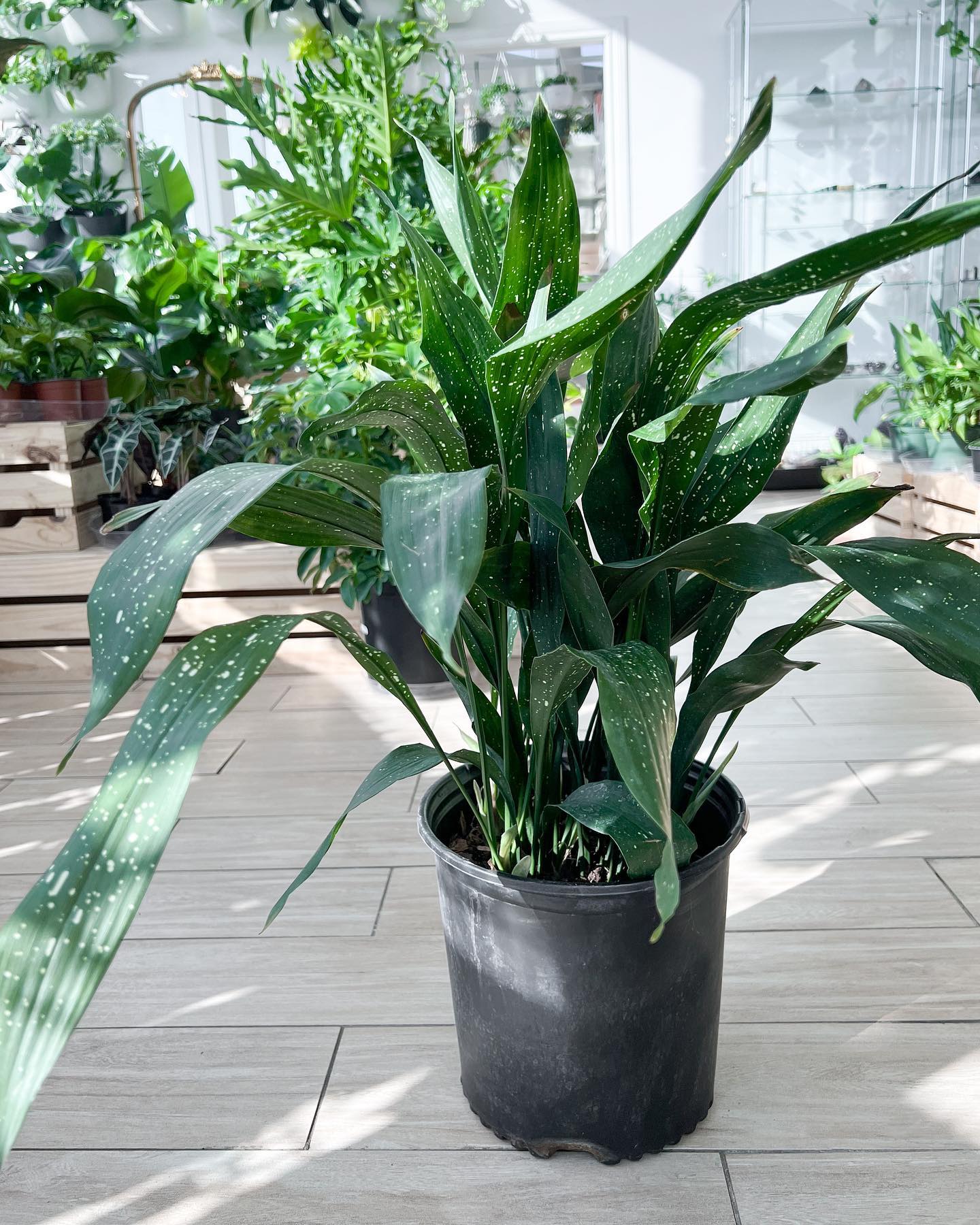
Cast iron plant got its name honestly. It tolerates deep shade, temperature swings, and irregular care better than almost any other leafy houseplant, which makes it a natural fit for a windowless-feeling corner near a bathroom door.
It grows slowly, so it uses water slowly. Let the top two inches of mix dry before watering, usually every 2 to 3 weeks. Wipe the broad leaves with a damp cloth now and then; dust settles on them and blocks what little light they get.
Why it ranks high:
- Listed by the ASPCA as nontoxic to cats and dogs
- Handles low light where most plants sulk
- Rarely needs repotting, every 3 to 5 years
Expect to pay a bit more for a mature specimen since nurseries take years to grow one.
Peace Lily
Spathiphyllum wallisii
🐾 Toxic to pets
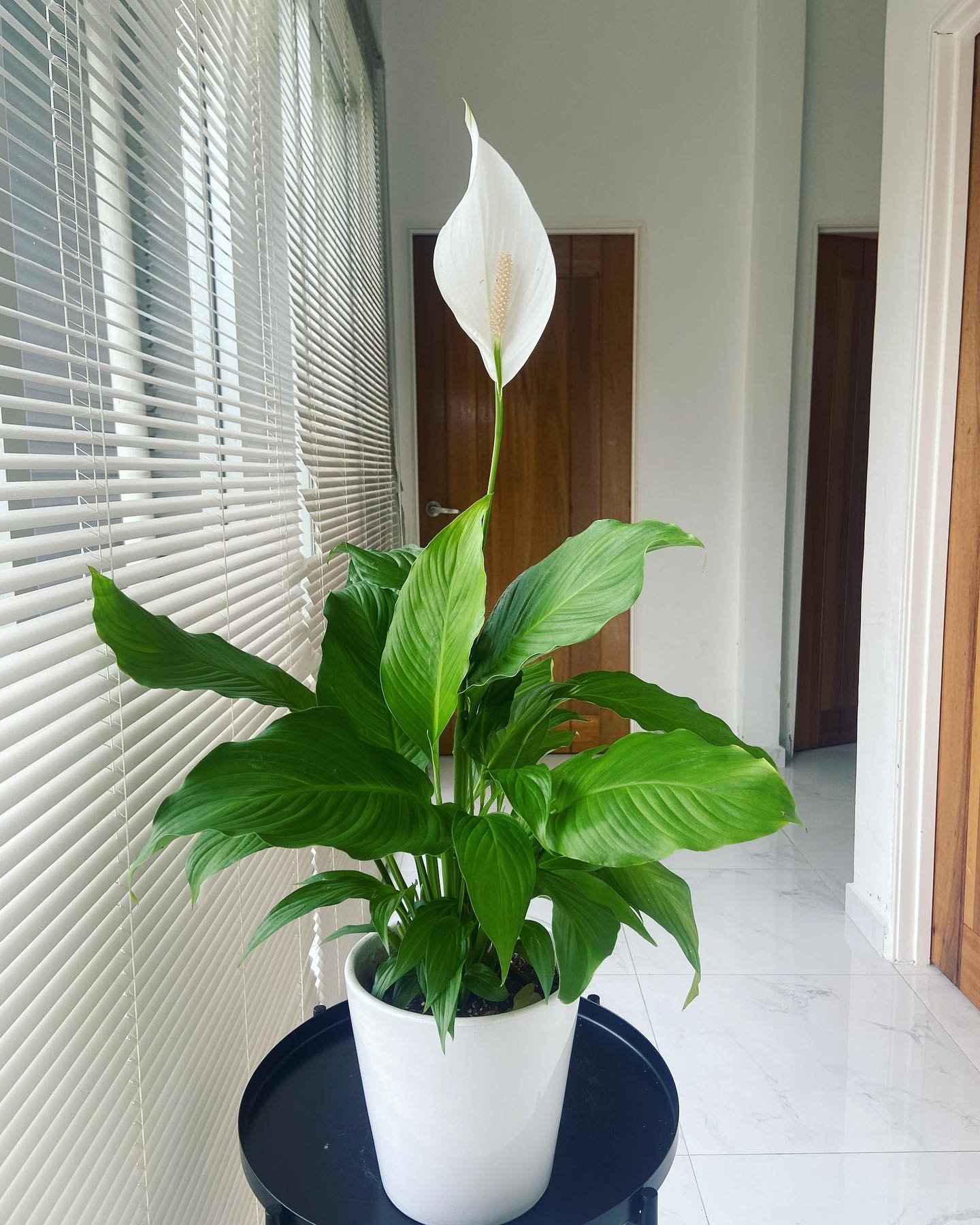
Peace lily loves humidity and droops dramatically when thirsty, which makes it one of the easiest plants to read. That dramatic wilt tempts people into overwatering, so wait until the top inch is dry, then water thoroughly and empty the saucer.
Researchers studying plants as part of a building’s services estimated that 15 Spathiphyllum wallisii ‘Verdi’ plants would be needed for a meaningful indoor effect in their modeled space. That’s a lot of peace lilies for one room, and every one of them transpires water.
Light: medium to bright indirect for regular white blooms; low light keeps it alive but flowerless.
Toxicity: calcium oxalate crystals make it unsafe for cats, dogs, and curious toddlers, despite the “lily” name being botanically unrelated to the deadly true lilies.

Boston Fern
Nephrolepis exaltata
🐾 Pet safe
Boston fern thrives in the kind of steamy bathroom that makes other plants struggle. It wants evenly moist soil and humidity above 50 percent, so a bright bathroom with a regular shower is close to ideal.
Even moisture differs from soggy. Water when the surface just starts to feel dry, use a pot with drainage, and never let it sit in a water-filled saucer. Brown, crispy fronds mean too dry; gray, collapsing fronds at the center mean too wet.
Practical notes:
- Light: bright indirect, away from hot direct sun
- Shedding: expect leaflets on the floor, so skip it near carpet
- Pets: ASPCA lists it as nontoxic to cats and dogs
Because it drinks heavily and transpires heavily, keep your exhaust fan running after showers when this fern lives in the room.
Lady Palm
Rhapis excelsa
🐾 Pet safe
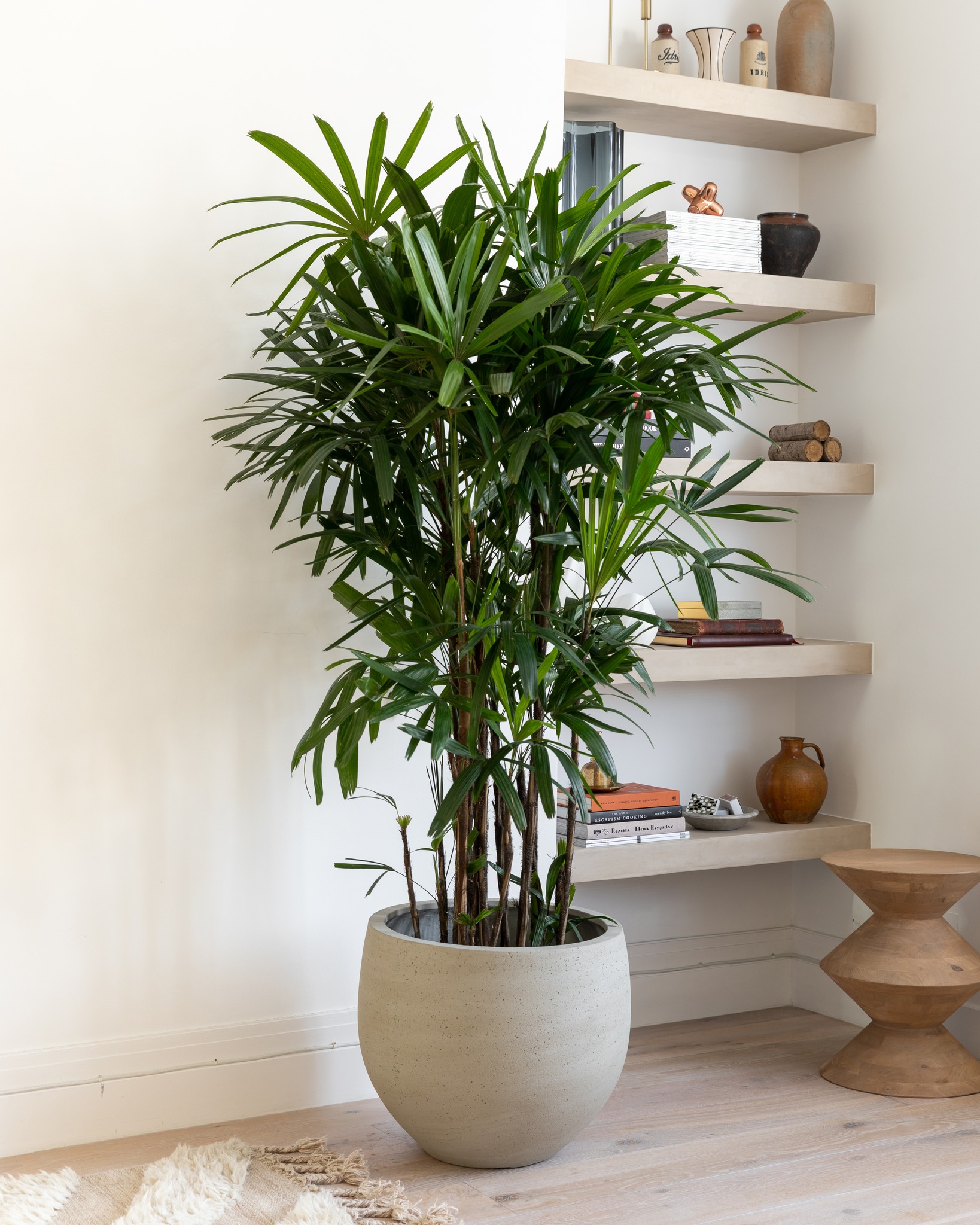
Lady palm brings a tall, tropical look to low-light rooms, and its fan-shaped fronds tolerate indoor humidity well. The ASPCA lists it as nontoxic to cats and dogs, which is a relief for a plant that often sits on the floor.
It prefers moderately moist soil, but its roots dislike standing water. Water when the top inch or two is dry, roughly weekly in summer and every two weeks in winter. Use a chunky, well-draining palm mix.
Damp-room limitations:
- Slow growth means it’s pricey at larger sizes
- Brown frond tips signal salt buildup; flush with clean water
- Crowded leaves trap still air, so give it a little space from walls
A lady palm suits a living room or bedroom near a humid bathroom better than a tiny, unventilated powder room.
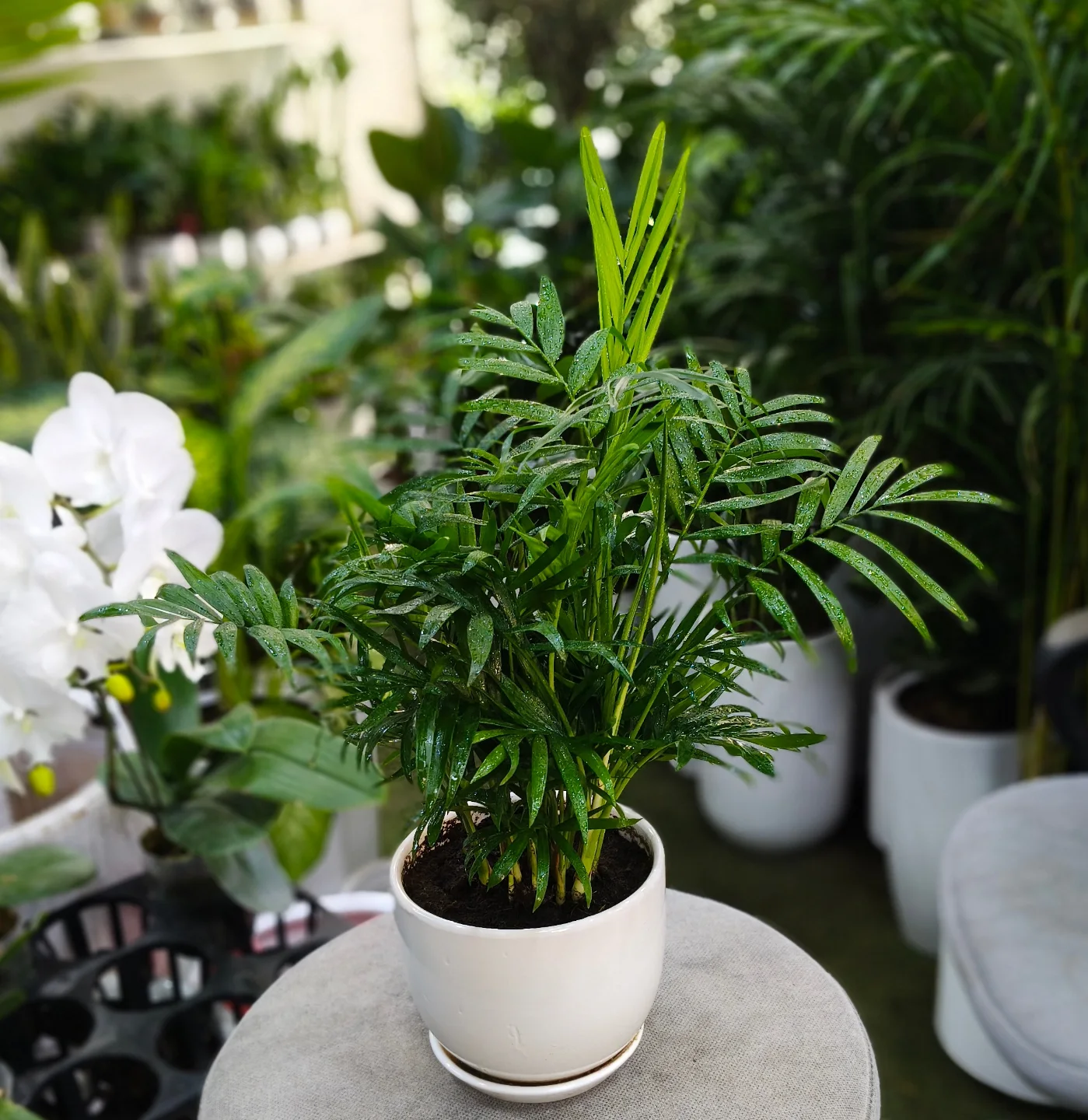
Parlor Palm
Chamaedorea elegans
🐾 Pet safe
Parlor palm gives you a palm that fits on a vanity or kitchen counter. It stays compact for years, handles low to medium indirect light, and carries ASPCA nontoxic status.
Keep the soil lightly moist through the growing season and let the top inch dry before you water again. In winter, cut back. Parlor palms sit on many grocery store shelves in pots packed with several seedlings, and that crowding holds moisture, so check drainage when you bring one home.
Common problems:
- Spider mites in dry, heated air (less likely in a bathroom)
- Root rot when the pot sits in a decorative cachepot full of water
- Yellow lower fronds, which are normal aging if new growth looks healthy
Lift the inner nursery pot out of any cover pot after watering and let it drain fully.
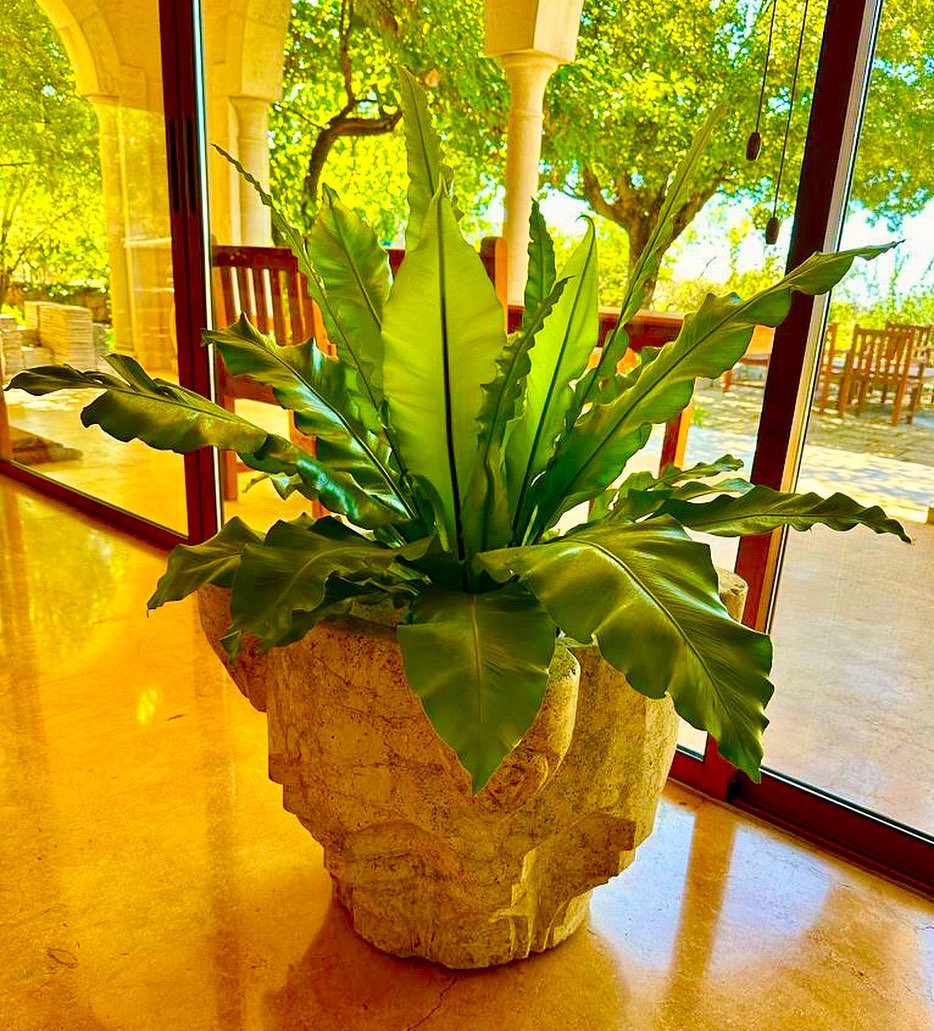
Bird’s Nest Fern
Asplenium nidus
🐾 Pet safe
Bird’s nest fern looks like a green fountain of wavy, glossy fronds, and it handles humid rooms better than its fussier fern cousins. Its center rosette (the “nest”) is where trouble starts: water pooled there rots new growth.
Water the soil around the edge of the pot, never into the crown. Let the top inch dry between waterings, which in a humid bathroom often stretches to 10 days or more. A loose, airy mix with orchid bark helps the roots breathe.
Quick facts:
- Light: medium to low indirect; direct sun scorches fronds
- Pets: ASPCA lists it as nontoxic to cats and dogs
- Handling: avoid touching young fronds, which bruise and brown easily
Its tidy rosette shape sheds fewer leaves than Boston fern, which makes it the cleaner choice for a bathroom shelf.
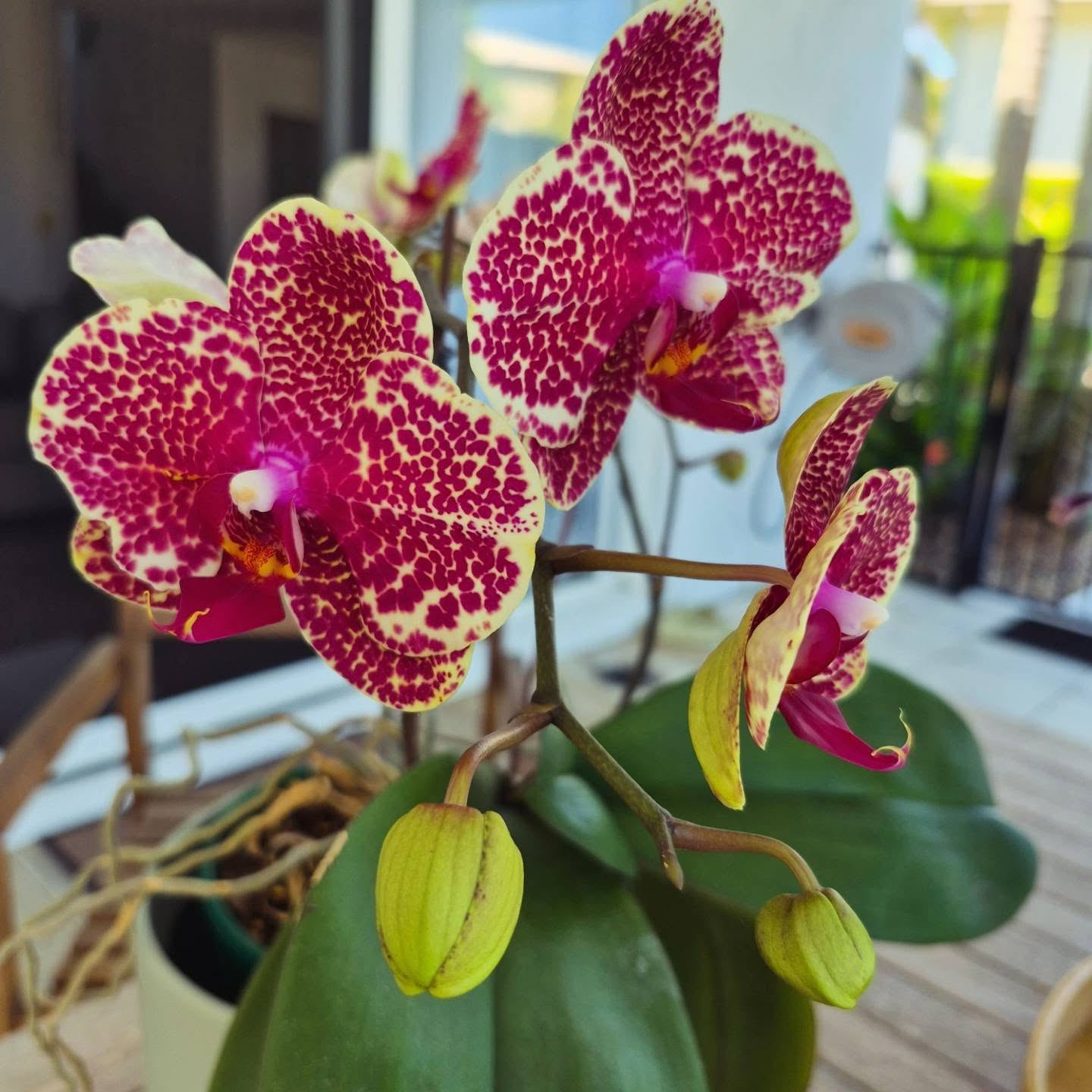
Moth Orchid
Phalaenopsis Hybrids
🐾 Pet safe
Moth orchid blooms for months and actively enjoys bathroom humidity, so it earns a place despite needing more attention than the foliage plants above. It grows in bark or sphagnum moss, never regular potting soil, because its roots need air.
Water when the roots inside a clear pot turn silvery-green, roughly every 7 to 14 days. Soak the pot, let it drain completely, and keep water out of the leaf crown. Constantly wet moss in a cool, humid room breeds rot and fungus gnats.
Light and safety:
- Bright indirect light, like an east-facing frosted window
- Nontoxic to cats and dogs per the ASPCA
- Repot every 1 to 2 years as bark breaks down
Skip the “three ice cubes” trick; a thorough soak with room-temperature water works better.
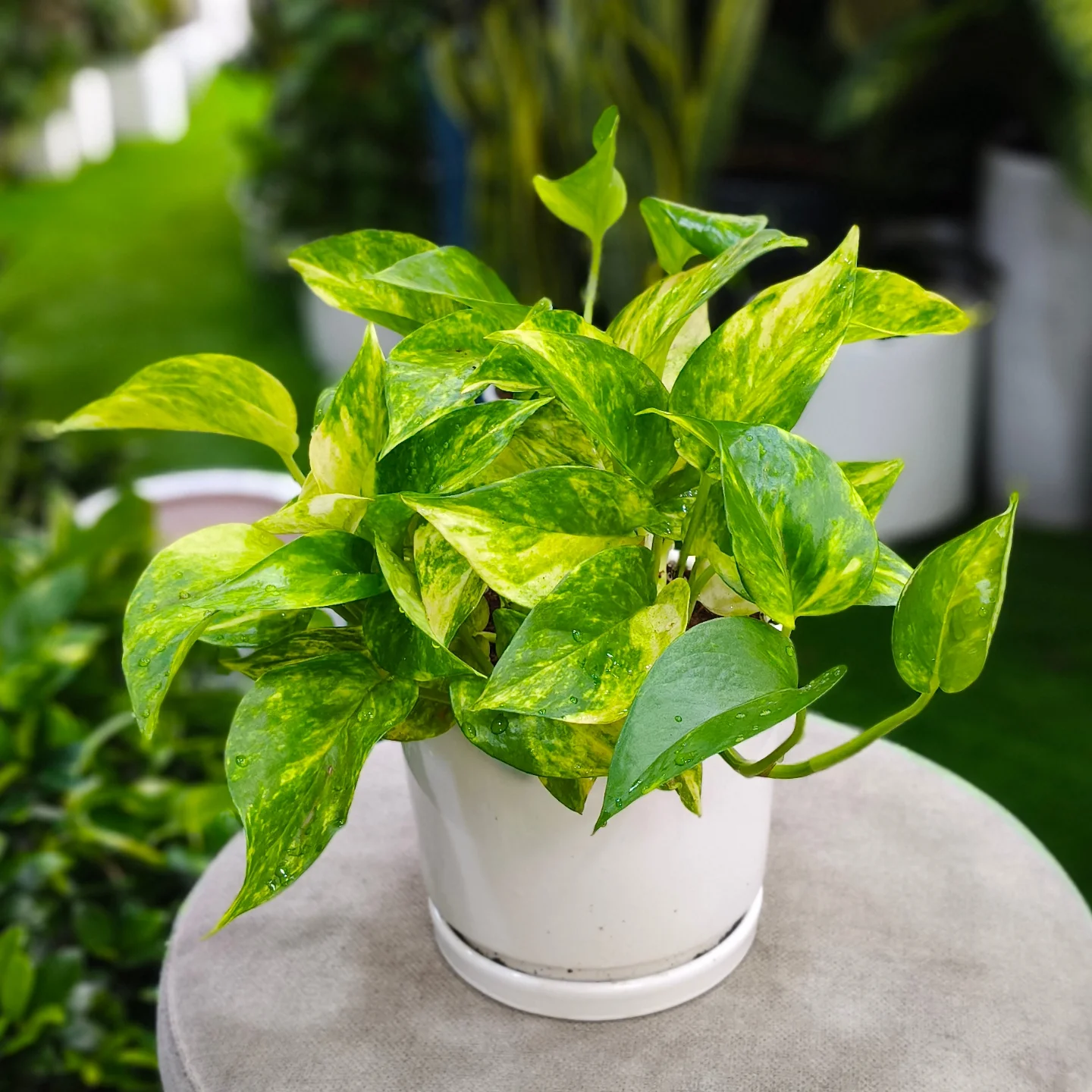
Golden Pothos
Epipremnum aureum
🐾 Toxic to pets
Golden pothos is the plant people succeed with when they’re sure they kill everything. It trails from a shelf, tolerates low to bright indirect light, and wilts slightly when thirsty, then perks up within hours of a drink.
Let the top half of the soil dry between waterings. Pothos roots easily in a jar of water, so you can grow cuttings in glass without any soil to stay damp, a handy option for small bathroom shelves. Change that water weekly so it doesn’t turn slimy.
Things to know:
- Low light fades the golden variegation
- Yellow leaves with wet soil point to overwatering
- Trim long vines to keep it bushy
Toxicity: calcium oxalate crystals make pothos harmful if chewed by pets or kids, so hang it high.
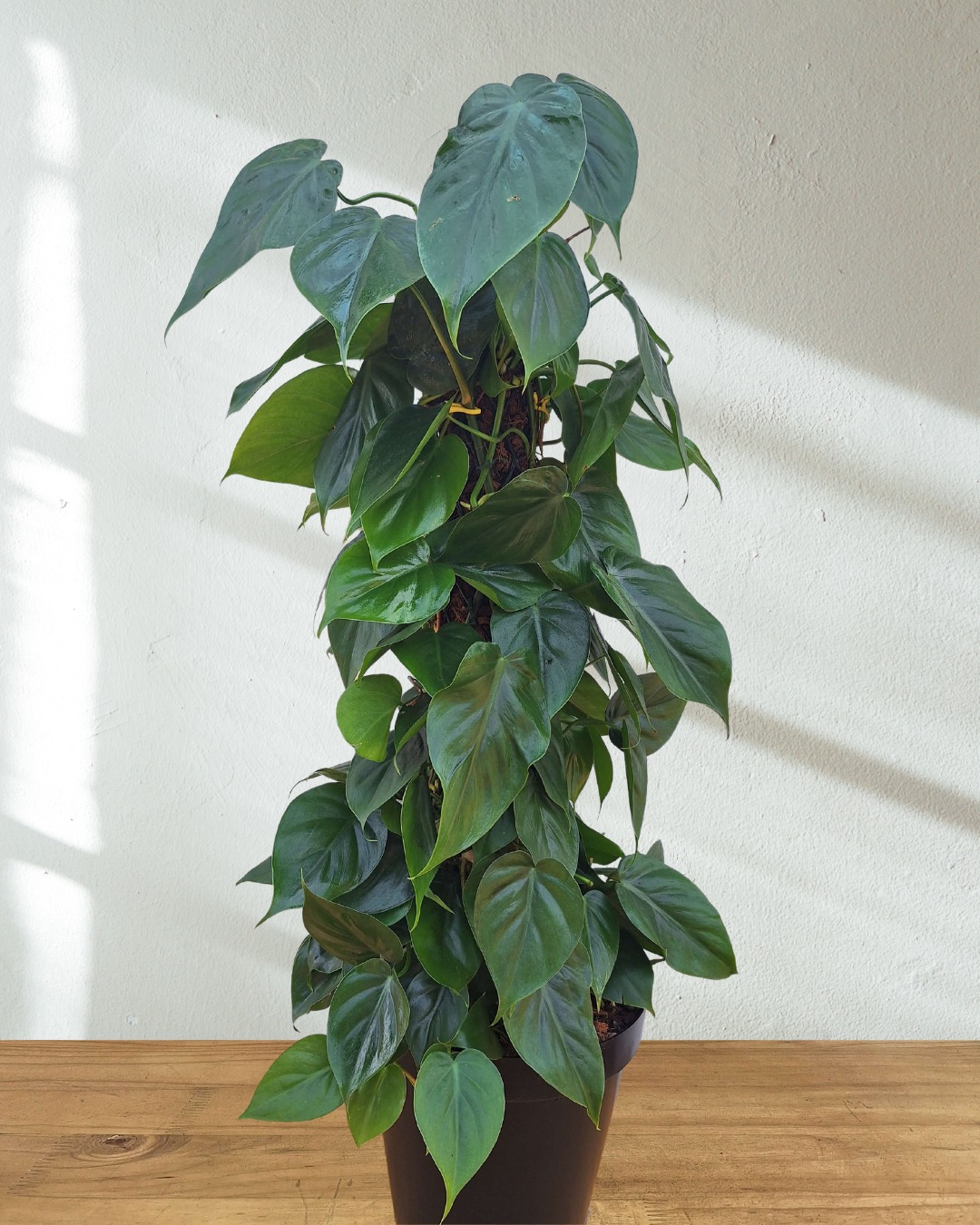
Heartleaf Philodendron
Philodendron hederaceum
🐾 Toxic to pets
Heartleaf philodendron behaves a lot like pothos, with softer, heart-shaped leaves and slightly better tolerance of dim corners. If you already keep pothos happily, you’ll find this plant familiar.
It likes the top inch or two of soil to dry before you water, which in a humid kitchen means about every 1 to 2 weeks. Its thin leaves curl when dry and turn yellow when roots stay soaked, giving you clear signals either way.
Why it works in damp rooms:
- Appreciates humidity without demanding it
- Grows fine under artificial light
- Climbs a moss pole or trails from a hanging basket
Toxicity: like pothos, it contains calcium oxalate crystals that cause mouth pain and drooling in cats and dogs. Keep vines trimmed so they don’t dangle within reach.
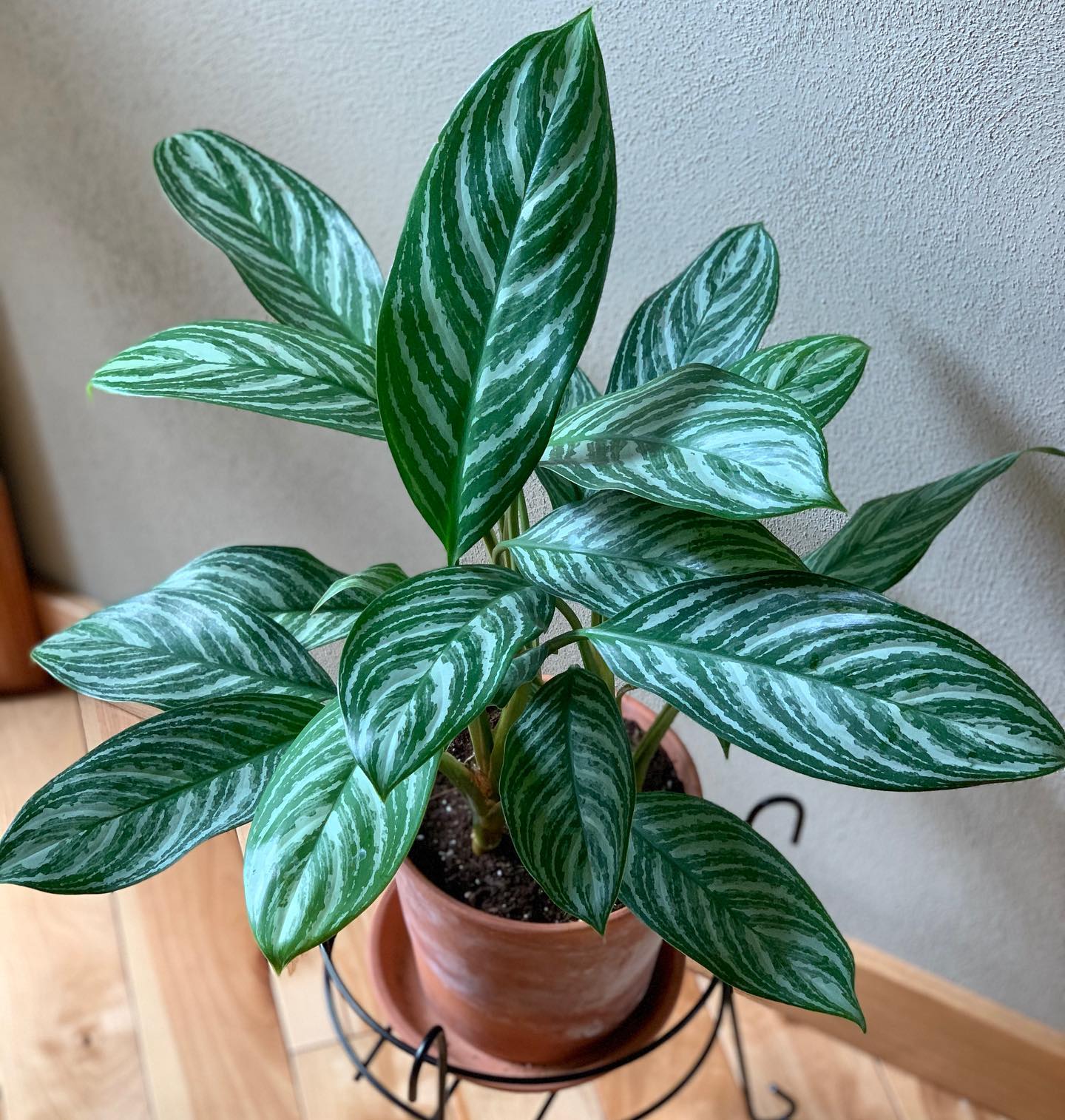
Chinese Evergreen
Aglaonema commutatum
🐾 Toxic to pets
Chinese evergreen brings colorful patterned foliage to rooms with modest light, and it tolerates the average humidity of kitchens and baths without complaint. Darker green varieties handle low light best; pink and red cultivars want brighter spots.
It dislikes cold more than most plants on this list. Keep it above about 60°F and away from drafty bathroom windows in winter. Water when the top inch or two is dry, and slow down in cooler months when growth pauses.
Care snapshot:
- Light: low to medium indirect
- Soil: standard potting mix with added perlite
- Growth: slow and compact, rarely needing pruning
Toxicity: Aglaonema contains calcium oxalate crystals, so place it out of reach of pets and young children.
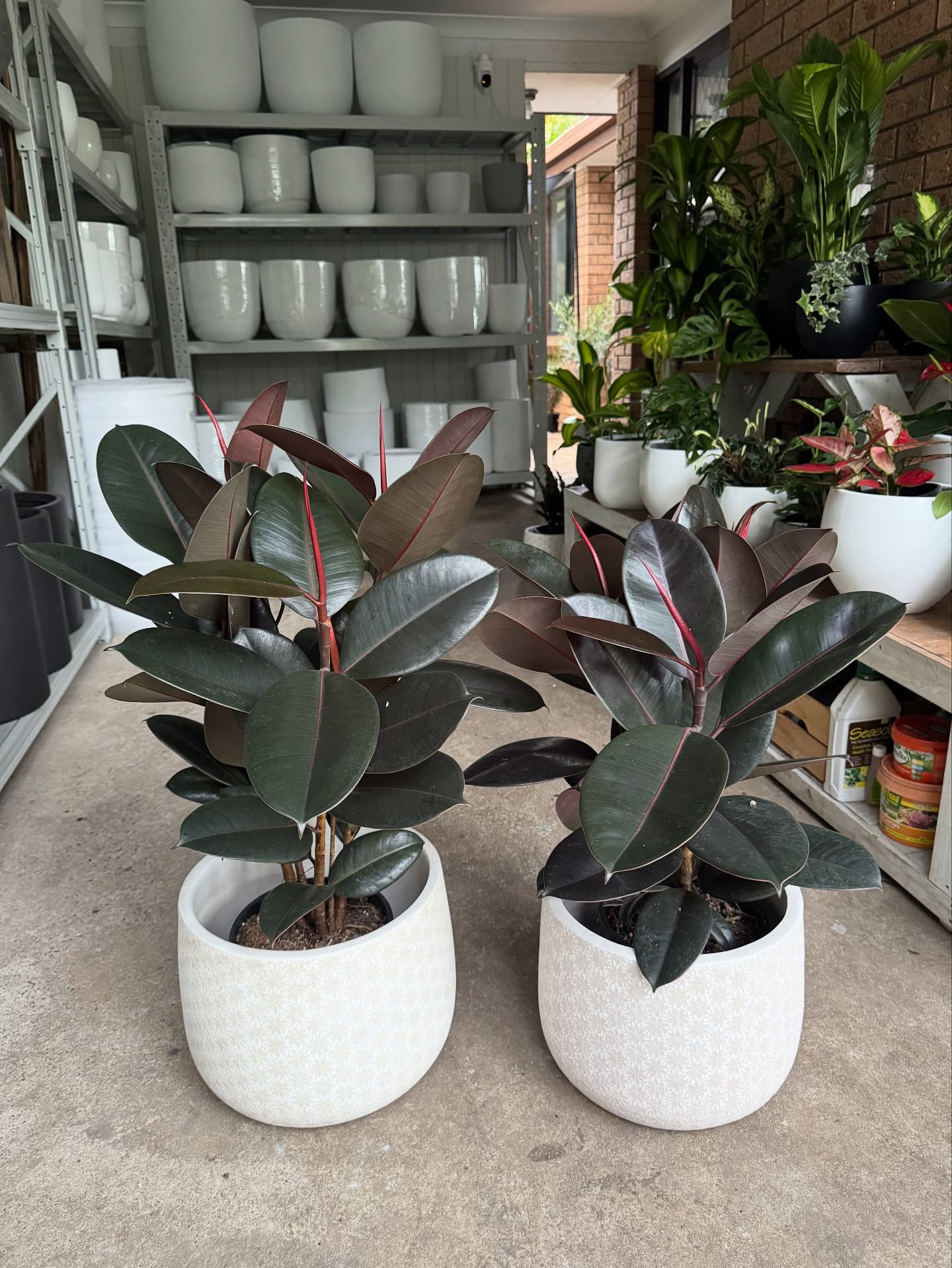
Rubber Plant
Ficus elastica
🐾 Toxic to pets
Rubber plant makes a bold statement with thick, leathery leaves, and it suits bright living areas near humid rooms better than a dim bathroom. Give it bright indirect light or a little gentle morning sun.
Let the top two inches of soil dry between waterings. Rubber plants drop leaves when overwatered or moved suddenly, so pick a spot and let it settle. Wipe the large leaves monthly; dust dulls them and reduces light reaching the plant.
What to expect:
- Can reach 6 to 10 feet indoors with time
- Prune the top to encourage branching
- Milky sap leaks from cuts
Toxicity: the sap irritates skin and the plant upsets pets’ stomachs if chewed. Wear gloves when pruning and keep it away from cats that like to scratch at large leaves.
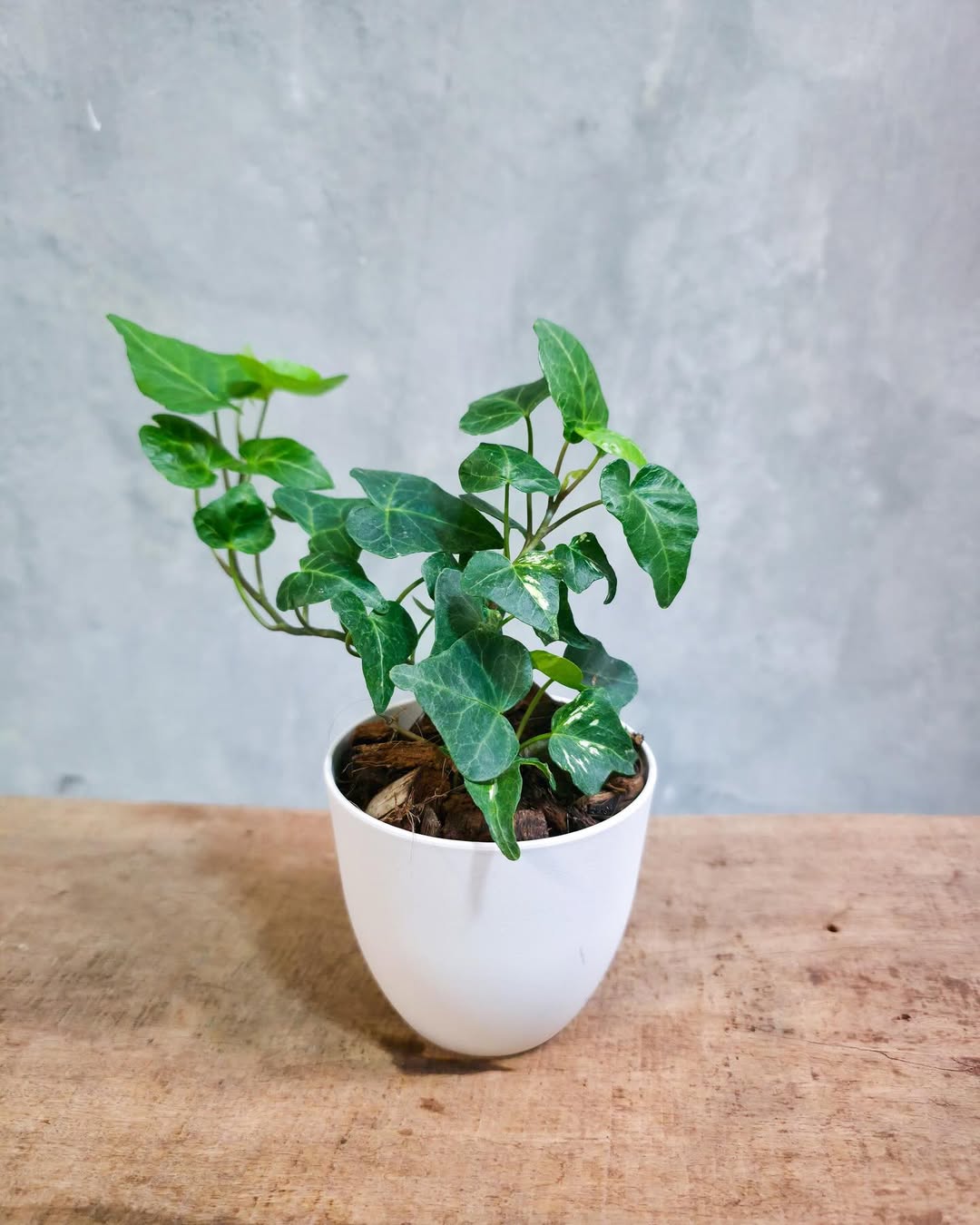
English Ivy
Hedera helix
🐾 Toxic to pets
English ivy closes the list because its care is trickier indoors and its toxicity is real. It loves cool rooms and humidity, but warm, dry, stagnant air invites spider mites.
Keep the soil lightly moist and let the surface dry before watering again. Bright indirect light keeps vines full. Rinse the foliage in the shower every few weeks to knock off mites, a job a bathroom makes convenient.
Limitations to weigh:
- Toxic to cats, dogs, and people if chewed, causing vomiting and diarrhea
- Sap irritates sensitive skin
- Invasive outdoors in many US regions, so never toss cuttings into the yard
Choose ivy for a high shelf in a pet-free home. If you want trailing greenery with less fuss, pothos or heartleaf philodendron gives a similar look.
Houseplants make damp rooms more pleasant to be in, and they do nothing reliable to stop mold growing on walls, grout, or window frames. Their value lies in being plants that survive in humid spaces, so you can enjoy greenery where many species fail.
Do Houseplants Actually Reduce Indoor Humidity?
No. Plants pull water from the soil and release most of it through tiny leaf pores called stomata, a process called transpiration. Every watering eventually ends up as water vapor in your room.
Some plants absorb small amounts of moisture through their leaves, and epiphytes like orchids take in humidity through aerial roots. Those amounts are tiny compared with the water vapor from one hot shower or a pot of boiling pasta.
A dozen thirsty ferns in a small, unvented bathroom can push humidity higher. If you notice condensation on windows after adding plants, that’s your cue to improve ventilation or thin out the collection.
Does Laboratory Air-Purification Research Apply to Real Homes?
Much of the “air-purifying plant” reputation traces back to NASA’s 1989 Clean Air Study, which placed plants inside small, sealed chambers. Real homes leak air constantly through doors, vents, and gaps, which dilutes pollutants far faster than a potted plant removes them.
A 2019 review by Cummings and Waring estimated you would need somewhere between 10 and 1,000 plants per square meter of floor to match the air cleaning that ordinary building ventilation already provides.
Engineered systems tell a different story. One fan-assisted planter with an activated carbon filter delivered the VOC removal capacity of approximately 15 houseplants, because a fan pushes air through the root zone. A passive pot on your windowsill lacks that fan, and none of this research shows plants clearing mold spores from a house.
How Were These Plants Ranked?
The ranking rewards plants that are easy to keep alive in humid, often dim rooms without soggy soil. Three factors carried the most weight: forgiving watering habits, tolerance of low or indirect light, and safety around pets. No plant was scored on mold removal, since no plant has shown it can do that in a lived-in home.
| Plant | Light | Watering | Pet safe (ASPCA) | Damp-room fit |
|---|---|---|---|---|
| Spider plant | Medium to bright | Top inch dry | Yes | Excellent |
| Snake plant | Low to bright | Fully dry | No | Good, rot risk |
| ZZ plant | Low to medium | Fully dry | No | Good, rot risk |
| Cast iron plant | Low | Top 2 inches dry | Yes | Excellent |
| Peace lily | Low to medium | Top inch dry | No | Good |
| Boston fern | Bright indirect | Evenly moist | Yes | Excellent, sheds |
| Lady palm | Low to medium | Top 1-2 inches dry | Yes | Good |
| Parlor palm | Low to medium | Top inch dry | Yes | Excellent |
| Bird’s nest fern | Low to medium | Top inch dry | Yes | Excellent |
| Moth orchid | Bright indirect | Roots silvery | Yes | Good, needs bark |
| Golden pothos | Low to bright | Half dry | No | Good |
| Heartleaf philodendron | Low to medium | Top 1-2 inches dry | No | Good |
| Chinese evergreen | Low to medium | Top 1-2 inches dry | No | Fair, cold-sensitive |
| Rubber plant | Bright indirect | Top 2 inches dry | No | Fair, needs light |
| English ivy | Bright indirect | Lightly moist | No | Fair, mite-prone |
Start with light, then pets, then how often you realistically water. Matching those three to a plant prevents most failures, including the soggy-soil problems that lead to fungus gnats and moldy potting mix.
How Much Natural Light Does the Room Receive?
Light decides how fast a plant uses water. A plant in a dark bathroom grows slowly, drinks slowly, and keeps its soil wet far longer than the same plant in a bright kitchen.
Use a simple test at midday:
- Bright indirect: you can read easily and see soft shadows. Boston fern, moth orchid, rubber plant, and English ivy fit here.
- Medium: readable light with faint shadows. Spider plant, parlor palm, and bird’s nest fern do well.
- Low: you’d want a lamp to read. Cast iron plant, ZZ plant, snake plant, and pothos cope best.
Frosted or textured bathroom glass cuts light more than it looks. If your room has no window at all, a small LED grow light on a timer for 10 to 12 hours a day keeps low-light plants going.
Which Plants Are Suitable Around Pets and Children?
Seven plants on this list appear as nontoxic to cats and dogs in the ASPCA’s database: spider plant, cast iron plant, Boston fern, lady palm, parlor palm, bird’s nest fern, and moth orchid.
The other eight carry warnings. Snake plant contains saponins. ZZ plant, peace lily, pothos, philodendron, and Chinese evergreen hold calcium oxalate crystals that cause mouth pain, drooling, and vomiting. Rubber plant sap and English ivy irritate skin and stomachs.
Toxic plants still work in pet homes if you place them well:
- Hang trailing plants from ceiling hooks
- Use high shelves that cats can’t reach by jumping
- Pick up fallen leaves promptly
- Call your vet or the ASPCA Animal Poison Control line if chewing happens
How Do Watering Needs Affect Your Choice?
Honest watering habits narrow the list quickly. If you water every few days out of habit, choose moisture lovers like Boston fern. If you forget for weeks, choose ZZ or snake plant.
Drought-tolerant plants still need their soil to dry. In a cool, humid bathroom, evaporation from the pot slows down, so a succulent-style plant watered on a summer schedule stays wet for weeks and rots.
Humidity-loving plants carry the opposite risk. Moist air tempts you to assume they want constantly wet soil, and they don’t. Ferns and palms want damp, airy soil, and a waterlogged pot suffocates roots and grows white fuzz on the surface.
Good drainage and dry-ish soil surfaces stop most plant-related mold, while room-level fixes handle the rest. A bit of white fuzz on potting mix is common and harmless to you; mold on drywall or ceilings comes from the room and needs attention beyond the plants.
How Can You Prevent Persistently Wet Potting Mix?
Pots that drain freely and soil that breathes fix most issues.
- Use pots with drainage holes. Decorative cachepots are fine as covers, but lift the inner pot out to drain after watering.
- Match the mix to the plant. Add perlite or orchid bark to standard mix for aroids and ferns; use cactus mix for snake and ZZ plants.
- Size pots modestly. An oversized pot holds extra soil that stays wet long after roots have taken their share.
- Water by checking, never by calendar. A finger or wooden chopstick pushed two inches deep tells you more than a schedule.
- Empty saucers within 30 minutes.
- Remove dead leaves. Decaying foliage on the soil surface feeds mold and mildew.
Leaf diseases show up too. Powdery mildew appears as a white or greyish coating on foliage. Isolate affected plants, trim damaged leaves, and improve air movement around them.
If white fuzz appears on the soil, scrape off the top half inch, let the pot dry further, and top up with fresh mix.
What Indoor Humidity Should You Aim For?
The EPA recommends keeping indoor relative humidity below 60 percent, ideally between 30 and 50 percent, to limit mold growth. A $10 to $20 digital hygrometer shows you where your rooms sit.
That range suits most plants on this list. Ferns and orchids prefer the upper end, and a bright bathroom delivers short humidity bursts after showers without keeping the whole house damp.
Skip pebble trays and misting for plants in already humid rooms. They add moisture where you don’t need more. Grouping humidity lovers together in one well-ventilated spot works better than raising humidity house-wide.
When Do You Need Ventilation, Dehumidification, or Mold Remediation?
Ventilation comes first in any bathroom or kitchen. Run the bathroom exhaust fan during showers and for at least 20 to 30 minutes afterward, and use the range hood when cooking. If a fan doesn’t pull a tissue toward it, it may need cleaning or replacement.
A dehumidifier makes sense when your hygrometer reads above 60 percent for days at a time, common in basements and humid climates. Set it around 45 to 50 percent and empty or drain the bucket regularly.
Call in help when mold signals a deeper problem:
- Musty odors that return after cleaning
- Stains spreading on ceilings or walls, which suggest a hidden leak
- Water damage from plumbing or roof leaks
- Moldy areas larger than about 10 square feet, the EPA’s threshold for considering professional cleanup
Fix the water source first, whether that’s a dripping supply line, a failed tub caulk line, or a roof leak. Once the moisture is under control, your plants go back to being what they’re best at: bringing green, living color into the rooms you use every day.