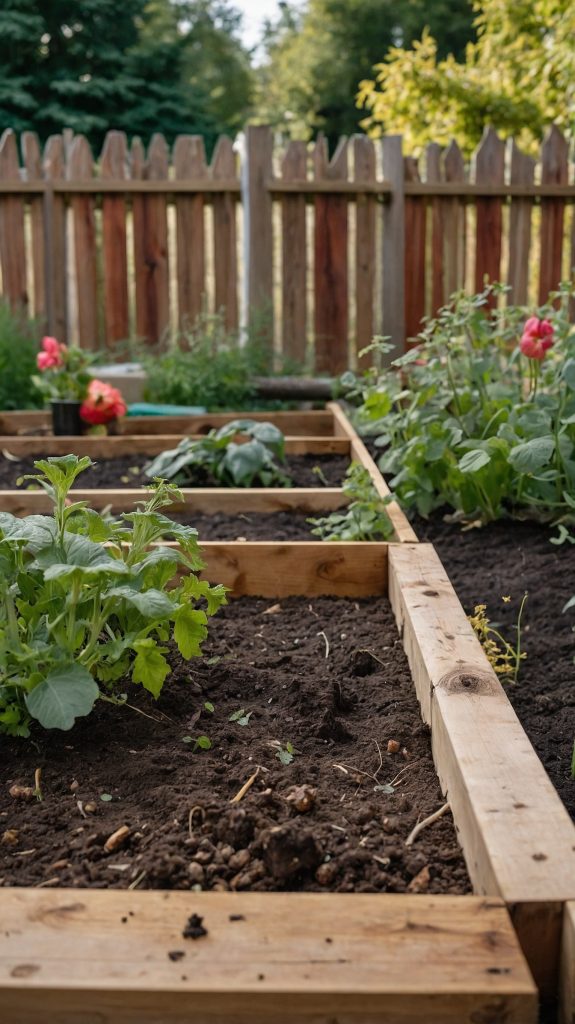

Some plants just get along better than others. 🌱
Grow basil next to your tomatoes and they’ll both do better. Plant marigolds among your veg and watch the pests back off. Put beans near sweetcorn and the beans will fix nitrogen into the soil while the corn gives them something to climb. It’s not magic – it’s companion planting, and it’s been used by gardeners for centuries.
The idea is simple: certain plants help each other out when they’re grown together. They might confuse pests, attract pollinators, improve the soil, or provide shade and support. Get the combinations right and your garden becomes a little ecosystem where everything works together instead of competing.
This guide covers the pairings that actually work – the combinations experienced growers rely on, backed up by both traditional knowledge and proper research. We’ve included charts you can reference when planning your beds, explanations of why these partnerships work, and practical tips for making the most of your space. 🍅
Whether you’re trying to solve a specific pest problem or just want healthier, more productive plants, companion planting is one of the simplest changes you can make.
Let’s get into it.
Core Principles of Companion Planting
Companion planting works because plants interact with each other through their roots, leaves, and the beneficial organisms they attract. Understanding how different plants help or harm each other lets you create combinations that protect against pests, improve soil health, and increase your harvest.
Plant Pairing Fundamentals
Plant pairing means putting specific vegetables, herbs, and flowers together based on how they work as a team. When you choose good companions, you’re matching plants that share resources without competing.
The basics of successful plant pairings start with understanding growth patterns. Tall plants like corn can provide shade for lettuce during hot months. Deep-rooted carrots work well with shallow-rooted onions because they use different soil layers.
You also need to think about timing. Fast-growing radishes harvest quickly and make space for slower crops like tomatoes. Some plants release chemicals through their roots that help neighbors, while others attract beneficial insects that protect the whole garden bed.
The best pairings consider plant families too. Mixing different families together often reduces disease spread and confuses pests looking for their favorite host plants.
Understanding Plant Relationships
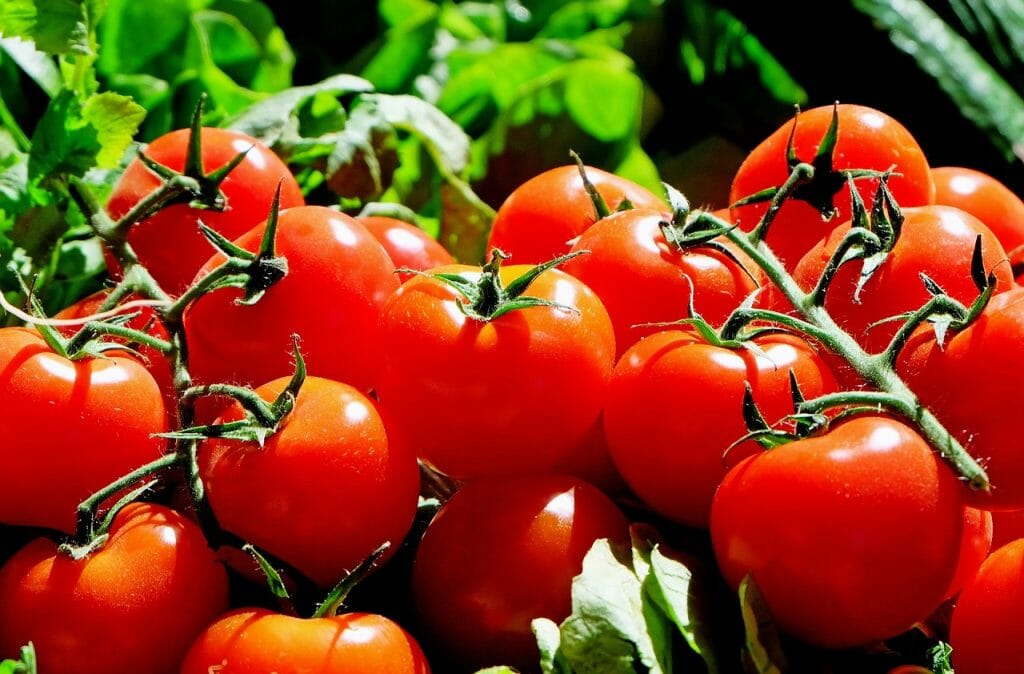
Plant relationships fall into three main types: helpful, harmful, or neutral. Helpful relationships happen when one plant protects another from pests or improves soil conditions. Basil repels whiteflies and aphids that attack tomatoes. Beans add nitrogen to the soil that corn and squash need.
Harmful relationships occur when plants compete too much or release substances that slow each other’s growth. Beans and onions don’t mix well because they need different soil conditions and watering schedules.
Neutral relationships mean plants simply coexist without major benefits or problems. Most of your garden will have these peaceful partnerships where plants just share space without affecting each other much.
Mutual Benefits and Allelopathy
Allelopathy is when plants release natural chemicals that affect nearby plants. These chemicals can either help or hurt their neighbors. Marigolds release compounds from their roots that suppress weeds and certain soil pests. Black walnut trees produce juglone, which stops many vegetables from growing underneath them.
Mutual benefits happen when both plants in a pairing gain something useful. The Three Sisters method shows this perfectly – corn provides a pole for beans to climb, beans fix nitrogen for all three plants, and squash leaves shade the soil to keep moisture in and weeds out.
Some herbs release aromatic oils that mask the scent of vegetables, making it harder for pests to find their targets. Sage planted near cabbage reduces damage from cabbage moths. These natural pest control methods reduce your need for chemical sprays.
The Role of Interplanting and Nurse Cropping
Interplanting means growing two or more crops in the same space at the same time. You might plant quick-growing lettuce between slow-growing broccoli plants. The lettuce harvests before the broccoli needs all the space.
Nurse cropping uses one plant to protect another during its vulnerable stage. Oats can serve as a nurse crop for clover, providing shade and wind protection while the clover establishes itself. In vegetable gardens, you might use larger plants to shelter seedlings from harsh sun or strong winds.
This technique works especially well in challenging climates. Sunflowers create shade for crops that struggle in full summer heat. Tall plants on the windward side of your garden protect delicate seedlings from damage.
Nurse cropping also helps build soil structure. The nurse crop’s roots hold soil in place while your main crop develops its root system.
Key Benefits of Companion Planting
When you pair the right vegetables together, you can naturally keep pests away, build healthier soil, harvest more food, and bring helpful insects to your garden. These benefits of companion planting work together to create a stronger garden ecosystem without relying on chemicals.
Natural Pest Control Strategies
You can protect your vegetables from harmful insects by choosing the right plant partners. Some plants naturally repel aphids and other pests through their strong scents or oils. For example, planting marigolds near tomatoes helps deter pests that would otherwise damage your crops.
Trap cropping is another smart natural pest control method. This approach uses specific plants to lure pests away from your main crops. Nasturtiums work well as trap crops because aphids prefer them over many vegetables.
Certain herbs and flowers also confuse pests by masking the scent of your vegetables. Basil planted near peppers makes it harder for insects to find their target plants. Strong-smelling plants like onions and garlic create a barrier that many pests avoid.
Some companion plants attract beneficial insects that eat garden pests. Dill and fennel bring in ladybugs and lacewings, which feed on aphids and other harmful bugs.
Improving Soil Health and Fertility
Different plants take and give nutrients at various soil depths. When you combine deep-rooted and shallow-rooted vegetables, they don’t compete for the same resources. This pairing helps maintain better soil fertility over time.
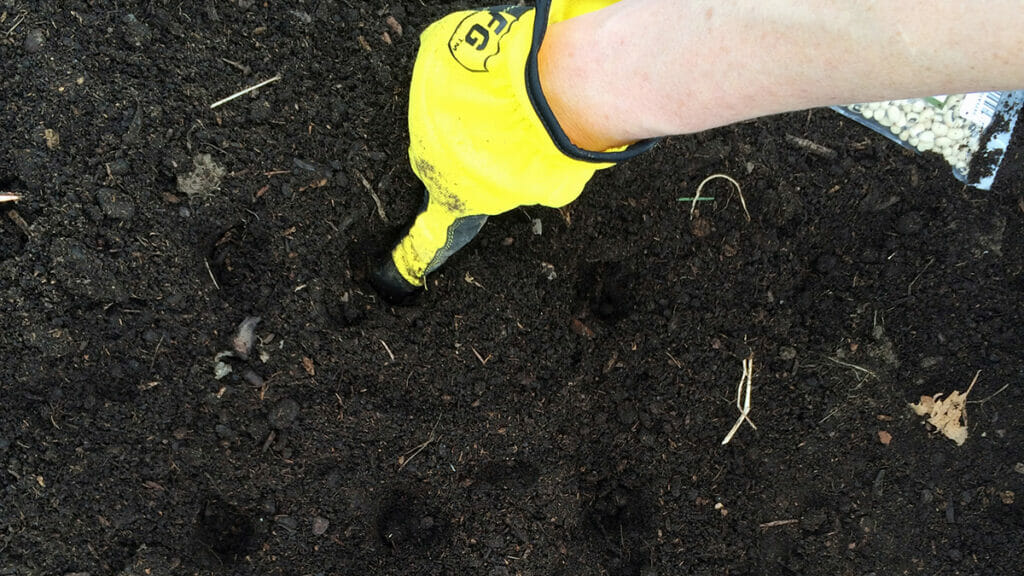
Legumes like peas and beans add nitrogen to the soil through their roots. You can plant heavy feeders like corn or tomatoes near legumes to benefit from this extra nitrogen. This natural process reduces your need for fertilizer.
Some companion plants act as living mulch by covering bare soil. Low-growing crops like lettuce or spinach planted under taller vegetables keep moisture in the ground and prevent weeds. This coverage also protects helpful soil organisms from extreme temperatures.
Increasing Crop Yields
The right plant combinations help you grow more food in less space. Tall plants like corn provide shade for lettuce during hot summer months, which prevents bolting and extends your harvest. You get two crops in the area where only one might normally succeed.
Companion planting improves crop yields by creating better growing conditions for each plant. When you pair plants with different needs, they support each other instead of competing. Tomatoes and carrots work well together because tomatoes grow above ground while carrots develop below.
Some plants help their neighbors grow faster and taste better. Basil planted near tomatoes has been shown to improve tomato flavor and growth rates.
Enhancing Pollinator Attraction
Flowers mixed with vegetables bring bees, butterflies, and other pollinators to your garden. These visitors are essential for pollinating squash, cucumbers, melons, and many other vegetables. More pollinators mean better fruit set and larger harvests.
Attracting pollinators throughout the growing season requires different flower types. Early bloomers like borage help establish pollinator populations, while later flowers like zinnias keep them coming back. This steady attraction benefits all your flowering vegetables.
The colors and shapes of companion flowers matter for attracting beneficial insects. Blue and purple flowers like lavender attract different pollinators than yellow flowers like sunflowers. A mix of colors brings the widest variety of helpful visitors to your organic gardening space.
Famous Companion Planting Systems
Some companion planting combinations have been used for hundreds of years because they work so well together. The Three Sisters method and living trellis systems show how plants can support each other in multiple ways at once.
Three Sisters Method Explained
The Three Sisters garden pairs corn, pole beans, and squash in a planting system developed by Native American peoples including the Haudenosaunee. This method works because each plant plays a specific role that helps the others.
Corn grows tall and strong, creating a natural pole for beans to climb. Pole beans fix nitrogen in the soil, which feeds the corn and squash throughout the growing season. Squash spreads its large leaves across the ground to shade out weeds and keep soil moisture from evaporating too quickly.
You plant these three crops together in small mounds. The corn goes in first and gets a head start of about two weeks. Once the corn reaches six inches tall, you add the pole beans around it. The squash seeds go in last, planted around the edges of the mound.
This three sisters method creates a self-supporting garden system that reduces your work while improving yields for all three crops.
Living Trellis and Natural Supports
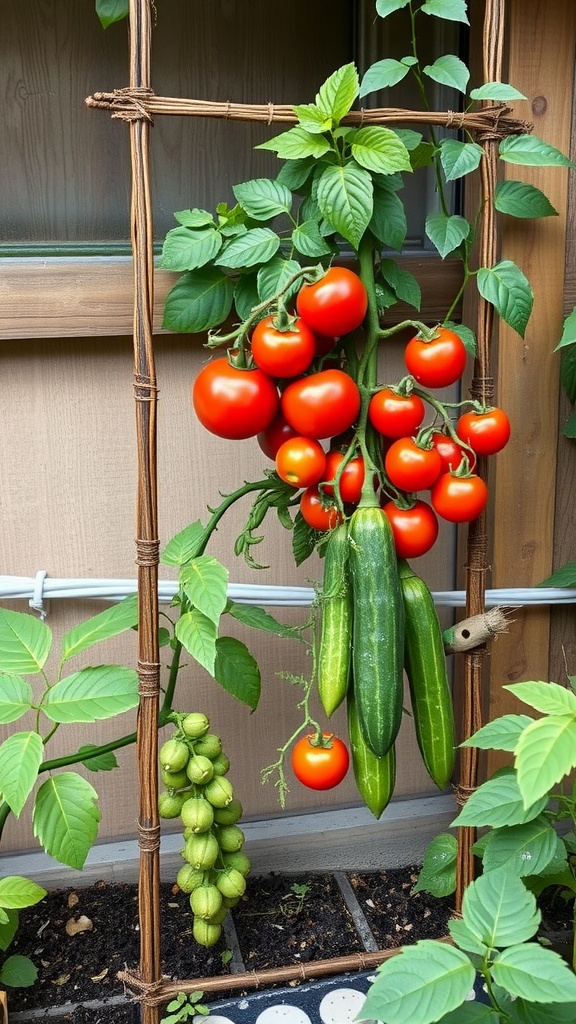
A living trellis uses strong plants like corn or sunflowers as natural supports for vining crops. This permaculture technique saves you from buying stakes or building structures.
Sunflowers make excellent natural trellis options for pole beans and cucumbers. Their thick stalks handle the weight of climbing plants without bending. Corn works the same way when paired with beans in traditional Three Sisters plantings.
You can also use tall crops to create windbreaks and shade for more delicate plants. The key is matching the timing so your support plants are strong enough before the climbing plants need them.
Companion Planting Charts and Planning
Charts turn companion planting from guesswork into a clear system you can follow. They show you which vegetables, herbs, and flowers support each other, making garden planning faster and more effective.
How to Use a Companion Planting Chart
Start by finding your main crop in the chart, then look at the recommended companions listed beside it. Each pairing typically includes the benefit, like pest control or improved growth.
When you plan your garden layout, place companion plants within 12 to 18 inches of each other. This distance lets them share benefits without competing for space. For container companion planting, choose one main vegetable and add one or two smaller herbs or flowers that help it thrive.
Focus on companions that solve specific problems in your garden. If aphids attack your lettuce, add alyssum nearby to attract predators. If cabbage worms damage your crops, plant thyme or nasturtiums to reduce their numbers.
Check the chart for plants to avoid too. While most vegetables work well together, some combinations reduce growth or attract similar pests.
Tailoring Plant Pairings for Your Zone
Your growing zone affects which companions work best and when you can plant them. In cooler zones, pair heat-loving tomatoes with basil only after your last frost date passes. In hot climates, use taller plants like corn to shade lettuce from intense afternoon sun.
Match companion plants with similar water needs to your zone’s rainfall patterns. Peppers and oregano both tolerate dry conditions in warm zones. Peas and lettuce prefer cooler, wetter conditions in northern areas.
Consider your growing season length when planning vegetable companion planting. Short-season zones benefit from fast-growing radishes planted between slower crops like carrots. Long-season zones can succession plant and layer companions throughout summer and fall.
Some companions thrive in specific zones better than others. Nasturtiums and bee balm handle summer heat in zones 7-9, while white clover works as a living mulch in cooler zones 3-6.
Companion Flowers and Herbs
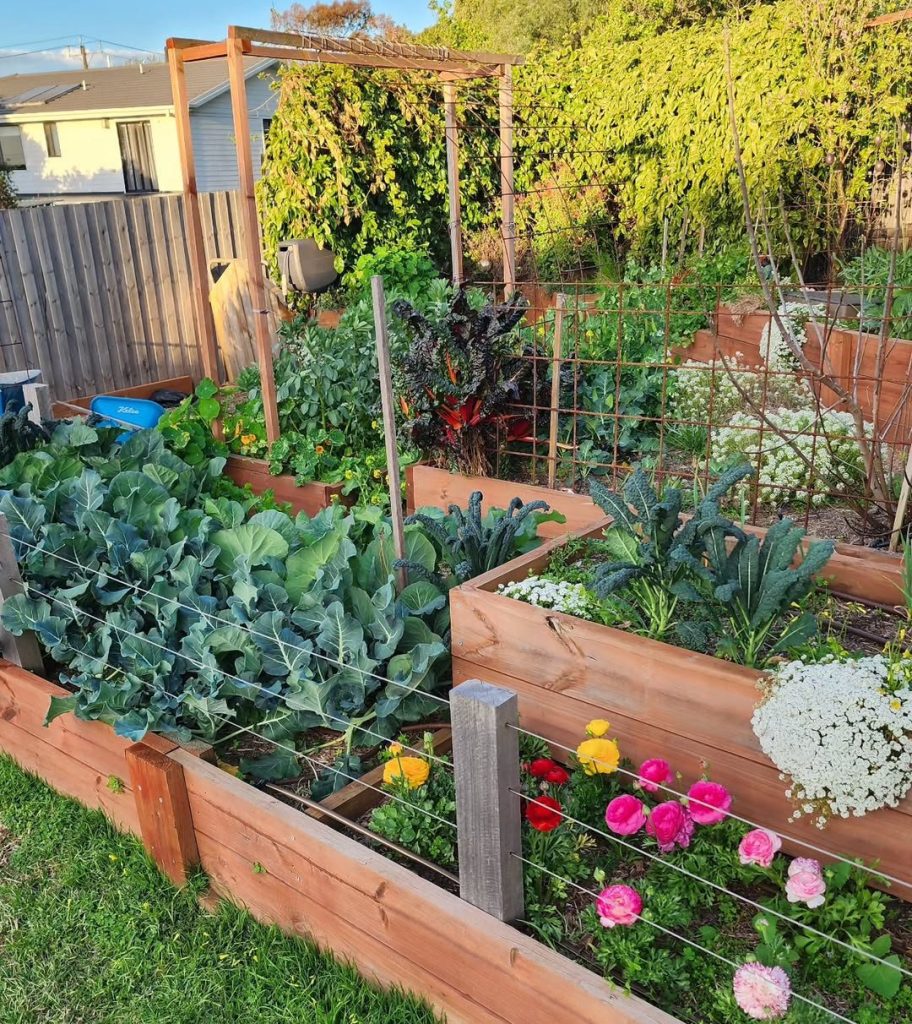
Flowers and herbs are your garden’s pest control and pollinator team. Add them throughout your beds, not just at the edges.
Top companion flowers:
- Nasturtiums draw aphids away from beans and cabbage as trap crops
- Marigolds reduce whiteflies near tomatoes and deter cucumber beetles around squash
- Alyssum attracts hoverflies that eat aphids attacking lettuce and brassicas
- Bee balm brings in pollinators for squash, cucumbers, and melons
- Calendula draws beneficial insects to tomatoes and root vegetables
Essential companion herbs:
- Basil improves tomato and pepper growth while deterring pests
- Dill attracts beneficial insects near cucumbers and cabbage
- Thyme reduces cabbage worm damage and deters carrot flies
- Rosemary repels bean beetles and cabbage moths
Plant flowers and herbs at a ratio of about one companion for every three to four vegetables. White clover works as a living mulch between rows, adding nitrogen while suppressing weeds.
Best Companion Plants for Popular Vegetables
Pairing the right vegetables, herbs, and flowers creates a healthier garden with fewer pests and better yields. The best companion plants work by attracting beneficial insects, improving soil fertility through nitrogen fixation, or acting as natural pest control.
Tomatoes and Basil
Basil ranks among the best companion plants for tomatoes. It helps deter common pests like aphids and whiteflies while attracting pollinators to your garden beds. Many gardeners also believe basil enhances tomato flavor when grown nearby.
You can add other companions around your tomatoes too. Marigolds reduce whitefly populations and add bright color to your beds. Borage attracts beneficial insects that prey on tomato pests. Parsley planted between tomato plants brings in more helpful predators.
Plant celery, carrots, and radishes near tomatoes to make efficient use of garden space. These crops have different root depths and growth patterns, so they won’t compete for the same resources. Asparagus also pairs well with tomatoes in permanent garden beds.
Beans and Their Allies
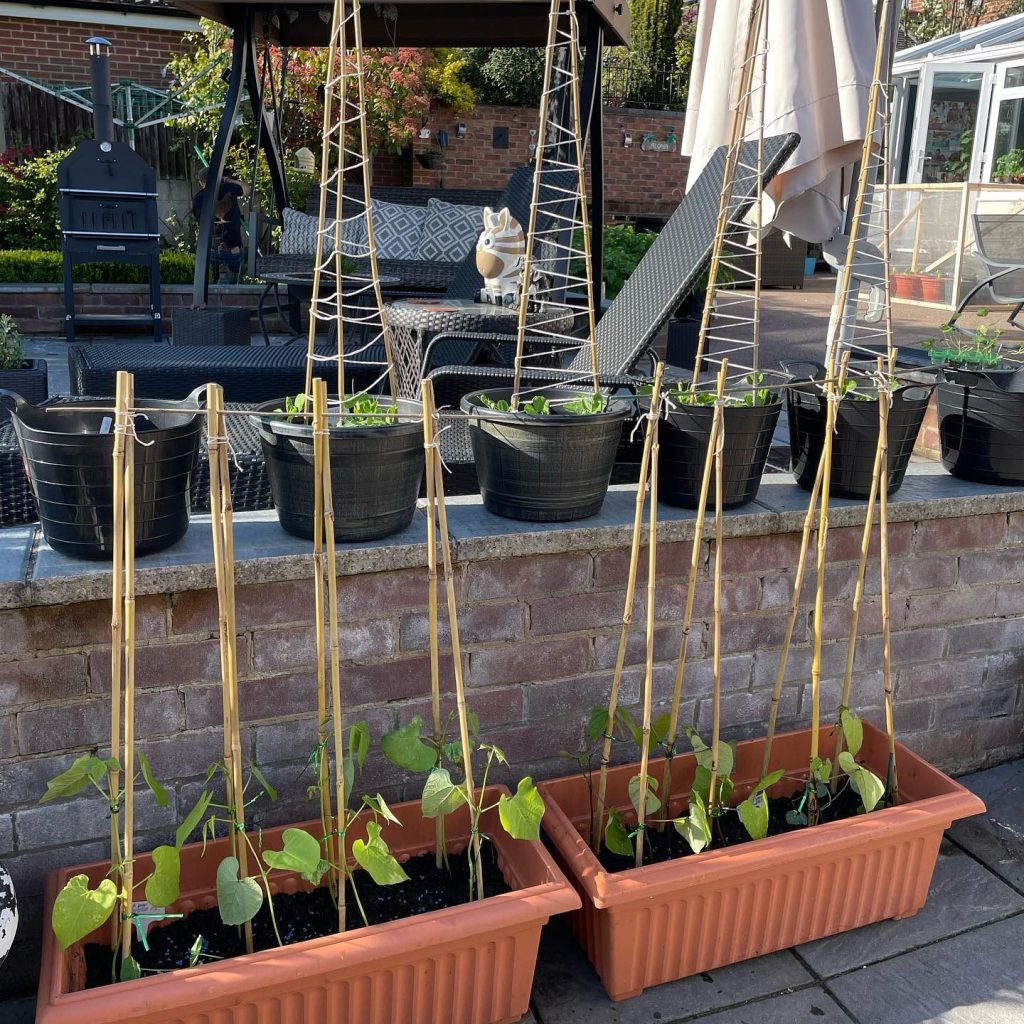
Pole beans climb naturally and need support structures or companion plants that grow tall. Corn provides a living trellis for climbing beans in the traditional Three Sisters planting method. The beans add nitrogen to the soil through nitrogen fixation, which feeds the corn and surrounding plants.
Bush beans work better with low-growing companions. Plant them near beets, carrots, or lettuce to improve soil fertility without blocking sunlight. Nasturtium acts as a trap crop, drawing aphids and beetles away from your bean plants.
Rosemary and lovage both support beans by attracting beneficial insects. Lovage brings in parasitoid wasps that control aphid populations. Sunflowers serve double duty as both structural support and pollinator magnets. Space your beans properly to allow good air flow and prevent disease.
Cucumbers, Corn, and Squash Pairings
The Three Sisters combination of corn, beans, and squash shows how multiple crops can thrive together. Corn grows tall and supports climbing plants. Beans enrich the soil. Squash spreads across the ground as living mulch, shading out weeds and keeping soil moist.
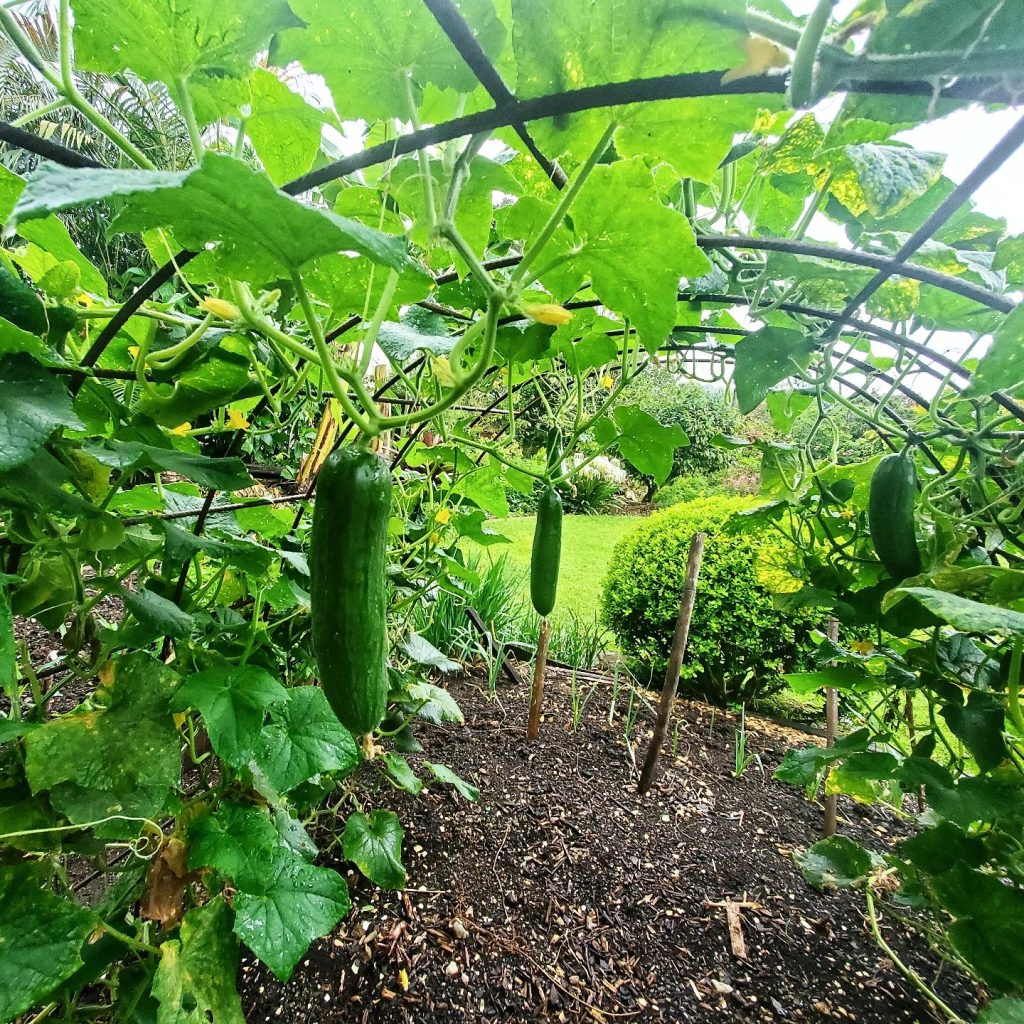
Cucumbers benefit from similar partnerships. Plant them with corn to reduce insect pest damage significantly. Radishes help repel cucumber beetles when grown nearby. Dill and oregano attract predatory insects that control cucumber pests naturally.
Summer squash and zucchini companions:
- Buckwheat reduces aphids
- Nasturtium draws pests away
- Marigold improves beetle resistance
- Oregano provides natural pest control
Winter squash and pumpkins grow well with borage, calendula, and tansy. These flowers attract pollinators while keeping common squash pests at bay. Consider succession planting and crop rotation to maintain soil health season after season.
Root Crops and Leafy Greens
Carrots pair naturally with onions, which significantly reduce carrot fly attacks. Plant chives, leeks, or garlic around carrots for similar protection. Rosemary, sage, and savory also help repel carrot pests through their strong scents.
Beets grow well alongside bush beans and alliums. Bush beans fix nitrogen in the soil, improving fertility for your beet crop. Garlic improves both beet growth and flavor. Lettuce complements beets because it has shallow roots and won’t compete for space.
Lettuce thrives when planted with aromatic herbs that mask its scent from pests. Alyssum controls aphids by attracting hoverflies. Chives, garlic, and onions all help deter common lettuce pests. Thyme and oregano add extra protection.
Spinach benefits from the same companions as lettuce. Plant it near peas or beans for natural pest control and improved soil fertility. Radishes grow quickly and work well tucked between slower-growing leafy greens. This maximizes your garden space while providing continuous harvests.
Troubleshooting and Tips for Success
Even experienced gardeners face challenges when mixing plants together. Success comes from knowing which combinations to avoid, making the most of limited space, and timing your plantings throughout the growing season.
Avoiding Bad Plant Pairings
Most plants grow well together, but some combinations can hurt your harvest. Fennel stands alone as one of the few plants that actively harms most garden vegetables by releasing compounds that stunt their growth.
Keep potatoes away from tomatoes and peppers. They share similar diseases and pests, which spread easily between them. Beans and alliums like onions and garlic don’t mix well either—alliums can slow bean growth and reduce your yield.
Brassicas such as cabbage and broccoli need space from strawberries and tomatoes. These pairings compete for nutrients and can attract overlapping pests. When planning your garden layout, check a companion planting chart before placing plants next to each other.
Plants to keep separate:
- Fennel from all vegetables
- Potatoes from tomatoes and peppers
- Beans from onions and garlic
- Brassicas from strawberries
Adapting to Small Spaces
Container companion planting works just as well as in-ground gardening when you pick the right combinations. Choose plants with different root depths so they don’t compete in limited soil.
Pair shallow-rooted lettuce with deeper carrots in the same container. Add herbs like basil or thyme around the edges of tomato pots to deter pests and save space. Bush beans and radishes grow well together in containers since radishes mature quickly and make room for expanding bean plants.
Use vertical space by growing climbing beans or cucumbers with sunflowers or corn as natural supports. This method maximizes your growing area without needing extra square footage.
Small gardens benefit from succession planting—growing quick crops like lettuce or radishes between slower-growing vegetables. Plant radishes around your pepper transplants in spring, and they’ll be harvested before peppers need the full space.
Seasonal and Succession Planting
Succession planting keeps your garden producing all season long. Plant fast-growing crops like lettuce, radishes, and spinach every two weeks for continuous harvests.
Follow early spring crops with warm-season plants. After harvesting peas in early summer, plant beans or cucumbers in the same spot. Cool-season crops like broccoli can go in after summer squash finishes producing.
Crop rotation between seasons helps prevent pest buildup and disease. Don’t plant the same family of vegetables in the same location year after year. Rotate heavy feeders like tomatoes with soil-building legumes like beans.
Simple rotation pattern:
- Year 1: Tomatoes and peppers
- Year 2: Beans and peas
- Year 3: Root vegetables like carrots and beets
- Year 4: Leafy greens and brassicas
Track what you plant and where each season. This helps you plan better rotations and avoid repeating problem pairings in the same garden beds.