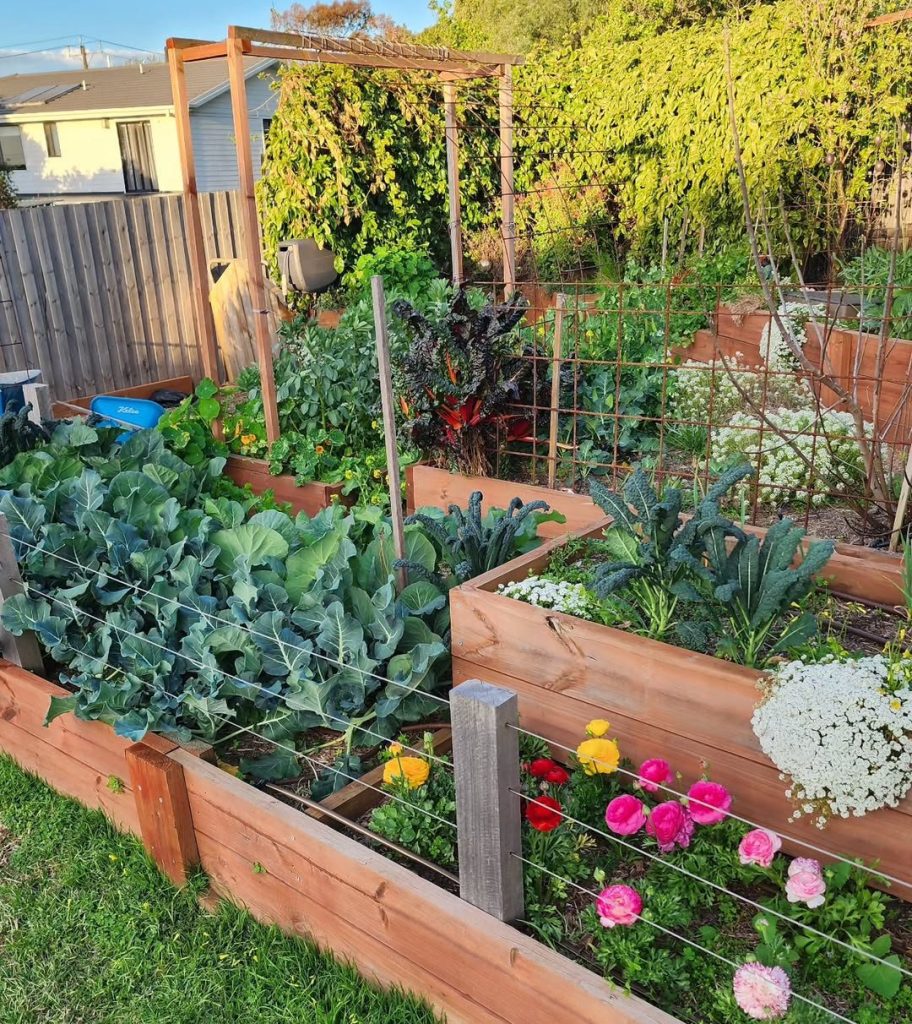
August feels like the end of the growing season, doesn’t it? The tomatoes are ripening, the courgettes won’t stop coming, and you’re starting to think about winding things down. 🍅
But here’s the thing – August is actually a brilliant time to start planting again. All those gaps appearing as you harvest summer crops? Perfect spots for a second wave of veg that’ll keep you eating fresh well into autumn and beyond.
Cool-weather crops love this time of year. The soil’s still warm from summer so seeds germinate quickly, but the cooler nights ahead suit them perfectly. And because a lot of the usual pests have called it a day by then, you often get healthier plants with less hassle.
We’re covering 16 vegetables you can plant in August – quick-growing salads, hardy greens, root veg that actually taste sweeter after a frost. If you’ve got empty space in the garden right now, don’t leave it bare. 🥬
Let’s get planting.
1. Spinach (Savoy or Bloomsdale)

Spinach loves the cool weather that comes with fall. When you plant it in August, it has time to grow before the first hard frost hits your garden.
The best types for August planting are savoy varieties like Bloomsdale. These have crinkled leaves that hold up well in cold weather. Winter Bloomsdale is a classic choice that tastes great and can handle snow.
You’ll want to plant spinach seeds about half an inch deep in soil that’s rich with compost. Space them two inches apart, then thin them to six inches once they sprout. Spinach can handle frost well, so don’t worry too much about early cold snaps.
Your spinach will be ready to harvest in about 40 to 50 days. You can even let it overwinter and enjoy fresh greens again in spring.
2. Baby Bok Choy
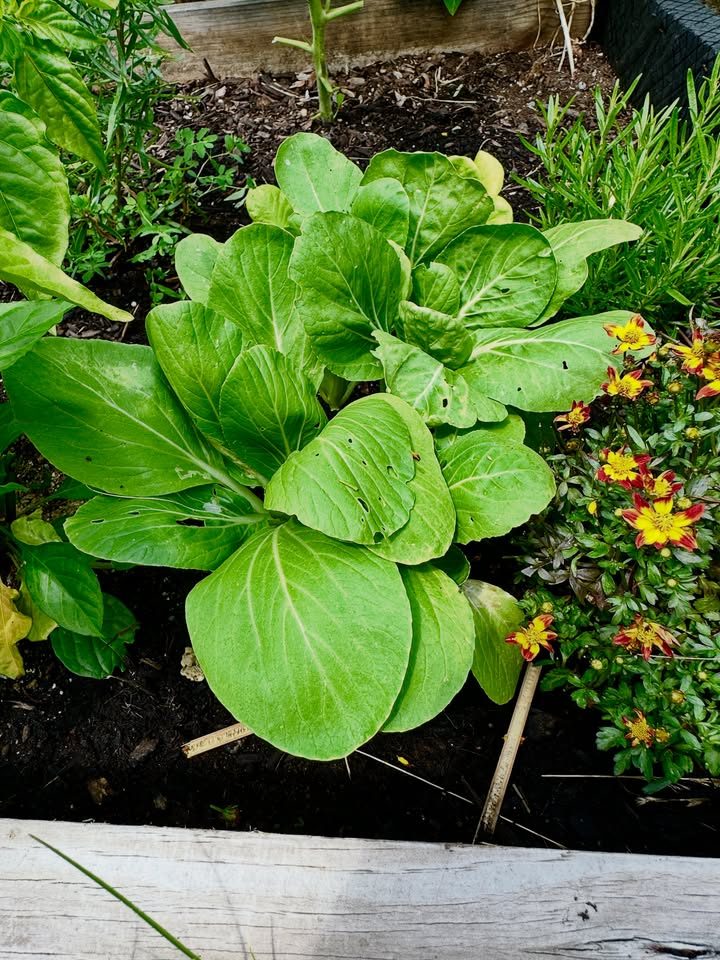
Baby bok choy is one of the fastest-growing vegetables you can plant in August. Most varieties are ready to harvest in just 30 days, making them perfect for a quick fall crop.
This Asian green loves cool weather and actually tastes better when grown in fall temperatures. You can start picking tender baby leaves in about four weeks for salads and stir-fries.
Plant your bok choy seeds 4-6 weeks before your first expected frost date. Smaller varieties like ‘Baby Choi’ or ‘Hedou Tiny’ can be planted closer together than larger types.
Fall planting helps you avoid a common problem called bolting, where the plant flowers too early. Cooler autumn temperatures keep your bok choy growing properly instead of going to seed.
3. Arugula (rocket)
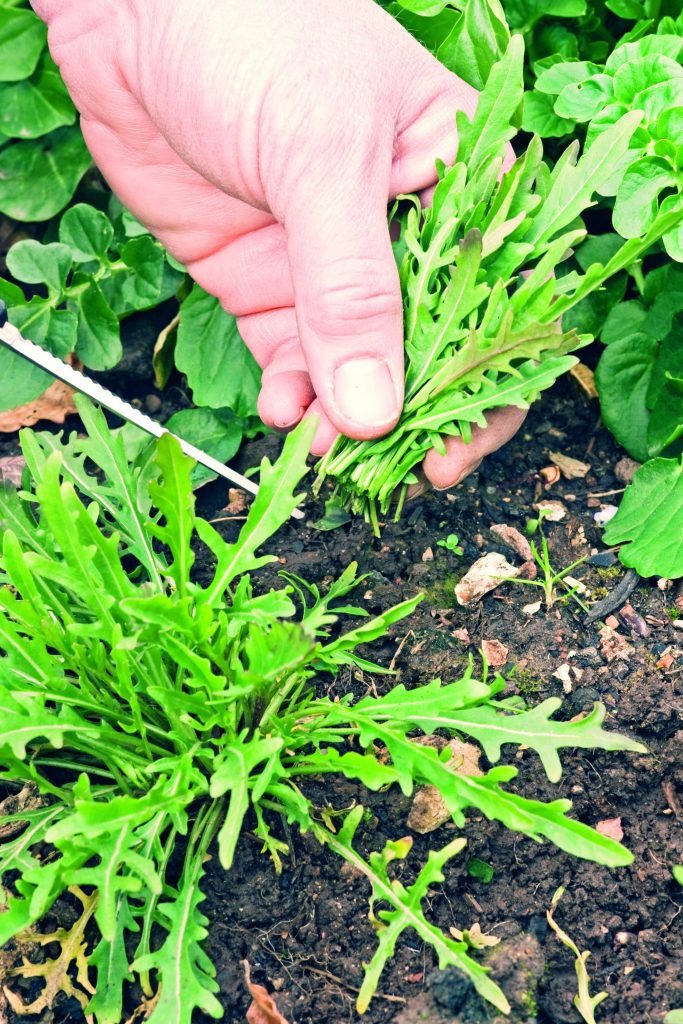
Arugula is a fast-growing leafy green that thrives in the cooler temperatures of fall. You can plant it in August and expect to harvest tender leaves in just six weeks.
This peppery green grows best when soil temperatures stay between 50°F and 75°F. Plant your seeds about 2-4 weeks before your first fall frost date. The cooler evening temperatures in late summer create perfect growing conditions.
Arugula needs fertile soil with plenty of organic matter to produce the best leaves. Adding a layer of straw mulch around your plants helps keep the roots cool and promotes better growth.
Your arugula plants will keep producing fresh leaves throughout fall as long as temperatures stay cool. The leaves taste best when grown in cooler weather, though warmer conditions make them extra spicy.
4. French Breakfast Radishes
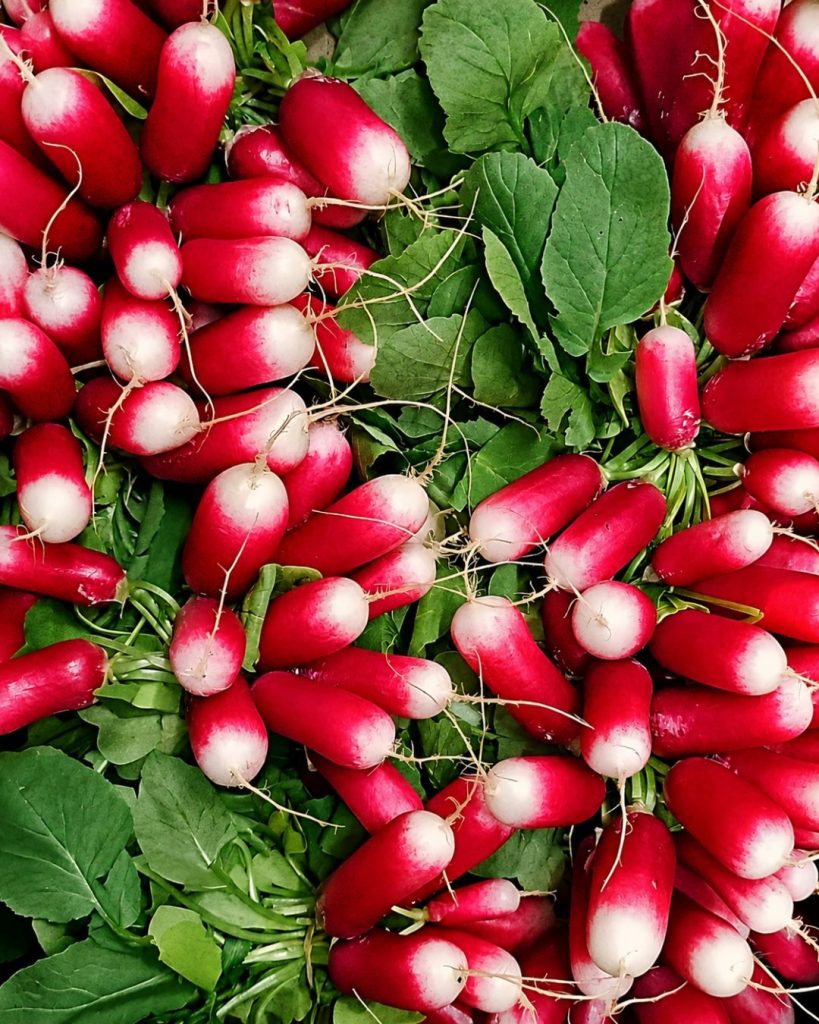
French Breakfast radishes are a perfect choice for your August garden. These quick-growing vegetables mature in just 21 days, making them one of the fastest crops you can plant.
You can grow them in USDA zones 2-11, and they do well in both full sun and partial shade. They need at least 4 hours of sunlight daily. These radishes handle heat better than many other varieties, which makes them great for late summer planting.
The best part is that both the roots and greens are edible. This heirloom variety has been around since the 1800s and keeps producing well even in warm weather.
Plant your seeds 6-8 weeks before your first expected frost. Make sure to water them regularly to keep the soil moist.
5. Fall Carrots (e.g., Nantes)
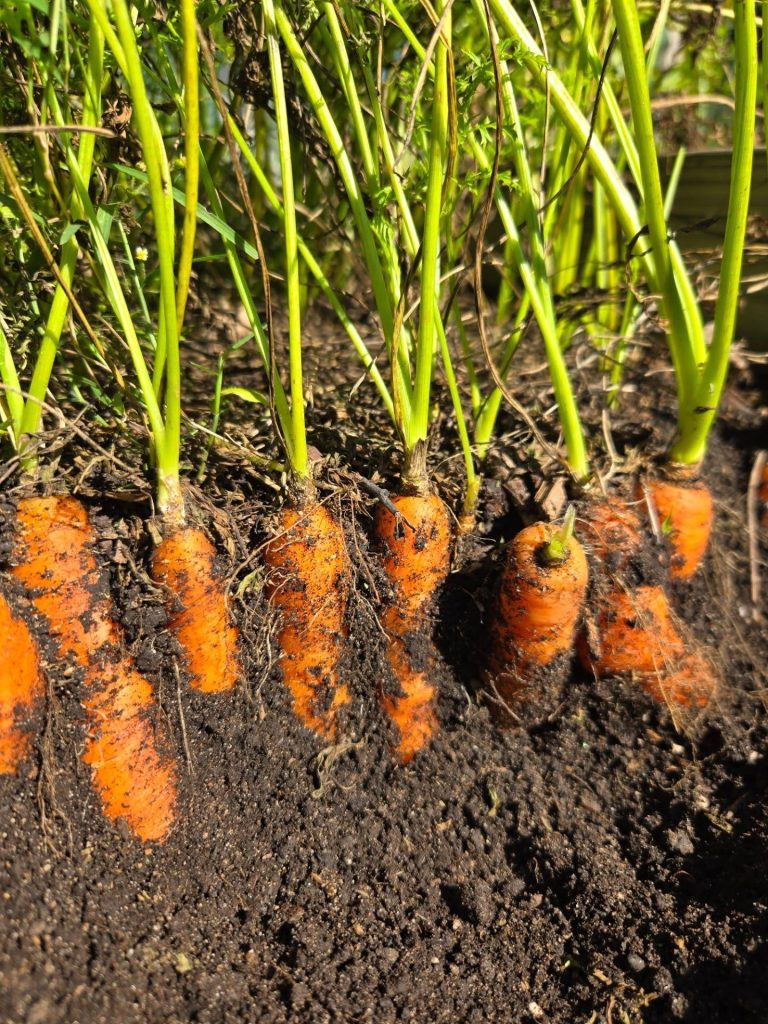
Carrots planted in August often taste sweeter than spring crops. The cooler fall weather helps them develop better flavor and texture.
Nantes carrots are a great choice for your fall garden. They mature in about 65 to 75 days and grow well in most climates. Other good options include Napoli and Scarlet Nantes.
You’ll need loose, rock-free soil for the best results. Plant seeds about a quarter inch deep and keep the soil moist until they sprout. Thin your seedlings to about two inches apart once they come up.
Water your carrots deeply and regularly. This helps prevent the roots from splitting as they grow. Fall carrots face fewer pest problems than spring plantings, making them easier to grow successfully.
6. Beets (Detroit Dark Red)
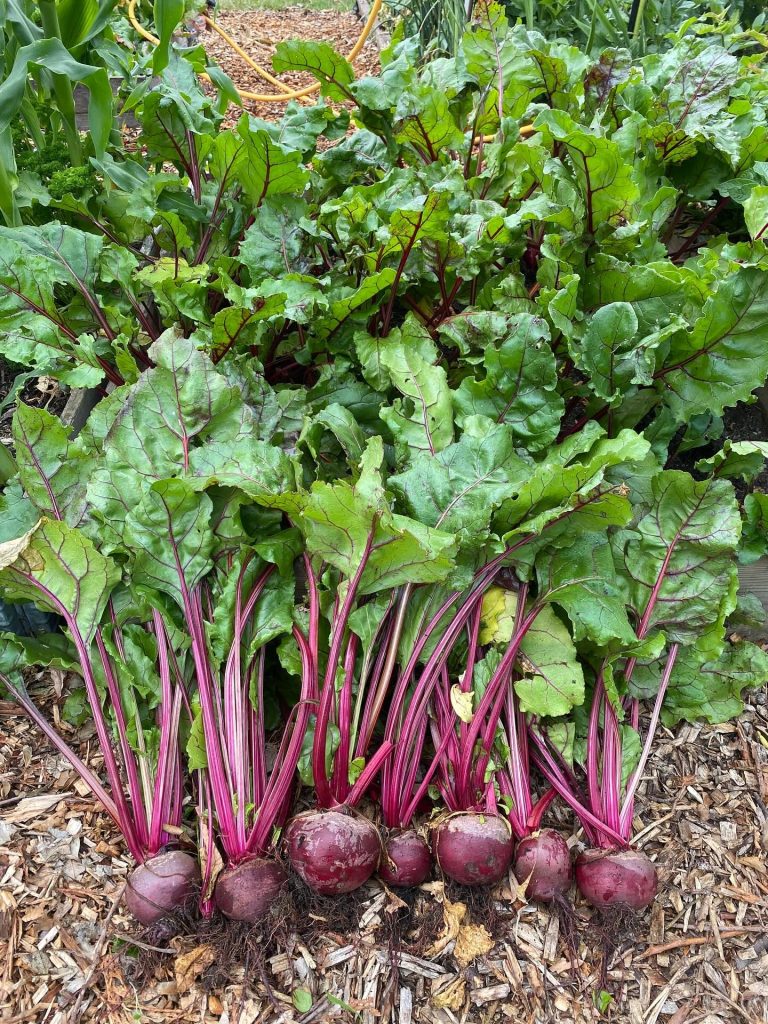
Detroit Dark Red beets are a classic choice for your August garden. These round, deep red beets grow well in cooler fall temperatures and can handle light frost without any problems.
You can plant Detroit Dark Red beets in August and expect to harvest them in about 55-60 days. They work great for fresh eating, cooking, or pickling. The dark red color stays vibrant even after cooking.
Plant your beet seeds about half an inch deep and space them 2-3 inches apart. They like well-drained soil and need regular watering to develop tender, sweet roots.
One bonus: beet greens are edible too! You can harvest the leafy tops while your beets grow, adding nutritious greens to your meals. Detroit Dark Red is known for being reliable and easy to grow, making it perfect for gardeners at any skill level.
7. Swiss Chard (Bright Lights)
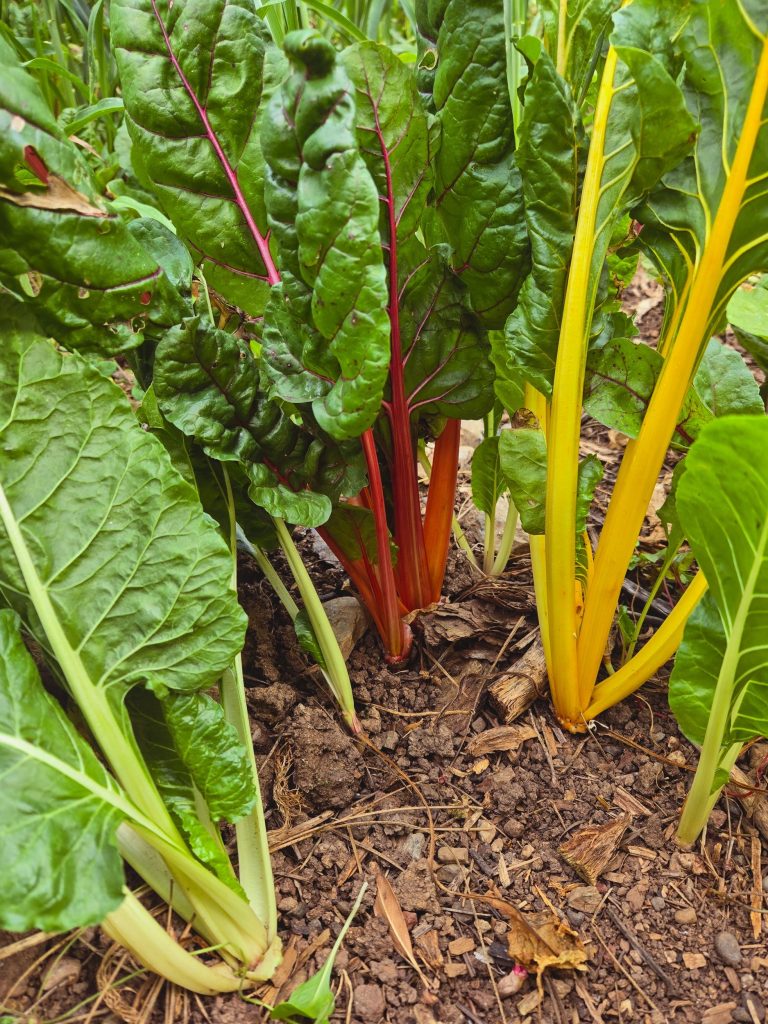
Bright Lights Swiss chard brings a rainbow of colors to your fall garden with its vibrant red, yellow, pink, and white stems. You can plant it in August and expect to harvest fresh leaves in 8-12 weeks.
This variety handles cooler weather better than many summer greens. It tolerates light frosts down to around 23°F, which means you’ll keep harvesting well into autumn.
Space your plants 6-12 inches apart and water them regularly during the seedling stage. Young plants need about 1-2 inches of water per week to get established.
The best part about Bright Lights is that you can use the cut-and-come-again method. Just snip off the outer leaves and let the center keep growing. This gives you a steady supply of fresh greens for months.
8. Green Onions (spring onions)
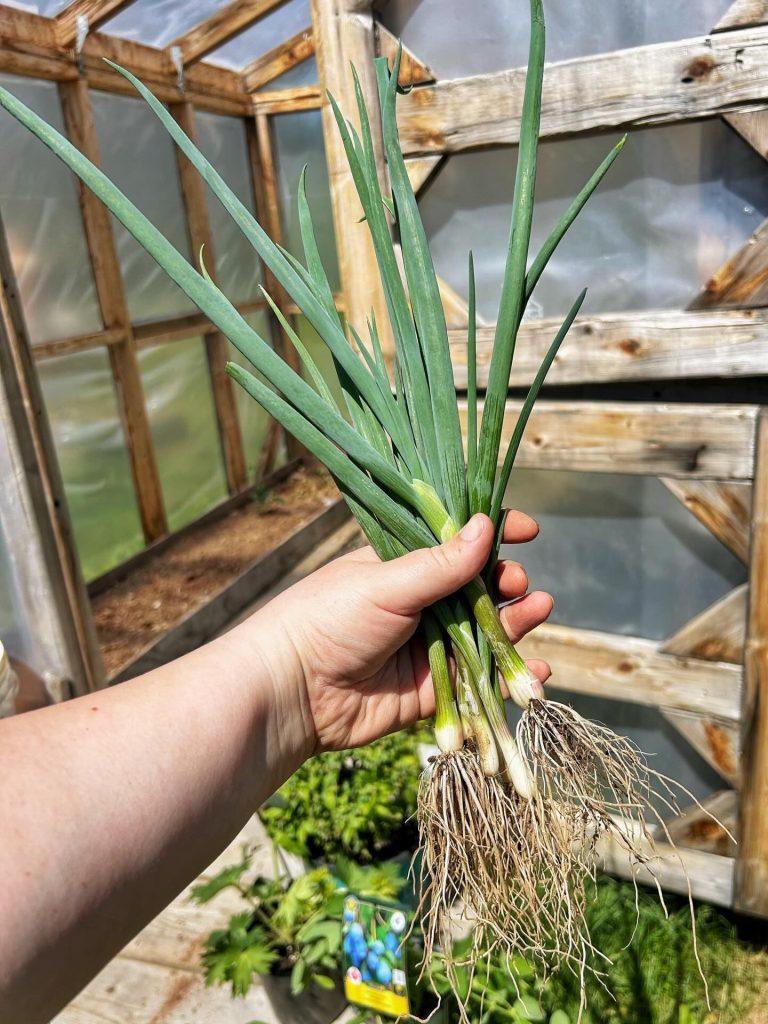
Green onions are one of the fastest-growing vegetables you can plant in August. They work great in cooler zones and can handle light frosts without any problems.
You can harvest green onions in as little as 30 days after planting. This makes them perfect for quick fall crops when you want results fast.
Plant the seeds about a quarter inch deep in well-drained soil. Space them about an inch apart in rows. They don’t need much room to grow, so you can tuck them into empty spots in your garden.
Green onions like regular watering but don’t need heavy fertilizing. You can start picking them when they reach six inches tall. Pull the whole plant or just snip the green tops and let them grow back for multiple harvests throughout fall.
9. Sugar Snap Peas (for fall)
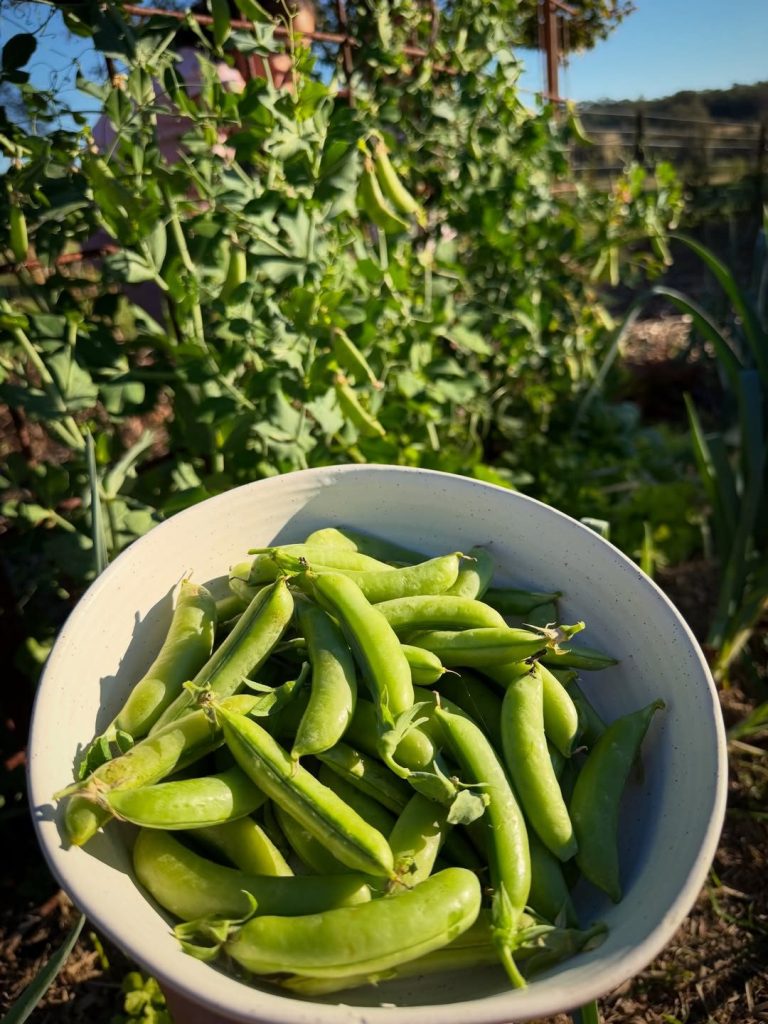
Sugar snap peas make a great addition to your August garden. You can plant them now for a fresh harvest in late September or early October.
Plan to plant your seeds 6-8 weeks before your first expected frost. This gives the vines enough time to grow and produce before cold weather arrives. You’ll want to get them in the ground between mid-August and early September for best results.
These peas love the cooler temperatures that come with fall. Water them deeply once or twice each week, giving them about an inch of water. Fall peas usually need less water than spring crops because of cooler weather.
For a head start, you can sow seeds in small trays and move them outside later. Cover them with row covers to protect young plants.
10. Mizuna (Japanese mustard greens)
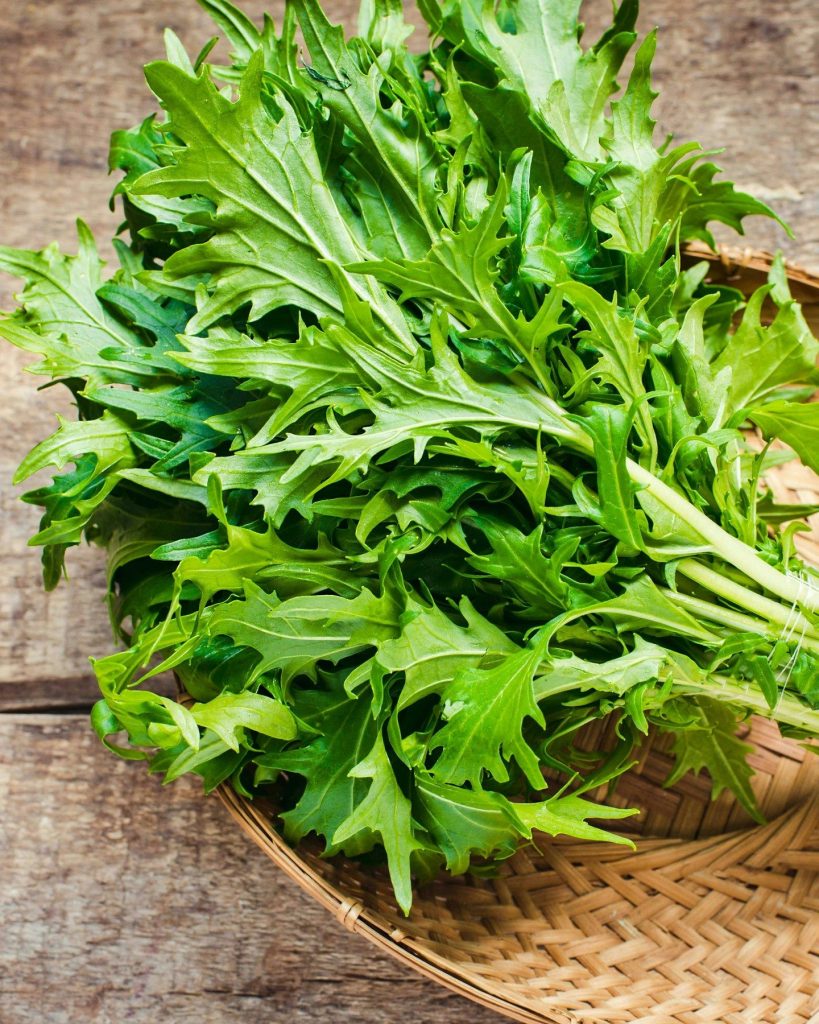
Mizuna is a fast-growing Japanese mustard green that’s perfect for your August garden. It has feathery, deeply cut leaves that form loose clusters and add a mild peppery flavor to your meals.
This green is extremely cold-hardy, which makes it ideal for fall planting. You can harvest it well into winter if you use row covers or cold frames. The plants typically grow 8-14 inches tall and spread about the same width.
One of the best things about mizuna is that it regrows quickly after cutting. You can use the cut-and-come-again method to get multiple harvests from the same plants.
Use mizuna fresh in salads, toss it into stir-fries, or add it as a garnish to your favorite dishes. The tender leaves are ready to pick in about 30 days.
11. Lettuce mixes (butterhead or romaine)
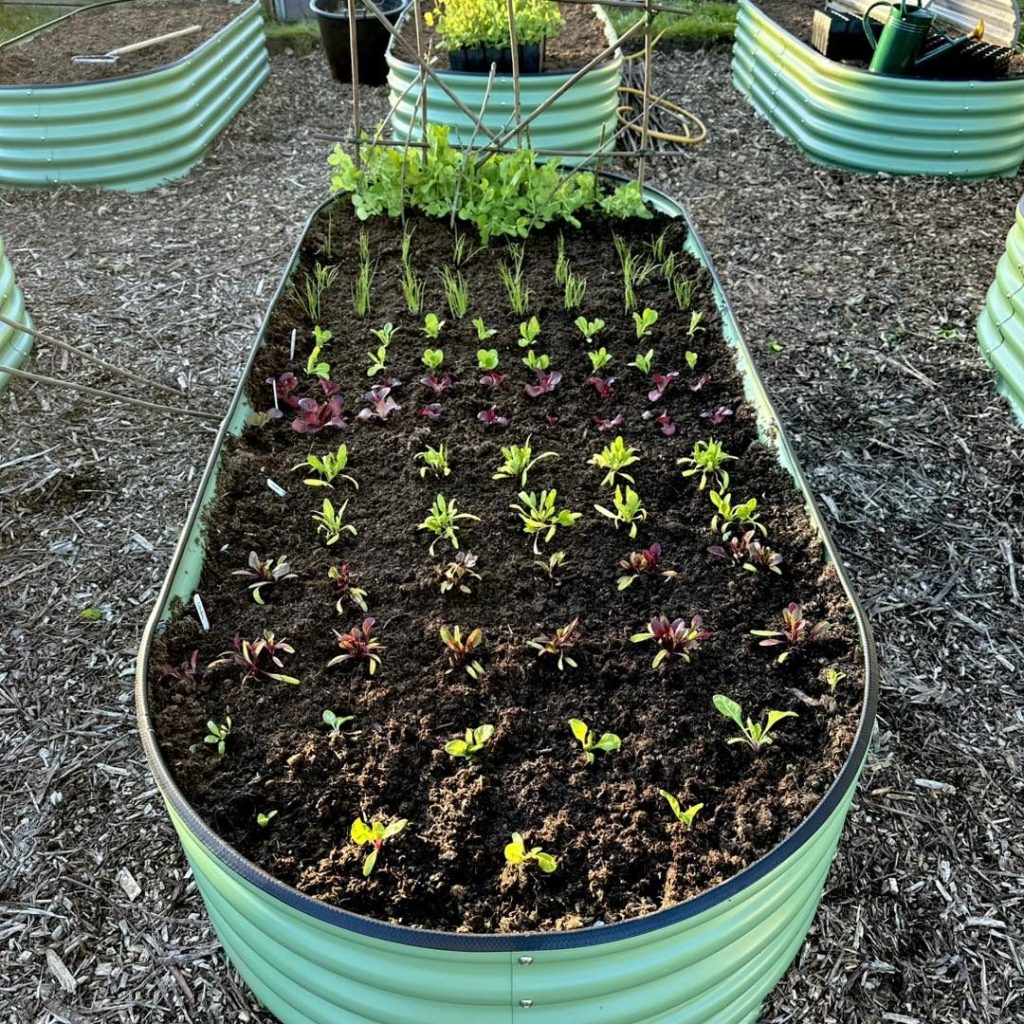
August is perfect for planting lettuce mixes in your fall garden. Butterhead and romaine varieties love cool weather and taste even sweeter when grown in autumn temperatures.
You can direct sow these lettuce types in your garden beds or containers. They grow quickly and don’t need much space, making them great for small gardens or windowboxes.
Romaine offers crisp, upright leaves that work well in salads. Butterhead varieties like ‘Buttercrunch’ give you tender, mild-flavored leaves. Both types handle cold better than summer lettuce varieties.
Plant your lettuce seeds between August and early October. Time your planting based on your area’s first frost date. The cooler fall air helps the leaves develop a better taste and texture than spring lettuce.
These lettuce mixes will reward you with fresh greens well into the fall season.
12. Kale (Winterbor or Lacinato)
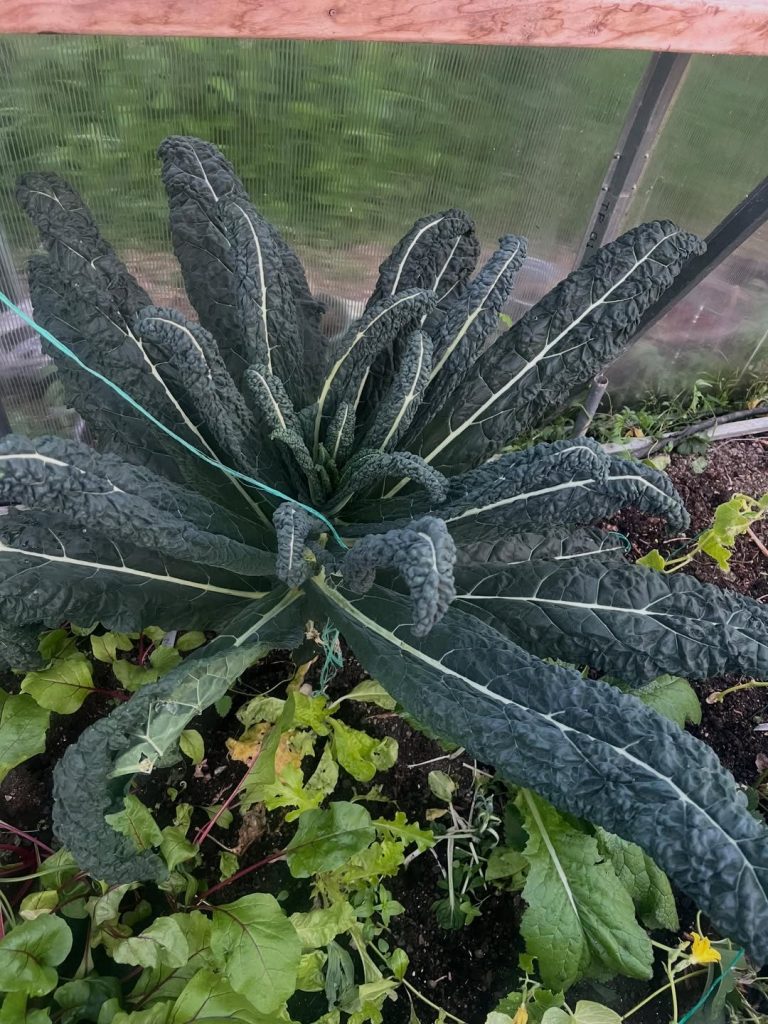
Kale is one of the best vegetables to plant in August because it actually tastes sweeter after a light frost. You can choose between Winterbor and Lacinato varieties, both of which work well for fall planting.
Winterbor offers great cold resistance and holds up through unpredictable weather. Lacinato kale, also called dinosaur kale, is perfect for cooking and has a milder flavor than curly types.
Plant your kale in mid-to-late August, counting backward from your first frost date. Most varieties need 60 to 90 days to reach full size, but you can harvest baby leaves earlier. If you plant by August 15, you’ll have plenty of time for a successful fall harvest.
You can start seeds indoors or direct sow them in your garden. Either way, your kale will keep producing fresh greens well into November.
13. Turnips (Hakurei)
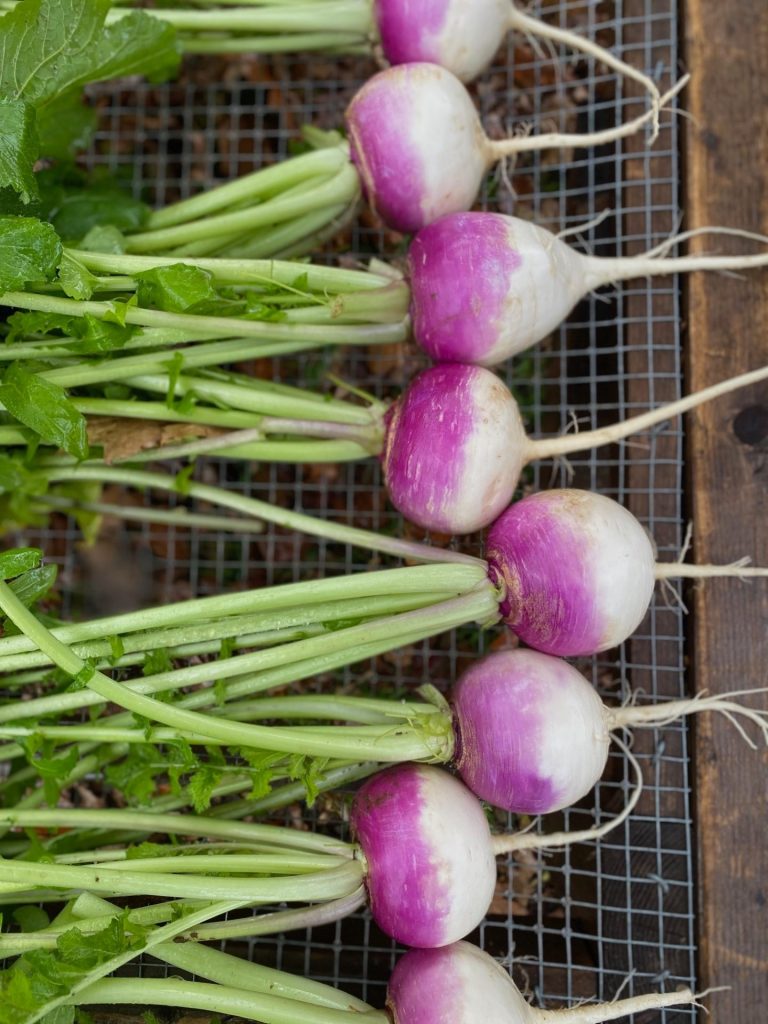
Hakurei turnips are perfect for August planting if you want a sweet, mild fall harvest. These Japanese turnips are different from regular turnips because they taste crisp and slightly sweet, even raw.
Plant your seeds directly in the garden in August or early September. The soil should be loose and drain well. You’ll get fresh turnips in just 35-45 days, which means you can harvest before the first frost.
These turnips grow best in cool weather, making them ideal for fall gardens. Plant them in full sun or partial shade. You can plant short rows every couple weeks to spread out your harvest throughout fall.
Hakurei turnips can stay in the ground quite late into fall. If frost is coming, just cover them with row cover or burlap to protect your crop.
14. Collard Greens
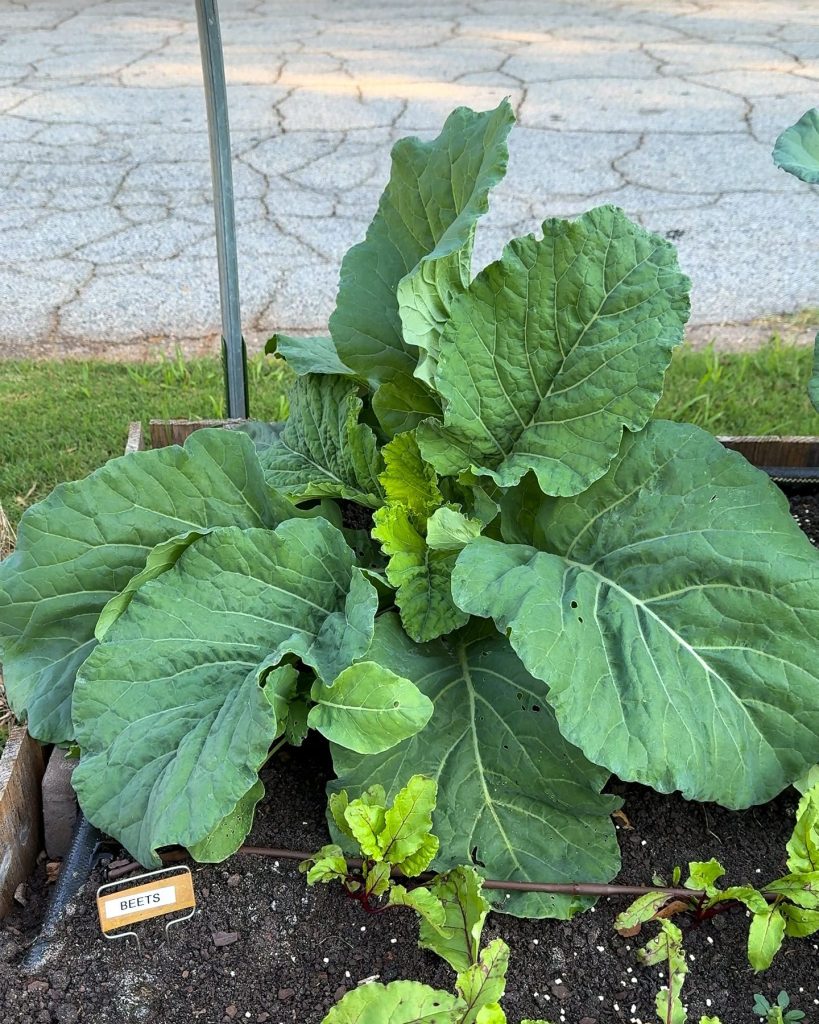
Collard greens are perfect for your August garden. They grow well in warm soil and can handle cooler fall weather. You can expect to harvest them in about 60 to 85 days after planting.
These leafy greens actually taste better after a light frost hits them. The cold weather makes them sweeter and less bitter. That’s why many gardeners wait until fall to enjoy their best flavor.
Plant your collard green seeds about half an inch deep in your garden. Space them 18 to 24 inches apart so they have room to grow. They need full sun and soil that drains well.
Water your collard greens regularly to keep the soil moist. They’re pretty tough plants and don’t need much special care once they start growing.
15. Broad Beans (fava beans)
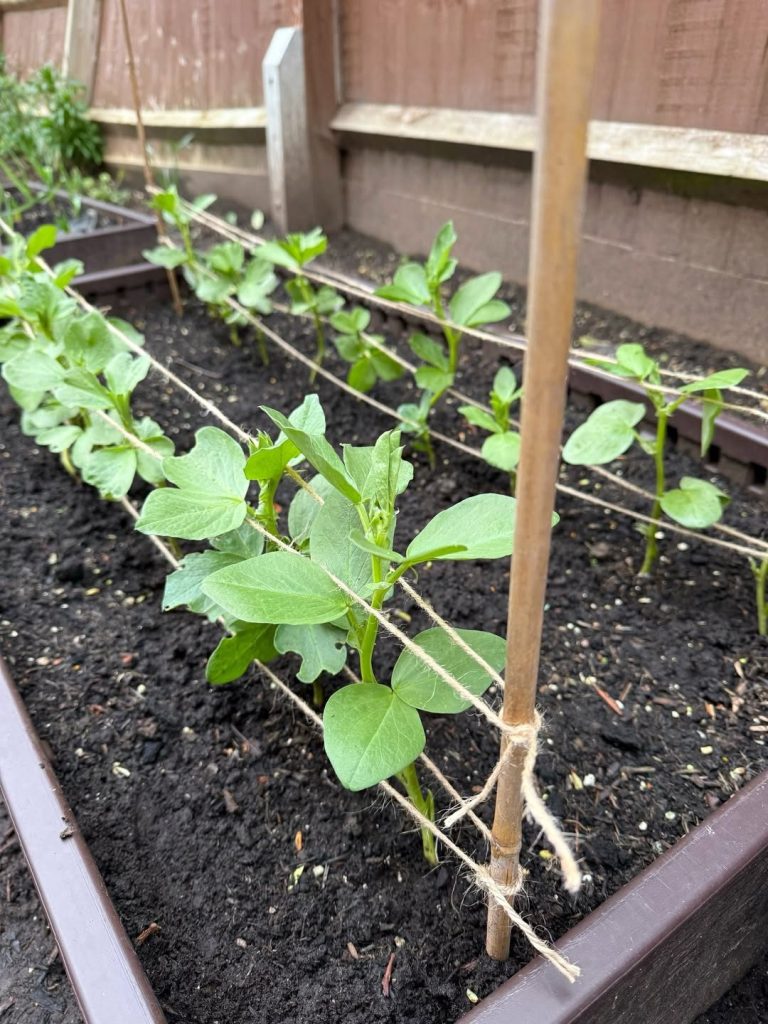
Broad beans, also called fava beans, are perfect for August planting in many areas. These cool-season crops actually prefer cooler temperatures and will reward you with an early summer harvest.
When you plant them in late summer or fall, they can use natural rainfall and mild weather to get established. They grow well through winter in many zones and produce beans in late spring.
These beans do something special for your garden soil. They work with helpful bacteria to add nitrogen back into the ground. This makes them great for improving soil health while giving you food.
Plant the large seeds about two inches deep and six inches apart. Give them a spot with full sun and well-drained soil. They’re pretty self-sufficient once they get going and don’t need much fussing over.
16. Pak Choi (choi sum)
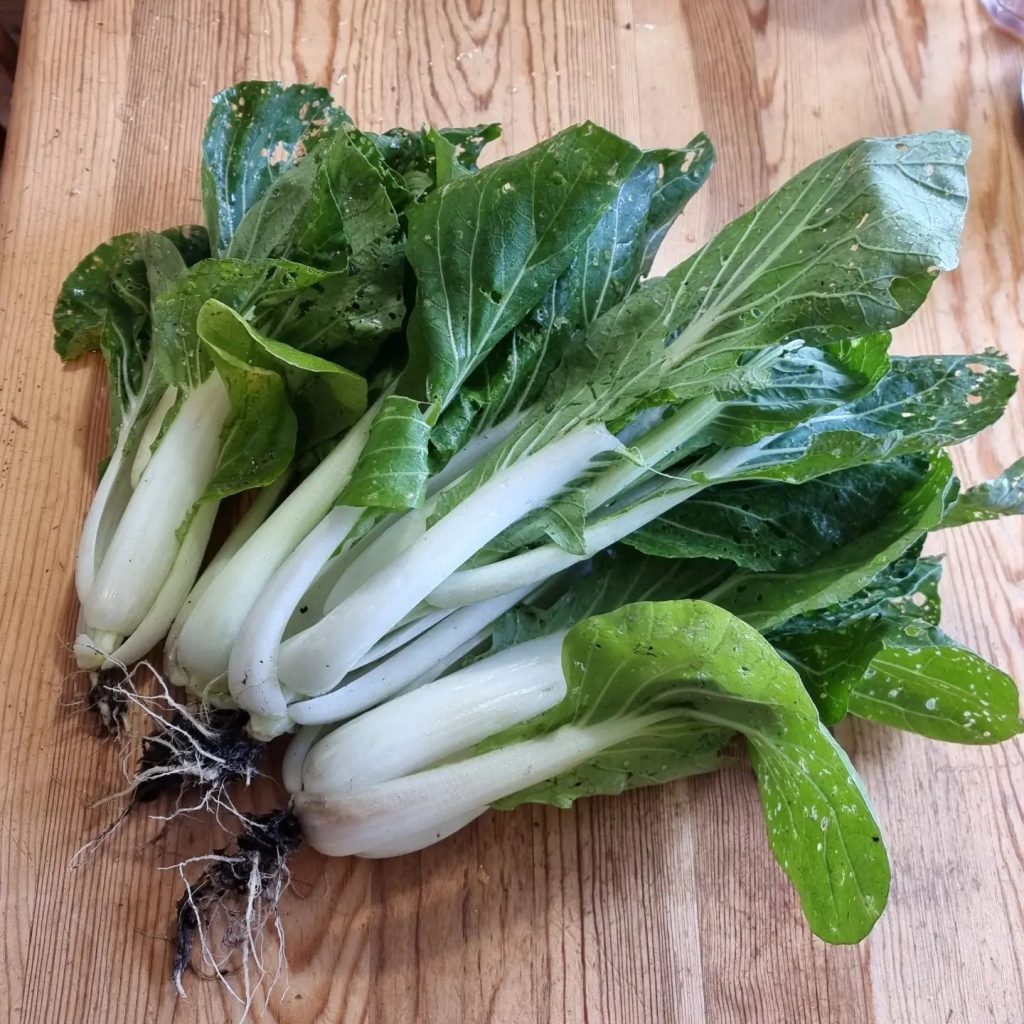
Pak choi is a cool-weather crop that thrives when planted in August for fall harvest. You can start seeds directly in your garden since they germinate quickly in warm late-summer soil. This leafy green grows fast and requires little maintenance once established.
Plant your pak choi in a spot with full sun to partial shade. Space seeds about 6 inches apart and keep the soil moist during germination. You’ll see sprouts within a week under good conditions.
The key to success is timing your planting before colder weather arrives. August gives your pak choi enough time to mature before frost. You can expect to harvest crisp, tender leaves in about 45 to 60 days.
This versatile vegetable works well in stir-fries, soups, and salads. It’s packed with nutrients and low in calories, making it a healthy addition to your fall garden.
Preparing Your Garden for Fall Planting
Getting your garden ready for August planting means clearing out old crops and building up your soil with fresh nutrients. You’ll also need to pay attention to when frost typically arrives in your area.
Soil Enrichment Techniques
Pull out all remaining spring vegetables and weeds from your garden beds. Don’t add these old plants to your compost pile. They often carry insects and diseases that can harm your fall crops.
Once your beds are clear, add 2-3 inches of compost to the top of your soil. Work it in with a garden fork or tiller to a depth of about 6 inches. This gives your fall vegetables the nutrients they need to grow quickly before cold weather arrives.
You can also mix in a balanced fertilizer with equal amounts of nitrogen, phosphorus, and potassium. Look for something like a 10-10-10 blend. Follow the package directions for how much to use based on your garden size.
Test your soil if you haven’t done so in the past year. Most fall vegetables grow best when soil pH sits between 6.0 and 7.0.
Timing and Temperature Tips
Count backward from your first expected frost date to figure out planting times. Each vegetable has a “days to maturity” number on the seed packet. Add about two weeks to this number since plants grow slower in cooler fall weather.
Plant heat-sensitive crops like lettuce and spinach in early August. They’ll struggle if you wait too long and the soil is still hot. Wait until mid to late August for crops that don’t mind warmth, like radishes and turnips.
Water your newly planted seeds and seedlings every day until they sprout or get established. The August sun can dry out soil quickly. You might need to provide shade cloth for the first week if temperatures stay above 85°F.
Caring for Young Vegetable Plants in Late Summer
Young plants need consistent moisture and protection to establish strong roots before fall arrives. August heat can stress seedlings while pests remain active during warm weather.
Watering Best Practices
Water your seedlings deeply in the early morning to help them withstand afternoon heat. Young plants need about 1 to 1.5 inches of water per week, either from rainfall or irrigation.
Check the soil moisture daily by sticking your finger 2 inches into the ground. If it feels dry at that depth, it’s time to water. Newly planted seedlings may need watering every day during hot spells.
Water at the base of plants rather than overhead to reduce disease risks. Soaker hoses or drip irrigation work best for young vegetables. These methods deliver water directly to the roots where it’s needed most.
Apply a 2-3 inch layer of mulch around your plants to keep soil moist and cool. Straw, shredded leaves, or grass clippings all work well. Keep mulch a few inches away from plant stems to prevent rot.
Protecting Seedlings from Pests
Late summer pests like cabbage worms, aphids, and flea beetles target tender young plants. Cover your seedlings with lightweight row covers immediately after planting to create a physical barrier.
Check plants every 2-3 days for signs of damage or pest activity. Look for holes in leaves, tiny insects on stems, or sticky residue. Catching problems early makes them easier to manage.
Hand-picking larger pests like caterpillars works well for small garden spaces. Drop them into soapy water to eliminate them. For aphids, spray them off with a strong stream of water from your hose.
Consider using organic pest controls like neem oil or insecticidal soap for persistent problems. Apply these products in the evening when temperatures cool down to avoid burning plant leaves.