
When the weather cools down, it’s tempting to grab the secateurs and blitz the whole garden. Cutting back dead stuff and tidying spent stems feels like the right way to wrap up the growing season. ✂️
But some plants are better off left alone until spring. Prune them now and you might remove next year’s flower buds, leave them vulnerable to frost damage, or stress them out right before winter hits. It’s one of those jobs where doing nothing is actually the smarter move.
Here are six common garden plants you should leave untouched this autumn – and why each one needs to wait. 🍂
1. Bigleaf hydrangea — it forms next year’s flower buds on old wood, so fall pruning removes them.

If your bigleaf hydrangea (Hydrangea macrophylla) didn’t bloom last summer, fall pruning might be the reason.
This shrub sets its flower buds on old wood. That means the buds form on stems that grew during the previous season, not on fresh spring growth.
Here’s how the timing works. Right after the flowers fade in summer, the plant starts building buds for next year. Those buds sit on the stems all winter, waiting for spring.
So when you cut those stems back in October, you’re snipping off the flowers you were hoping to see in June.
The good news is that the fix is simple. Prune right after your hydrangea finishes blooming in summer, and stick to light shaping rather than a hard cutback.
In fall, you can still do a little tidying. Remove any dead or broken stems, and clear fallen leaves from around the base of the plant.
You can leave the dried flower heads in place, too. They add some interest to the winter garden, and you can trim them off in spring once you see green buds swelling on the stems.
2. Oakleaf hydrangea — its old-wood buds can be cut off before they bloom the following summer.
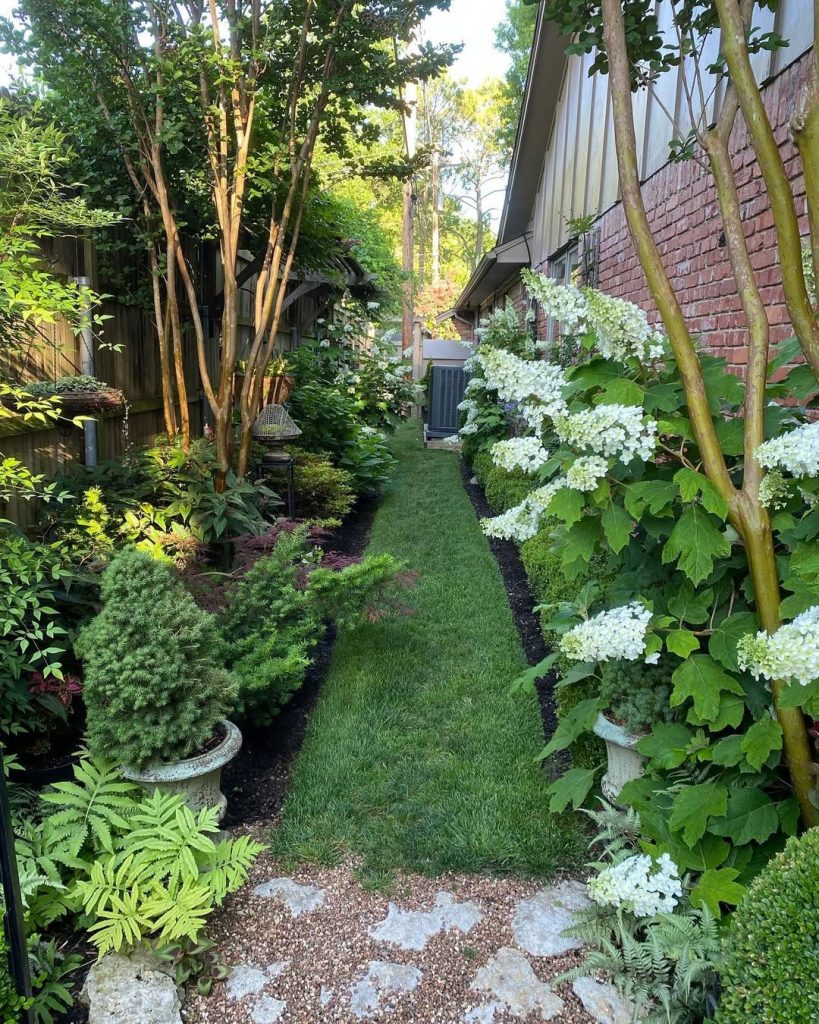
Oakleaf hydrangeas set their flower buds on old wood. That means the buds for next summer’s blooms form on stems that grew during the current season, usually by late summer.
So if you tidy this shrub up in fall, you’re likely snipping off the flowers you were hoping to see.
The plant will still leaf out fine in spring. You just may end up with a green shrub and very few blooms.
The better time to prune is right after the flowers fade, usually in June or July. Pruning early gives the plant plenty of time to grow new stems and set fresh buds before cold weather arrives.
Try to skip pruning in fall, winter, and early spring. Those cuts remove buds that are already there, even though you can’t always see them.
If a branch is broken or clearly dead, go ahead and remove it any time of year. That kind of cleanup won’t cost you flowers.
Otherwise, let the dried flower heads stay put through fall. They look nice in winter, and they give the stems a little extra protection from cold wind.
3. Lilac — fall trimming removes flower buds set on older stems and can reduce spring blooms.
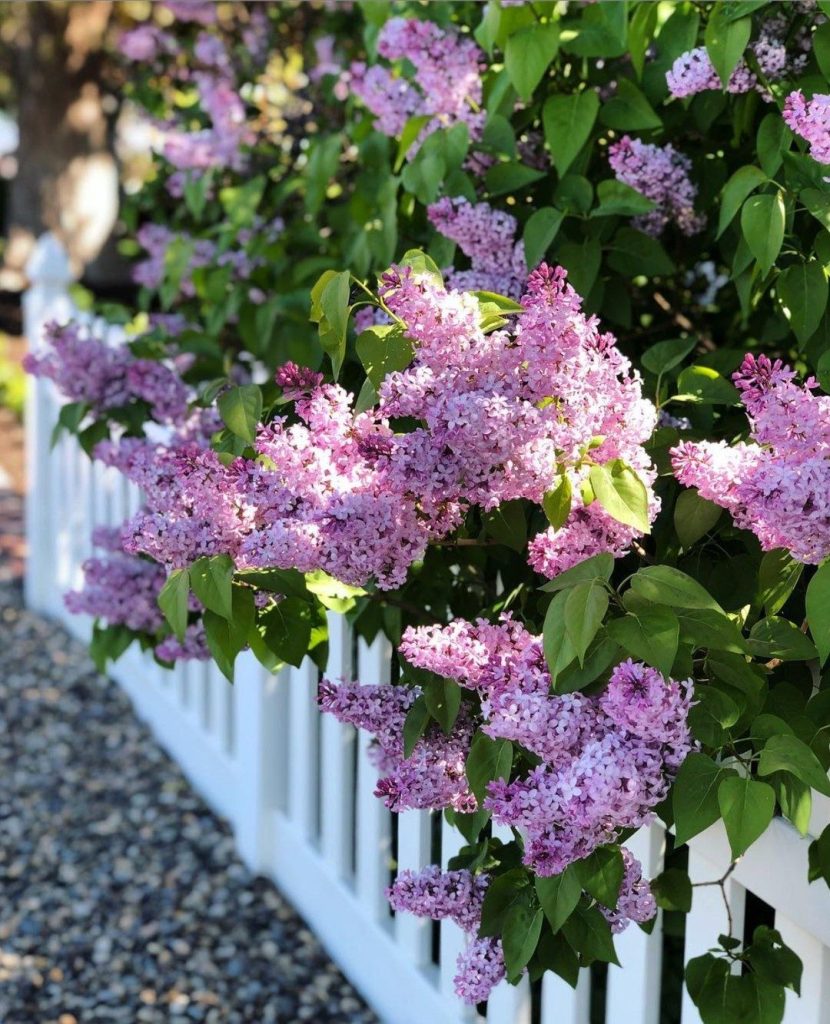
Lilacs work ahead of schedule. Once spring flowers fade, the shrub starts forming next year’s buds on the stems that are already there.
By the time fall arrives, those buds are sitting on the branches, waiting for spring. If you trim then, you’re cutting off the flowers you were hoping to see.
That’s why a lilac can look perfectly healthy but barely bloom. The plant wasn’t sick — the buds were just removed too soon.
Fall pruning can also encourage soft new growth that doesn’t harden off before cold weather. That tender growth is more likely to get damaged over winter.
When to prune instead
Wait until right after your lilac finishes flowering in spring. You have about a four to six week window before new buds start forming.
That’s the time to shape the shrub, take out dead wood, and remove spent flower clusters.
If your lilac is overgrown, thin out about one-third of the oldest stems each year. Cut them close to the ground, and repeat over three seasons for a full refresh.
Use sharp, clean pruners or loppers for the job. Skip the hedge trimmers — shearing leaves stubby growth and fewer blooms.
4. Forsythia — it flowers on old wood, so pruning in autumn sacrifices next spring’s display.
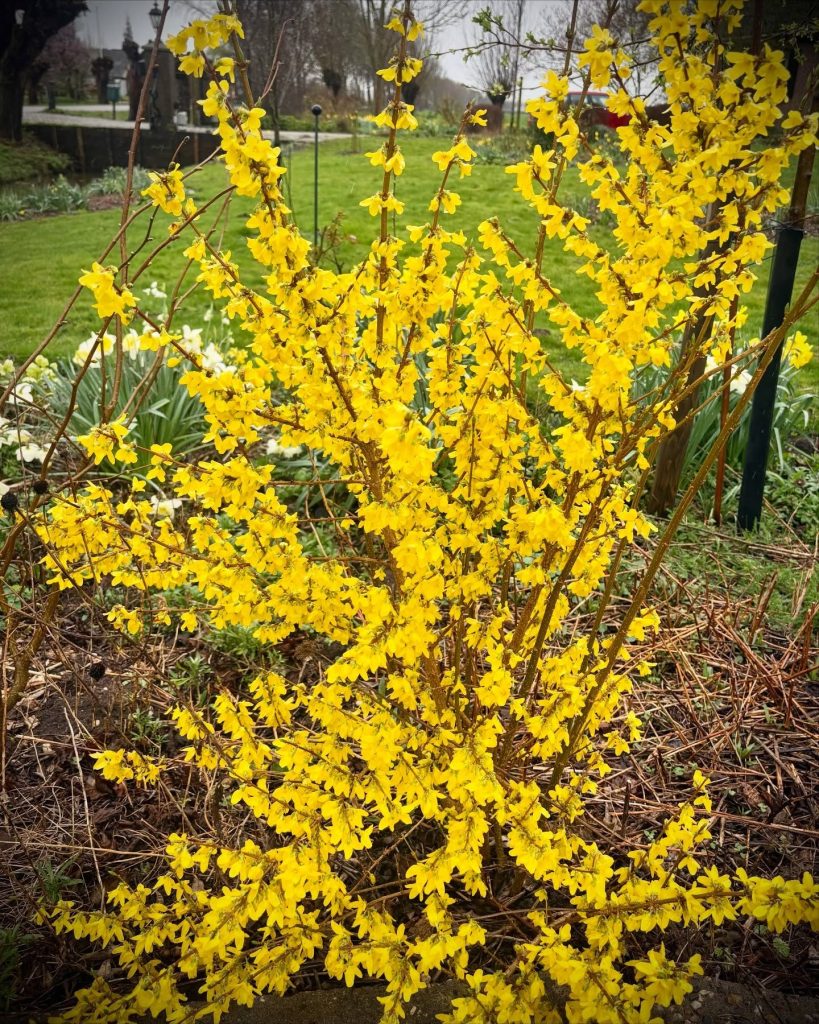
Forsythia gives you those bright yellow flowers in very early spring, often before the leaves show up. Those blooms come from buds the shrub made the summer before.
That’s the part people miss. By midsummer, next year’s flower buds are already set on the stems.
So if you shear your forsythia in September or October, you’re cutting off the flowers you were hoping to see. The plant will still be healthy, but spring will look pretty bare.
The better time to prune is right after the blooms fade in spring, when new leaves start to appear. Aim for within a few weeks of flowering, and you’ll give the shrub plenty of time to form new buds.
When you do prune, take out a few of the oldest, thickest stems at the base. This opens up the middle and keeps the shrub from turning into a tangled mess.
There’s one exception worth knowing. If your forsythia is badly overgrown and barely flowering anyway, a hard cutback outside of spring won’t cost you much.
You may lose a season of blooms, but you’ll get a fresher, tidier shrub in return.
5. Rhododendron — its buds develop before winter, making fall cuts likely to reduce flowering.
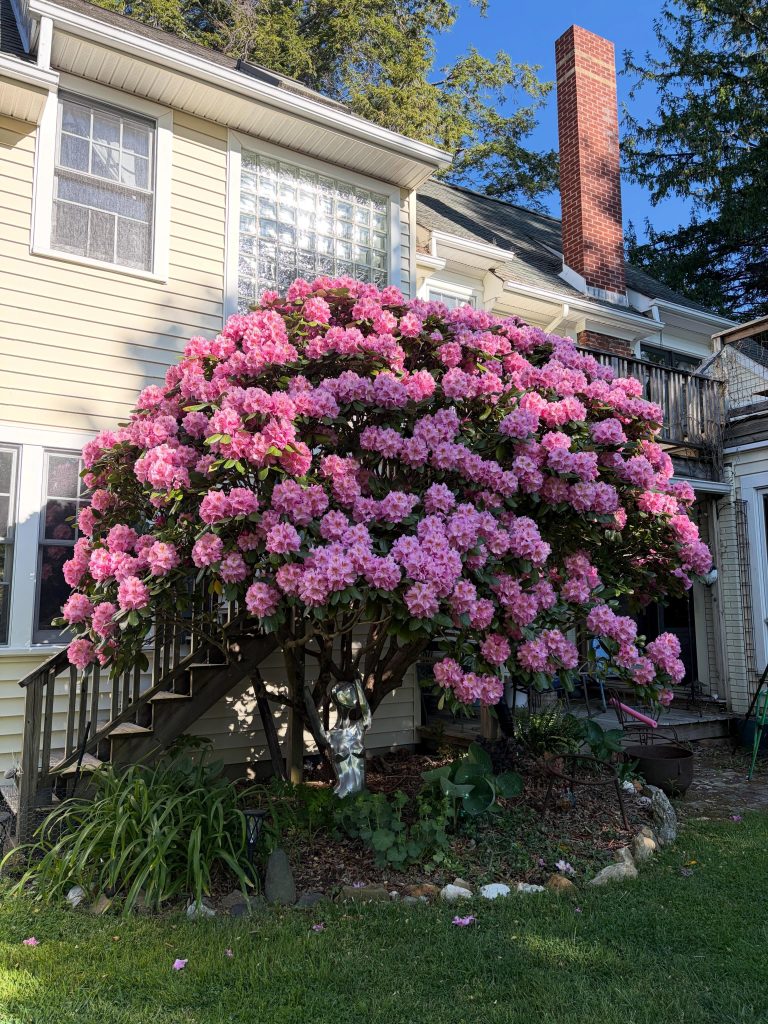
Your rhododendron is already planning ahead. It forms next spring’s flower buds during summer, and those buds sit on the plant all winter long.
So when you trim in fall, you’re most likely snipping off the very buds you were hoping to see bloom.
The American Rhododendron Society points to this as a common reason people end up with few or no flowers. Late summer and fall cuts simply remove too much of next year’s show.
The better plan is to wait until spring, right after the flowers fade. At that point, the old blooms are done and the new buds haven’t formed yet, so you can shape the shrub without losing anything.
If your rhododendron looks a bit messy heading into winter, that’s okay. Those leaves and stems help protect the plant during cold months.
You can still remove any branch that’s clearly dead or broken, since that won’t cost you flowers.
For older shrubs that have grown leggy and bare at the bottom, a harder pruning works best in late winter. Rhododendron stems carry dormant buds that will push out fresh growth once the weather warms up.
6. Azalea — late-season pruning can remove next year’s flower buds and encourage tender new growth.
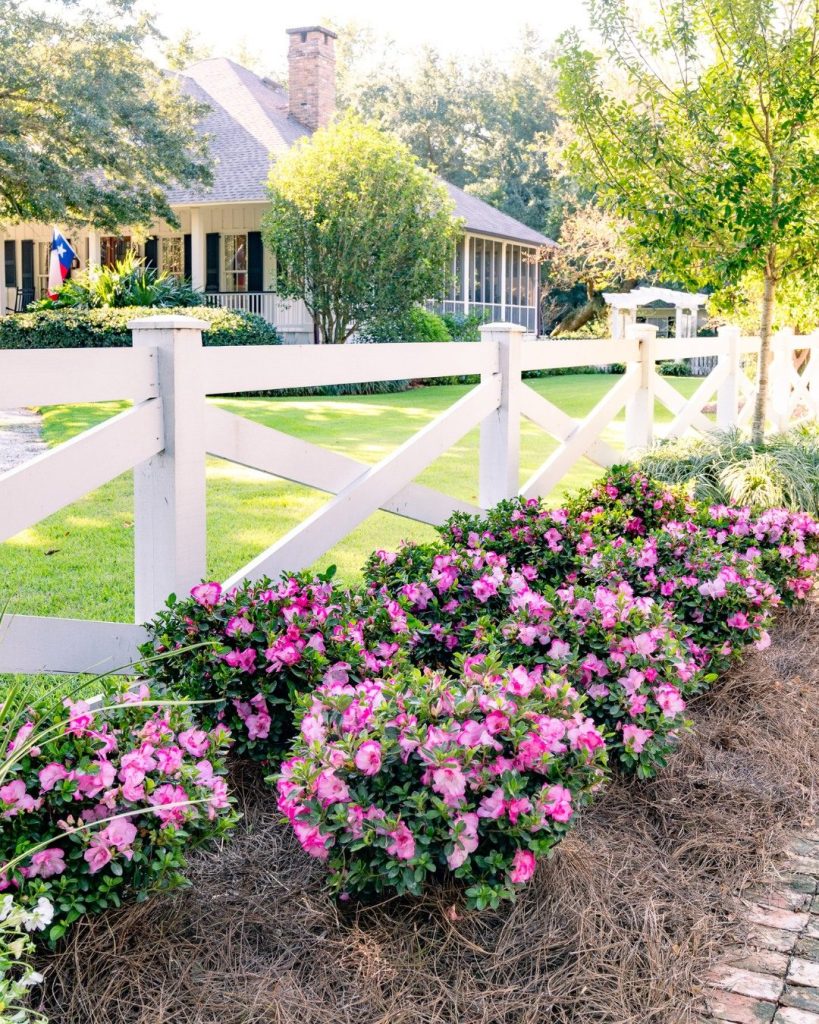
Azaleas set their flower buds for next spring during mid to late summer. So when you trim them in fall, you’re snipping off buds that were already formed and waiting.
Your shrub will still look green and healthy. It just won’t give you many flowers come spring.
Most experts suggest you finish any real pruning by early July. After that point, you’re cutting into next year’s show.
The best window is right after the flowers fade in spring. That gives the plant plenty of time to grow and set new buds before the season ends.
There’s a second reason to hold off in fall. Pruning tells the plant to push out fresh growth, and that soft new wood doesn’t have time to toughen up before cold weather arrives.
Tender shoots are much more likely to get damaged by frost. You could end up with dead tips and a plant that looks rough all winter.
If your azalea has a broken or dead branch, go ahead and remove it. That kind of cleanup is fine any time of year.
Save the shaping and size control for late spring. Your azaleas will thank you with a fuller bloom.
Why Fall Pruning Can Cause Lasting Damage
When you cut a plant in September or October, you send it a signal to grow at the exact moment it should be shutting down. That new growth doesn’t have time to toughen up, and the plant burns through energy it was saving for winter.
How Late Growth Becomes Vulnerable to Winter Injury
Pruning wakes up dormant buds. Within a week or two of cutting, you may see soft green shoots pushing out of the stems.
Those shoots are the problem. New growth needs about six to eight weeks of mild weather to harden off, which means building thicker cell walls and woody tissue that can handle freezing temperatures.
If your first hard frost arrives before that happens, the tender tips die back. The damage often doesn’t stop at the tip, either.
Cold can travel down the stem into older, healthy wood, leaving you with dead branches to remove in spring. On shrubs like hydrangeas and forsythia, you also lose next year’s flower buds, since they were already formed by late summer.
Fresh cuts add another risk. Open wounds heal slowly in cool weather, giving fungal spores and boring insects an easy way in.
The Role of Stored Energy and Protective Plant Structure
In fall, plants move sugars and starches out of their leaves and down into their roots, crowns, and stems. That stored energy is what fuels growth the following spring.
Cutting back too early interrupts this transfer. You remove stems and foliage that are still working, and the plant heads into winter with a smaller fuel reserve.
Old growth also does a real job above ground:
- Dead stems on perennials trap snow and leaves, which insulates the crown
- Seed heads feed finches, chickadees, and other birds through winter
- Hollow stalks on plants like coneflower shelter native bees
- Evergreen foliage on lavender and other woody herbs shields the base from drying winds
Leave that structure in place and you give the roots a buffer against freeze-thaw cycles that can heave plants right out of the soil.
Safer Seasonal Care Practices
Leaving most plants standing through winter doesn’t mean ignoring your garden entirely. There’s a difference between helpful stems you should keep and damaged growth that needs to go, and knowing when to schedule the real pruning saves you trouble later.
When to Remove Diseased or Broken Growth
Sick or damaged growth is the one exception to the “wait until spring” rule. Cut it out whenever you spot it, even in October.
Watch for these signs:
- Powdery mildew — white, dusty coating on leaves and stems, common on phlox and bee balm
- Black spot — dark circles with yellowing leaves on roses
- Rust — orange or brown bumps on leaf undersides
- Broken branches — snapped or cracked limbs after wind or heavy rain
Cut a few inches into healthy tissue below the problem area. Then wipe your blades with rubbing alcohol between cuts so you don’t spread spores to the next stem.
Bag diseased material and throw it out. Don’t compost it, because most home compost piles never get hot enough to kill fungal spores.
How to Plan Pruning for Late Winter and Spring
Most cutting back belongs in the window between late winter and the first signs of new growth. Timing depends on when the plant blooms.
| Plant Type | Best Time to Prune | Examples |
|---|---|---|
| Spring-blooming shrubs | Right after flowers fade | Lilac, forsythia, azalea |
| Summer-blooming shrubs | Late winter to early spring | Butterfly bush, panicle hydrangea |
| Ornamental grasses | Early spring, before new blades appear | Switchgrass, miscanthus |
| Perennials with hollow stems | Mid to late spring | Coneflower, joe-pye weed |
A good signal for perennials is soil temperature. Once it holds near 50°F, pollinators nesting in hollow stems have usually emerged.
Cut old grass clumps to about 4 to 6 inches. For perennials, leave 8 to 12 inches of stem if you want to give insects extra time.


