
There is a moment around dusk when the garden stops being a daytime garden. 🌙 The reds go muddy, the purples vanish completely, and anything white starts to look like someone left a light on.
If you have ever walked outside at 9pm in July and caught a smell you could not place, you already know what a moon garden does.
Here is the thing most lists will not tell you. Only a small handful of plants genuinely open their flowers after dark. The rest are white flowers that happen to look incredible in low light, which is just as useful but a different job.
So this list is split into both.
True night-bloomers first, then the glow-in-the-dark supporting cast, then the silver foliage that quietly holds the whole thing together on nights when nothing is flowering.
What Actually Makes a Moon Garden Work
Four things, and none of them are complicated.
White and pale flowers reflect what light there is. Your eyes switch to night vision after dark and lose most of their color sensitivity. Deep reds and purples disappear entirely. Whites, creams, pale yellows and silvers stay visible.
Scent matters more than color. Plants that get pollinated by moths put their fragrance out in the evening rather than at midday. That is why night gardens smell so much stronger than you expect. Half the experience is nose, not eyes.
Foliage does the heavy lifting. Flowers come and go. Silver and variegated leaves are on duty every single night from spring through frost.
Plant it where you actually sit. This is the one people get wrong. A moonflower vine at the bottom of the yard is a moonflower vine you will never smell. Put the good stuff within about ten feet of your chair, your steps, or the door you walk out of.
True Night-Blooming Flowers
These are the ones that stay shut all day and open up in the evening. Some of them open fast enough that you can watch it happen.
1. Moonflower (Ipomoea alba)

The headline act. Six-inch white trumpets that unfurl in the space of about two minutes at dusk, with a sweet lemony scent. It is a vigorous annual vine that will cover a trellis or an arch in a single season, reaching 10 to 15 feet. Full sun.
The seeds have a hard coat and germination is patchy if you just push them in the ground. Nick each seed with a nail file and soak overnight before sowing. Do that and you go from about half coming up to nearly all of them. Seeds are toxic if eaten, so keep the packet out of reach.
2. Night-Blooming Jasmine (Cestrum nocturnum)
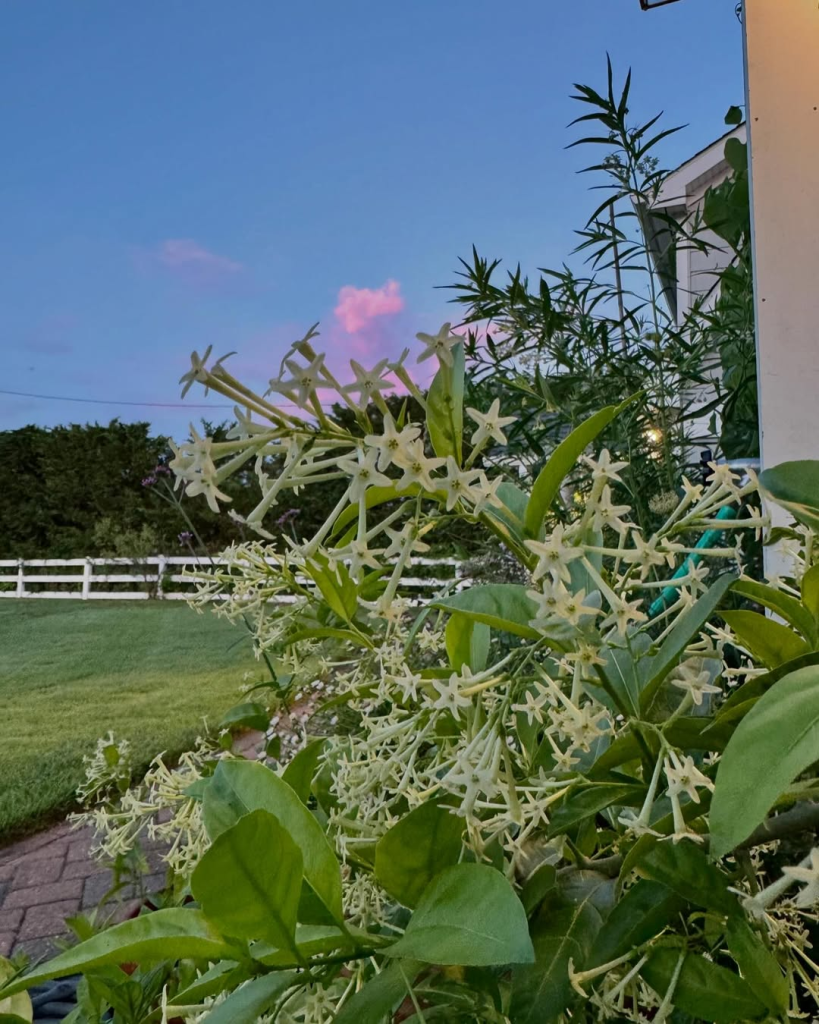
The flowers are small and greenish-white and honestly not much to look at. The scent is a different story. One mature plant will perfume an entire backyard, and some people find it too much at close range.
Hardy in zones 9 to 11 only. Everywhere else, grow it in a large pot and bring it into a cool bright room over winter. Worth knowing that it has escaped cultivation and is considered invasive in parts of Florida and Hawaii, so a pot is the responsible choice in warm climates anyway.
3. Evening Scented Stock (Matthiola longipetala)
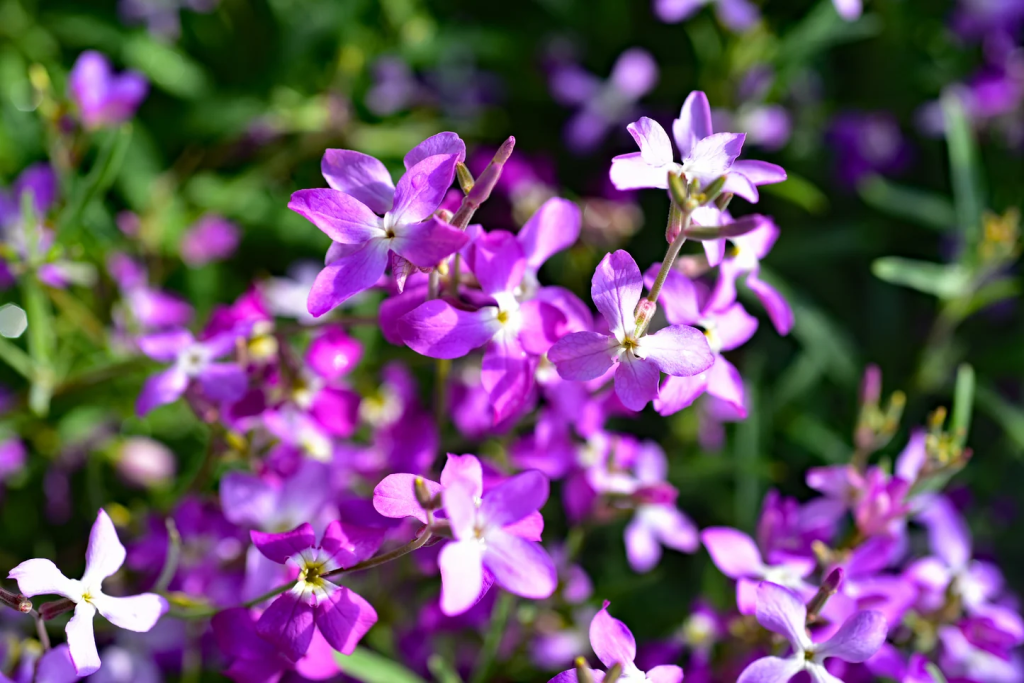
The cheapest scent you can buy. A packet costs a couple of dollars and gives you a season of it.
Be warned that this plant looks scruffy in daylight. Small, straggly, closed flowers in white and pale lilac. Then the sun goes down and it produces a clove and vanilla smell out of all proportion to its size. Direct sow in early spring, sow again three weeks later, and tuck it along a path edge where the daytime scruffiness does not matter.
4. Flowering Tobacco (Nicotiana sylvestris and Nicotiana alata)
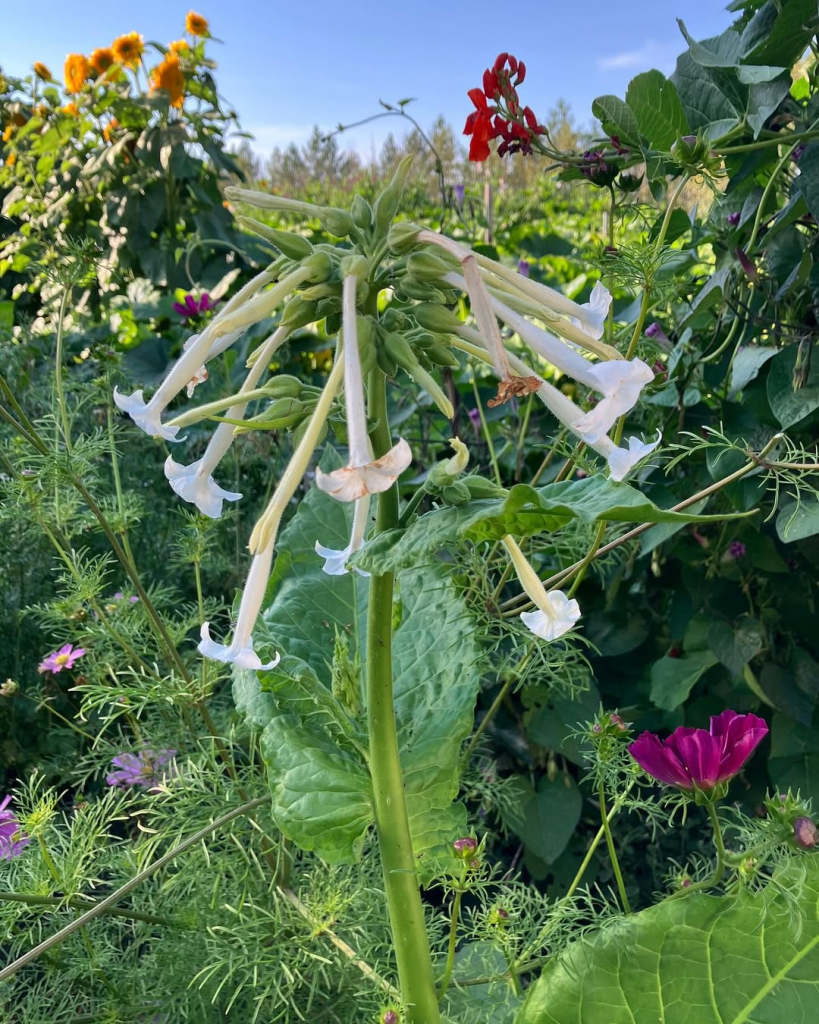
Nicotiana sylvestris is the architectural one. It gets to four or five feet with big paddle leaves and a fountain of long white tubular flowers that droop in the day and lift and open in the evening. Jasmine-scented.
One important buying note. Most of the compact bedding nicotiana sold in six-packs at big box stores has had the fragrance bred right out of it. If scent is the point, buy seed of the species or of Nicotiana alata ‘Grandiflora’ rather than picking up whatever is on the bench.
5. Four O’Clocks (Mirabilis jalapa)
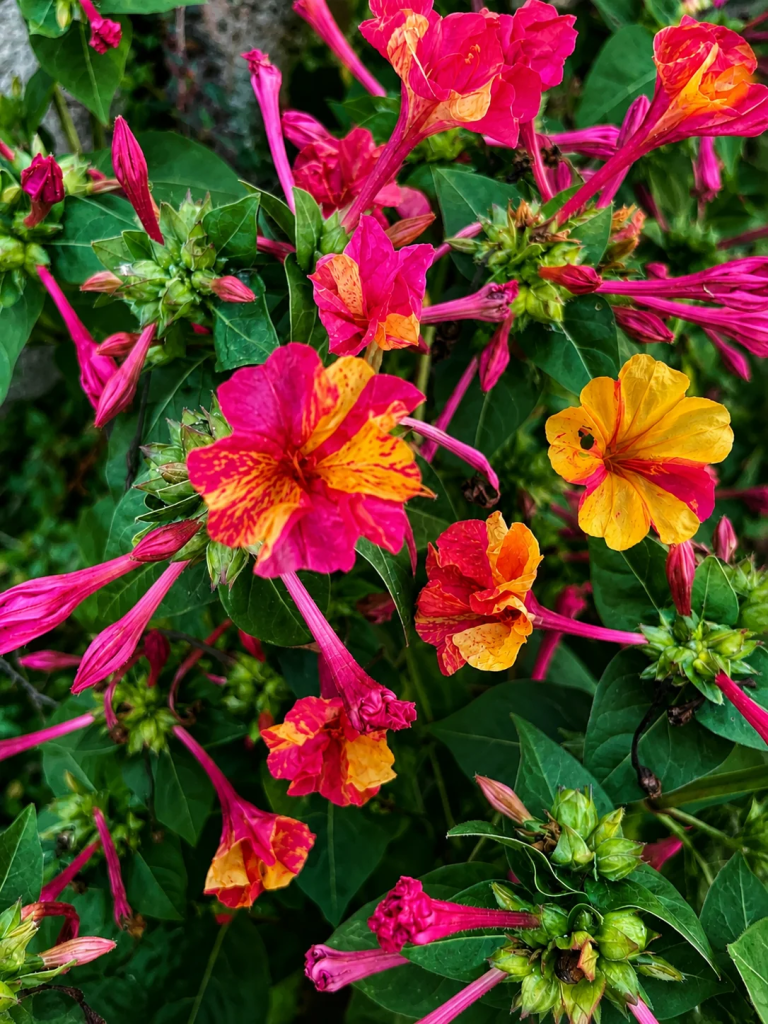
Named for exactly what they do. The flowers open in the late afternoon, usually somewhere between 4pm and 6pm depending on how hot the day has been, and stay open all night. The white forms glow, and the scent is sweet and a bit citrusy.
They grow from a tuber and are hardy in zones 7 to 10. Further north you can dig the tubers in fall and store them like dahlias, or just let them reseed. They reseed enthusiastically. Seeds are toxic, and they are hard black things that look a bit like peppercorns, so this is one to think about if you have small children.
6. Night Phlox (Zaluzianskya capensis)
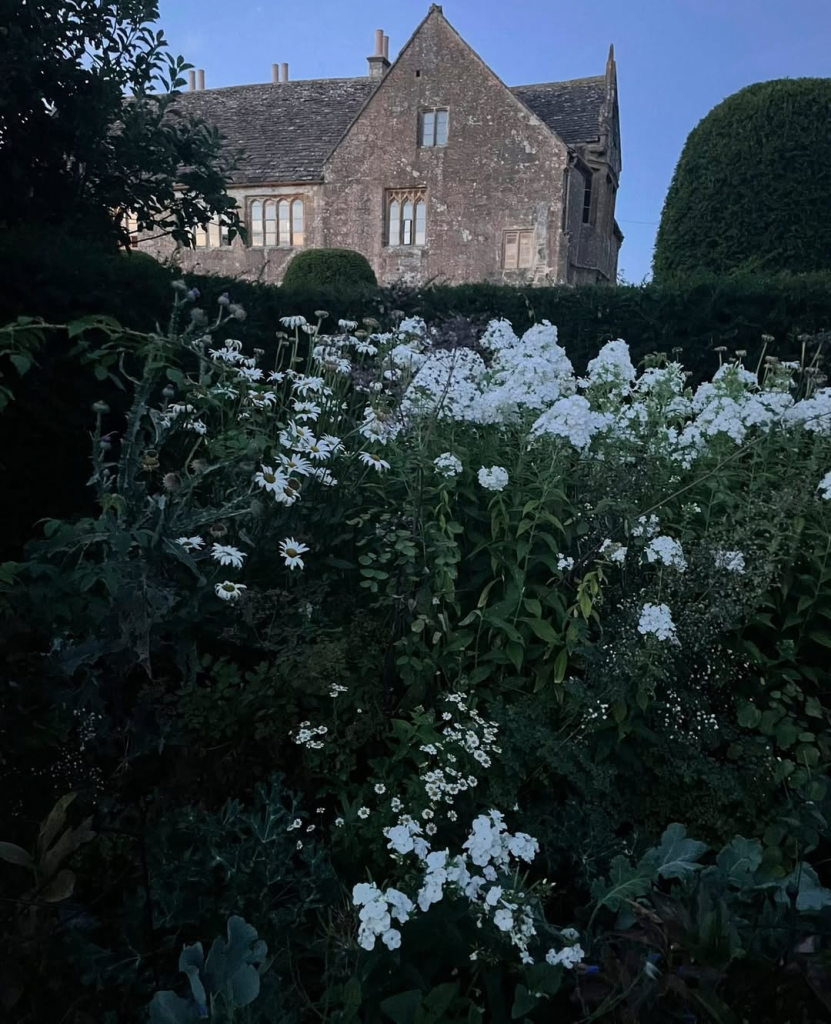
An underused little South African annual that deserves better. The flowers are white with a maroon-red reverse, so the buds look dark and then flip open at dusk into small white stars. The smell is honey and vanilla and is genuinely lovely.
Tender annual, grows about a foot tall, best in a container or a pot on an outdoor table where you can get your nose near it. Start seed indoors six weeks before your last frost.
7. Tuberose (Agave amica, formerly Polianthes tuberosa)
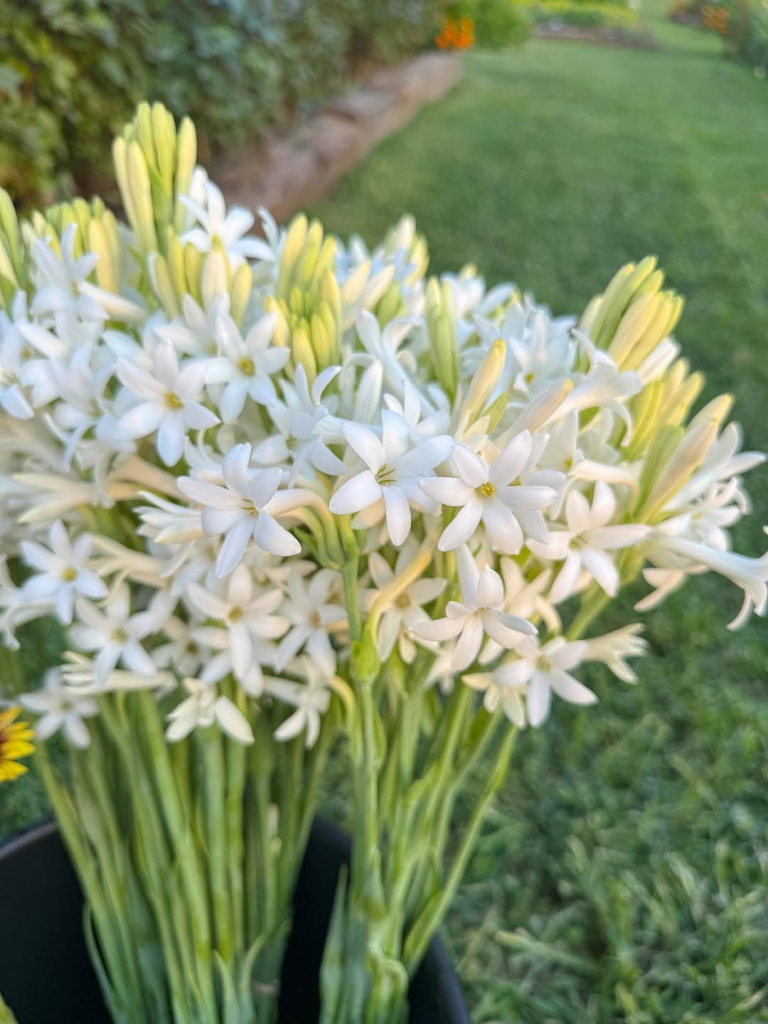
Probably the most intense fragrance on this list. It is the base note in a lot of expensive perfume and it peaks after dark. The double form ‘The Pearl’ is the one most widely sold.
Hardy in zones 8 to 10. Colder than that, plant the bulbs in late spring, then lift them after the first frost and store them somewhere dry and frost-free. They need a long warm season, so a container in the sunniest spot you have is the reliable approach in northern gardens.
8. Tufted Evening Primrose (Oenothera caespitosa)
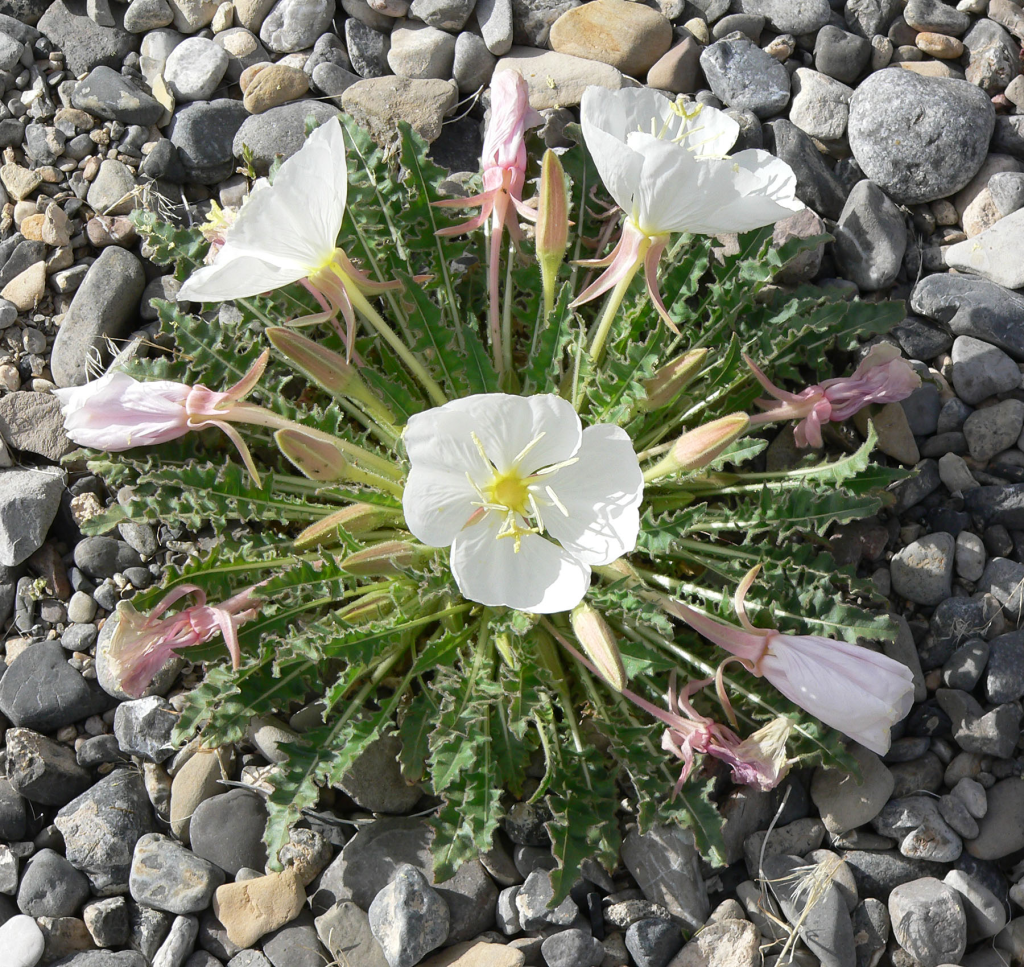
Most evening primroses are yellow. This one is white, native to the western US, and opens at dusk with a light sweet scent. The flowers age to pink over the following day, so you get both colors on the plant at once.
Hardy zones 4 to 8. The one thing it will not tolerate is wet feet in winter. Give it gritty, sharply drained soil and full sun and it is tough as anything.
9. Angel’s Trumpet (Brugmansia)
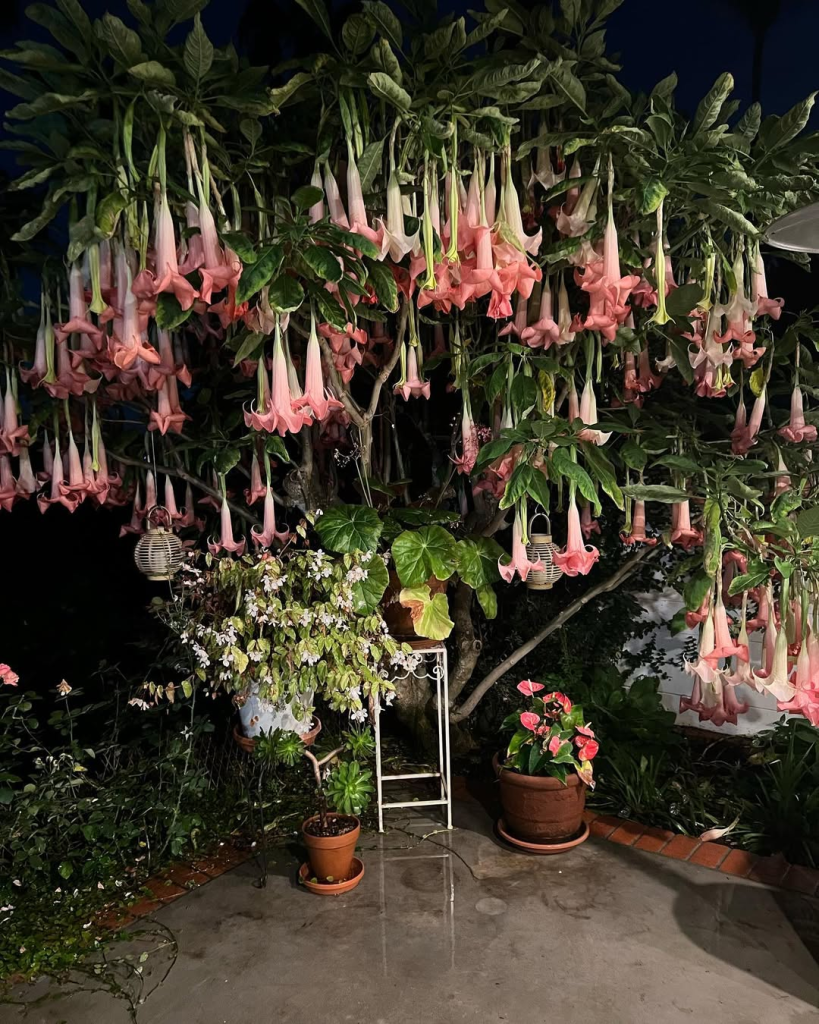
Enormous pendulous trumpets, up to a foot long, on a shrub that can hit six feet in a season. The white cultivars release a heavy tropical scent in the evening.
Every part of this plant is seriously toxic. Not “upset stomach” toxic, properly dangerous if eaten. I still grow it, but I would not plant it in a yard where small children play unsupervised, and I would not put it next to a vegetable bed. Zones 9 to 11 outdoors, elsewhere a big pot that overwinters in a garage.
10. Datura (Datura inoxia)
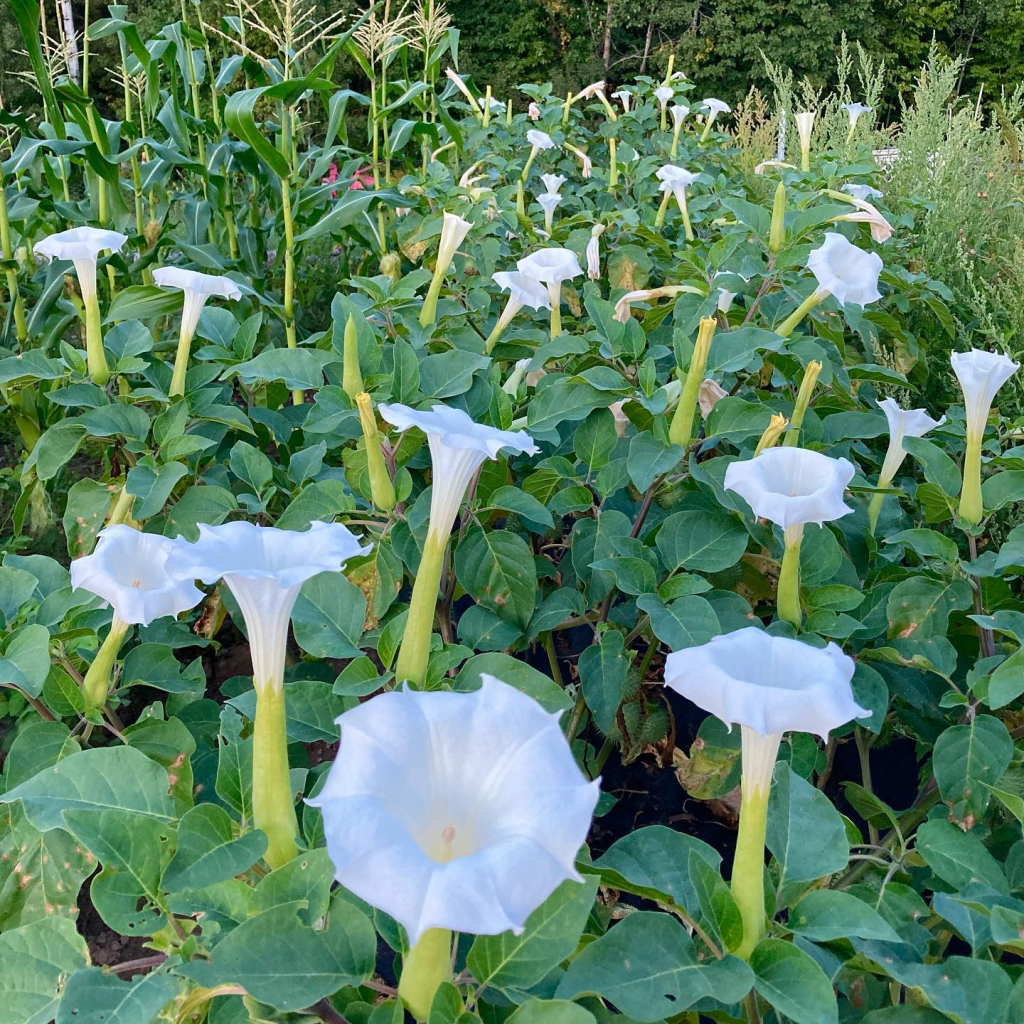
The upward-facing cousin of the angel’s trumpet. White trumpets that open at dusk with a lemon scent, followed by spiky seed pods.
Same toxicity warning as above, and it applies to the seeds in particular. It also self-seeds hard, so those spiky pods need cutting off before they split unless you want datura everywhere next year. Beautiful plant, high maintenance in terms of attention.
11. Night-Blooming Cereus (Epiphyllum oxypetalum)
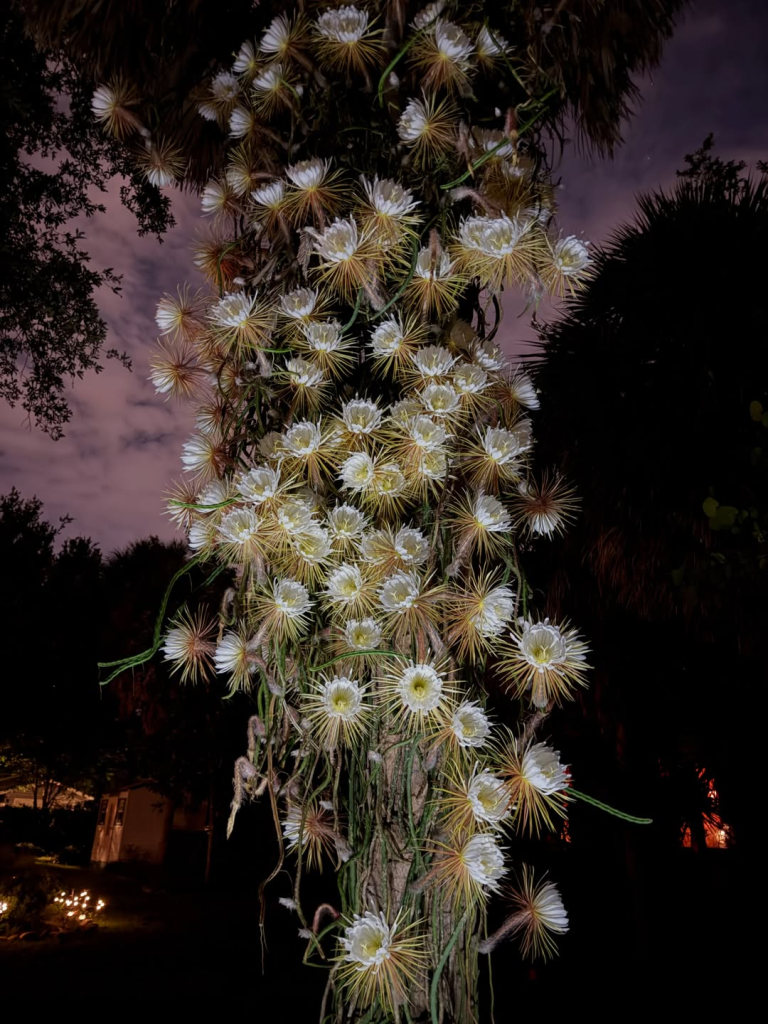
This is the event plant. A leggy, honestly quite ugly cactus for eleven and a half months of the year, and then one night in summer it produces a huge white flower the size of a dinner plate that opens after dark, smells extraordinary, and is finished by sunrise.
Grow it as a houseplant or a patio plant in a pot. It flowers better when pot bound, so resist repotting it. People throw parties for this thing and I understand why.
12. Yucca (Yucca filamentosa)
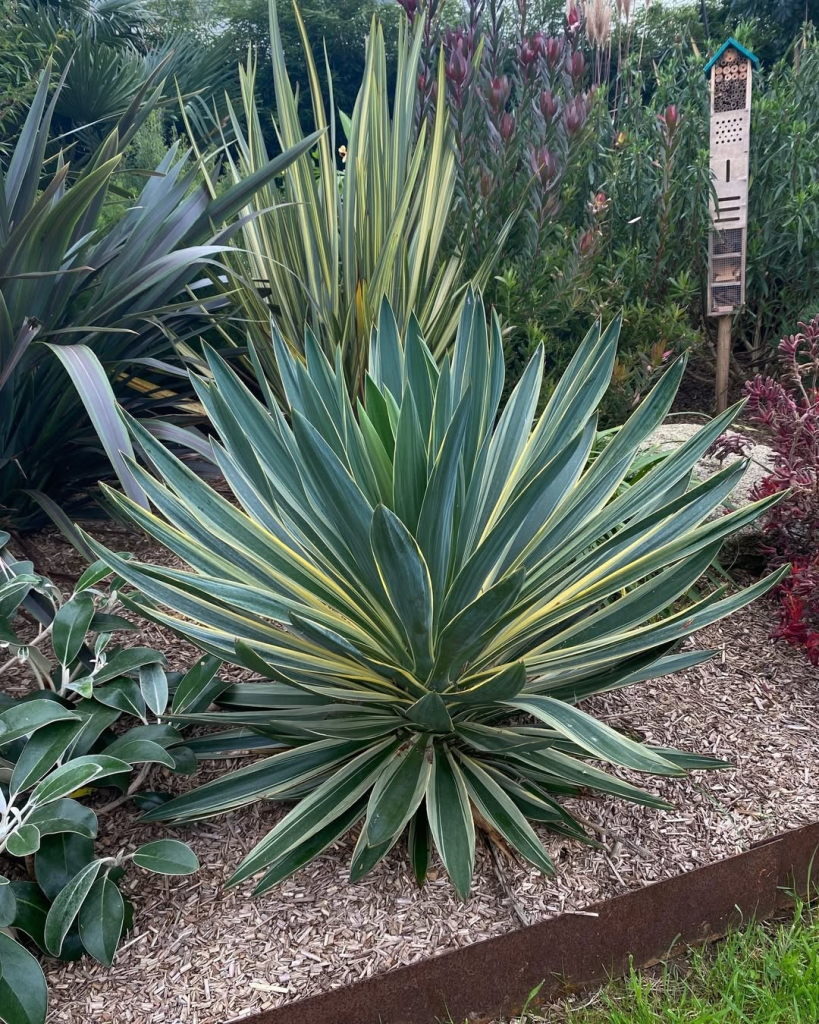
Not an obvious moon garden plant until you see a five-foot spike of creamy white bells lit up at night. The flowers open more fully in the evening and release their scent then, because they are pollinated by a moth that only works at night.
Hardy zones 4 to 10, thrives on neglect, handles drought and poor soil. The evergreen rosette gives you structure all winter too.
White Flowers That Glow After Dark
These do not open at night, but they are the ones that hold the garden together between the appearances of the true night-bloomers. Shorter notes on these.
13. ‘Annabelle’ Hydrangea (Hydrangea arborescens)
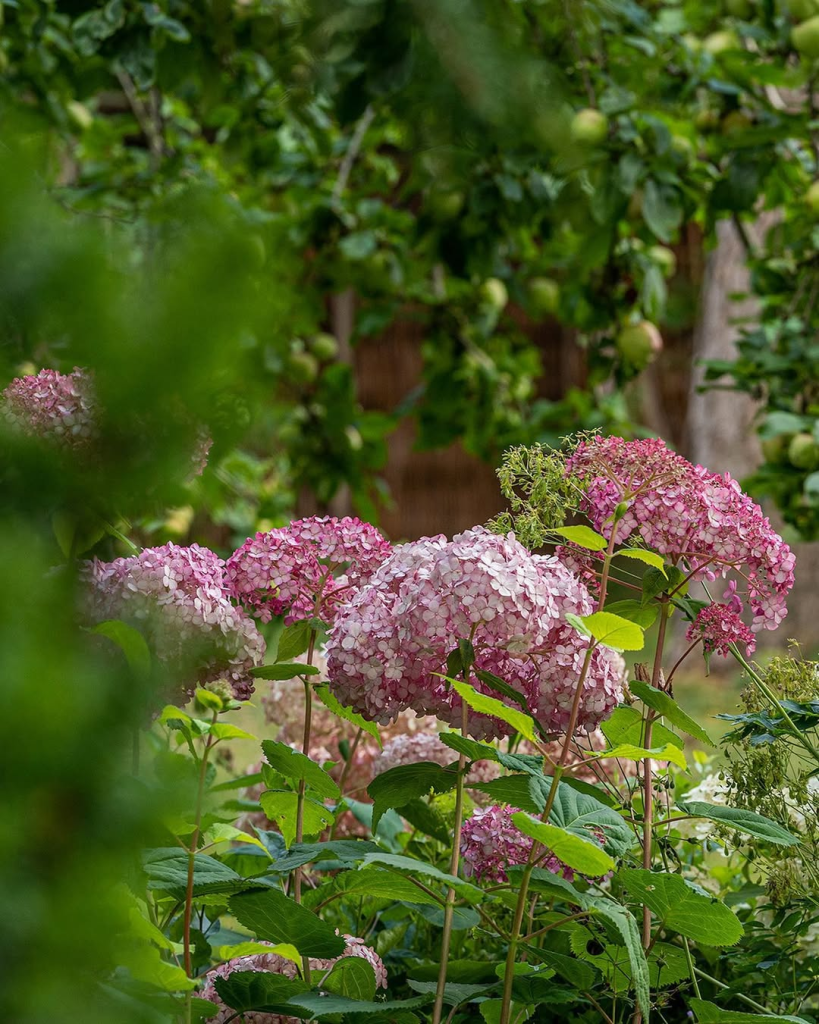
Dinner-plate white flower heads that look like floating orbs at dusk. Zones 3 to 9, happy in part shade, and reliably flowers on new wood so a hard spring prune never costs you the blooms.
14. Cosmos ‘Purity’
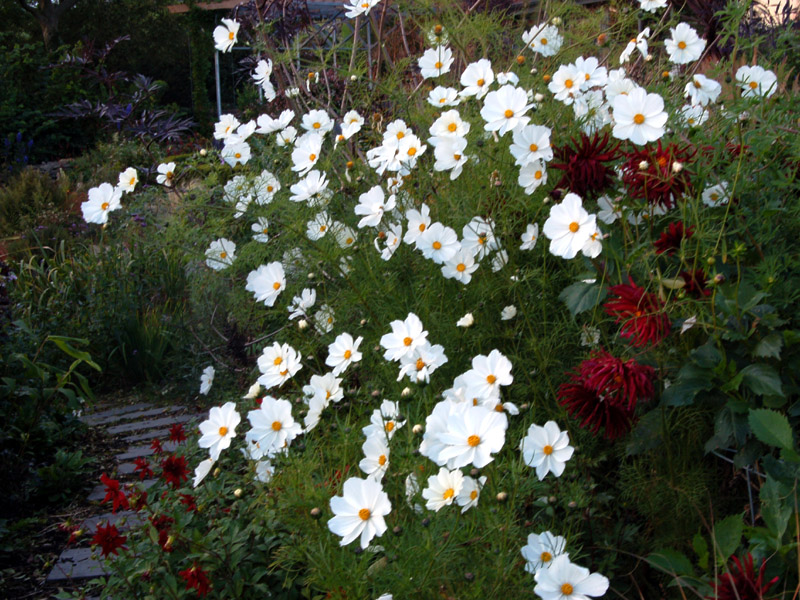
Three to four feet of pure white daisies on airy stems that catch the slightest breeze. Direct sow after frost, does better in poor soil than rich, and it will self-seed politely for next year.
15. Oriental Lily ‘Casa Blanca’
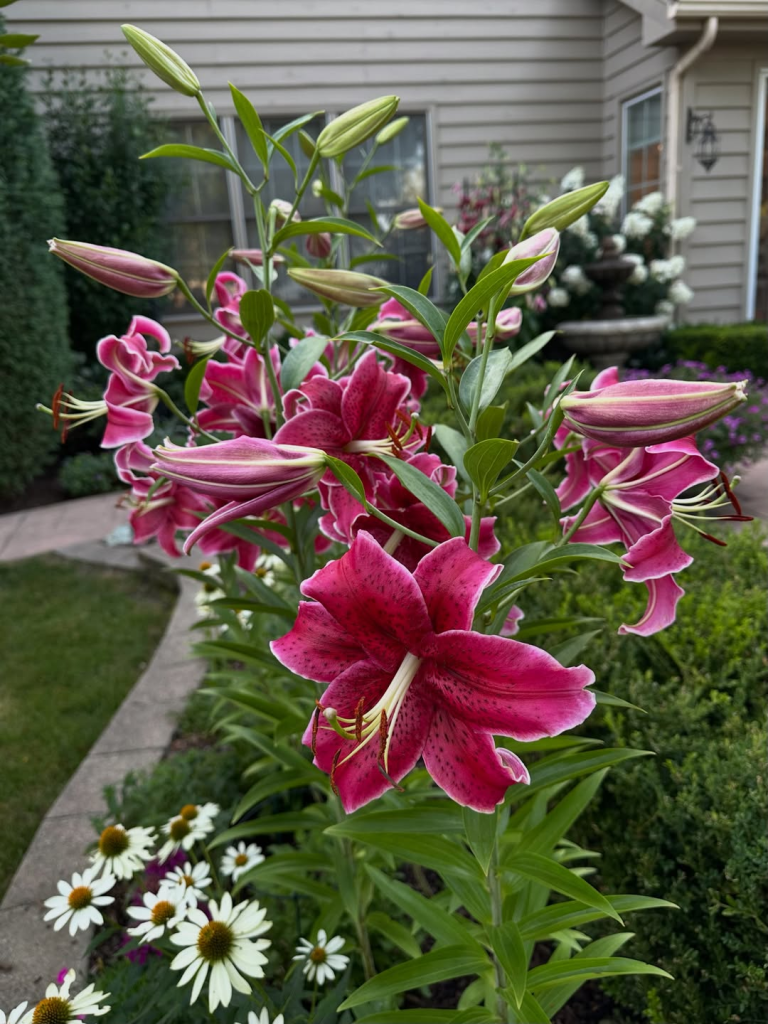
Huge pure white recurved flowers with a fragrance that gets noticeably stronger in the evening. Zones 4 to 9. Worth flagging that all true lilies are dangerously toxic to cats, so skip these if you have one.
16. Garden Phlox ‘David’
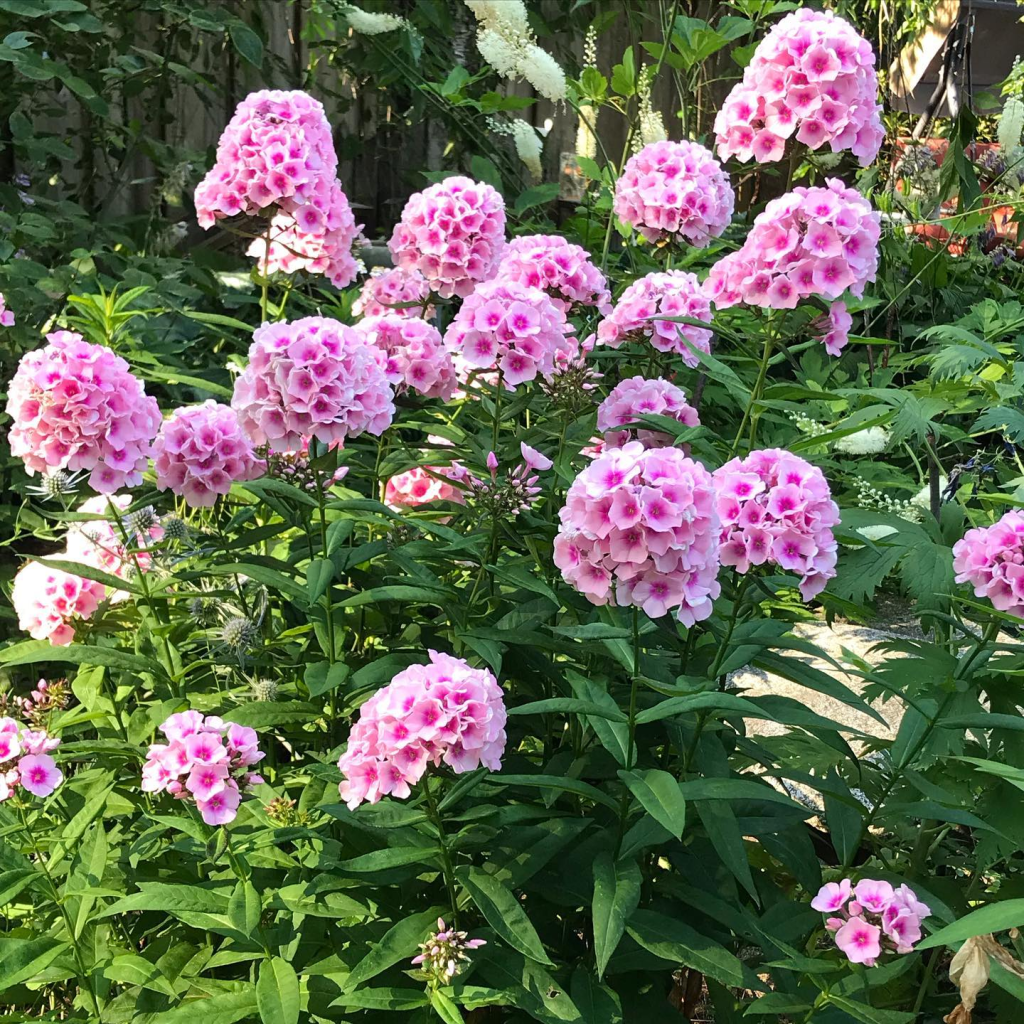
Pure white heads on three-foot stems from midsummer, with a sweet evening scent. The main reason to pick ‘David’ over other white phlox is its mildew resistance, which is genuinely much better. Zones 4 to 8.
17. Shasta Daisy ‘Becky’
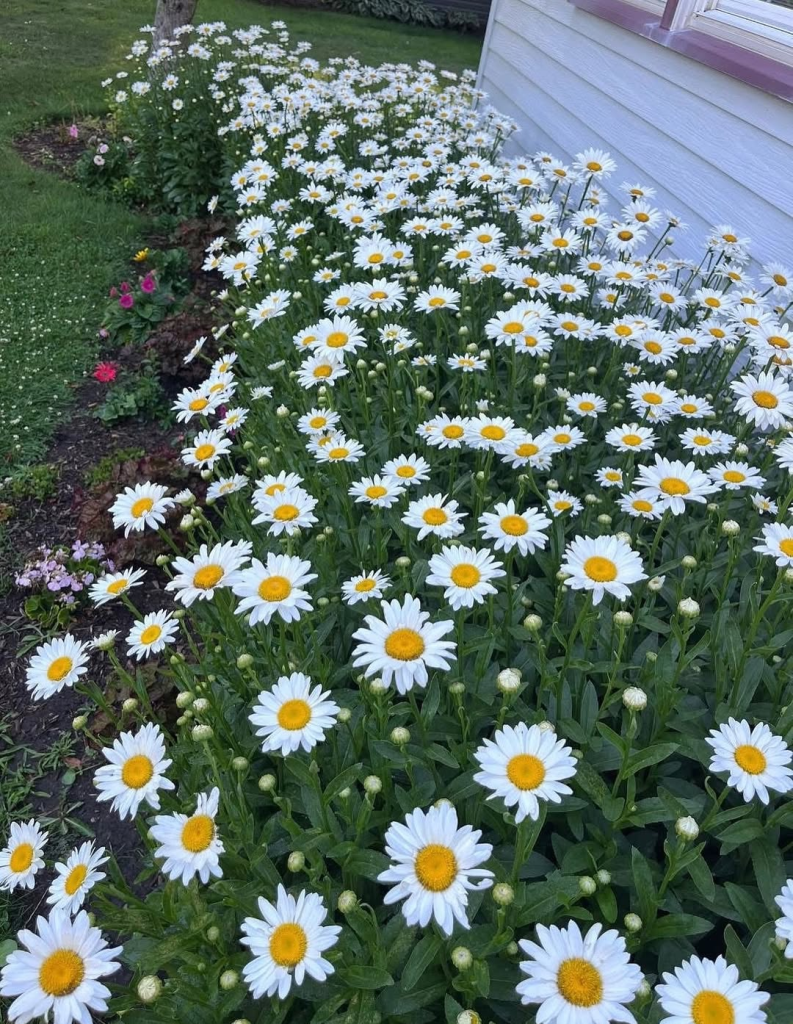
Unfussy, long-flowering, and the classic white daisy face reads perfectly in low light. ‘Becky’ holds itself up without staking, which older varieties often do not. Zones 5 to 9.
18. Coneflower ‘White Swan’
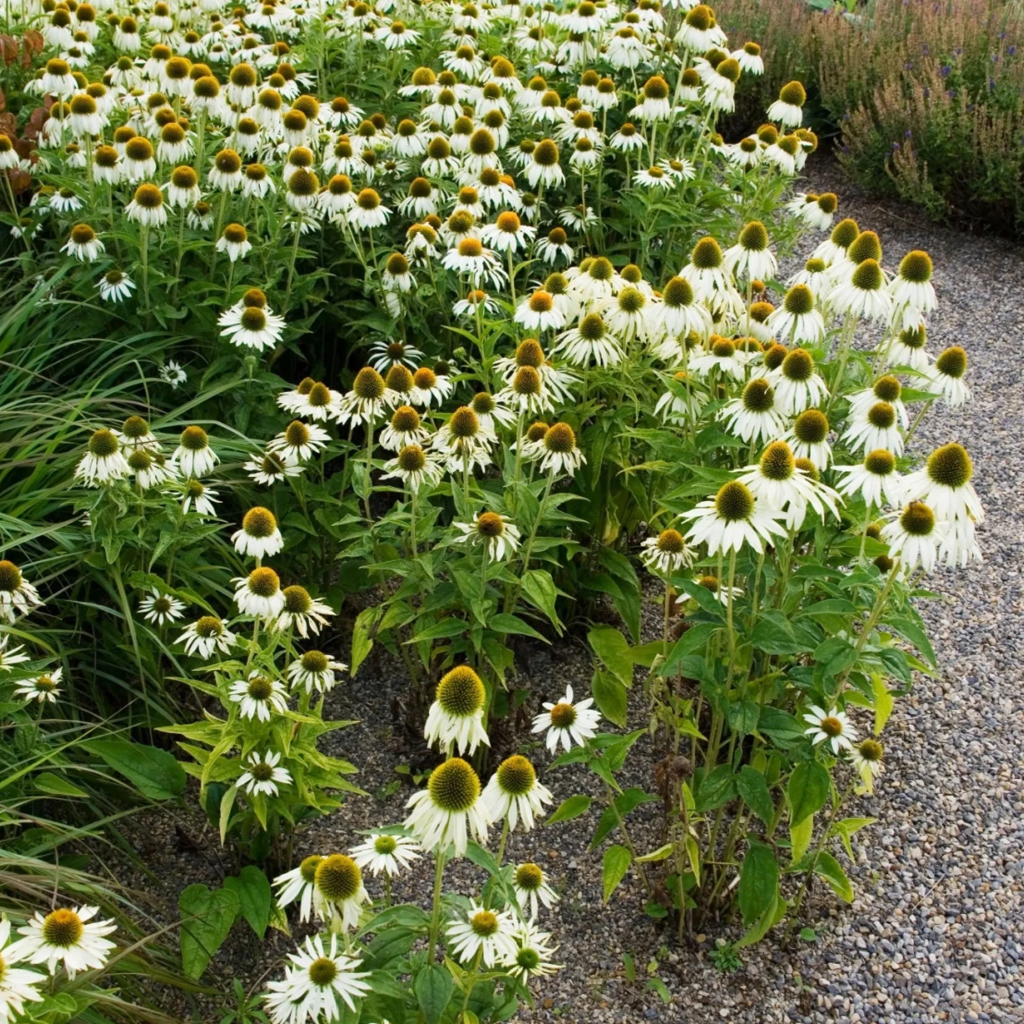
Creamy white petals around a coppery cone. Zones 3 to 9. Leave the seedheads standing over winter for the goldfinches and for the silhouette.
19. Gardenia
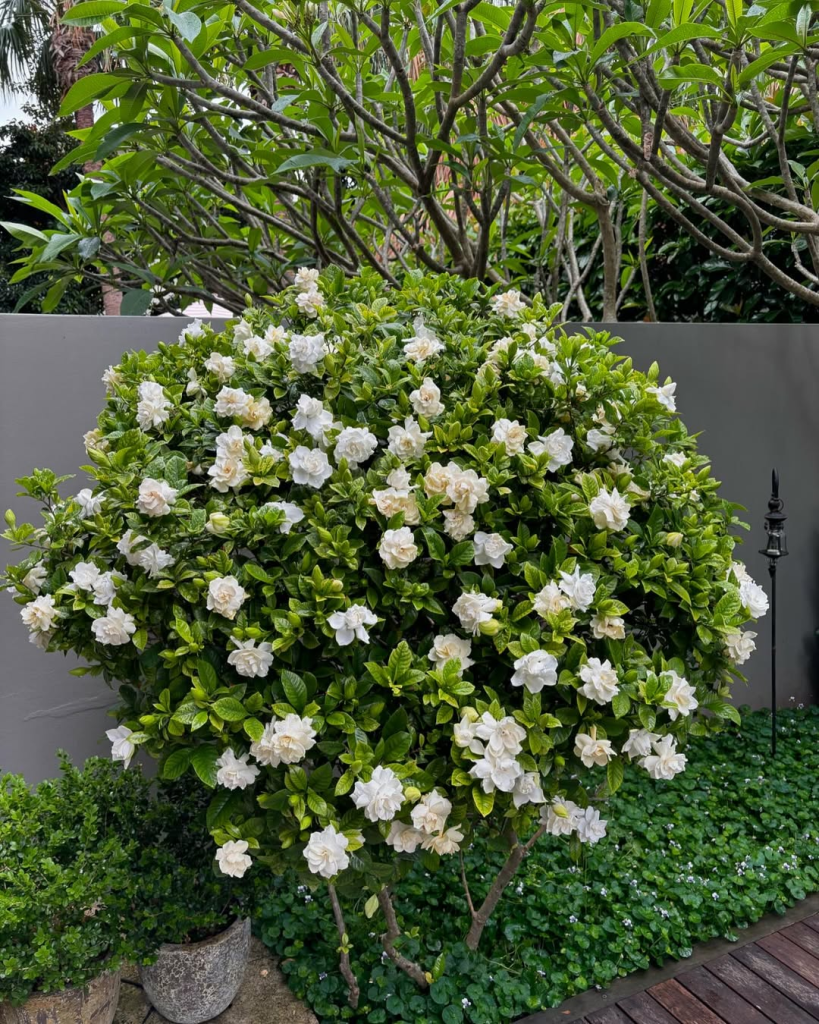
Thick waxy white flowers and one of the great garden fragrances, strongest in the evening. Zones 7 to 10, and ‘Frostproof’ is the one to look for at the colder end of that range. Needs acidic soil and will sulk visibly if it does not get it.
20. Mock Orange (Philadelphus)
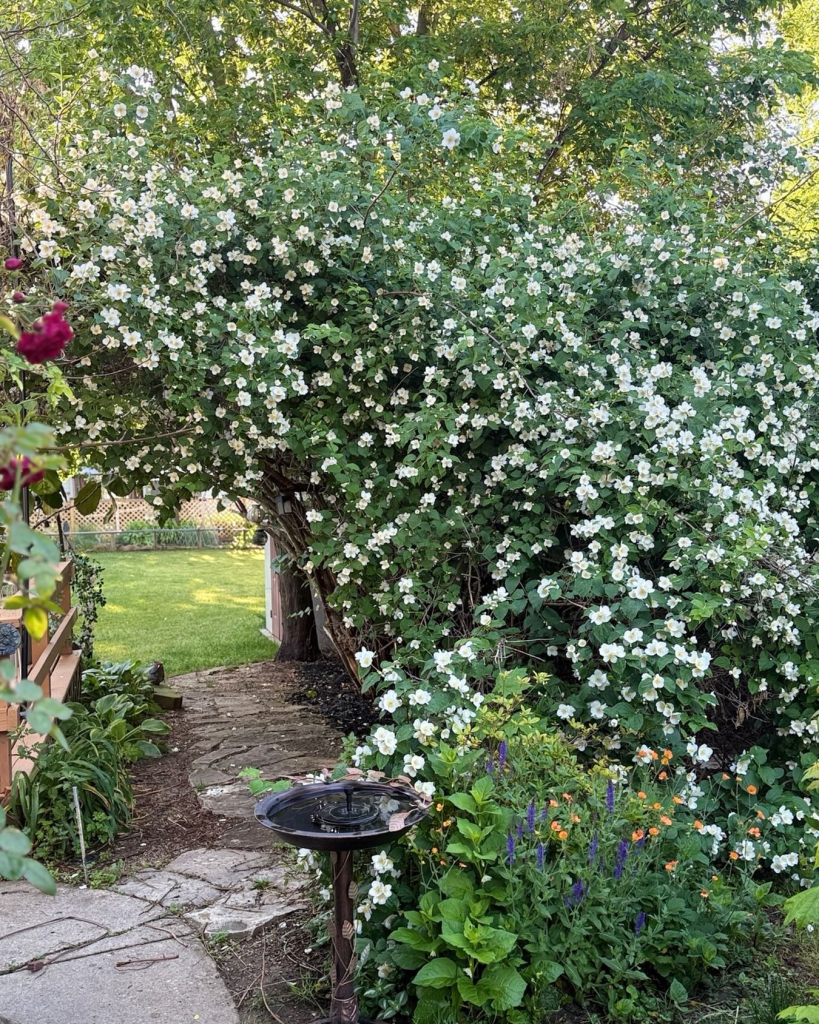
A late spring shrub covered in white flowers that smell like orange blossom. Zones 4 to 8. It is dull for the rest of the year, so plant it toward the back and let the summer stuff take over in front.
21. Summersweet (Clethra alnifolia ‘Hummingbird’)
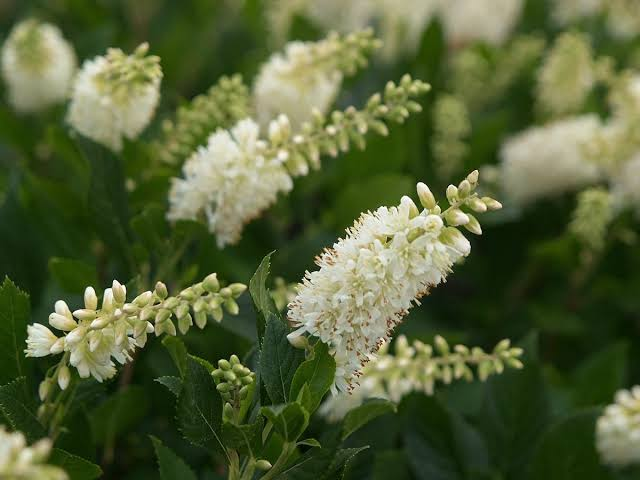
White bottlebrush spikes in mid to late summer with a spicy honey scent. Zones 3 to 9. The useful trick with this one is that it tolerates wet soil and shade, which covers the two spots most other fragrant shrubs refuse.
22. White Astilbe
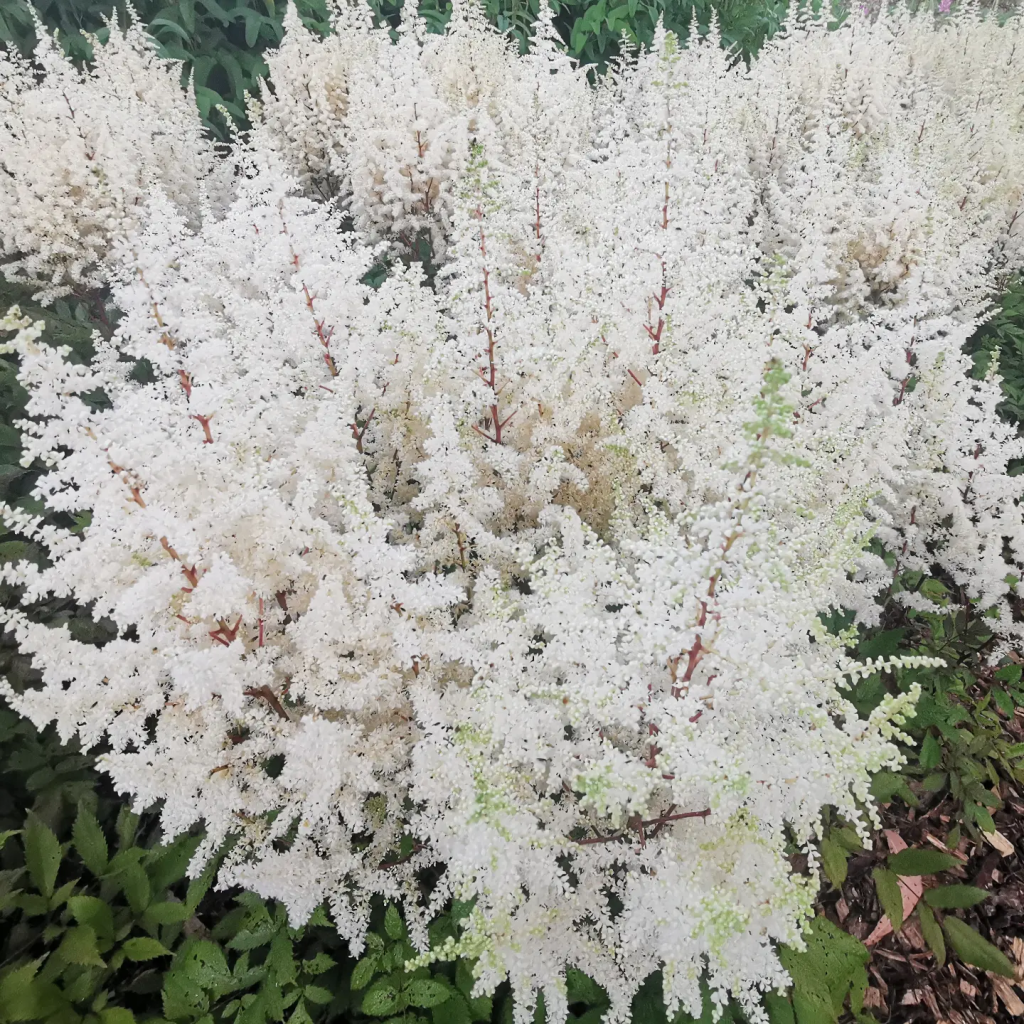
The shade answer. ‘Deutschland’ gives you feathery white plumes in early summer in spots that get almost no direct sun. Zones 4 to 8. It needs consistently moist soil and will crisp up fast if it dries out.
23. Sweet Autumn Clematis (Clematis terniflora)
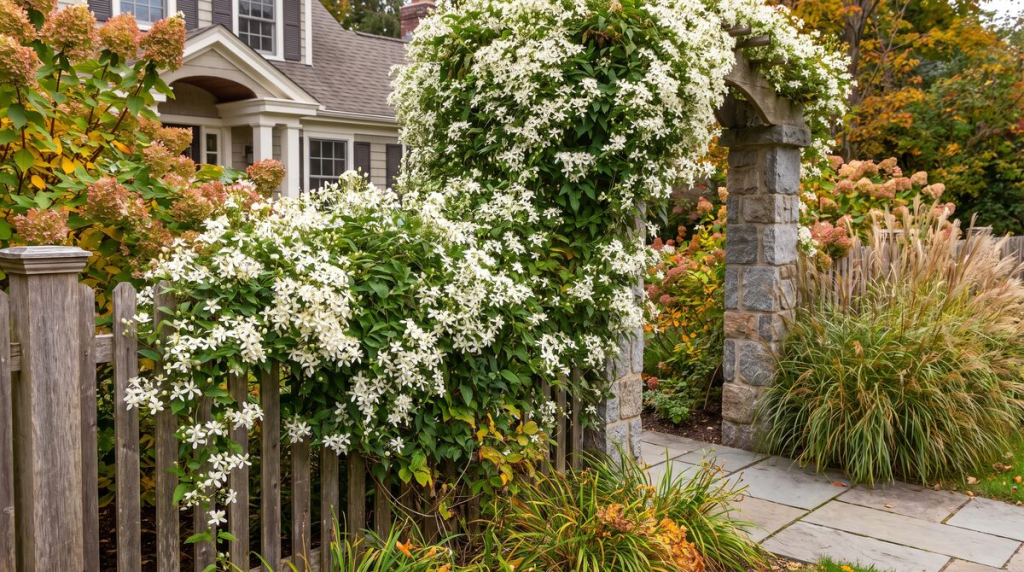
Clouds of small white flowers in late summer with a strong vanilla scent, and it is spectacular. It is also listed as invasive across much of the eastern and central US because it self-seeds into woodland and smothers native plants.
Check your state list before you buy. If it is a problem where you are, the native virgin’s bower (Clematis virginiana) gives you a similar late-season white cloud without the guilt, though it is still a vigorous grower that needs space.
Silver and White Foliage That Works All Season
If you only take one idea from this article, take this one. Flowers give you a few weeks each. Foliage gives you every night from May to frost.
Lamb’s ear is the best of them for path edges. Look for ‘Helene von Stein’, which has bigger leaves and does not produce the flower spikes that make the plain species look messy.
Artemisia ‘Powis Castle’ gives you a three-foot mound of finely cut silver that looks almost blue at night. Needs good drainage.
Dusty miller is treated as an annual in most of the country and is the cheapest way to add a lot of silver in one afternoon.
Silver sage (Salvia argentea) makes a rosette of enormous furry white leaves. It is a short-lived biennial, so let it seed around.
Variegated hosta like ‘Patriot’ or ‘Fire and Ice’ brings white into the shady parts where nothing else will glow.
A Simple Moon Garden Layout
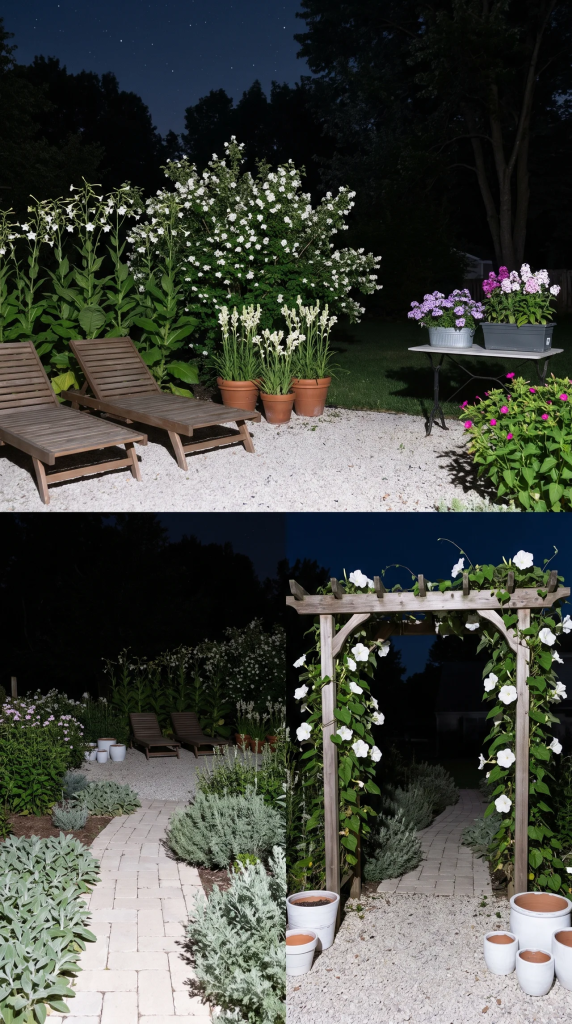
You do not need to redesign the yard. Work outward from wherever you already sit in the evening.
Behind the seating. Tall and fragrant. Nicotiana sylvestris, a mock orange or a summersweet, and the tuberose pots. Scent drifts, so upwind of the chairs is better than downwind.
Beside the seating. The plants worth leaning over. Night phlox and evening stock in containers on a table, four o’clocks in the bed.
Along the path. Low silver foliage the whole way. Lamb’s ear and artemisia, repeated. Repetition is what makes it read as a designed path rather than a collection of plants.
One vertical structure. An arch, an obelisk or a section of trellis for the moonflower vine, positioned so you walk under or past it on the way in and out.
One more thing that is not a plant. A pale gravel path, light-colored pavers, or even a few white-painted pots will do more for the after-dark effect than another five plants will. Pale hard surfaces bounce moonlight in a way that dark mulch and gray concrete simply do not.
Plants to Keep Away From Kids and Pets
Worth saying plainly rather than burying it.
Brugmansia and Datura are the two to take seriously. All parts of both plants are toxic, and the datura seed pods are exactly the kind of thing a curious child picks up. If you have young kids using the yard, either skip these two or grow them in raised containers well away from play areas.
Lilies are extremely toxic to cats. Even pollen brushed onto fur and then groomed off can cause kidney failure. If you have a cat, leave ‘Casa Blanca’ off the list entirely.
Moonflower and four o’clock seeds are both toxic if eaten. The plants are fine to have around, but collect and store the seed somewhere sensible rather than leaving pods on the plant to burst.
When to Plant
Start indoors, six to eight weeks before last frost: moonflower, nicotiana, night phlox, datura.
Direct sow after frost: evening stock, cosmos, four o’clocks. Evening stock can go in earlier, since it prefers cooler soil.
Plant in late spring once soil is warm: tuberose bulbs.
Plant in fall: this is the ideal window for the perennials and shrubs. Hydrangea, phlox, shasta daisy, coneflower, summersweet, mock orange, astilbe and yucca all establish better planted in fall than in spring, because the roots get going while the soil is still warm and there is no top growth to support. Fall is also when nurseries discount their shrubs, which is not nothing.
Frequently Asked Questions
Do moon gardens attract moths and pollinators?
Yes, and that is largely the point. Night-scented white flowers evolved specifically to attract night-flying moths. Expect hawk moths, which hover like small hummingbirds at moonflowers and nicotiana. Bats often follow the moths in.
Will these plants grow in shade?
Some will. Astilbe, variegated hosta, summersweet and ‘Annabelle’ hydrangea all handle part or full shade. Most of the true night-bloomers want full sun, because they need the heat to build up the sugars that fuel the evening flower opening.
What is the easiest moon garden plant for a beginner?
Evening scented stock. Cheap seed, direct sown, no equipment, and enormous scent payback for almost zero effort. Moonflower is a close second as long as you remember to nick and soak the seeds first.
Can you make a moon garden on a balcony or patio?
Easily, and containers actually suit it. Moonflower will climb a balcony rail, and night phlox, evening stock, tuberose and nicotiana are all happy in pots. Concentrated scent in a small enclosed space is arguably better than in a big open yard.
One Last Thought
Do not try to plant all twenty-three of these. A moon garden built from three plants and a chair works far better than one built from a shopping list.
If I were starting from nothing tomorrow, I would put a moonflower on the fence next to where I sit, a row of evening stock along the path, and a pot of lamb’s ear where the light hits it. Total cost, under twenty dollars. Then I would go out at nine o’clock on a warm night and see what turns up. 🌿
Happy planting.