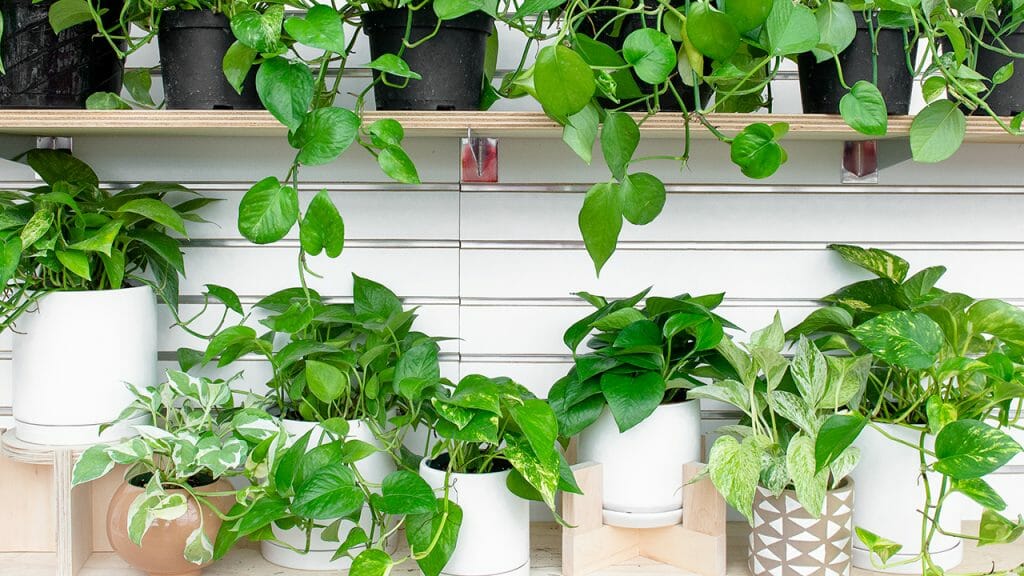

Your houseplants have a rough time in winter. ❄️
The light fades, the heating kicks in, and the cozy room that feels lovely to you is actually a bit of a desert for them.
The good news? They will tell you exactly what is wrong, if you know how to read the signs.
A crispy leaf tip, a yellowing lower leaf, a stem stretching toward the window. Each one is a little message.
Here are the six most common winter cries for help, what each one really means, and the simple fix. 🪴
First, the big winter shift.
Most winter plant trouble comes down to three things changing at once: less light, drier air from the heating, and colder drafts near windows and doors.
On top of that, your plants are mostly resting now, growing slowly or not at all, so they need far less water and no feeding.
Keep those few things in mind and nearly every problem below starts to make sense.
1. Brown, crispy tips
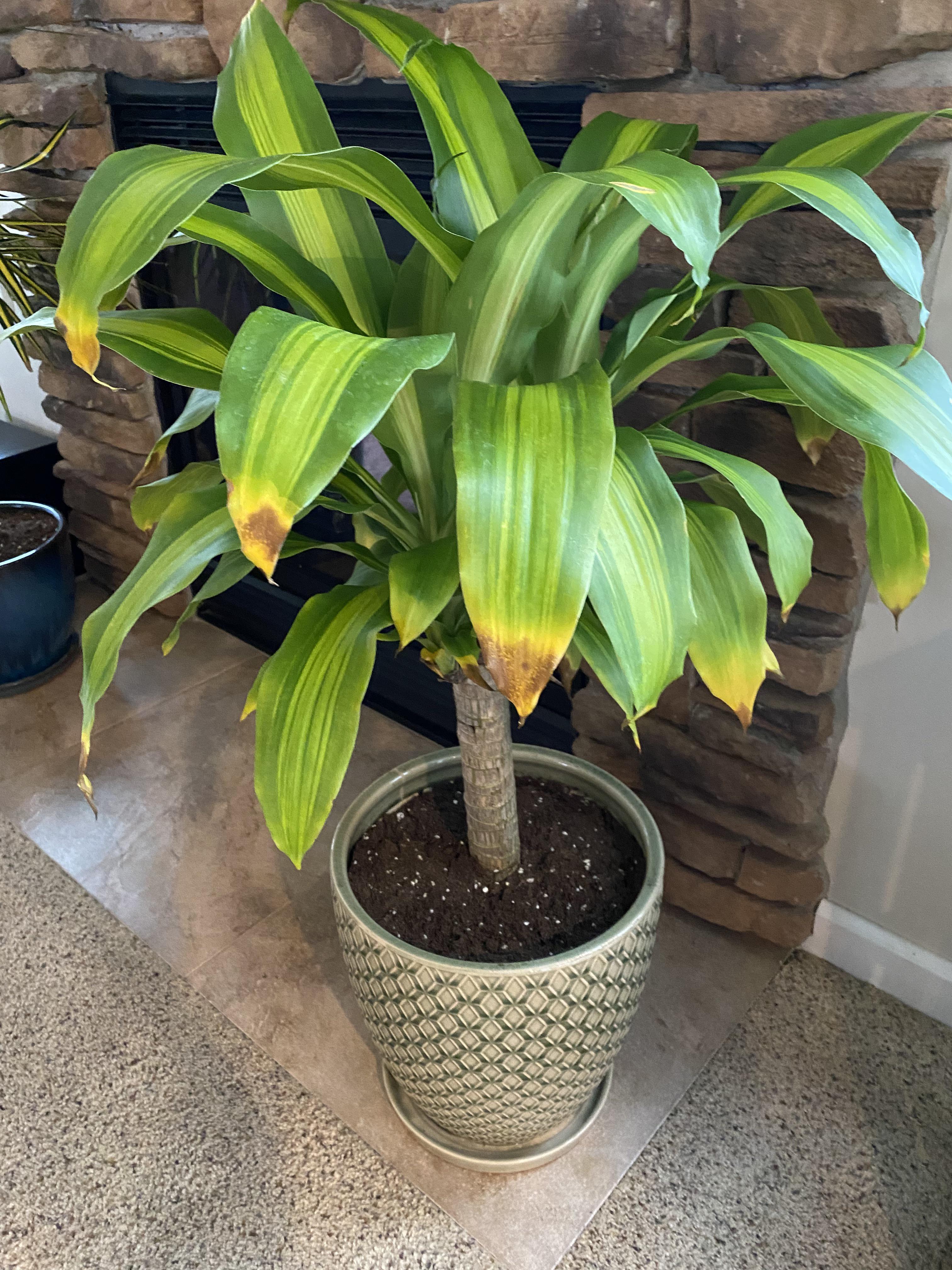
Those dry, papery brown tips are the classic winter complaint.
The culprit is almost always your heating. It dries the air right out, and many houseplants are tropical, used to far more humidity than a warm living room offers.
The easiest fix is to huddle your plants together, since they release moisture and create their own little humid pocket. A pebble tray with water underneath helps too.
For a real cure, a small humidifier nearby works wonders. And keep plants away from radiators, which are the worst offenders of all.
2. Yellow lower leaves
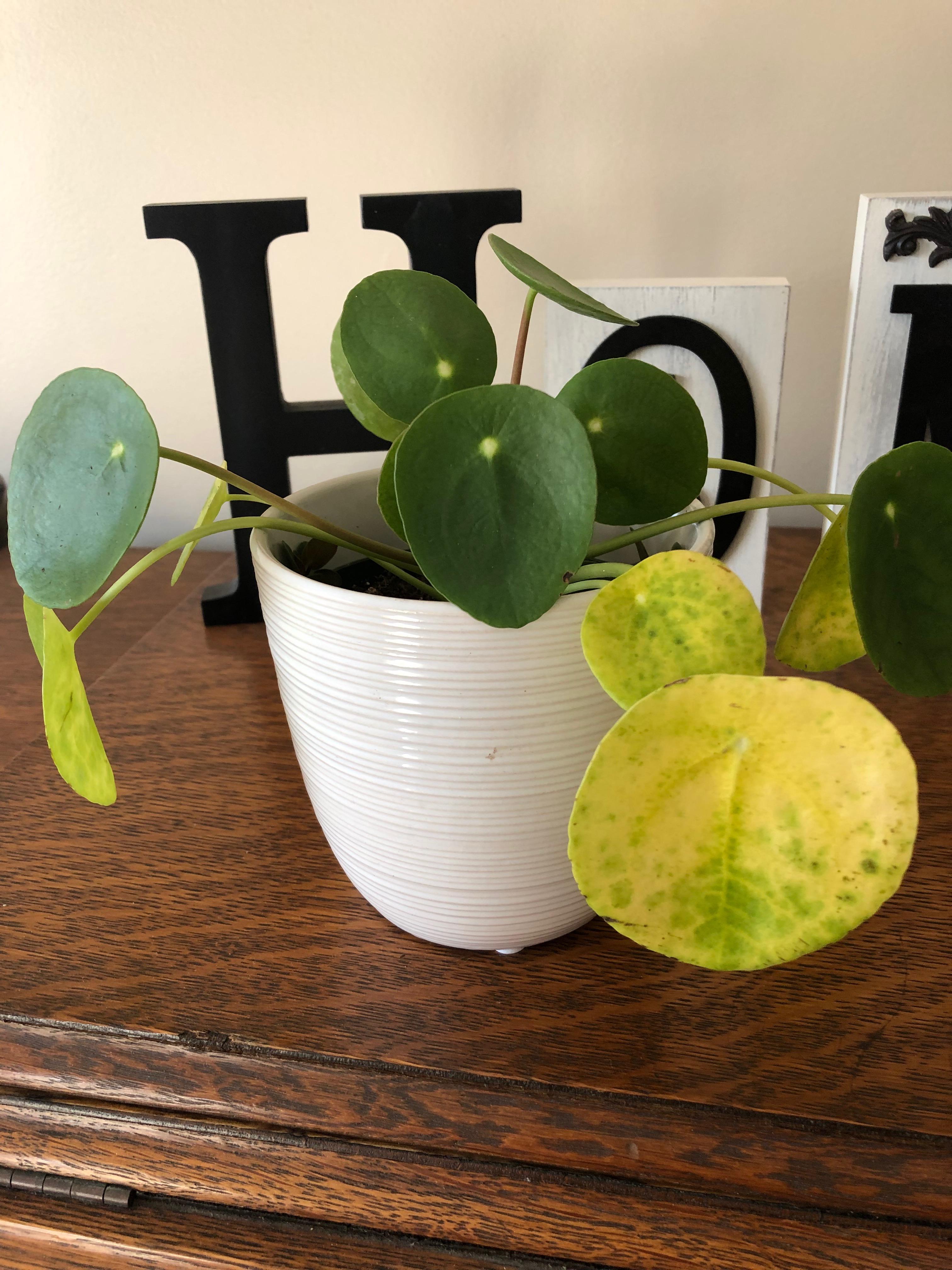
This is the number one winter killer, and it catches almost everyone out.
When the lower leaves turn soft and yellow, your plant is usually telling you it is getting too much water. In winter it is barely growing, so it drinks far less, and the soil stays wet much longer.
Sit in soggy soil and the roots start to rot, which shows up as those yellowing leaves.
The fix is simple: water less often. Poke a finger an inch into the soil, and if it feels damp at all, wait. Most plants want far less water now than they did in summer.
3. Sudden leaf drop
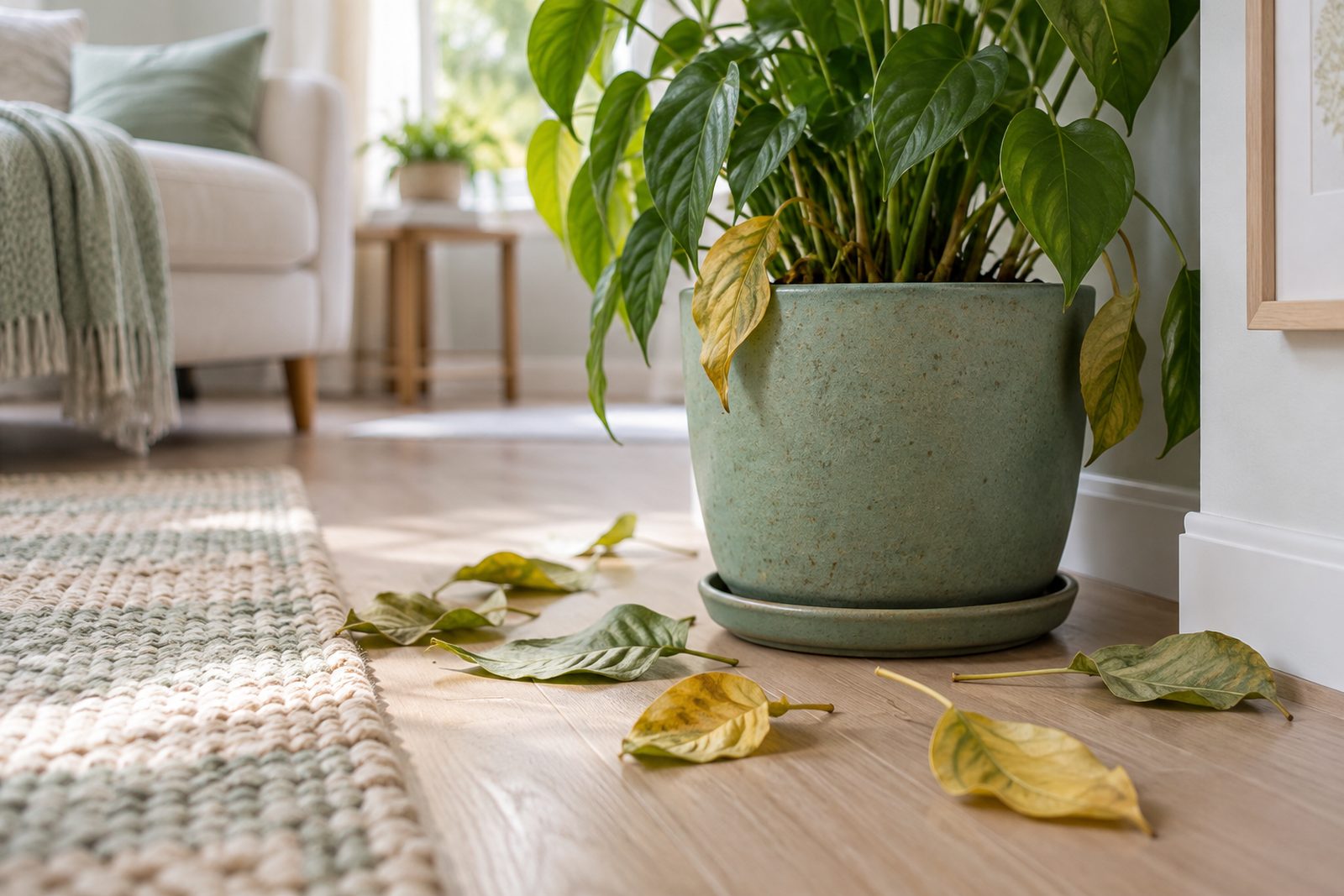
If your plant suddenly sheds a pile of leaves, it has probably had a shock.
Plants hate sudden change, and in winter the usual triggers are a cold draft from a door or window, a blast of hot dry air from a heating vent, or simply being moved to a new spot.
Fiddle leaf figs are especially dramatic about this.
Move it somewhere stable, away from drafts, vents and doorways, then leave it be. Resist the urge to keep shifting it around. Once it settles, it will usually recover.
4. Stretching to the light
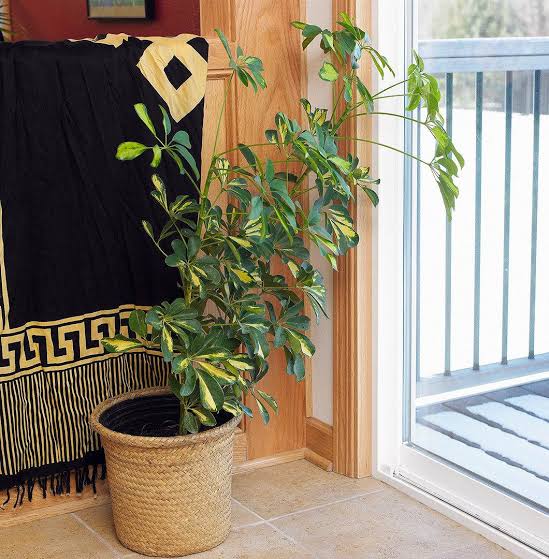
When a plant leans hard toward the window or grows tall and leggy with big gaps between leaves, it is reaching for light it cannot get enough of.
Winter sun is weak and low, and the days are short, so plants stretch out searching for more. Succulents are quick to do it.
Give it a quarter turn every week so it grows evenly instead of lopsided.
If your home is genuinely dim, a small grow light makes a huge difference through the darkest months, and they are cheap and easy to find now.
5. Pale, small new leaves
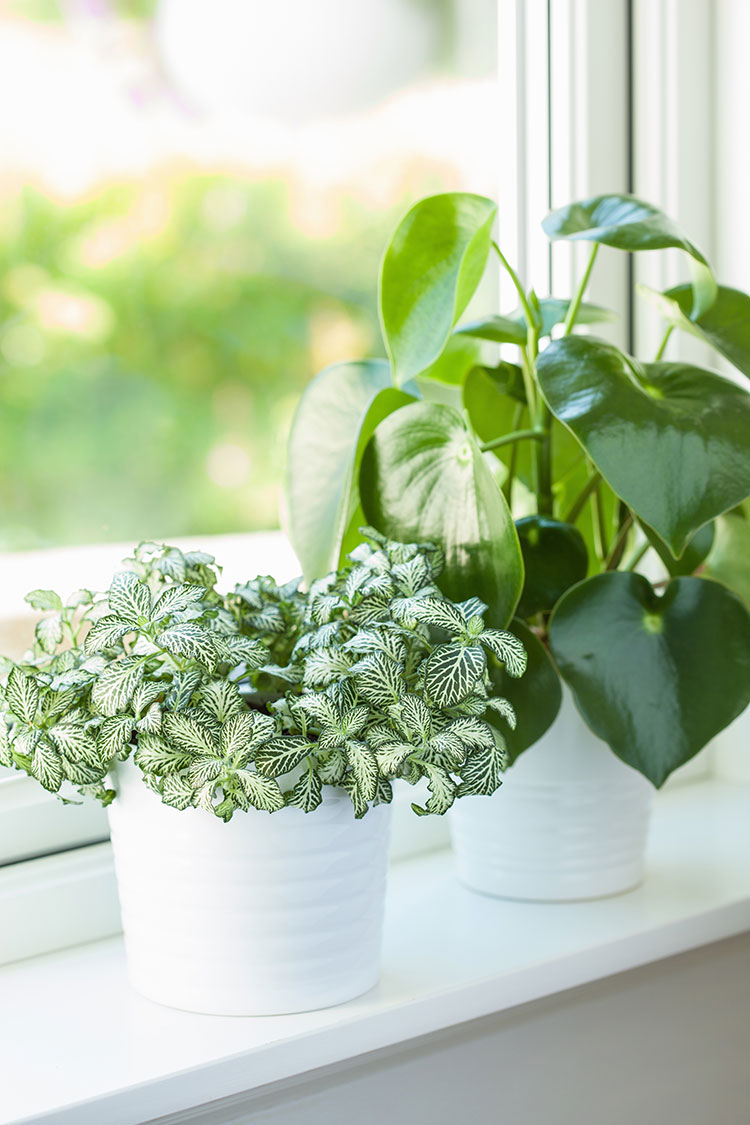
New leaves coming in small, pale and a bit feeble are a clear sign your plant is light starved.
With enough light, fresh growth comes in full-sized and richly green. Without it, the plant simply cannot fuel proper leaves, so you get these weak, washed-out ones instead.
It is close to the stretching problem, just showing up in the new growth.
Move it to the brightest window you have, which is usually a south-facing one in winter, and the next leaves should come in stronger. Give the leaves a gentle dust too, since grime blocks what little light there is.
6. Dark spots by the glass
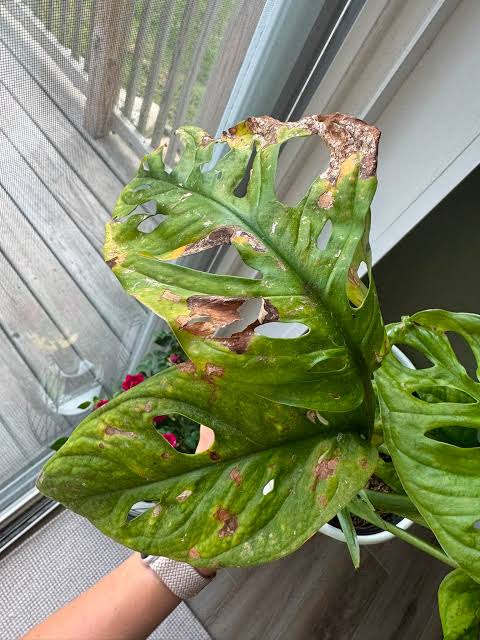
Dark, mushy spots on the leaves nearest the window are a telltale sign of cold damage.
A sunny windowsill looks like the perfect plant spot, but on a freezing night the glass gets bitterly cold. Any leaf touching or resting against it can essentially get frostbitten, leaving those dark patches behind.
The fix takes two seconds. Just pull the plant back a few inches from the glass, especially overnight.
On the very coldest nights, drawing the curtain between the plant and the window traps a little warmth and protects it further.
Spot the signs and you are halfway there. These few habits stop most of them happening in the first place.
Ease off the watering can
This is the big one. Your plants are resting, so they drink far less.
Always check the soil before you water, and when in doubt, wait a few more days. In winter, far more houseplants die from too much water than too little.
Chase the light
Light is the thing in shortest supply now, so make the most of it.
Move your plants to the brightest windows for the season, keep the glass and the leaves clean, and rotate pots regularly so every side gets a turn. A grow light is a small, cheap fix for a dark home.
Mind the air
Heated winter air is dry, so group plants together, use pebble trays, or run a humidifier for the thirsty tropical ones.
At the same time, keep plants clear of the two extremes: cold drafts from doors and windows, and hot blasts from radiators and heating vents.
Put the feed away
Since your plants are not really growing, they do not need feeding.
Stop fertilizing through the winter and pick it back up in spring when you see fresh growth appear. Feeding a resting plant just leaves salts to build up in the soil.
Your winter plant questions, answered
How often should I water in winter?
There is no set schedule, and that is the point. Check the soil instead. For most plants, wait until it is dry about an inch down, which in winter is often half as often as summer, or even less.
Should I repot my plants in winter?
Better to wait. Winter is a resting season, so repotting now adds stress when the plant cannot easily recover. Hold off until spring unless the roots are truly bursting out of the pot.
Why is my plant dropping leaves right after I moved it?
That is shock, and it is normal. Plants dislike sudden change in light, temperature or spot. Settle it somewhere stable and stop moving it, and it should steady itself within a couple of weeks.
Do I really need a humidifier?
Not always. Grouping plants and using pebble trays helps a lot for free. But if you run your heating hard and grow thirsty tropicals like calatheas or ferns, a small humidifier is the single best upgrade you can make.
Give your plants a once-over tonight
Your houseplants are not being dramatic. They are just talking, and now you can understand them.
Take a slow look around your windowsills this evening and see which of the six signs you can spot.
A few small tweaks and they will coast through to spring, ready to burst back into growth. Cozy plants, happy winter. 🪴