
Mulch seems straightforward, right? Spread it around your plants, job done. 🌱
But here’s the thing – not all mulch works for all plants. That bag of bark chips you grabbed from the garden centre? Great for some things, potentially harmful for others. The wrong mulch can mess with your soil pH, hold too much moisture against stems, or bring in weed seeds you’ll be dealing with for years.
The right mulch, though, is brilliant. It suppresses weeds, keeps soil moist in summer, protects roots in winter, and slowly feeds your plants as it breaks down. It just needs to match what you’re growing.
Tomatoes, blueberries, strawberries, roses – they all have different preferences. Get the pairing right and your plants will thank you. Get it wrong and you’re creating problems you didn’t need. 🍅
Here’s how to match your mulch to what you’re actually growing.
Tomatoes: Skip the Grass Clippings, Reach for Straw
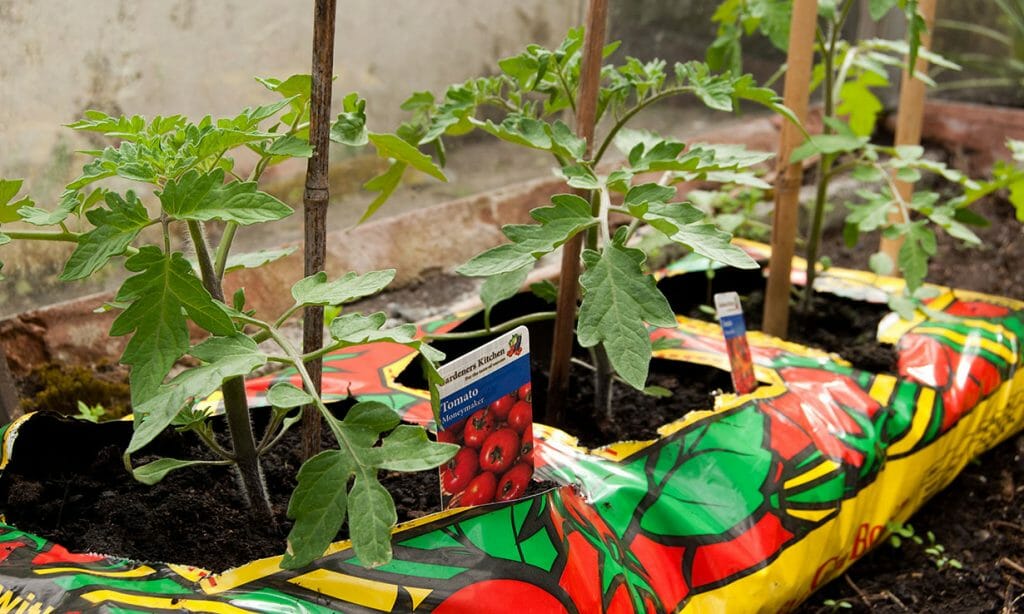
Fresh grass clippings feel like a free, eco-friendly choice. They’re not. Piled around tomato plants, they mat down into a slimy layer that suffocates the soil underneath instead of protecting it. If your lawn has ever been treated with herbicide, those chemicals can carry straight into your vegetable bed.
Straw is the better call. It’s lightweight, so it won’t compact the soil, and it creates a barrier between the soil and your lower leaves. That barrier matters more than people realize.
Soil-borne fungal spores splash up onto tomato foliage during rain or watering, and that’s how blight gets started. A straw layer stops the splash before it happens. By next season, it’s broken down into the soil, adding organic matter on its way out.
Blueberries: Don’t Fight Your Own Soil Chemistry
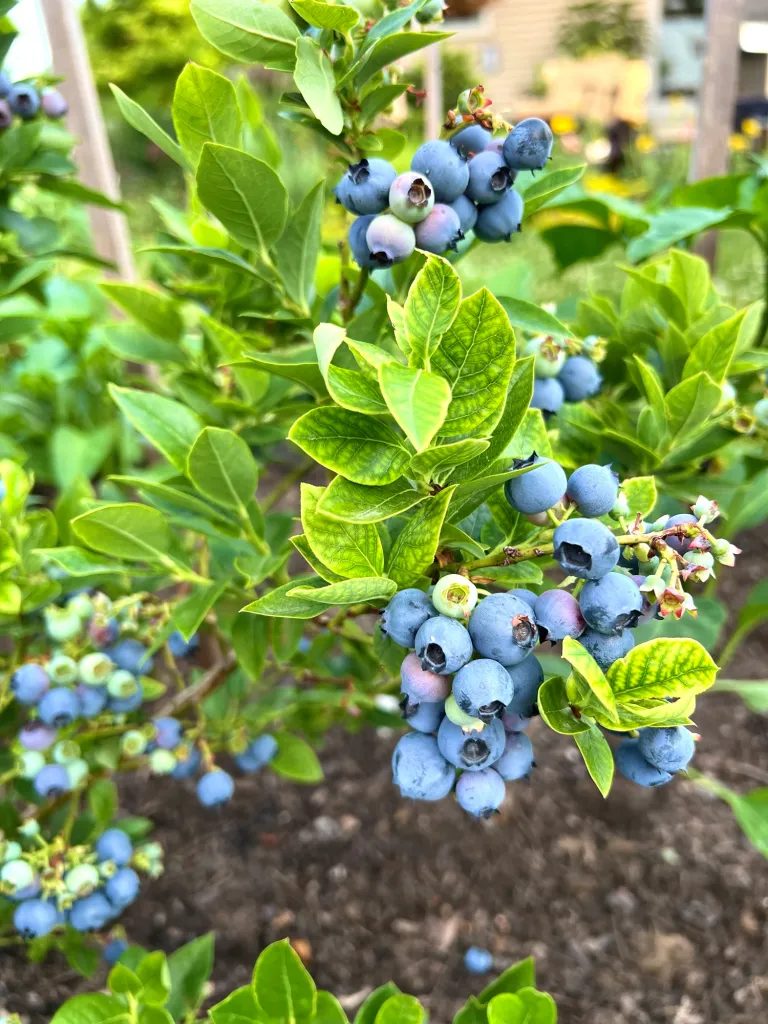
Blueberries are one of the few plants where mulch choice is really about chemistry, not just moisture control. They need acidic soil, somewhere in the pH 4.5 to 5.5 range, to take up nutrients properly. Hardwood mulch, over time, breaks down in a way that pushes soil pH upward, working directly against what your blueberry bushes need.
Pine needles solve this. As they decompose, they help maintain that acidic environment rather than fighting it. They also last two to three seasons before needing a top-up, which is longer than most mulches. If you’ve got pine trees nearby, this is essentially a free resource sitting in your yard.
Strawberries: Plastic Sheeting Looks Tidy But Causes Problems
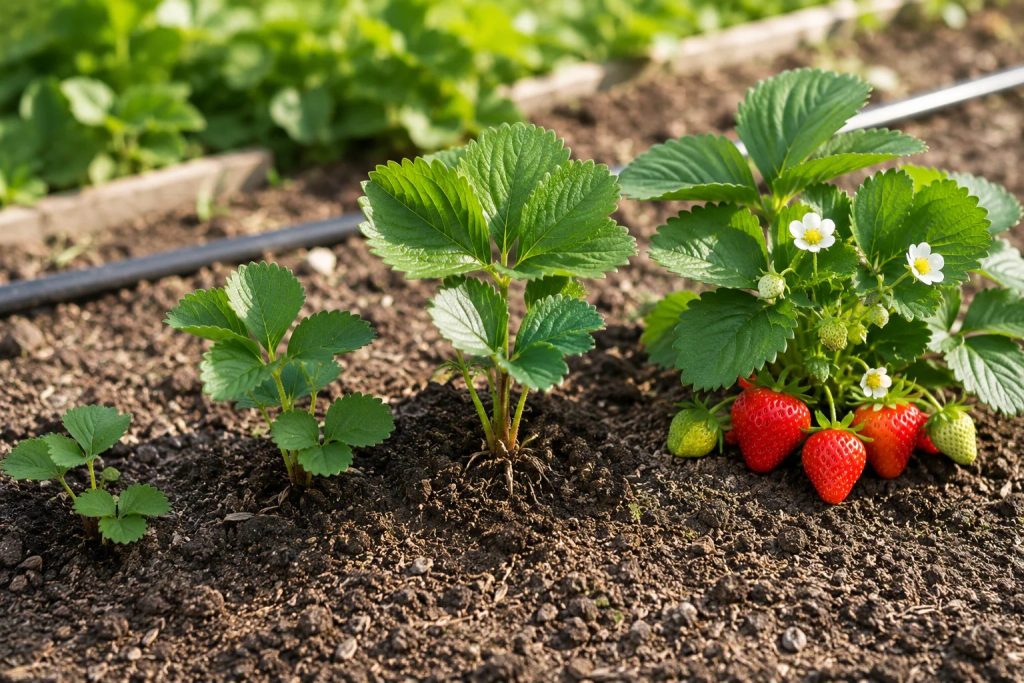
Plastic sheeting shows up in a lot of “efficient” garden setups, and I understand the appeal. It looks neat and it blocks weeds completely. But for strawberries, it’s a poor trade. Plastic traps moisture against the fruit and crown, which encourages rot. It adds nothing to the soil. And once it’s down, pulling it back up is a hassle.
Straw is the traditional choice here for a reason beyond just tradition. It keeps developing berries up off damp soil, which keeps the fruit clean and dry and prevents rot from soil contact. It’s also why the fruit is called a “strawberry” in the first place, at least by one popular explanation. Whether or not that origin story is accurate, the practice holds up.
Peppers: Let Fallen Leaves Do the Work
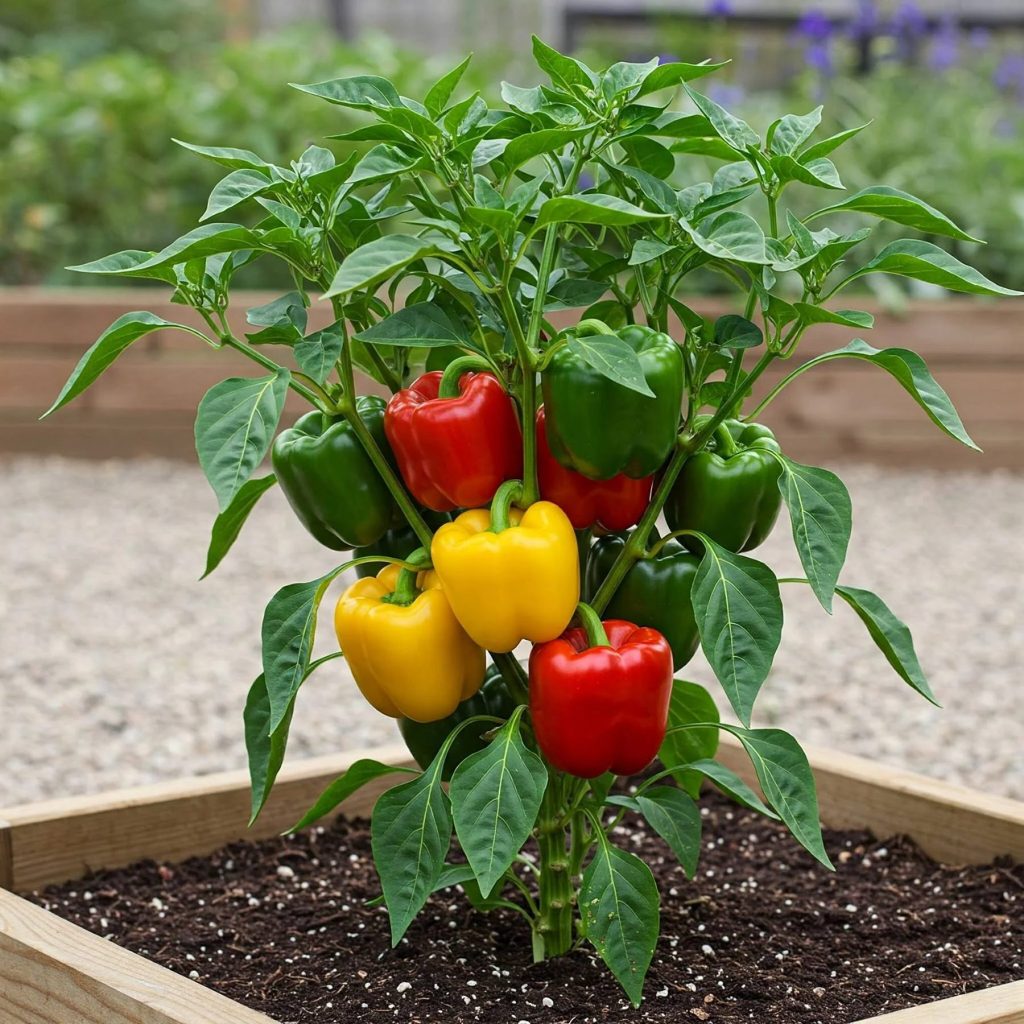
Hay is one of the most commonly misused mulches in home gardens. People confuse it with straw, but hay is dried grass, seed heads and all. Spread it around your pepper plants and you’re not preventing weeds, you’re planting an entirely new crop of them. You’ll spend more time pulling weeds out of hay mulch than you would have without any mulch at all.
Shredded leaves are a much better match. They’re free every autumn, and as they break down they release nutrients back into the soil, feeding your peppers over the course of the season. The one step you can’t skip is shredding them first. Whole leaves mat together into a wet, airless layer, similar to the grass clippings problem with tomatoes. Run them through a mower or leaf shredder before spreading, and you avoid that entirely.
Fruit Trees: Wood Chips for the Long Haul
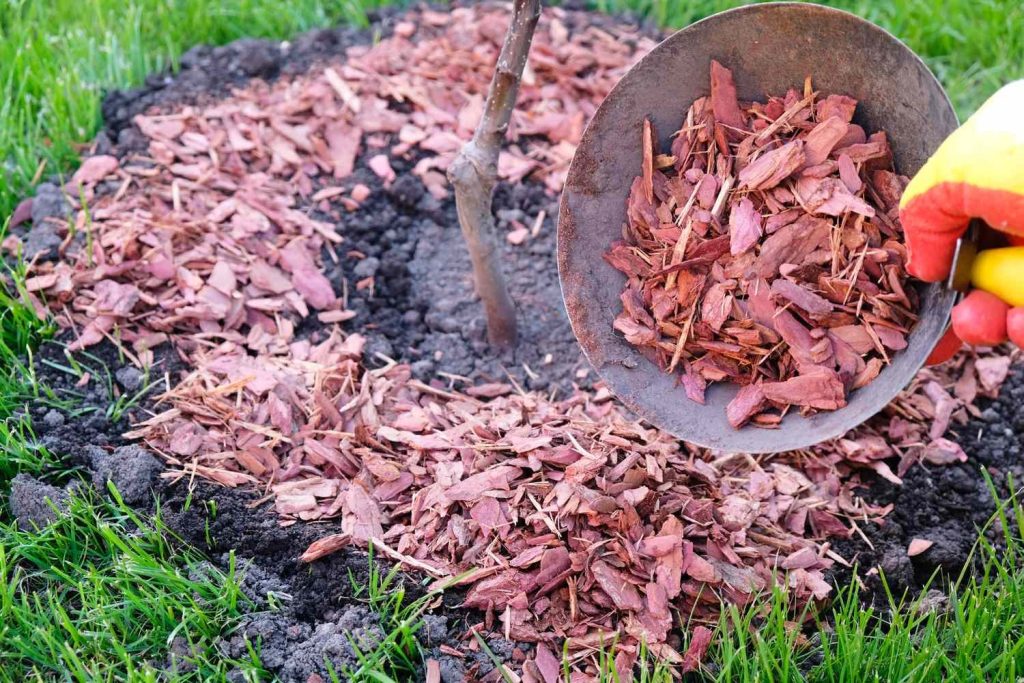
Rock or gravel gets used around fruit trees and other permanent plantings more often than it should. It looks low-maintenance, but it offers zero nutrients, heats up the surrounding soil in direct sun, and once it’s down, it’s nearly impossible to remove if you change your mind later. Save gravel for pathways, not planting beds.
Wood chips are the right choice for anything permanent. Because fruit trees stay in place for years, they benefit from a mulch that lasts just as long. Wood chips can hold up for two to four years before breaking down completely, which makes them ideal for permanent plantings where you don’t want to redo the mulch every season. Many local tree services will drop off arborist chips for free just to avoid dumping fees, so it’s worth a phone call before you buy anything.
Straw vs. Hay: The Mix-Up That Costs You a Season
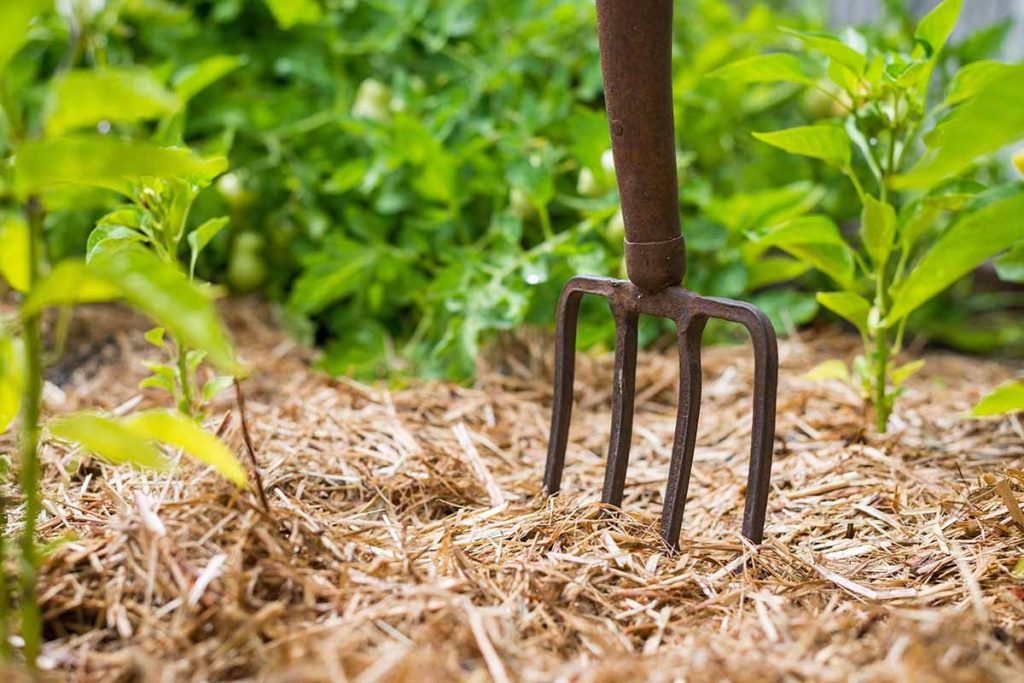
This is worth repeating on its own, because it’s the single most common mulch mistake I see. Straw and hay are not interchangeable, even though they look similar in a pile.
Straw is the dried, hollow stalk left over after grain crops like wheat or oats are harvested. The seed heads are gone, so it carries very few seeds of its own. Hay is dried grass, cut and baled while the seed heads are still attached. Every one of those seed heads is a weed waiting to sprout in your garden bed.
When you’re buying mulch for vegetables, always ask for straw specifically. If a bale looks greener and leafier rather than golden and hollow-stemmed, you’re probably looking at hay.
Three Rules That Apply No Matter What Mulch You Choose
Once you’ve picked the right material for your plants, three simple rules keep it working in your favor.
- Keep mulch 2 to 3 inches back from stems and trunks. Piling mulch right up against a stem traps moisture against the plant tissue, which invites rot, and it creates a sheltered spot for pests to hide and chew.
- Apply it 3 to 4 inches deep. Any thinner and it won’t suppress weeds effectively. Any thicker and you risk smothering the roots below, cutting off the air and water exchange they need.
- Refresh it annually. Organic mulches break down over a season or more, which is exactly what you want since that decomposition feeds your soil. But it also means you’ll need to top it up each year to keep getting the benefits.
The Bottom Line
Mulch isn’t a one-size-fits-all product, and treating it that way undoes a lot of the good it’s supposed to do. Match the mulch to the plant, keep straw and hay straight in your head, and follow the depth and spacing rules, and you’ll spend a lot less time fighting weeds and a lot more time enjoying what you’re growing.