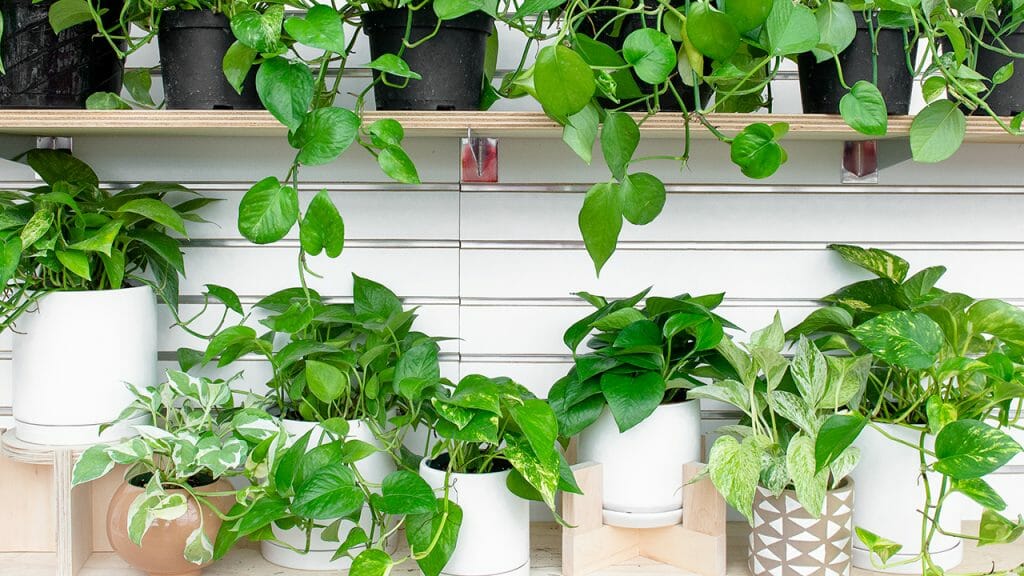
Mold loves damp, still air. Bathrooms, kitchens, bedrooms with the window shut all night – if your home gets muggy, spores have somewhere to settle and grow. 😩
The good news? A few houseplants can actually help. Some trap mould spores on their leaves before they land on your walls. Others pull a bit of moisture out of the air. And they all make a room feel fresher while they’re at it.
One honest bit before we get into the list, though. Plants are a helper, not a fix. If you’ve already got mould on the walls, no plant is going to clear it – you need to sort out the damp first. We’ll cover that at the end. But if you’re looking to keep things healthier and fresher going forward, these are the plants worth having on your side. 🌿
Quick note on pets. Several plants on this list are toxic to cats and dogs if they chew them. We have flagged the pet-safe ones so you can pick with confidence.
1. English Ivy

English ivy is the plant everyone mentions when mold comes up. That is down to one small study where ivy cut airborne mold in a sealed container by about 78 percent over 12 hours.
Worth knowing that a sealed box is not your bathroom. Real rooms have doors opening and air moving, so you will not get numbers like that at home. Still, ivy has a lot of leaf surface for spores to stick to, and it copes well with the damp, shady spots where mold likes to start. Hang a pot in the bathroom and let it trail.
Light: Bright, indirect. Pet safe: No, toxic to cats and dogs.
2. Peace Lily
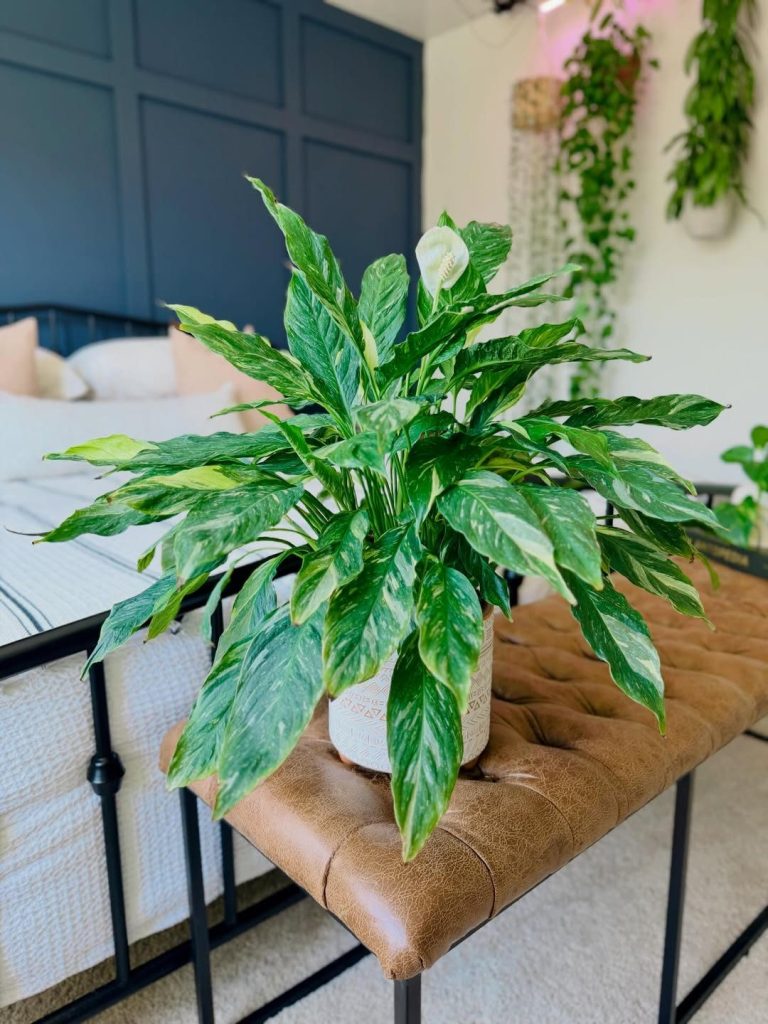
Peace lilies are one of the most recommended plants for damp rooms, and it is easy to see why. They are happy in low light, they flower indoors, and their broad leaves give spores plenty to cling to.
They also tell you when they are thirsty by drooping, then perk right back up after a drink. That makes them very hard to kill. Keep one in a bathroom or a shady bedroom corner.
Light: Low to medium, indirect. Pet safe: No, toxic to cats and dogs.
3. Spider Plant
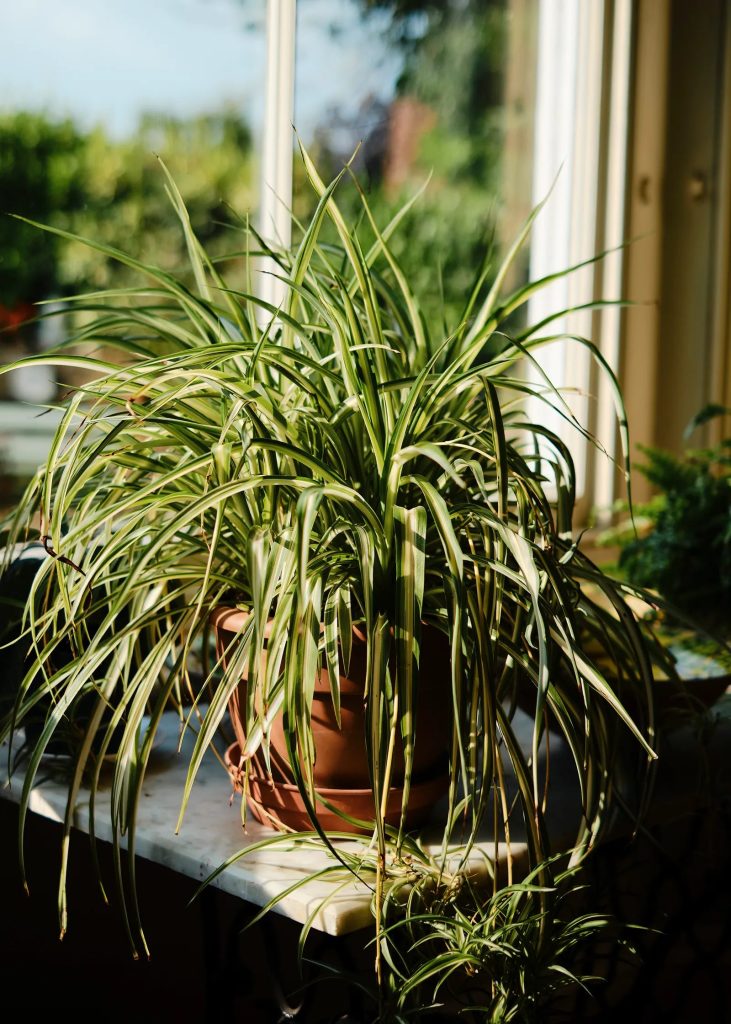
If you want something easy and pet friendly, start here. Spider plants grow almost anywhere, throw out baby plants you can pot up for free, and have loads of thin leaves that catch airborne bits.
They are one of the few mold-friendly picks that will not hurt a curious cat or dog. Great in a hanging basket where the leaves can spread out and do their job.
Light: Bright, indirect, but tolerant. Pet safe: Yes.
4. Boston Fern
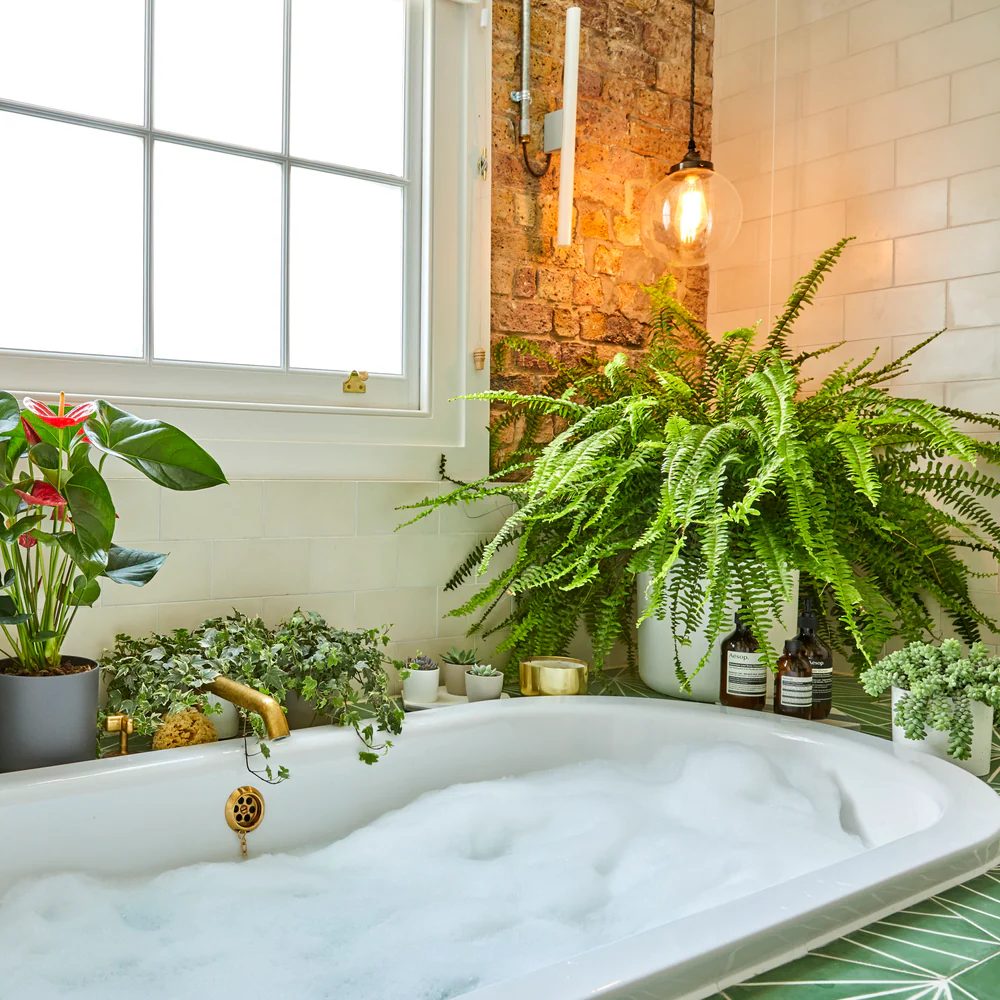
Boston ferns are built for humid rooms. Those feathery fronds help balance moisture in the air, which is exactly what you want in a steamy bathroom or a laundry corner.
They like to stay a little moist and hate a dry, radiator-warm room, so give the fronds a mist now and then. Pop one on a high shelf where the fronds can hang down.
Light: Medium, indirect. Pet safe: Yes.
5. Snake Plant
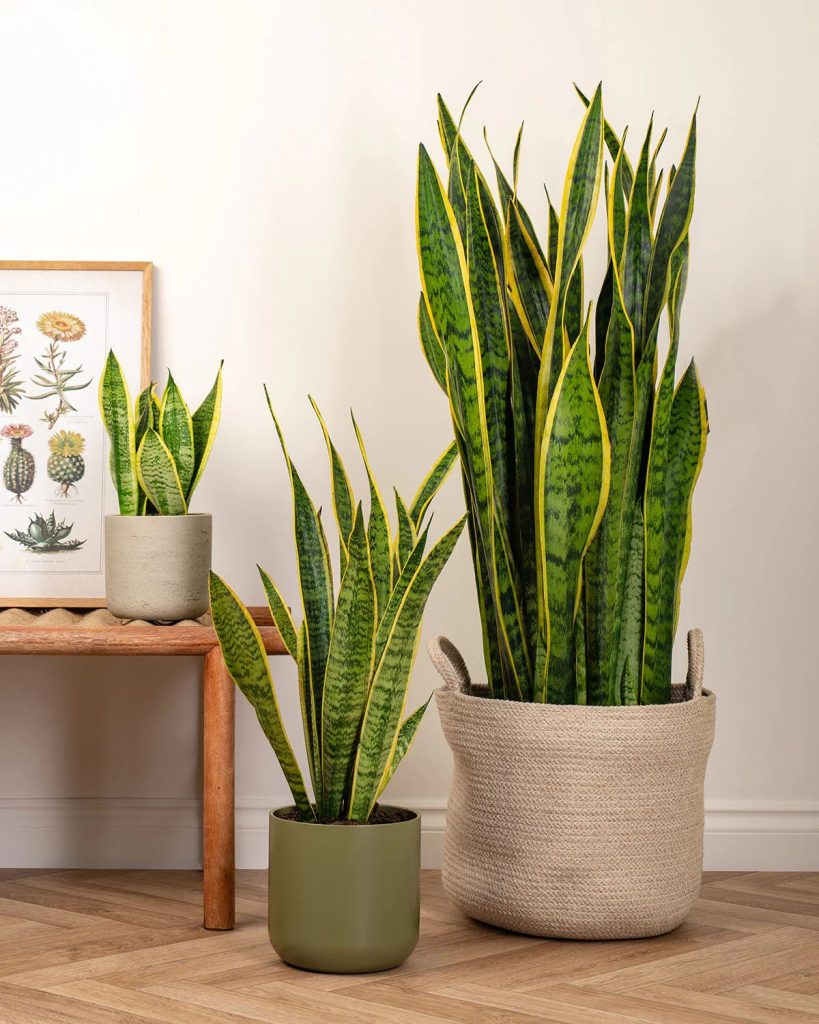
Snake plants are the tough one on this list. They shrug off low light, they barely need watering, and they keep going in the kind of dim, still corner where mold usually wins.
They also give off oxygen at night, which is a nice bonus for a bedroom. Because they want so little water, there is less soggy soil for mold to grow in around the roots too. A solid choice if you tend to forget your plants.
Light: Low to bright. Pet safe: No, mildly toxic to cats and dogs.
6. Orchids
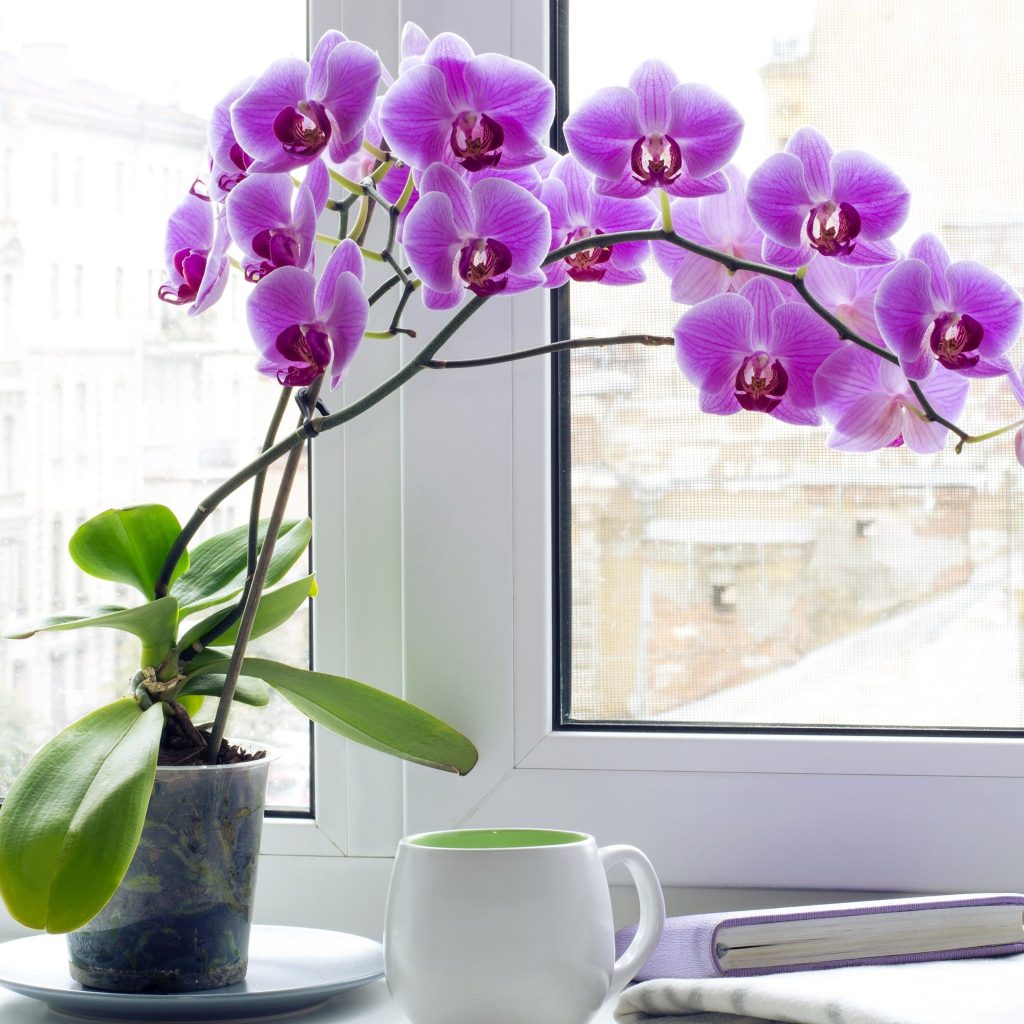
Orchids are one of the few plants that genuinely pull moisture from the air. In the wild they grow on trees rather than in soil, taking water straight from the humidity around them.
That habit makes them handy in a bright, damp bathroom. They look far more delicate than they are, and a phalaenopsis orchid will flower for weeks with very little fuss.
Light: Bright, indirect. Pet safe: Yes.
7. Air Plants
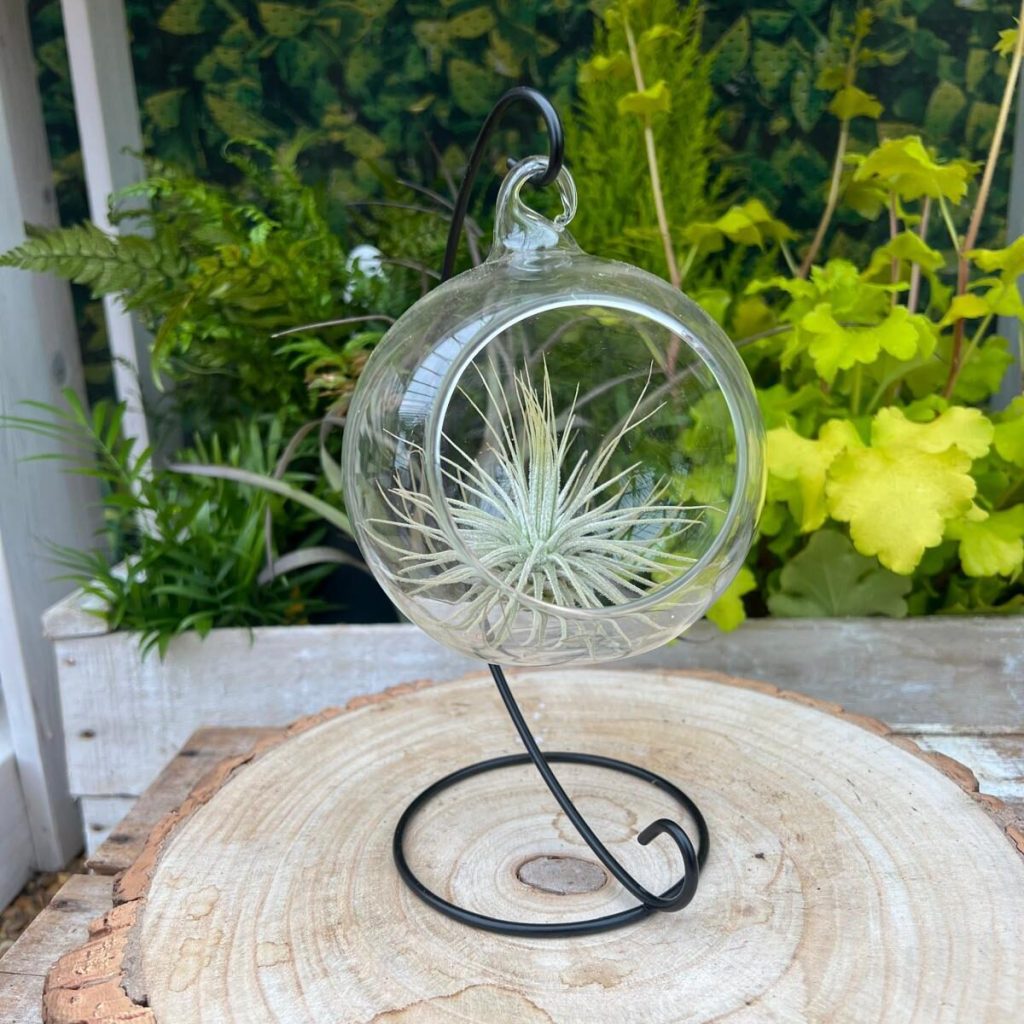
Air plants take the orchid idea further. They have no soil at all and drink moisture straight from the air through their leaves. No soil means no damp compost for mold to grow in, which is a clever trick in a humid room.
Sit them in a bright bathroom and give them a soak in water once a week. They are small, cheap, and easy to dot around on shelves.
Light: Bright, indirect. Pet safe: Yes.
8. Areca Palm
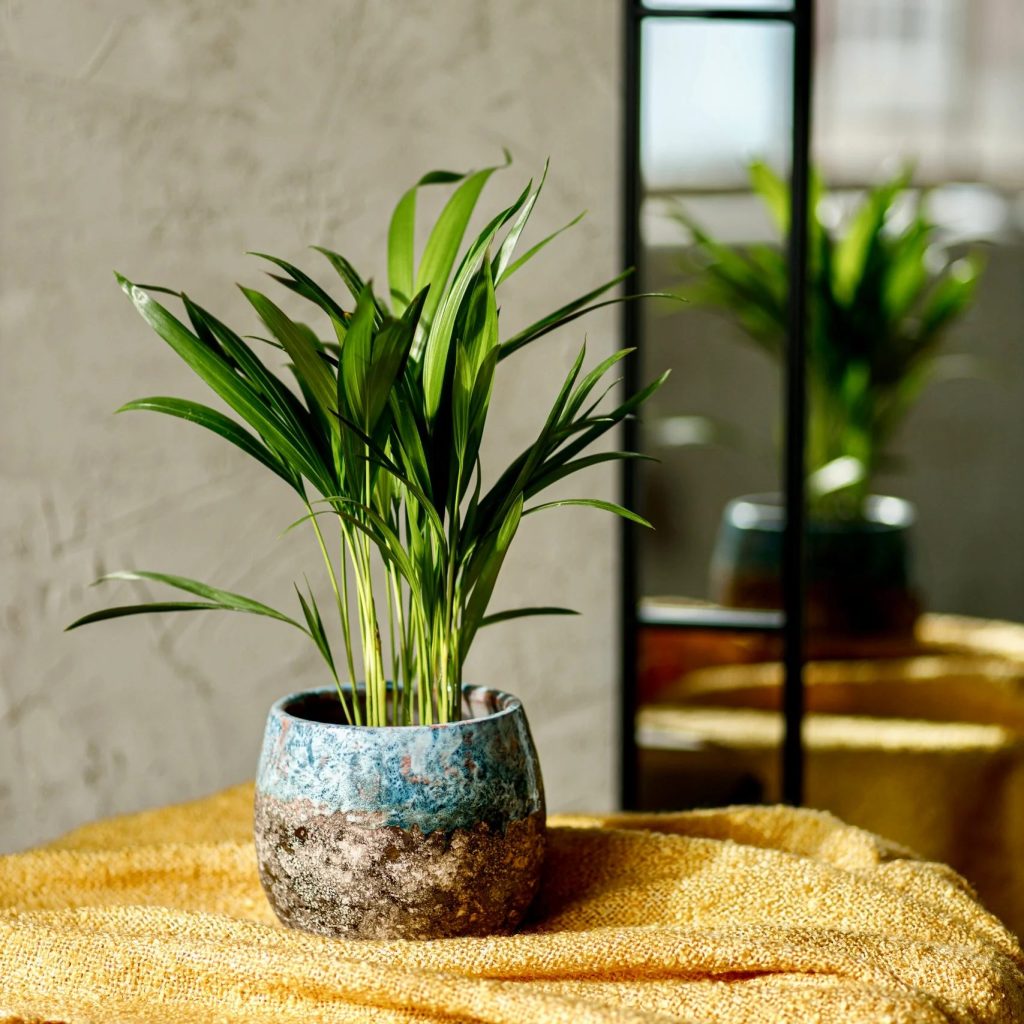
Areca palms thrive in the warm, humid rooms that usually spell trouble. They are big and leafy, they are safe around pets, and they bring a real jungle feel to a bathroom or kitchen.
Keep the soil lightly moist and give the plant room to spread. Wipe the leaves every couple of weeks so dust does not build up and slow them down.
Light: Bright, indirect. Pet safe: Yes.
9. Rubber Plant
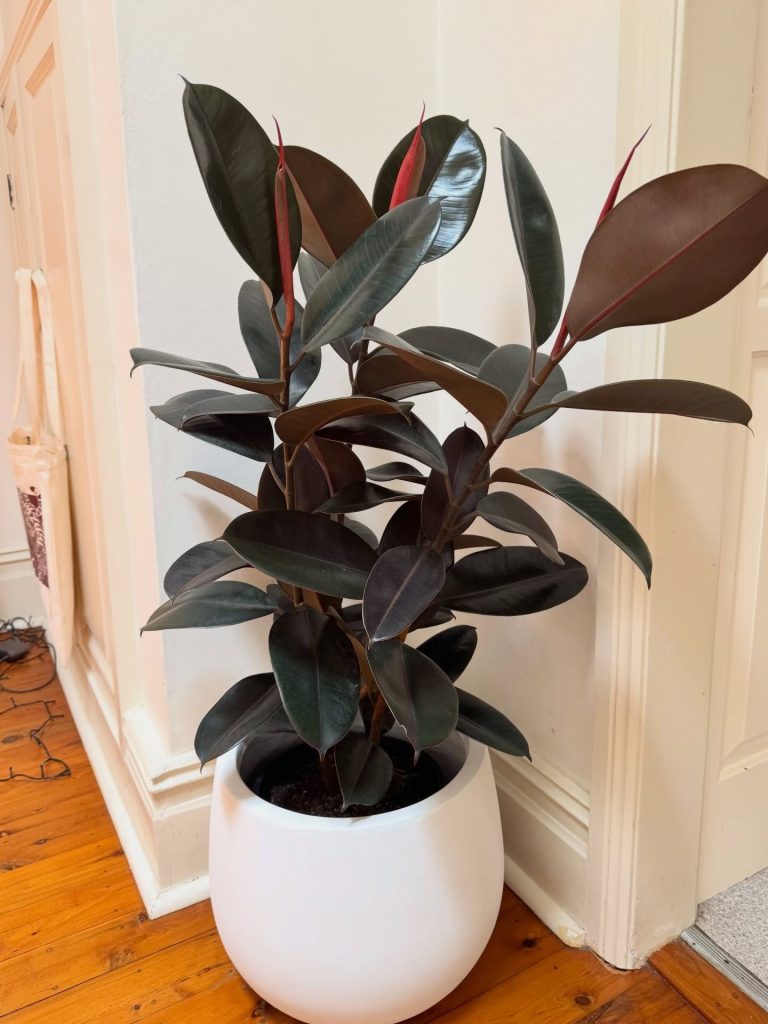
Rubber plants have big, glossy leaves with a lot of surface area, which helps them catch airborne particles and cope with humidity. They grow into a smart, sturdy houseplant that fills a corner nicely.
Give the leaves a wipe now and then to keep them clean and working. One plant can grow tall over a few years, so it earns its space.
Light: Bright, indirect. Pet safe: No, toxic to cats and dogs.
How to get the most out of these plants
A plant in the wrong spot will not do much. A few small things make a big difference.
- Put them where the damp is. Bathrooms, kitchens and laundry areas are where mold starts, so that is where the plants earn their keep.
- Do not overwater. Soggy soil grows its own mold, which is the opposite of what you want. Use pots with drainage holes and let the top of the soil dry out first.
- Wipe the leaves. Dust blocks a leaf from catching anything. A quick wipe with a damp cloth every couple of weeks keeps them working.
- Group a few together. One plant does a little. Three or four in a small room do more.
Plants alone will not stop mold.
Mold is a moisture problem at heart. The single best thing you can do is get the air moving and the damp down. Open windows, run the extractor fan, use a dehumidifier if a room stays muggy, and fix any leaks. Treat any mold that has already taken hold with a proper mold spray. Then let your plants help keep the air fresh once the room is dry. Think of them as backup, not the main defence.
The bottom line
No houseplant is going to scrub mold off your walls. But the right plants in the right damp corners can catch spores, freshen the air and make a room feel better while you keep on top of the moisture. Spider plants, orchids and air plants are the easy, pet-safe places to start. Pair them with good airflow and you have a home that gives mold far less to work with.