
October is the most important month in the whole gardening year, and most people sleep right through it. While the garden is winding down and everyone else is raking leaves, this is your one chance to set up almost a full year of flowers.
The trick is bulbs. Tuck them in the ground now, forget about them, and they do all the work underground through winter. Come spring, they come up on their own – one after another – from the first snowdrops in late winter to the last crocosmia of early autumn. Plant them in the right order and you get flowers for eight months straight from a single afternoon’s work. 🌷
Below, we’ll walk through the bulbs in the exact order they bloom, so you can build that relay of colour yourself. Then we get into the bonus bulbs the big lists skip, the container trick that triples your flowers, and how to stop squirrels digging up every last one. That last part alone is worth reading to the end. 🐿️
The big idea. You plant all of these in October, but they bloom at different times. Line them up right and as one flower fades, the next is already opening. Here they are in bloom order, so you can plan the whole show.
1. Snowdrops (Late Winter to Early Spring)
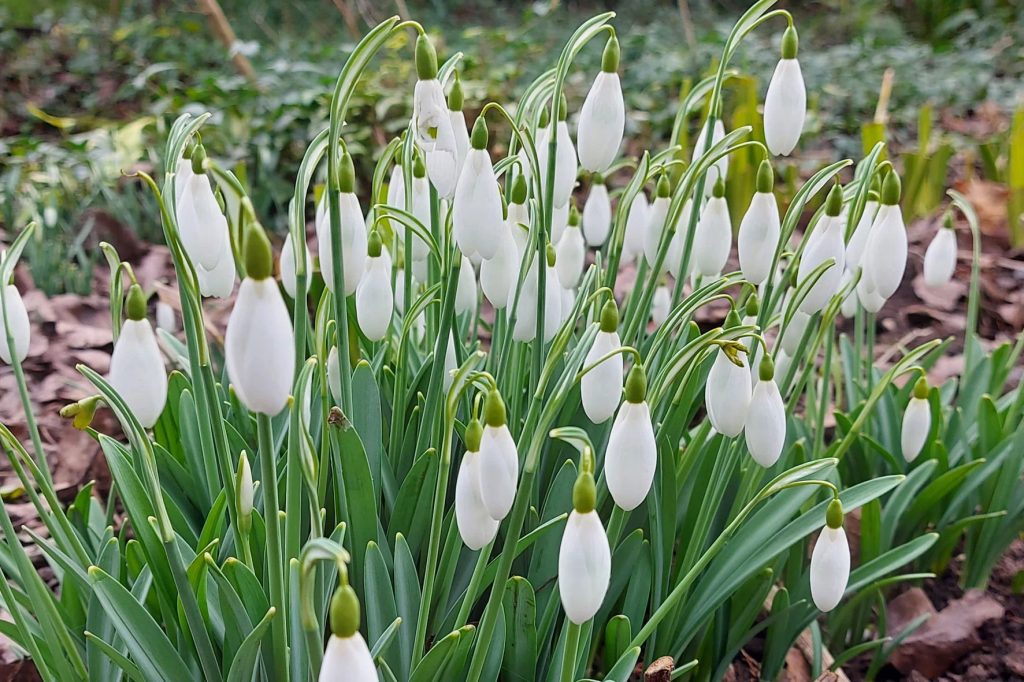
Snowdrops are the brave ones. Their little white bells push up through frozen ground and even the last of the snow, often in February, when nothing else dares. After a long gray winter, that first nod of white feels like the year restarting.
They are happiest in a bit of shade under trees or shrubs, and they multiply into bigger drifts every year with no help from you. Plant them in generous clumps rather than a thin line, since a scattered handful looks lost.
2. Crocuses (Late Winter to Early Spring)
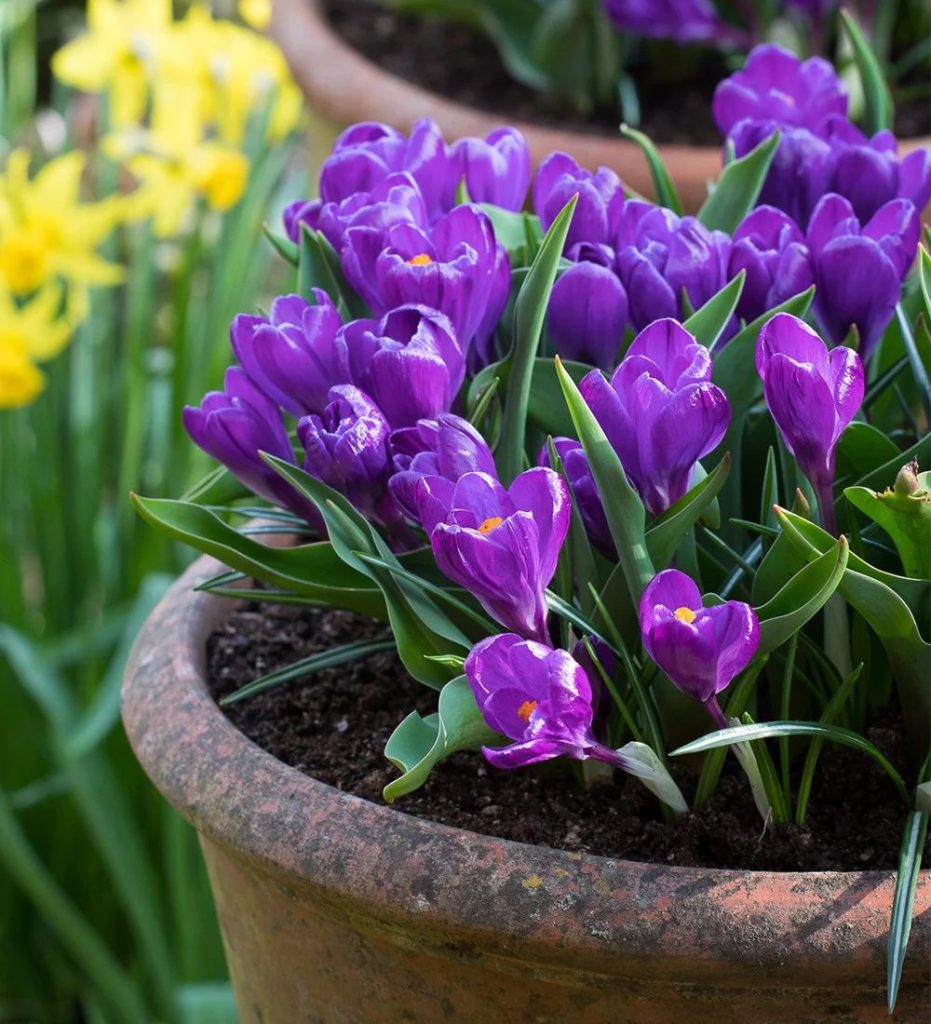
Right alongside the snowdrops come the crocuses, opening in cups of purple, white and gold just as the worst of winter breaks. They are the first real jolt of color of the year, and bees waking up early rely on them for an early meal.
Crocuses are cheap, tough and quick to spread, so buy plenty. They look wonderful scattered right through a lawn, where they finish flowering before the grass needs its first cut.
3. Grape Hyacinths (Early to Mid Spring)
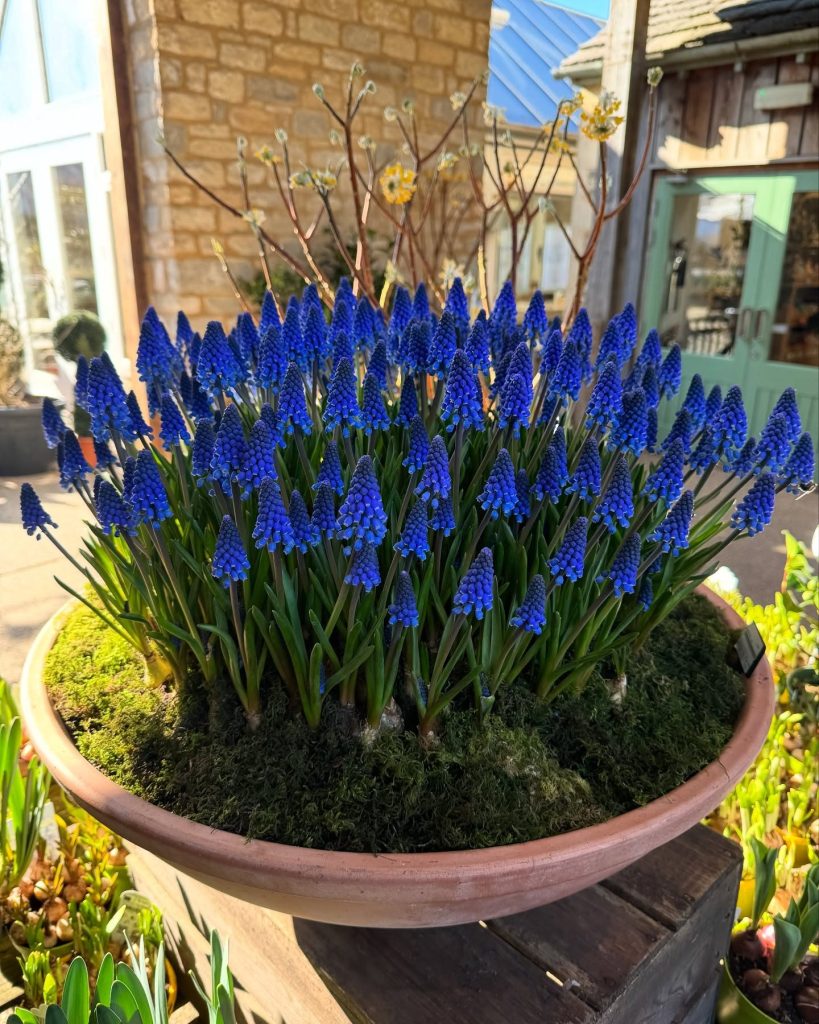
Grape hyacinths, or muscari, send up spikes packed with tiny blue beads that look exactly like bunches of grapes. That deep blue is hard to find anywhere else in the garden, and it carpets beautifully when planted in a mass.
They are one of the easier bulbs to love. Squirrels tend to leave them alone, they come back reliably year after year, and they spread into rich blue rivers over time. Use them to edge a path or run them between taller bulbs.
4. Daffodils (Early to Mid Spring)
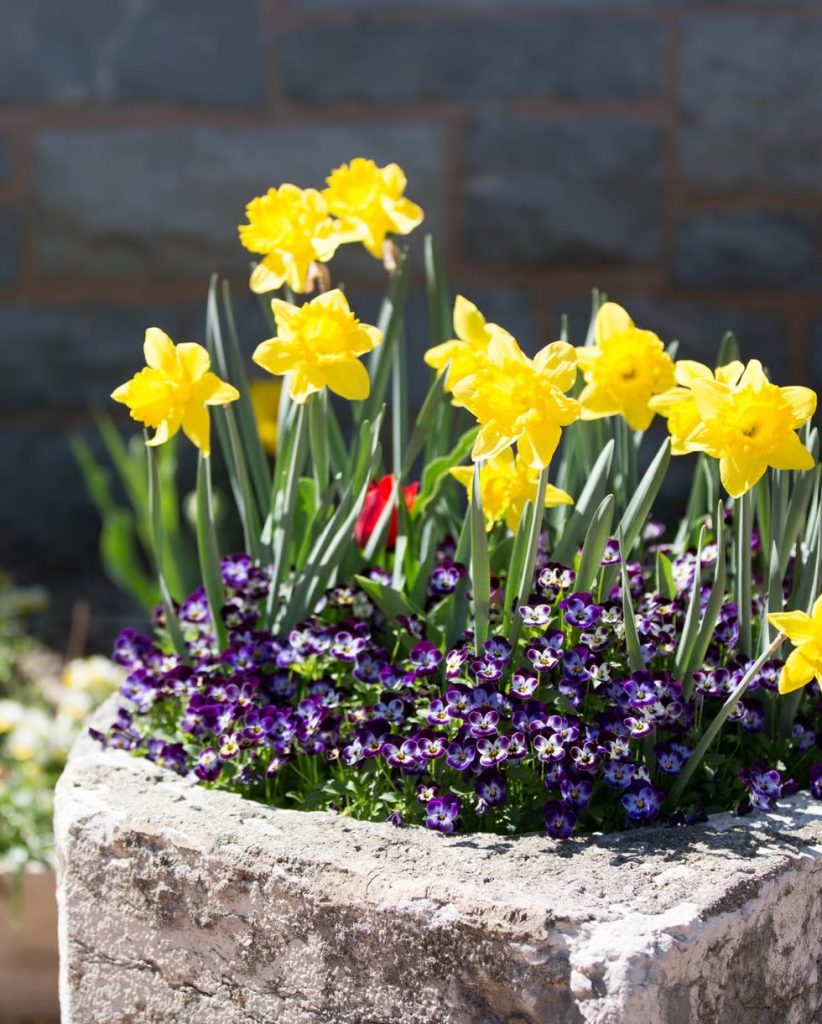
If you plant one bulb this fall, make it daffodils. Their sunny yellow and white trumpets are the sound of spring, and they are about as foolproof as flowers get. They come back for years, multiply as they go, and ask for almost nothing in return.
Better still, deer, squirrels and other nibblers avoid them completely, because the bulbs are mildly toxic and taste awful to them. So if critters have wrecked your bulbs before, daffodils are your safe bet. Plant them anywhere you want dependable color with zero drama.
5. Hyacinths (Mid Spring)
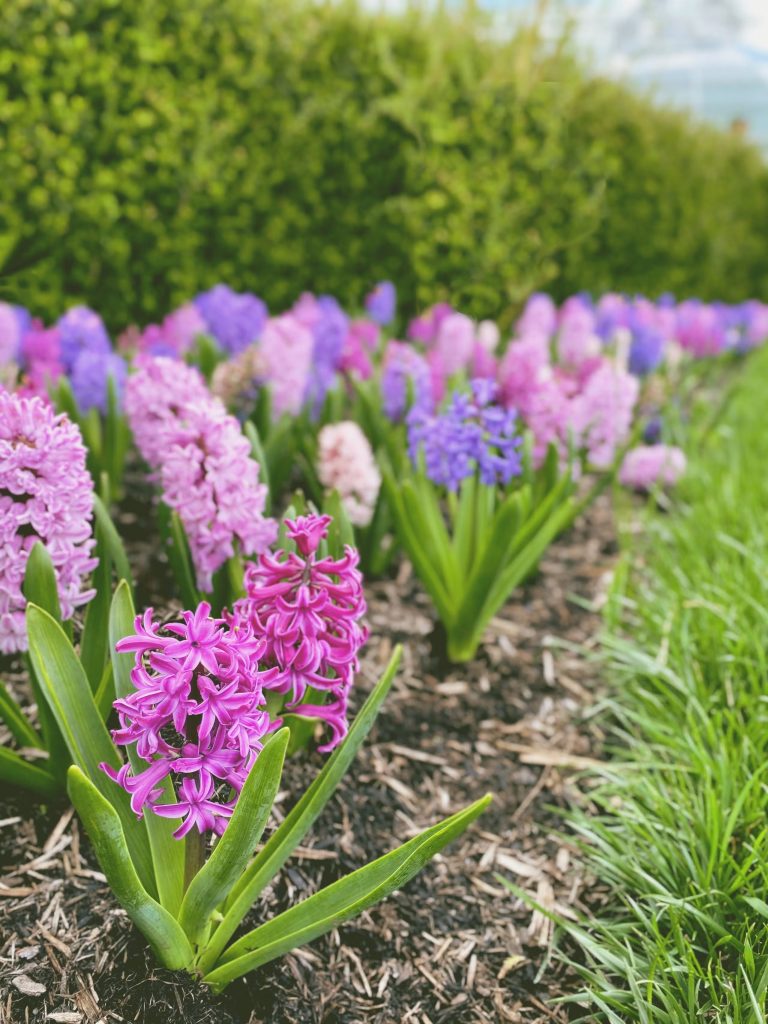
Hyacinths bring two things nothing else on this list can match. First, those fat flower spikes packed with pink, purple, white or blue florets. Second, the scent. One pot of hyacinths can perfume a whole patio or doorstep.
Plant them where you will walk past often, so you catch that fragrance every day. They also force beautifully indoors, so pot a few extra to bloom on a windowsill in the depths of winter.
6. Tulips (Mid to Late Spring)
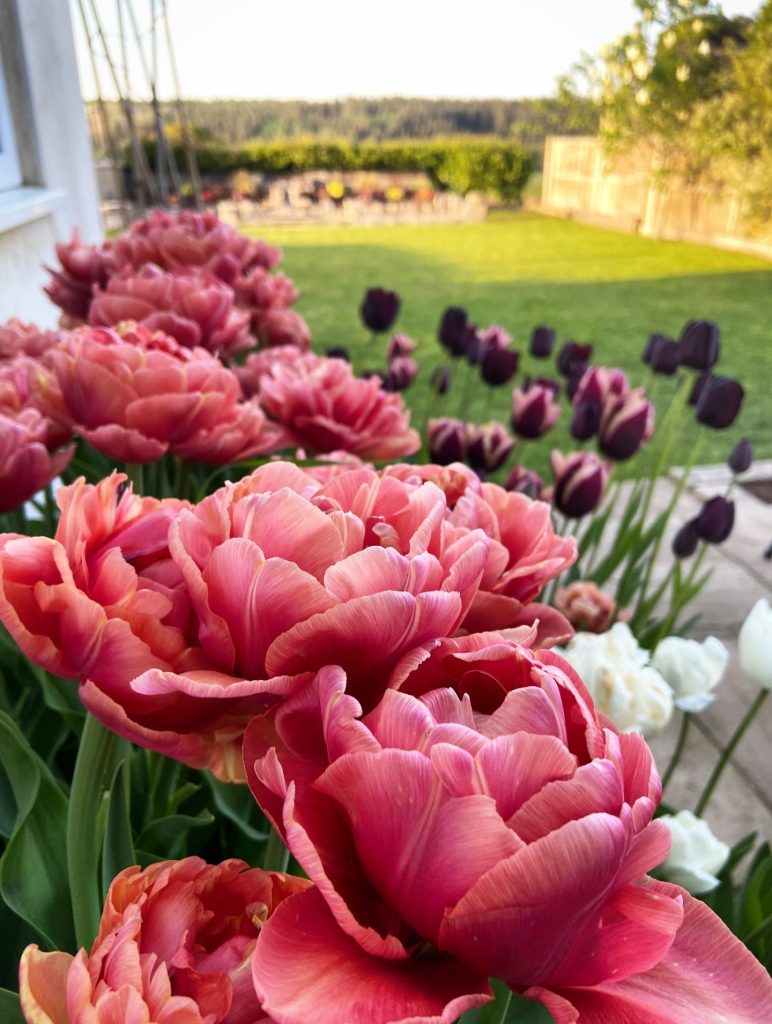
Tulips are the showstoppers, the ones that turn a garden into a postcard in every color you can name. They arrive as the early bulbs are fading, keeping the show rolling into late spring.
One honest tip. Tulips like to go in a little later and cooler than most bulbs, so if you can, save them for the back end of October when the soil has chilled down. That cold soil helps keep bulb diseases at bay and, as a bonus, means the squirrels have mostly finished their frantic autumn digging. Treat them as your spring headliners even if some varieties fade after a year or two.
7. Alliums (Late Spring to Early Summer)
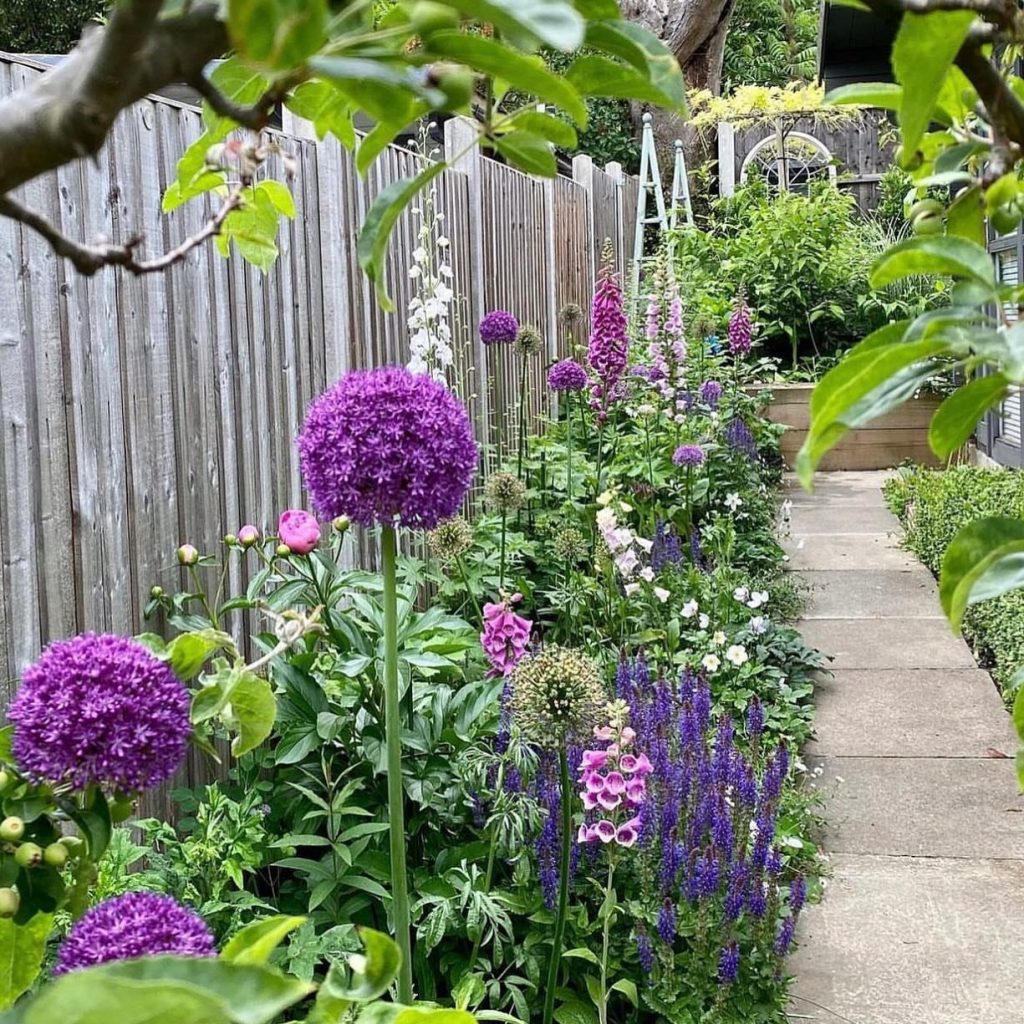
Alliums are the fun ones. They are ornamental onions, and they throw up tall stems topped with perfect purple globes that look like something from another planet. They bridge the gap between spring bulbs and summer flowers, blooming when the tulips are done.
Pollinators swarm them, deer ignore them, and the dried seed heads look great standing in the garden for weeks after the color fades. Plant them among later perennials so the fresh growth hides their fading leaves.
8. Lilies (Summer)
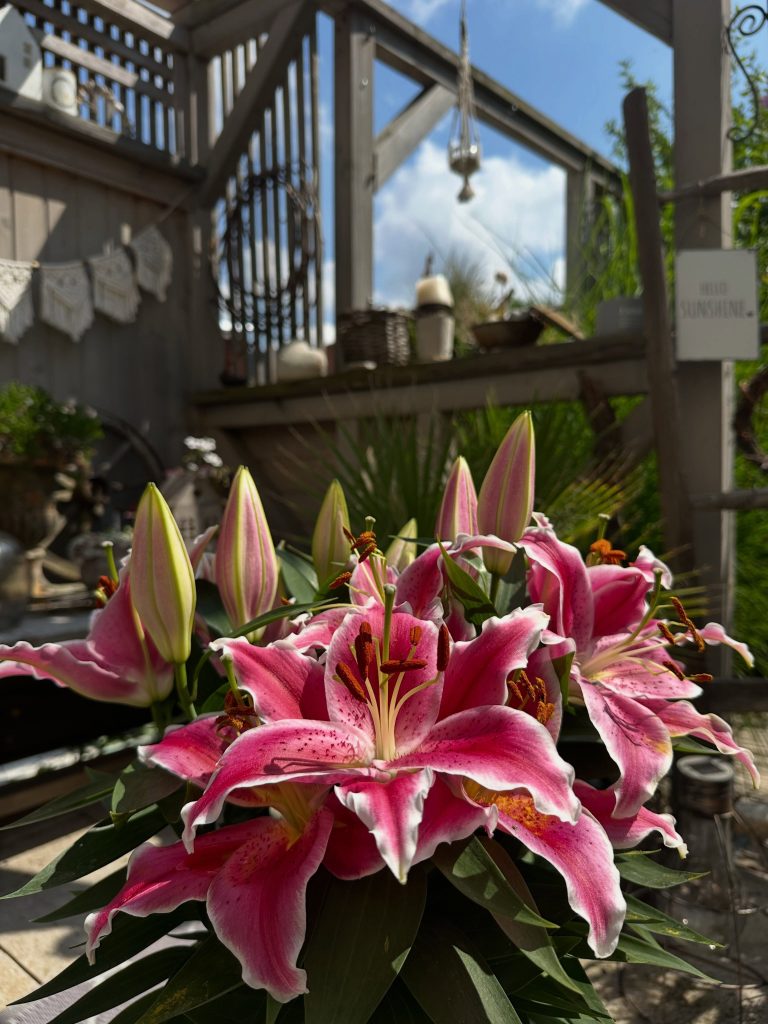
True lilies take the baton into the heart of summer, with big, often fragrant blooms on tall stems in almost every shade going. They bring real drama and height to a border when the spring bulbs are a distant memory.
Plant them in a sunny spot with good drainage and they will return and bulk up for years. Just note that lily flowers and pollen are toxic to cats, so keep them out of a garden where a curious cat roams, and never bring the cut flowers into a home with one.
9. Crocosmia (Late Summer)
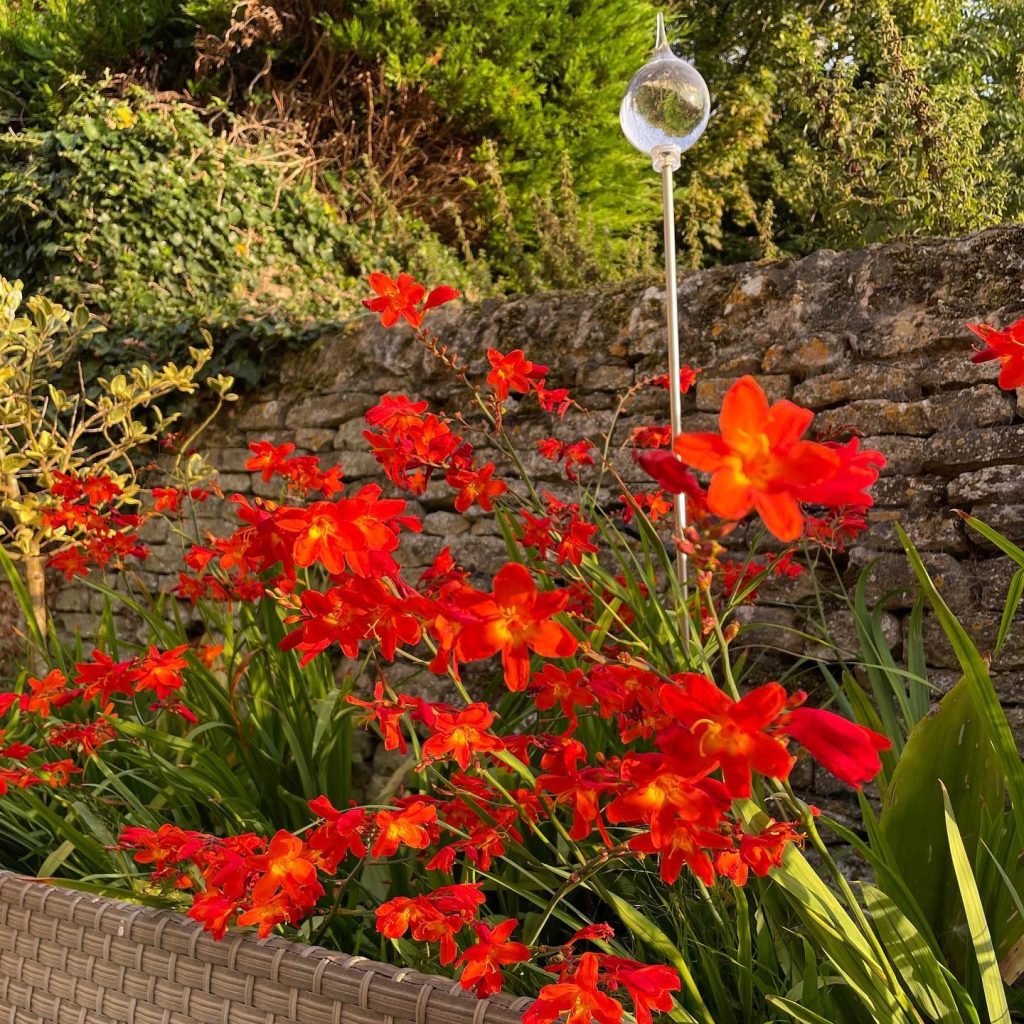
Crocosmia closes out the year in a blaze. Arching sprays of fiery red, orange and yellow flowers light up the late-summer garden and pull in hummingbirds, right when many other plants are tiring.
It is happiest fall-planted in milder areas. If your winters are hard, roughly colder than zone 6, plant it in spring instead or mulch it deeply for protection. Once it settles in it spreads into a bold, easy clump that just keeps giving.
Bonus bulbs the big lists always skip
The nine above will keep almost any garden in flower for months. But if you want a yard that makes people stop and ask questions, work in a few of these lesser-known bulbs too. They plant in October just the same.
Siberian Squill (Scilla). Tiny, intense blue star flowers very early in spring. It naturalizes into a blue haze under trees, and squirrels do not touch it.
Dwarf Iris (Iris reticulata). Jewel-toned iris flowers just a few inches tall that bloom right up there with the crocuses. Big impact for such a small bulb, and perfect at the front of a bed.
Glory of the Snow (Chionodoxa). Exactly what the name says. Starry blue and white flowers that open as the snow retreats, and spread happily year after year.
Winter Aconite (Eranthis). Buttercup-yellow blooms that can beat even the snowdrops, sometimes flowering in the dead of winter. A cheerful splash when the garden is at its bleakest.
Fritillaria. From the tall, dramatic crown imperial to the delicate checkered snake’s head, these are conversation pieces. The crown imperial’s musky scent also helps keep rodents away from nearby bulbs.
Camassia. A North American native with tall spikes of blue star flowers in late spring. It handles the damp spots most bulbs hate, and pollinators love it.
How to plant a bulb the right way
Bulbs are about as beginner-friendly as gardening gets, but a couple of basics make all the difference between a great show and a patchy one.
Plant them pointed end up. That pointed tip is where the shoot comes from, and the flatter, often rougher base is where the roots grow. If you truly cannot tell, plant the bulb on its side. It will sort itself out.
For depth, the simple rule is to plant two to three times as deep as the bulb is tall. So a two-inch bulb goes about five to six inches down. Too shallow and they heave up over winter or get found by animals. Too deep and they struggle to reach the surface. Space them a few bulb-widths apart, and always plant in clusters, never single file, for a fuller look.
The container trick that triples your flowers
Here is the move that turns one pot into a two-month display. It is called bulb layering, or a bulb lasagna, and it is exactly as clever as it sounds.
In a deep pot, plant the biggest, latest bulbs like tulips and daffodils at the bottom. Add a layer of soil, then a middle layer of hyacinths. Add more soil, then top it off with the smallest, earliest bulbs like crocuses and muscari. They do not mind sitting above each other. Each layer grows up past the one below, so a single container blooms in waves for weeks instead of days. One pot, one planting, a long parade of flowers.
Stop the squirrels: protecting your bulbs
Nothing stings like planting fifty bulbs and finding half of them dug up by morning. Squirrels and chipmunks treat fresh bulbs like a buried snack bar. A few simple tactics keep them out.
- Plant the bulbs they hate. Daffodils, alliums, muscari, snowdrops, scilla and fritillaria are all left alone. Tulips and crocuses are the ones most likely to get raided.
- Hide your tracks. Squirrels dig where the soil looks freshly disturbed. Spread a layer of mulch or fallen leaves over the spot so it blends in.
- Skip the bone meal. That old-school bulb fertilizer smells like food to animals and just draws them in. Bulbs already hold everything they need to flower, so leave it out.
- Plant a little later. By late October the frantic autumn foraging has slowed, so bulbs put in then are less likely to be dug up.
- Cover the bed. For prized tulips, lay a sheet of chicken wire or burlap over the planted area, pinned down, and lift it in early spring before shoots push through.
Warm-climate gardeners, read this first
October bulb planting assumes you get a real winter. If you garden somewhere mild, roughly zone 8 and warmer, the rules change and this is where a lot of people go wrong.
Bulbs like tulips, hyacinths and crocuses need a long cold spell to bloom properly, and a warm winter never gives it to them. The fix is to chill them yourself. Keep them in a paper or ventilated bag in the fridge for around 10 to 14 weeks, then plant them out in December or January. Keep them well away from ripening fruit in there, since the gas fruit gives off can quietly ruin the flowers inside the bulb.
Or take the easy road and plant bulbs that do not need chilling at all, like daffodils, alliums, Dutch iris, ranunculus and anemones. Less fuss, and they are far better suited to a warm garden anyway.
Which bulbs come back, and which fade
Some bulbs are a one-time buy that multiply into bigger drifts for decades. Others tend to give their best in year one and slowly peter out. Knowing which is which saves you money and disappointment.
The great naturalizers, the ones that come back and spread, are daffodils, crocuses, muscari, snowdrops, scilla and alliums. Plant these once and enjoy them for years. Tulips are the famous exception. Many modern tulips flower brilliantly the first spring, then fade, so a lot of gardeners treat them as a yearly treat and replant fresh bulbs each fall. Both approaches are fine. Just know what you are buying.
Common October bulb mistakes to avoid
Dodge these few slip-ups and your bulbs will reward you for it.
- Planting too early in warm soil. If the ground is still summer-warm, bulbs may sprout too soon. Wait for the soil to cool.
- Planting single bulbs in a row. Bulbs look their best in clusters. A tight group of a dozen beats twelve dotted about.
- Forgetting to water them in. Bulbs need one good drink after planting to kick-start their roots before winter.
- Cutting the leaves off too soon in spring. After they flower, the leaves feed next year’s bloom. Let them yellow and die back on their own before tidying up.
- Buying soft or moldy bulbs. Pick bulbs that feel firm and heavy, like a good onion. Soft, light or mushy ones will not perform.
Quick questions, answered
Is October too late to plant bulbs? For most of the country, October is right on time. In colder zones you can plant well into November, as long as the ground has not frozen solid. In warm zones you plant later still, after chilling.
Do I need to fertilize bulbs when planting? No. A bulb is a complete package with next spring’s flower already inside. Good soil and a drink of water are all it needs to get going.
Can I plant bulbs in pots? Absolutely, and layering them, as above, gives you the longest show. Just make sure the pot drains well, since bulbs rot in soggy soil.
What if I miss October entirely? Get them in as soon as you can, even late. A bulb planted a bit late will almost always do better than one left in a bag in the garage all winter.
Have a Fantastic October!
An hour or two in the garden this October buys you flowers from the last frost of winter to the first chill of next fall. Start with the easy, reliable stars like daffodils, crocuses and muscari. Add tulips and hyacinths for the big spring show, alliums and lilies to carry summer, and crocosmia to see the year out. Layer a pot or two, keep the squirrels guessing, and let the cold do the rest.
Plant them now while you are thinking about it. Come February, when that first snowdrop opens and the rest of the street is still bare, you will be very glad you did.